Learn the Past,
Know the Present
People, places, and ideas that shaped the world. Follow the evidence. Discover the connections.
In the spotlight
-
Inside Edo’s Print Trade: The Work Behind the Floating World
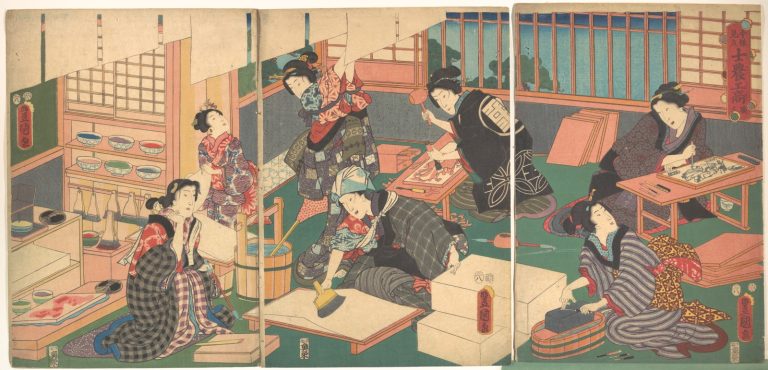
A Sharaku portrait or Hiroshige rainstorm began as a collaboration. Publishers, cutters, printers and booksellers made Edo’s famous images—and shaped what their audiences could see.
-
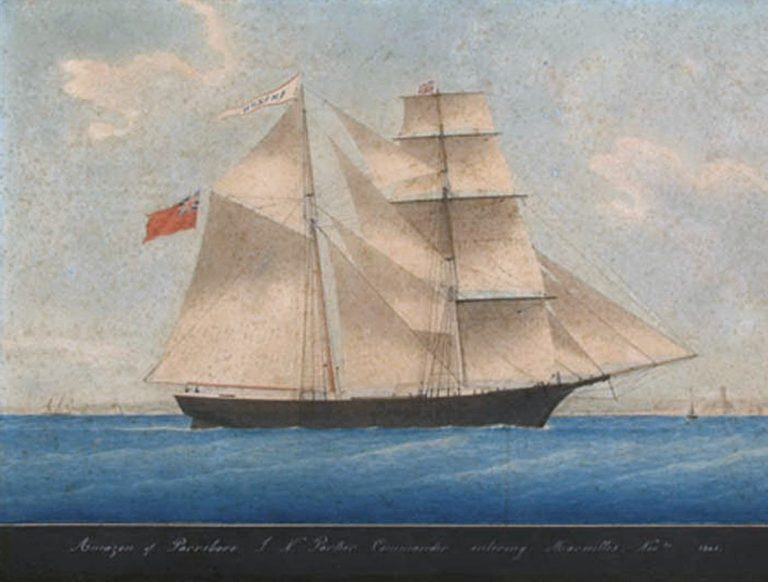
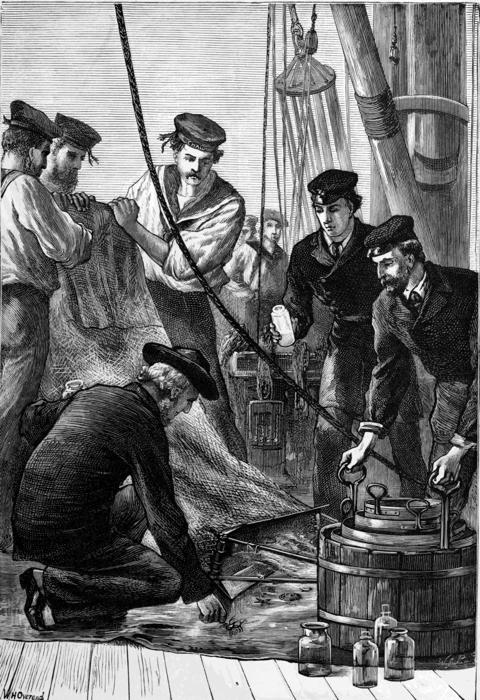
Mary Celeste, 1872: What the Inquiry Could—and Could Not—Explain
A seaworthy vessel reached Gibraltar without the ten people who had sailed in her. Surveys, disputed stains and newspaper stories reveal how an unexplained abandonment became something stranger.
-
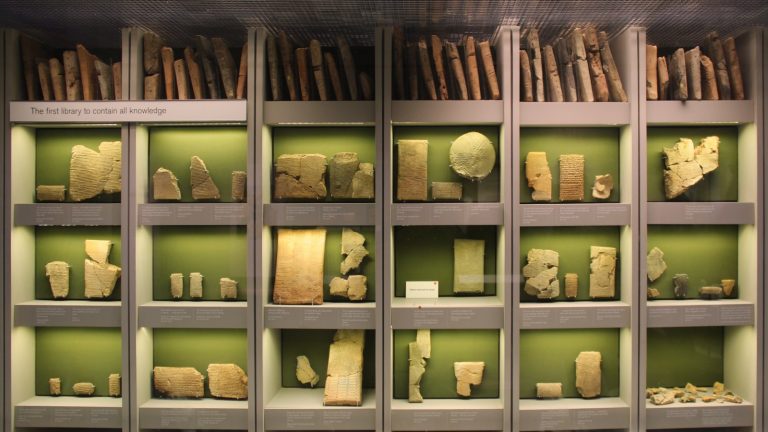
Ashurbanipal’s Library: The Scribes Behind a King’s Knowledge
Ownership marks, scholarly copies and broken clay tablets reveal how a royal collection at Nineveh joined learning to power—and why its reconstruction is still unfinished.
Know the Present
More analysisHistory offers perspective on the questions shaping life today.
-
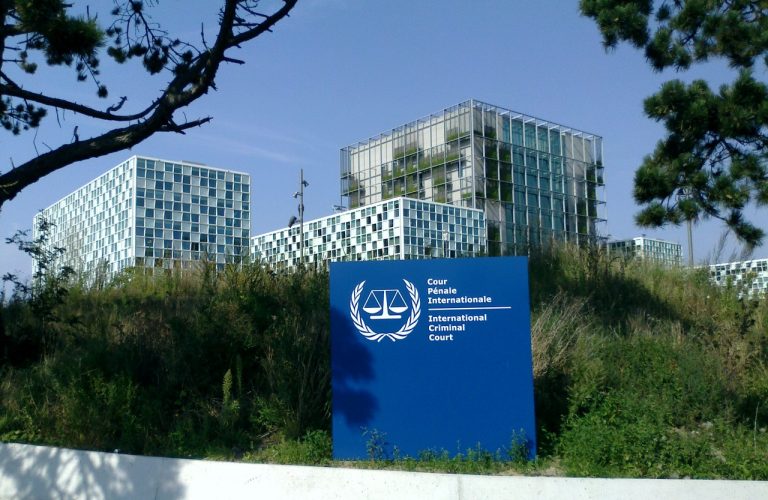
The ICC’s Sakharov Prize and the Bargain Made at Rome
The 2026 award recognizes an international court. The Rome Statute explains why recognition, jurisdiction and enforcement remain different things.
-
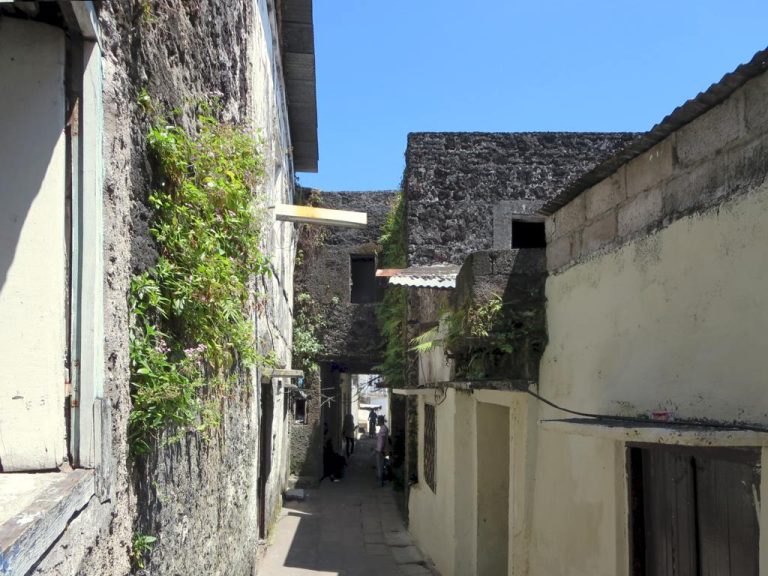
After Busan: What UNESCO’s 2026 World Heritage Expansion Really Changes
Twenty-five new inscriptions broaden the List. The harder question, rooted in the 1972 Convention, is how recognition becomes lasting protection.
History around the world
Different places. Interwoven histories. Find your next point of departure.
Travel through time
Explore every eraExplore the big stories
All topics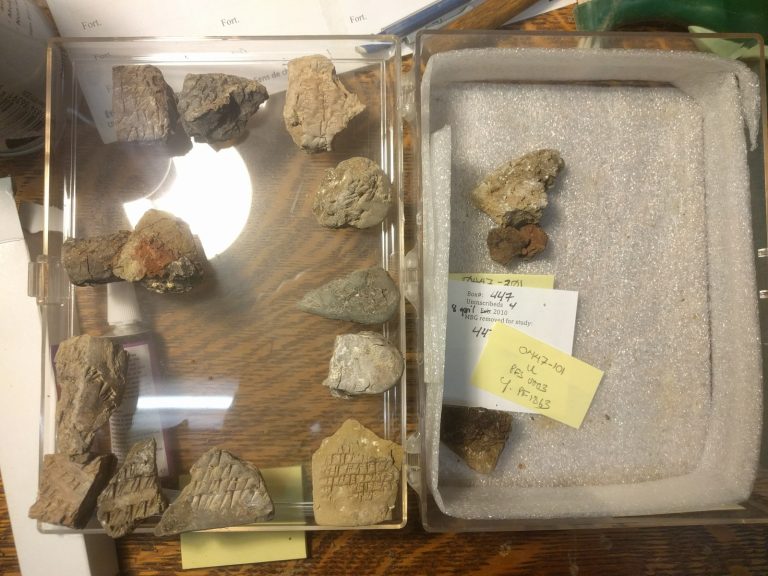
The latest stories
Browse by topicNew discoveries and fresh perspectives from across Histovia. Use the page links below to continue through the archive.
-
The ICC’s Sakharov Prize and the Bargain Made at Rome
The 2026 award recognizes an international court. The Rome Statute explains why recognition, jurisdiction and enforcement remain different things.
-
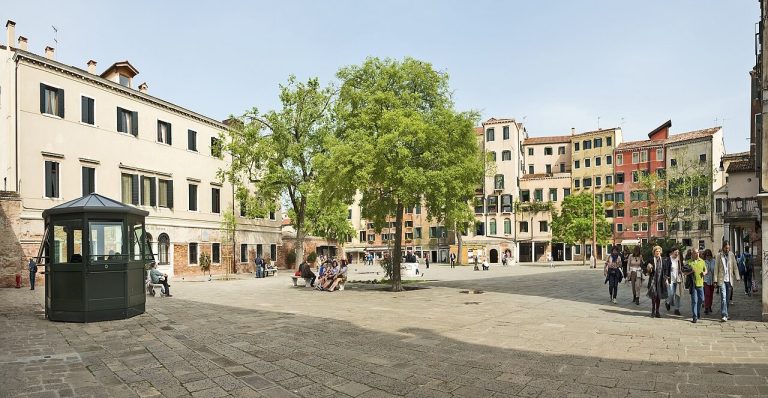
The First Ghetto: A Venetian History Beyond the Gates
Alexander Lee’s 2026 Cundill finalist asks how a place of compulsory residence could also become a rich, divided and enduring center of Jewish life.
-
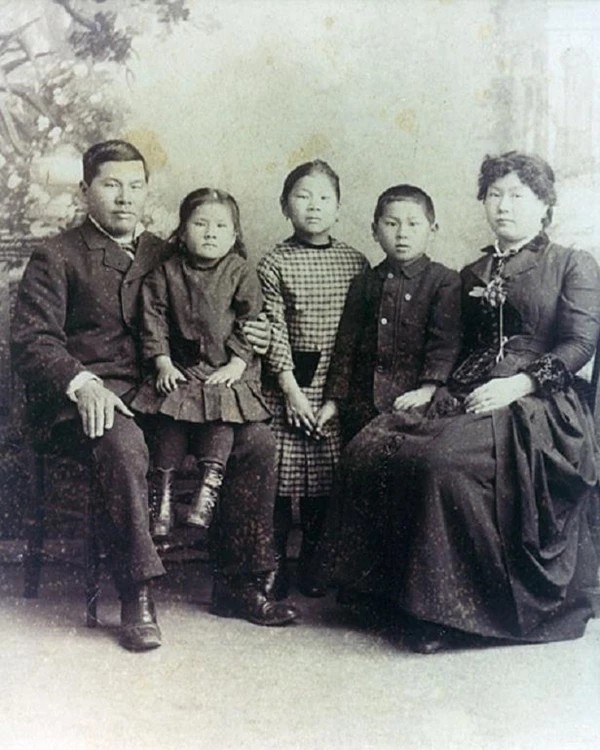
John Doe Chinaman and the Laws Beyond the Border
Beth Lew-Williams’s 2026 Cundill winner moves the history of Chinese exclusion from the port of entry into the workplace, classroom and family.
-
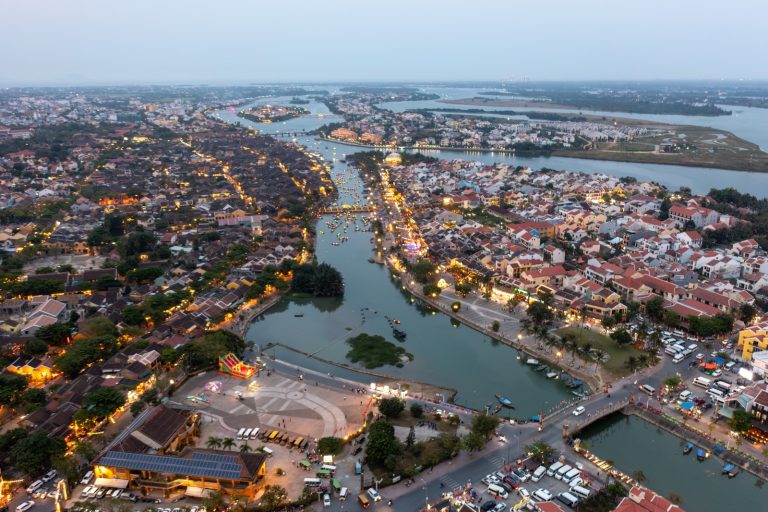
Reading Hoi An: The River, Houses and Communities of a Trading Port
A historical guide to Hoi An’s covered bridge, merchant houses, assembly hall and ceramics museum—and the river networks and continuing repairs that make sense of them.
-
Mary Celeste, 1872: What the Inquiry Could—and Could Not—Explain
A seaworthy vessel reached Gibraltar without the ten people who had sailed in her. Surveys, disputed stains and newspaper stories reveal how an unexplained abandonment became something stranger.
-
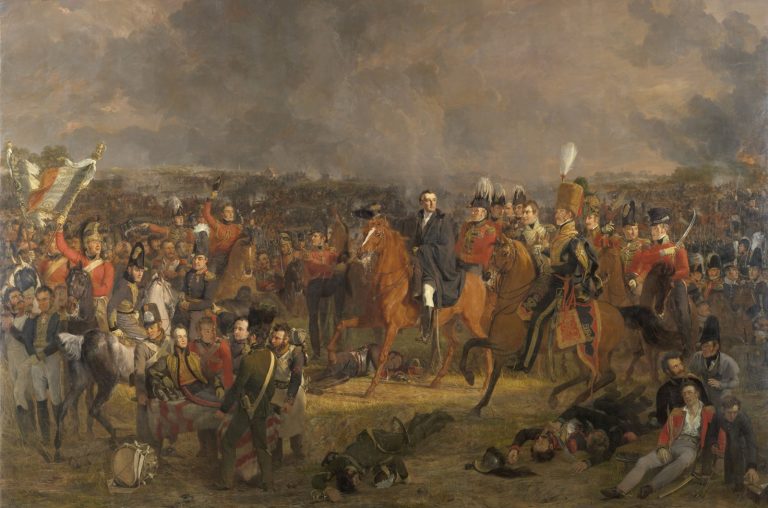
Waterloo, 1815: The Coalition That Stayed Within Reach
Napoleon’s plan depended on keeping two enemy armies apart. The decisive story runs through their retreat routes, messages, ammunition and the hard work of making promised help arrive.
Curiosity is only the beginning. Our stories follow objects, documents, and people into the past, with room for what the evidence cannot yet tell us.
About Histovia