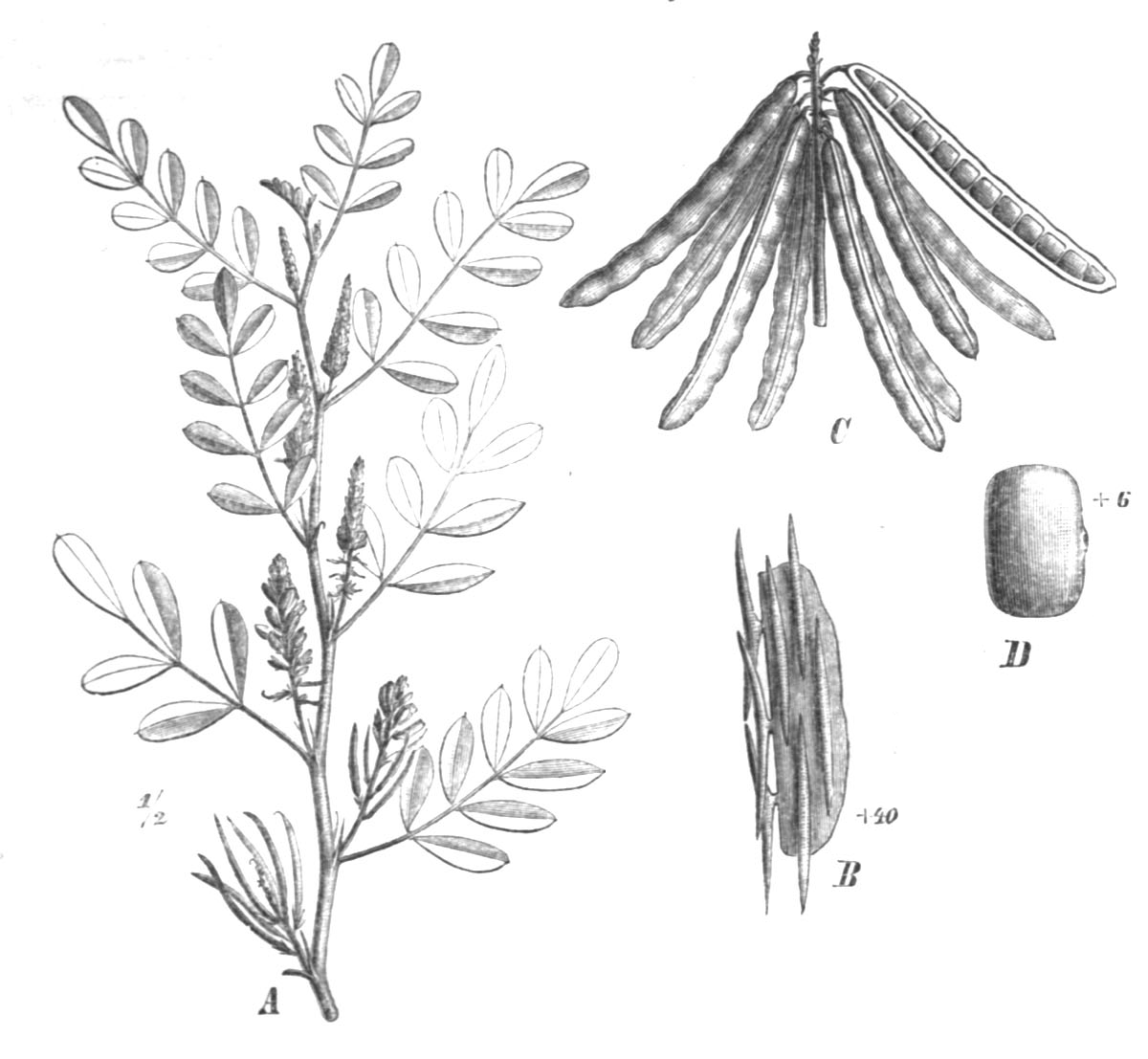
Indigo: The Skilled Work and Unequal Worlds Behind a Beautiful Blue
A blue textile begins with green plants, careful transformations, and human labor. The history of indigo joins remarkable craft to uncomfortable questions about power.

Work, food, cities, family, art, and the material worlds of ordinary people.
A blue textile begins with green plants, careful transformations, and human labor. The history of indigo joins remarkable craft to uncomfortable questions about power.
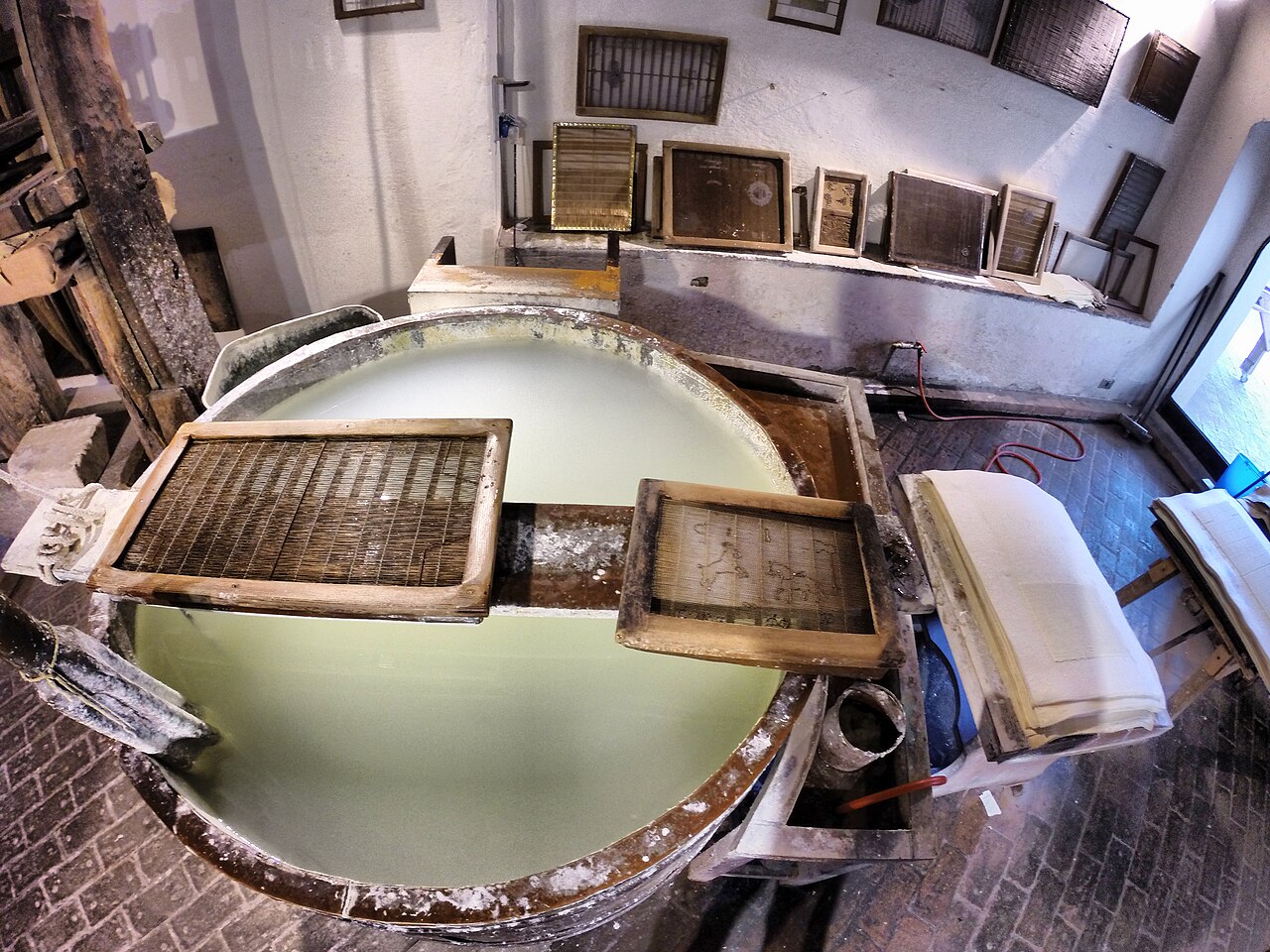
In medieval Fabriano, worn cloth, moving water and skilled hands became durable paper. Follow the work from rag pile to watermark, and the clues still hidden in old books.
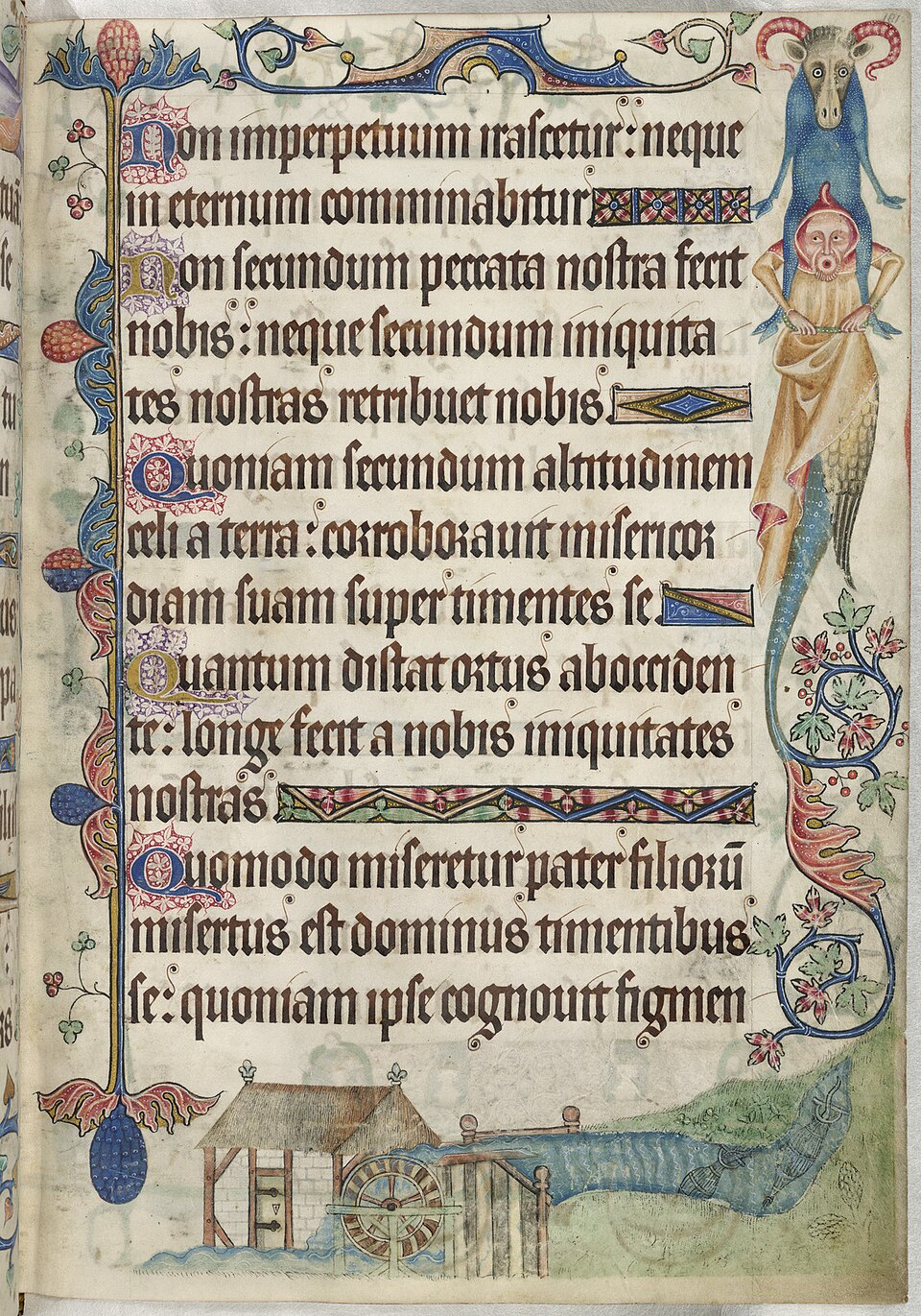
From an Irish tidal mill to English manorial accounts, water-powered grinding joined skilled work, engineered rivers and contested rights to a share of the harvest.
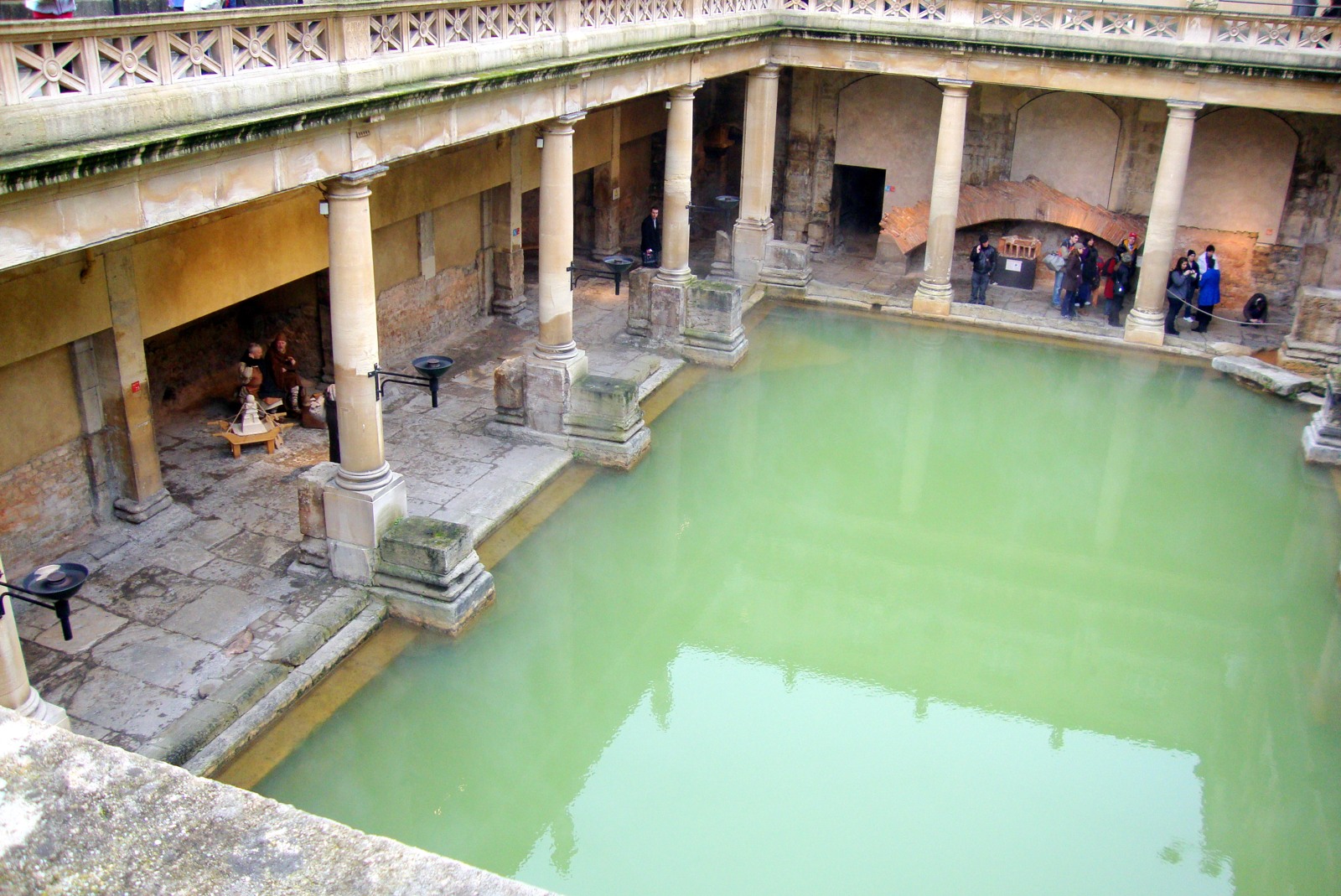
A noisy letter, a metal scraper and the rooms beneath the floor reveal a public institution that brought people together without making them equal.
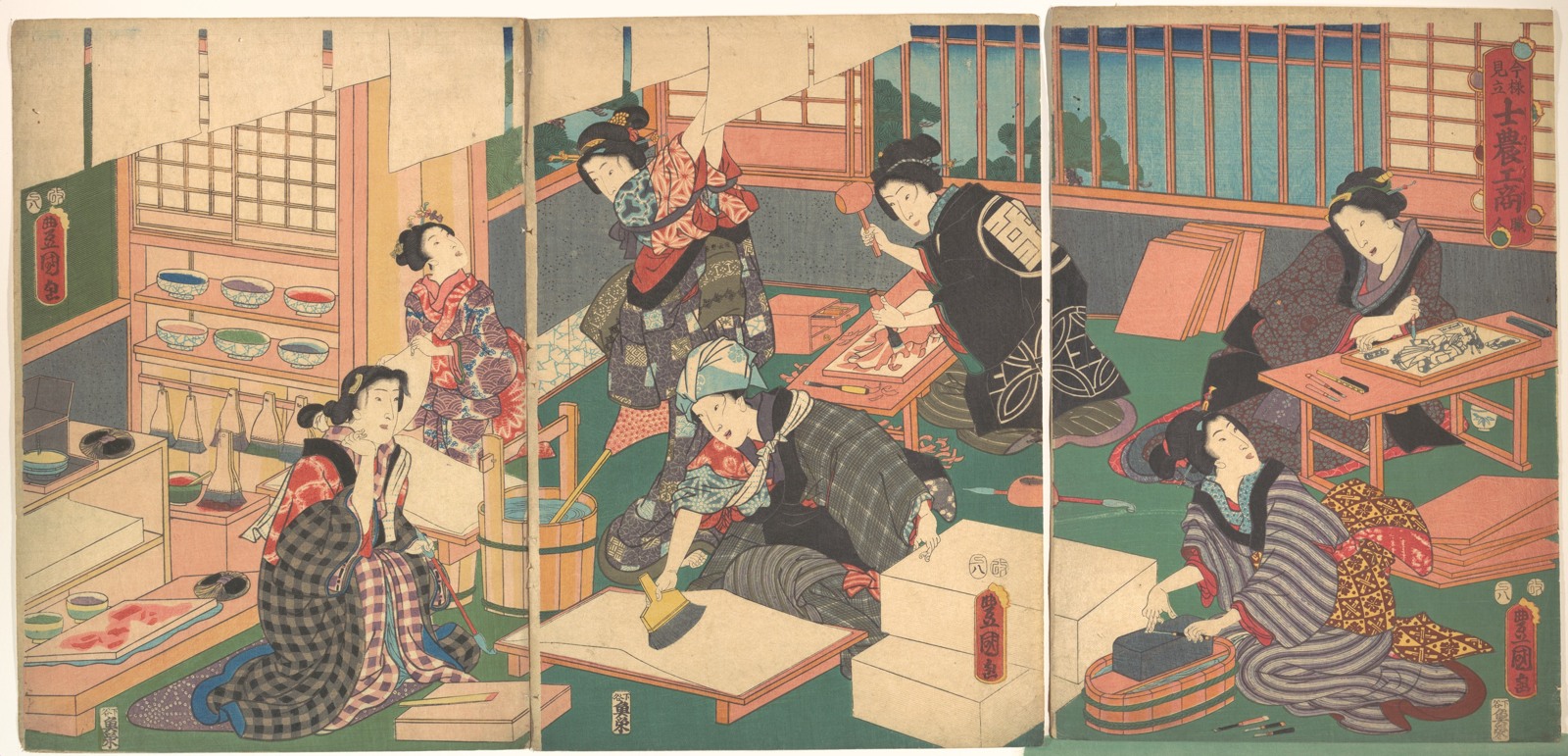
A Sharaku portrait or Hiroshige rainstorm began as a collaboration. Publishers, cutters, printers and booksellers made Edo’s famous images—and shaped what their audiences could see.
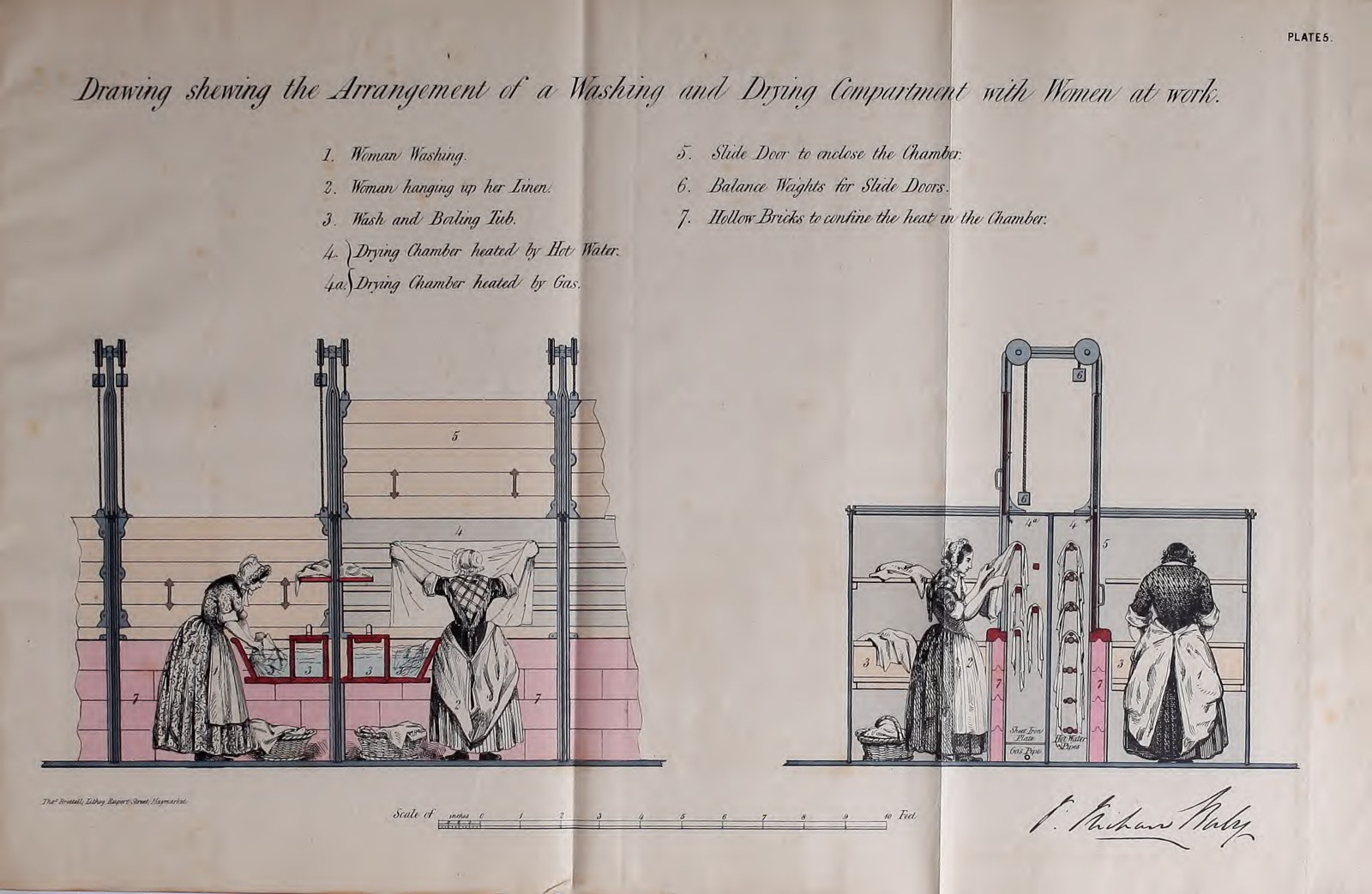
Public washhouses brought heat, water and machinery within reach of crowded households. Their rules and records reveal both the relief they offered and the women’s work they did not remove.
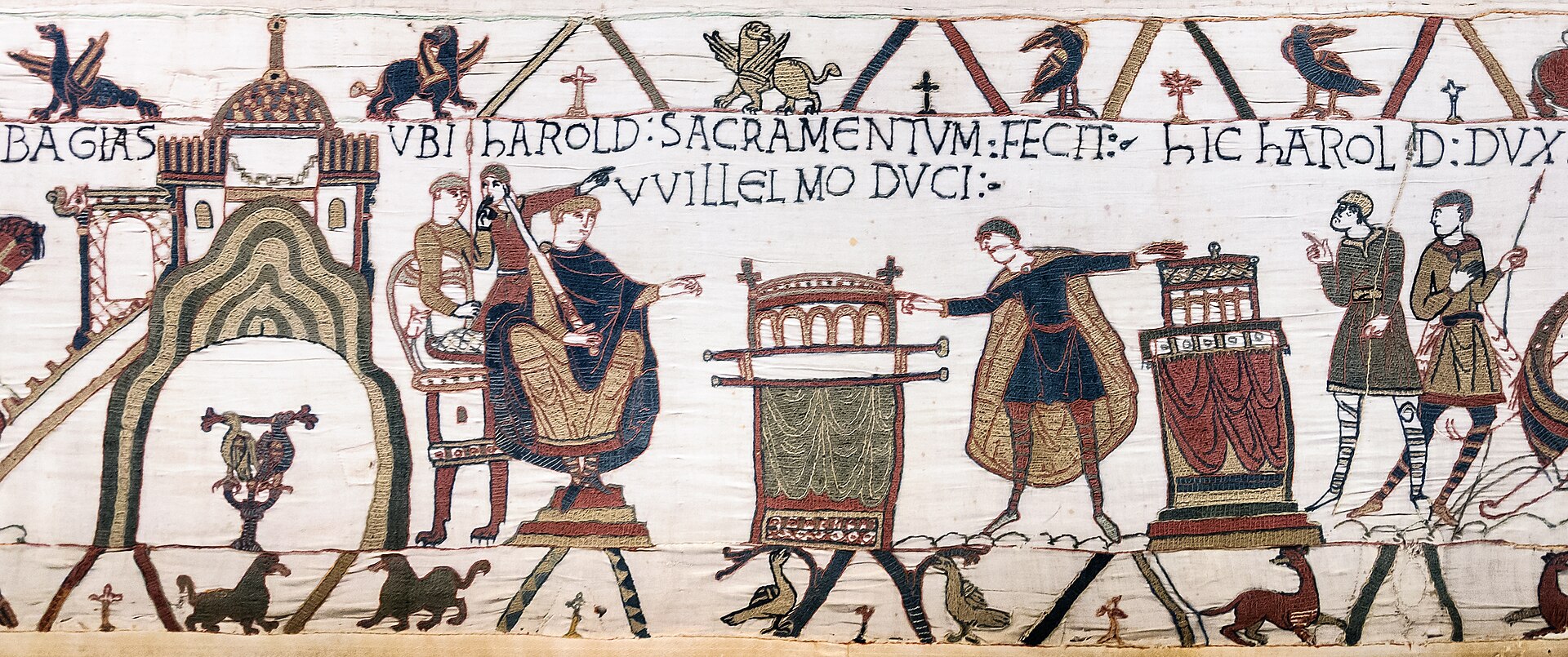
Oaths and coronations shape its political story. Carpenters, meals, a burning house, and bodies in the borders reveal what a conquest required and whom it harmed.
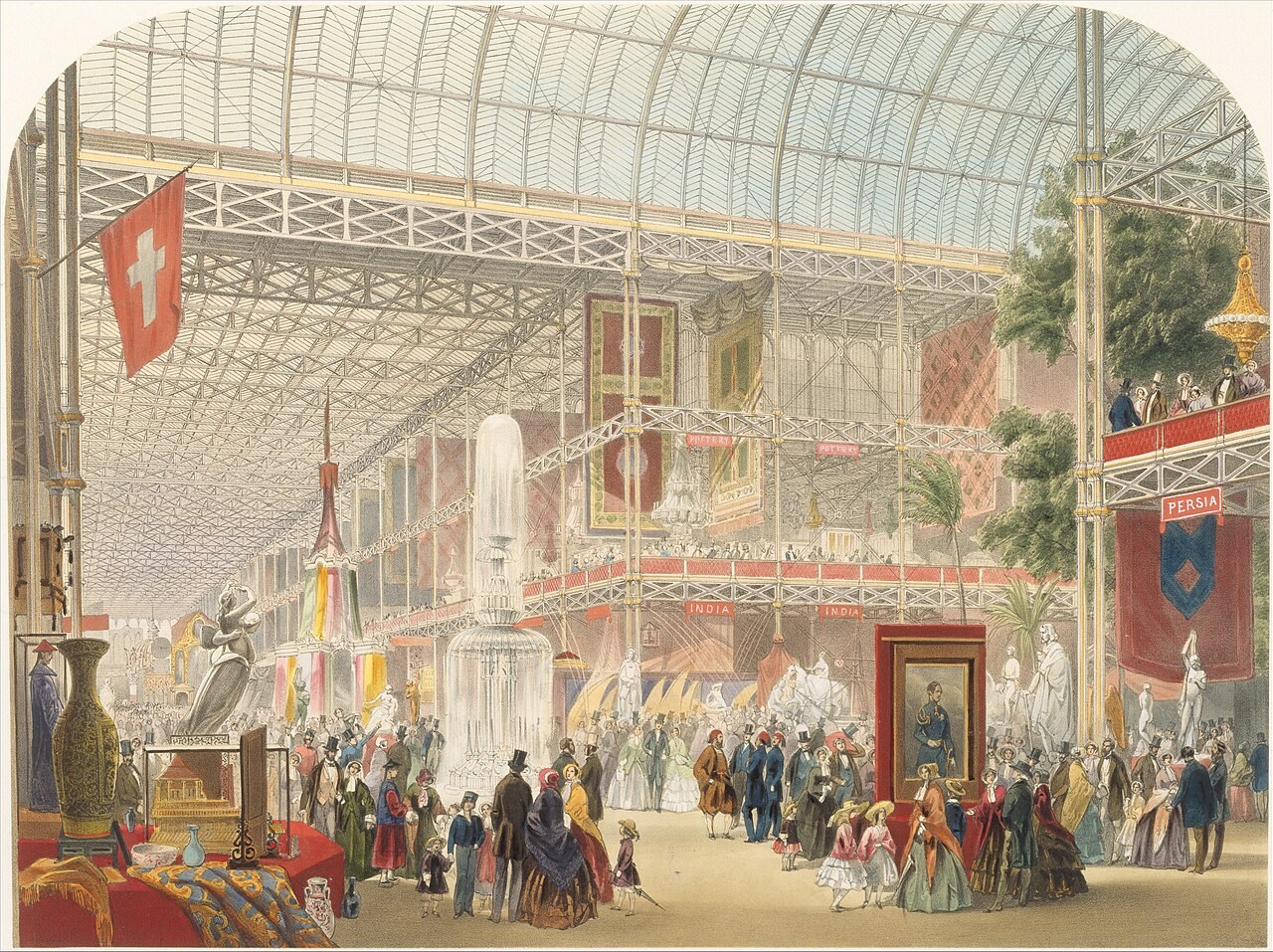
Inside the Great Exhibition of 1851, prefabricated glass met Gothic furniture, Indian craftsmanship, and imperial display. Its workers and visitors made a temporary fair into a lasting institution.
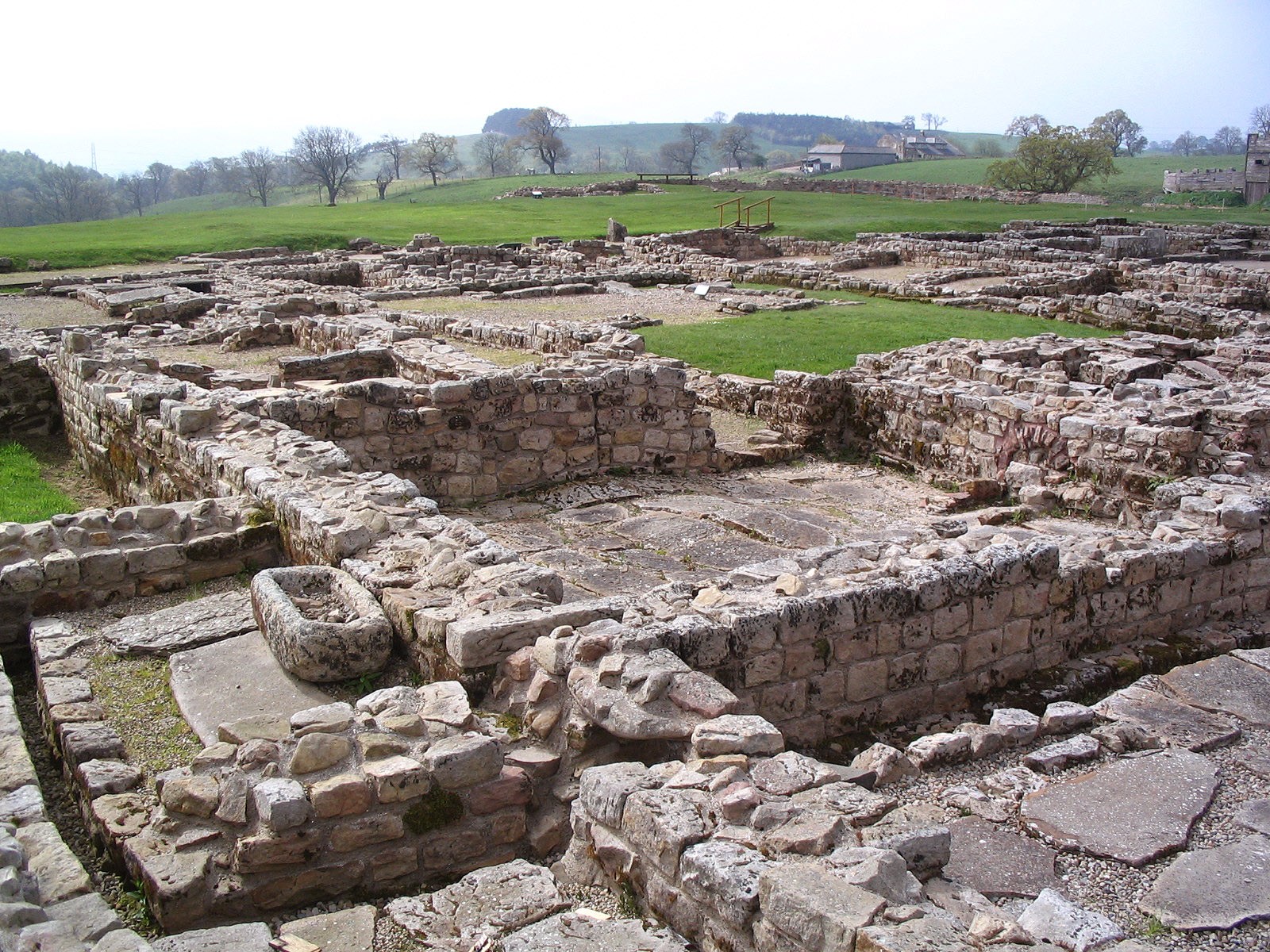
Thin wooden tablets preserve invitations, supply deals and troop counts. Read together, they reveal the everyday arrangements that kept a Roman frontier working.
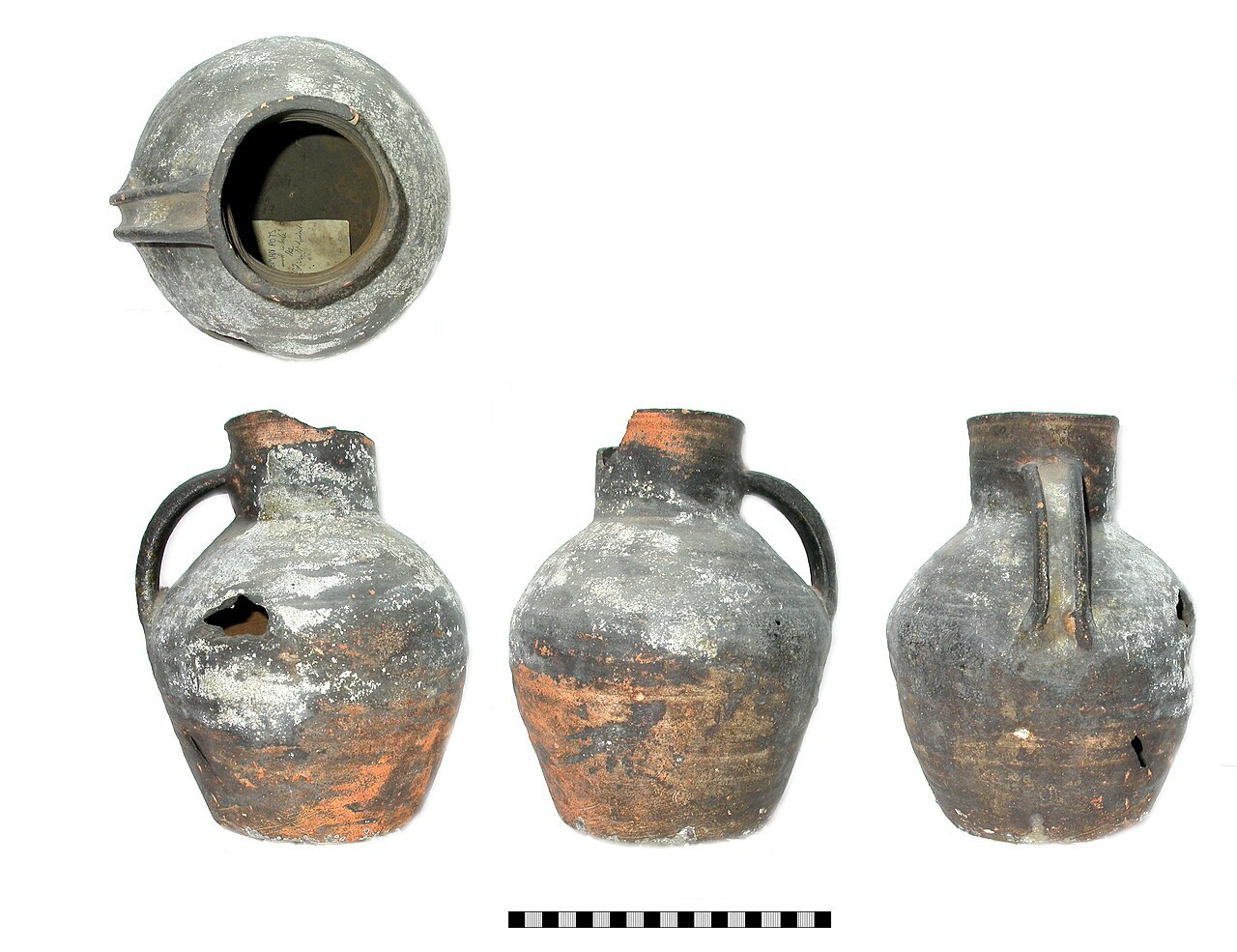
From Howden’s women brewers to Oxford’s regulations and Margery Kempe’s failed brewery, English ale-making reveals how household skill, money and public authority shaped women’s work.