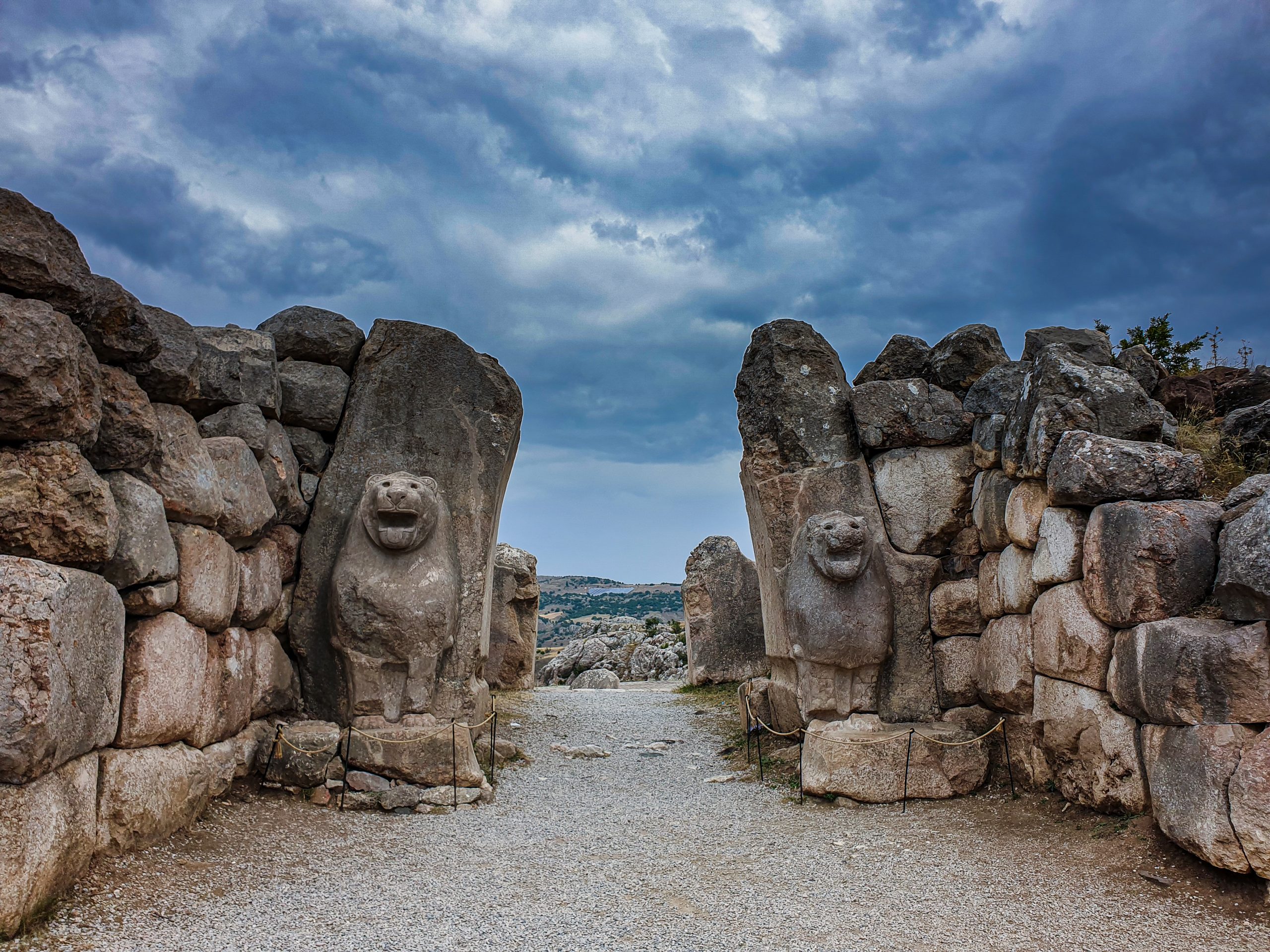
Hattusa’s Clay Archives: How the Hittites Kept an Empire on Record
Behind Hattusa’s monumental gates stood another instrument of power: tablets that made promises, rituals, and political memory retrievable.

How societies and empires were built, governed, connected, and transformed.
Behind Hattusa’s monumental gates stood another instrument of power: tablets that made promises, rituals, and political memory retrievable.
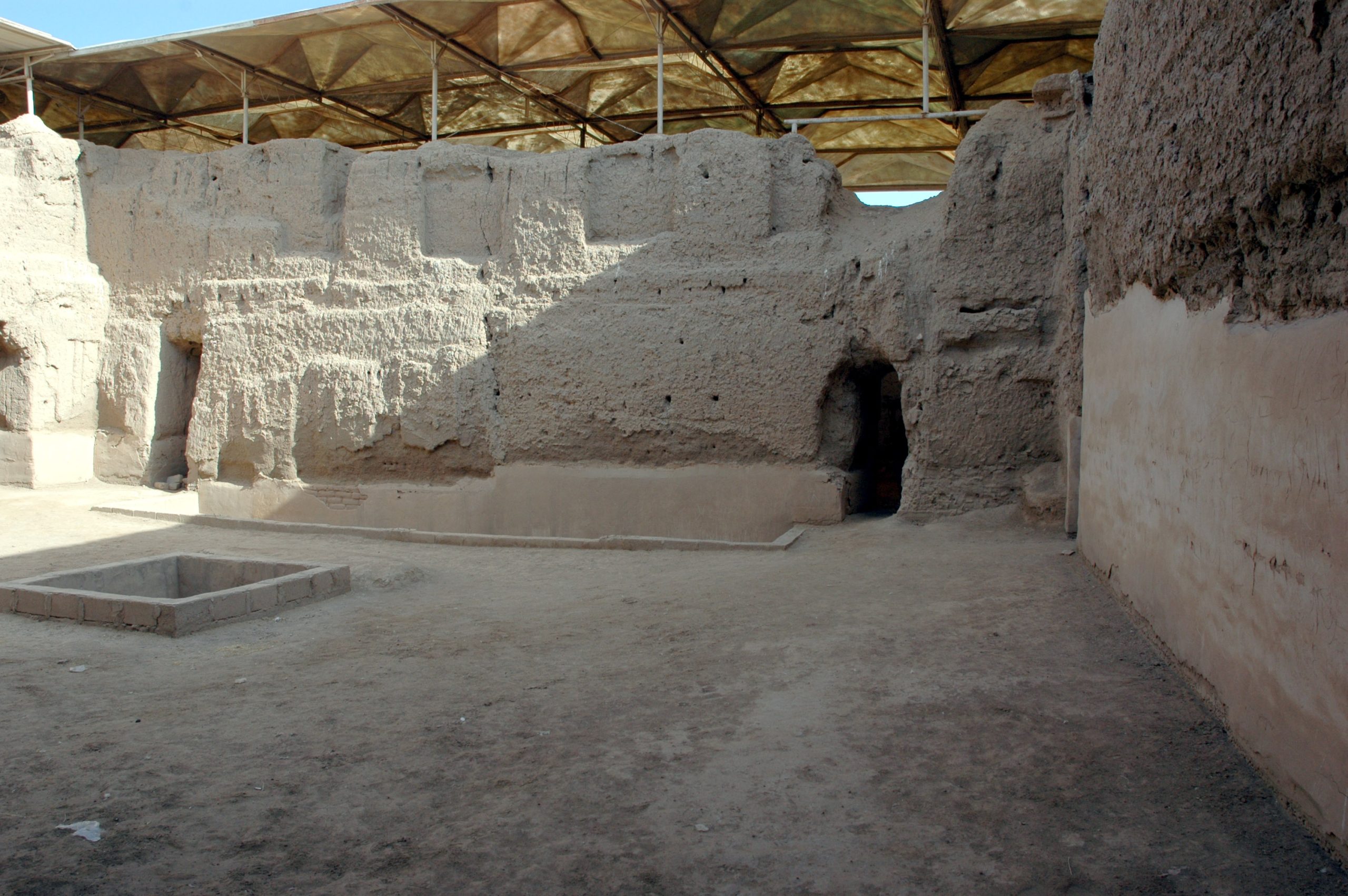
Mari’s palace held far more than a throne. Its rooms, paintings and clay tablets reveal a kingdom sustained by messengers, royal women, skilled workers and uneasy alliances.
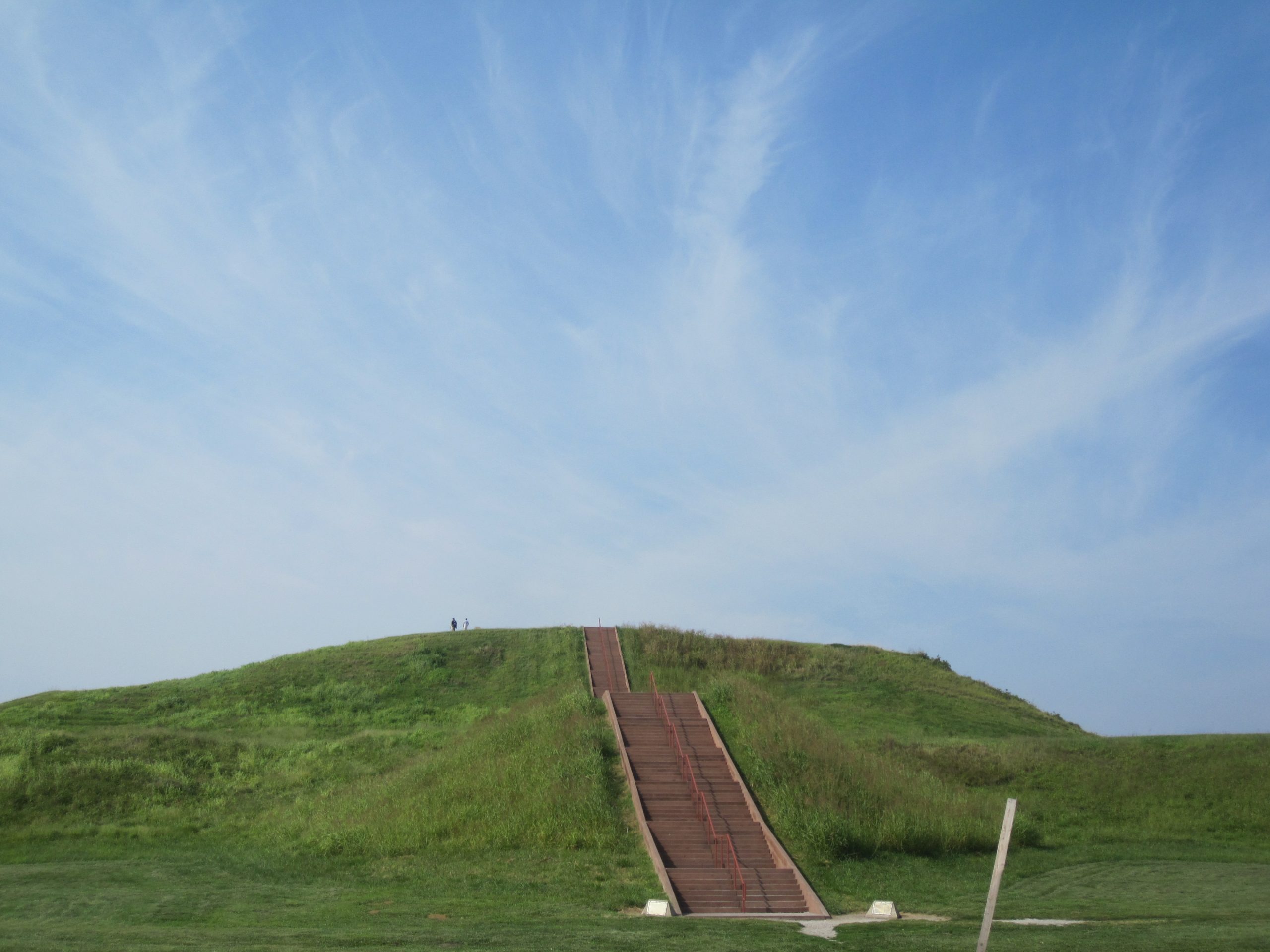
The great earthworks were only part of Cahokia. Houses, food, migration and changing interpretations reveal the inhabited landscape behind a monumental centre.
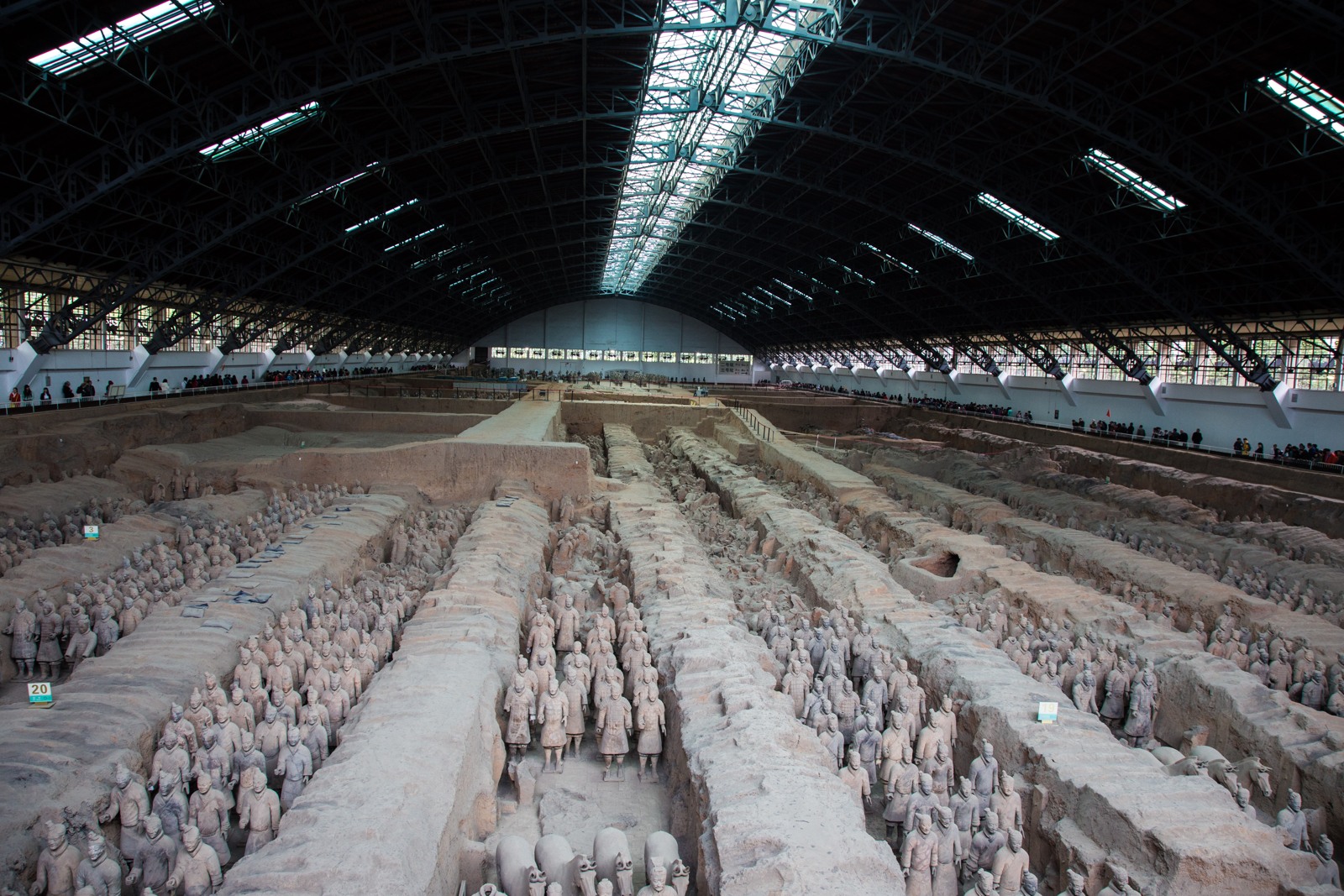
Individual faces and ordered ranks conceal a second army: the craftspeople, supply networks and administrative systems that made imperial power out of clay and bronze.
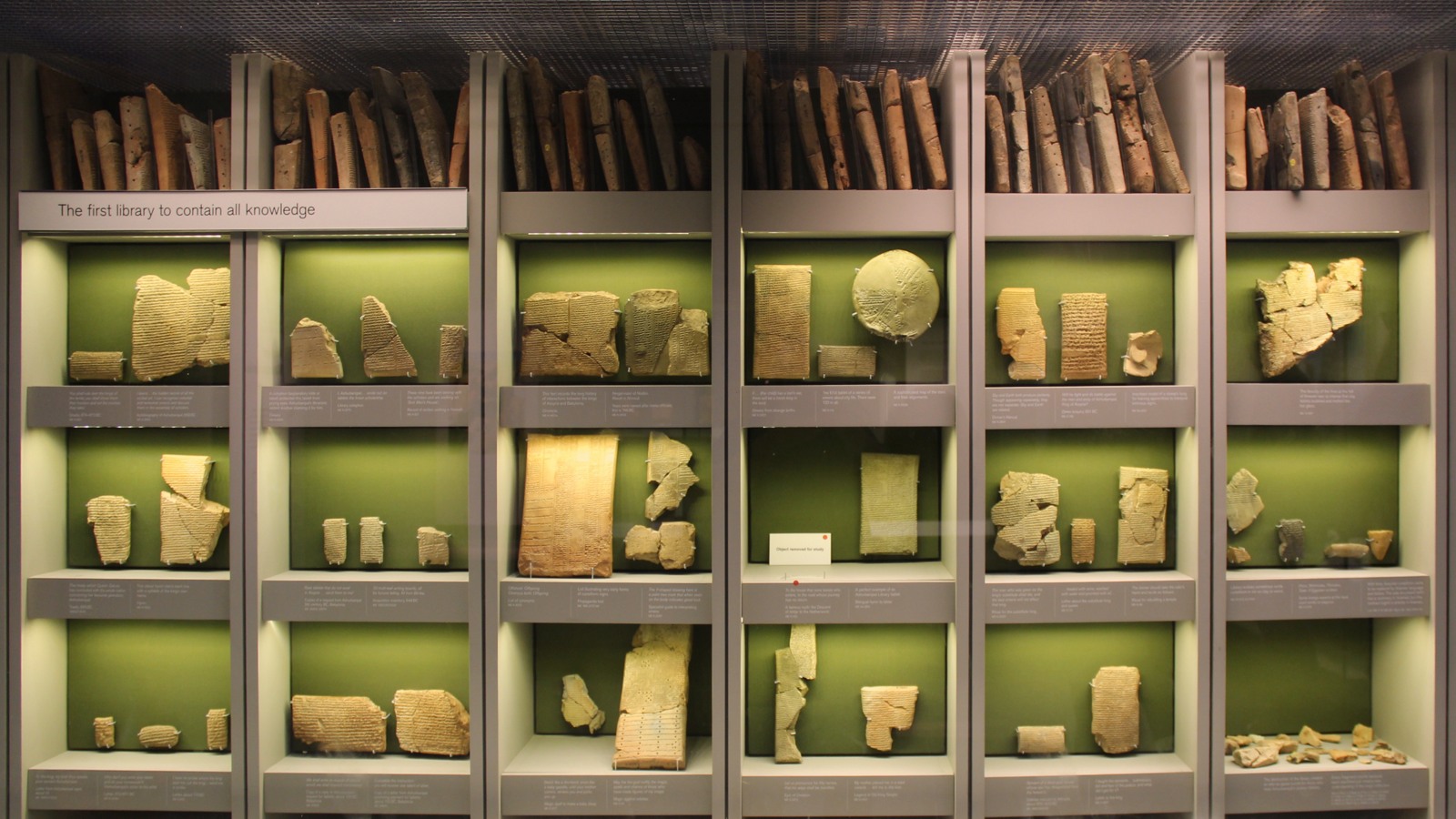
Ownership marks, scholarly copies and broken clay tablets reveal how a royal collection at Nineveh joined learning to power—and why its reconstruction is still unfinished.
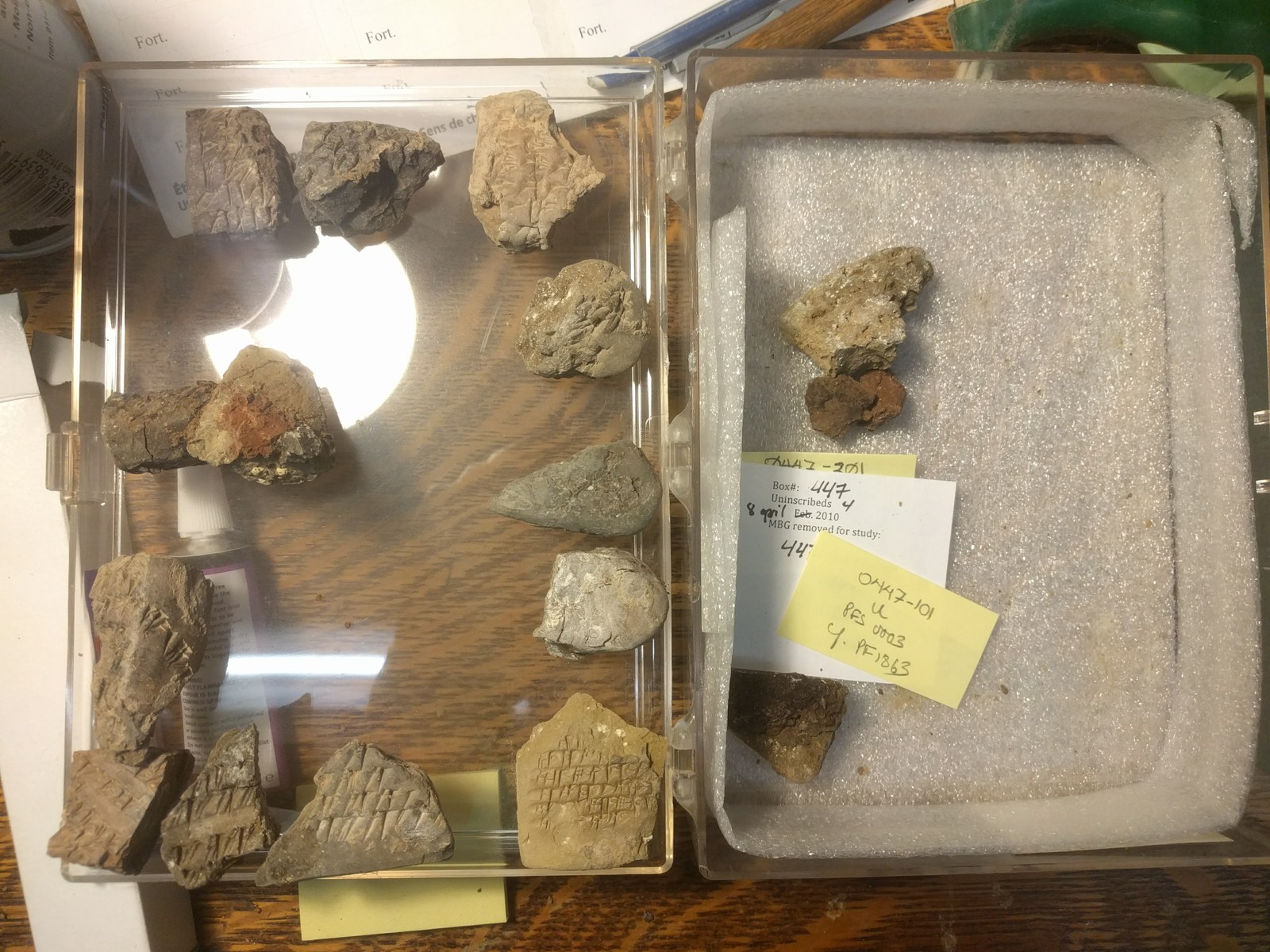
Grain allowances, seal impressions and a few lines about wine reveal a Persian imperial household from below. They also show how much an administrative record can leave unsaid.
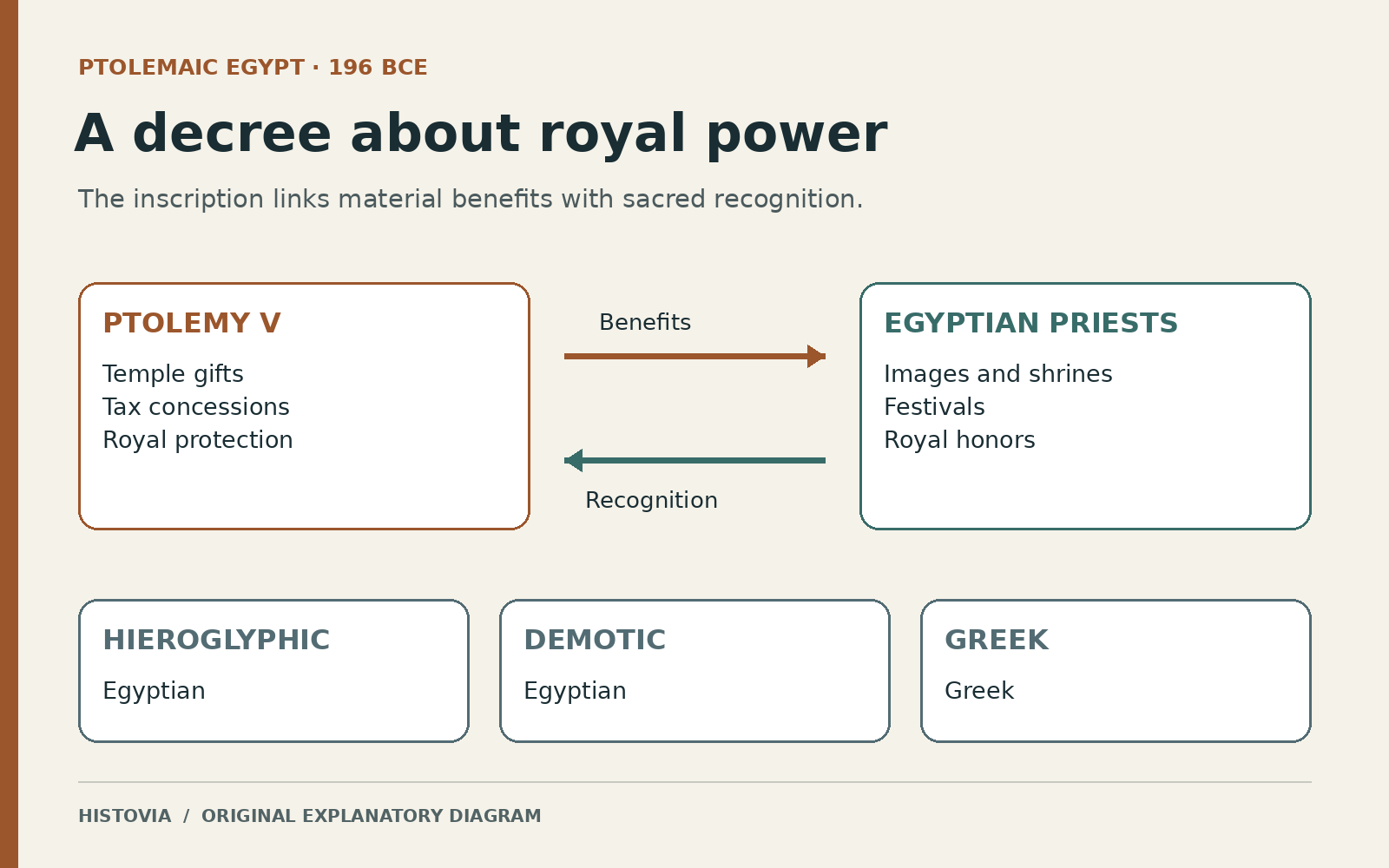
The famous inscription did more than unlock hieroglyphs. It made a young king’s alliance with Egyptian priests visible in stone.
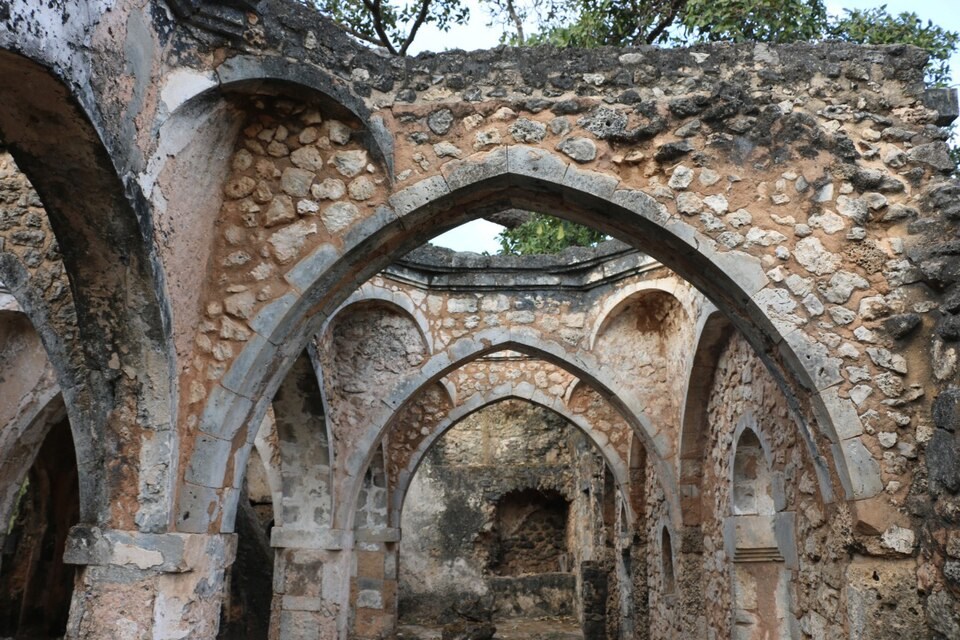
Kilwa’s mosques and palace reveal a prosperous Swahili port. Its coins, houses and living heritage show why the city’s history reaches beyond spectacular overseas trade.
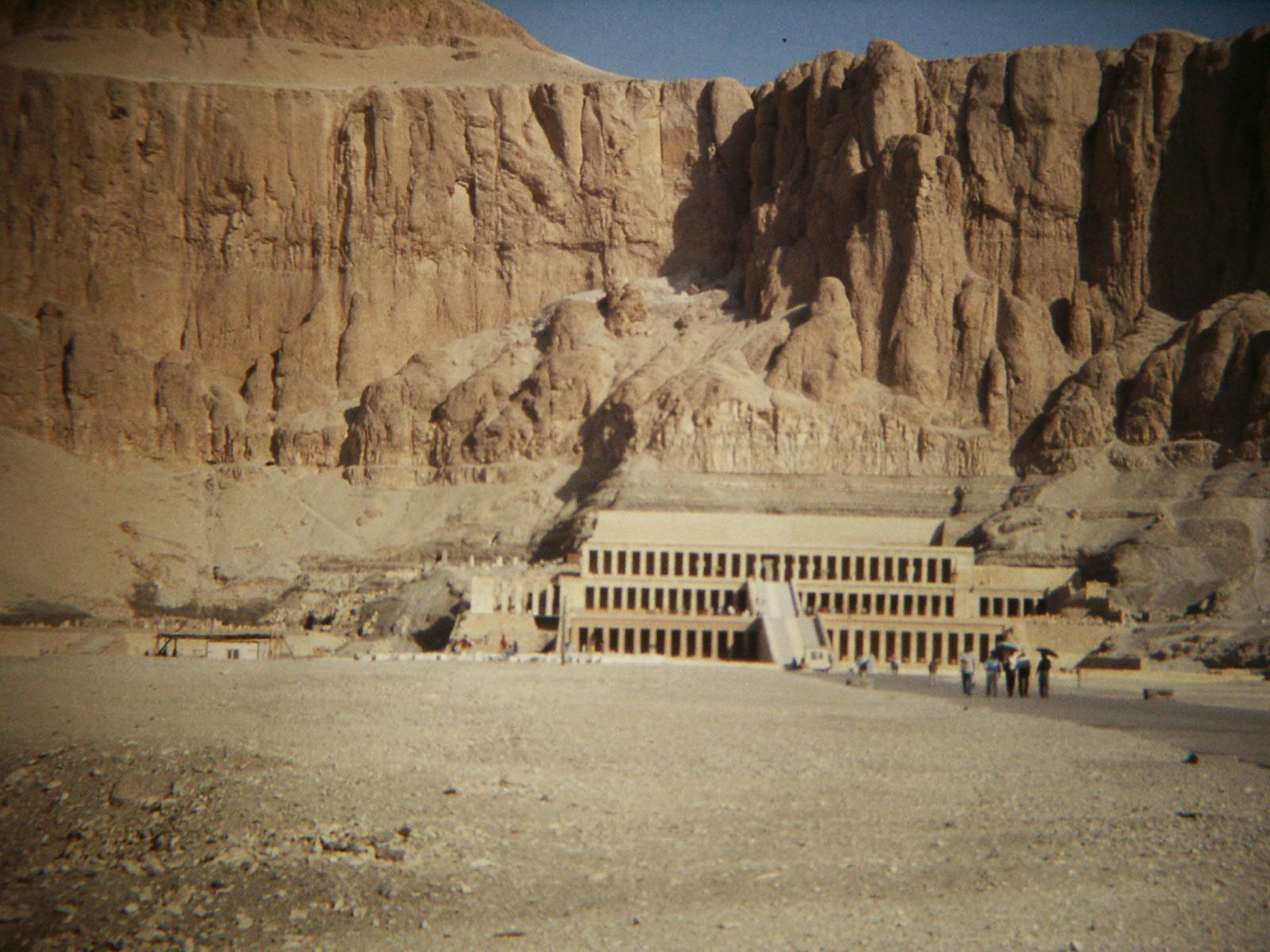
An expedition brought myrrh trees and distant cargo to Egypt. At Deir el-Bahri, its story became a carefully constructed statement about work, divine favor and royal power.
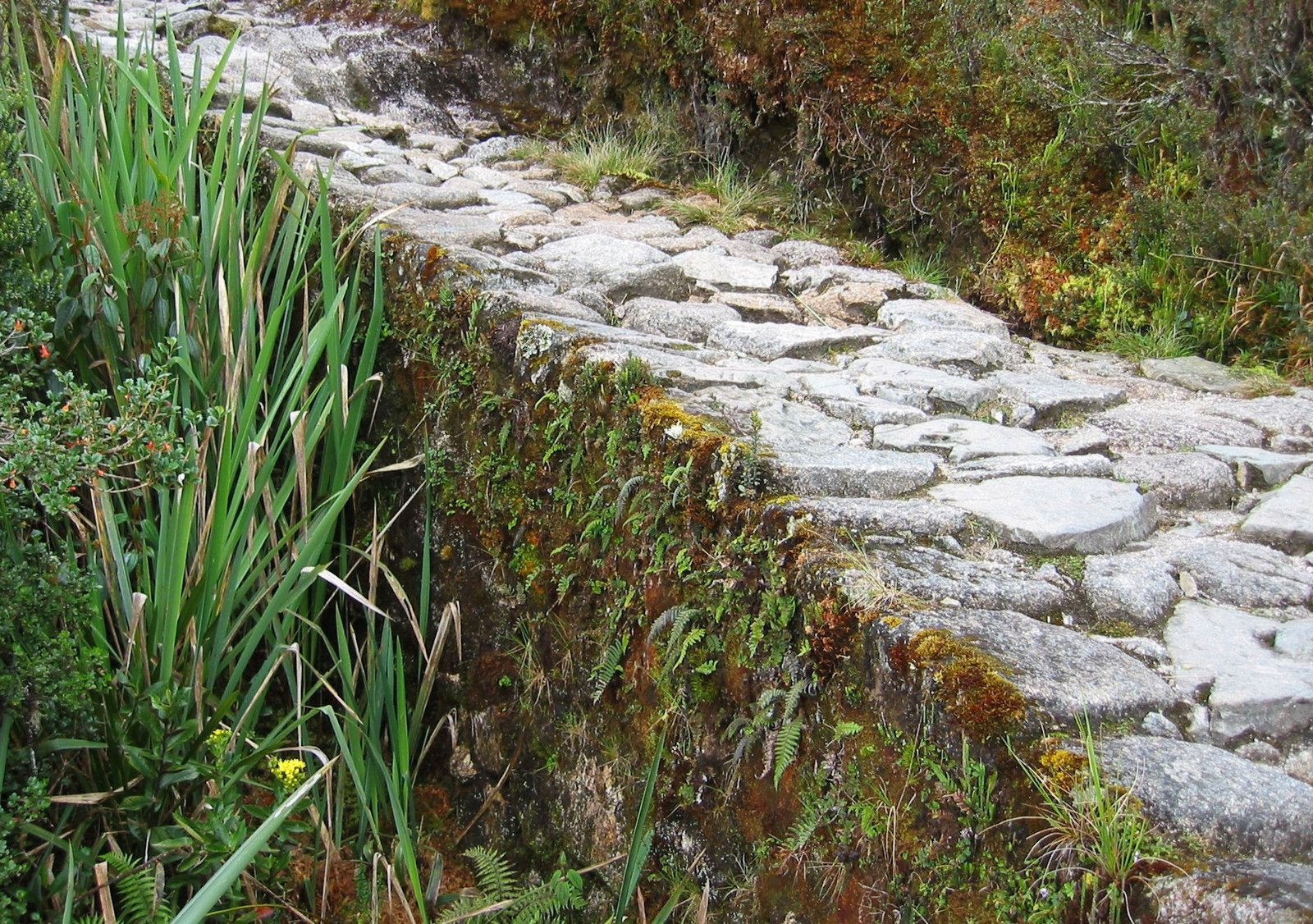
Across the Andes, roads, relay runners, storehouses and knotted records made Inca government possible. Their history reveals the recurring labor behind an imperial network.