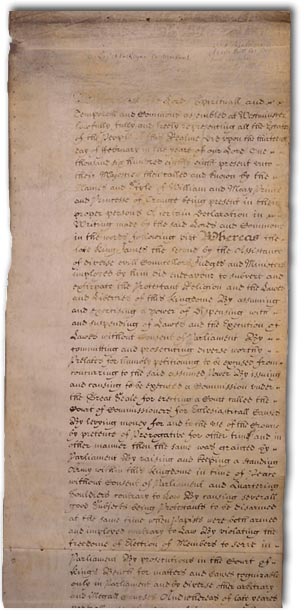
The Bill of Rights of 1689: A Crown with Conditions, Not Democracy for Everyone
England’s famous settlement constrained royal power. Its precise wording also shows who remained outside the promise.

Rulers, revolutions, institutions, diplomacy, and the struggle over who gets to govern.
England’s famous settlement constrained royal power. Its precise wording also shows who remained outside the promise.
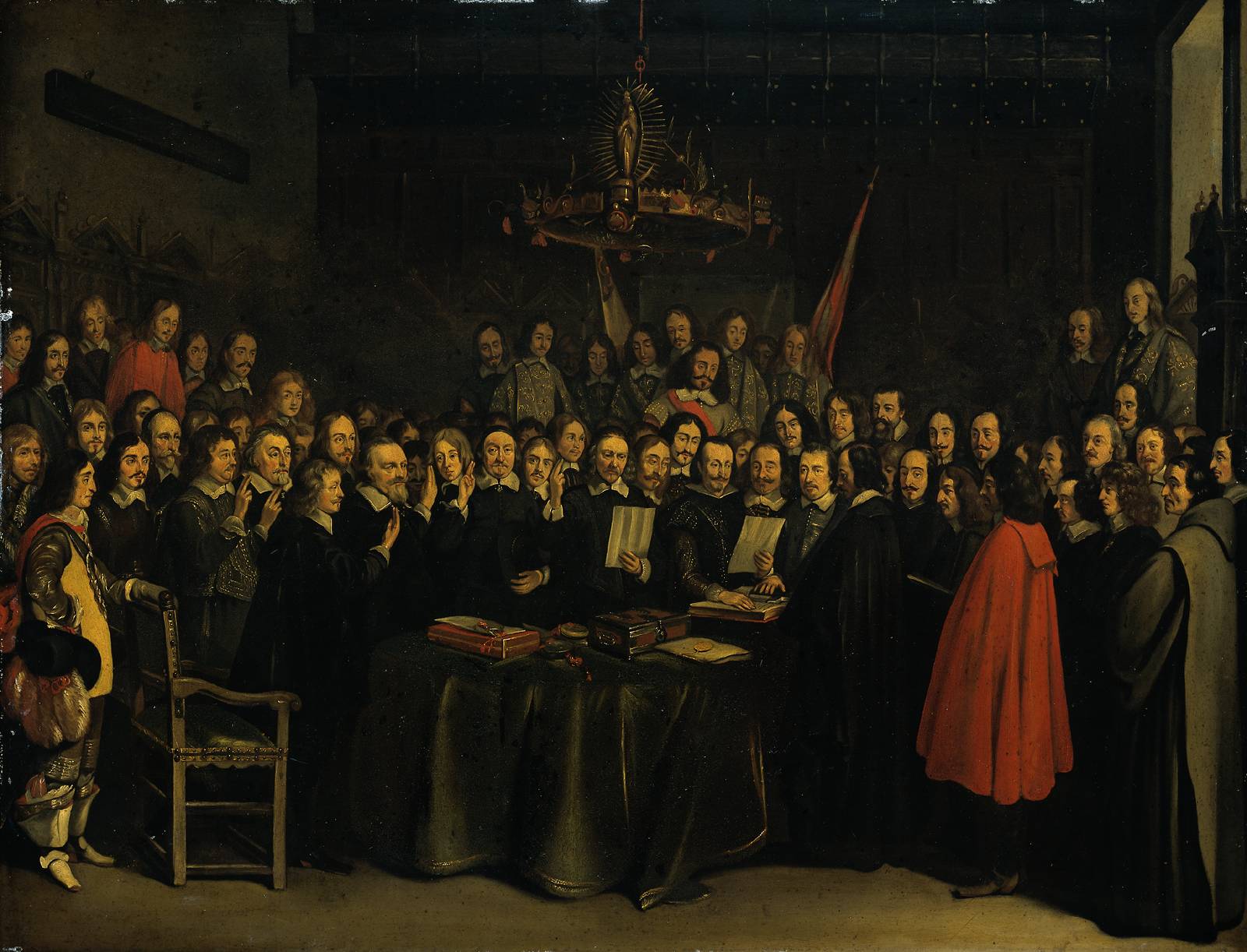
The Peace of Westphalia settled religious rights, dynastic claims and the withdrawal of armies. Its detailed bargains reveal a more interesting achievement than the familiar story of modern sovereignty’s birth.
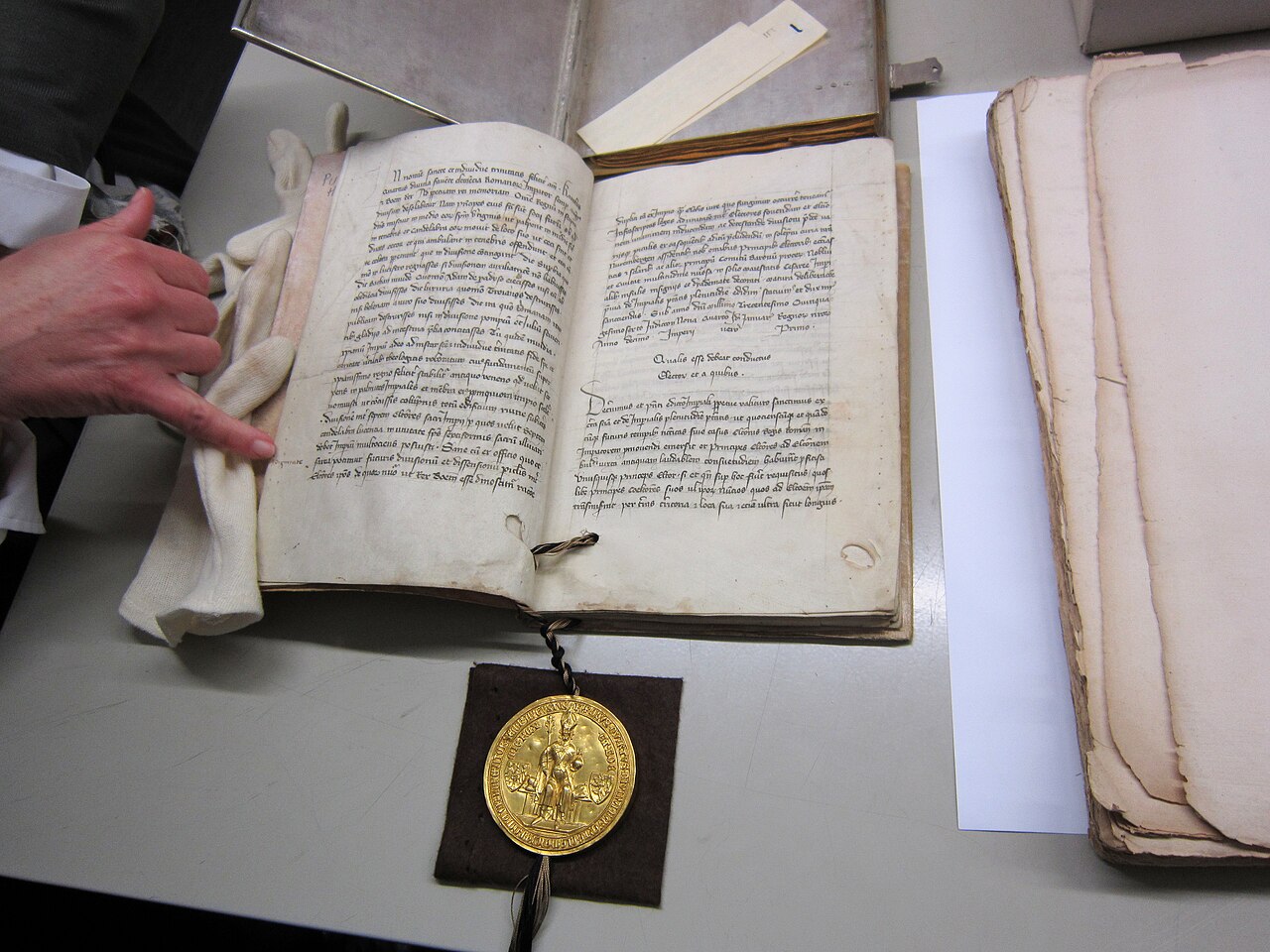
Safe passage, majority voting and carefully ranked ceremonies helped turn royal succession into a procedure, while protecting the princes authorised to choose.
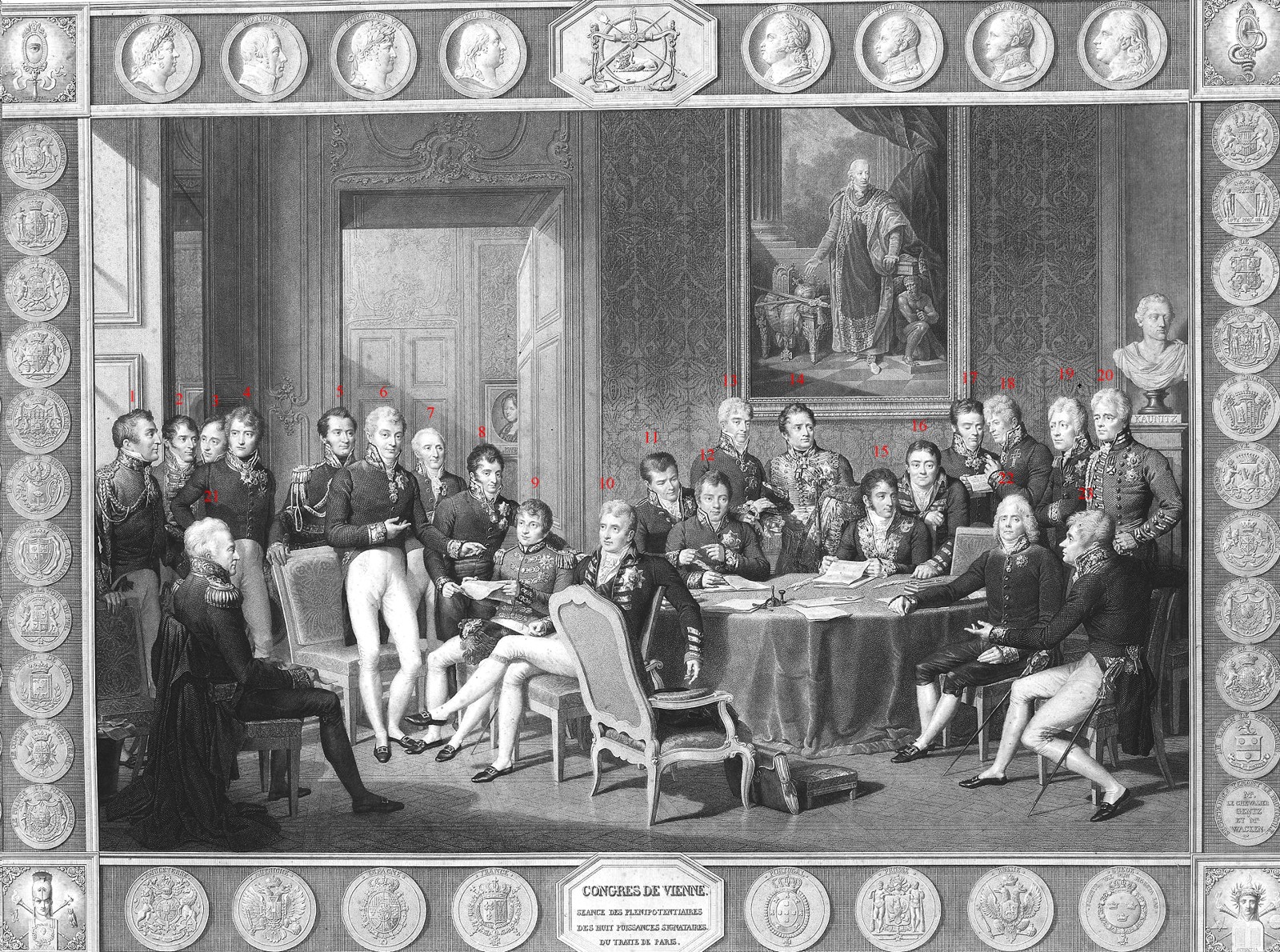
Behind the portraits and diplomatic ceremony lay a difficult exchange of territory, recognition and restraint. The settlement restored rulers without restoring the Europe they had lost.
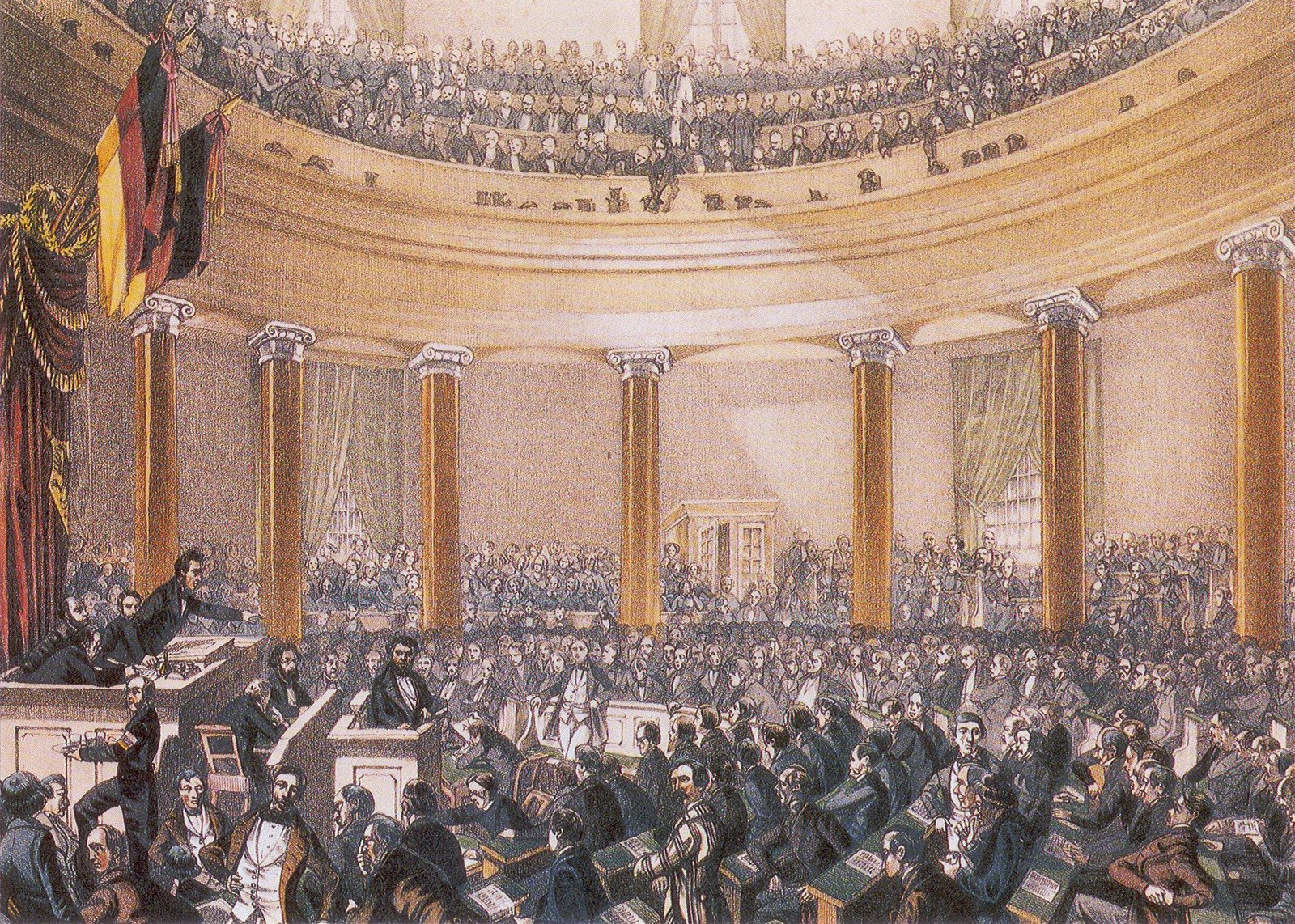
The deputies in St Paul’s Church drafted rights, elections and a German state. The crown they offered to Prussia exposed the distance between writing authority and possessing it.
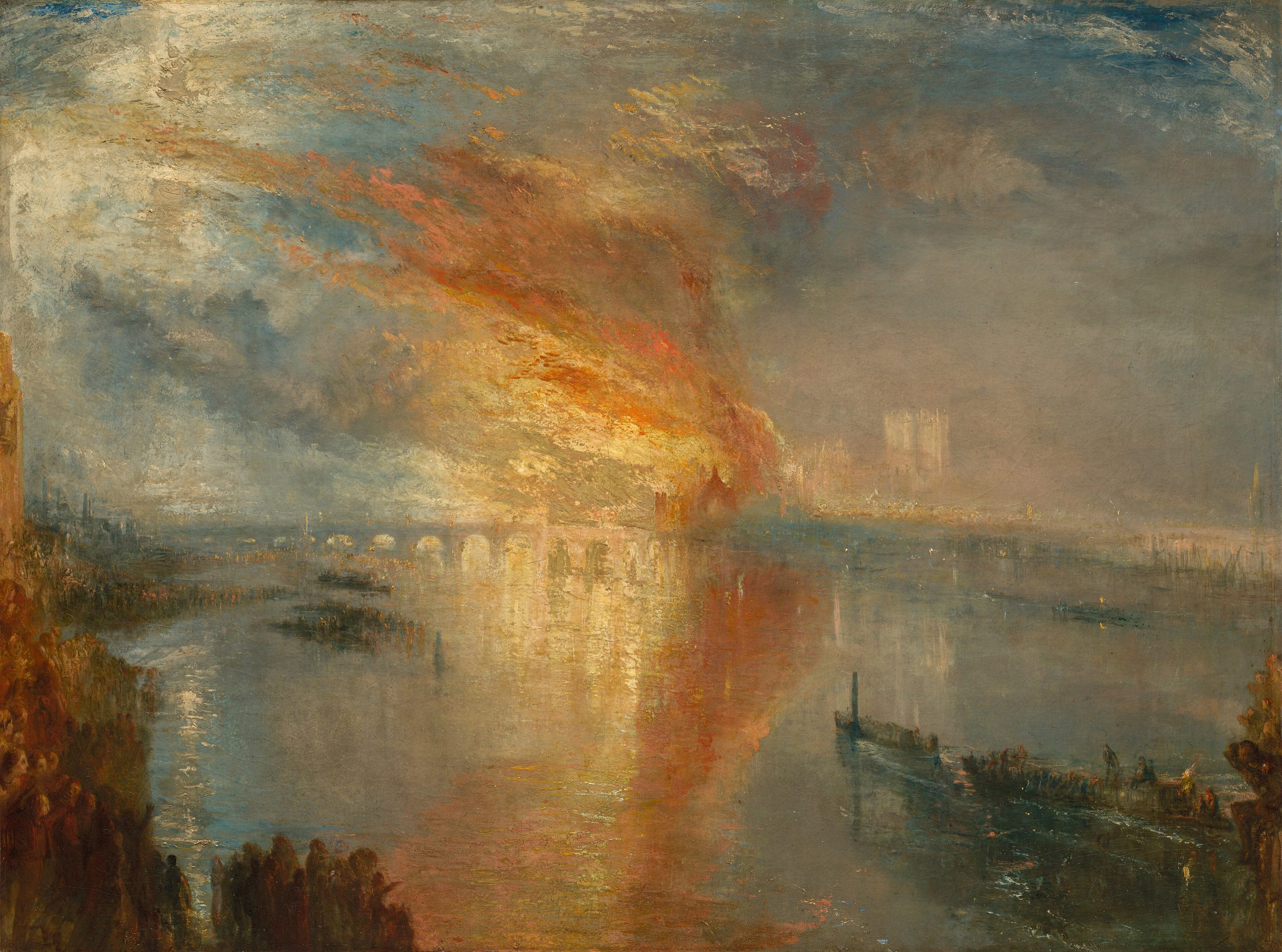
For centuries, a split piece of wood could help prove a payment to the English Crown. The disaster that made tally sticks famous began after their accounting work was over.
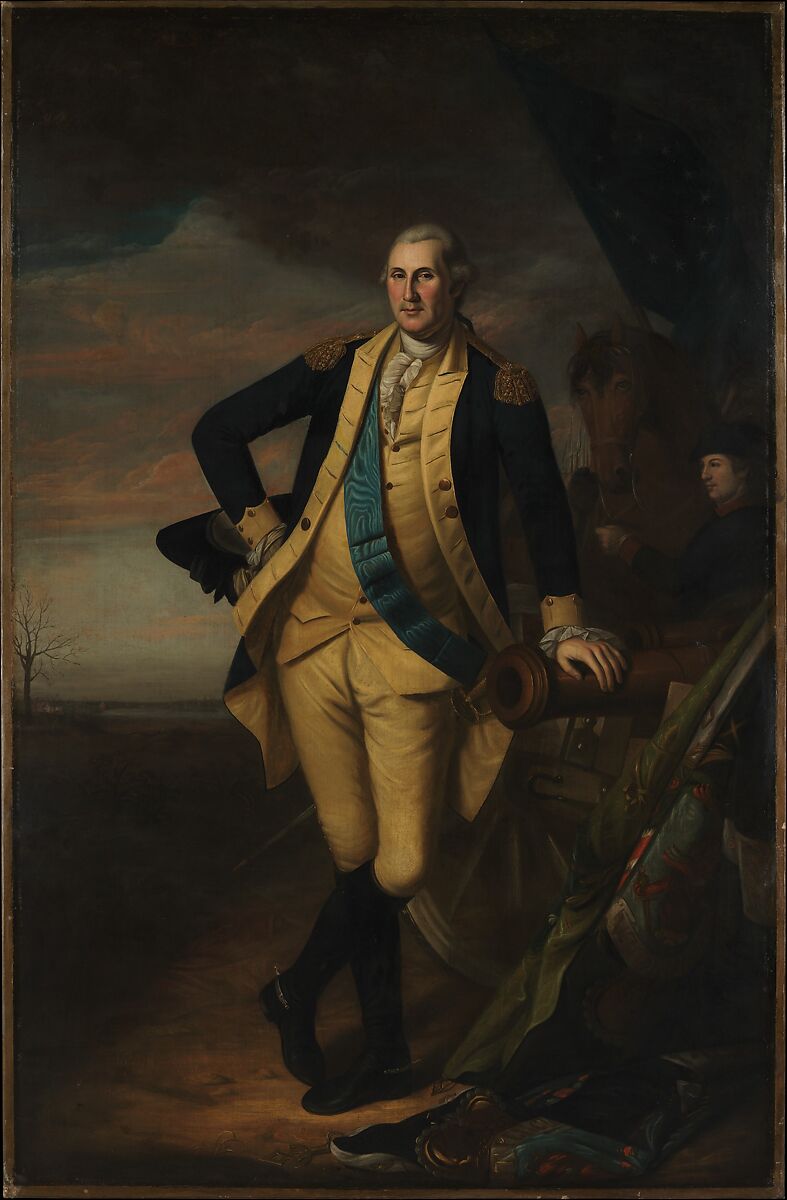
Victory over Britain left a dangerous bill unpaid. At Newburgh, military grievances, congressional weakness and a proposal to use the army’s influence converged around the question of who could compel whom.
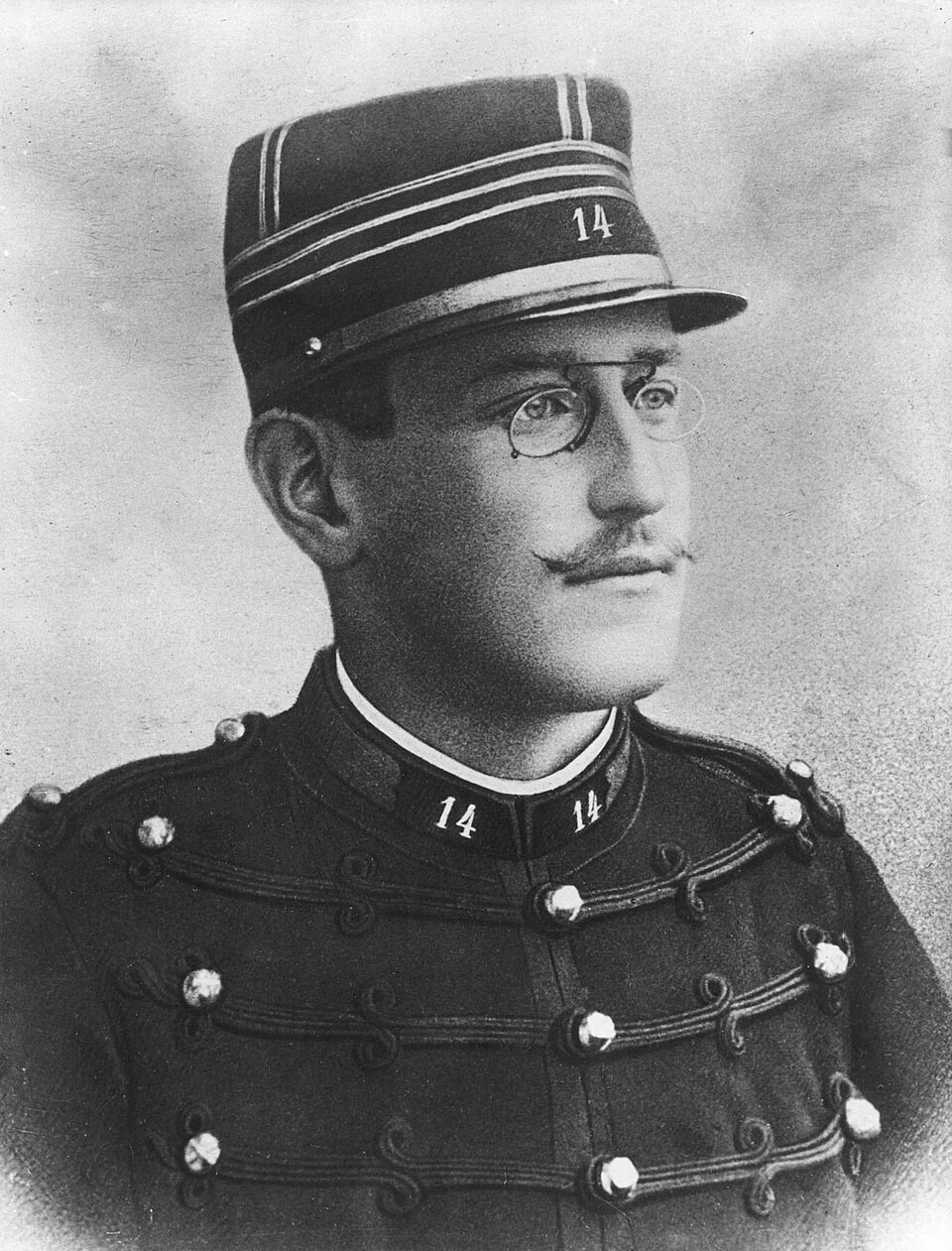
Alfred Dreyfus was convicted twice before a civilian court cleared him in 1906. His family, Picquart, Zola, lawyers, and judges exposed the evidence behind a twelve-year injustice.
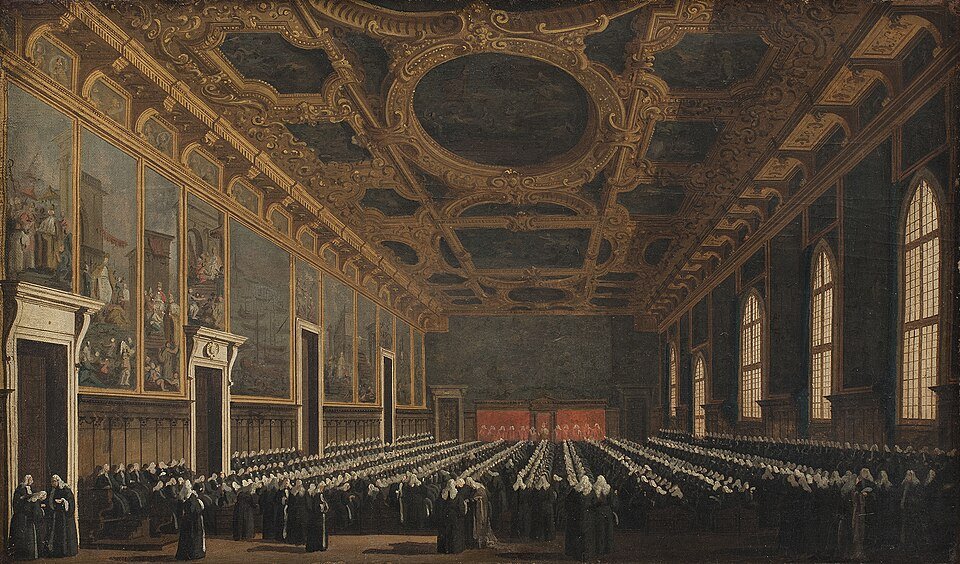
An elaborate election, a binding oath and watchful councils gave Venice a splendid head of state while keeping its doge inside an oligarchic republic.
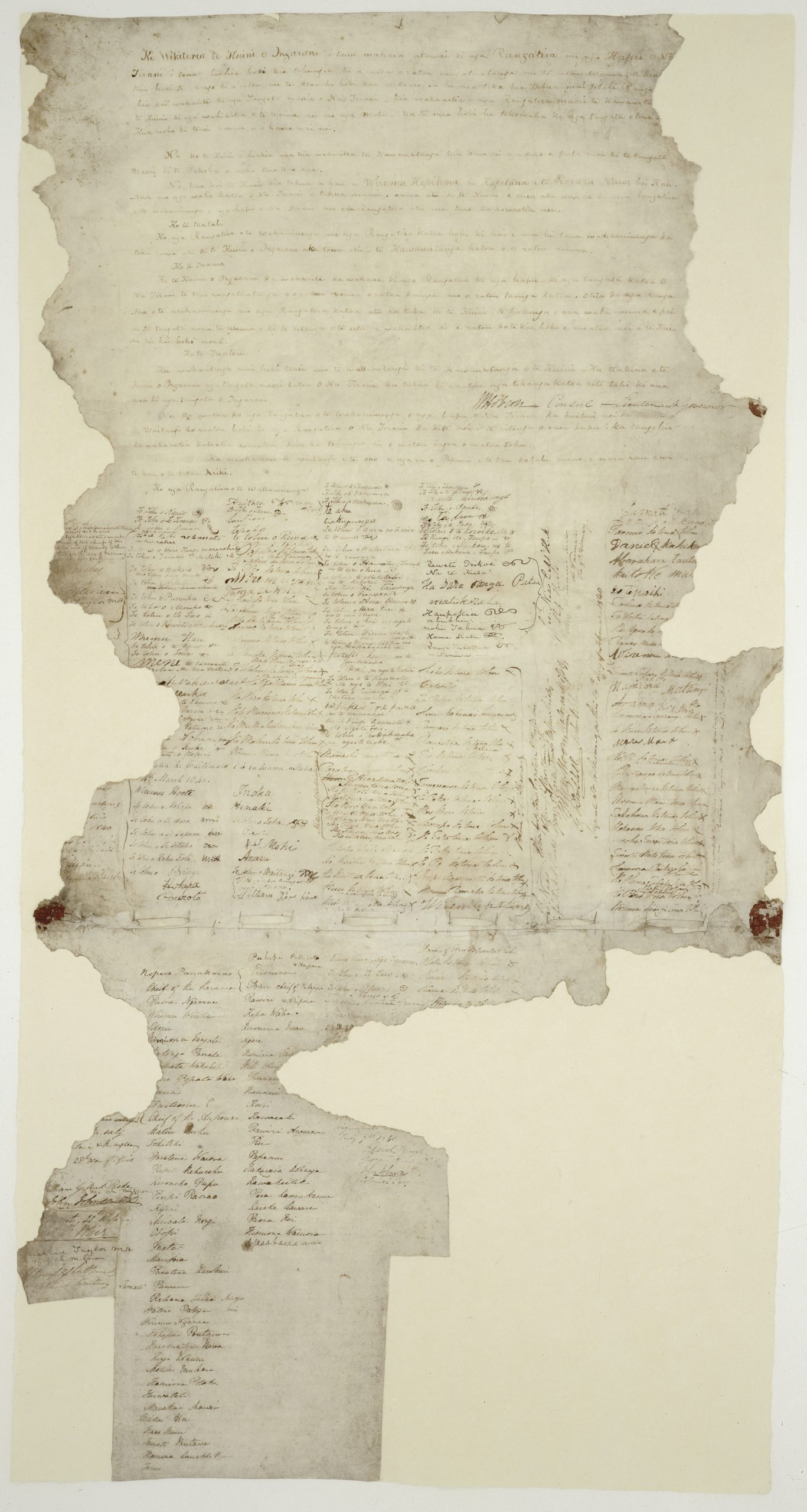
The Treaty of Waitangi travelled far beyond its first signing. Its Māori and English texts, local negotiations and disputed sovereignty reveal what the 1840 agreement did and did not settle.