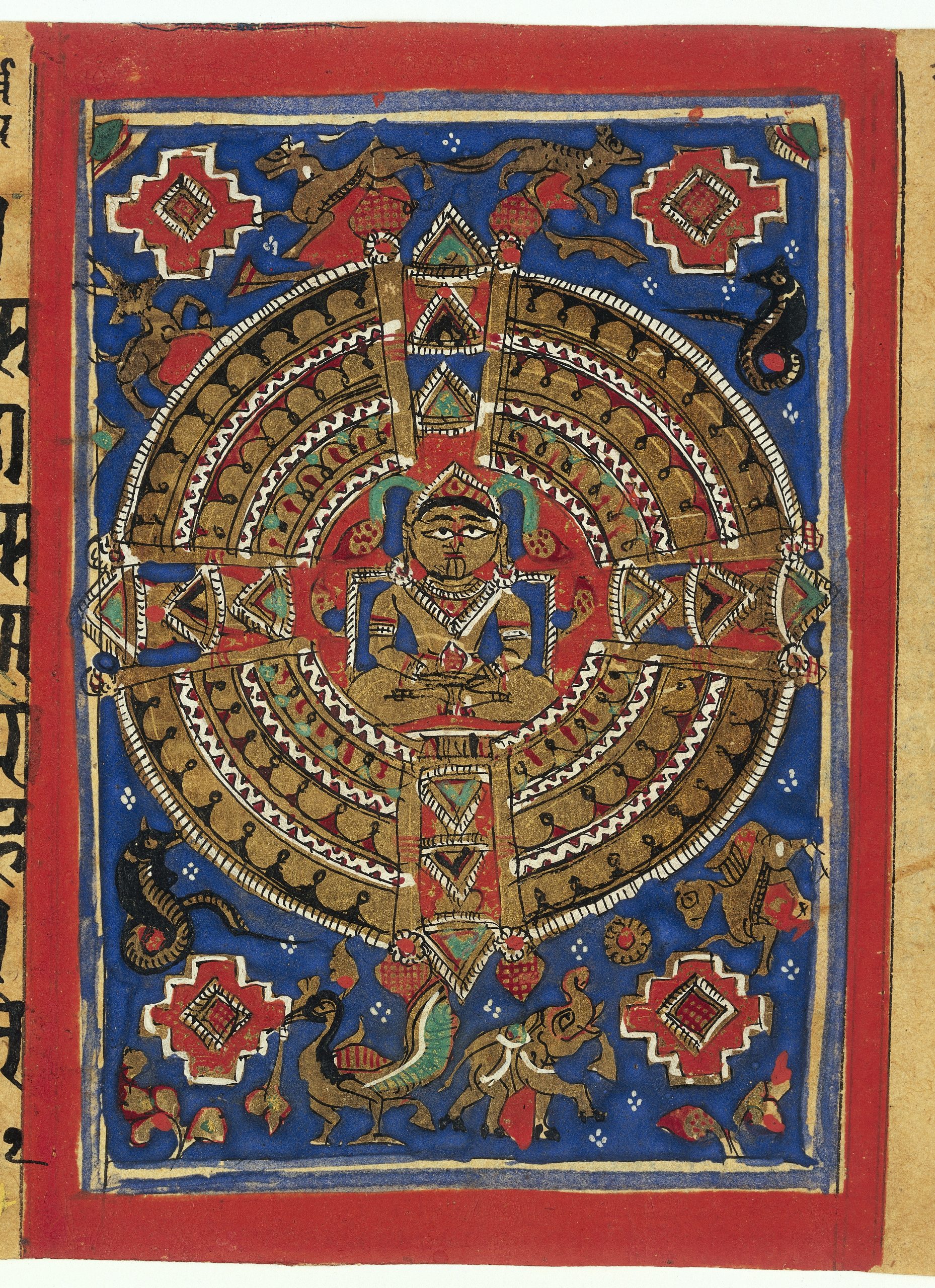
Mahavira and the Jain Art of Living Carefully
Nonviolence in Jain tradition is more than a slogan. It connects a view of living beings to demanding choices about knowledge, possessions, and conduct.

Beliefs, philosophies, intellectual traditions, and the people who carried ideas across boundaries.
Nonviolence in Jain tradition is more than a slogan. It connects a view of living beings to demanding choices about knowledge, possessions, and conduct.
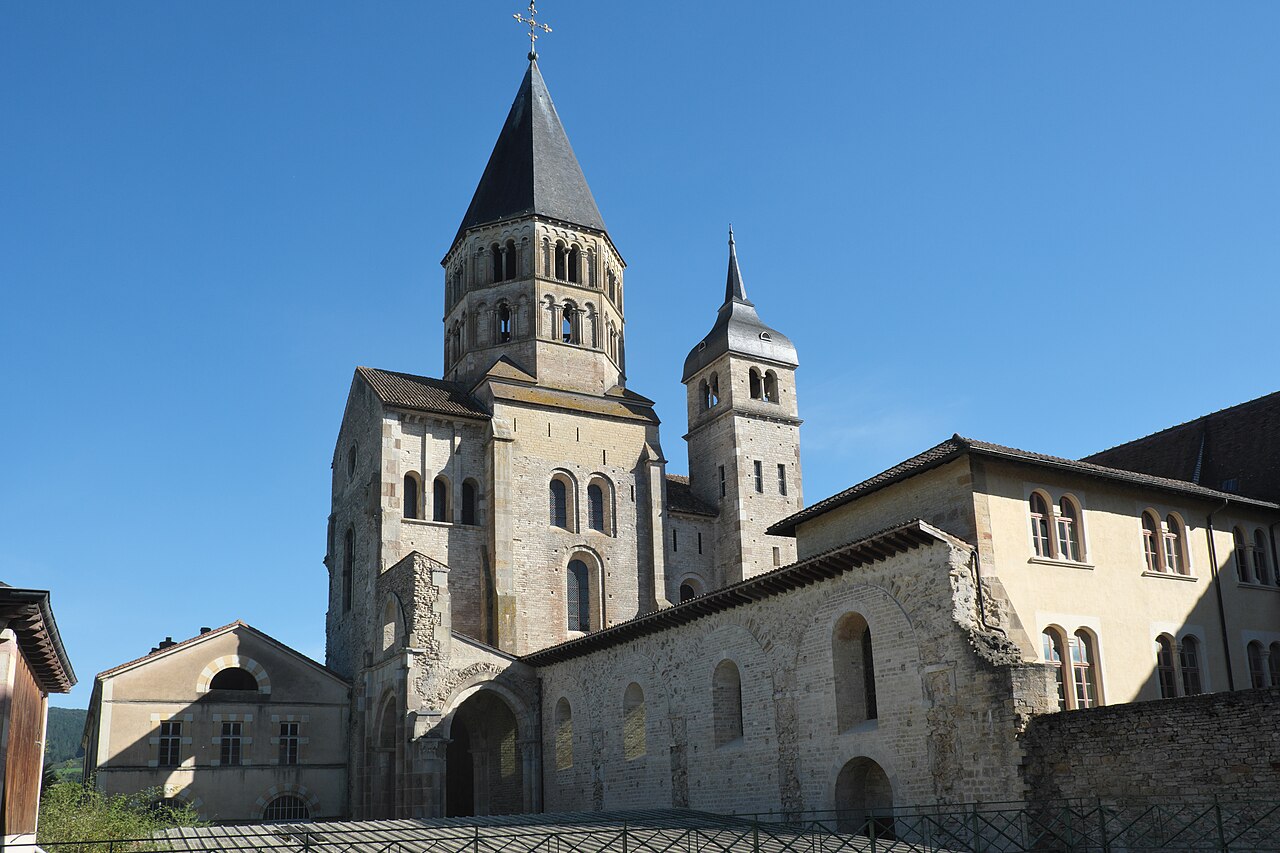
Cluny began with a gift of land, people and revenues. Its founding charter shows how prayer, protection and property helped sustain a monastery that grew into a European network.
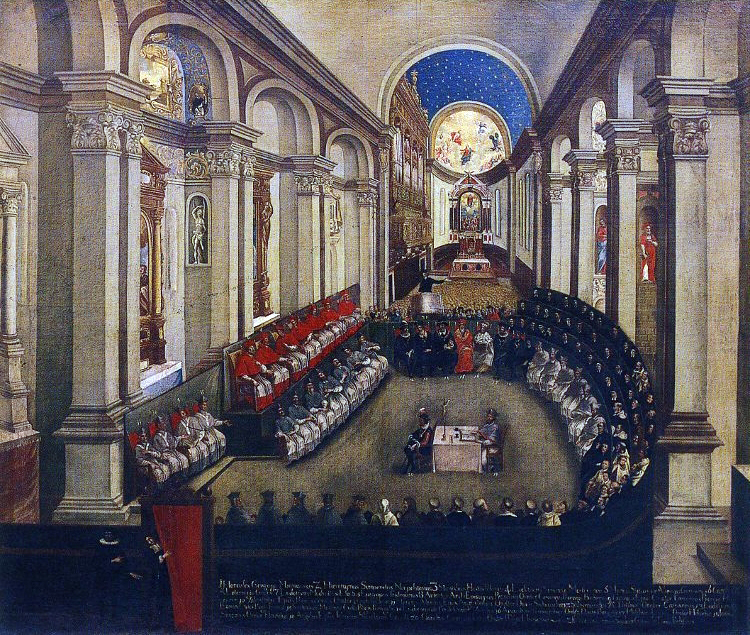
Trent defined Catholic teaching, but its programme also depended on trained priests, resident bishops, schools, marriage records and the money to sustain them.
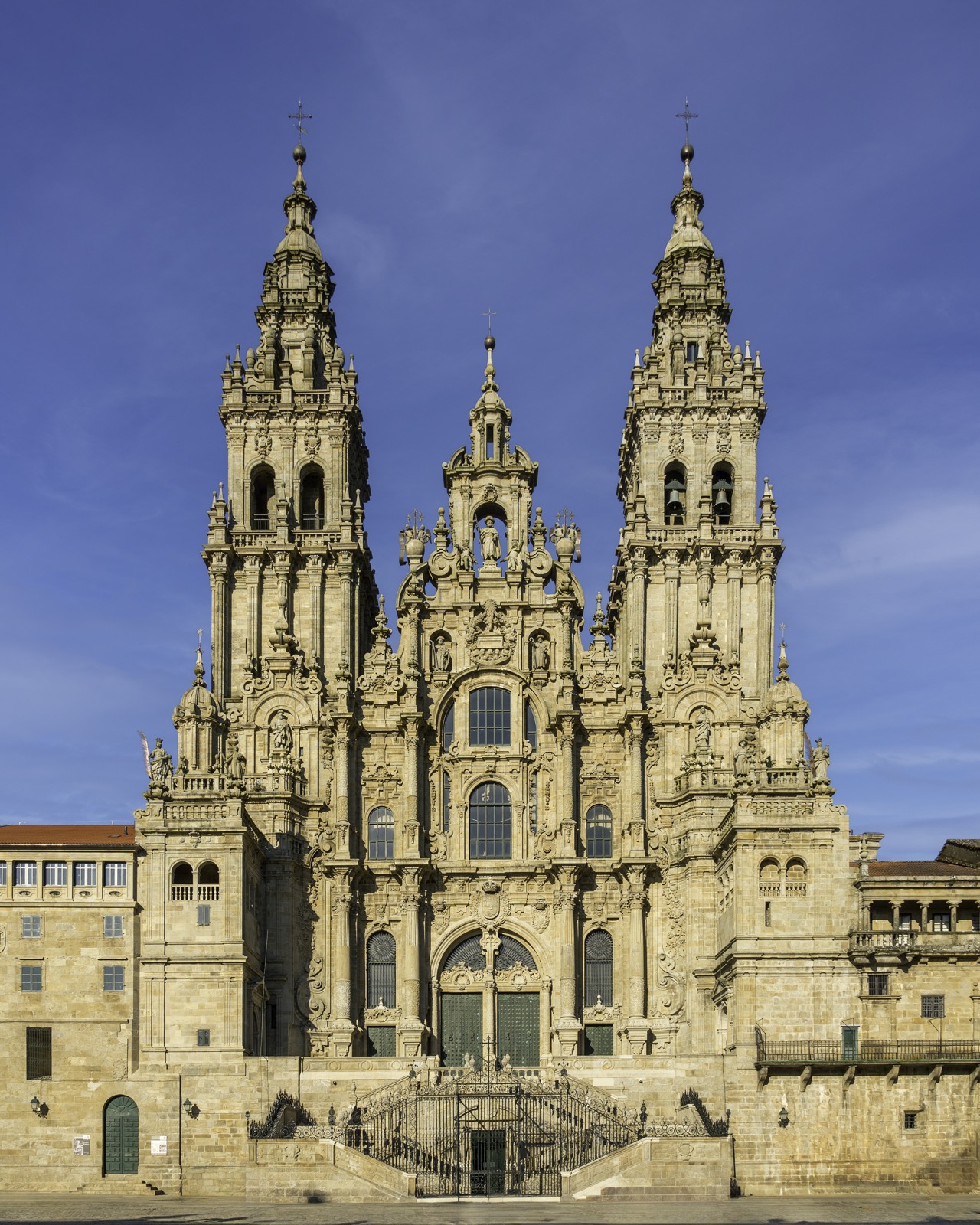
A shell, a manuscript and a cathedral reveal how devotion became a journey—and how the journey depended on buildings, patrons, goods and competing stories.
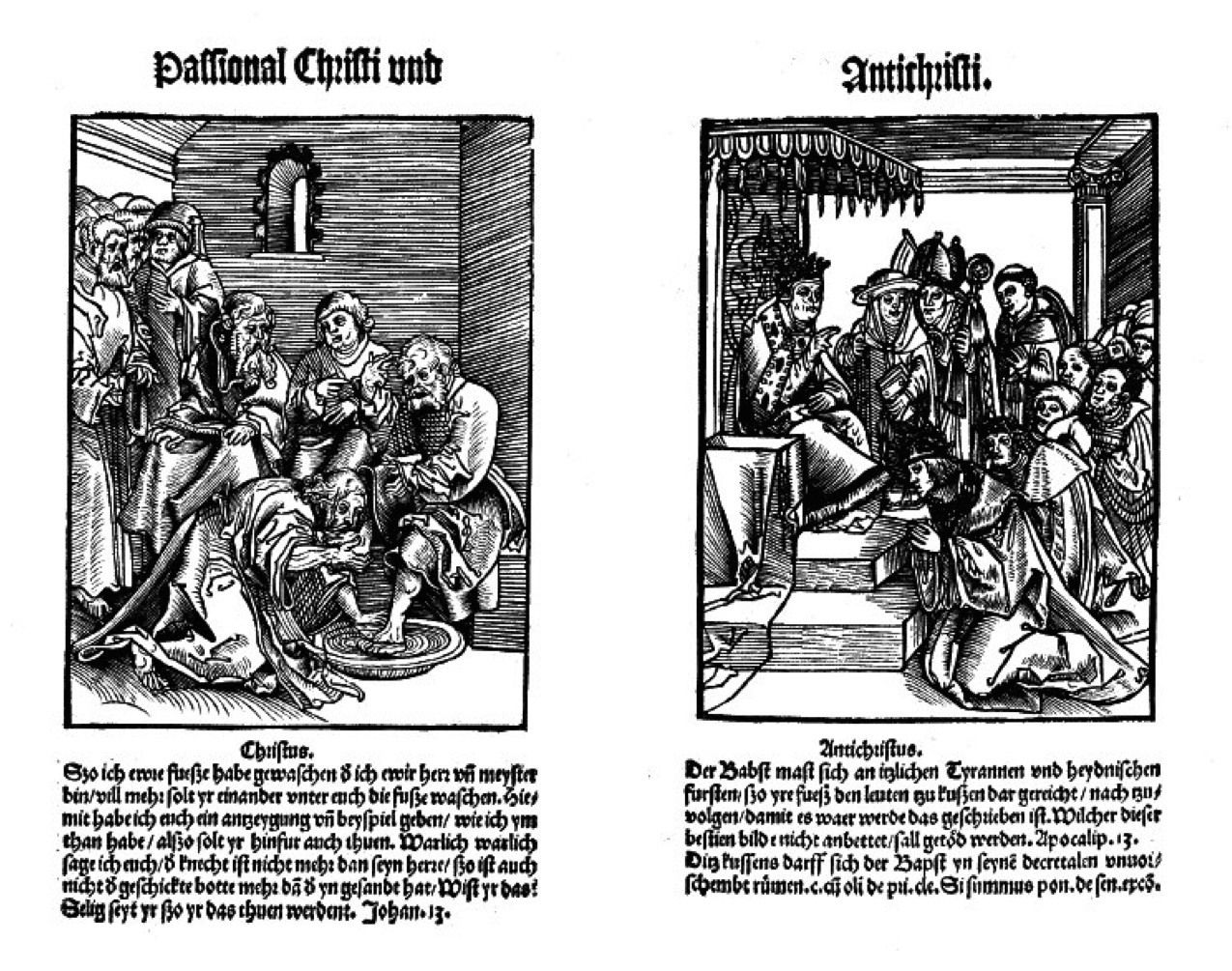
The letter of 31 October 1517 is firmer evidence than the famous hammer scene. The printed pages that followed reveal how theology, workshop labour and political protection transformed a dispute.
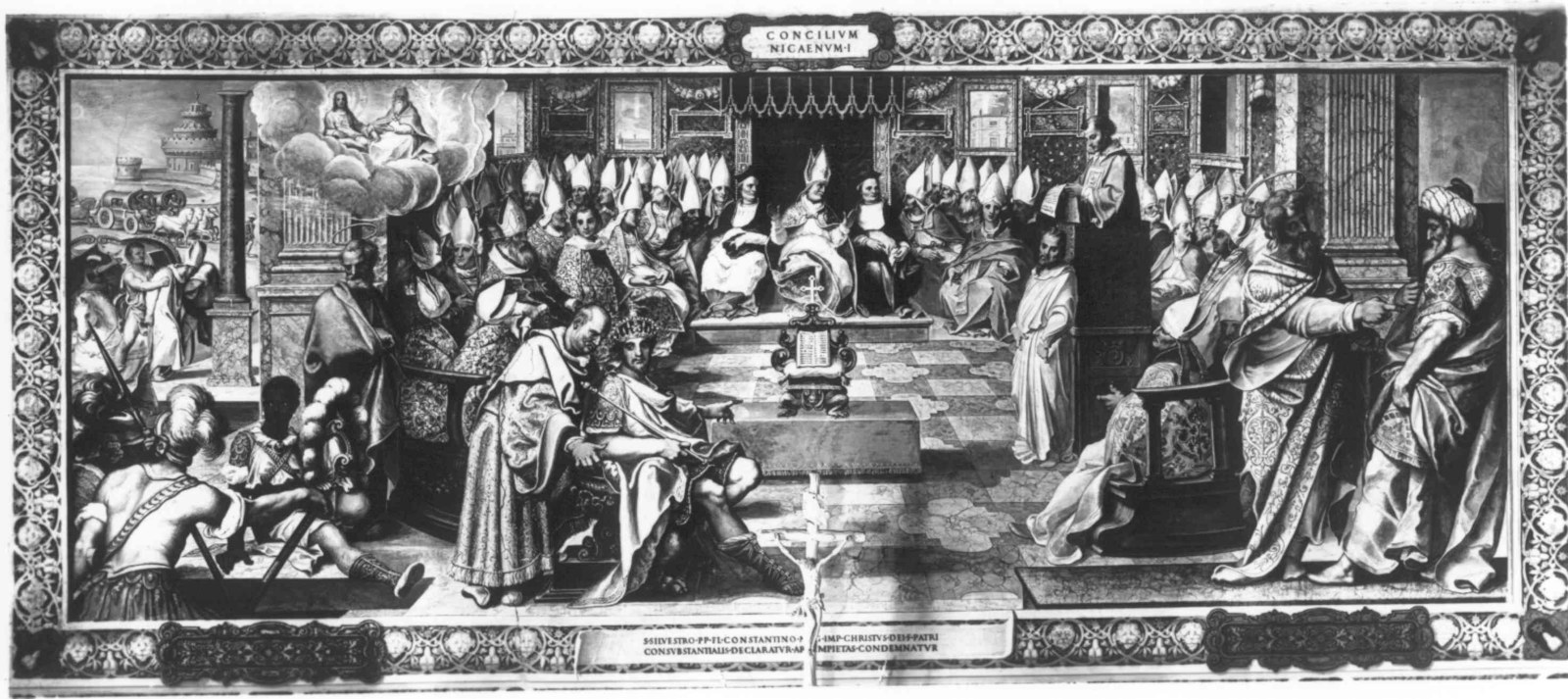
Nicaea did not choose the Bible or settle Christian theology in a single stroke. Its letters, disciplinary rules and disputed language reveal a more consequential—and unfinished—meeting.

Conscience, congregations, courts, and fortified towns received different protections. Reading the clauses explains how French religious coexistence worked, and how it could be undone.
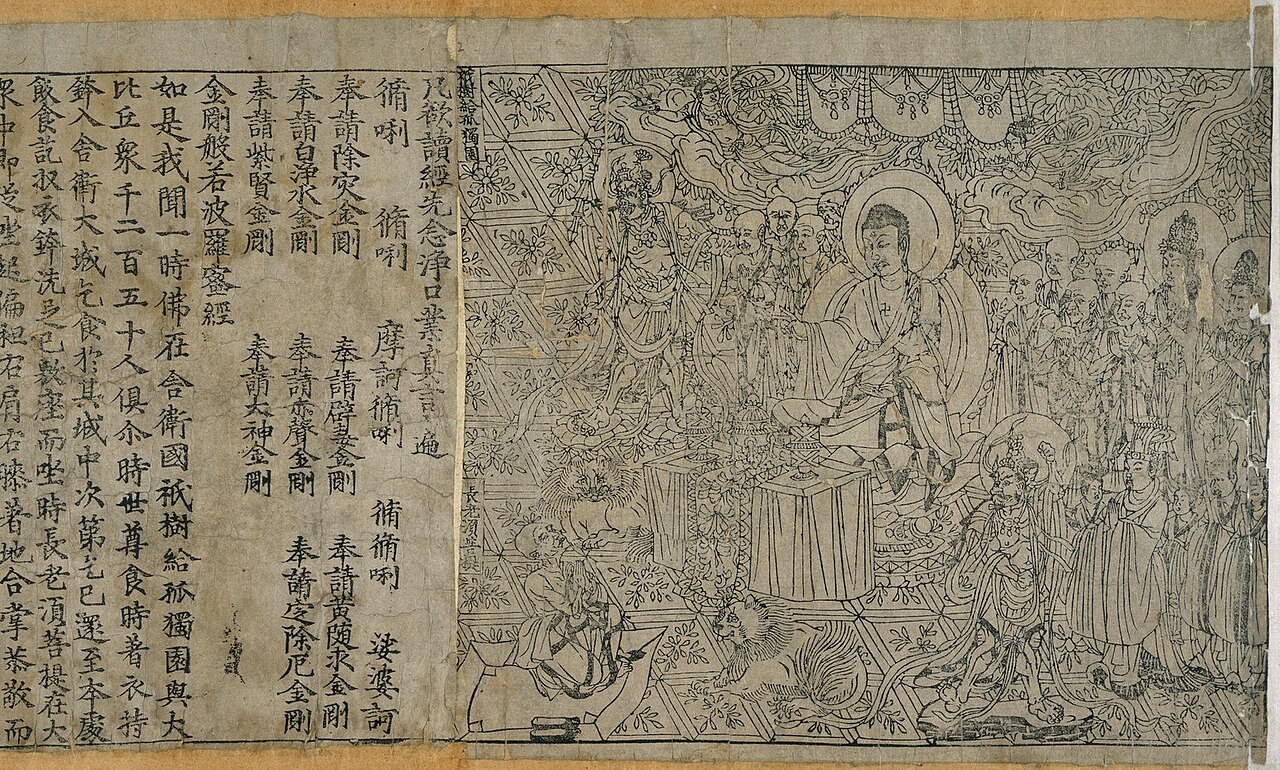
A dated dedication, finely cut images and a hidden chamber reveal why an early printed Buddhist scroll was made, how it survived and what its famous date actually proves.

Land grants, demanding teachers and traveling manuscripts made Nalanda a center of learning whose influence reached far beyond its monasteries in Bihar.
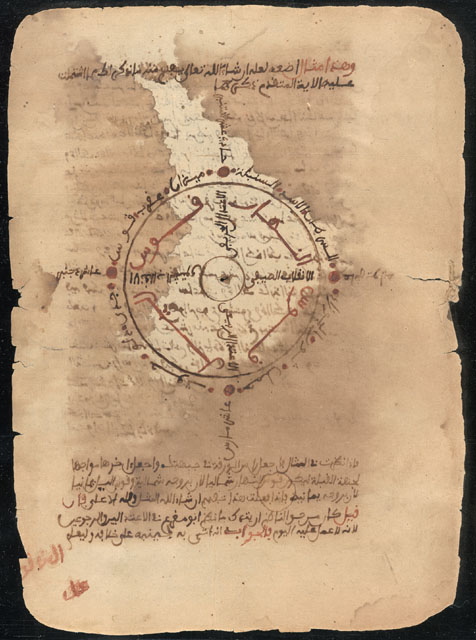
A copied page, a scribe’s fee and a travelling book reveal how Timbuktu’s scholars and families made, used and preserved a changing manuscript tradition.