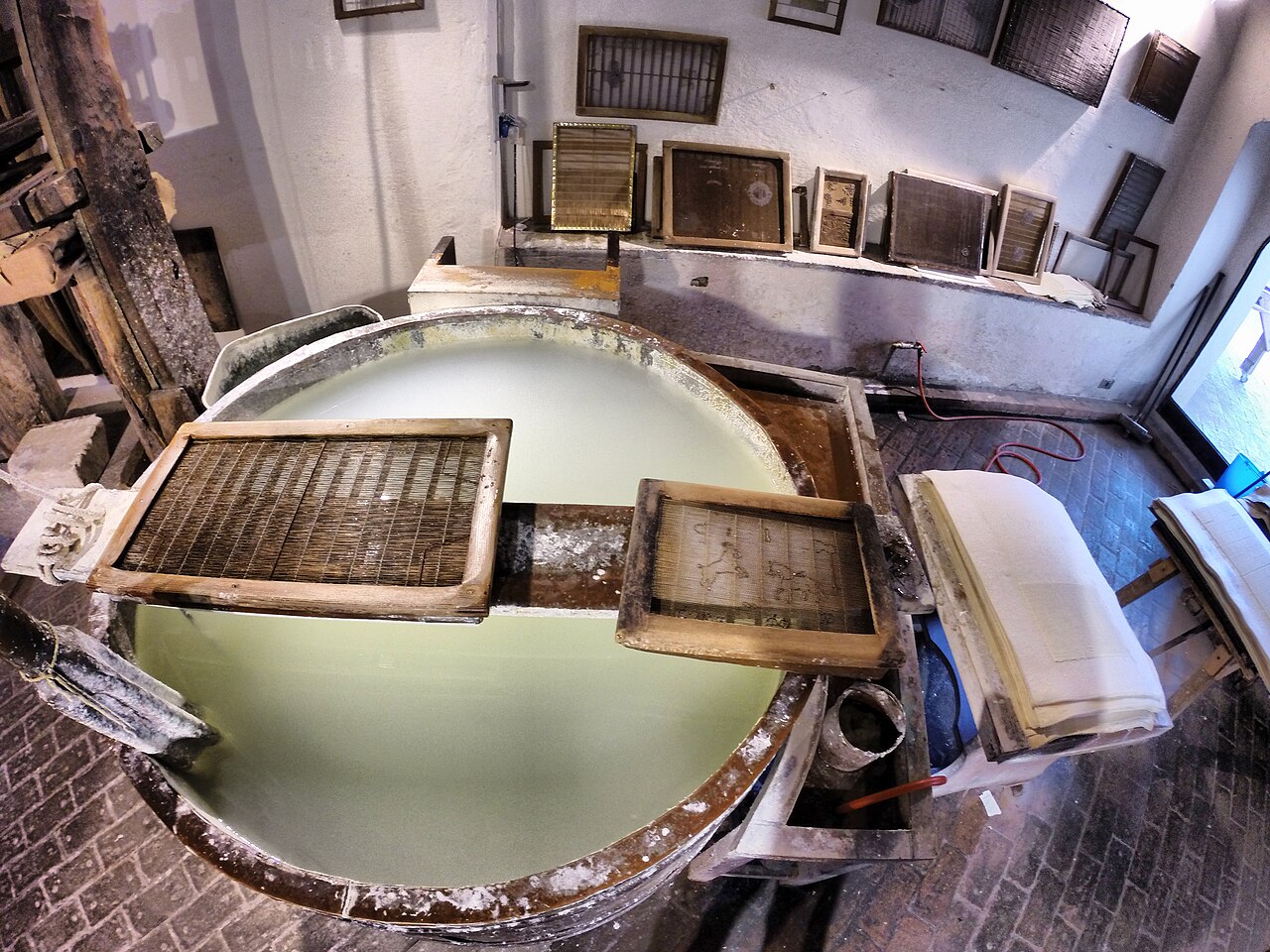
How Fabriano Turned Old Rags into Paper Worth Writing On
In medieval Fabriano, worn cloth, moving water and skilled hands became durable paper. Follow the work from rag pile to watermark, and the clues still hidden in old books.

500–1499 CE. A browsing label, not a claim that every region shares the same medieval period.
In medieval Fabriano, worn cloth, moving water and skilled hands became durable paper. Follow the work from rag pile to watermark, and the clues still hidden in old books.
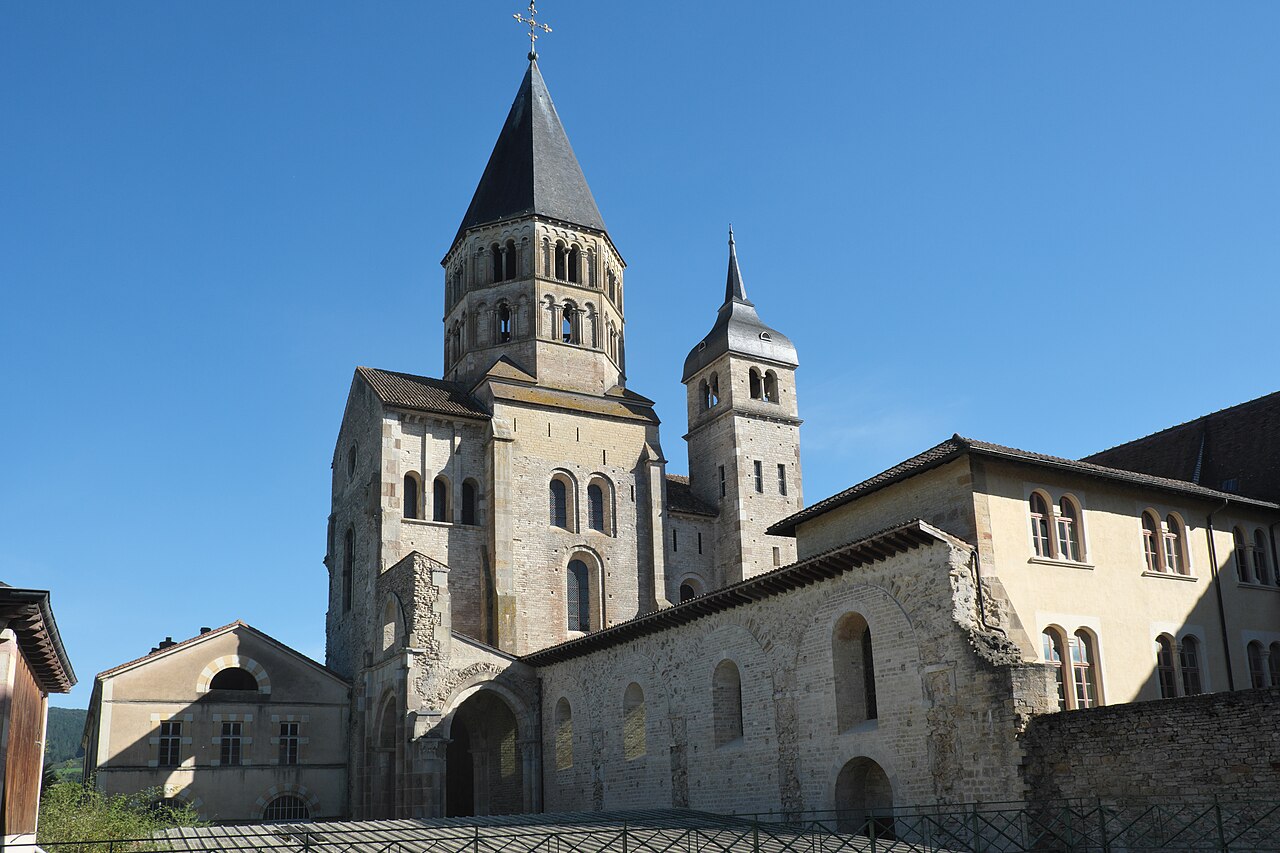
Cluny began with a gift of land, people and revenues. Its founding charter shows how prayer, protection and property helped sustain a monastery that grew into a European network.
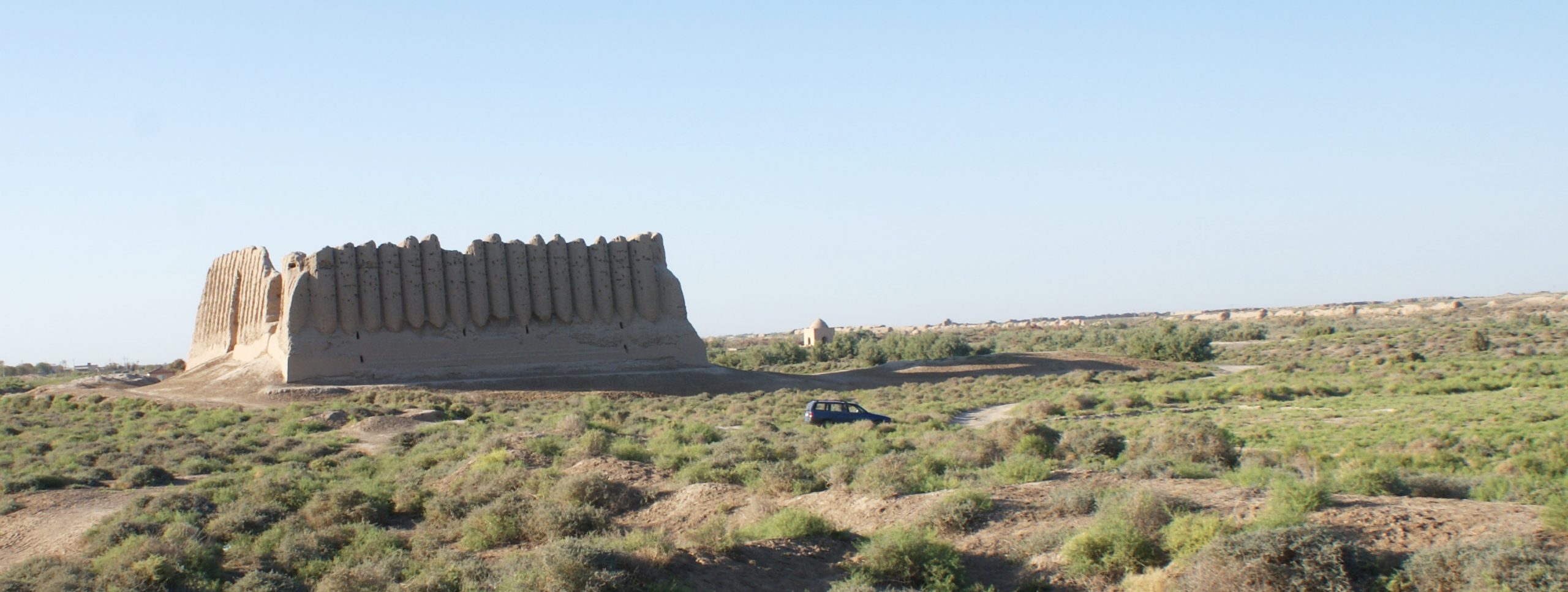
Read Ancient Merv through its successive cities, water landscape, Seljuk architecture and the continuing work of conserving fragile earthen walls.
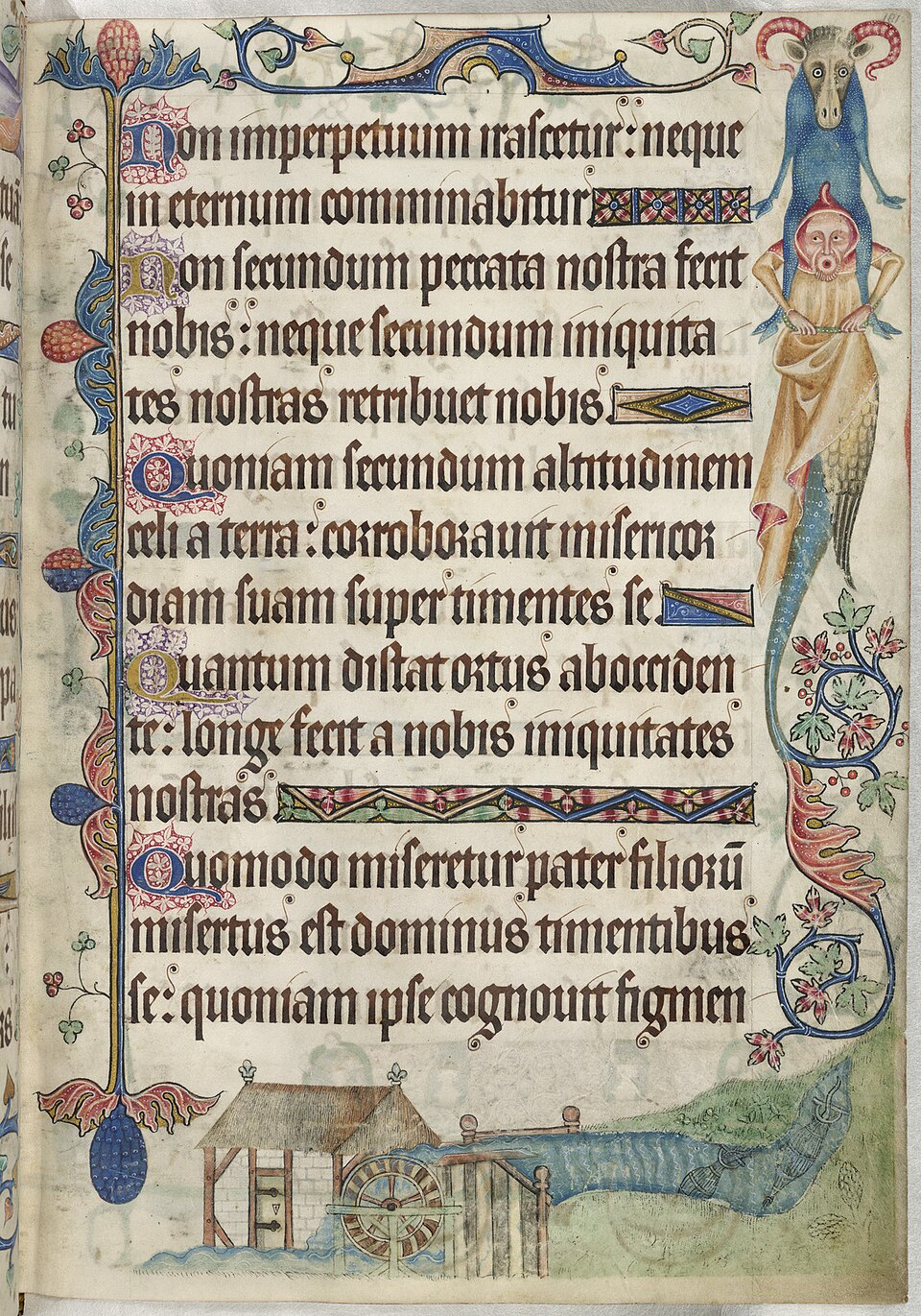
From an Irish tidal mill to English manorial accounts, water-powered grinding joined skilled work, engineered rivers and contested rights to a share of the harvest.
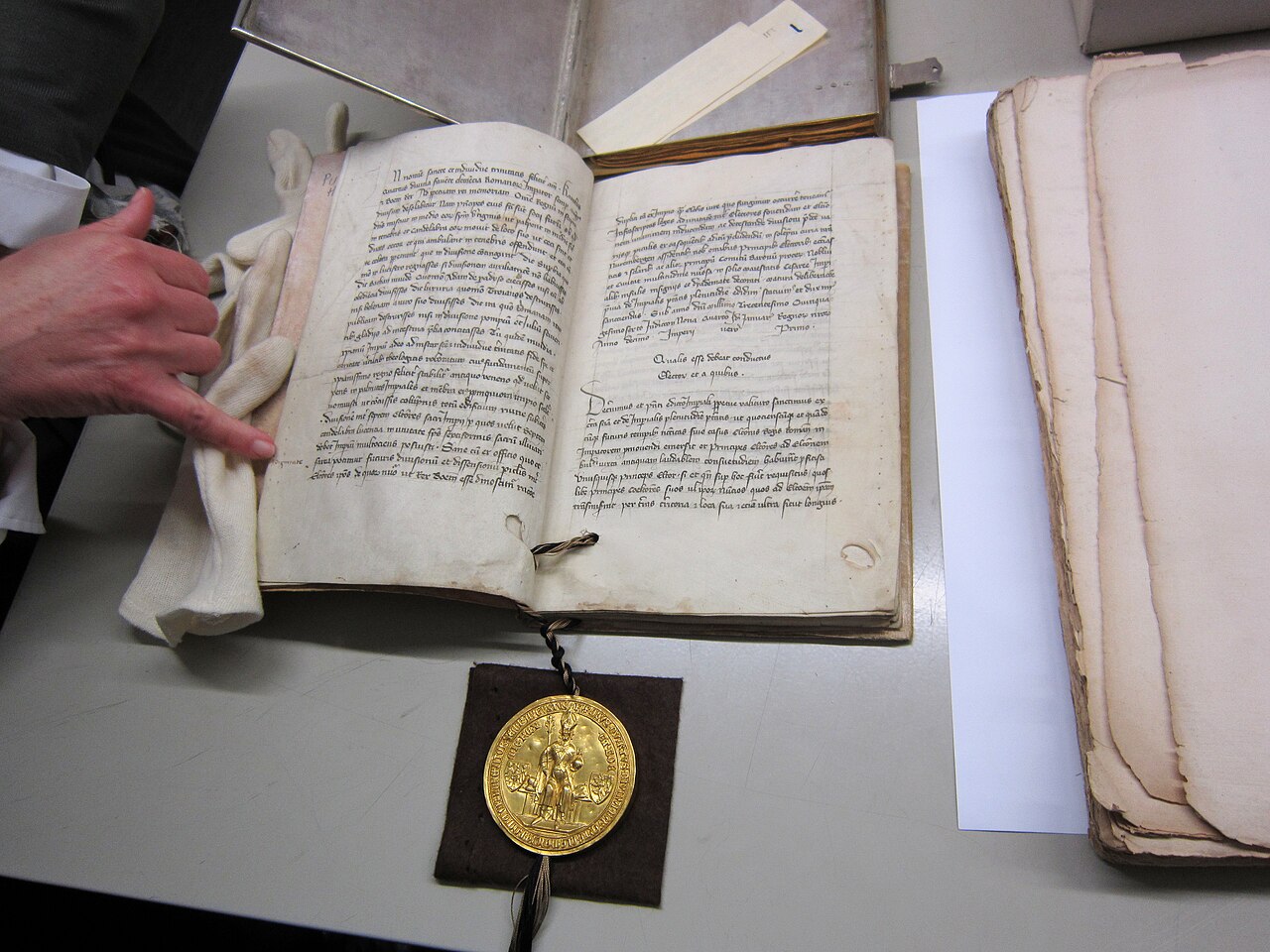
Safe passage, majority voting and carefully ranked ceremonies helped turn royal succession into a procedure, while protecting the princes authorised to choose.
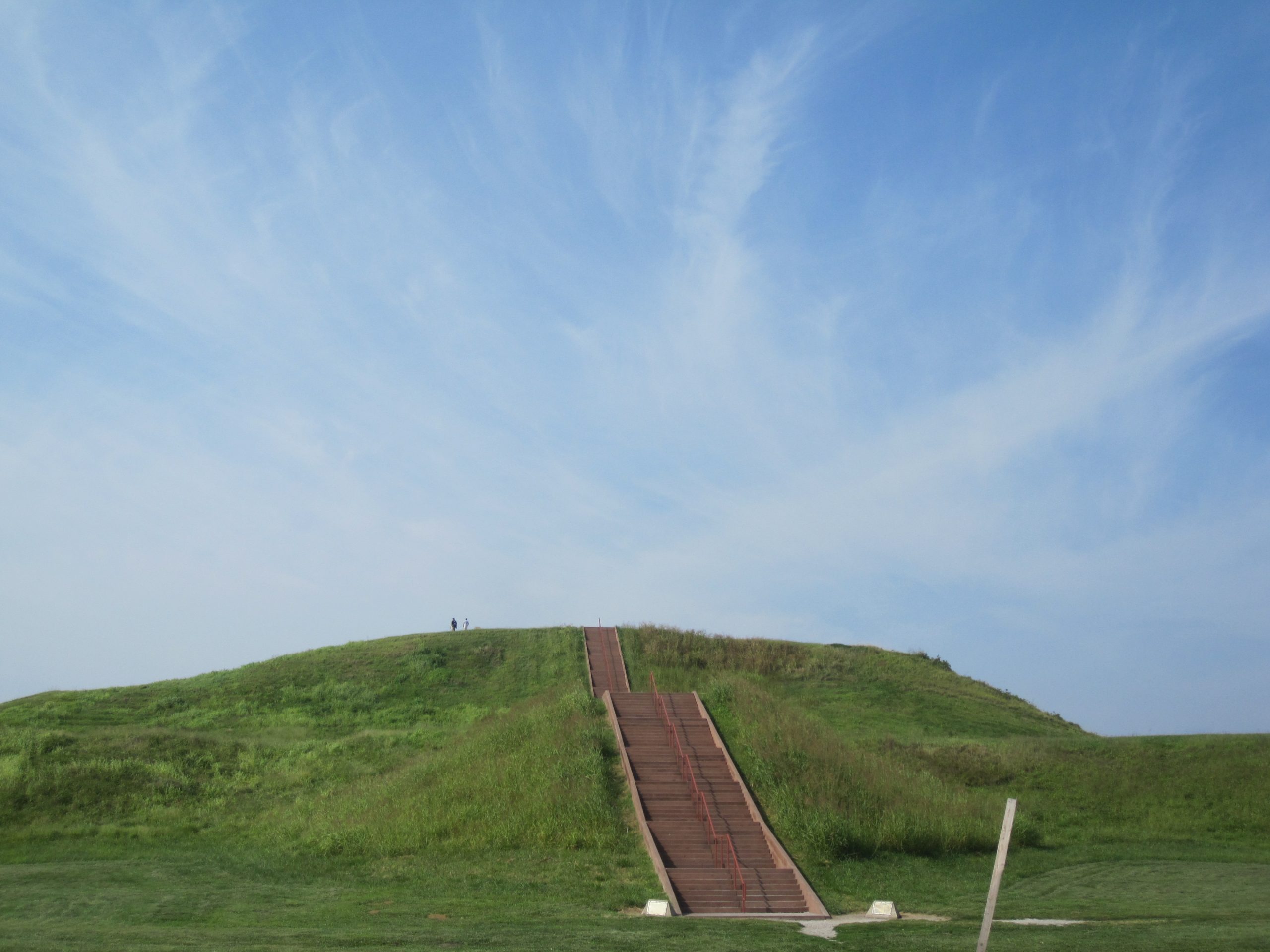
The great earthworks were only part of Cahokia. Houses, food, migration and changing interpretations reveal the inhabited landscape behind a monumental centre.
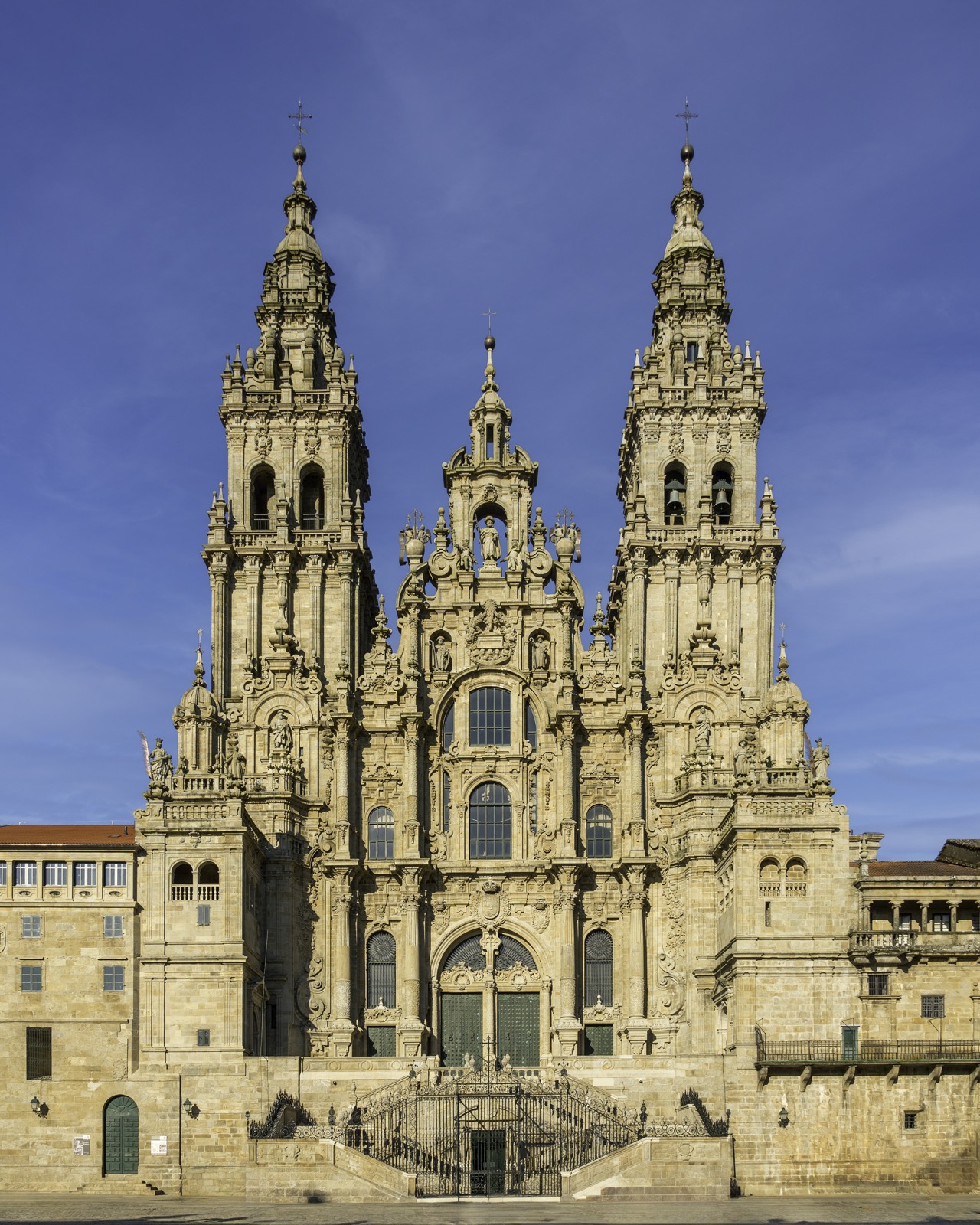
A shell, a manuscript and a cathedral reveal how devotion became a journey—and how the journey depended on buildings, patrons, goods and competing stories.
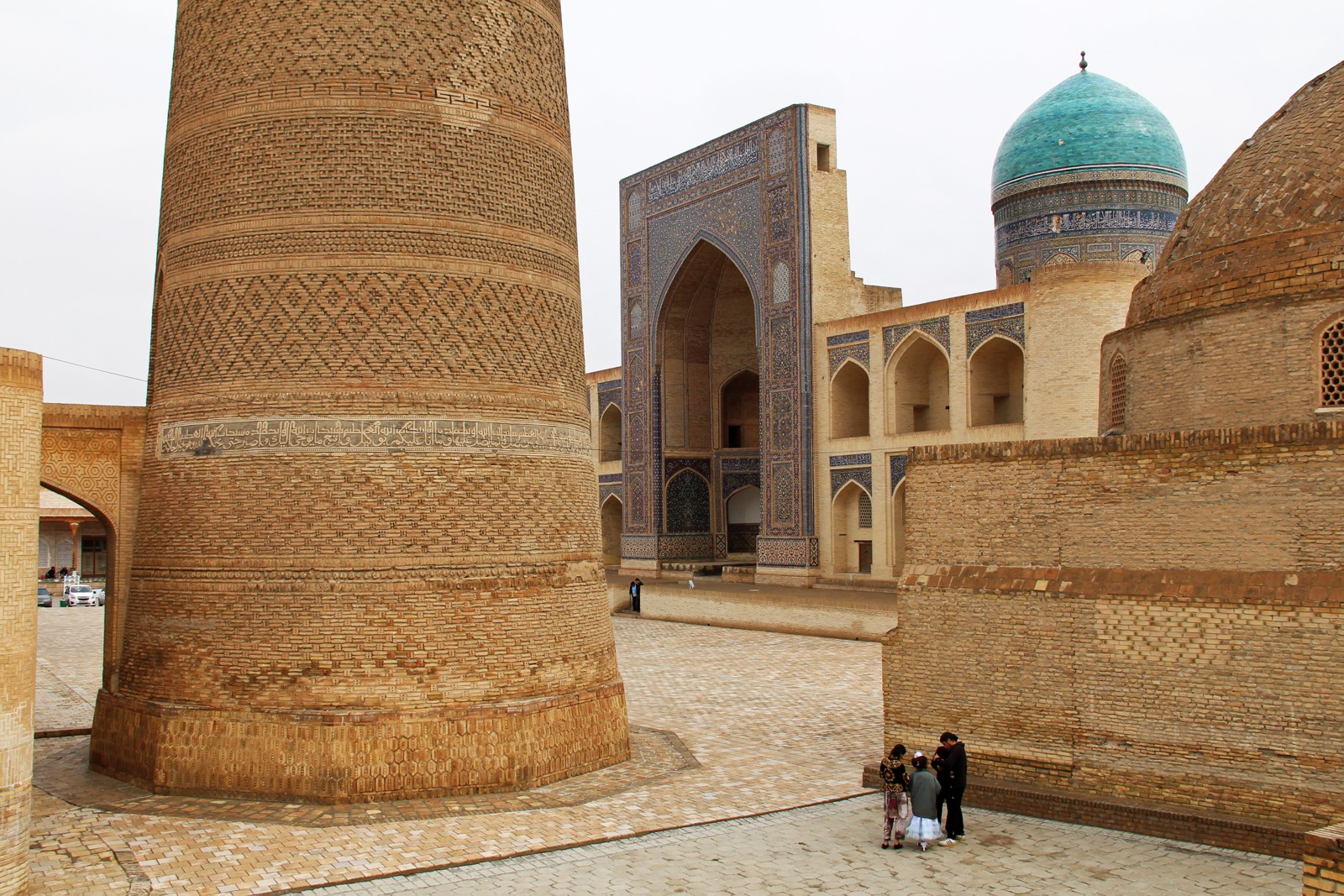
A historical guide to the Samanid mausoleum, the Ark, Poi-Kalyan, covered markets and Lyabi-Hauz—and the different centuries that survive beside one another.
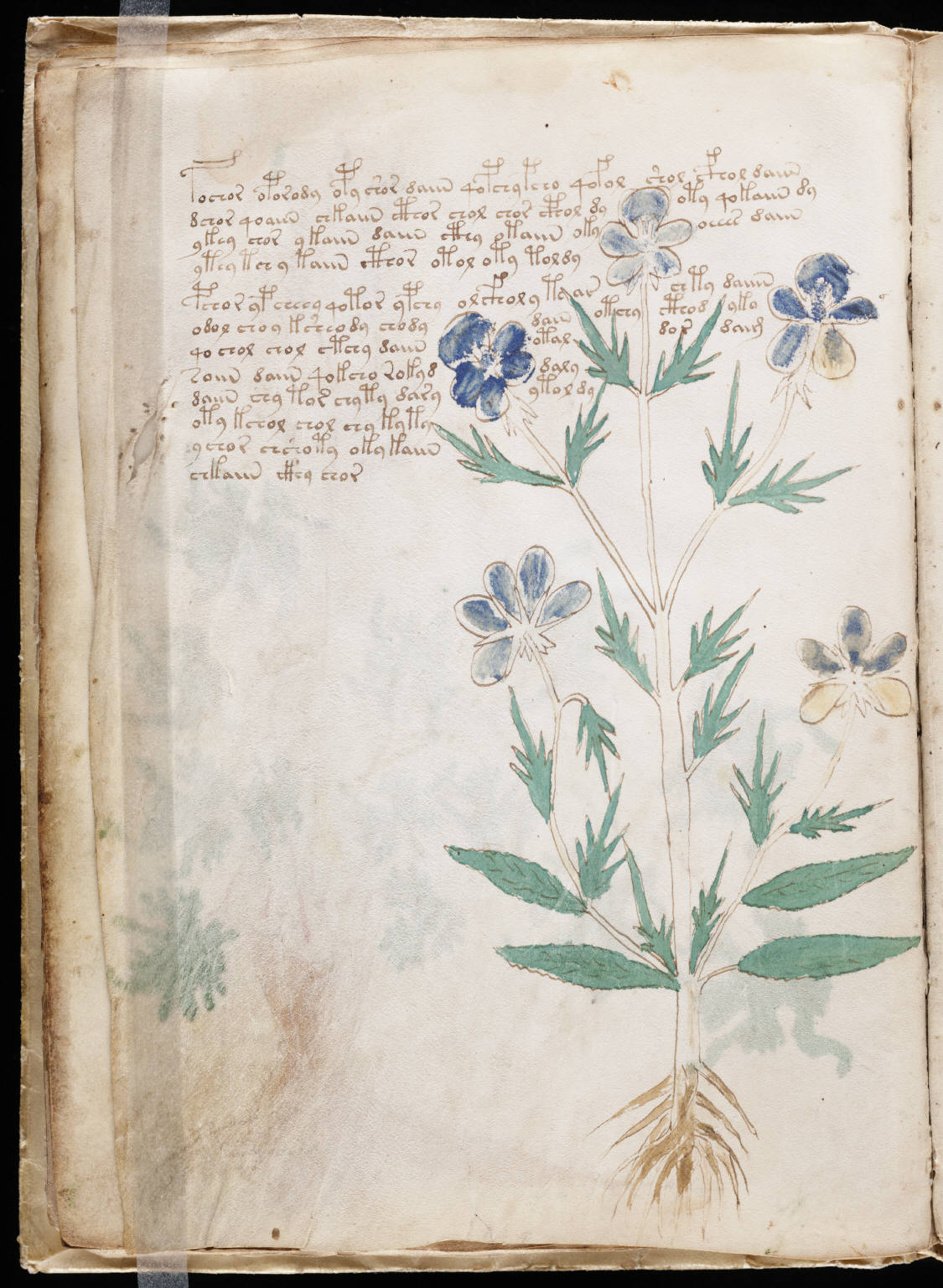
Radiocarbon dates, scribal hands and the physical structure of the Voynich manuscript establish a history even where its writing resists interpretation. New hypotheses must be tested against that evidence, not mistaken for a decipherment.
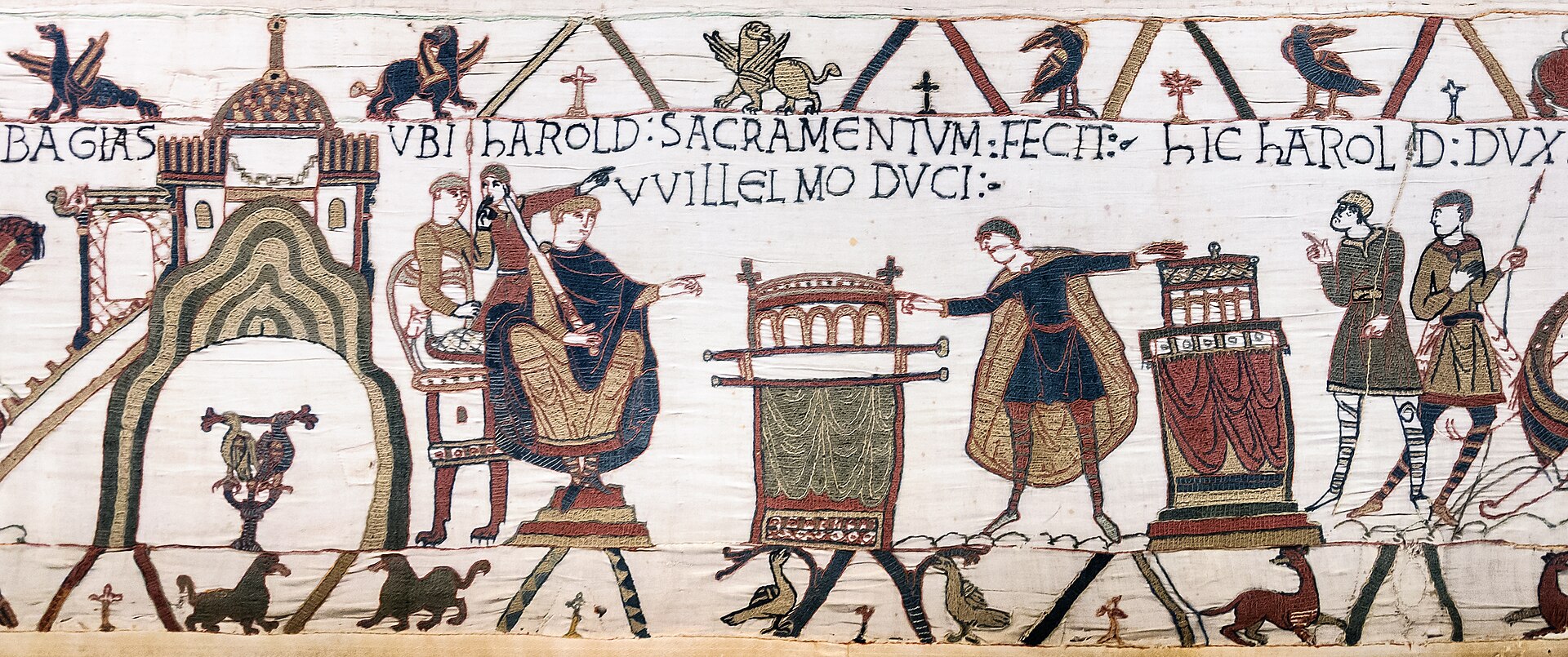
Oaths and coronations shape its political story. Carpenters, meals, a burning house, and bodies in the borders reveal what a conquest required and whom it harmed.