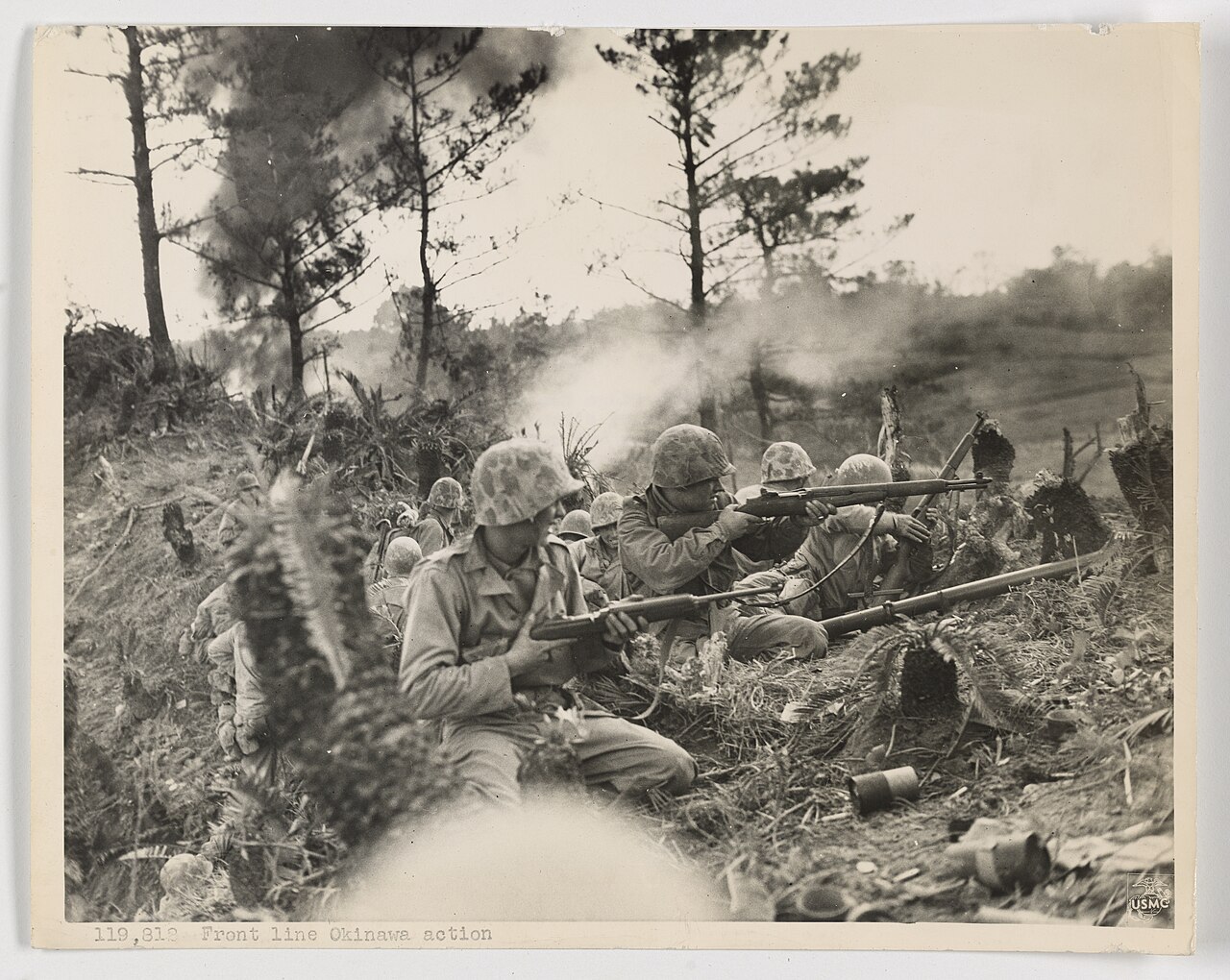
Okinawa: Why an Easy Landing Became a Long Battle
On Okinawa, a lightly opposed landing led to twelve weeks of fighting through fortified hills, repeated attacks on the fleet, and a civilian struggle to survive.

Research-led histories of World War II: the people, decisions, battles, and societies shaped by the global conflict.
On Okinawa, a lightly opposed landing led to twelve weeks of fighting through fortified hills, repeated attacks on the fleet, and a civilian struggle to survive.
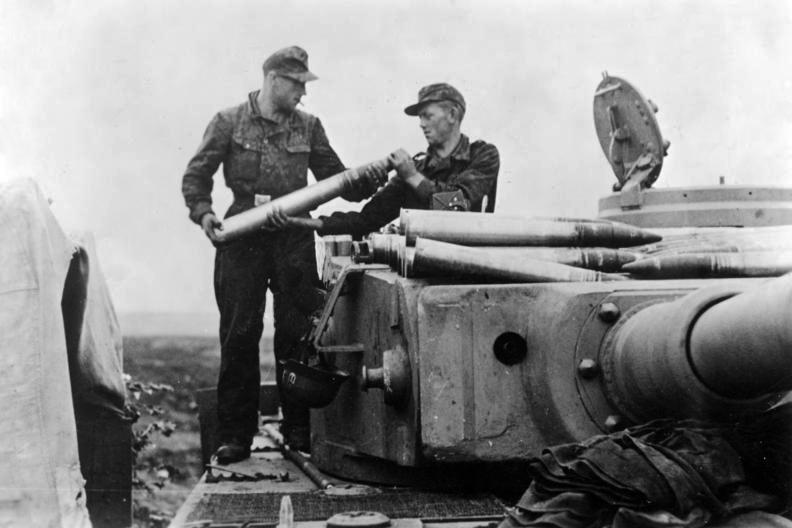
From the minefields around Kursk to the return to Kharkov, the summer campaign of 1943 was decided by far more than the tanks at Prokhorovka.
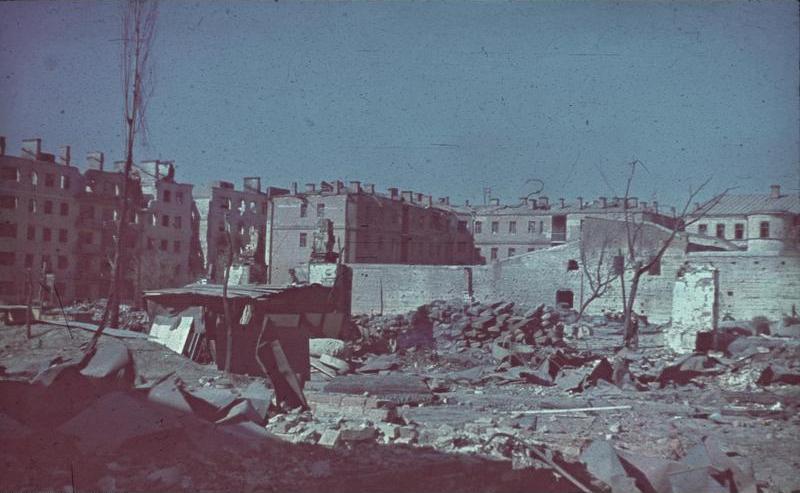
How a German advance to the Volga became a battle through ruined factories, a Soviet encirclement and the destruction of the Sixth Army.
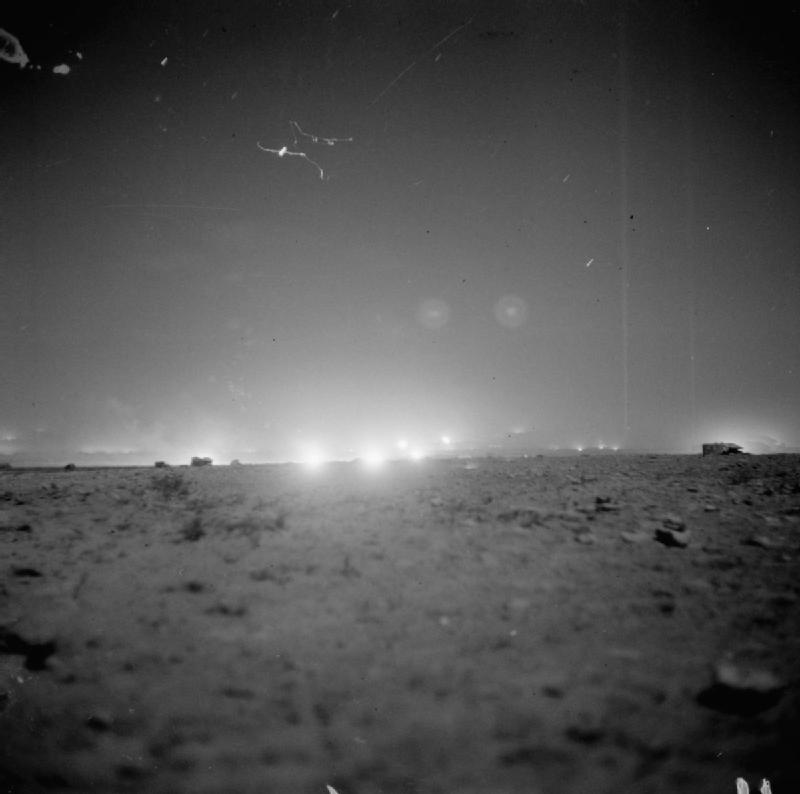
Montgomery had more tanks and supplies. Breaking the Alamein line still took twelve days of mine clearance, infantry fighting, and costly armored attacks.
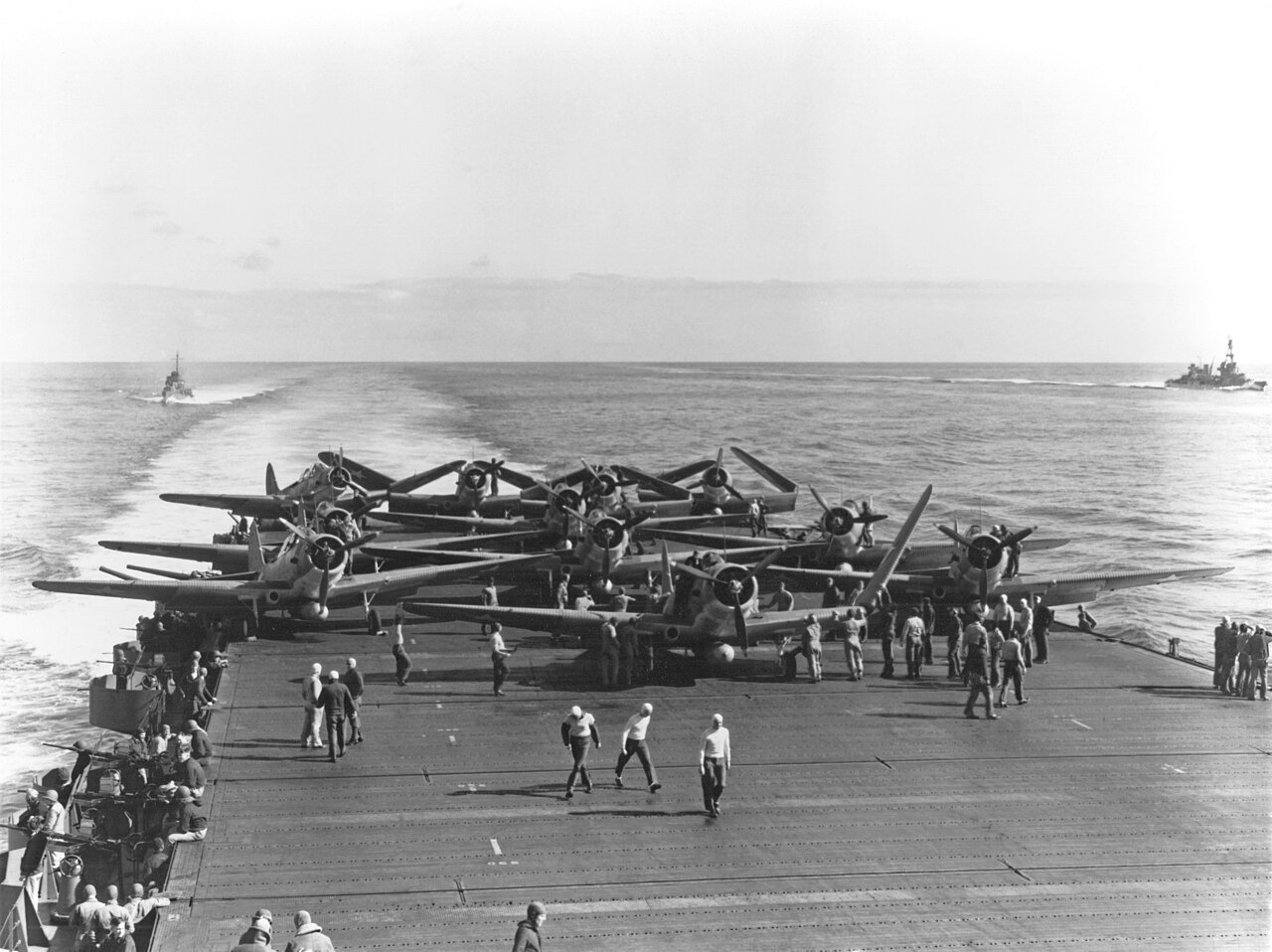
Codebreakers revealed Japan’s target. Shipyard workers, scouts, and aircrews then had to turn that warning into victory during four desperate days at Midway.
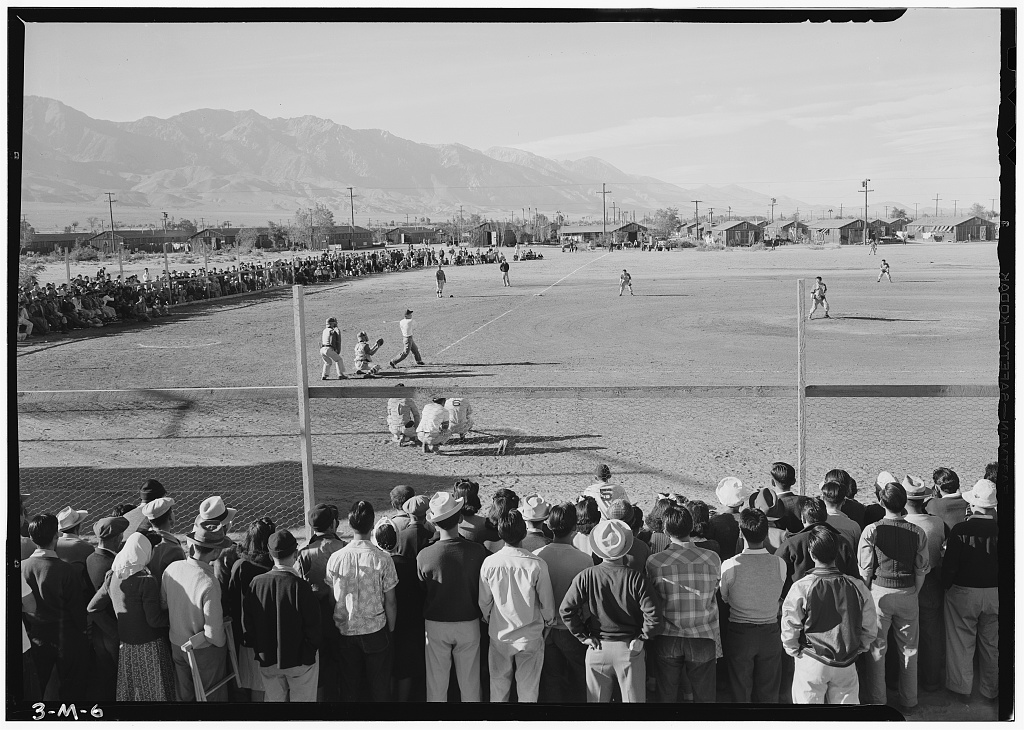
Manzanar’s photographs preserve community life inside incarceration. The orders, testimony and court decisions outside the frame explain what the images cannot.
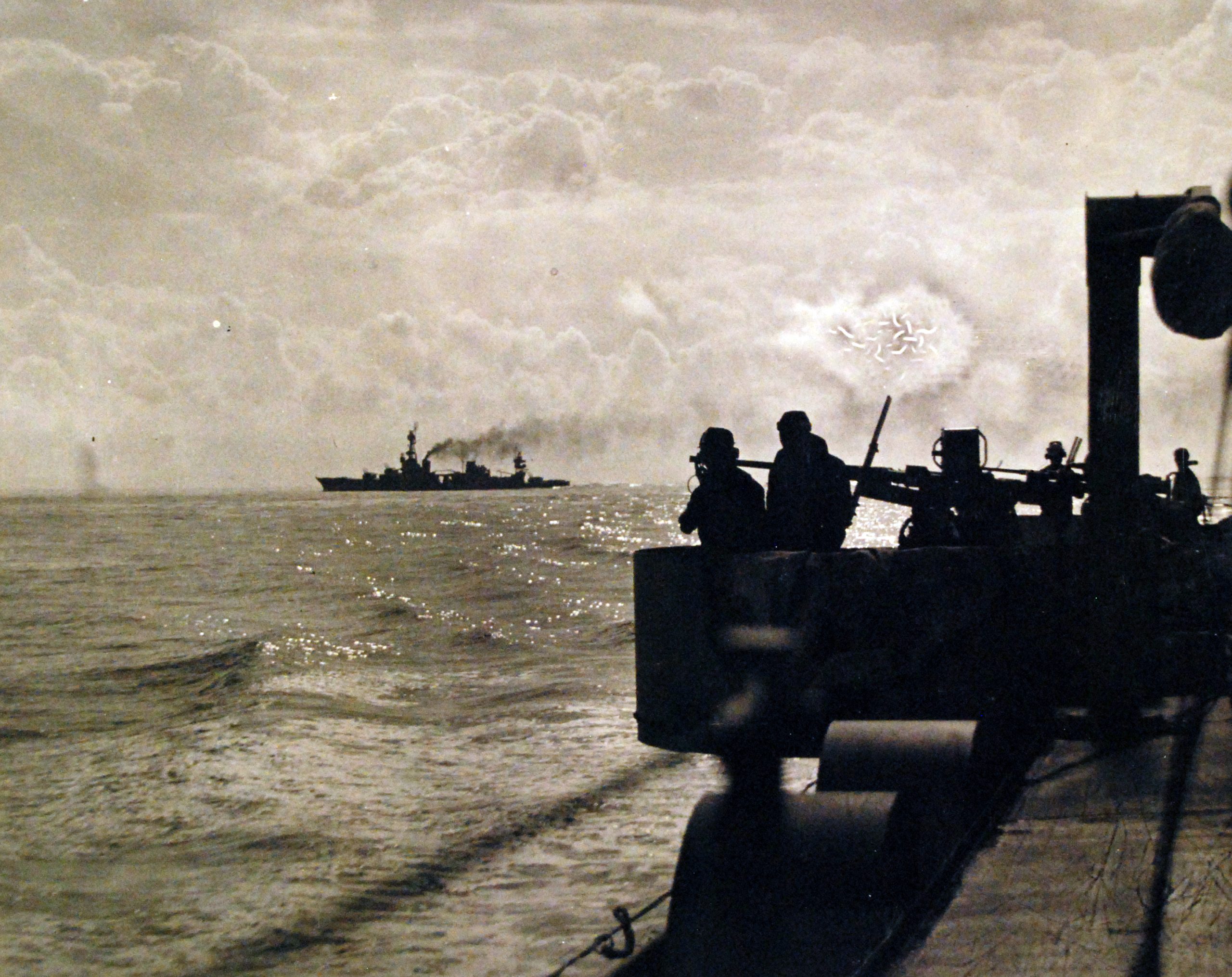
Operation Torch opened an Allied front through a bargain with a Vichy leader. Military cooperation arrived faster than restored rights.
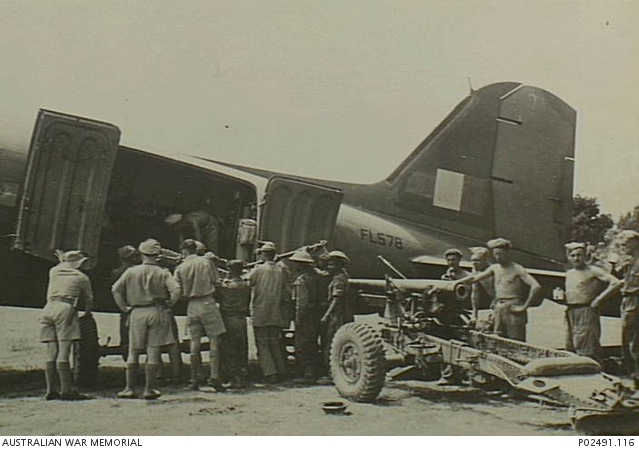
In 1944, aircraft kept Allied troops supplied after Japanese forces cut their roads. The airlift worked because soldiers held the ground beneath it.
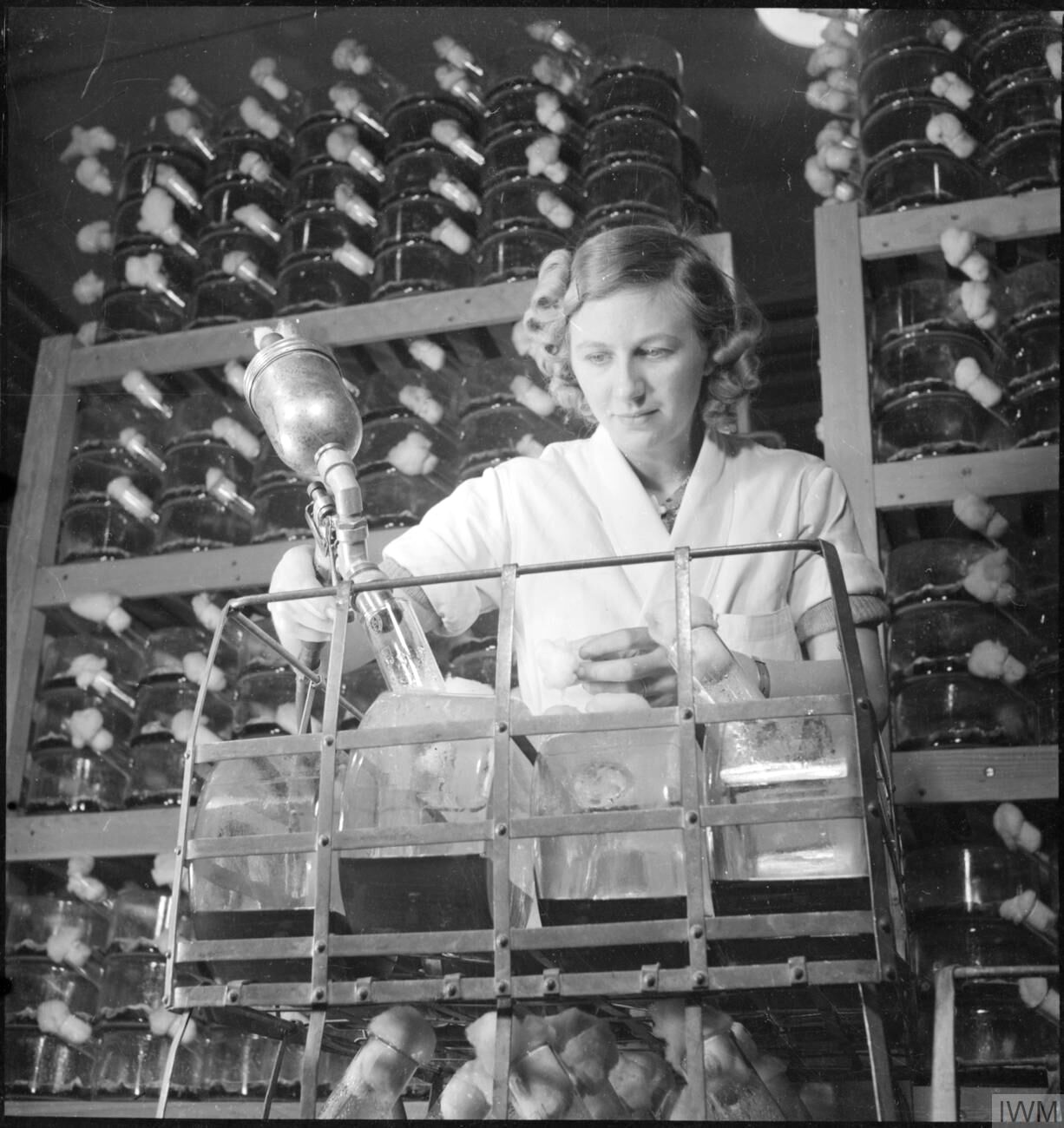
Penicillin became a dependable medicine through cultivation, extraction, testing and industrial coordination. Discovery was only the beginning.
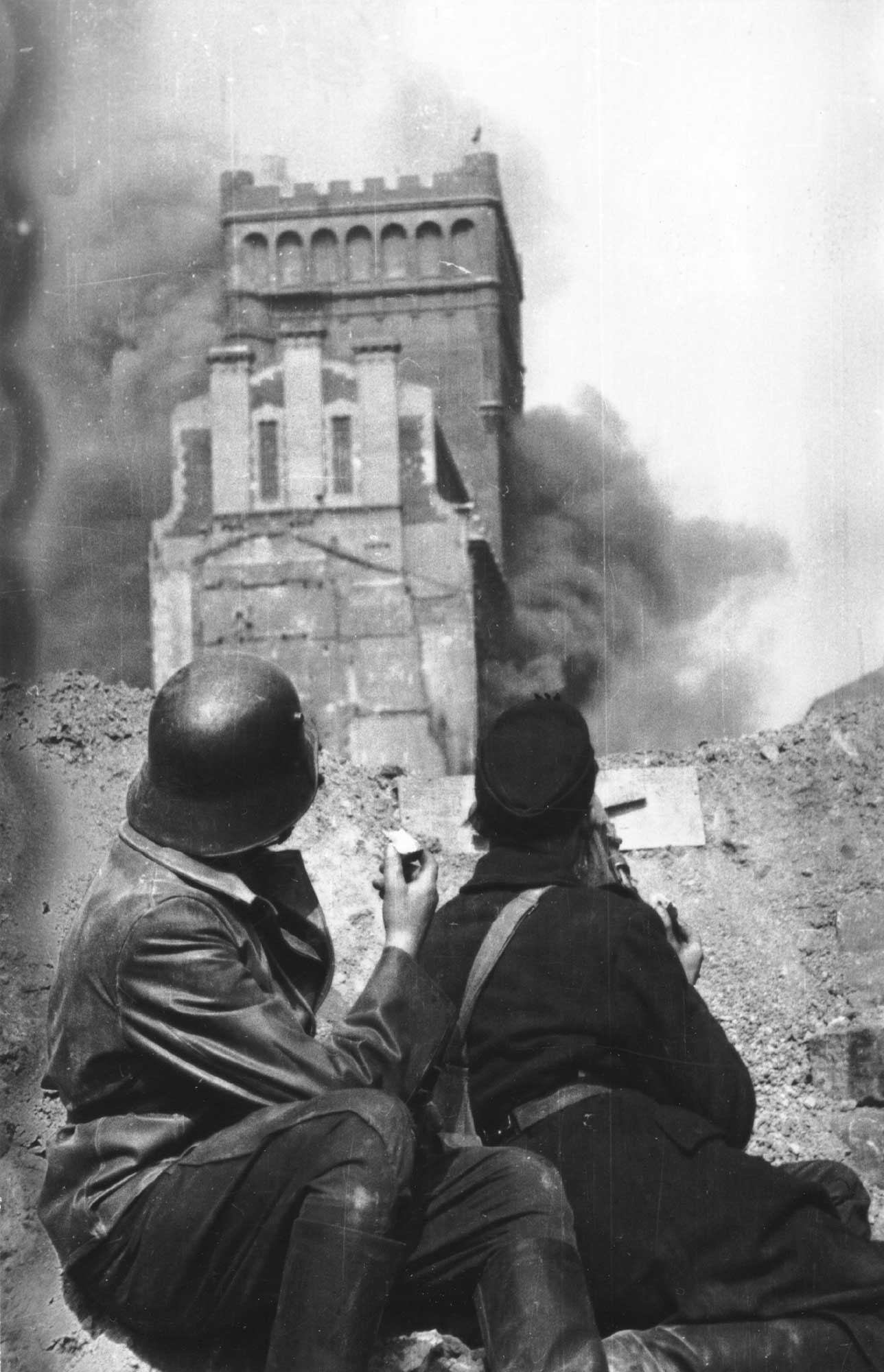
Flights from Italy and Britain carried help to Warsaw, but political refusals, German fire and shrinking drop zones kept that help from becoming a lifeline.