
Hattusa’s Clay Archives: How the Hittites Kept an Empire on Record
Behind Hattusa’s monumental gates stood another instrument of power: tablets that made promises, rituals, and political memory retrievable.
A treaty is not much use if nobody can find it when an argument begins. The rulers of the Hittite kingdom understood the problem. Their capital at Hattusa, in modern central Türkiye, contained not just fortifications and temples but collections of clay tablets: a record of what kings had promised, which obligations bound their dependents, and how particular ceremonies were supposed to work. The impressive part was not simply writing things down. It was making earlier words usable in a later crisis.
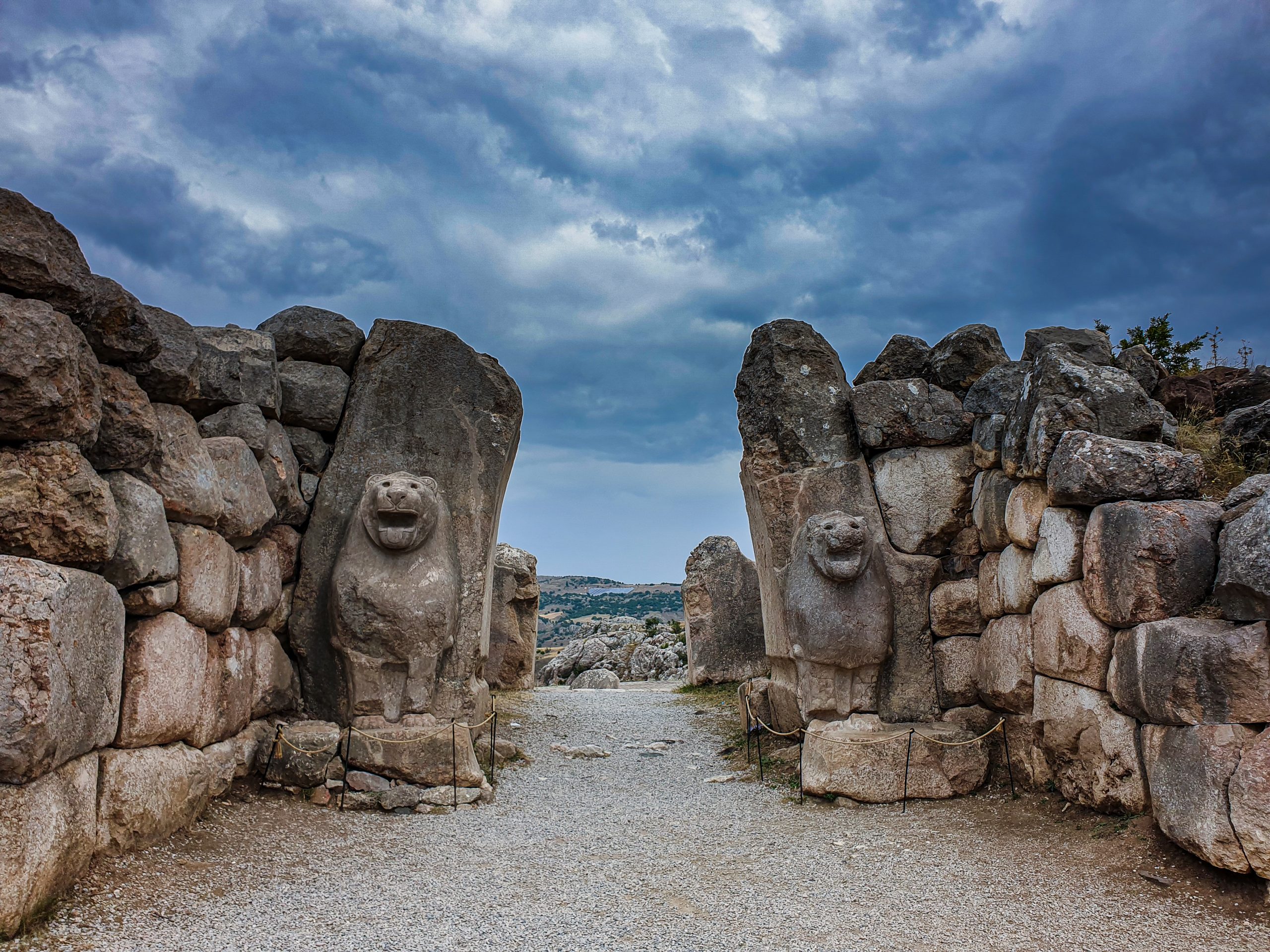
That changes how we look at this Bronze Age capital. Its stone gateways are wonderfully photogenic. Its broken tablets can seem less immediately exciting. Yet a city wall tells us where authority was defended; an archive helps reveal how authority was remembered, negotiated, and justified. Neither tells the whole story on its own. Put them together, however, and the Hittite empire becomes something more interesting than a succession of royal names and battles.
A capital built into a demanding landscape
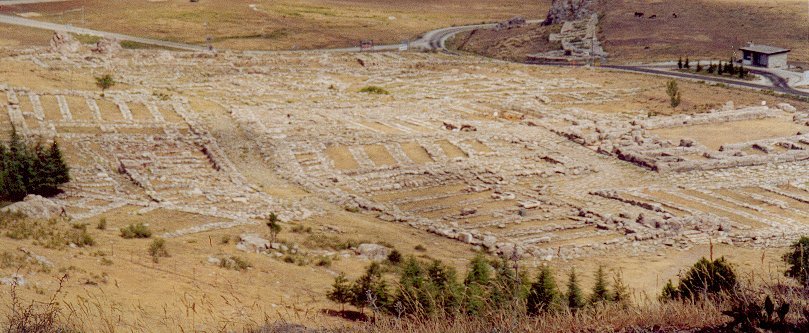
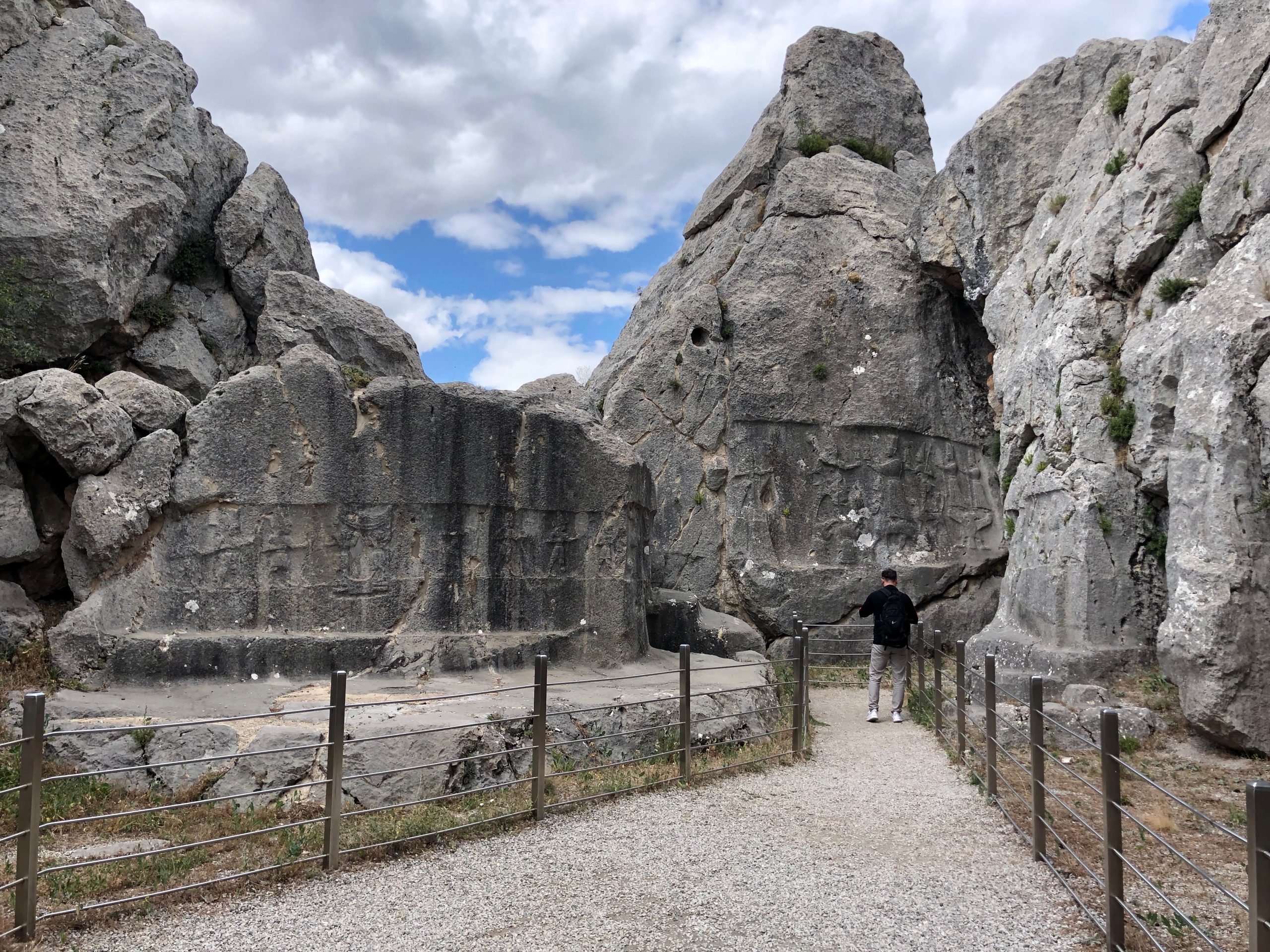
Hattusa spread across a steep landscape near modern Boğazkale. Its upper and lower areas, royal citadel, temples, gates, and long defensive circuit did not form a simple flat grid. UNESCO’s site account emphasizes the relationship between monumental construction and the terrain, including the nearby rock sanctuary of Yazılıkaya. This was a capital whose organization needs to be read in three dimensions, not merely as a dot on a map.
The Great Temple and its surrounding rooms are especially useful for thinking beyond royal spectacle. Religious institutions required people, supplies, and procedures. A temple was not simply the setting for a dramatic encounter between a king and a god. It also involved repeated work. The physical proximity of buildings, storage spaces, and written records matters because administration did not float above the city. It occupied rooms, consumed resources, and depended on trained workers.
The site’s modern rediscovery brought another kind of work: excavation, comparison, and decipherment. Systematic excavations in the early twentieth century transformed scattered references to the Hittites into a much richer historical record. But discovery did not make every tablet immediately readable. Identifying a script and understanding the language written in it are different problems.
One script, several languages
Cuneiform is a writing system, not the name of a single language. Hittite scribes used an adapted form of a script already circulating elsewhere in the Near East. Their tablets could combine syllabic writing with signs functioning as words, including inherited Sumerian and Akkadian conventions. That is why the history of Hittite writing is also a history of technical borrowing.
The scholarly Mnamon guide to Hittite cuneiform places it in this multilingual setting. Hittite itself belongs to the Indo-European language family, but the capital’s textual world also included Akkadian, Hurrian, Hattic, and other languages. Those labels are not interchangeable, and the presence of a language in a ritual or diplomatic document does not tell us how commonly it was spoken in a marketplace.
An archive therefore preserves more than information. It preserves decisions about which language and writing conventions suited a particular purpose. A diplomatic letter, a ritual text, and an account of royal achievements could demand different expertise. Behind the apparent uniformity of clay and wedge-shaped marks lay a differentiated profession. Scribes were not merely copying sounds. They were participating in traditions of how authoritative statements should look.
For a comparison, Ashurbanipal’s Library: The Scribes Behind a King’s Knowledge follows another royal collection in which textual expertise became a resource of government. The connection is not that all ancient archives worked identically. It is that political power repeatedly needed people who knew how to manage inherited words.
What was worth keeping?
Calling every tablet an administrative document flattens the evidence. Hattusa’s collections included treaties, instructions, prayers, rituals, historical compositions, and scholarly texts. Different documents had different useful lives. A record of an immediate transaction might become obsolete; a ritual prescription or dynastic agreement could remain relevant long after the circumstances of its first composition.
Assyriologist Theo van den Hout’s discussion of Hittite information management asks precisely this practical question. In the account of Suppiluliuma I’s dealings with an Egyptian royal widow, an earlier treaty is ordered to be read. Whatever uncertainties surround the identification and chronology of the Egyptian episode, the narrative presents consultation of a document as part of a political decision. Stored writing is meant to do work.
The distinction between keeping and finding is crucial. A room full of tablets is not automatically a functioning archive. Textual labels, tablet endings, copies, and inventories can help scholars investigate the systems that connected a text to a user. We should resist filling the gaps with a modern filing cabinet. The ancient evidence is fragmentary, and archaeological discovery places do not always preserve the original arrangement.
There is also a survival problem. The record we possess is not a neutral sample of everything that mattered. Materials break, rooms are disturbed, and some kinds of texts are copied more often than others. A historian who treats the surviving archive as a complete photograph of government will end up mistaking the habits of preservation for the entire society.
Diplomacy was more than an agreement to stop fighting
Hittite treaties were instruments for organizing relationships. Some concerned rulers negotiating with other great powers; others laid out obligations imposed on subordinate rulers. The same general label, “treaty,” therefore covers unequal as well as more reciprocal arrangements. It would be misleading to imagine every document as a meeting between equal sovereign states in the modern sense.
The academic catalogue of Hittite texts makes that variety visible in its treaty entries. Named kings, partners, and kingdoms sit behind what might otherwise become an abstract story about international law. Agreements belonged to particular political relationships, and those relationships could depend on succession, loyalty, military help, or control of territory.
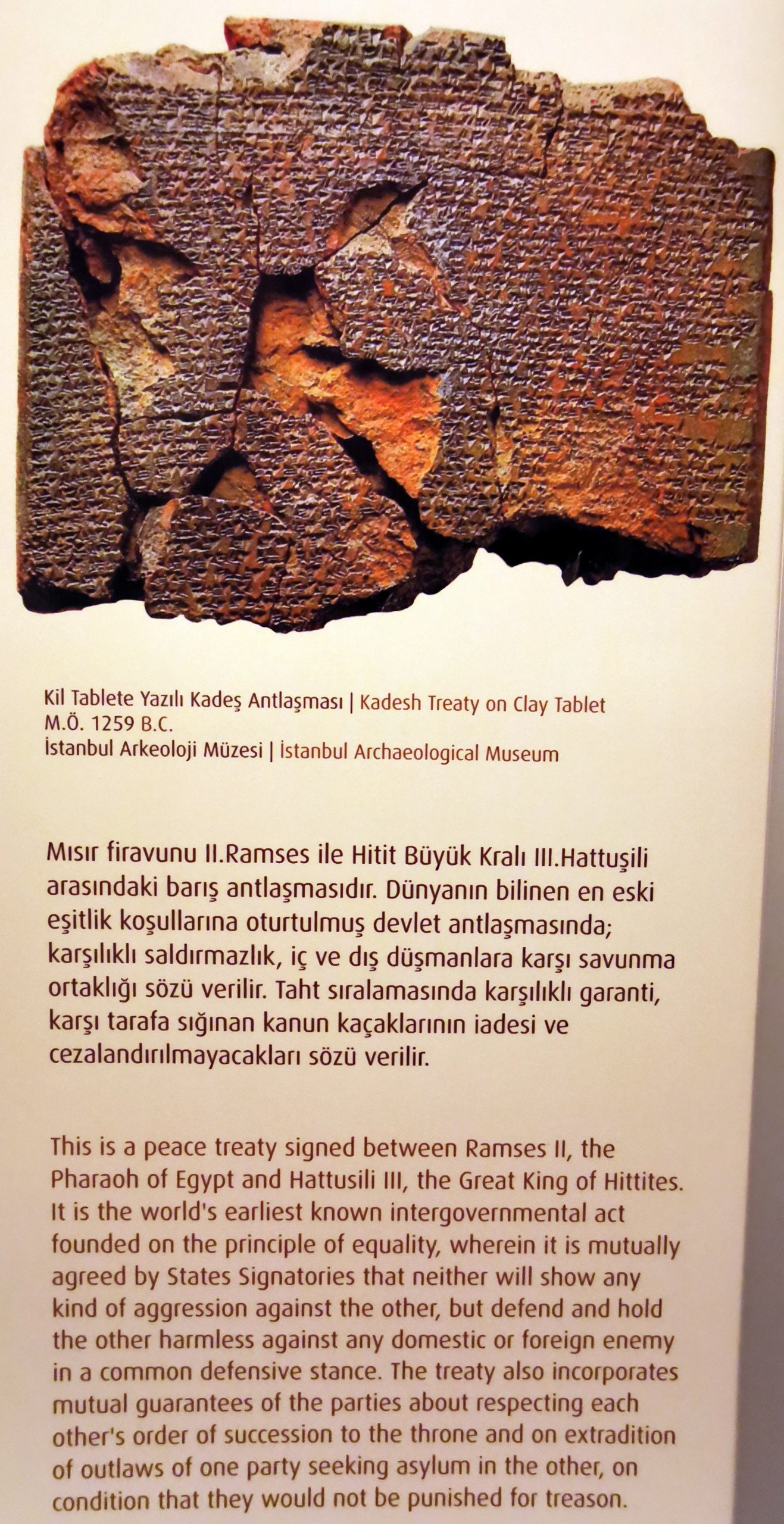
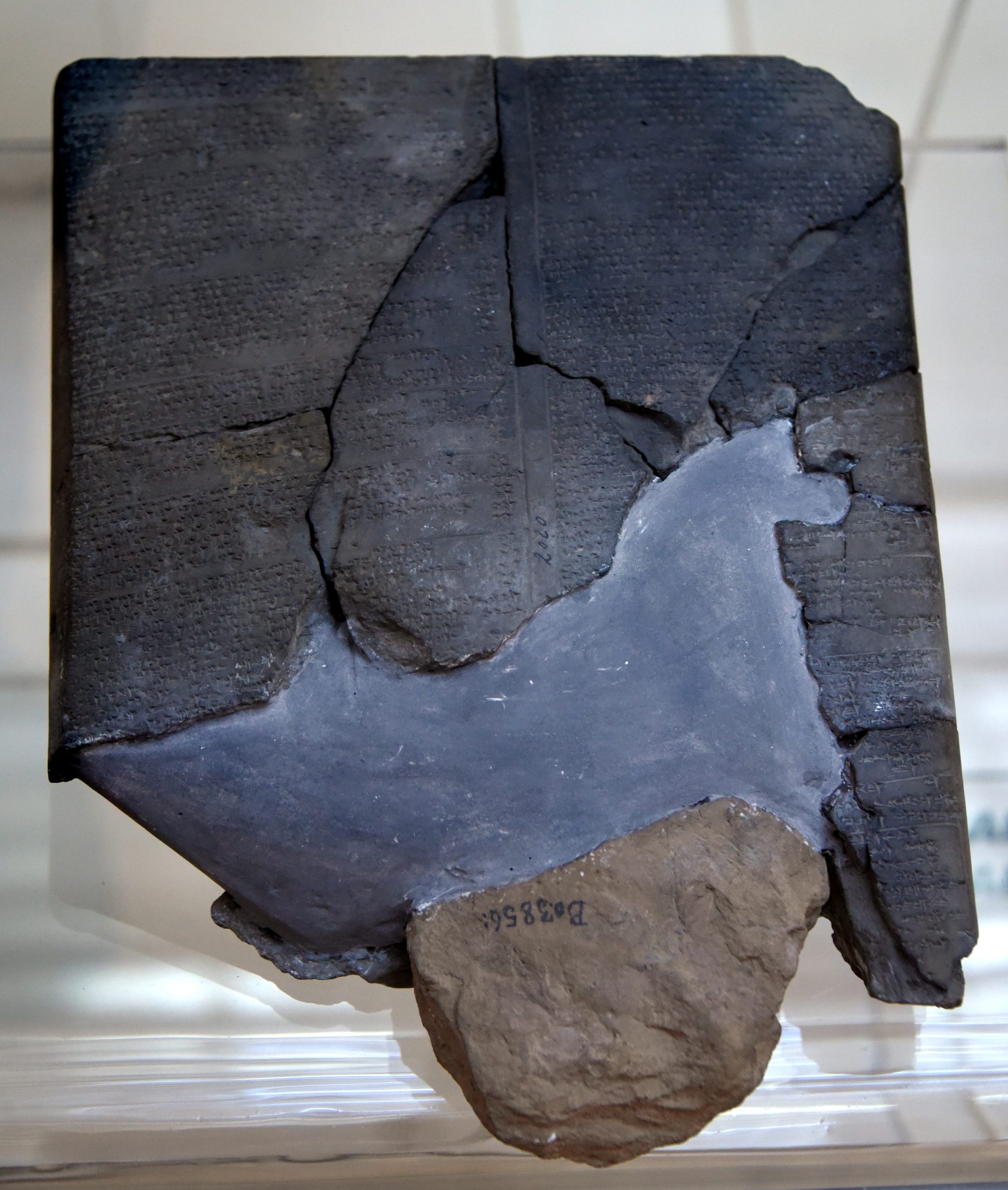
The famous agreement between Hattusili III and Egypt’s Ramesses II deserves attention, but not because it allows us to attach an effortless “first ever” label. Earlier treaties survive. Its importance lies partly in the evidence for relations between major Bronze Age powers and in the survival of versions from different documentary traditions. A treaty text is also not proof that suspicion disappeared. It tells us that rulers wanted particular commitments stated, witnessed, and remembered.
Religion belonged inside this process, not outside it. Invoking divine witnesses gave obligations a sacred dimension. To modern readers this can sound like ceremonial decoration around the “real” politics. For the participants, that separation is much too neat. Political loyalty, lawful conduct, and the danger of divine punishment could be parts of the same persuasive structure.
Reading power without accepting every royal claim
Royal records make strong claims about royal conduct. They explain victories, justify decisions, and present obligations in terms useful to the ruler. Their value is not diminished by recognizing this. Rather, it becomes possible to ask better questions: who is speaking, who was expected to listen, and what behavior did the text try to produce?
Mari’s Palace: The Letters, People and Work Behind a Bronze Age Kingdom offers a useful comparison because correspondence brings us closer to the movement of information between people. Persepolis in Clay: The Workers and Rations Behind an Imperial Capital turns attention toward workers and provisions. These bodies of evidence differ in date, language, and institutional setting. Together they remind us that an imperial archive can illuminate everyday organization while still leaving many people visible only indirectly.
At Hattusa, the crucial lesson is that power needed maintenance. A promise had to remain recognizable after the messenger left. A ritual had to be performed again. A ruler needed an account of the past that supported action in the present. Clay tablets were not a technological side note to those demands. They were one of the means by which a far-reaching political system tried to hold itself together.
The archive did not make the empire permanent. No filing system can do that. It did, however, leave later readers a remarkable opportunity: to see an ancient state thinking through documents, not just advertising itself in stone.