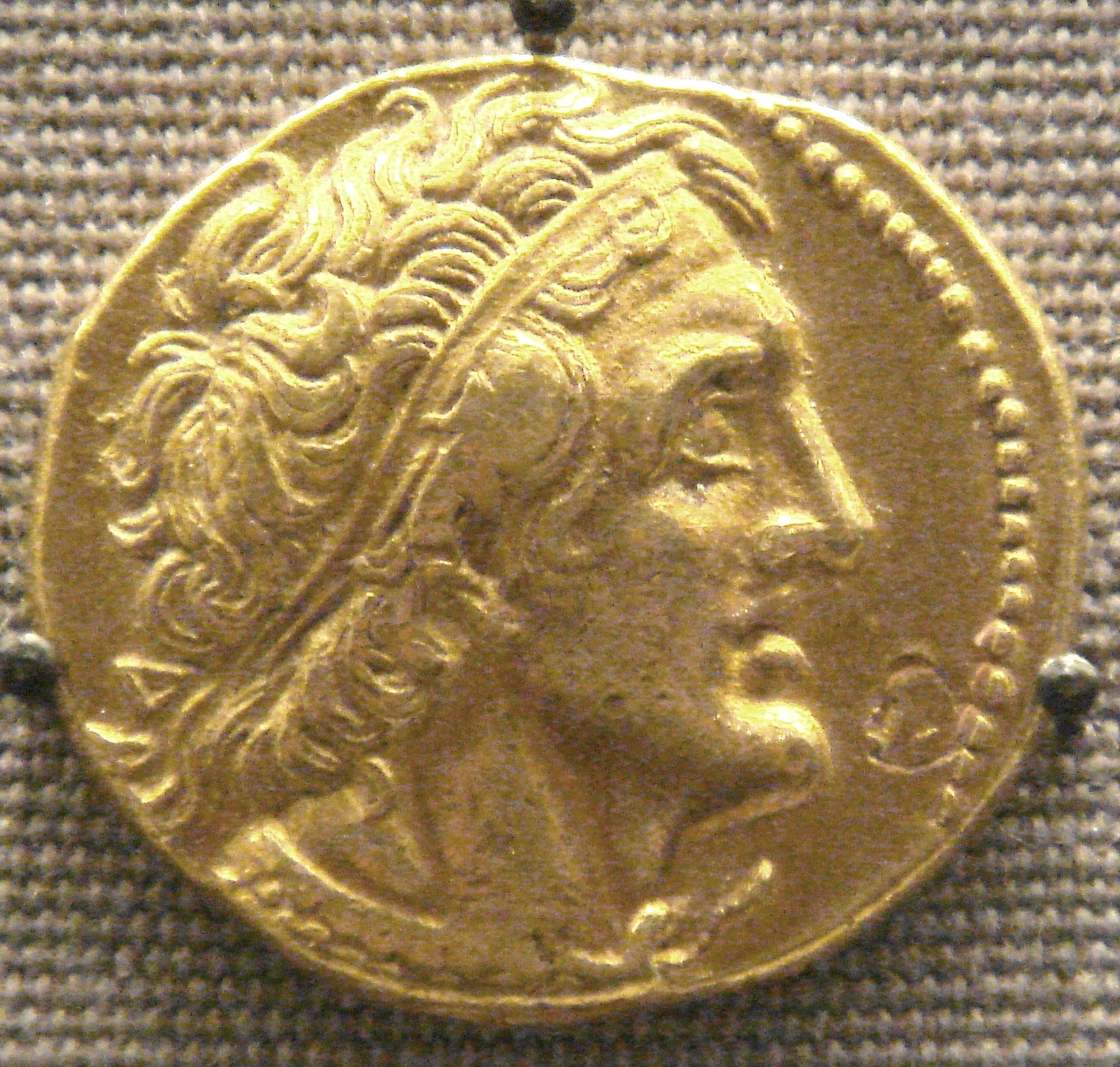
Reading The Last Dynasty: The Kingdom Behind Cleopatra
A reading companion to Toby Wilkinson’s The Last Dynasty, exploring the temples, documents, royal images and harvests that sustained Ptolemaic Egypt.
Before 500 CE. A broad browsing convention for ancient societies; local chronologies vary.
A reading companion to Toby Wilkinson’s The Last Dynasty, exploring the temples, documents, royal images and harvests that sustained Ptolemaic Egypt.
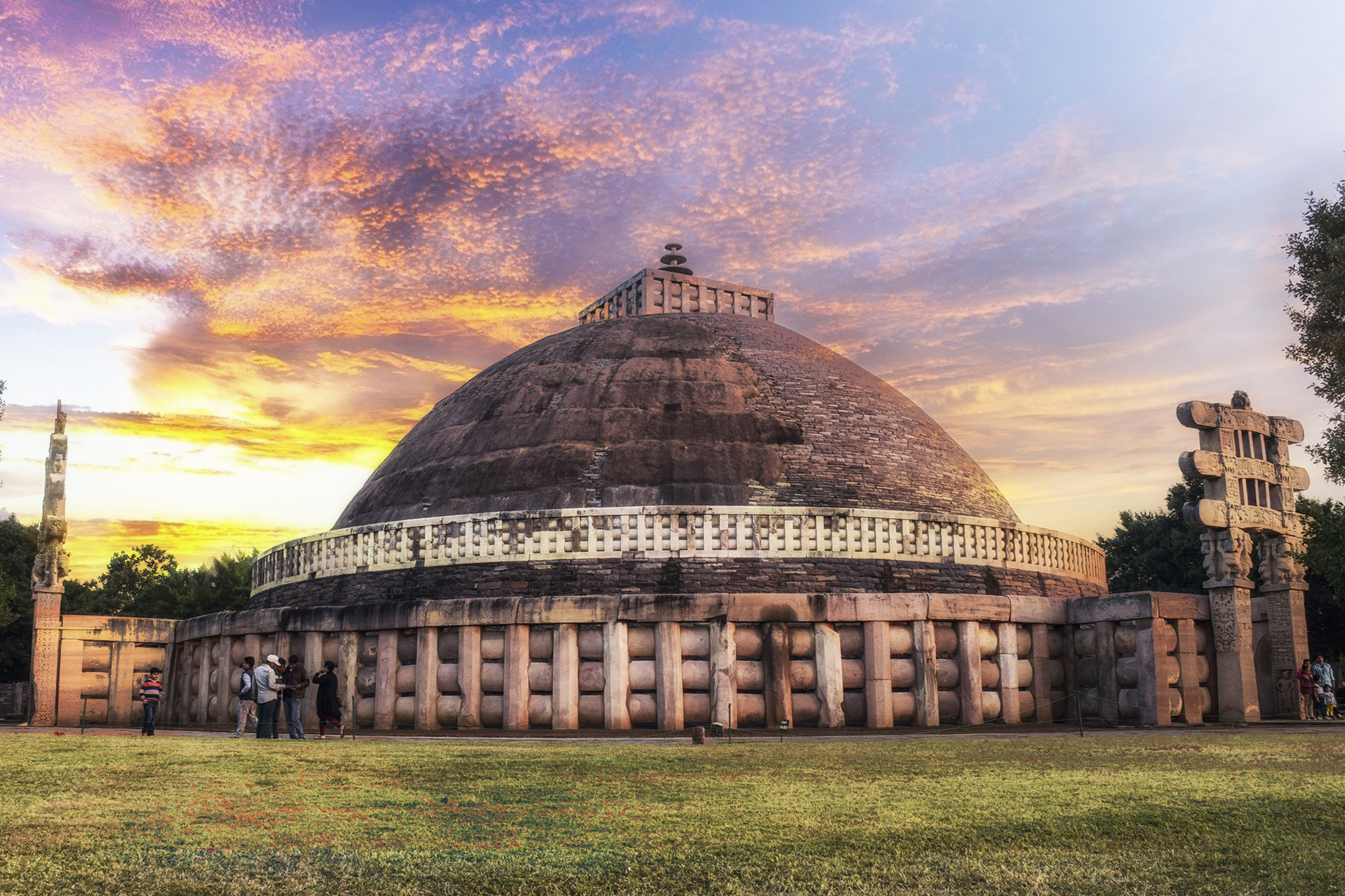
The Great Stupa catches the eye first. Stay with its paths, carved stories and small inscriptions, and a much larger community comes into view.
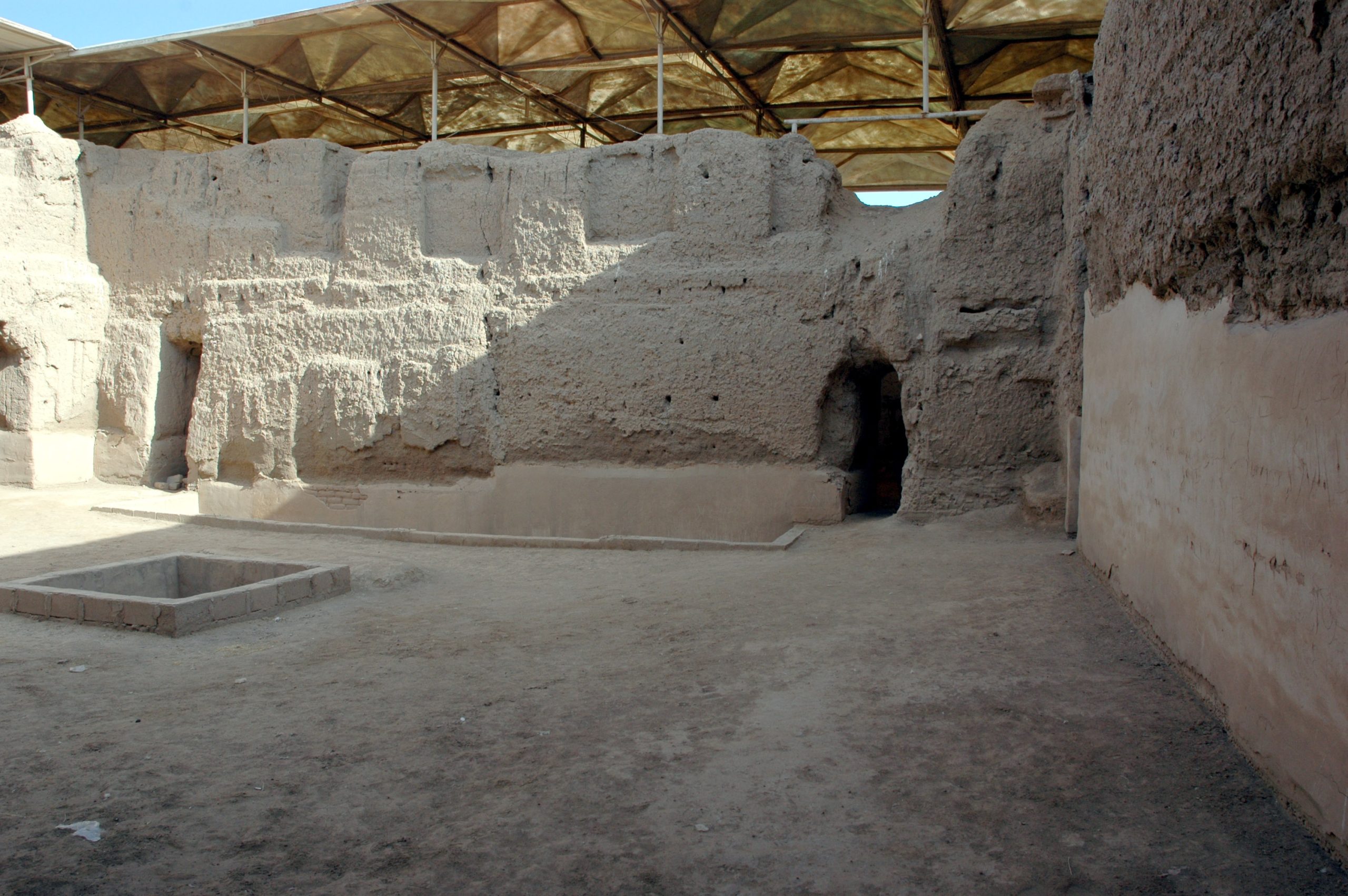
Mari’s palace held far more than a throne. Its rooms, paintings and clay tablets reveal a kingdom sustained by messengers, royal women, skilled workers and uneasy alliances.
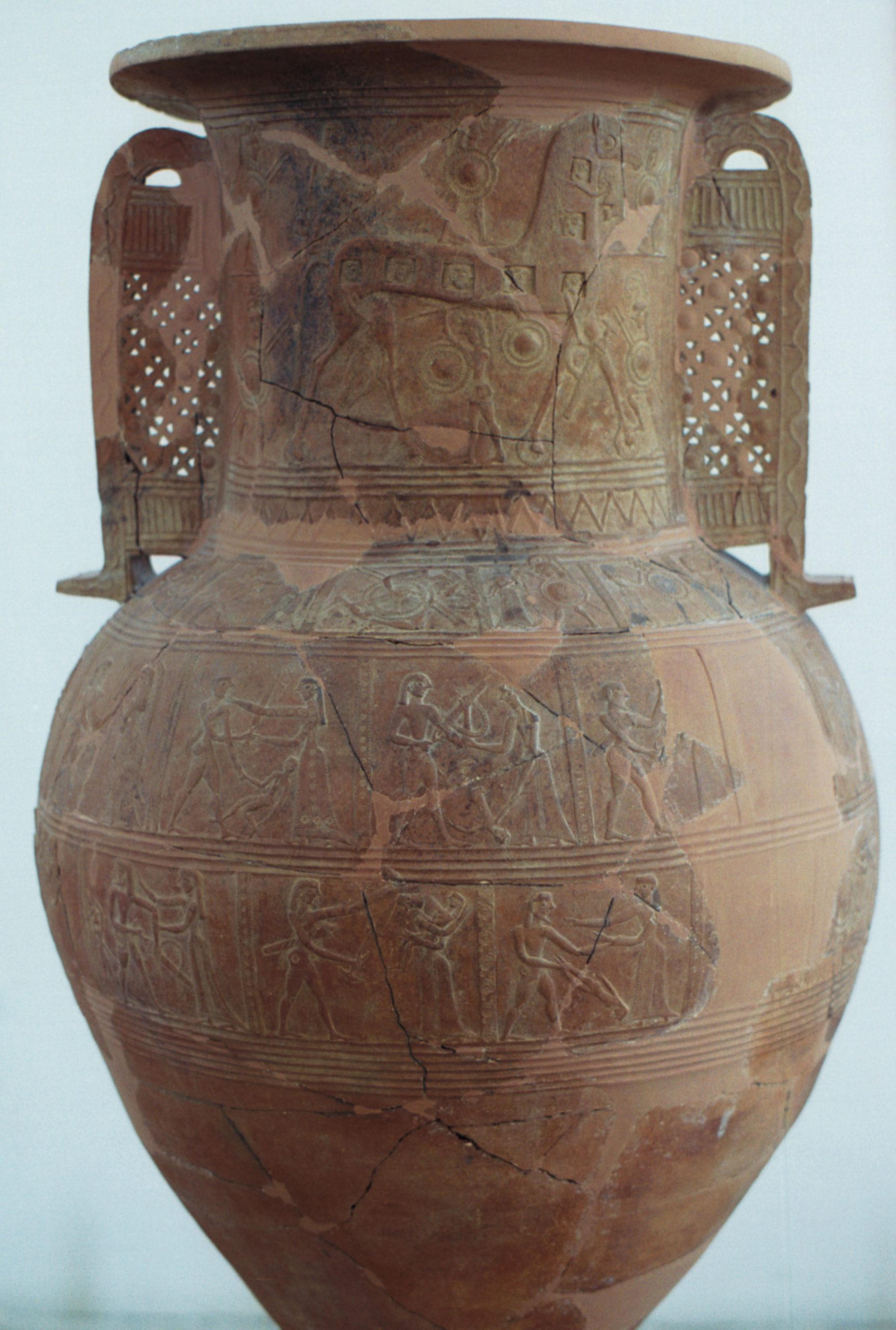
The wooden horse is ancient, but its history is not the same as Troy’s archaeology. Follow the story from Homer and Mykonos to Virgil, excavations and later art.

At Salamis, a divided alliance turned narrow waters into an advantage. Ancient testimony reveals the coalition, its rowing crews and the limits of a famous victory.
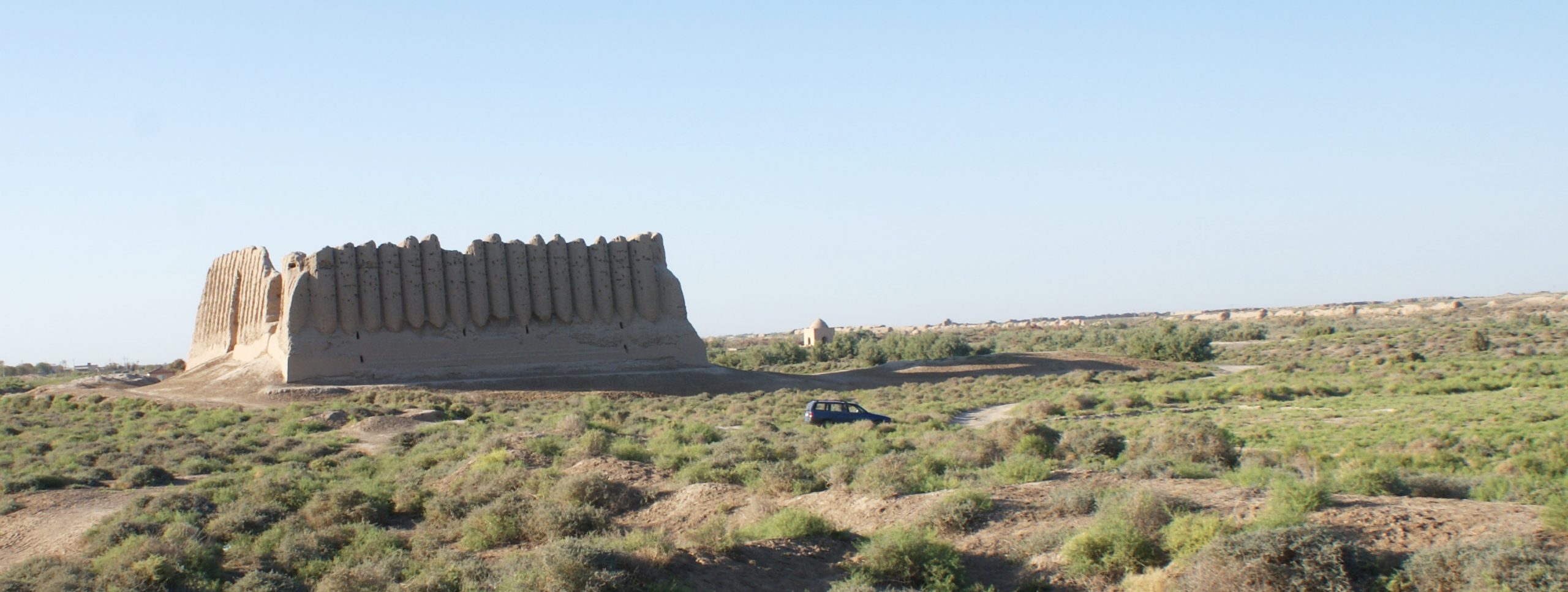
Read Ancient Merv through its successive cities, water landscape, Seljuk architecture and the continuing work of conserving fragile earthen walls.
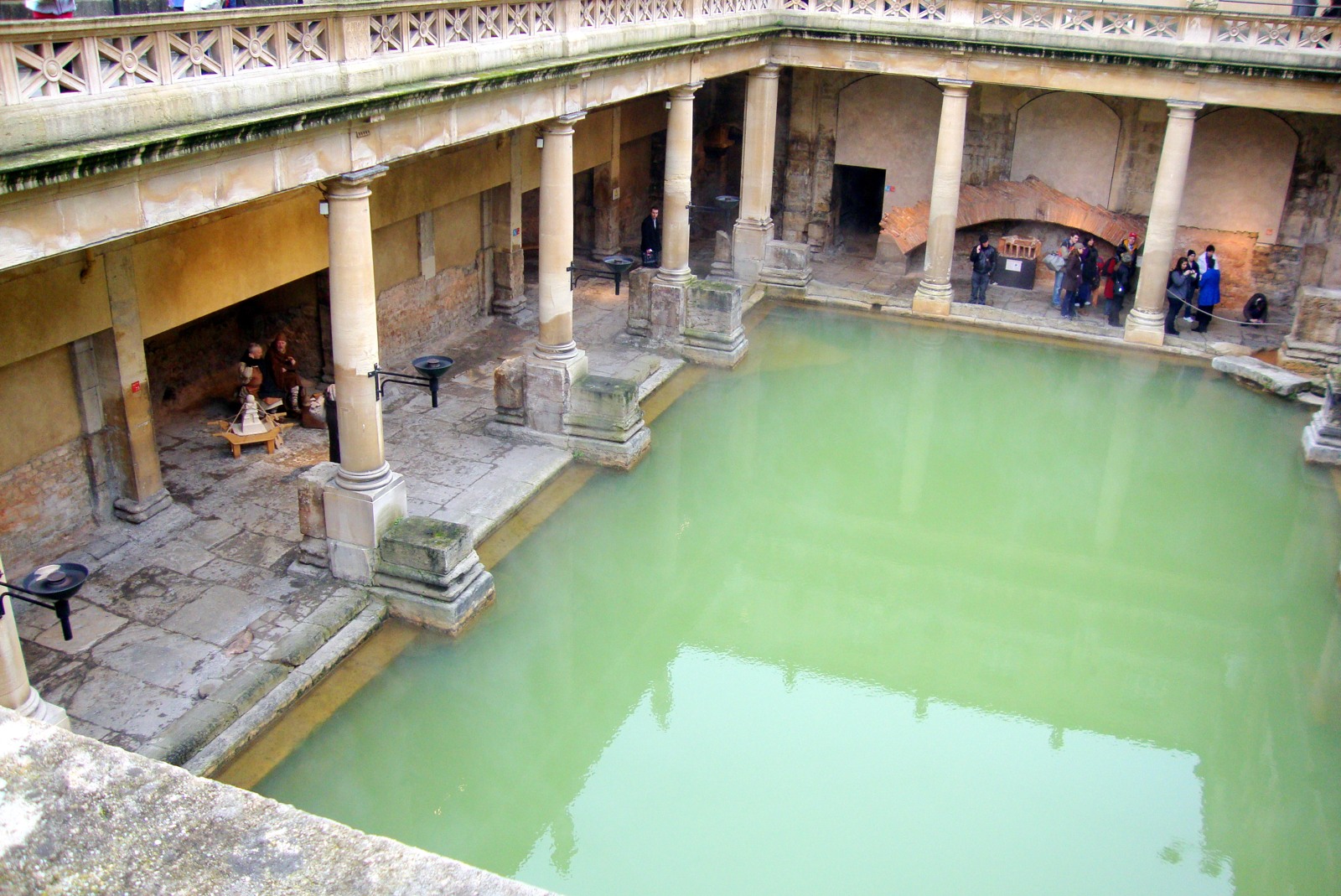
A noisy letter, a metal scraper and the rooms beneath the floor reveal a public institution that brought people together without making them equal.
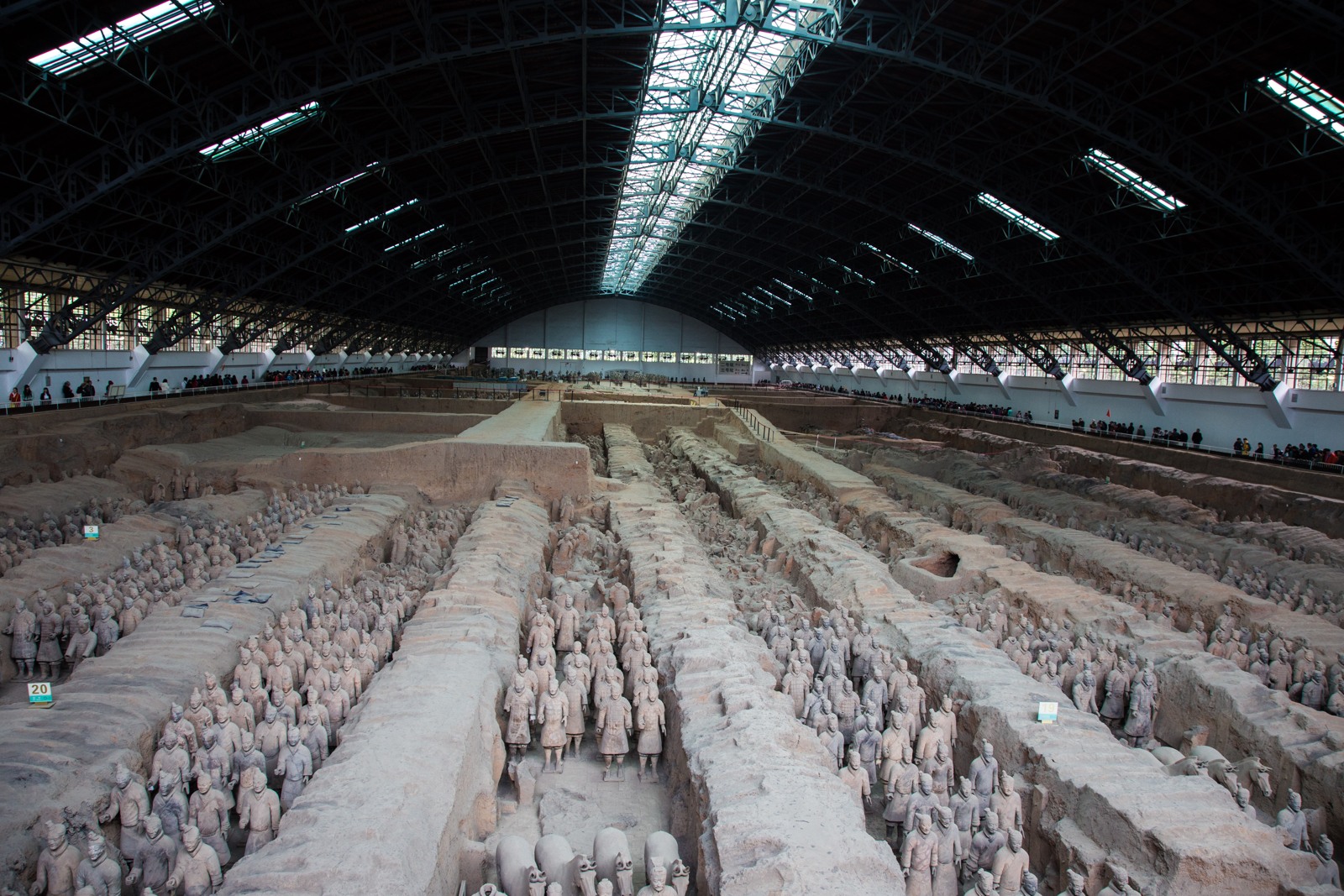
Individual faces and ordered ranks conceal a second army: the craftspeople, supply networks and administrative systems that made imperial power out of clay and bronze.
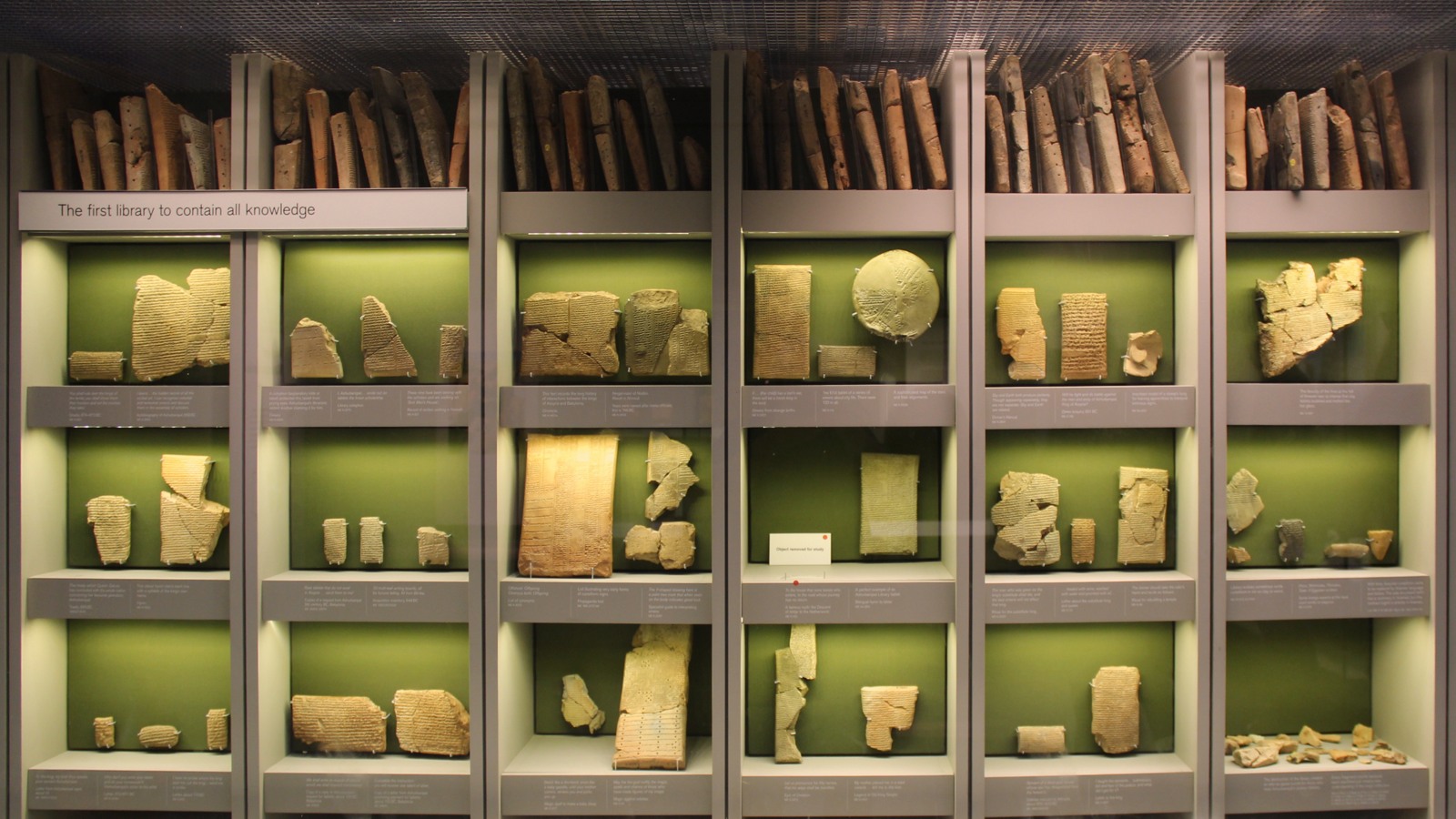
Ownership marks, scholarly copies and broken clay tablets reveal how a royal collection at Nineveh joined learning to power—and why its reconstruction is still unfinished.
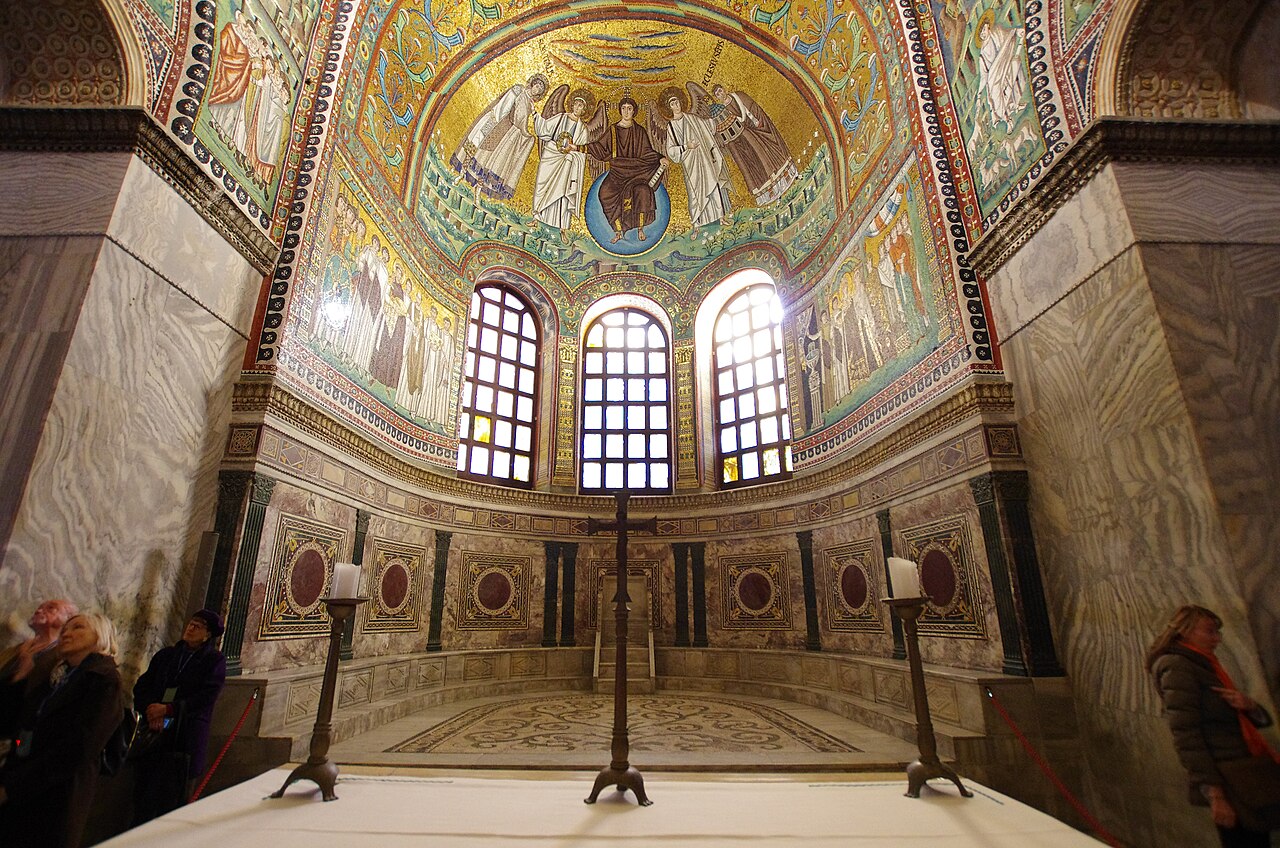
A practical historical route through stars, imperial processions, baptismal domes and a palace whose missing people still leave traces.