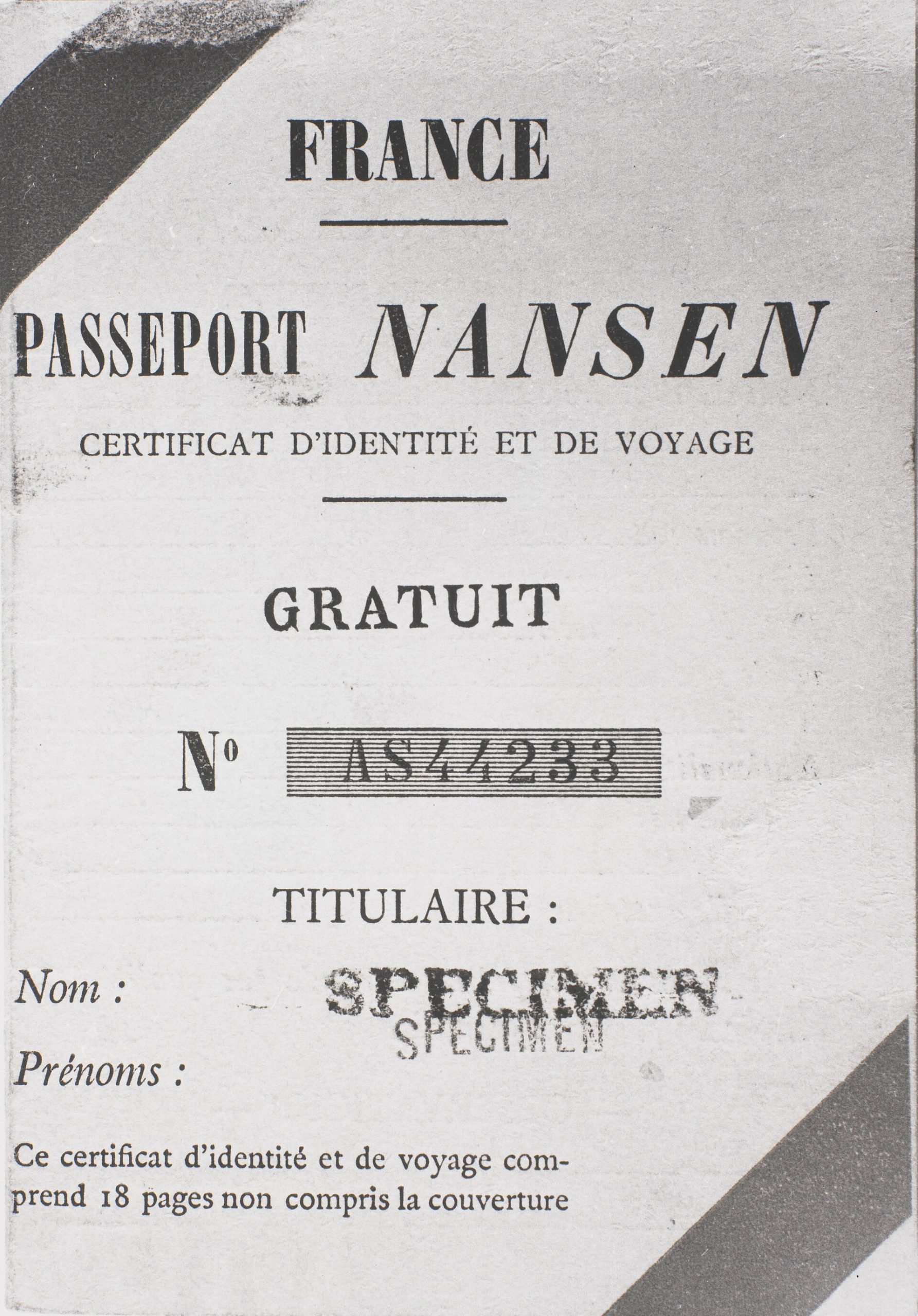
How the Passport Became the Paperwork of Modern Borders
Photographs, standard forms and refugee documents did not abolish borders. They changed how a person became legible at one.
Current world affairs examined through historical events, people, and institutions, with attention to useful parallels and the limits of comparison.
Photographs, standard forms and refugee documents did not abolish borders. They changed how a person became legible at one.
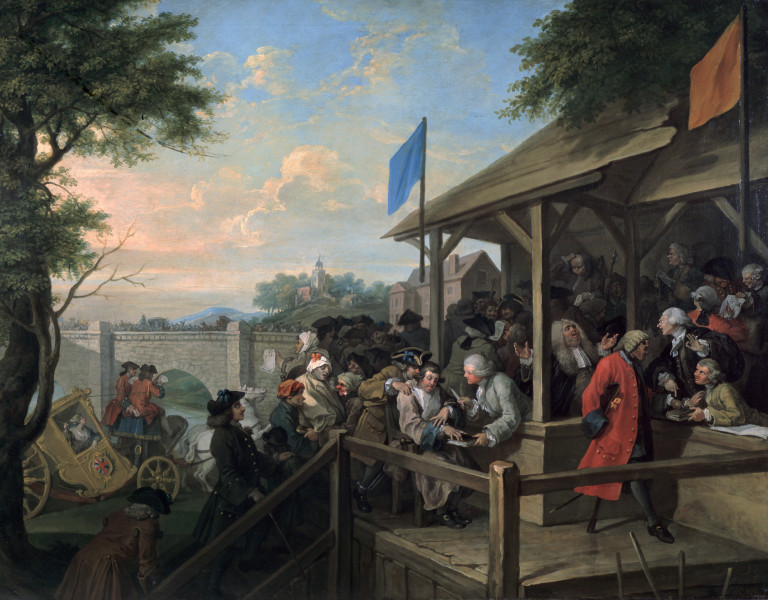
From Australia’s 1856 reforms to Britain and the United States, the secret ballot changed who could watch a vote. Its history also shows why privacy, access and the franchise are different problems.
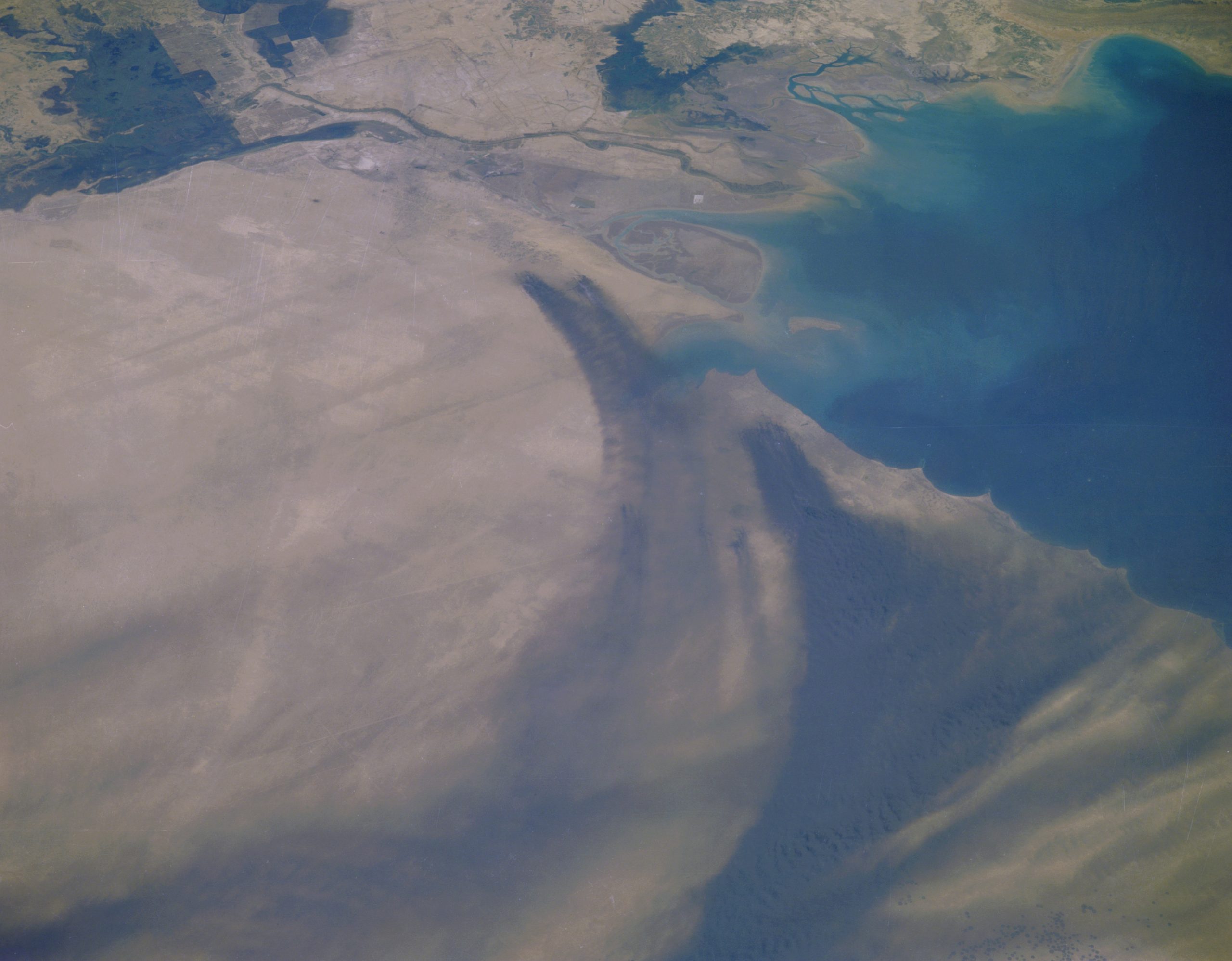
From Passchendaele and Vietnam to Kuwait’s oil fires, the history behind the UN’s 6 November observance explains why environmental recovery follows its own calendar.
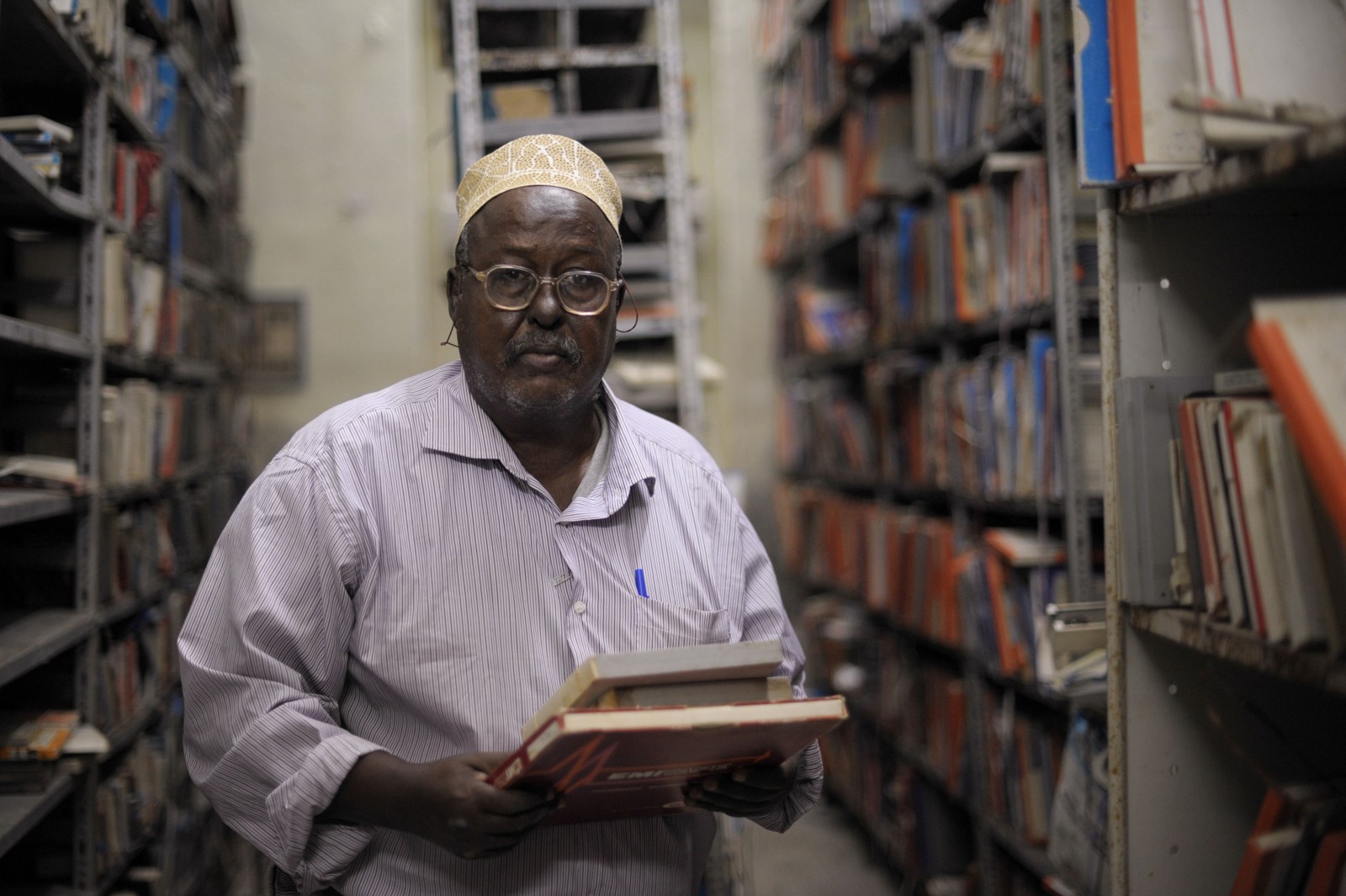
Radio Mogadishu’s endangered recordings connect a current preservation effort to a longer history of fragile media, obsolete machines and the evidence that must travel with a copy.
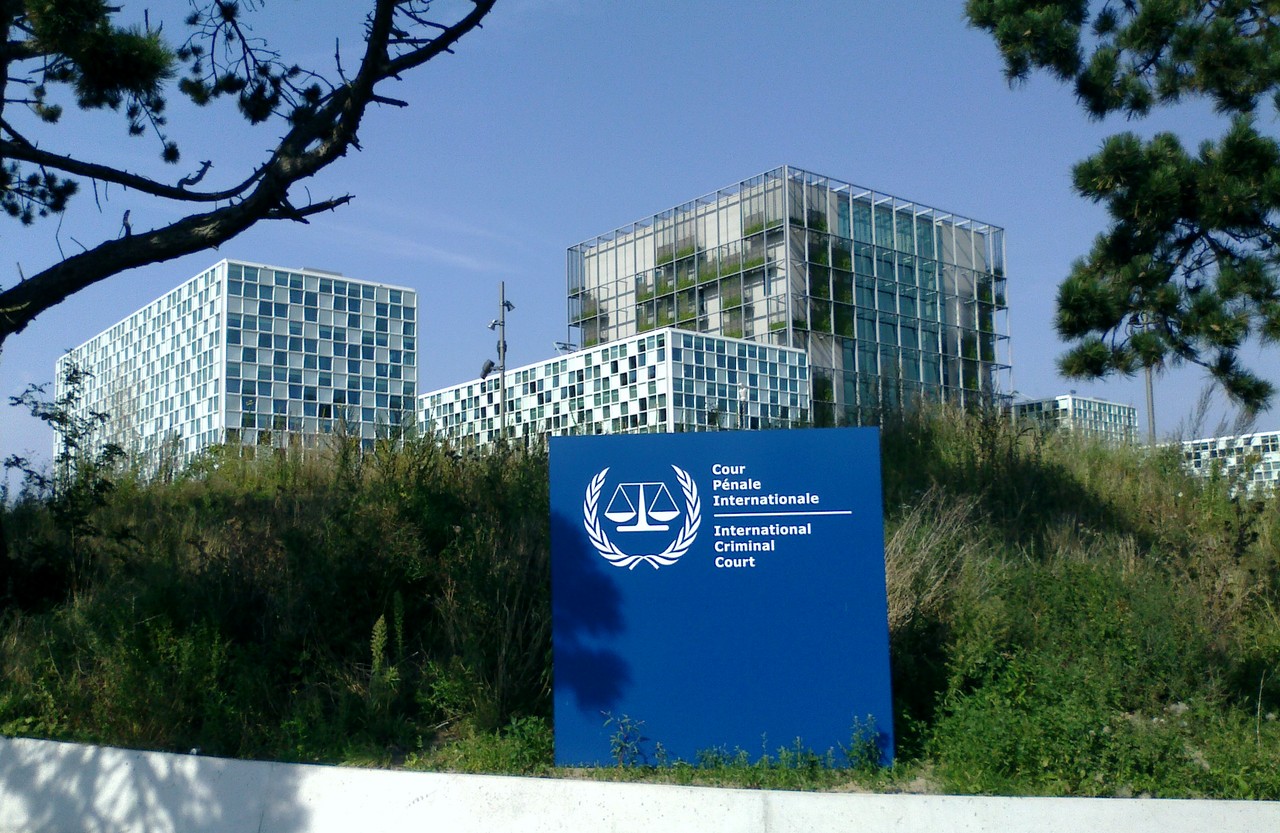
The 2026 award recognizes an international court. The Rome Statute explains why recognition, jurisdiction and enforcement remain different things.

Twenty-five new inscriptions broaden the List. The harder question, rooted in the 1972 Convention, is how recognition becomes lasting protection.
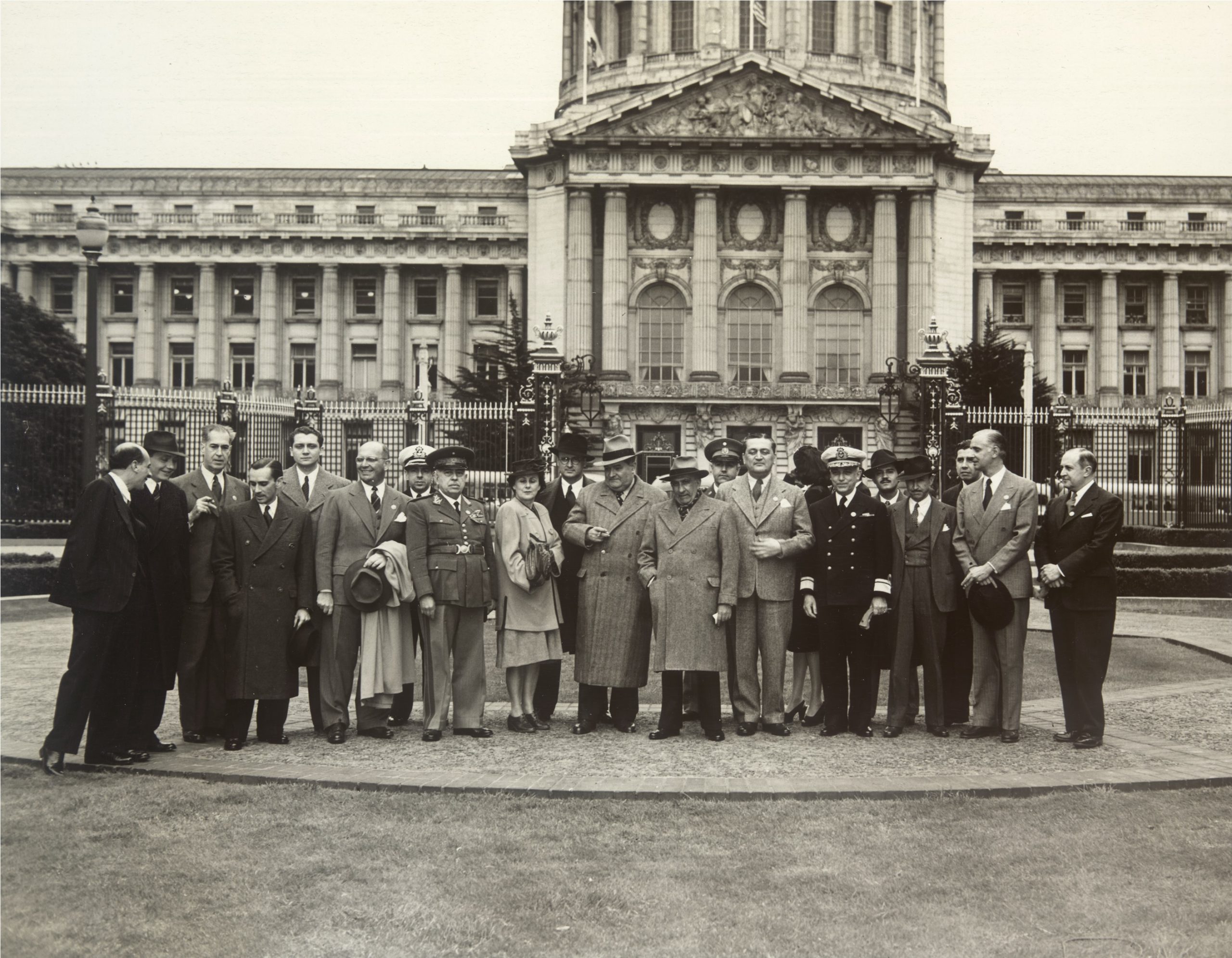
UN Day’s language of equal voices sits beside a Charter built around unequal powers. The founding bargain of 1945 helps explain the organization’s present limits without reducing its history to either failure or celebration.
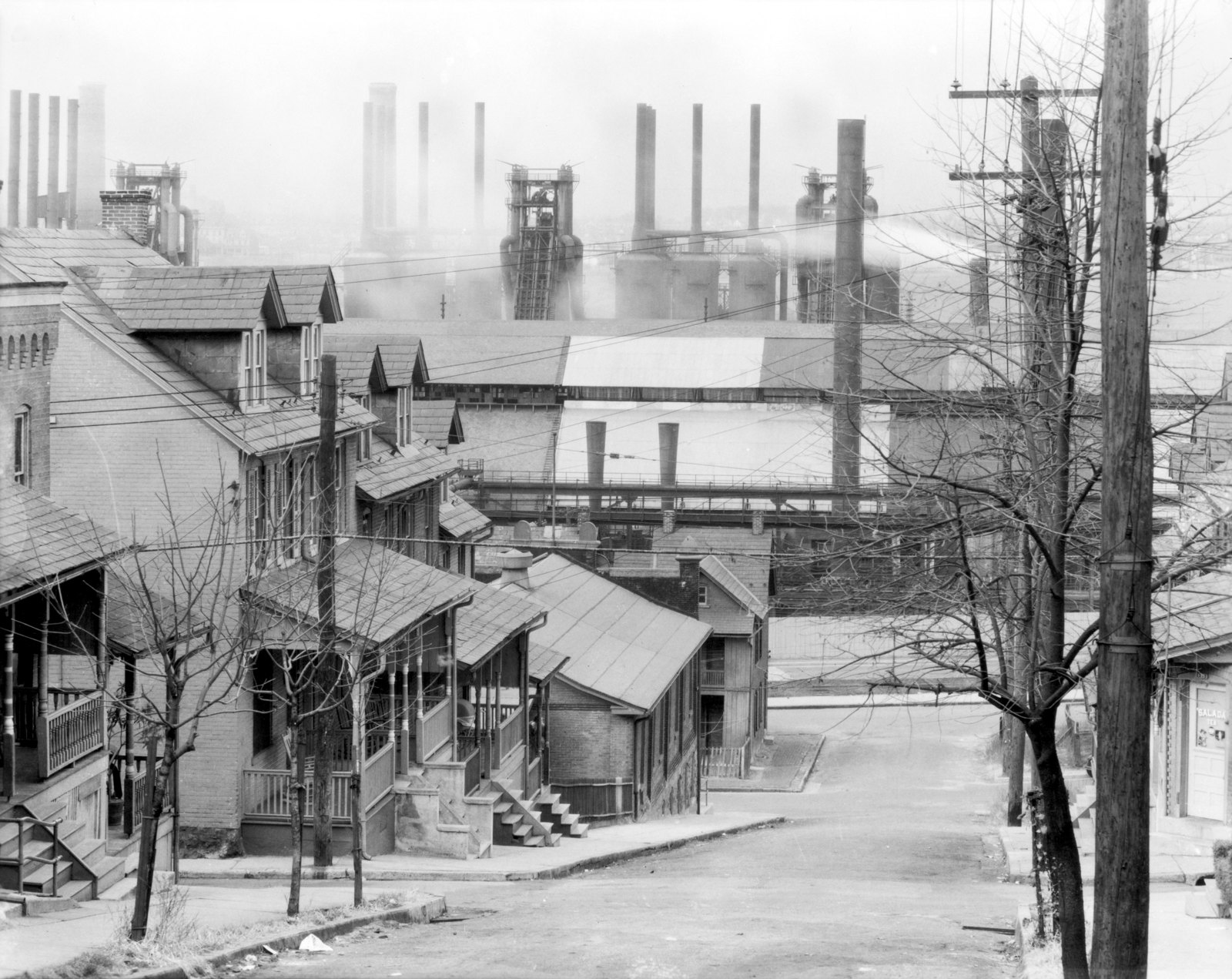
The September 2026 Milwaukee Framework confronts steel overcapacity. Earlier American and European crises show why border protection, industrial adjustment and the fate of steel towns cannot be separated.

Washington’s 8 October AI-science push raises an old question: who benefits when public ambition meets private technology? Apollo and the Human Genome Project offer contrasting lessons.
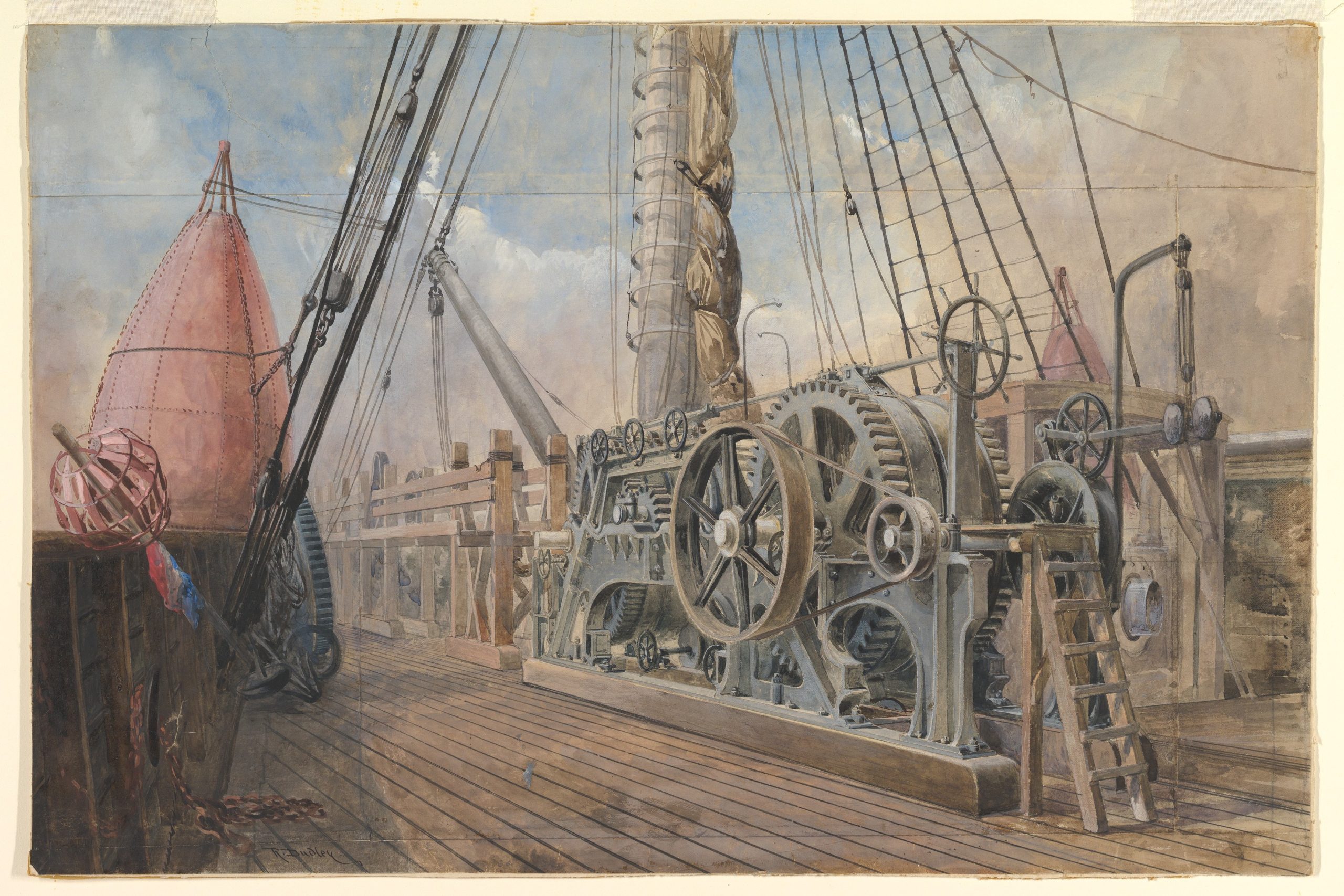
New alarms over undersea cables have a long history. From the first Atlantic telegraph to the internet, routes, repair ships, and reliable evidence have mattered as much as the lines themselves.