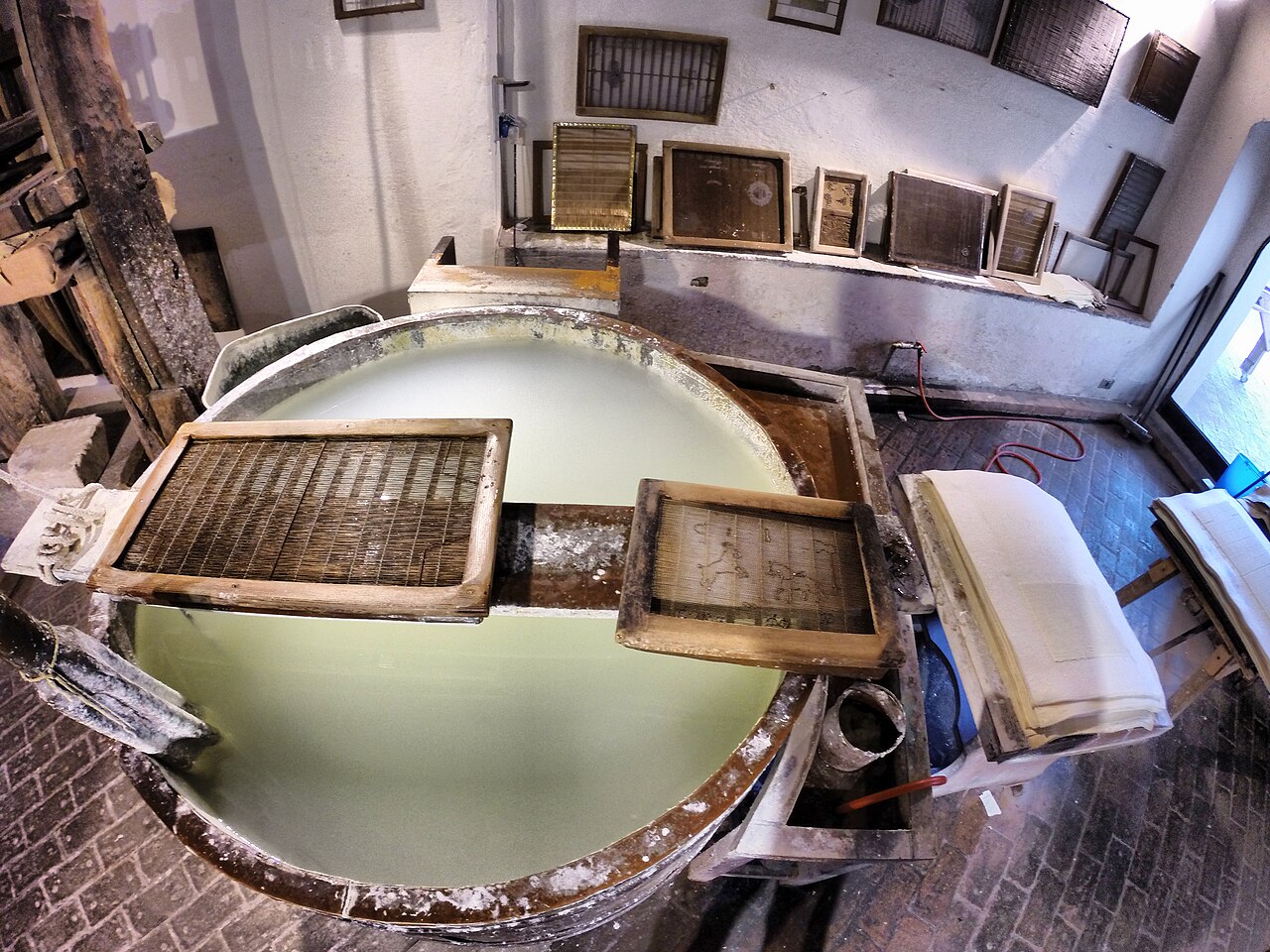
How Fabriano Turned Old Rags into Paper Worth Writing On
In medieval Fabriano, worn cloth, moving water and skilled hands became durable paper. Follow the work from rag pile to watermark, and the clues still hidden in old books.
Histories centered on European societies and their connections.
In medieval Fabriano, worn cloth, moving water and skilled hands became durable paper. Follow the work from rag pile to watermark, and the clues still hidden in old books.
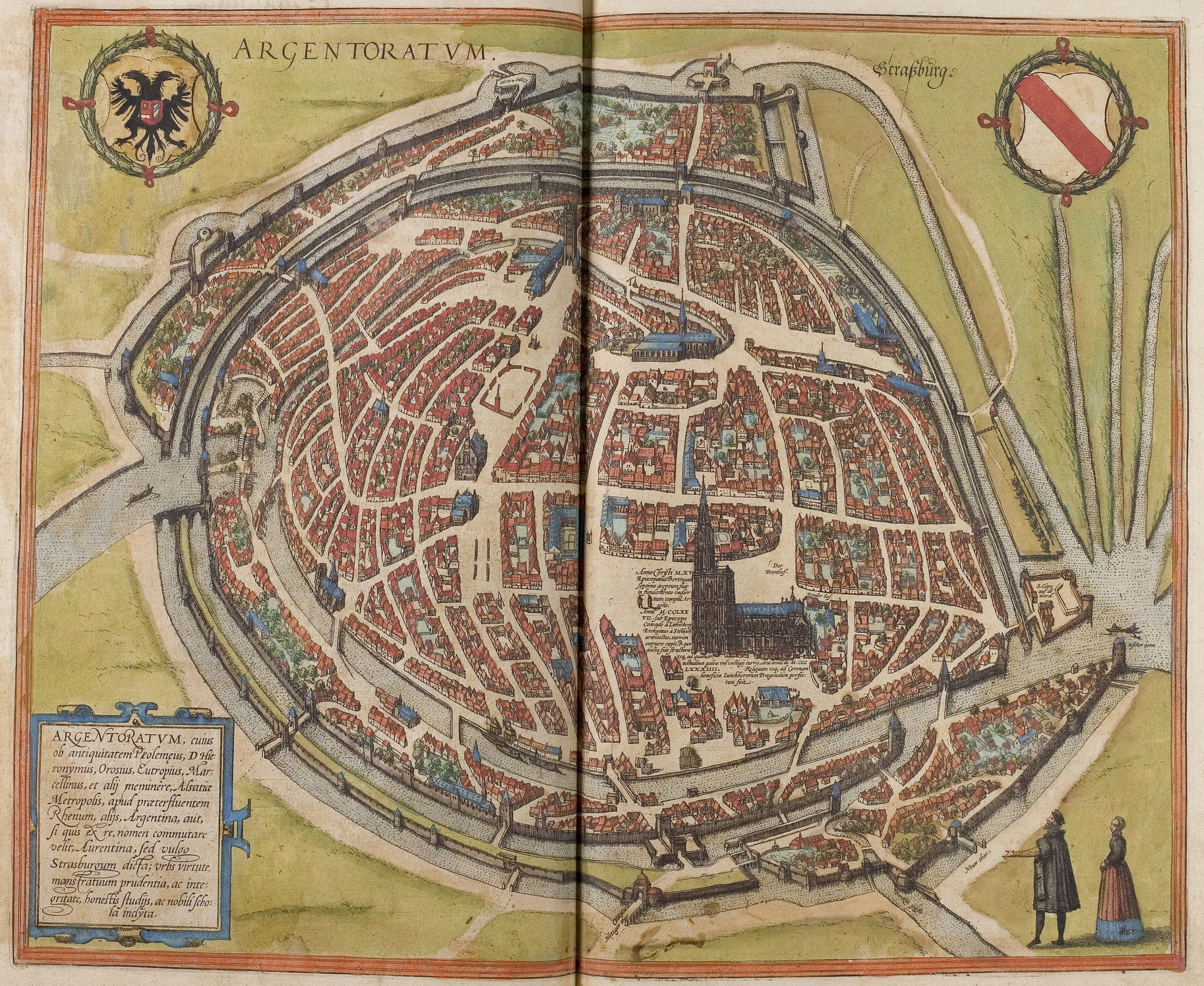
An extraordinary outbreak left a real paper trail. Reading it carefully changes the familiar story of a woman, a dancing crowd and a city supposedly dancing to death.
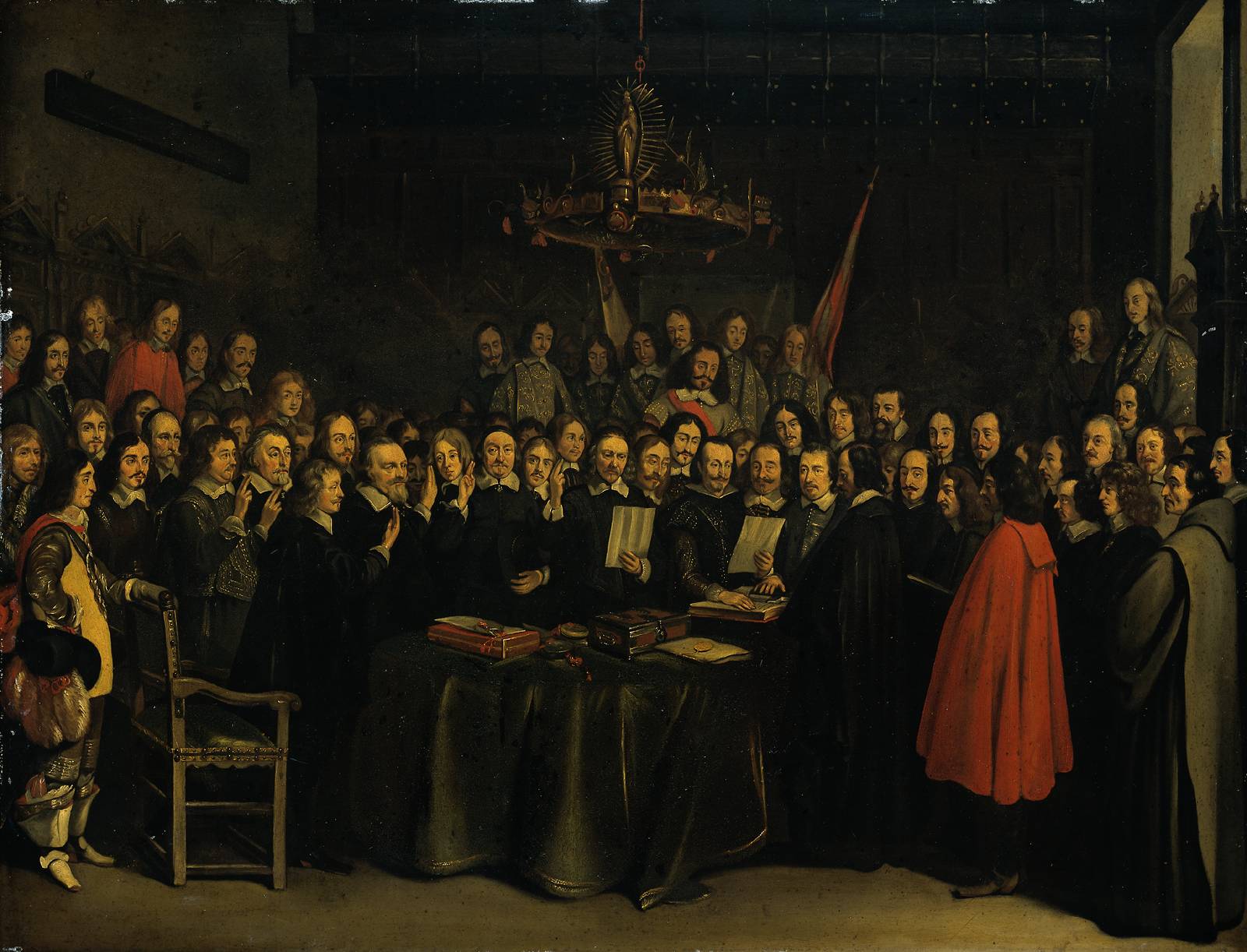
The Peace of Westphalia settled religious rights, dynastic claims and the withdrawal of armies. Its detailed bargains reveal a more interesting achievement than the familiar story of modern sovereignty’s birth.
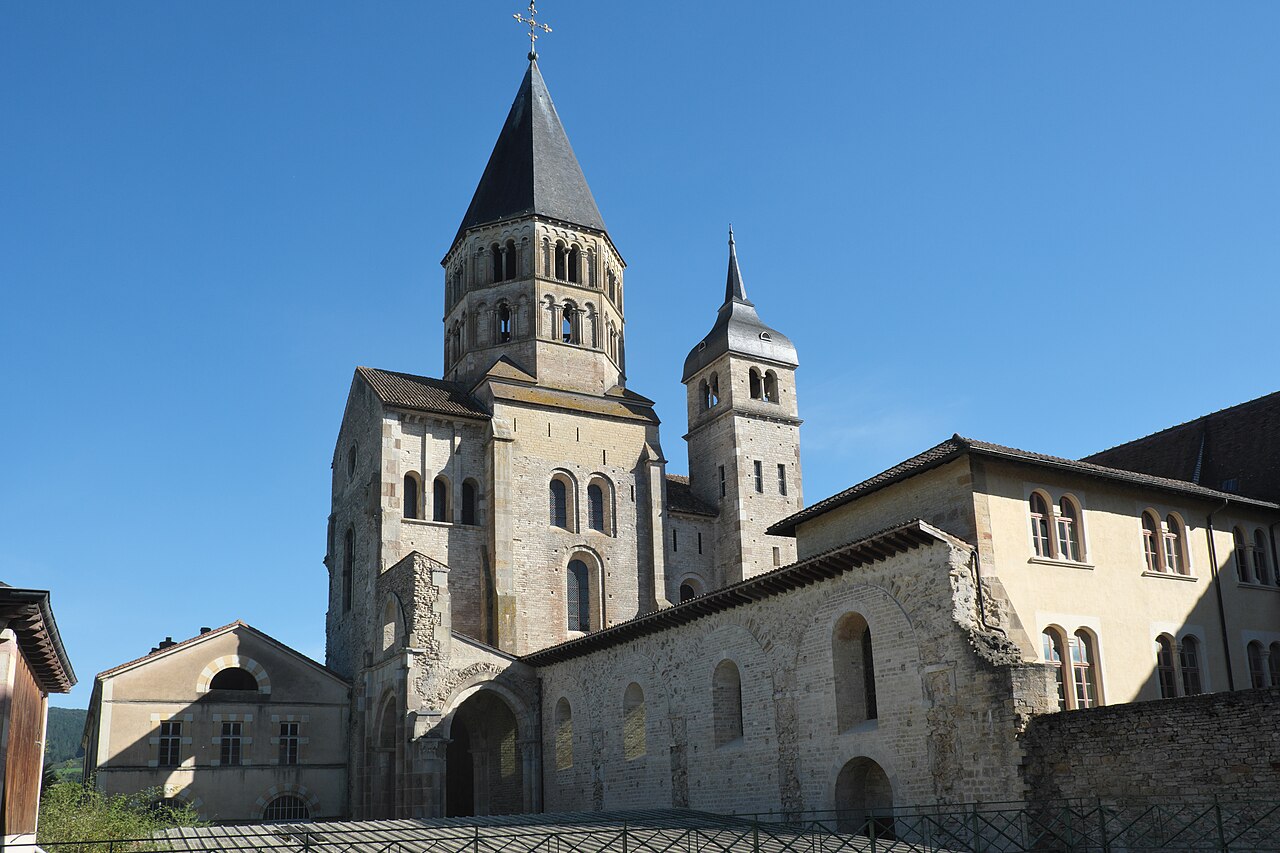
Cluny began with a gift of land, people and revenues. Its founding charter shows how prayer, protection and property helped sustain a monastery that grew into a European network.
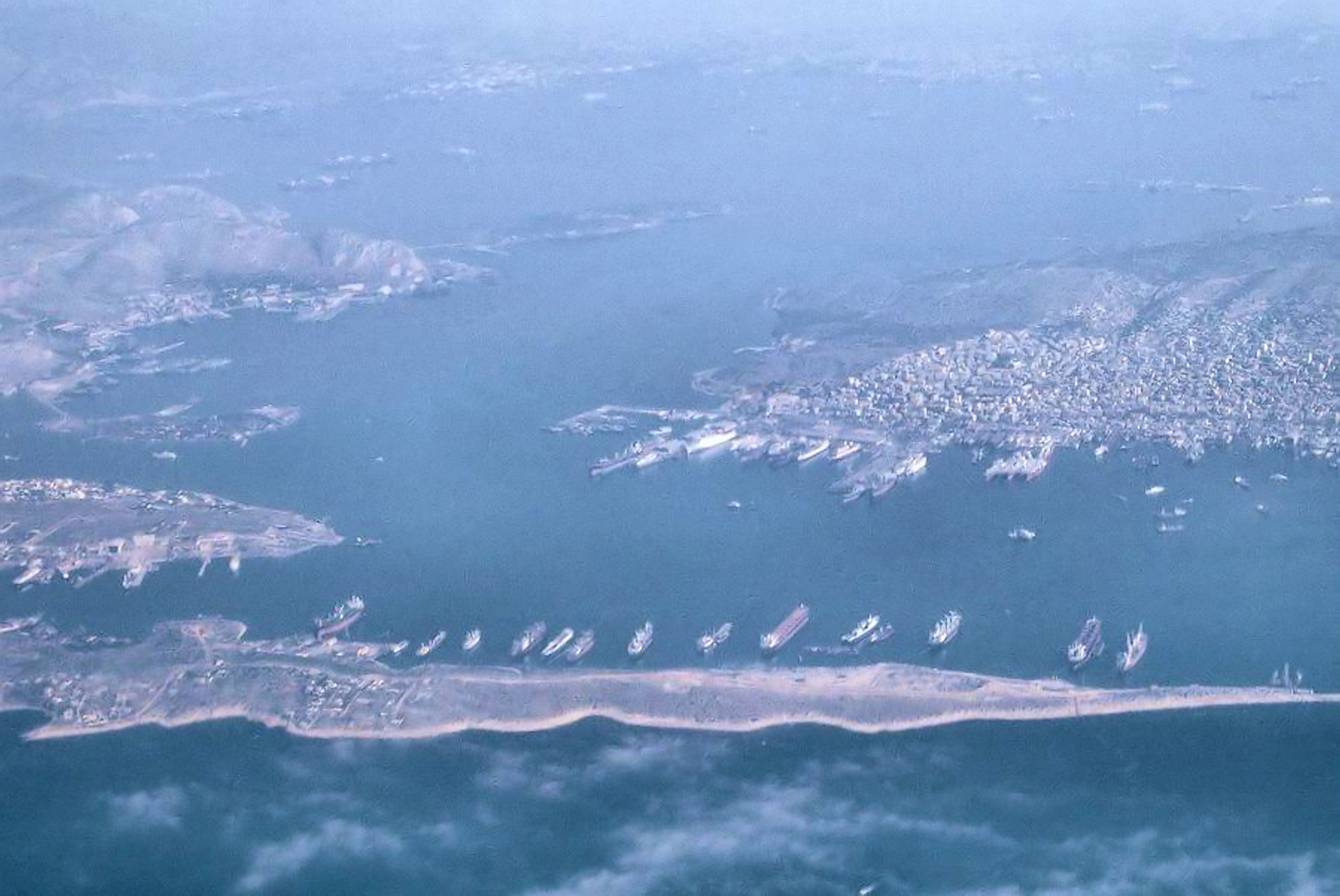
At Salamis, a divided alliance turned narrow waters into an advantage. Ancient testimony reveals the coalition, its rowing crews and the limits of a famous victory.
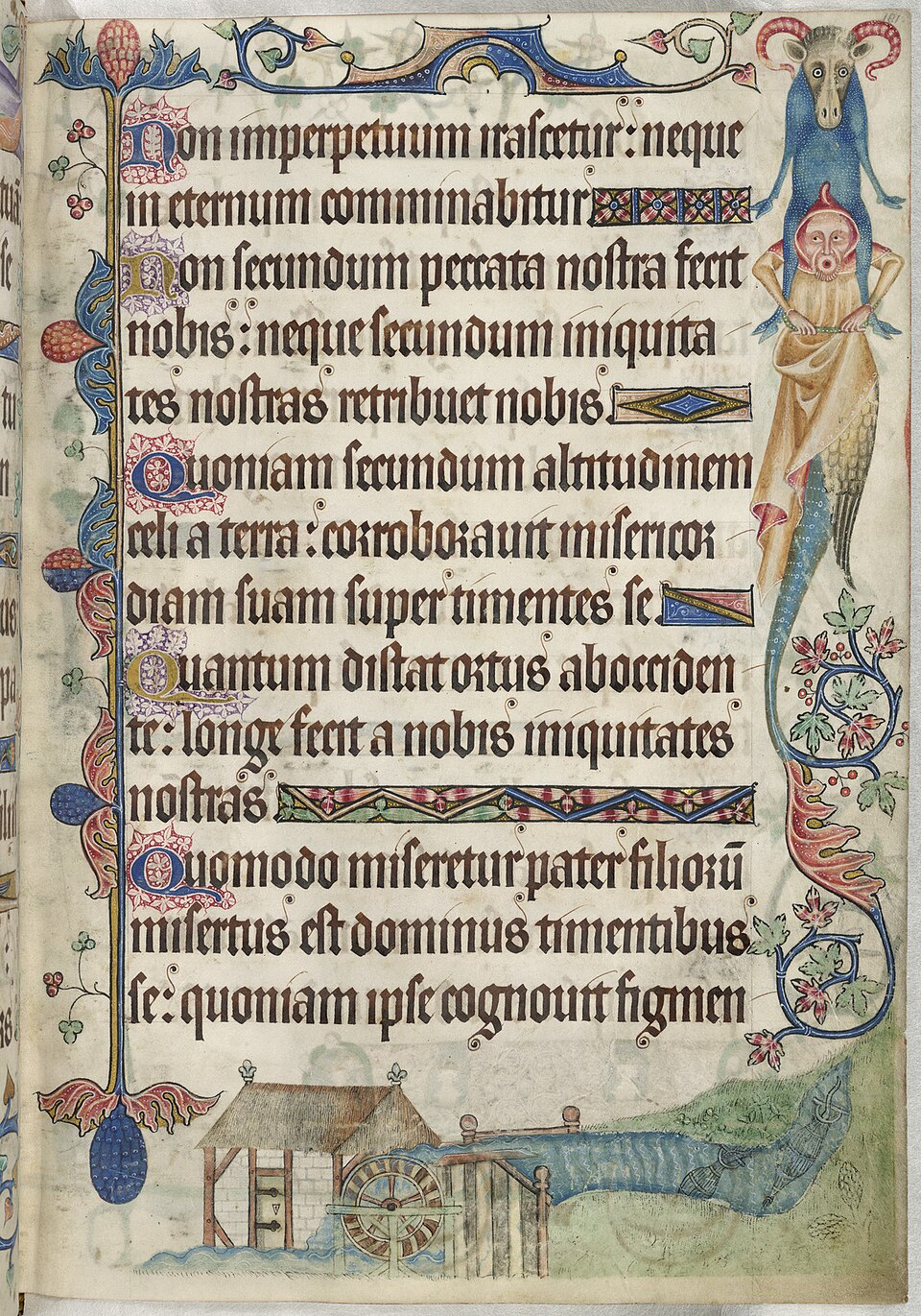
From an Irish tidal mill to English manorial accounts, water-powered grinding joined skilled work, engineered rivers and contested rights to a share of the harvest.
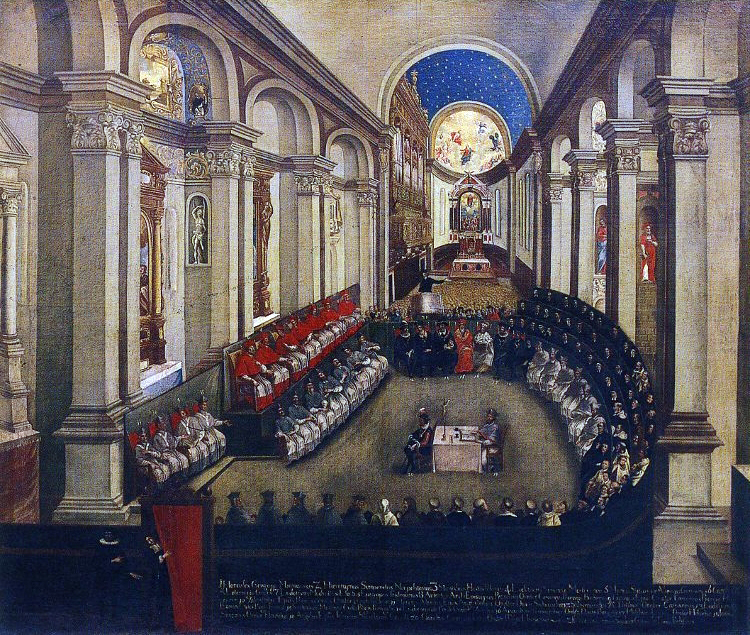
Trent defined Catholic teaching, but its programme also depended on trained priests, resident bishops, schools, marriage records and the money to sustain them.
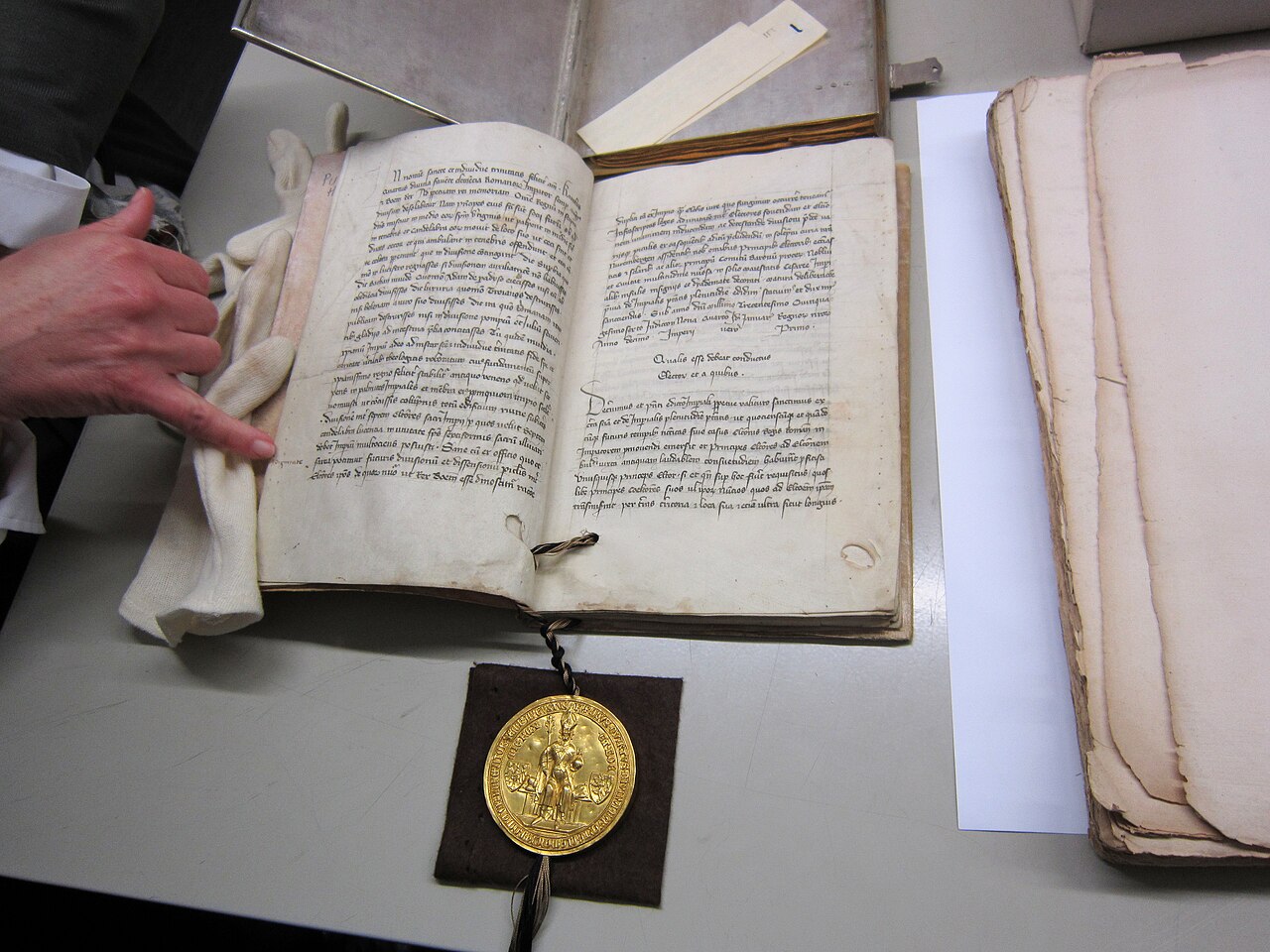
Safe passage, majority voting and carefully ranked ceremonies helped turn royal succession into a procedure, while protecting the princes authorised to choose.
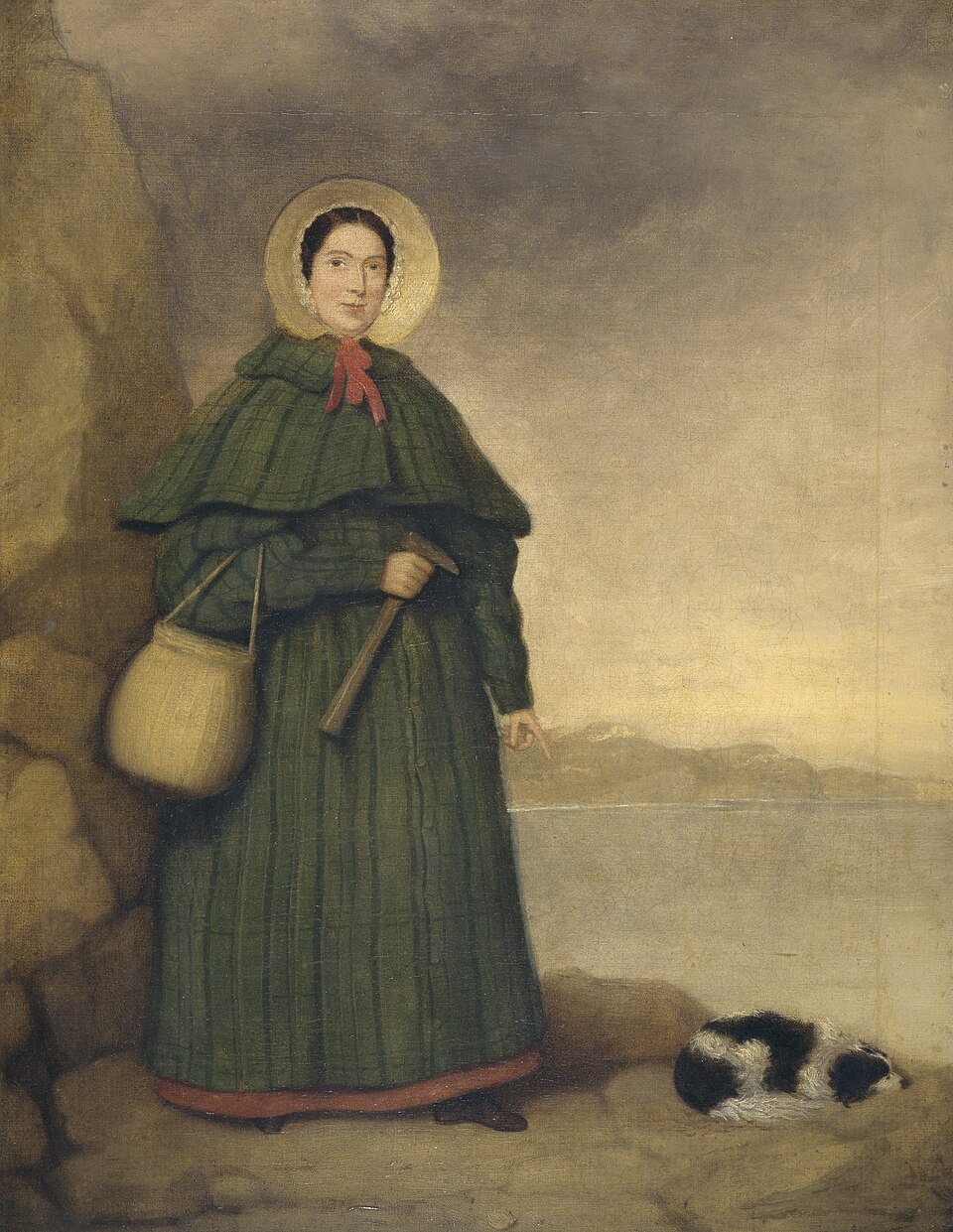
Mary Anning’s letters, fossil discoveries and working relationships reveal how practical knowledge became scientific evidence in nineteenth-century geology.
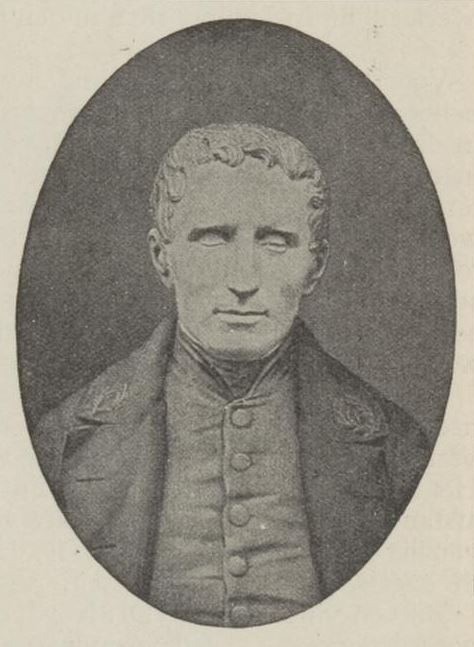
Braille changed more than the shape of a page. Its history turns on writing as well as reading, the choices of schools and printers, and the people who used a code before institutions fully accepted it.