Skip to content
Histovia – A History Blog
  • Explore Topics
  • Browse by Era
  • Ebooks
  • About
  • Support

Myths and Mysteries

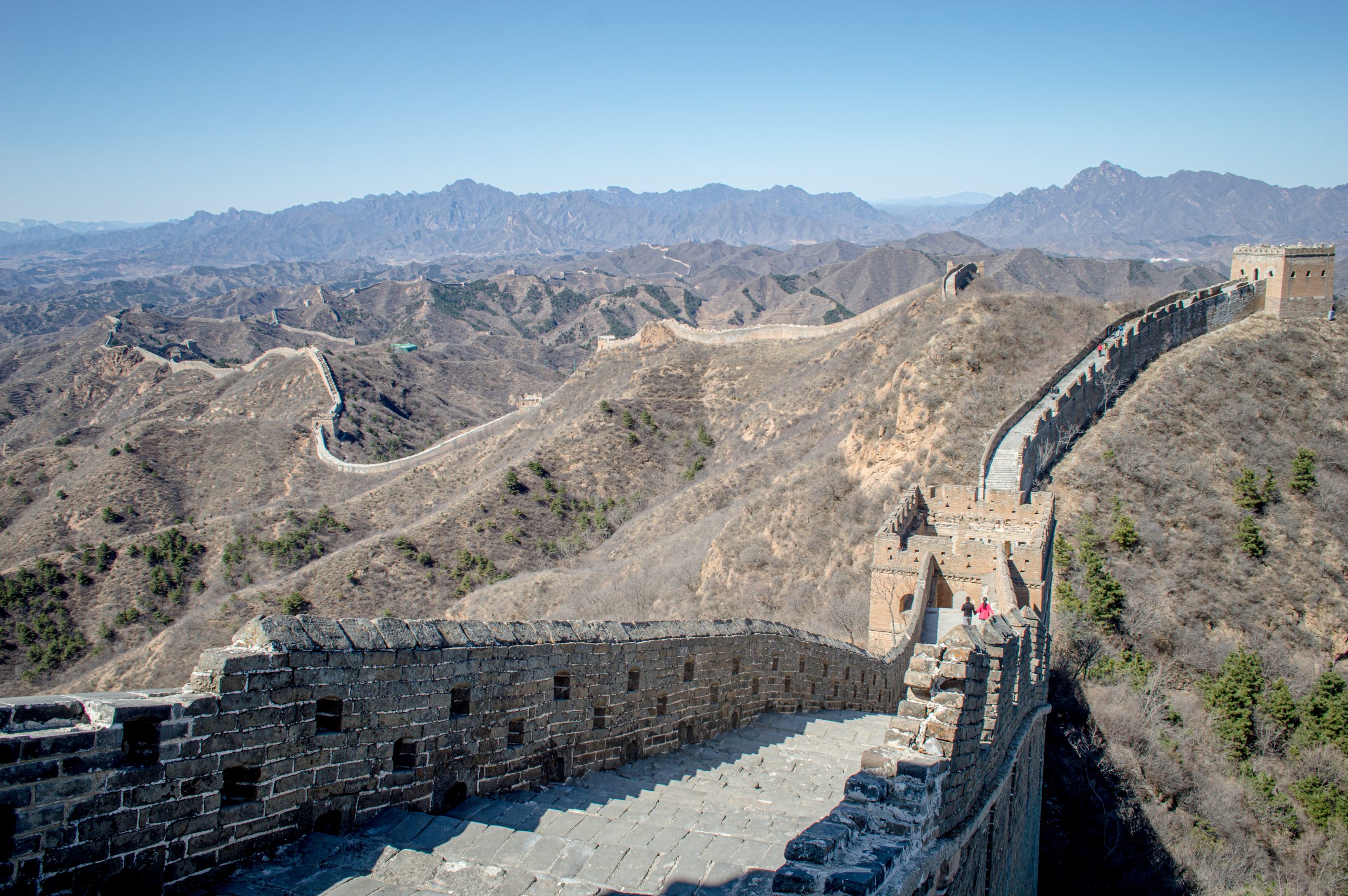
The Great Wall at Jinshanling, photographed in 2016 by Philip Nalangan. Its masonry is not representative of every period of Chinese frontier fortification.

The Great Wall from the Moon: A Famous Myth and a More Interesting Monument

The Great Wall cannot be seen with the naked eye from the Moon. Clearing up that claim opens a better question: what, exactly, do photographs, surviving walls and historical records allow us to see?
Categories Myths and Mysteries
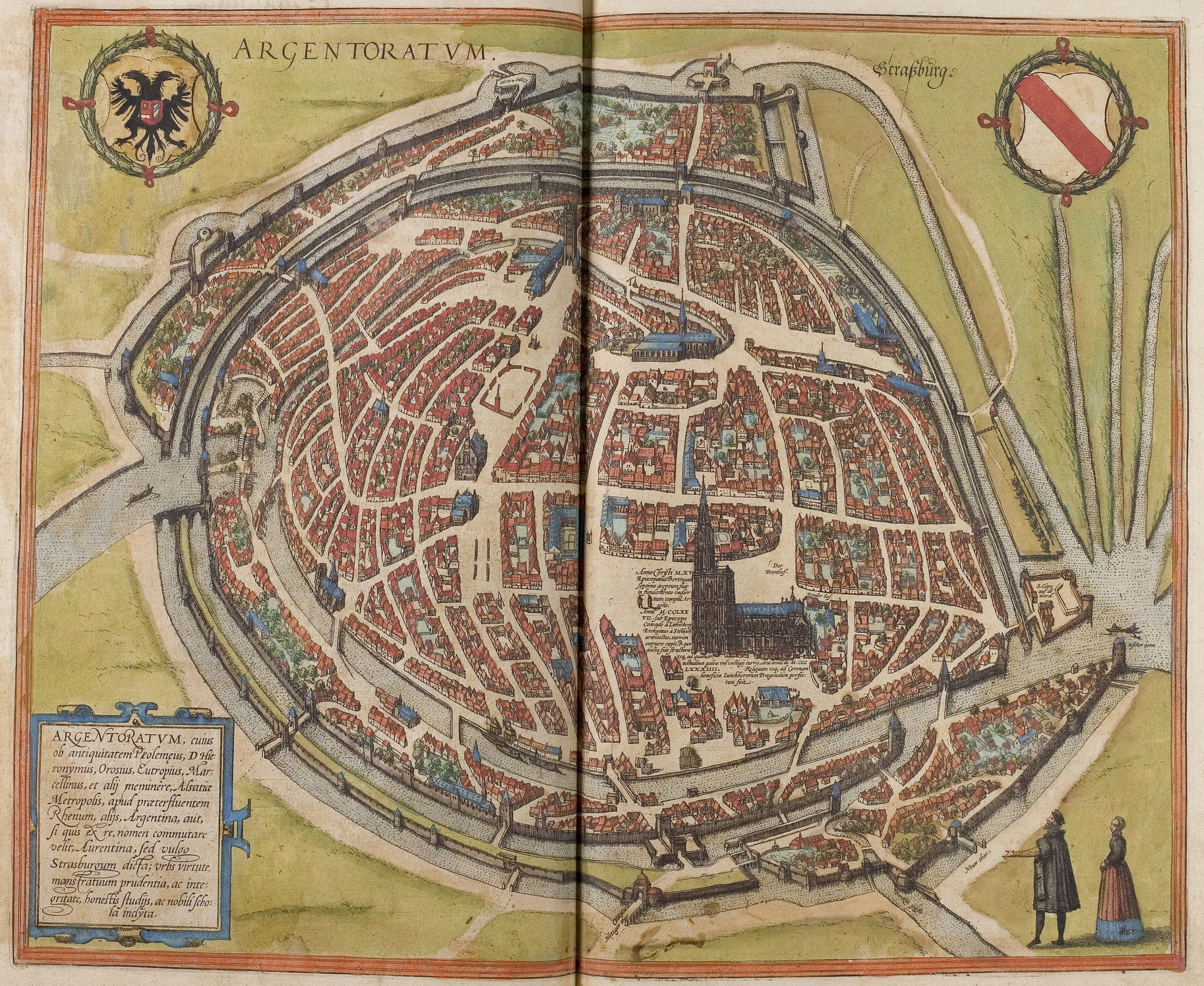
Bird’s-eye printed view of Strasbourg showing its walls, waterways and cathedral.

Strasbourg, 1518: The Dancing Plague and the Stories Added Later

An extraordinary outbreak left a real paper trail. Reading it carefully changes the familiar story of a woman, a dancing crowd and a city supposedly dancing to death.

Categories Myths and Mysteries
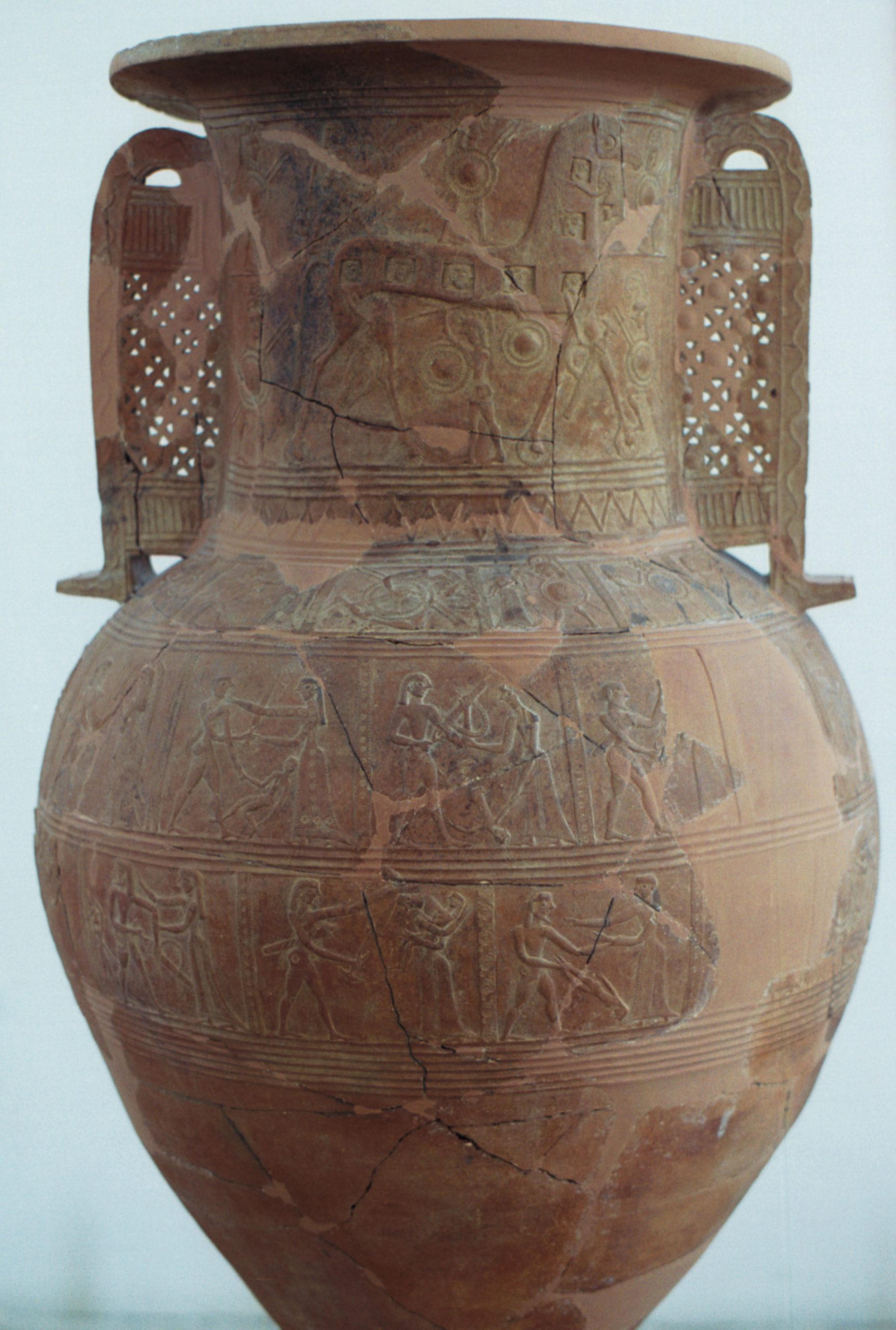
Large clay pithos with relief panels and a Trojan Horse scene on its neck

The Trojan Horse: A Famous Story and the Evidence Beneath Troy

The wooden horse is ancient, but its history is not the same as Troy’s archaeology. Follow the story from Homer and Mykonos to Virgil, excavations and later art.

Categories Myths and Mysteries
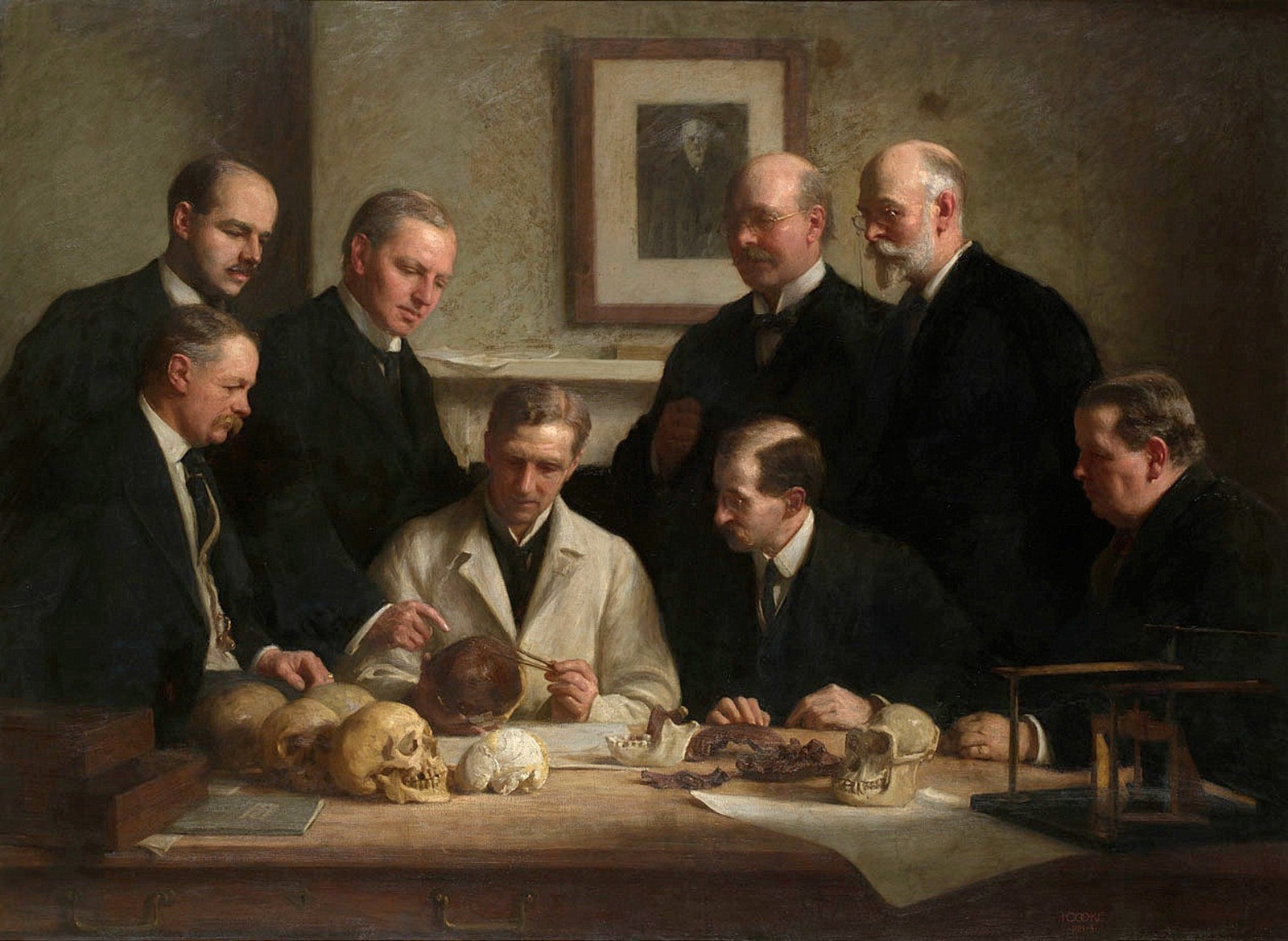
John Cooke painting of scientists gathered around the reconstructed Piltdown skull

Piltdown: The Forged Fossil That Did Not Fool Everyone

The famous hoax lasted for decades, but doubt was present almost from the beginning. Its history turns on the difference between recognising an anatomical problem and proving how an object was manufactured.

Categories Myths and Mysteries
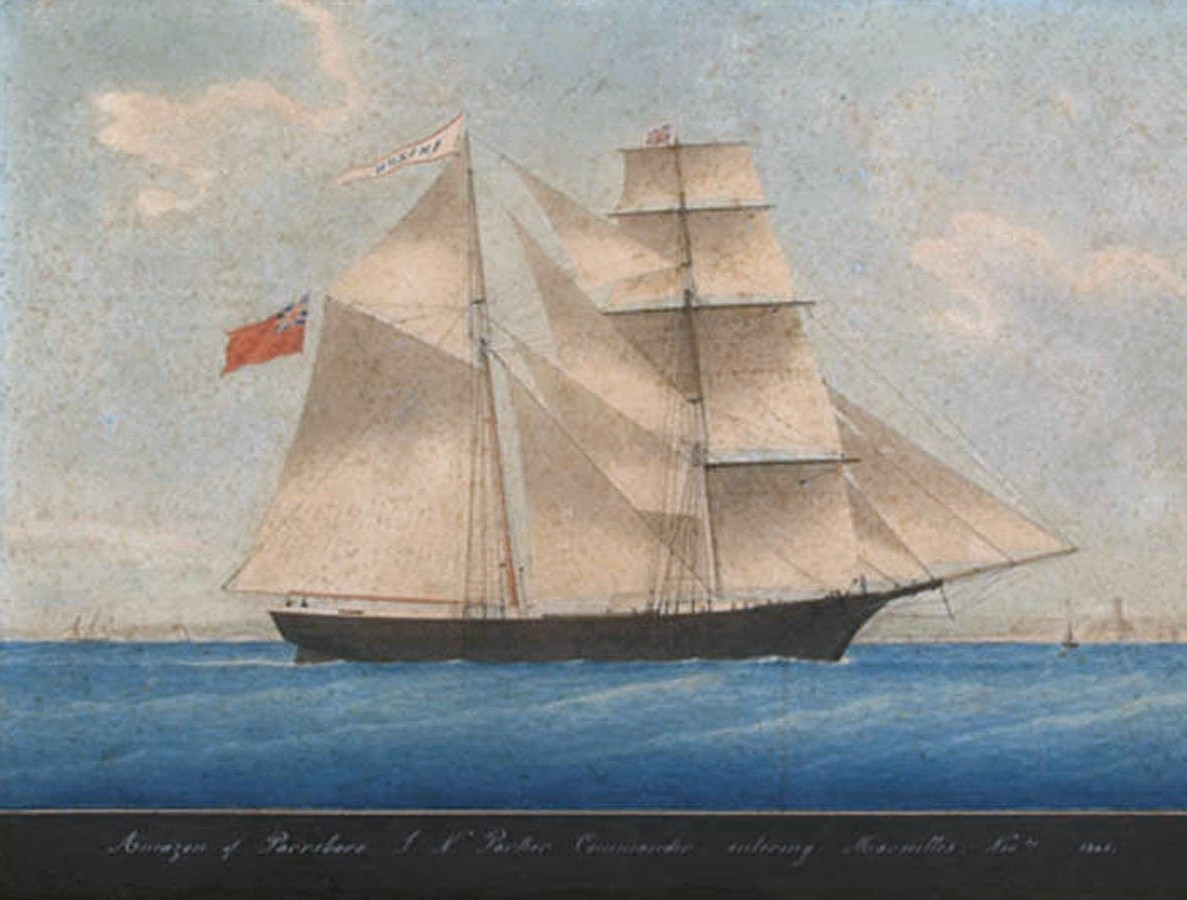
An 1861 painting of the brigantine Amazon entering Marseille, showing the vessel under sail before she was renamed Mary Celeste

Mary Celeste, 1872: What the Inquiry Could—and Could Not—Explain

A seaworthy vessel reached Gibraltar without the ten people who had sailed in her. Surveys, disputed stains and newspaper stories reveal how an unexplained abandonment became something stranger.

Categories Myths and Mysteries
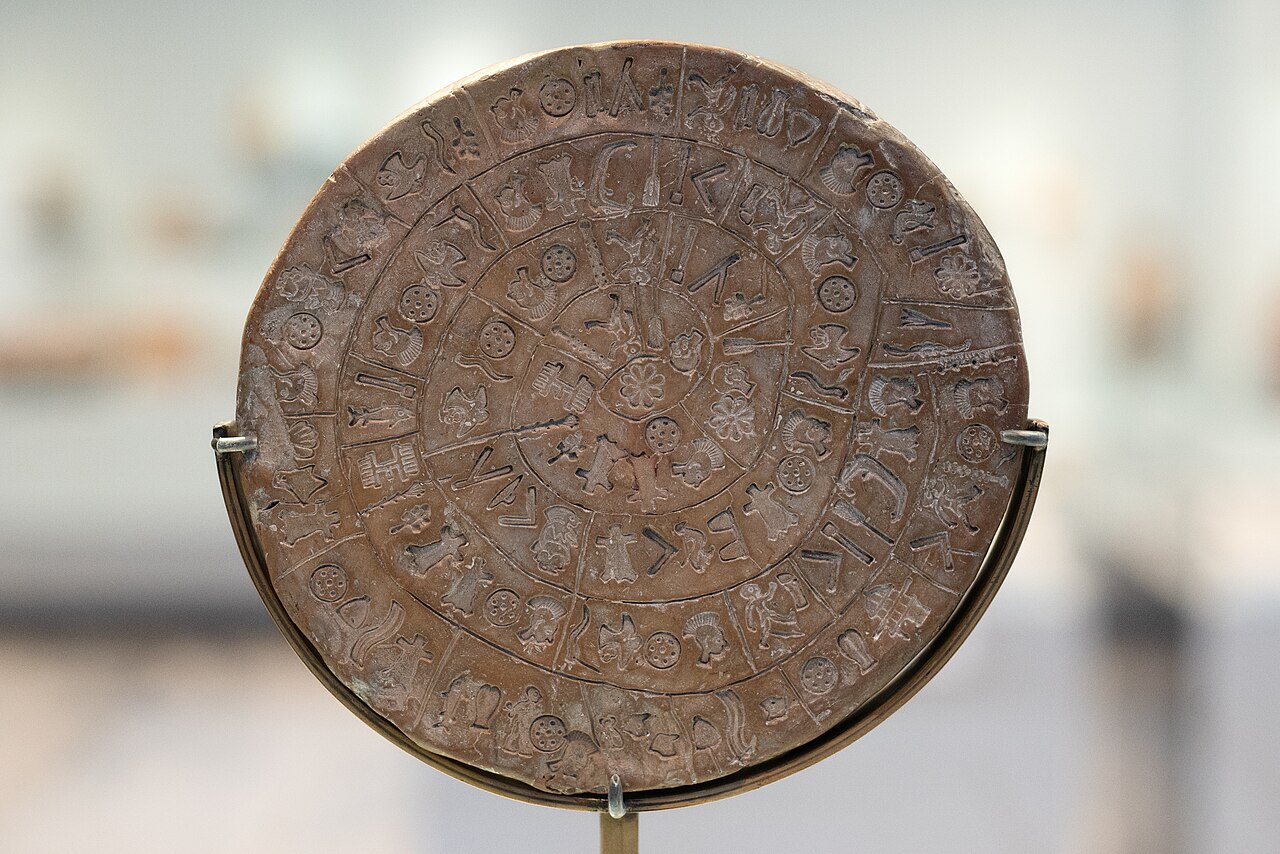
Side A of a brown clay disc held in a museum mount, with stamped figures arranged in a divided spiral and a rosette-like form near the centre.

The Phaistos Disc: What Its Signs Reveal Before Anyone Can Read Them

Its clay, stamps and archaeological context can be studied. Its message remains unconfirmed. Keeping those facts separate makes the famous disc more interesting, not less.

Categories Myths and Mysteries
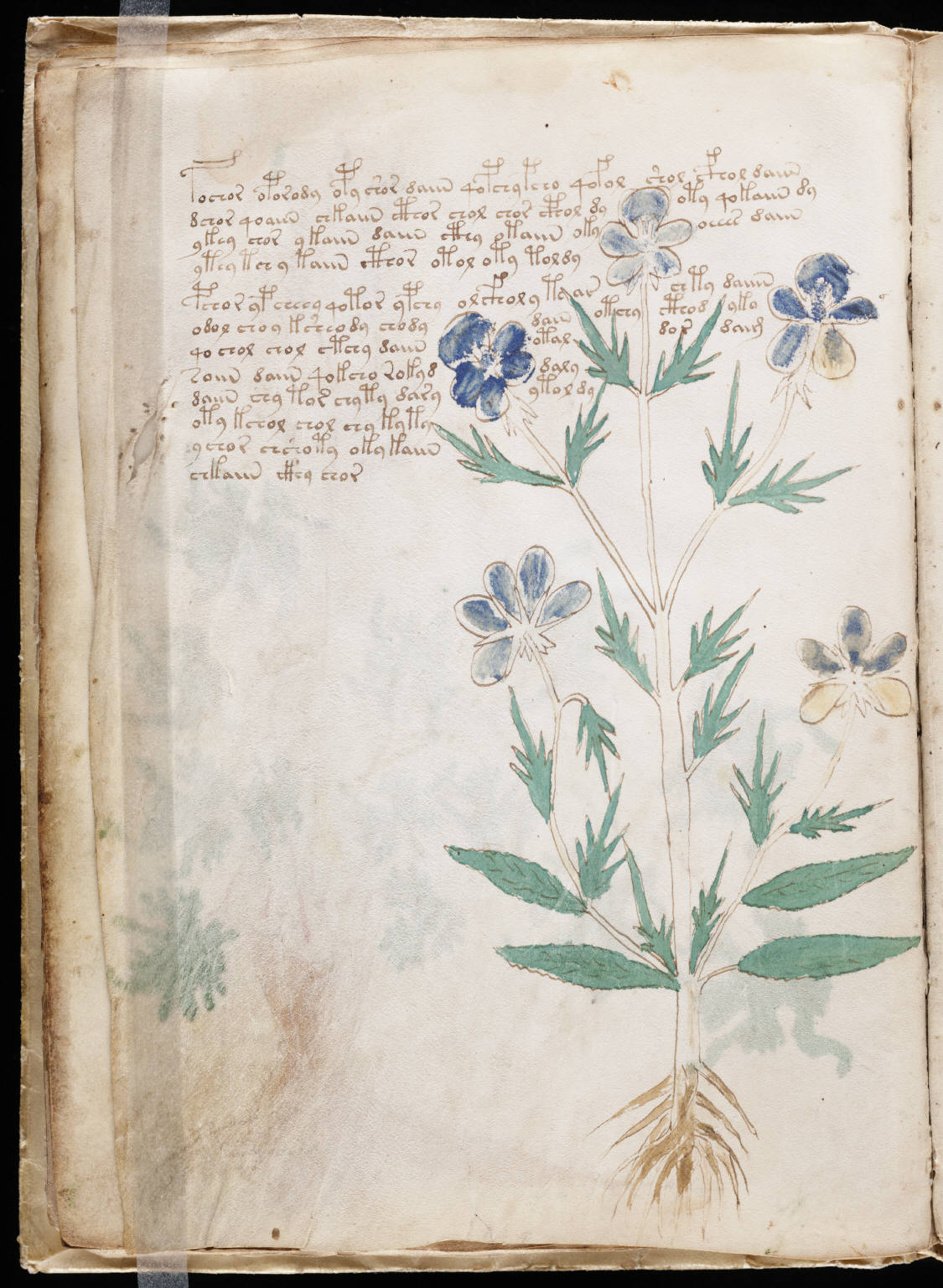
Voynich manuscript page showing a rooted green plant with blue and pale flowers beside unreadable text.

The Voynich Manuscript: What We Can Know Without Reading a Word

Radiocarbon dates, scribal hands and the physical structure of the Voynich manuscript establish a history even where its writing resists interpretation. New hypotheses must be tested against that evidence, not mistaken for a decipherment.

Categories Myths and Mysteries
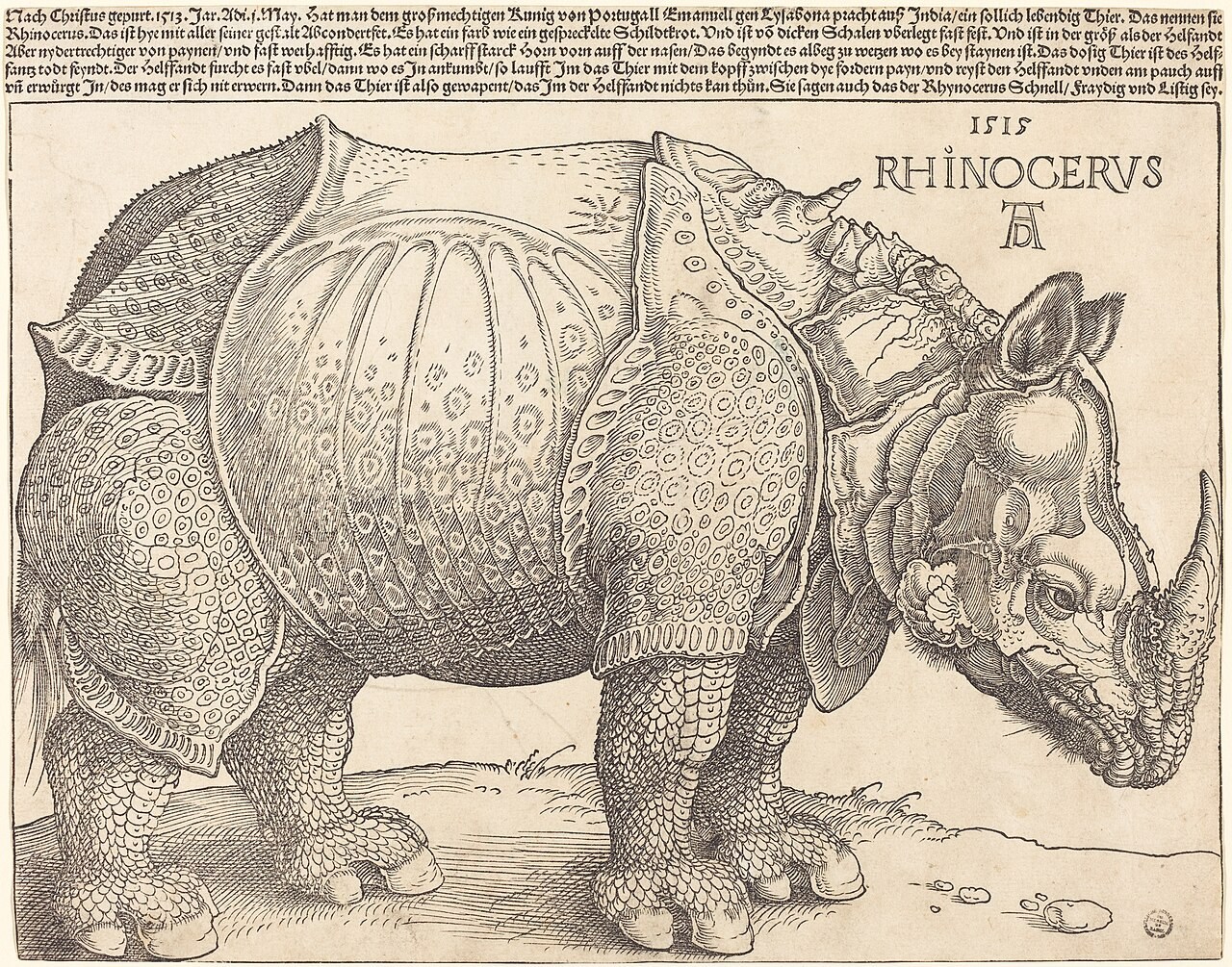
Dürer’s rhinoceros woodcut with armor-like skin, a nasal horn and an invented small shoulder horn

The Rhinoceros Dürer Never Saw: How an Image Became an Authority

Dürer never saw the rhinoceros behind his famous 1515 woodcut. Follow the reports, competing images and later editions that made its errors so persuasive.

Categories Myths and Mysteries
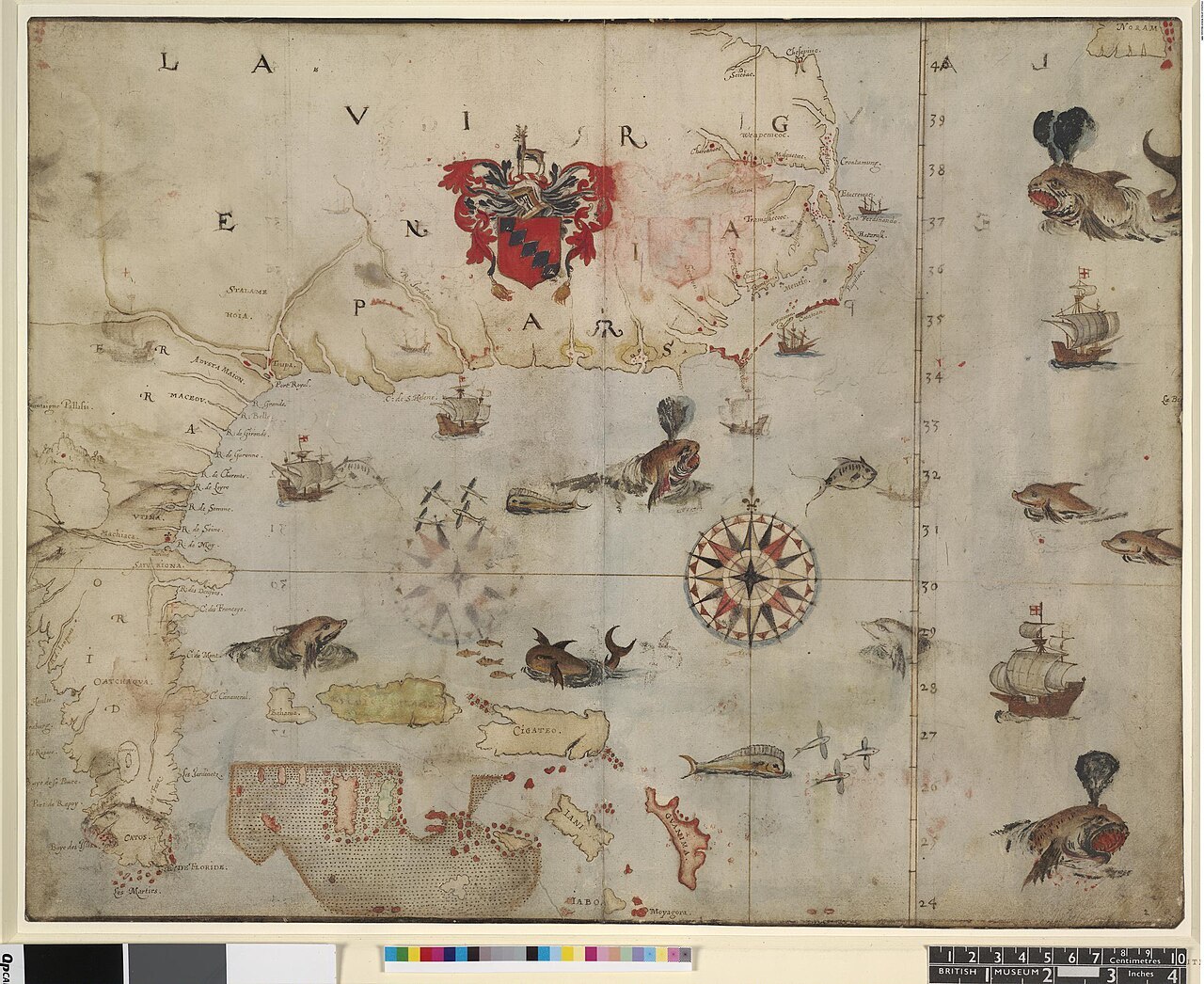
Sixteenth-century map of the southeastern North American coast with ships, sea creatures and Raleigh’s arms

Roanoke and the Evidence Behind the Lost Colony

The word Croatoan was a destination, not an inexplicable riddle. John White’s account, Indigenous history, archaeology and drought evidence show what can be known about Roanoke and what remains uncertain.

Categories Myths and Mysteries
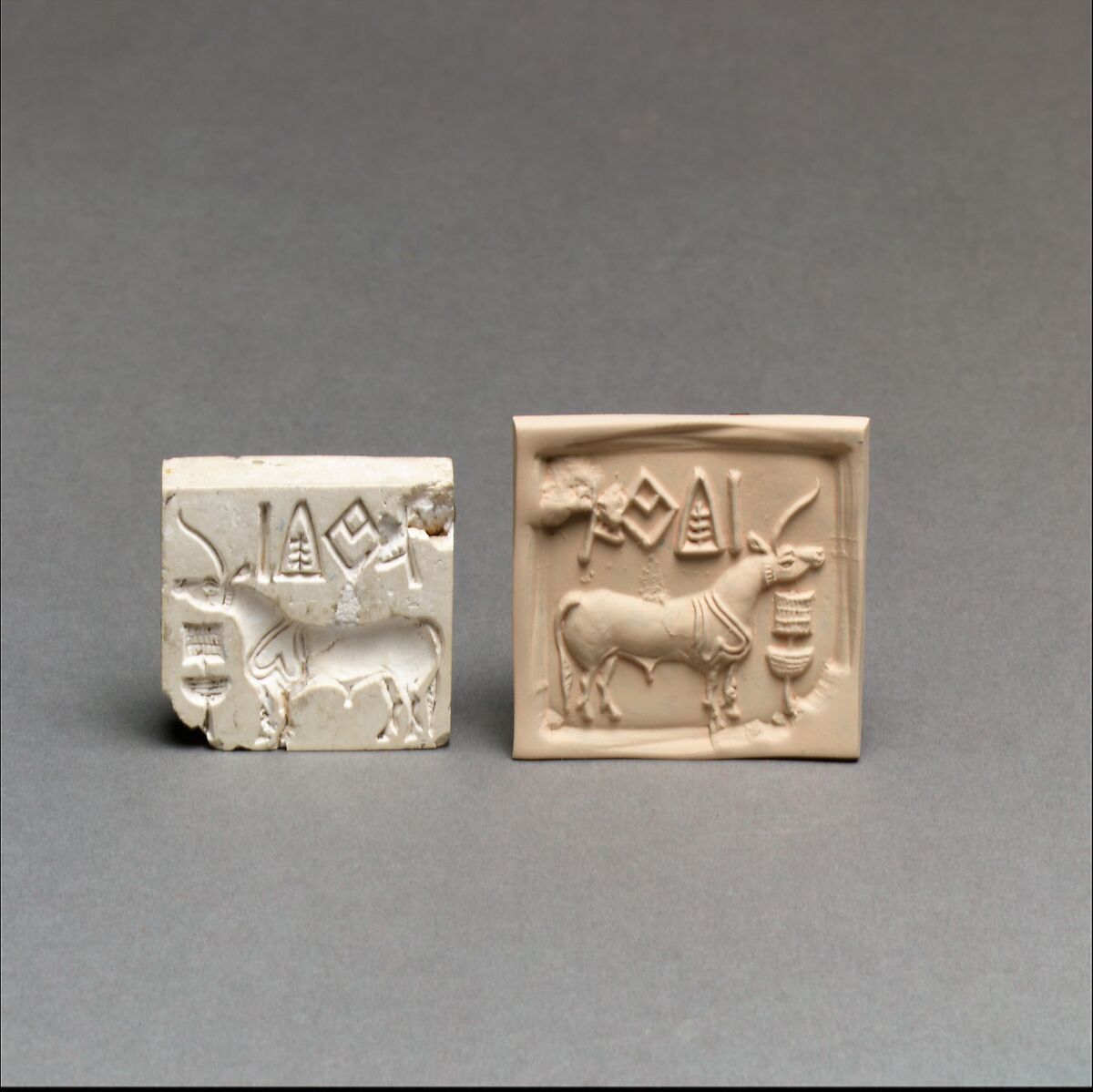
Square pale stone seal beside a modern tan impression showing a one-horned animal and a line of signs.

Indus Seals: The Evidence Around an Undeciphered Script

Small stone seals preserve craft, exchange and authority in the Indus cities. Their unread signs also show what archaeology can establish, and what a claimed decipherment must still prove.

Categories Myths and Mysteries
Older posts
Page1 Page2 Next →
Histovia hourglass logo

Independent history · Shared curiosity

Histovia

An independent history project for people who love exploring the past. We research, write, and share stories that make history worth reading.

Explore the past

  • Home
  • Explore Topics
  • Browse by Era
  • About Histovia

Keep history growing

Your support helps fund research, writer fees, and the technology behind Histovia.

Support Histovia

Payments are processed securely by PayPal.

Independent research. Stories worth preserving.

Made for curious readers.

© 2026 HISTOVIA