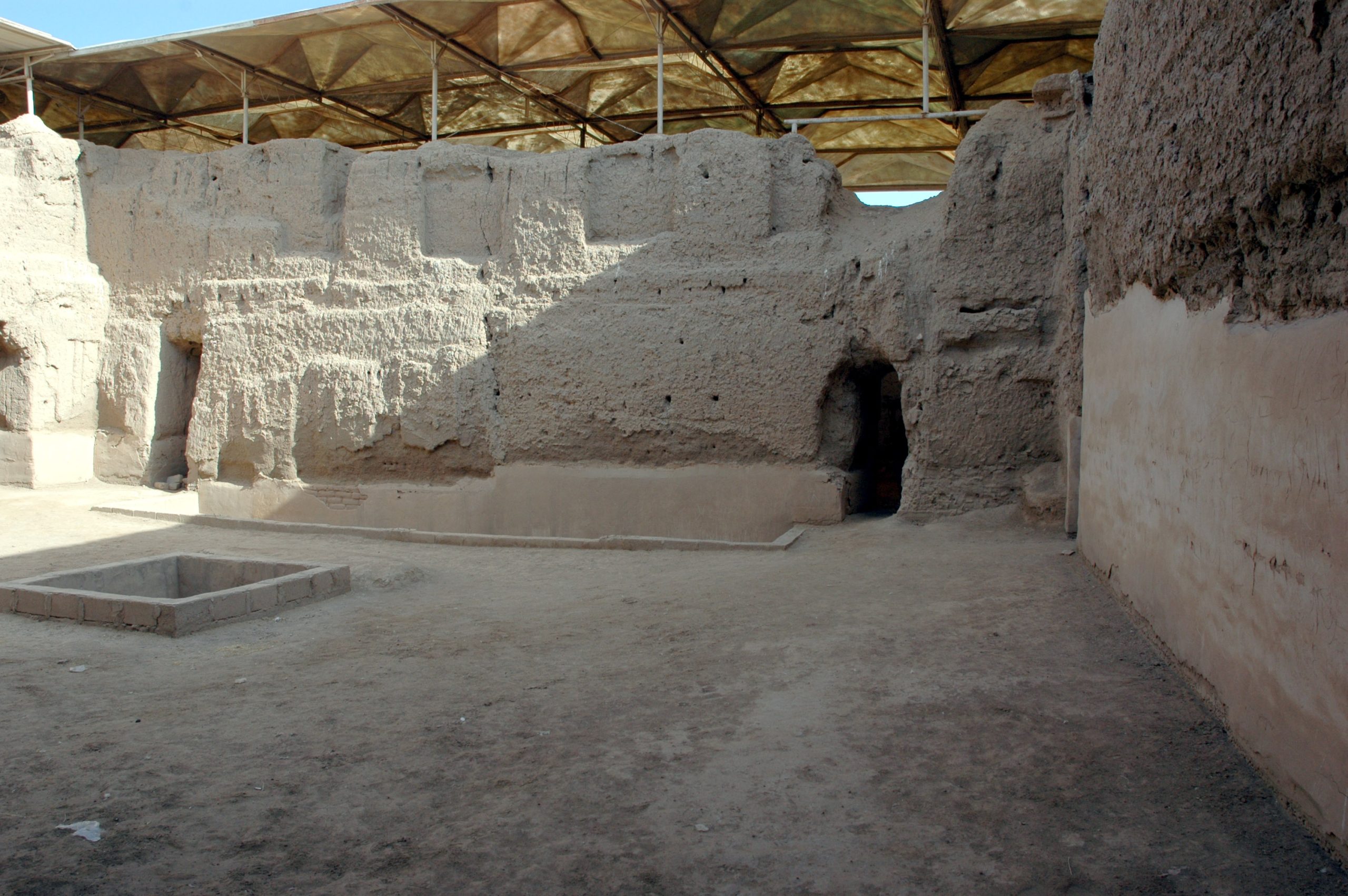
Mari’s Palace: The Letters, People and Work Behind a Bronze Age Kingdom
Mari’s palace held far more than a throne. Its rooms, paintings and clay tablets reveal a kingdom sustained by messengers, royal women, skilled workers and uneasy alliances.

An overlapping regional browsing convention for histories centered on Southwest Asia and, where relevant, neighboring North Africa.
Mari’s palace held far more than a throne. Its rooms, paintings and clay tablets reveal a kingdom sustained by messengers, royal women, skilled workers and uneasy alliances.
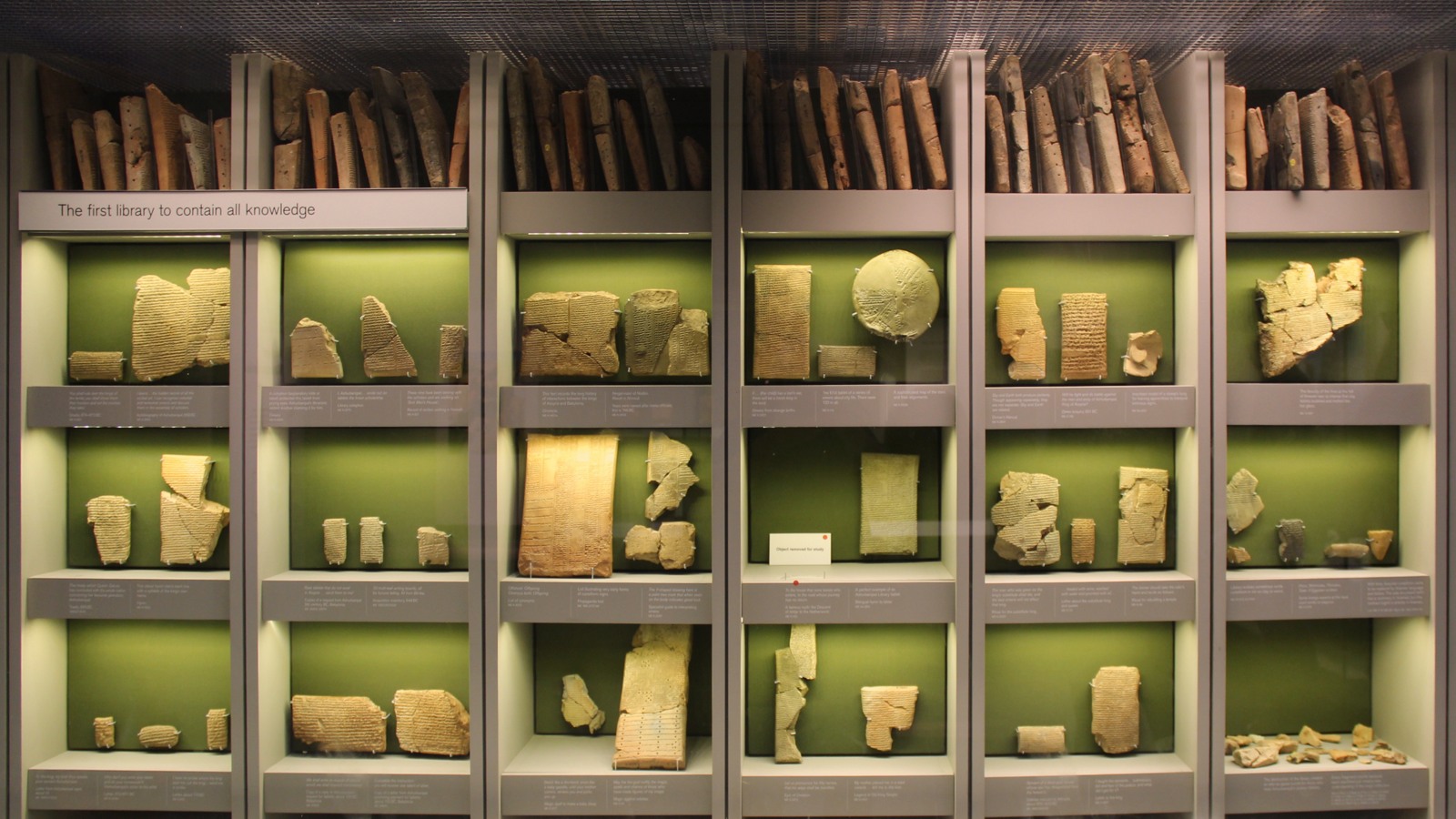
Ownership marks, scholarly copies and broken clay tablets reveal how a royal collection at Nineveh joined learning to power—and why its reconstruction is still unfinished.
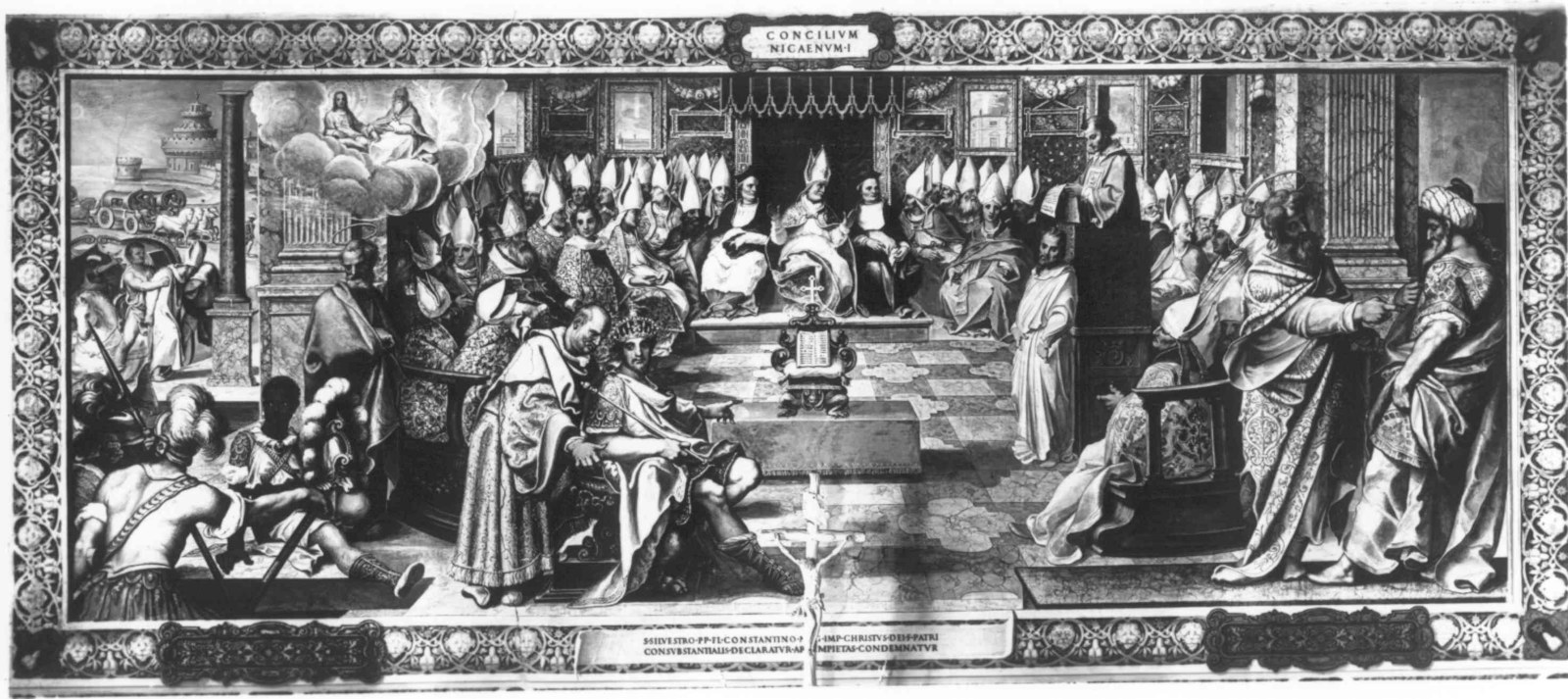
Nicaea did not choose the Bible or settle Christian theology in a single stroke. Its letters, disciplinary rules and disputed language reveal a more consequential—and unfinished—meeting.
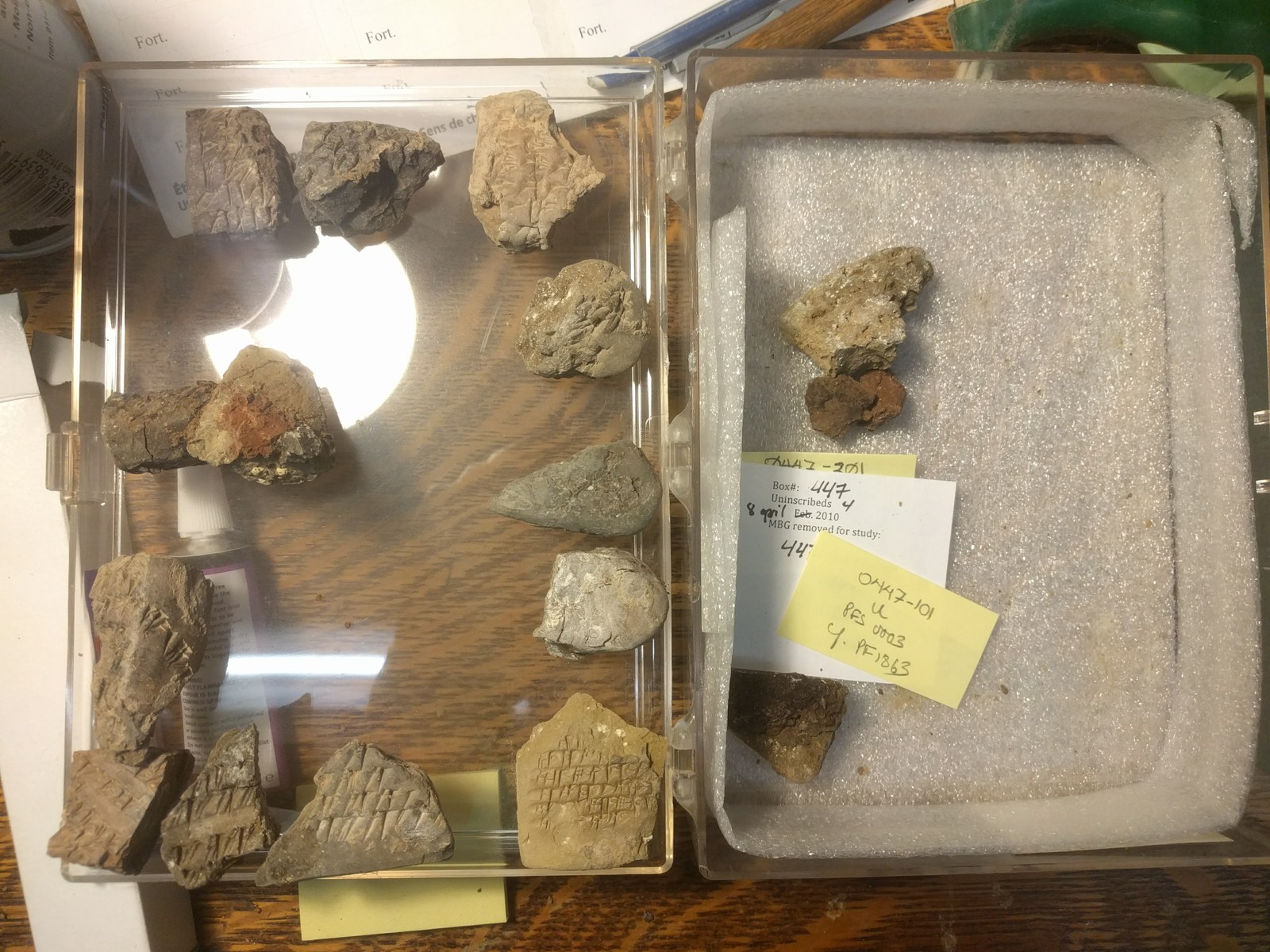
Grain allowances, seal impressions and a few lines about wine reveal a Persian imperial household from below. They also show how much an administrative record can leave unsaid.
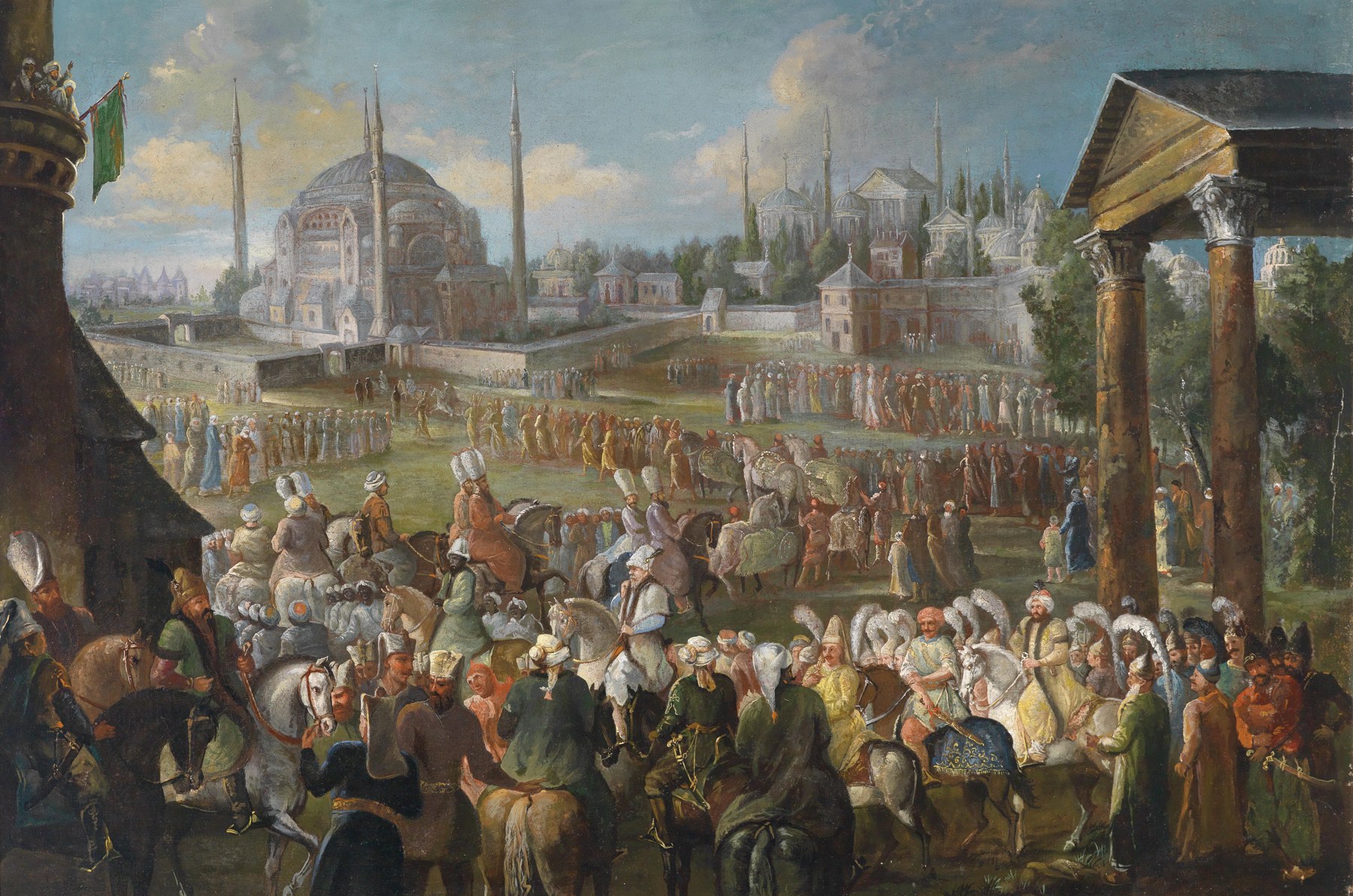
Ottoman practitioners, Mary Wortley Montagu, medical correspondents and early outcome studies transformed British smallpox prevention. Their story reveals both the promise and dangers of variolation before vaccination.
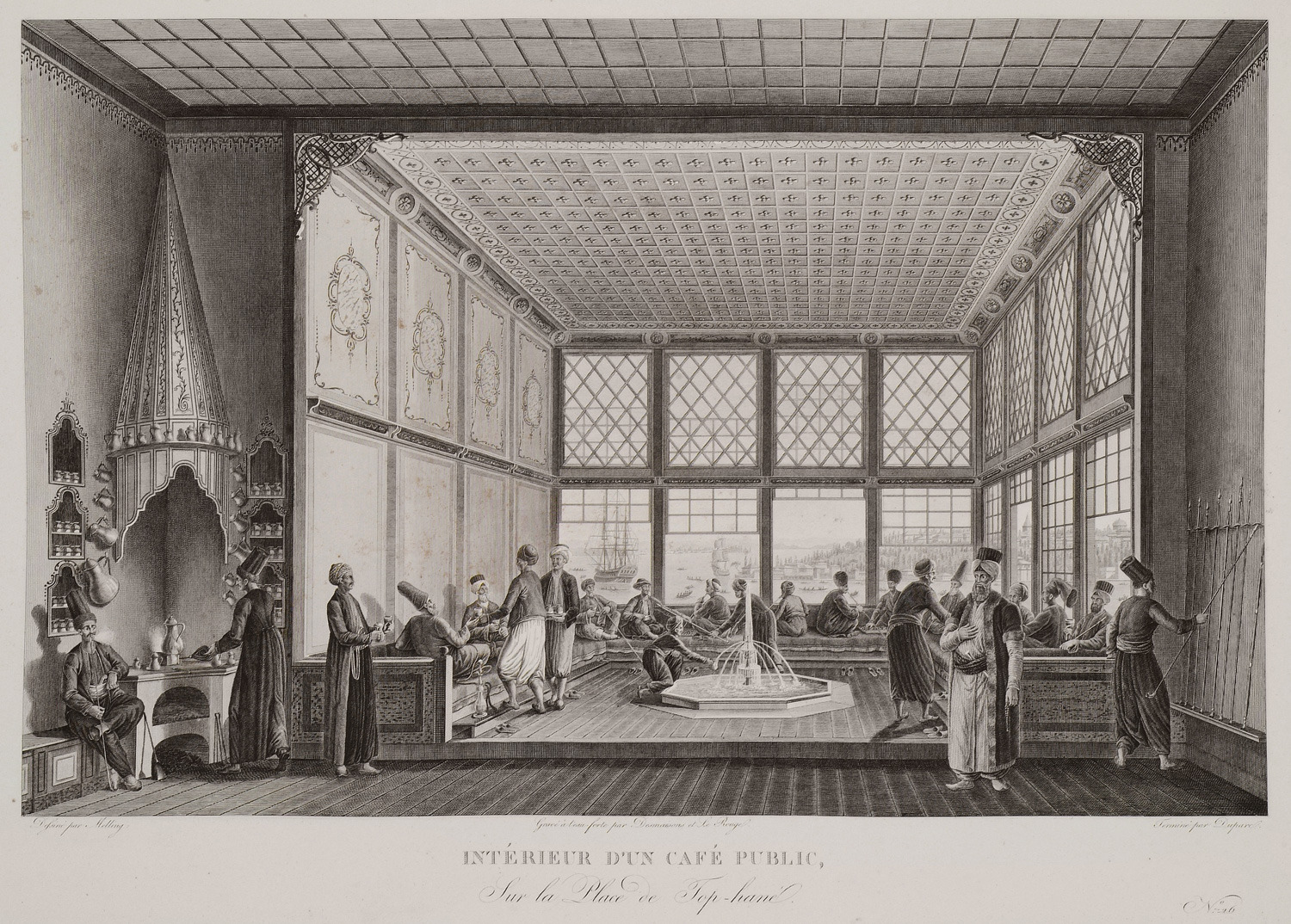
Coffee connected Ottoman shops and households to growers, craftspeople, performers, and officials trying to regulate urban gatherings.
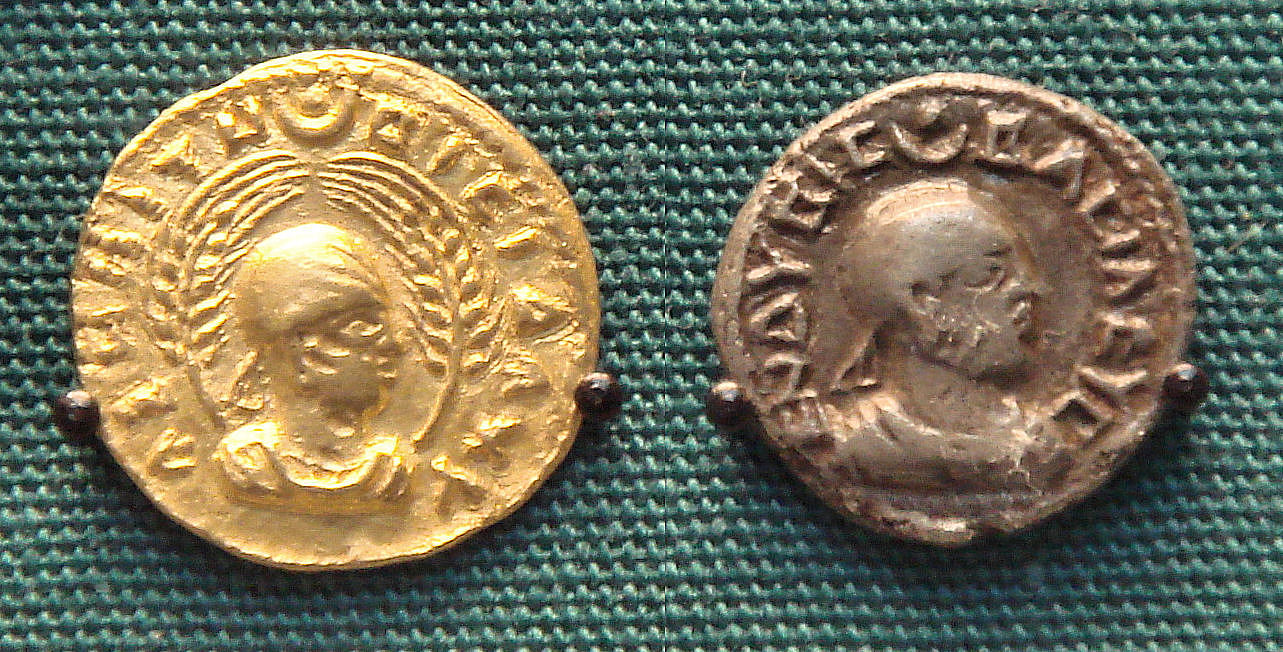
How royal coins, port archaeology, and merchants’ accounts reveal the commerce and statecraft of ancient Aksum.
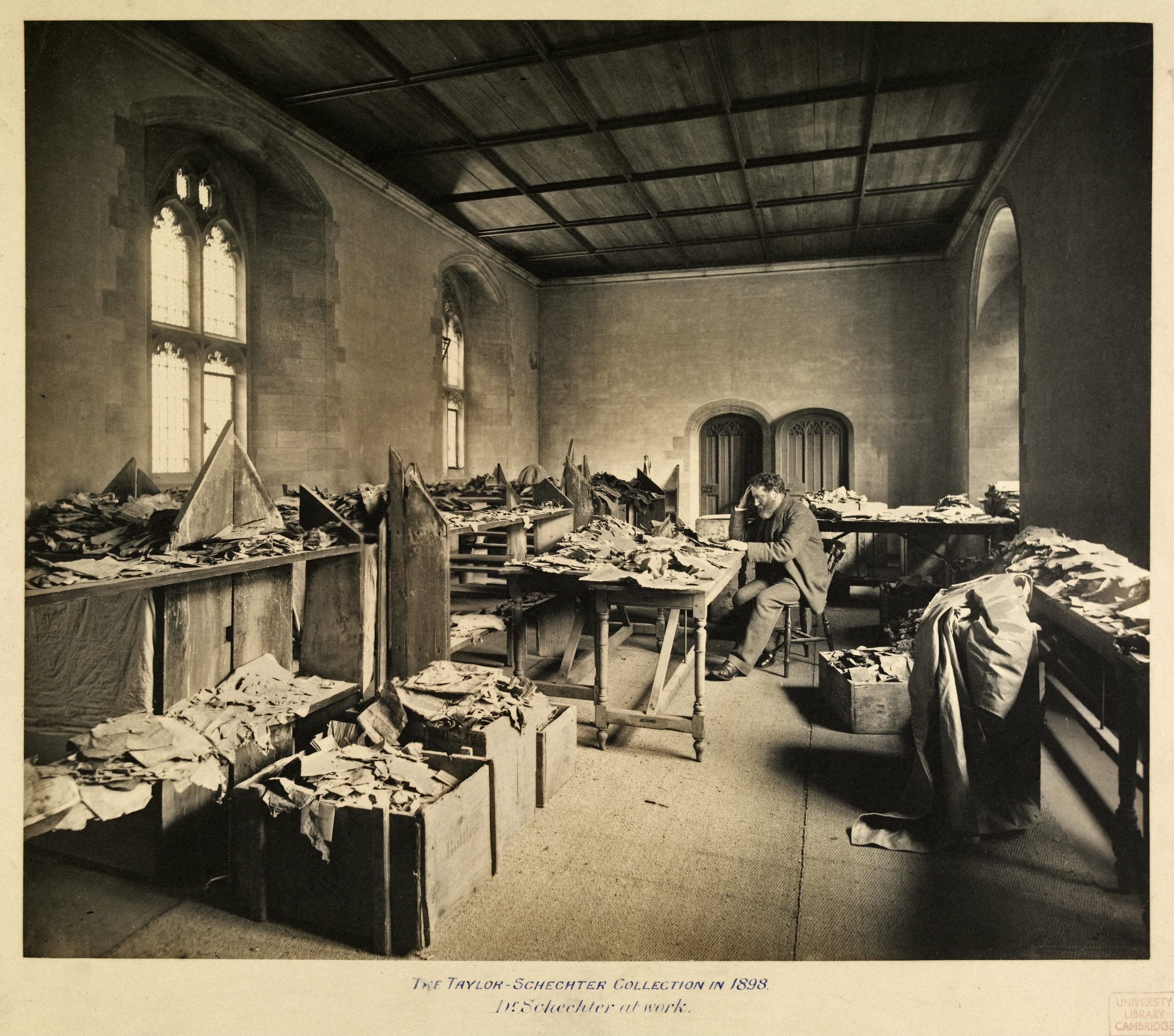
A mother waits for news, a merchant reroutes his flax, and a letter from Aden proves a death. The Cairo Geniza preserves the daily stakes of a connected medieval world.
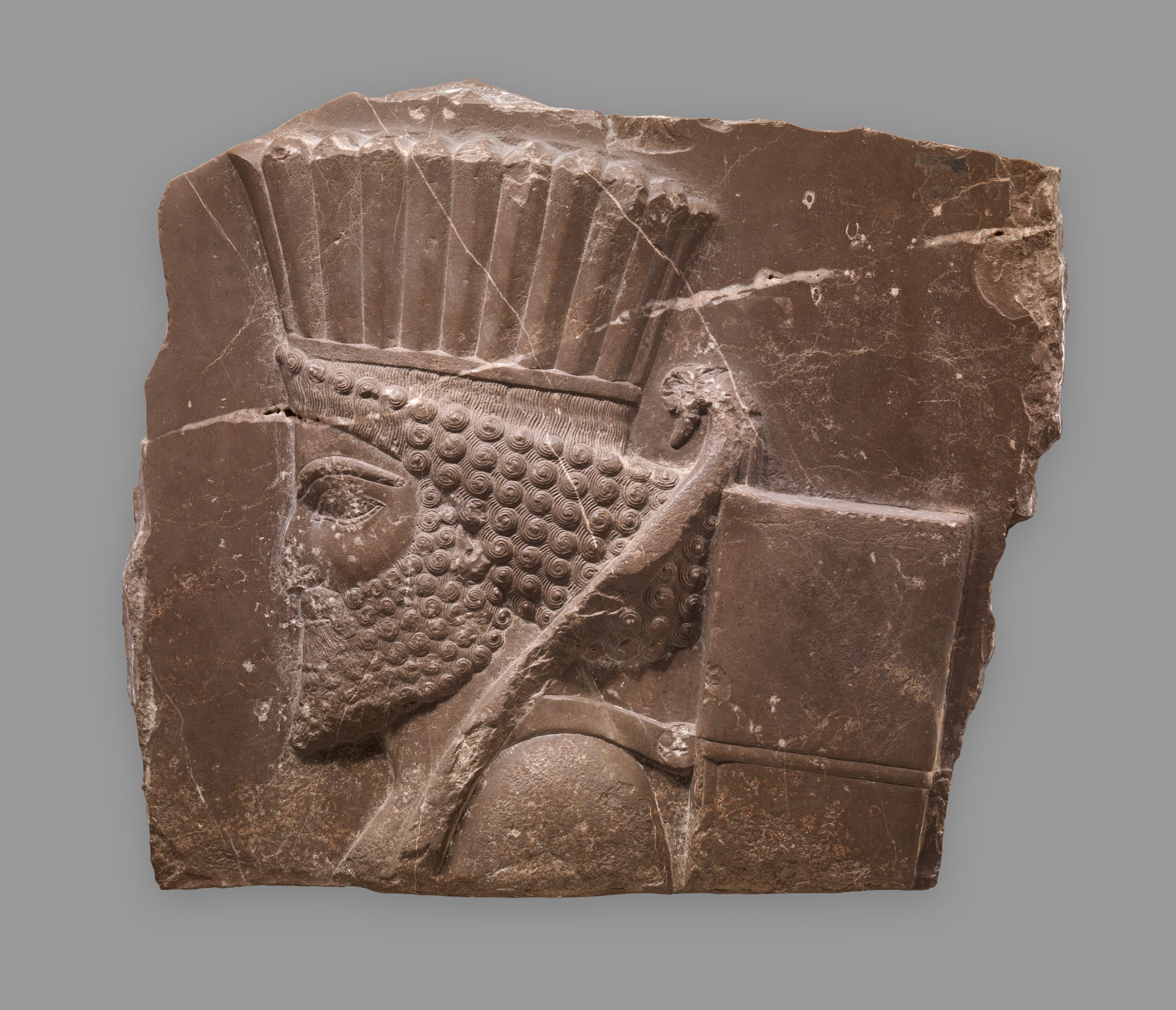
Roads, satraps, multilingual offices, and thousands of clay records reveal the practical work of keeping the Persian Empire connected.