
Reading Sanchi: The Stupas, Gateways and Donors on a Buddhist Hill
The Great Stupa catches the eye first. Stay with its paths, carved stories and small inscriptions, and a much larger community comes into view.

Histories centered on Asia. Middle East is a separate, overlapping browsing label when more useful.
The Great Stupa catches the eye first. Stay with its paths, carved stories and small inscriptions, and a much larger community comes into view.
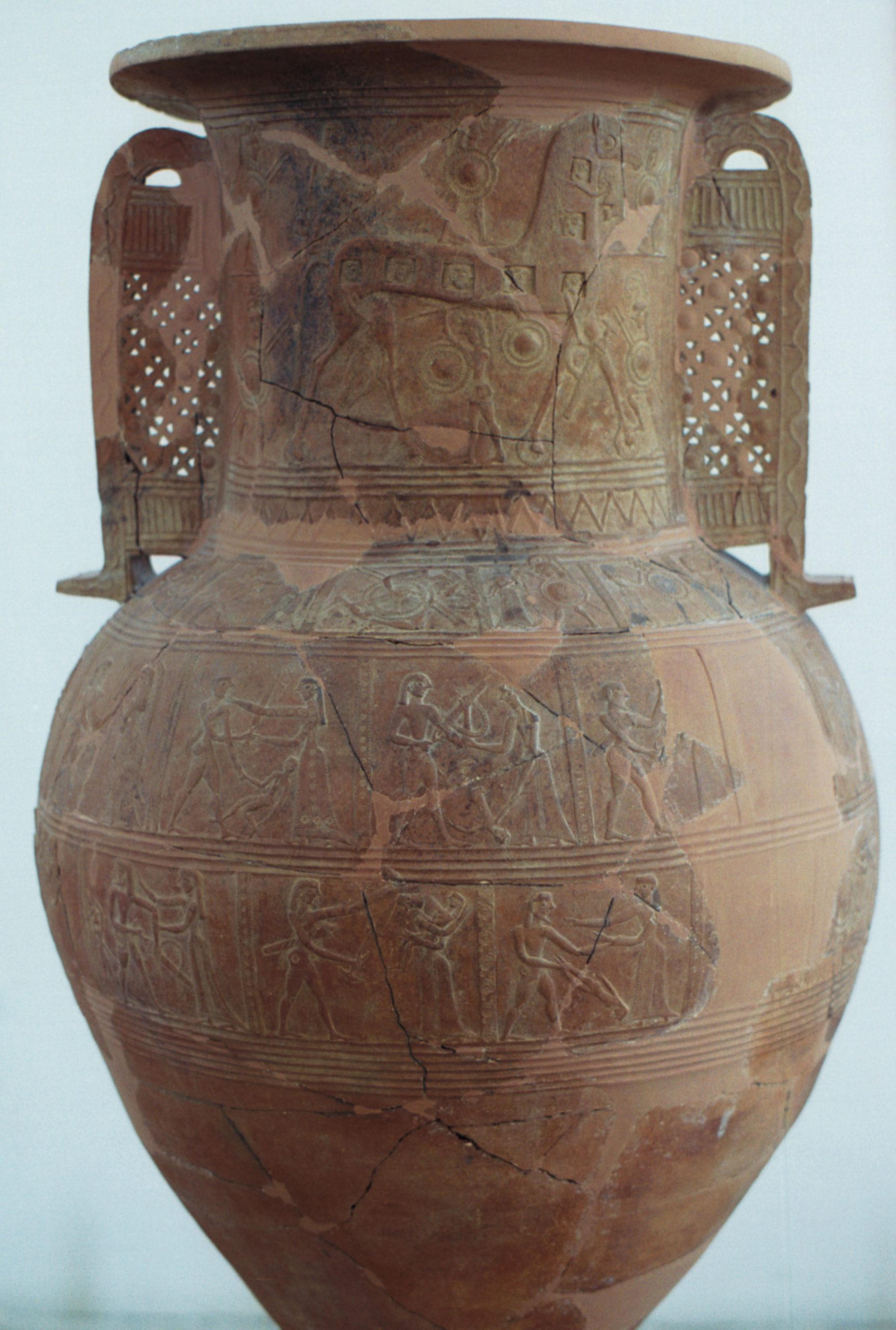
The wooden horse is ancient, but its history is not the same as Troy’s archaeology. Follow the story from Homer and Mykonos to Virgil, excavations and later art.
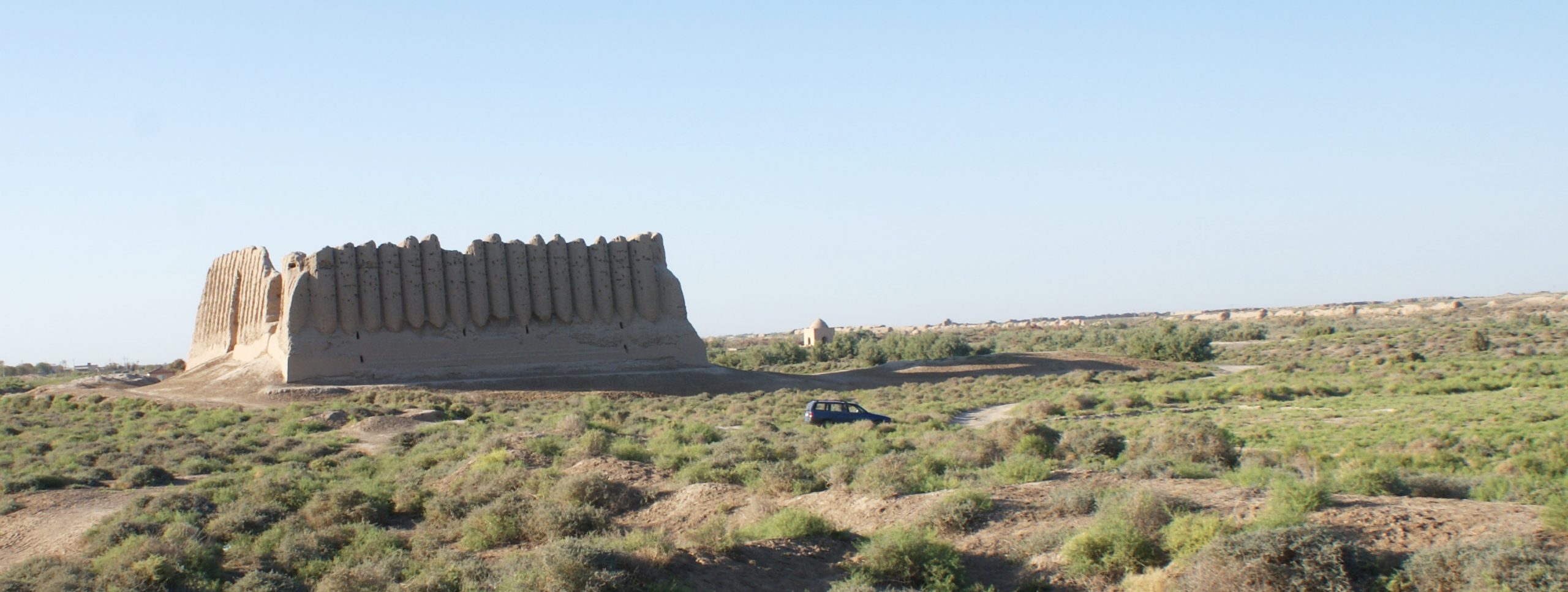
Read Ancient Merv through its successive cities, water landscape, Seljuk architecture and the continuing work of conserving fragile earthen walls.
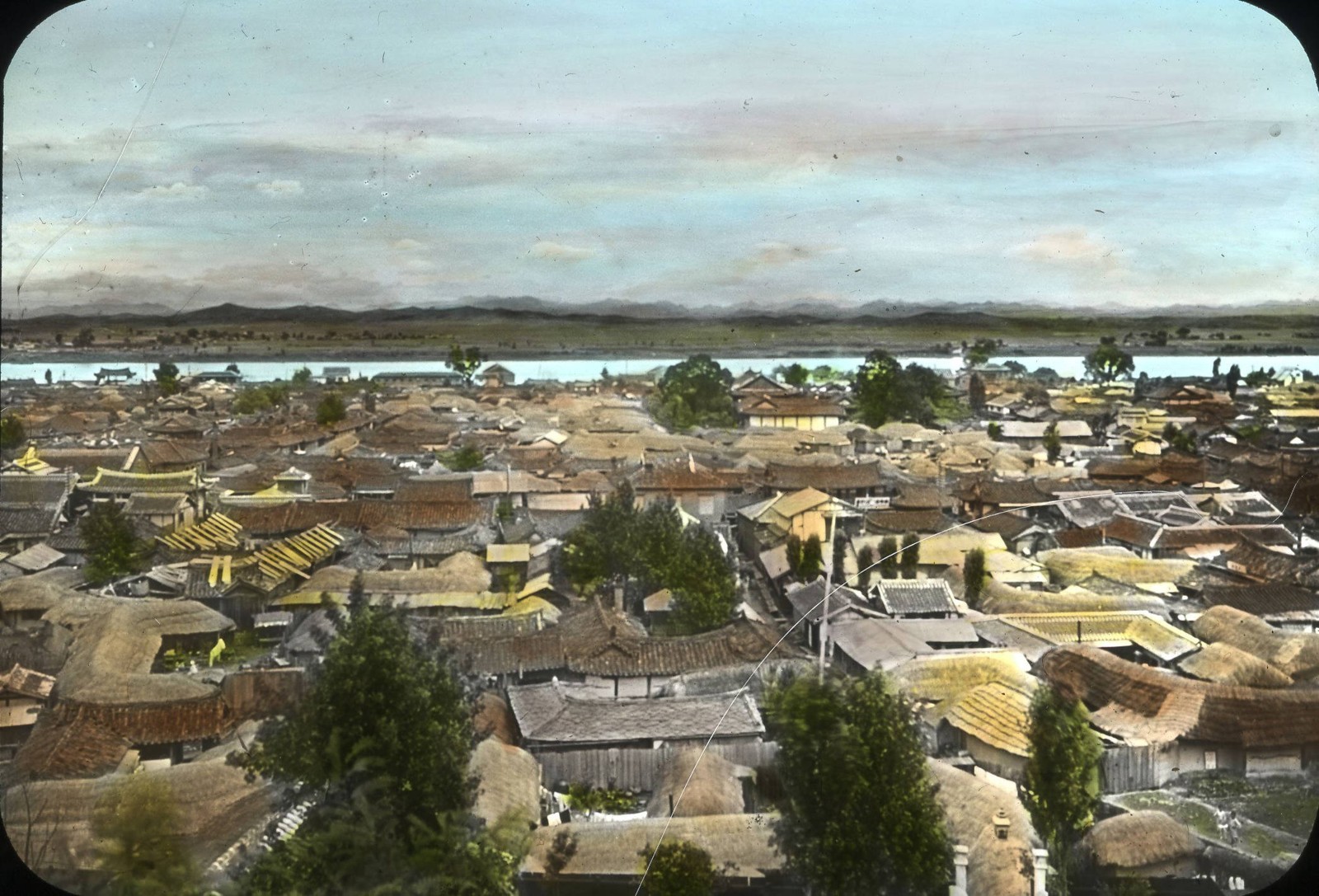
Pyongyang’s Christian past opens a striking route into the Kim dynasty’s history—but religious resemblance must be tested against archives, institutions and political struggle.
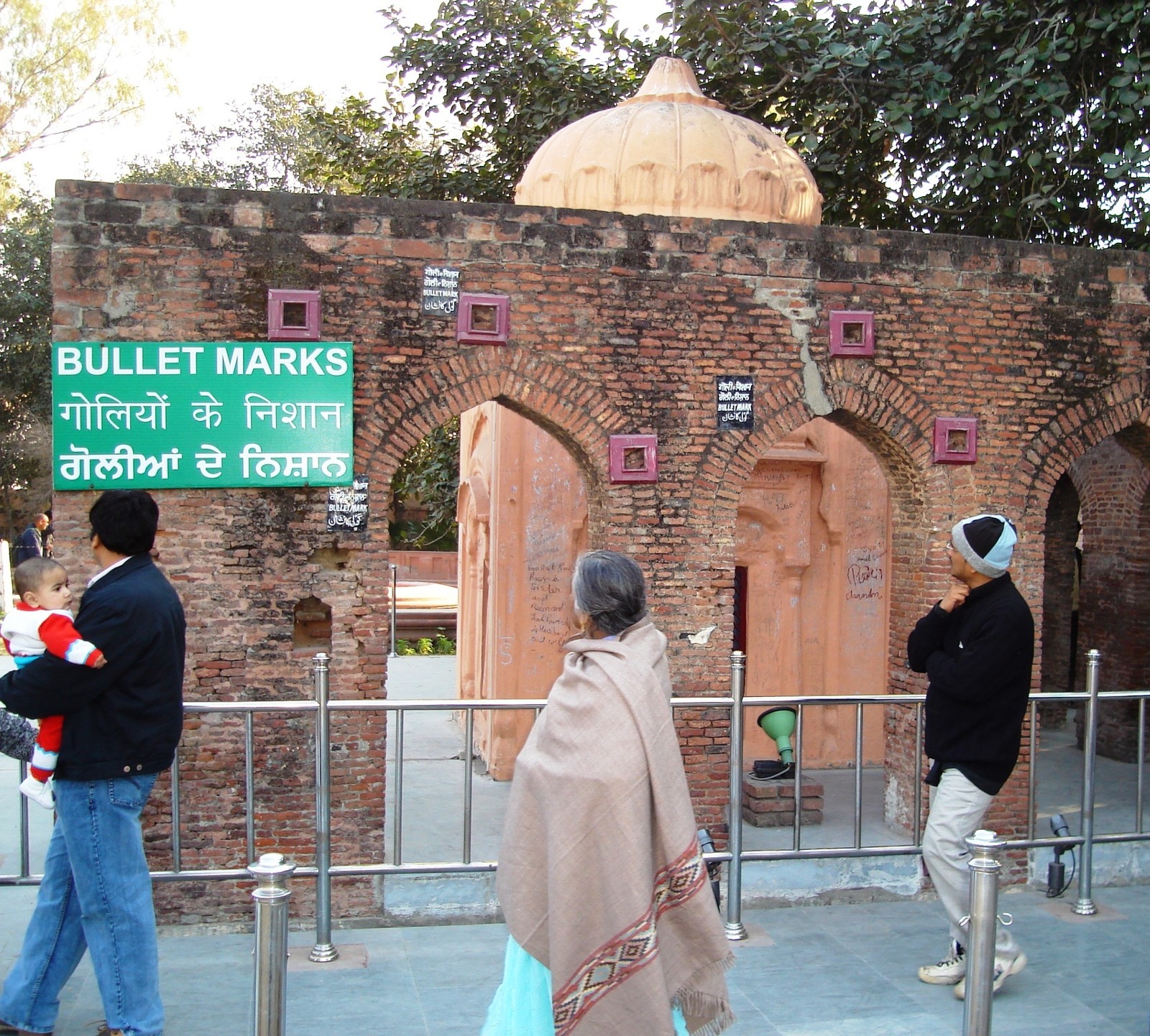
The evidence did not end the dispute. At Jallianwala Bagh, the question was not only what General Dyer had ordered, but whether imperial authority could turn a civilian crowd into an example.
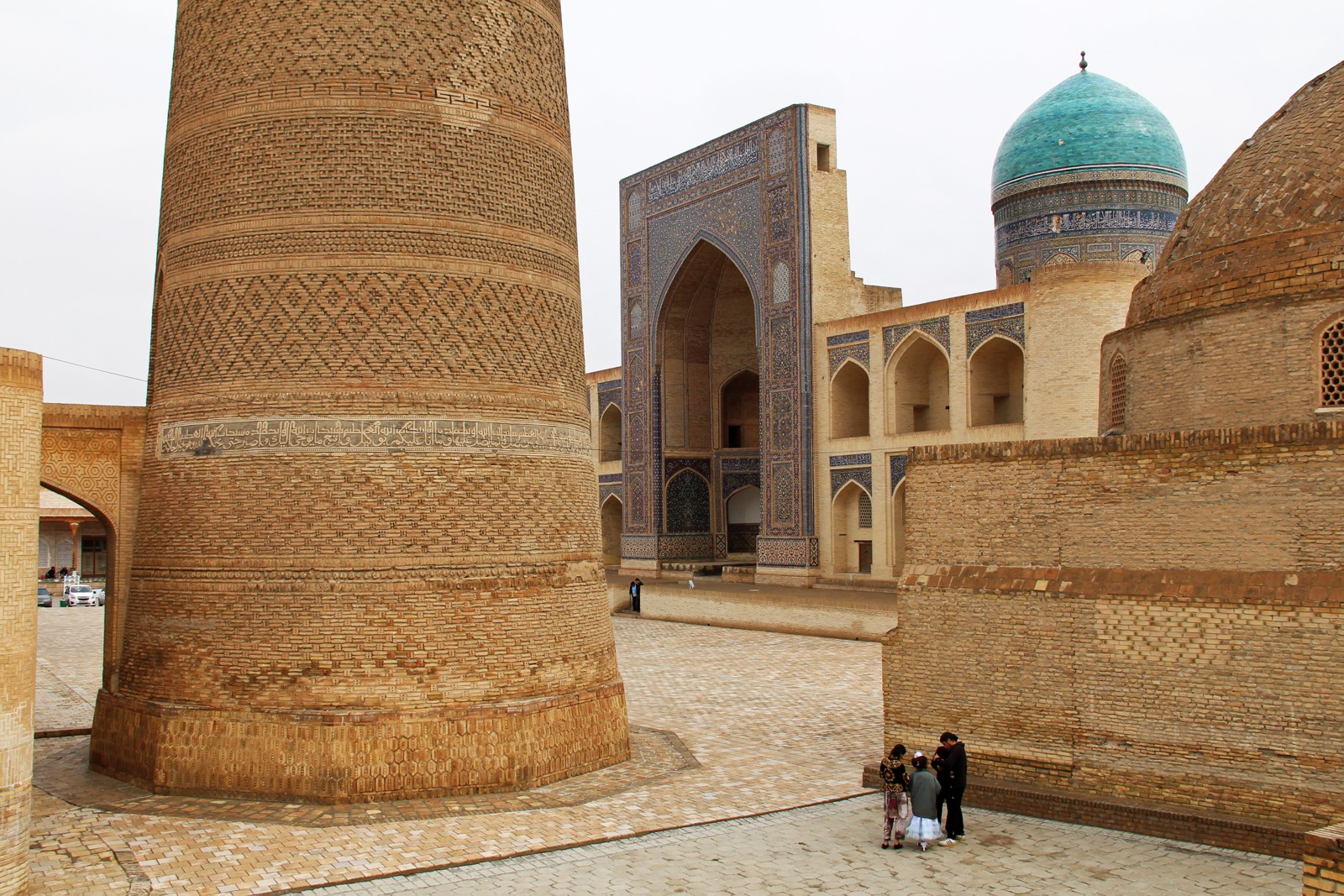
A historical guide to the Samanid mausoleum, the Ark, Poi-Kalyan, covered markets and Lyabi-Hauz—and the different centuries that survive beside one another.
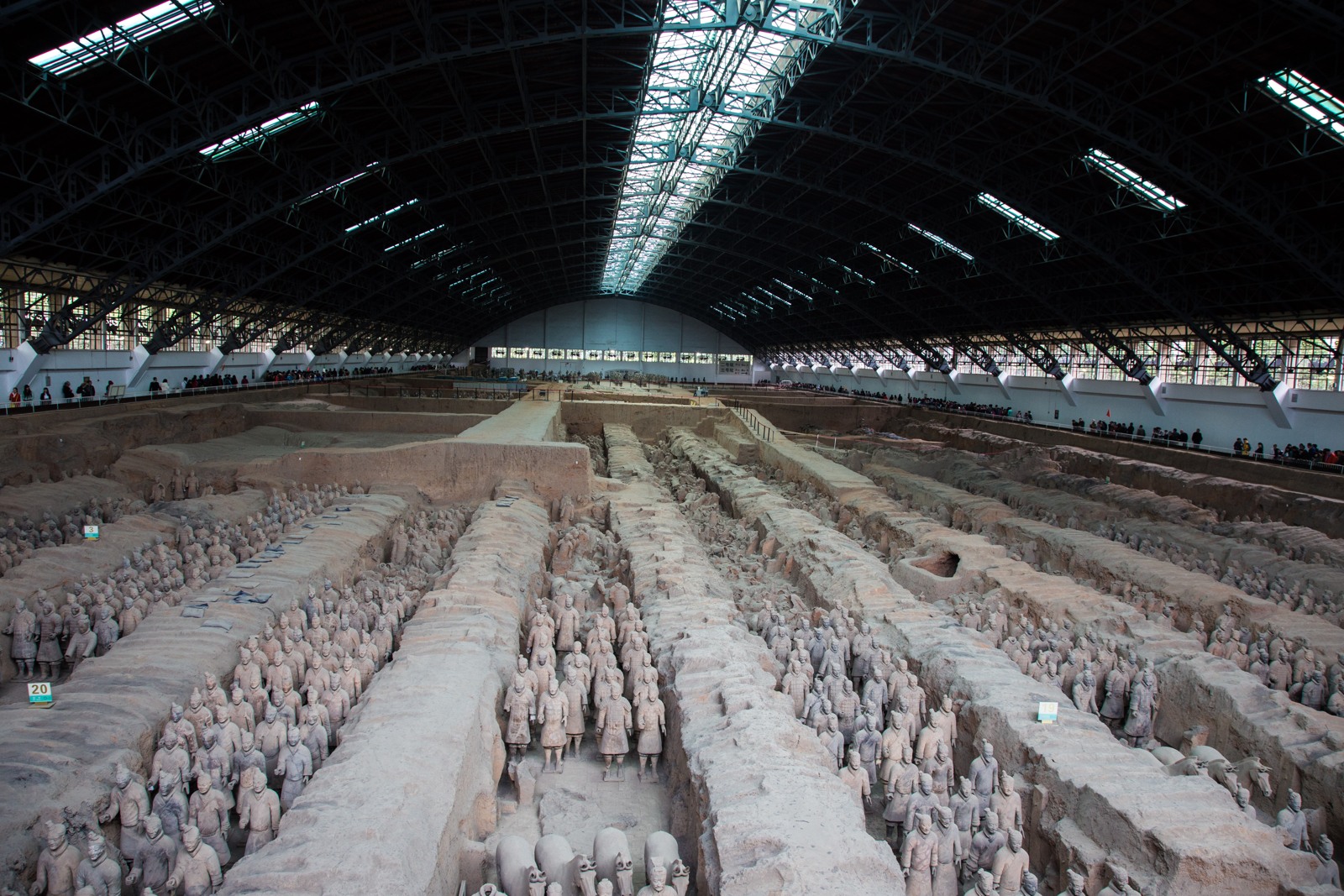
Individual faces and ordered ranks conceal a second army: the craftspeople, supply networks and administrative systems that made imperial power out of clay and bronze.
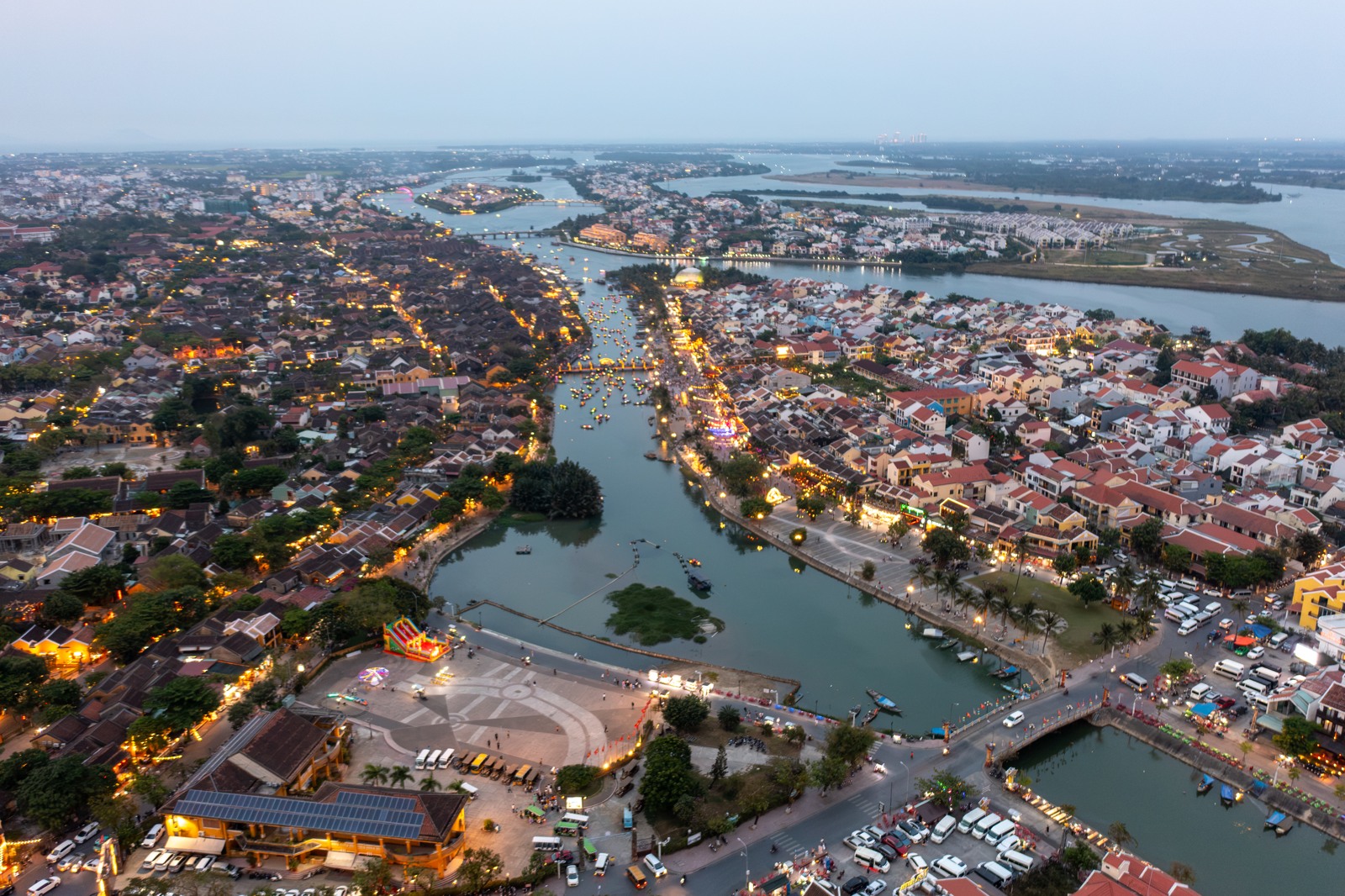
A historical guide to Hoi An’s covered bridge, merchant houses, assembly hall and ceramics museum—and the river networks and continuing repairs that make sense of them.
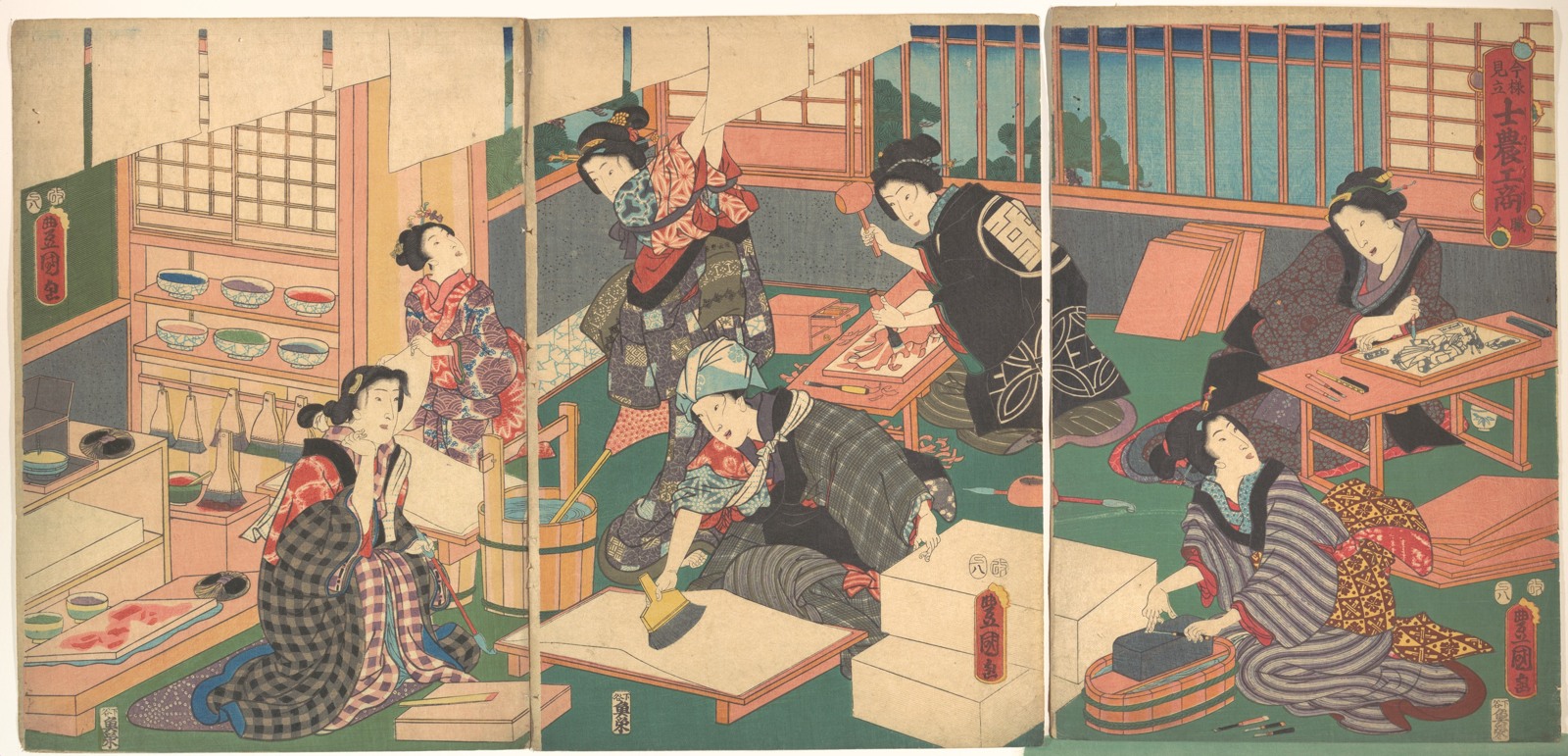
A Sharaku portrait or Hiroshige rainstorm began as a collaboration. Publishers, cutters, printers and booksellers made Edo’s famous images—and shaped what their audiences could see.
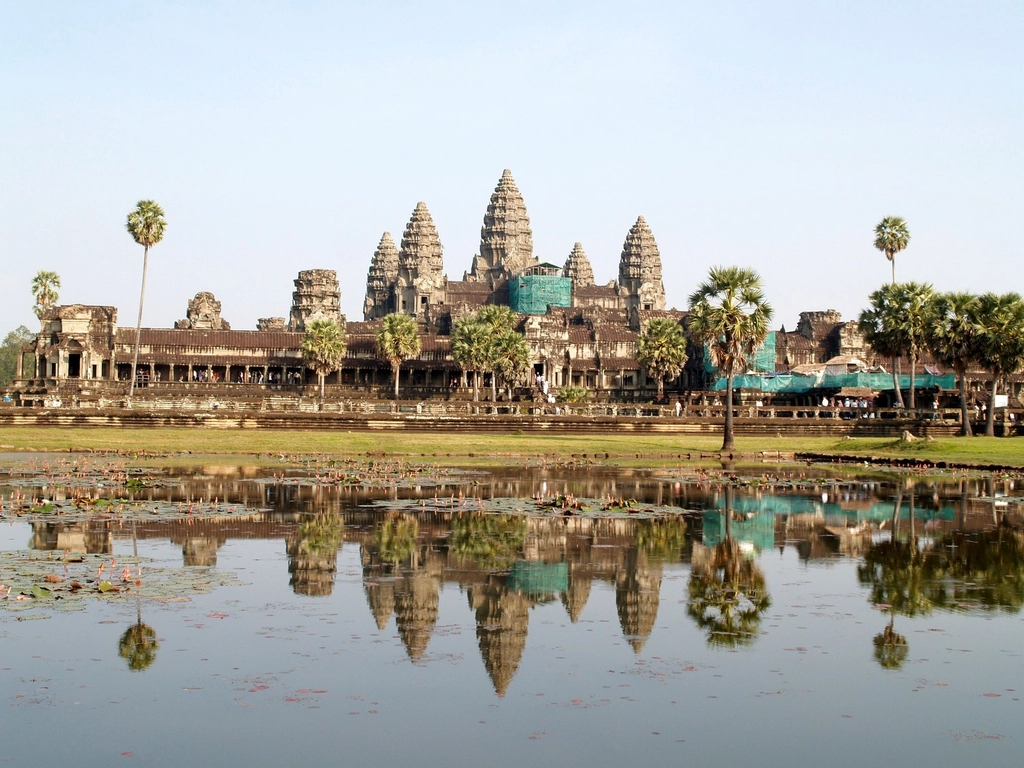
Read Angkor Wat, Bayon and Ta Prohm through authority, religious change and conservation. A historically grounded guide to a more attentive visit.