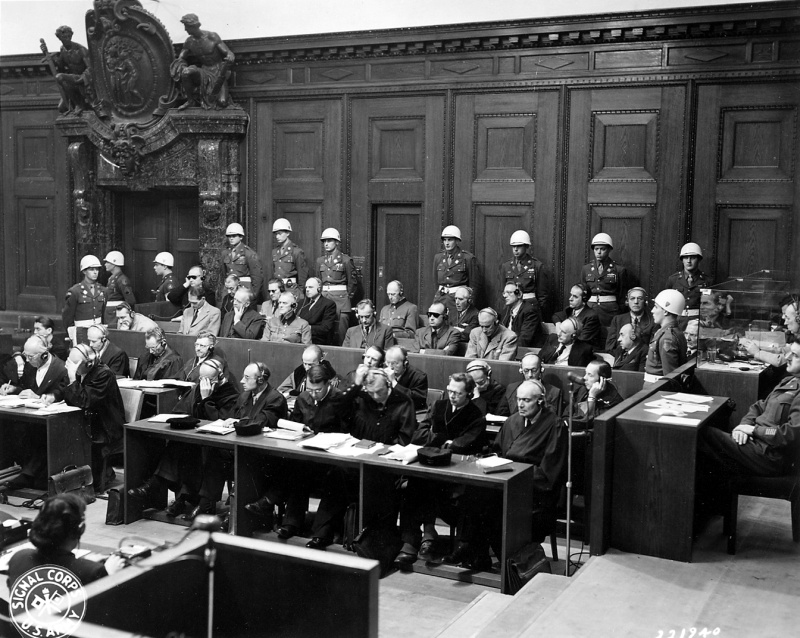
Nuremberg (2025): The Psychiatrist’s Duel and the Court Beyond It
A research-based critical introduction to a historical drama, and to the records that keep its central confrontation from becoming the whole story.

Histories centered on European societies and their connections.
A research-based critical introduction to a historical drama, and to the records that keep its central confrontation from becoming the whole story.

A practical historical route through stars, imperial processions, baptismal domes and a palace whose missing people still leave traces.
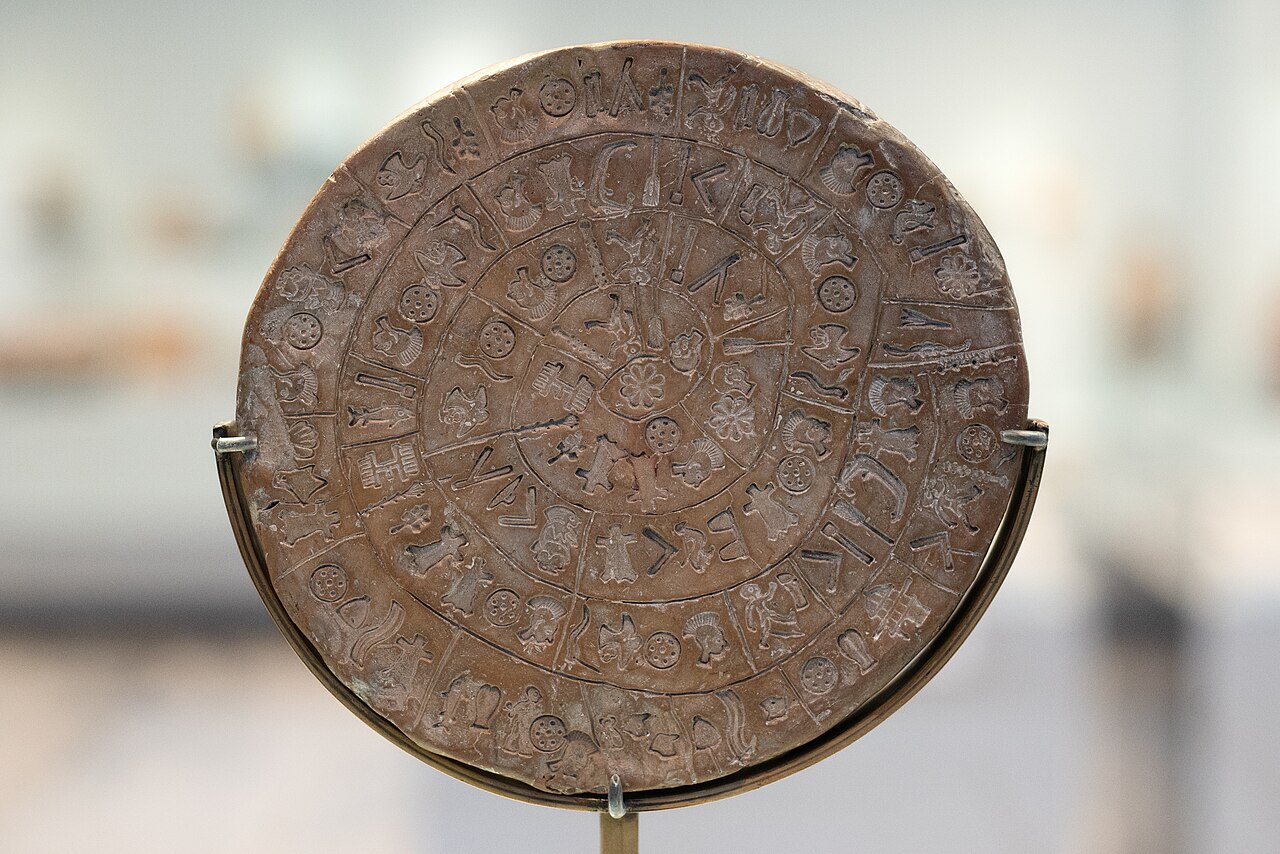
Its clay, stamps and archaeological context can be studied. Its message remains unconfirmed. Keeping those facts separate makes the famous disc more interesting, not less.
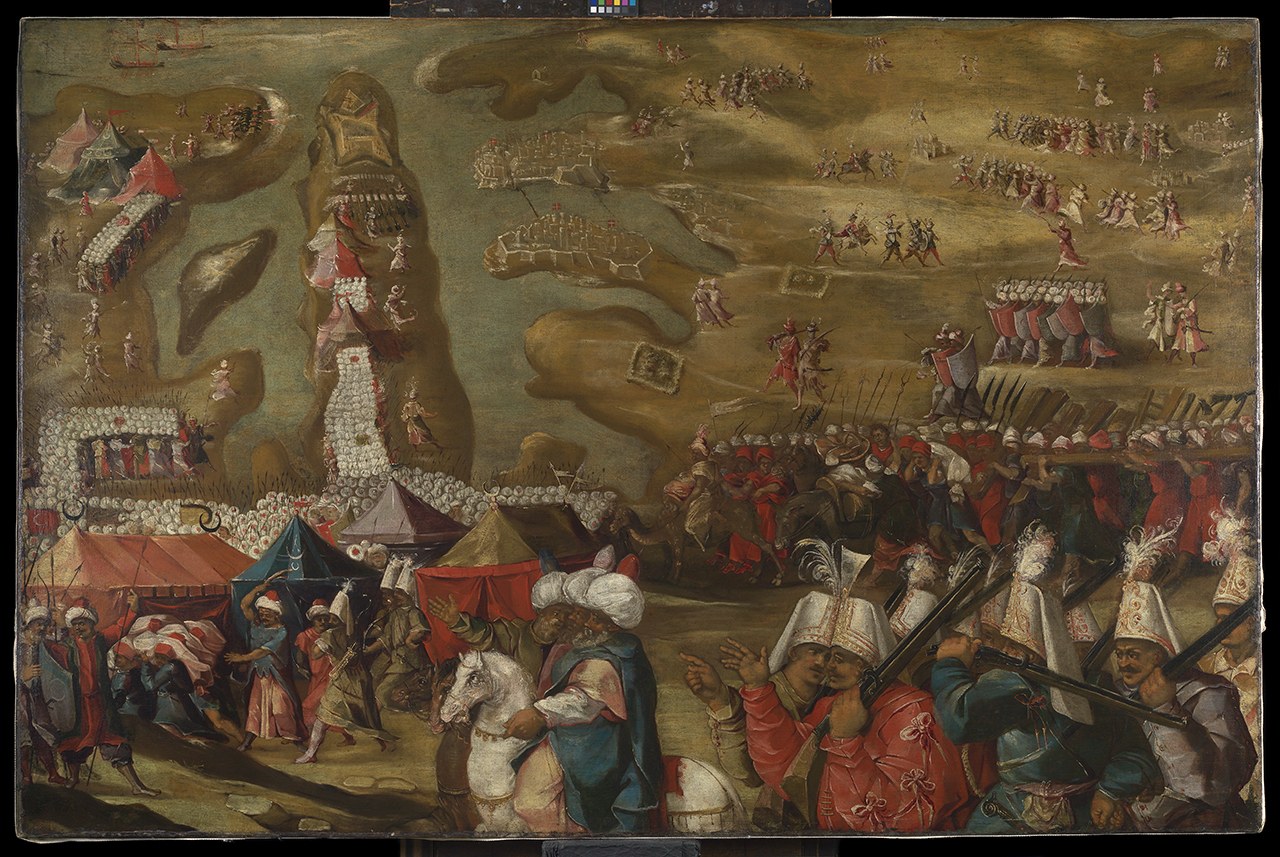
The Great Siege was fought with guns and determination, but also with grain, boats, repair work and carefully organized relief. Behind the familiar story of the knights lay a much larger effort to keep people and positions connected.
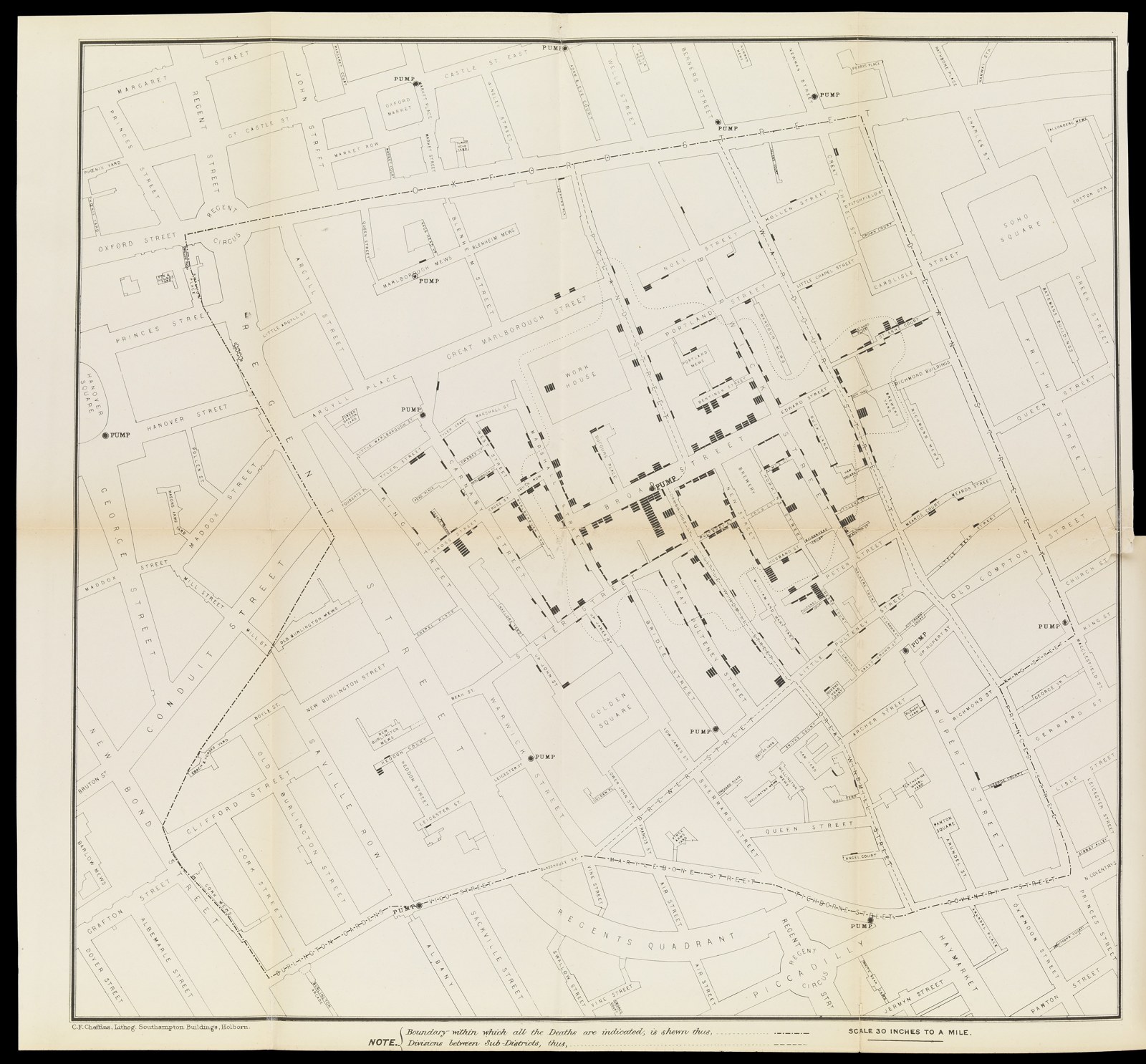
The famous map was part of a larger investigation. Household interviews, a sceptical curate and a comparison of water companies reveal an achievement more demanding than the legend of a single pump handle.
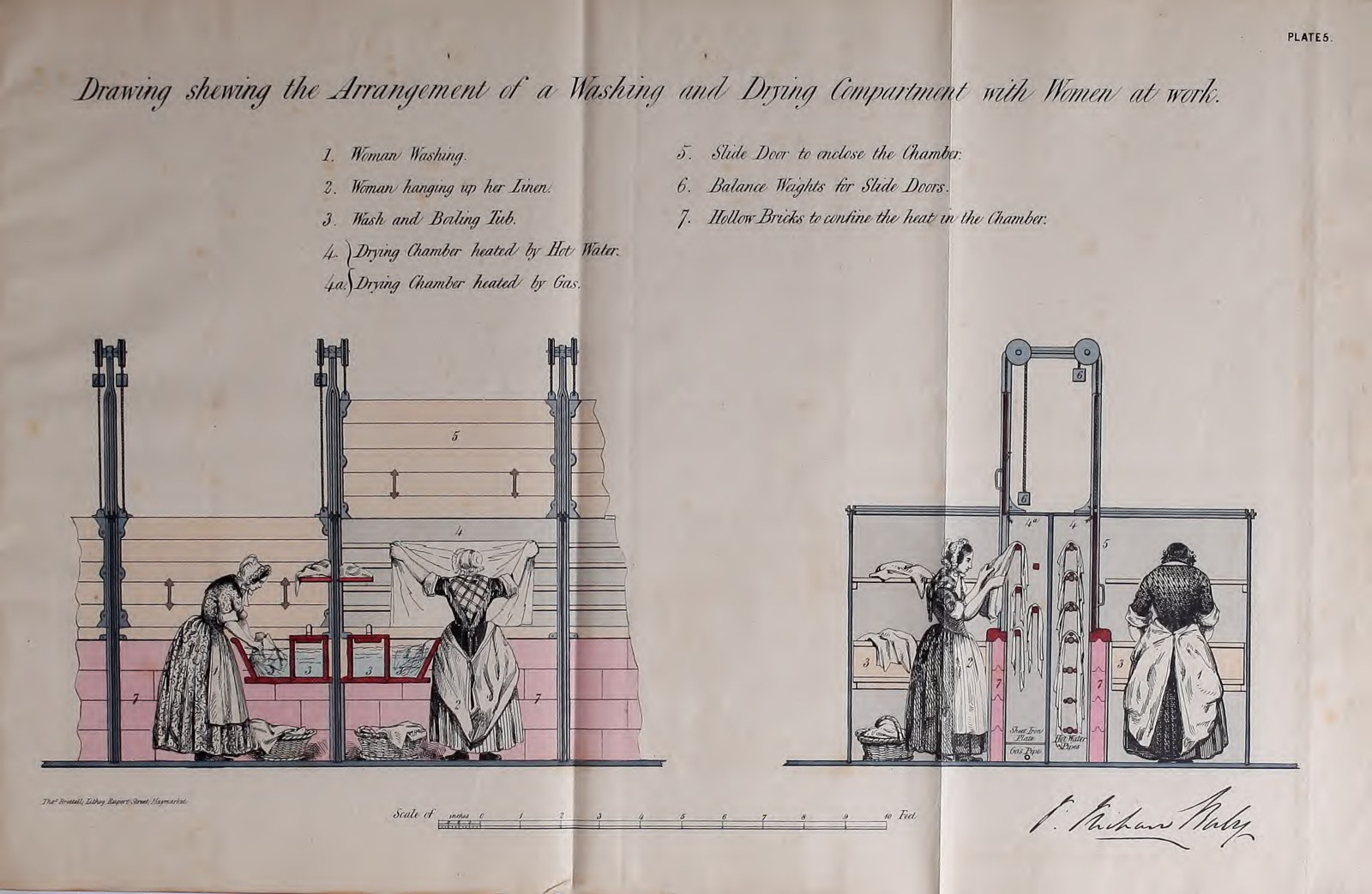
Public washhouses brought heat, water and machinery within reach of crowded households. Their rules and records reveal both the relief they offered and the women’s work they did not remove.
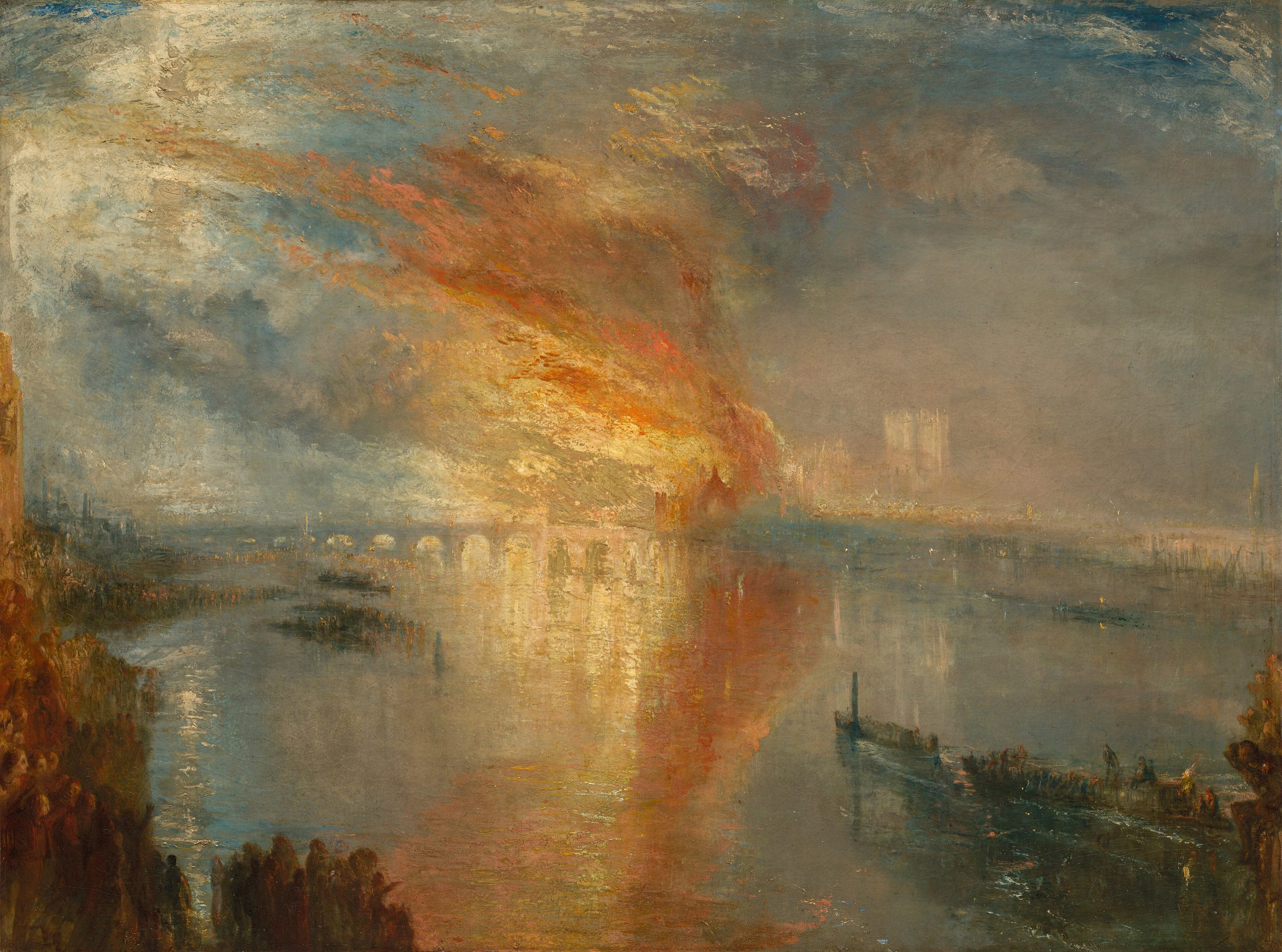
For centuries, a split piece of wood could help prove a payment to the English Crown. The disaster that made tally sticks famous began after their accounting work was over.
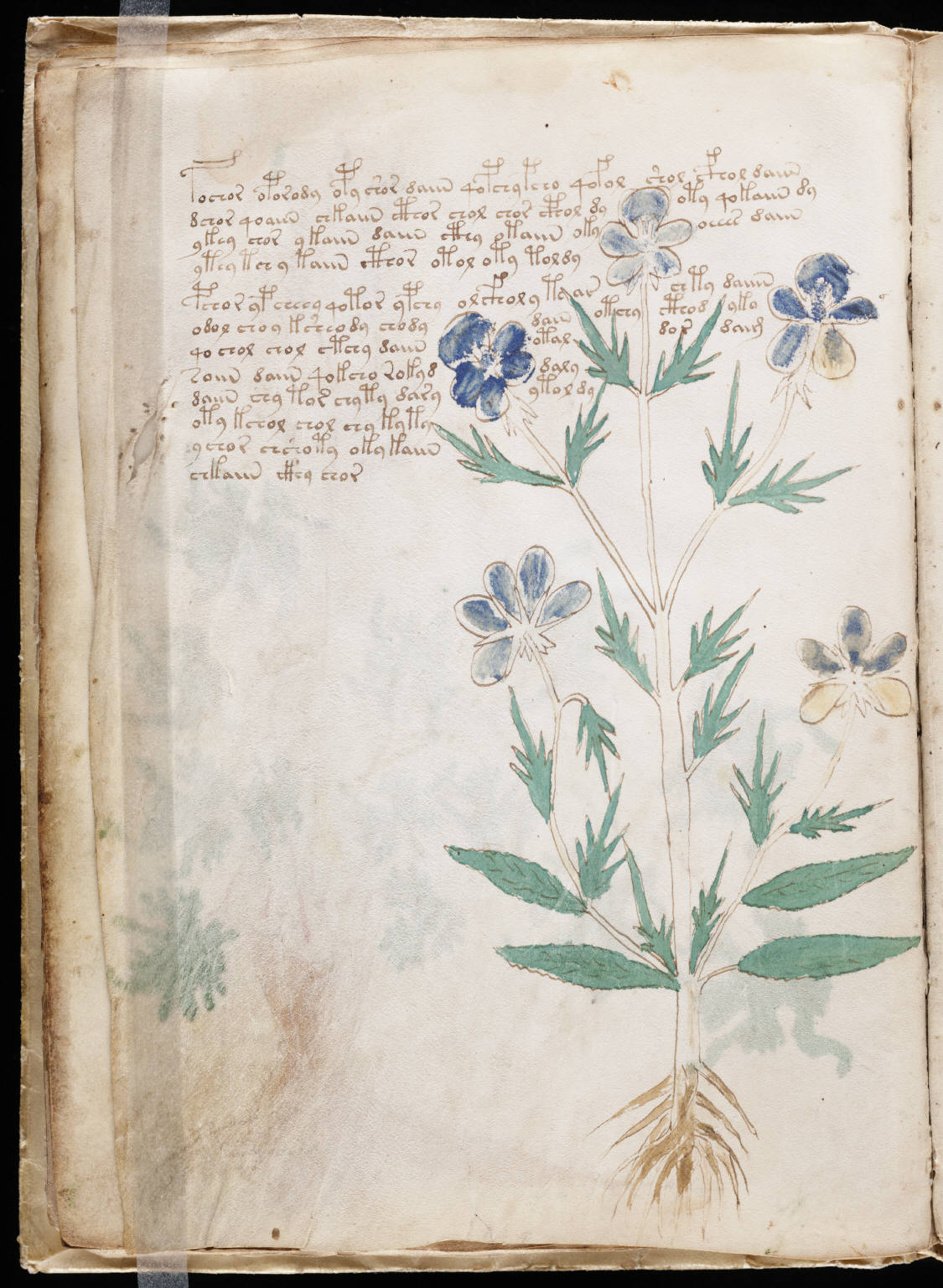
Radiocarbon dates, scribal hands and the physical structure of the Voynich manuscript establish a history even where its writing resists interpretation. New hypotheses must be tested against that evidence, not mistaken for a decipherment.
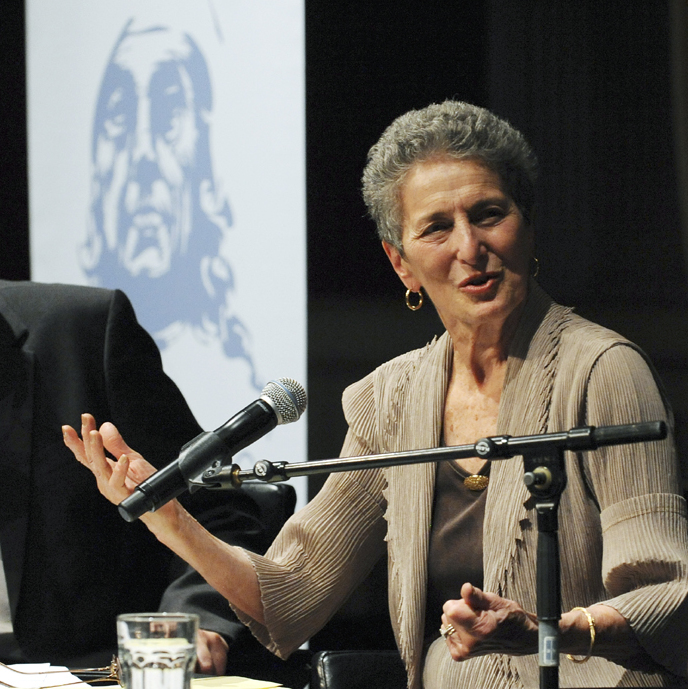
Natalie Zemon Davis turned a sixteenth-century imposture into an argument about marriage, memory and the limits of historical knowledge. The most difficult question concerns the woman whose thoughts the records cannot settle.
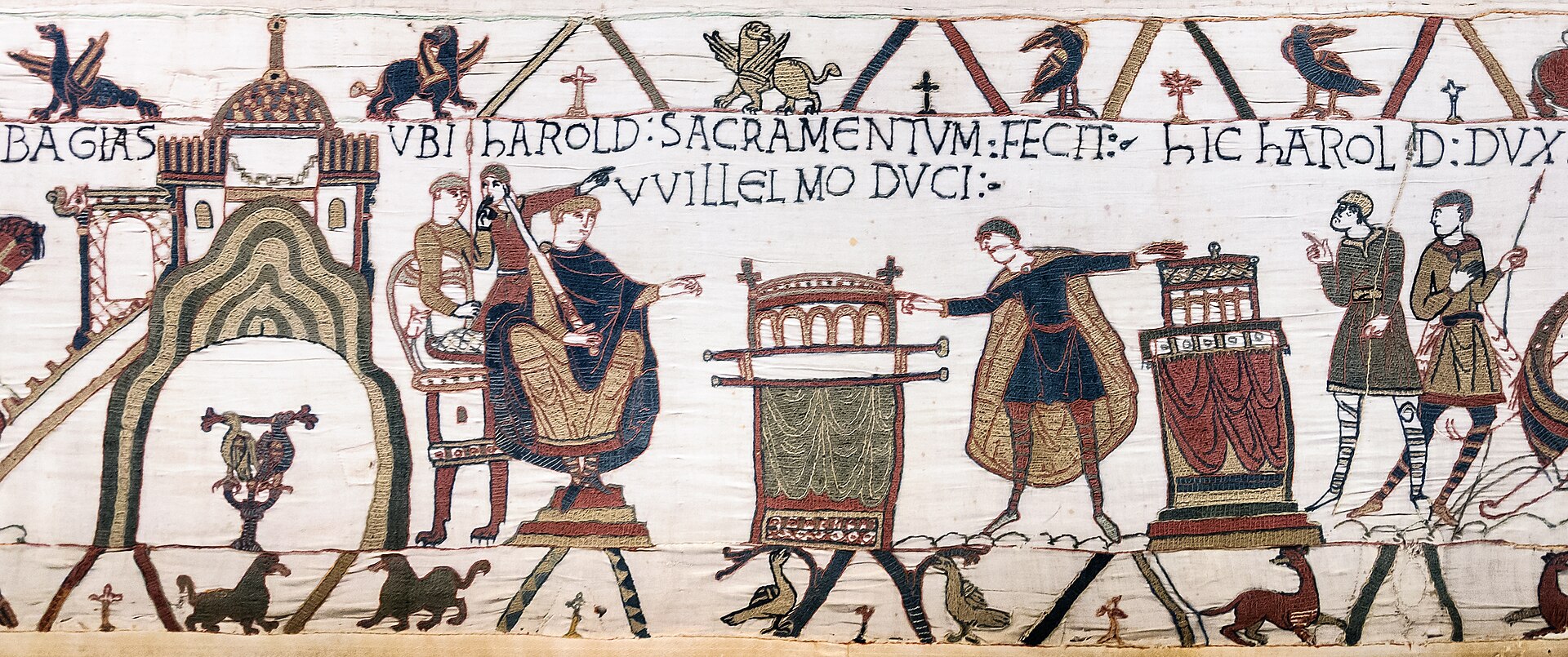
Oaths and coronations shape its political story. Carpenters, meals, a burning house, and bodies in the borders reveal what a conquest required and whom it harmed.