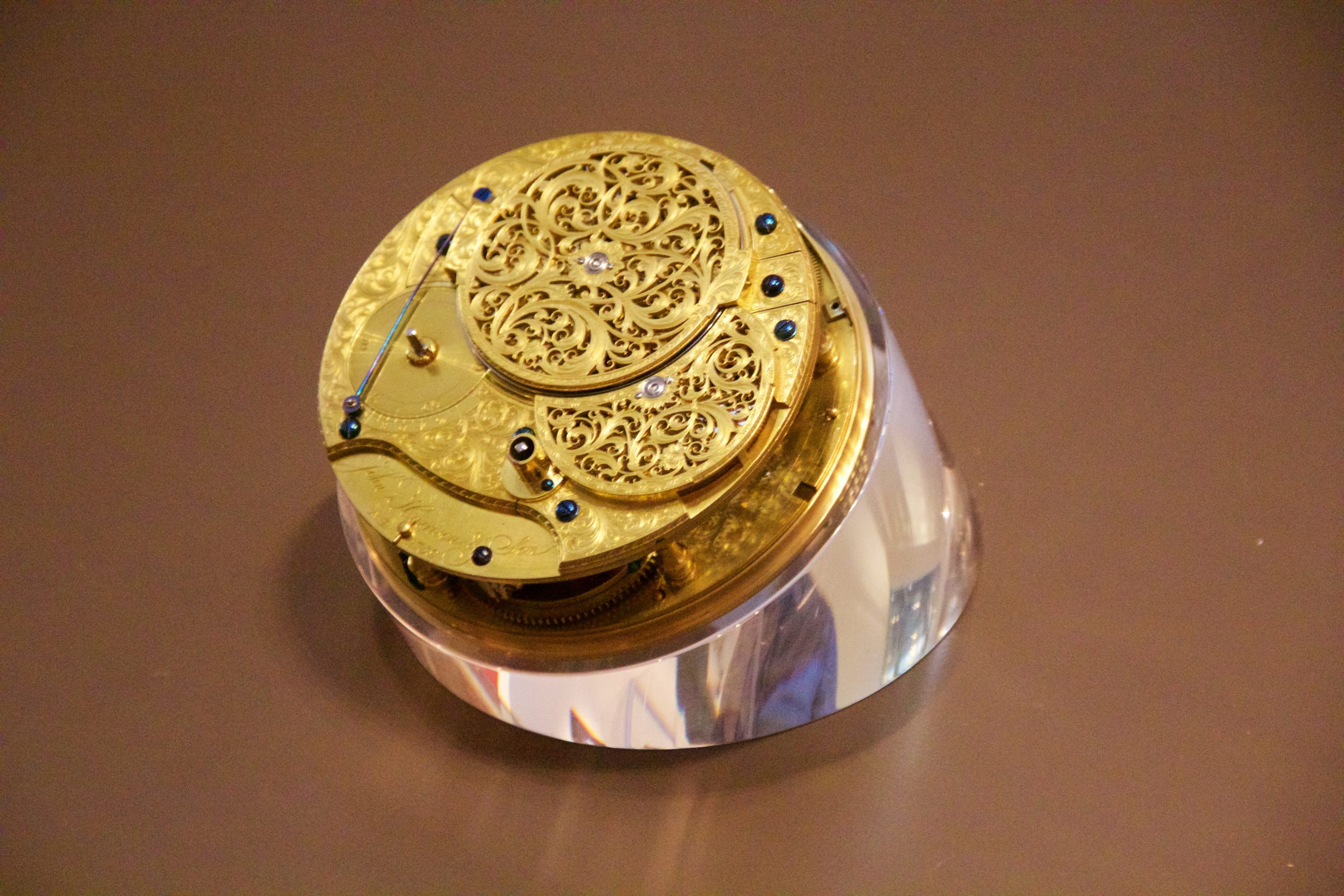
John Harrison’s Long Passage to Longitude
Harrison’s sea watch crossed an ocean, but its journey to acceptance took much longer. Clocks, lunar tables, public money, and repeated trials together changed navigation.
Histories centered on European societies and their connections.
Harrison’s sea watch crossed an ocean, but its journey to acceptance took much longer. Clocks, lunar tables, public money, and repeated trials together changed navigation.
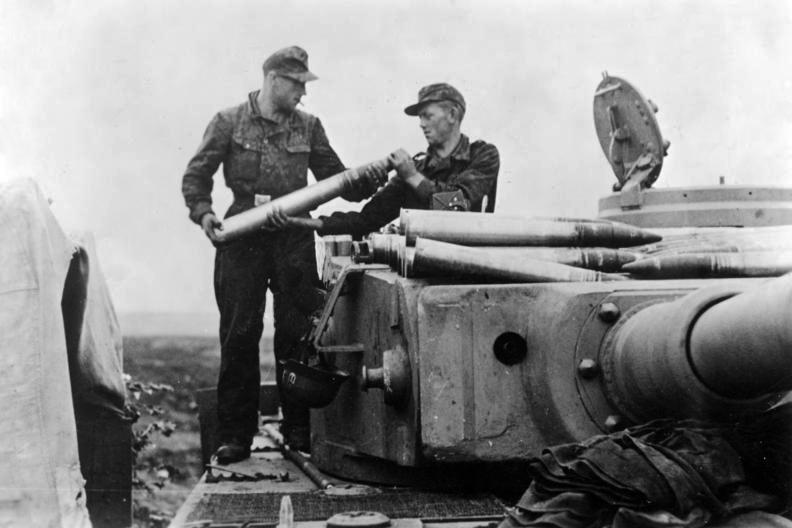
From the minefields around Kursk to the return to Kharkov, the summer campaign of 1943 was decided by far more than the tanks at Prokhorovka.
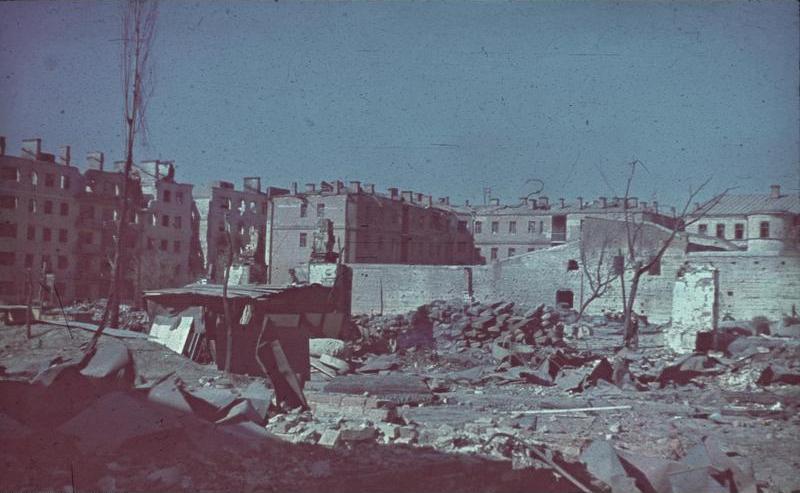
How a German advance to the Volga became a battle through ruined factories, a Soviet encirclement and the destruction of the Sixth Army.
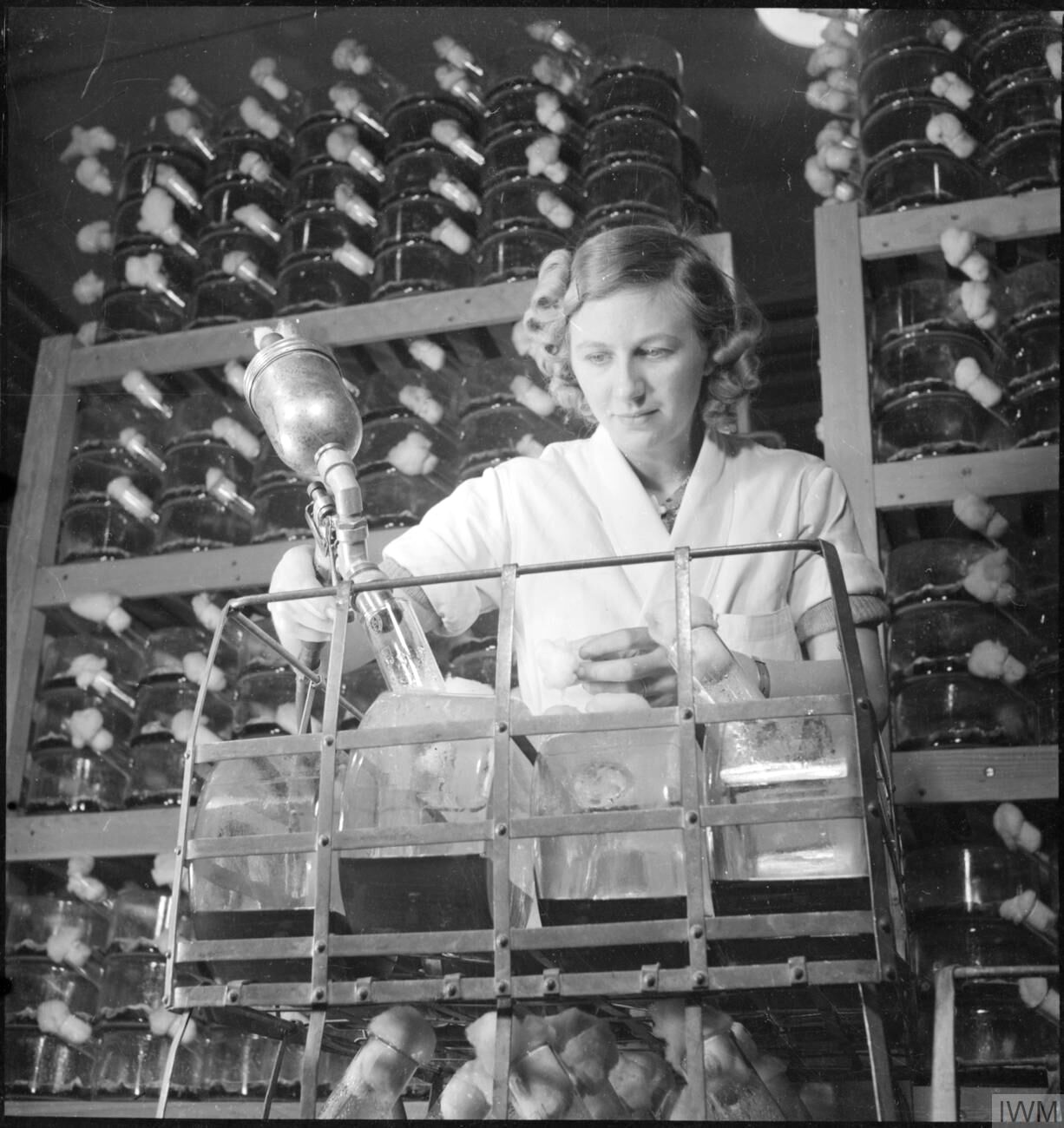
Penicillin became a dependable medicine through cultivation, extraction, testing and industrial coordination. Discovery was only the beginning.
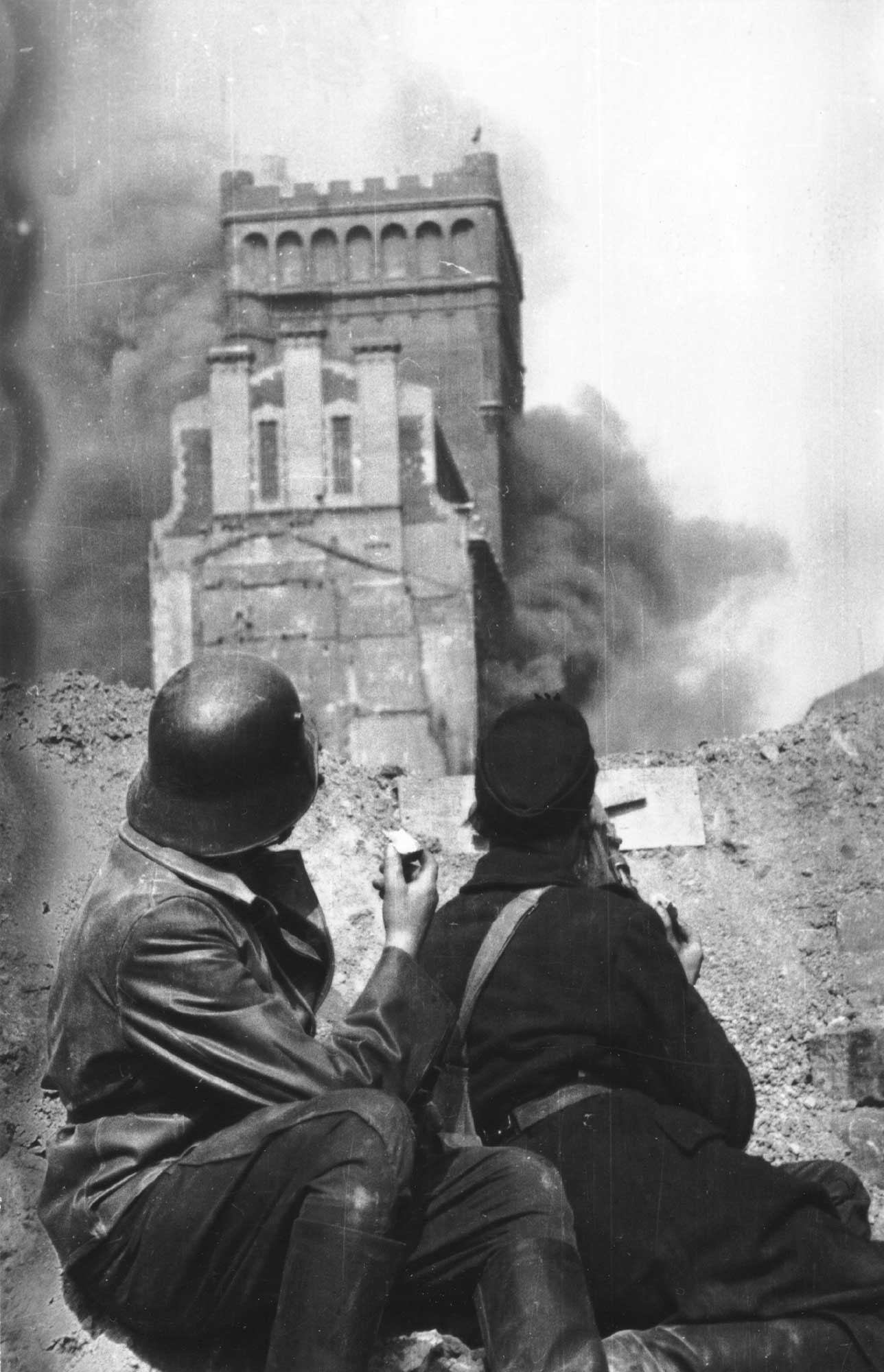
Flights from Italy and Britain carried help to Warsaw, but political refusals, German fire and shrinking drop zones kept that help from becoming a lifeline.
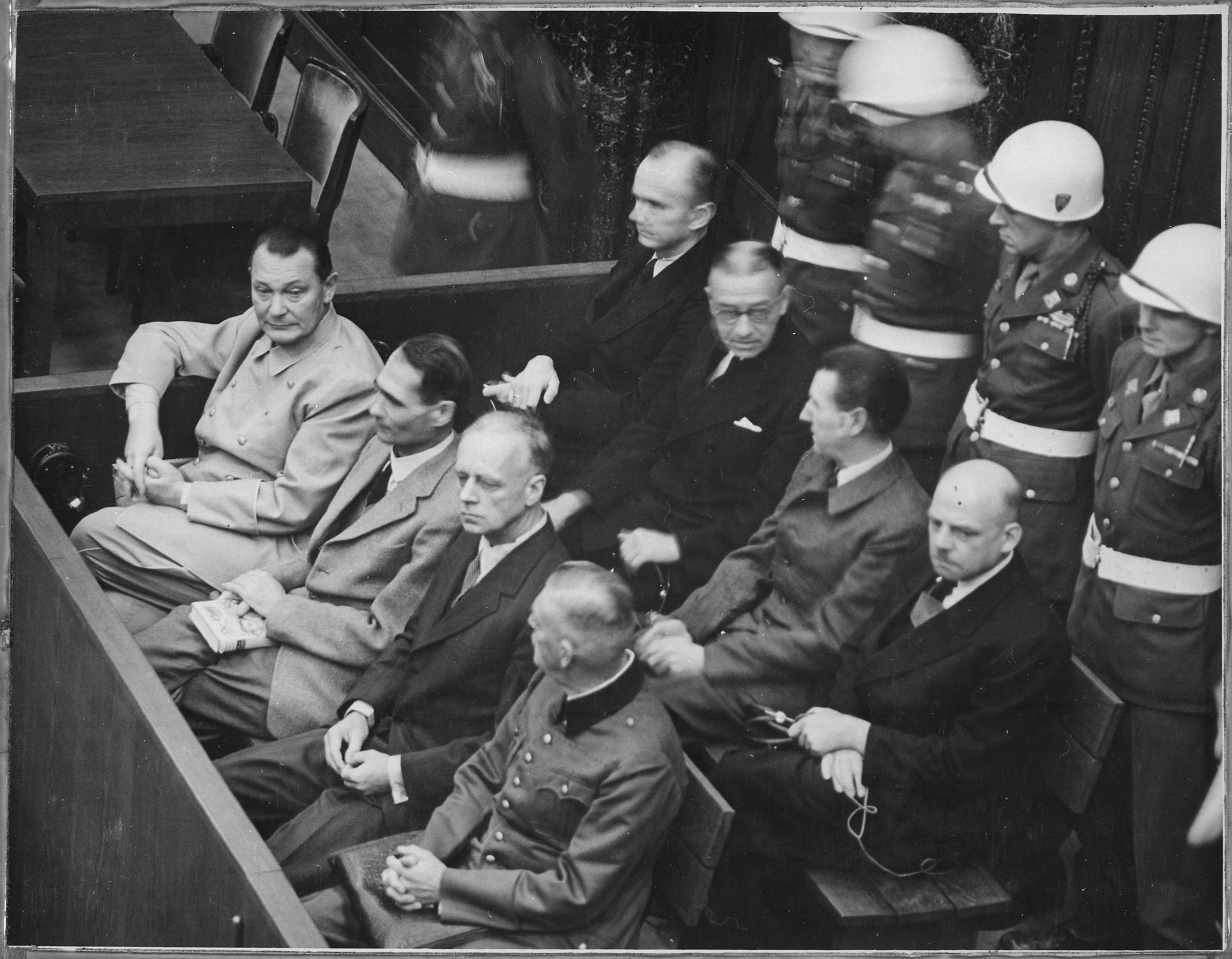
Nuremberg made leaders answer for aggressive war. Its convictions, acquittals and jurisdictional limits show how the tribunal connected state power with individual responsibility.
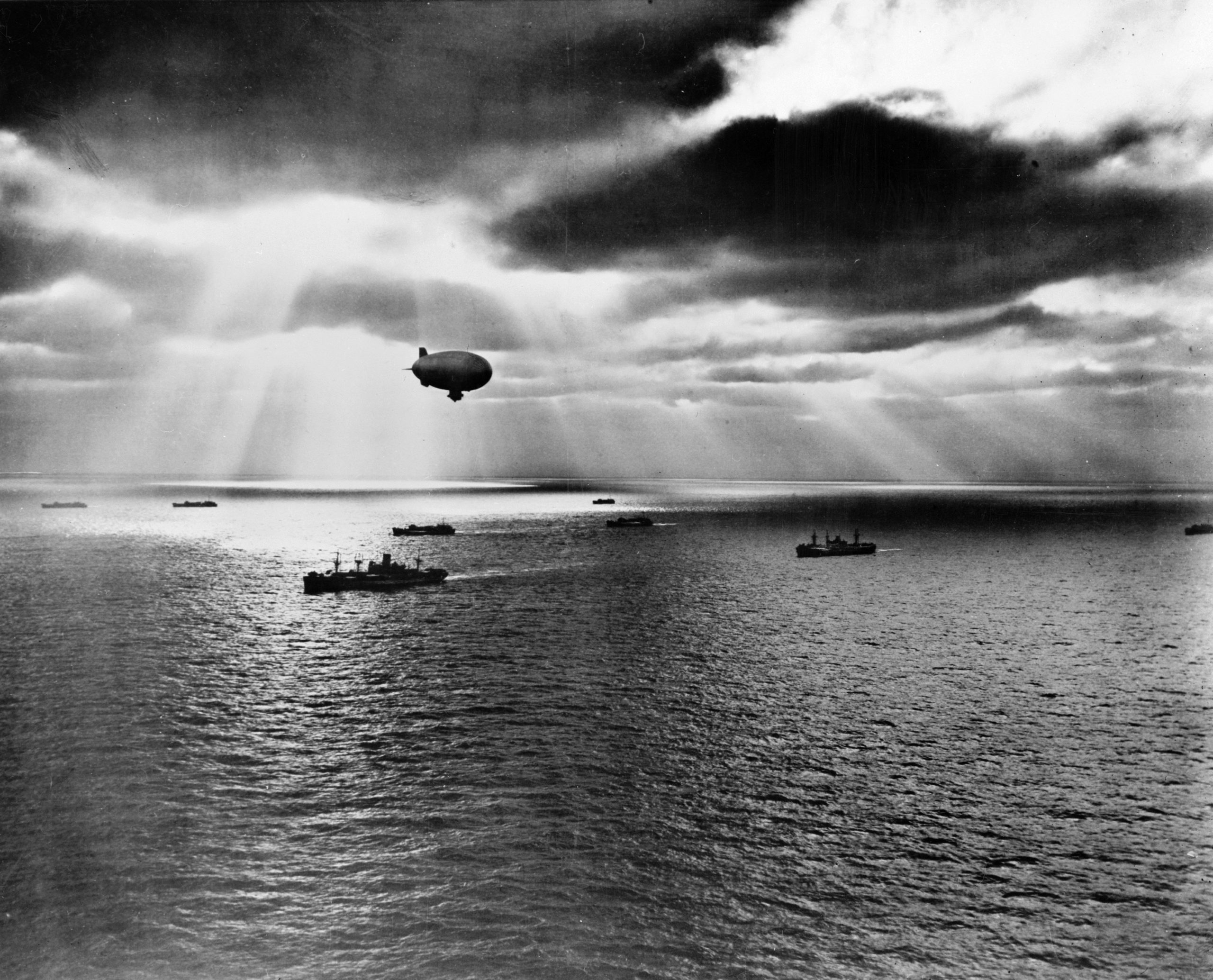
In May 1943, aircraft, escorts, intelligence and trained crews made the North Atlantic offensive too costly for German submarines. The turning point was decisive, but the war at sea continued.
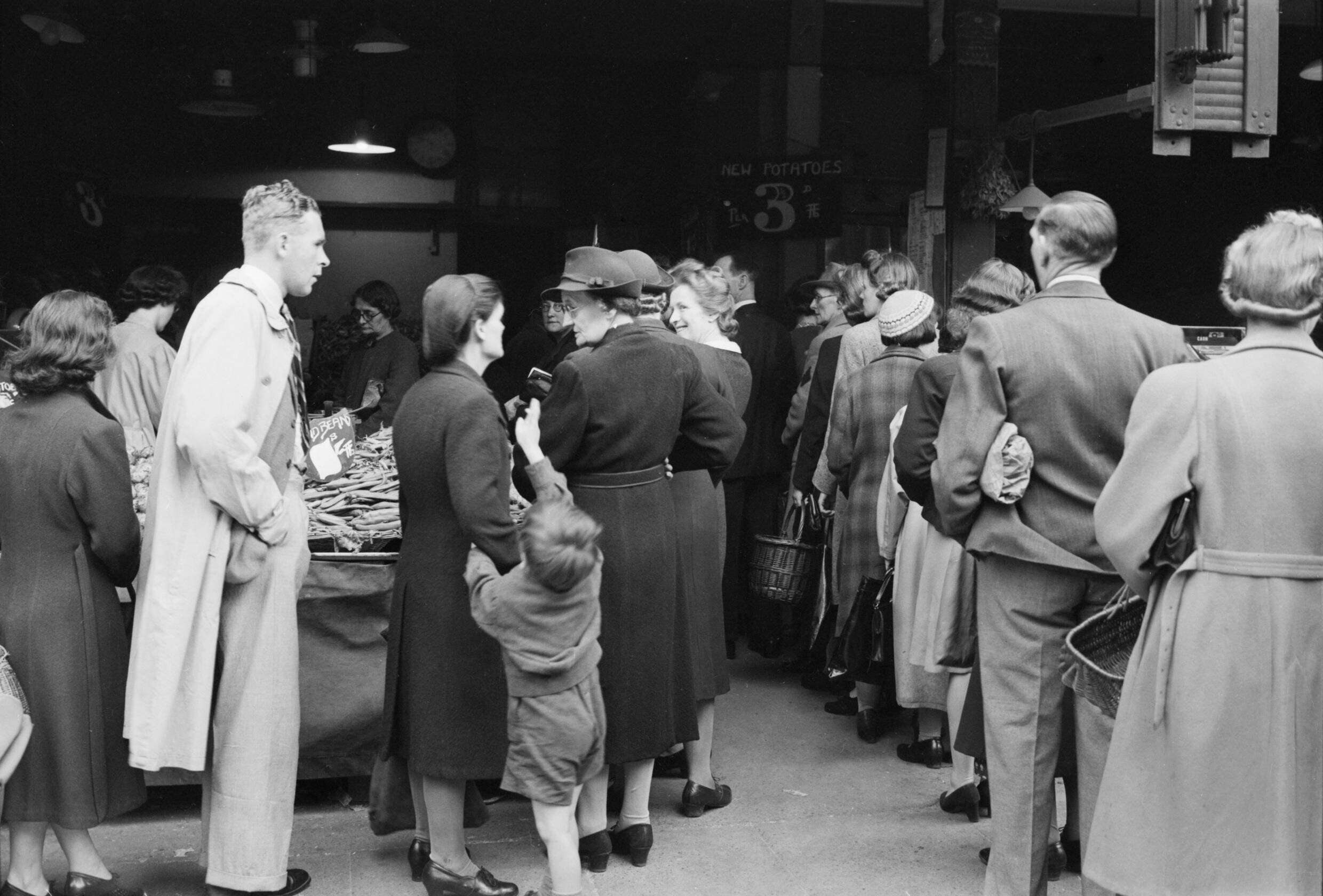
Britain put bread on coupons in July 1946, after leaving it unrationed during the war. Global grain shortages, thin stocks, diplomacy and household burdens shaped a fiercely disputed policy.