
The Edict of Nantes Protected Difference Within Limits
Conscience, congregations, courts, and fortified towns received different protections. Reading the clauses explains how French religious coexistence worked, and how it could be undone.

Histories centered on European societies and their connections.
Conscience, congregations, courts, and fortified towns received different protections. Reading the clauses explains how French religious coexistence worked, and how it could be undone.
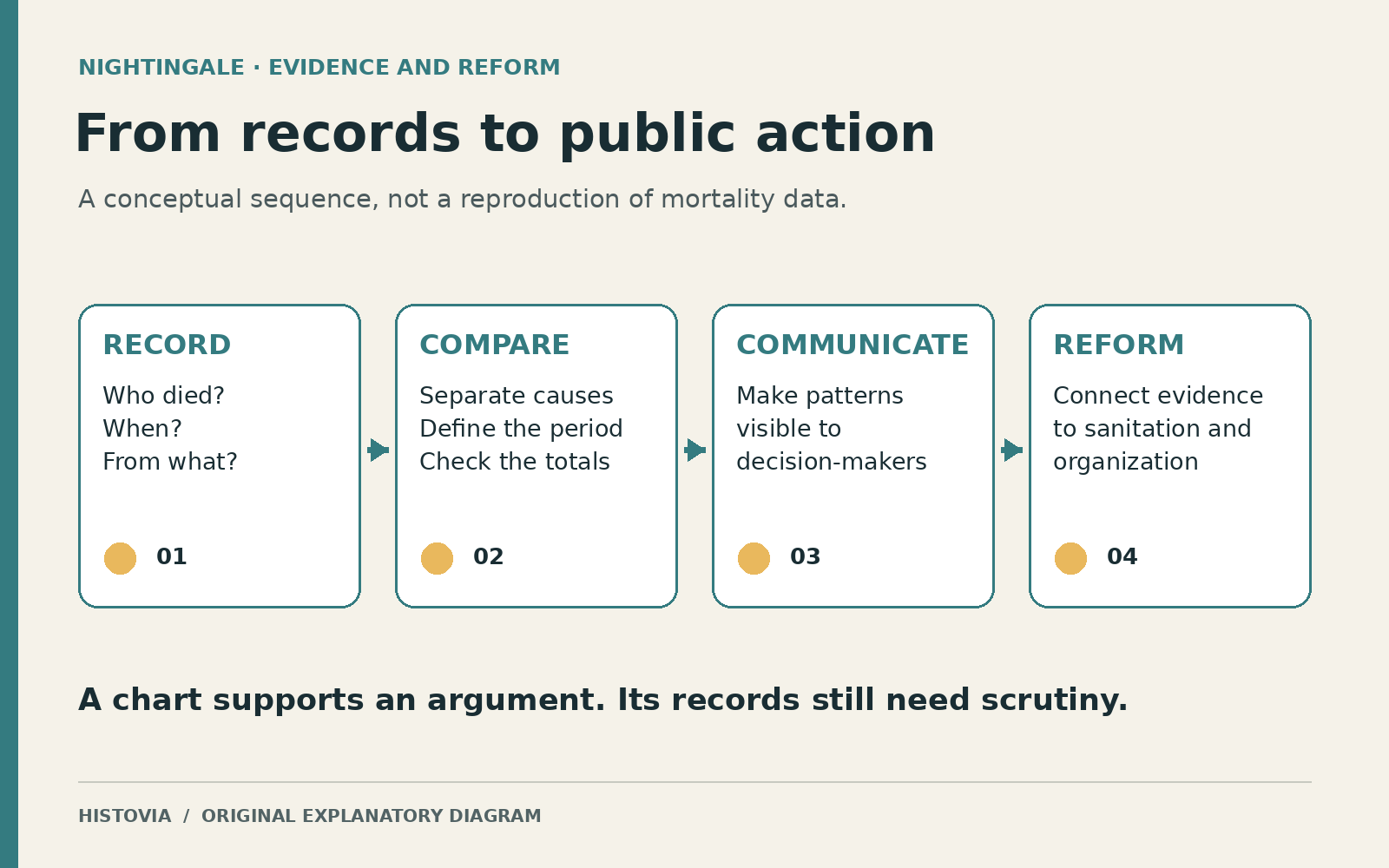
Florence Nightingale’s charts made military deaths visible. Her deeper achievement lay in observation, careful comparisons, and a campaign to make institutions answer for preventable harm.
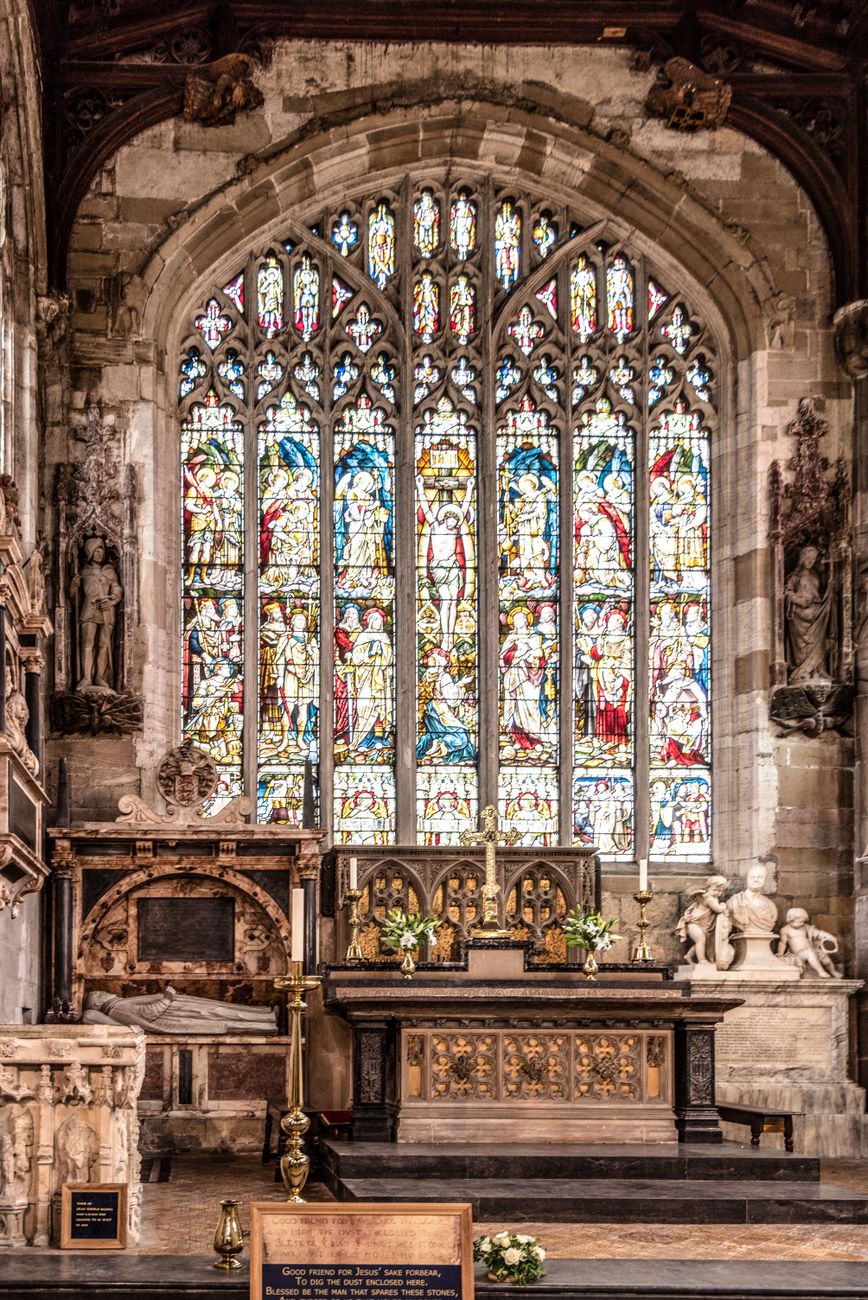
A source-based critical guide to Chloé Zhao’s Hamnet, separating Shakespeare-family records from the film’s imaginative account of grief and art.
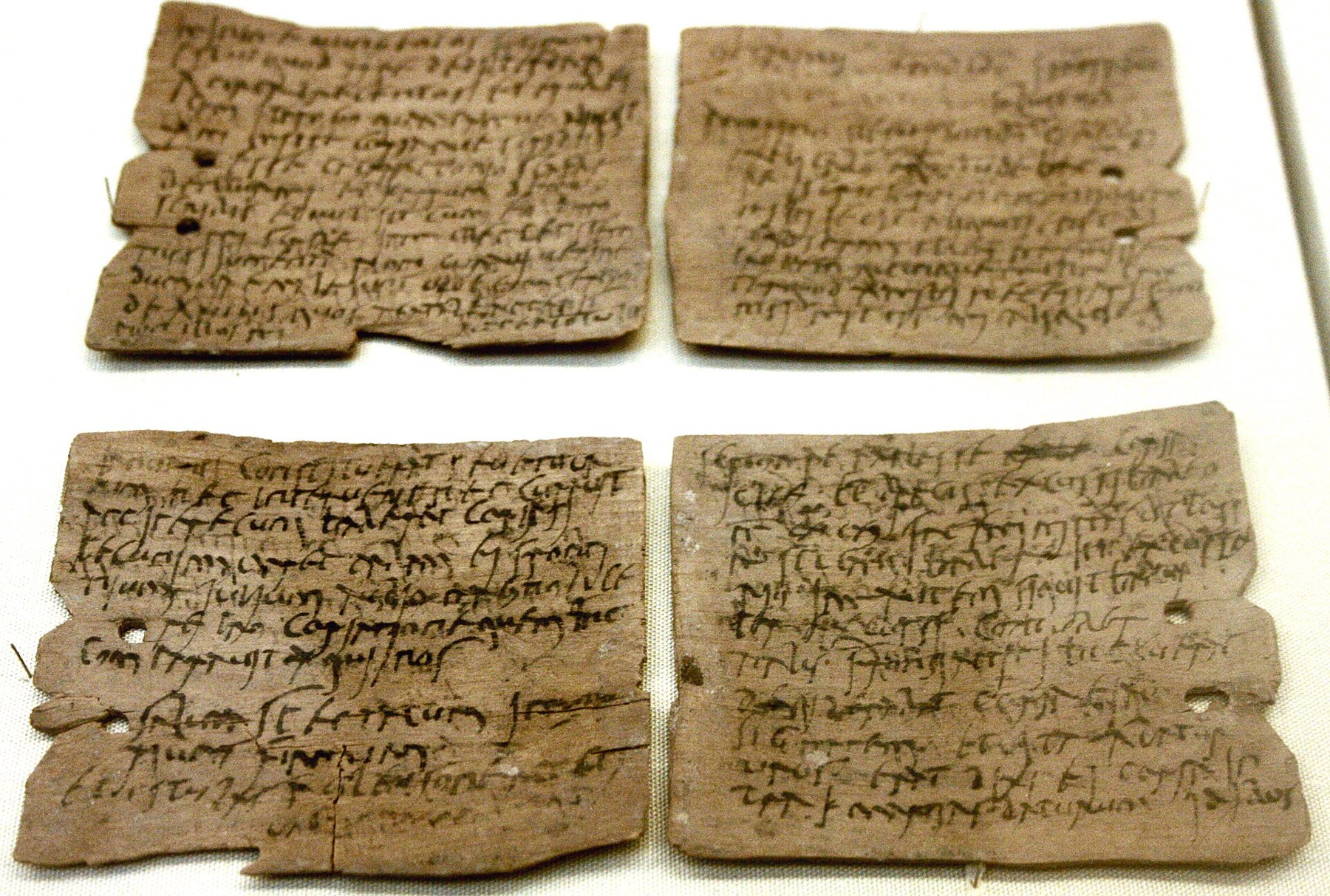
Look beyond the famous Wall to the granaries, drains, gateways and changing households that kept a Roman frontier working.
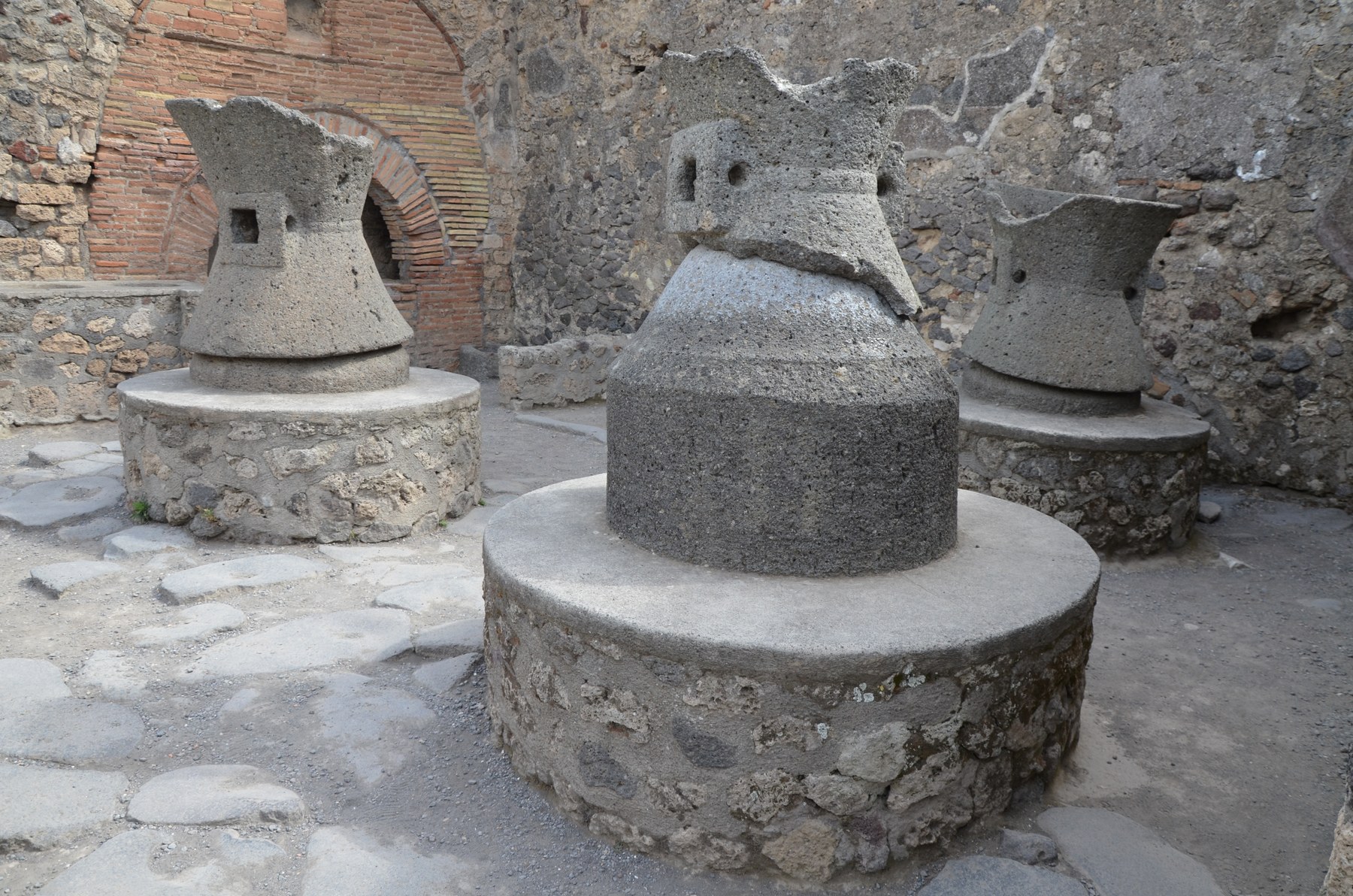
A forum, an elite house, a bakery and an arena reveal different kinds of Roman power. A historical guide to reading Pompeii and planning a thoughtful visit.
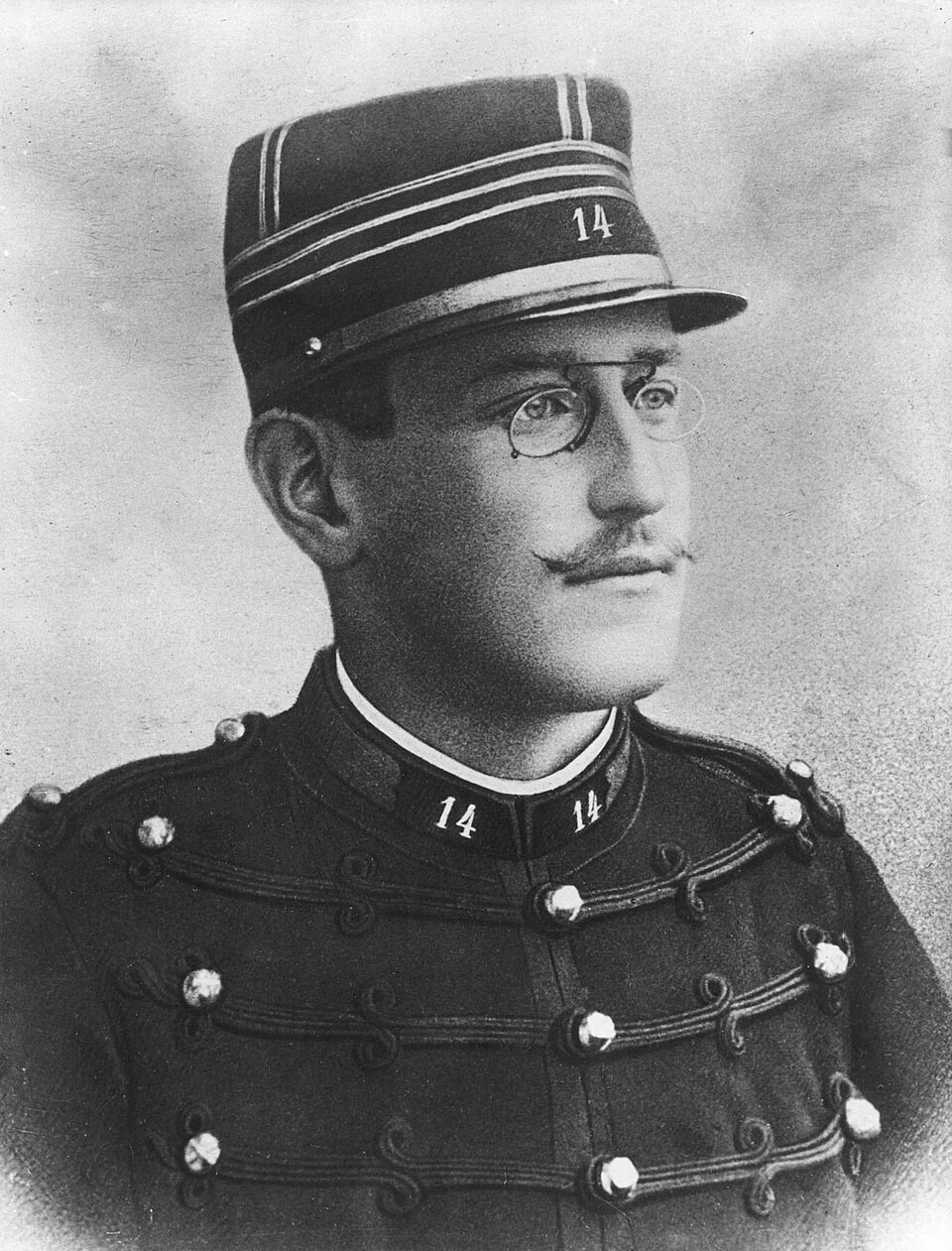
Alfred Dreyfus was convicted twice before a civilian court cleared him in 1906. His family, Picquart, Zola, lawyers, and judges exposed the evidence behind a twelve-year injustice.
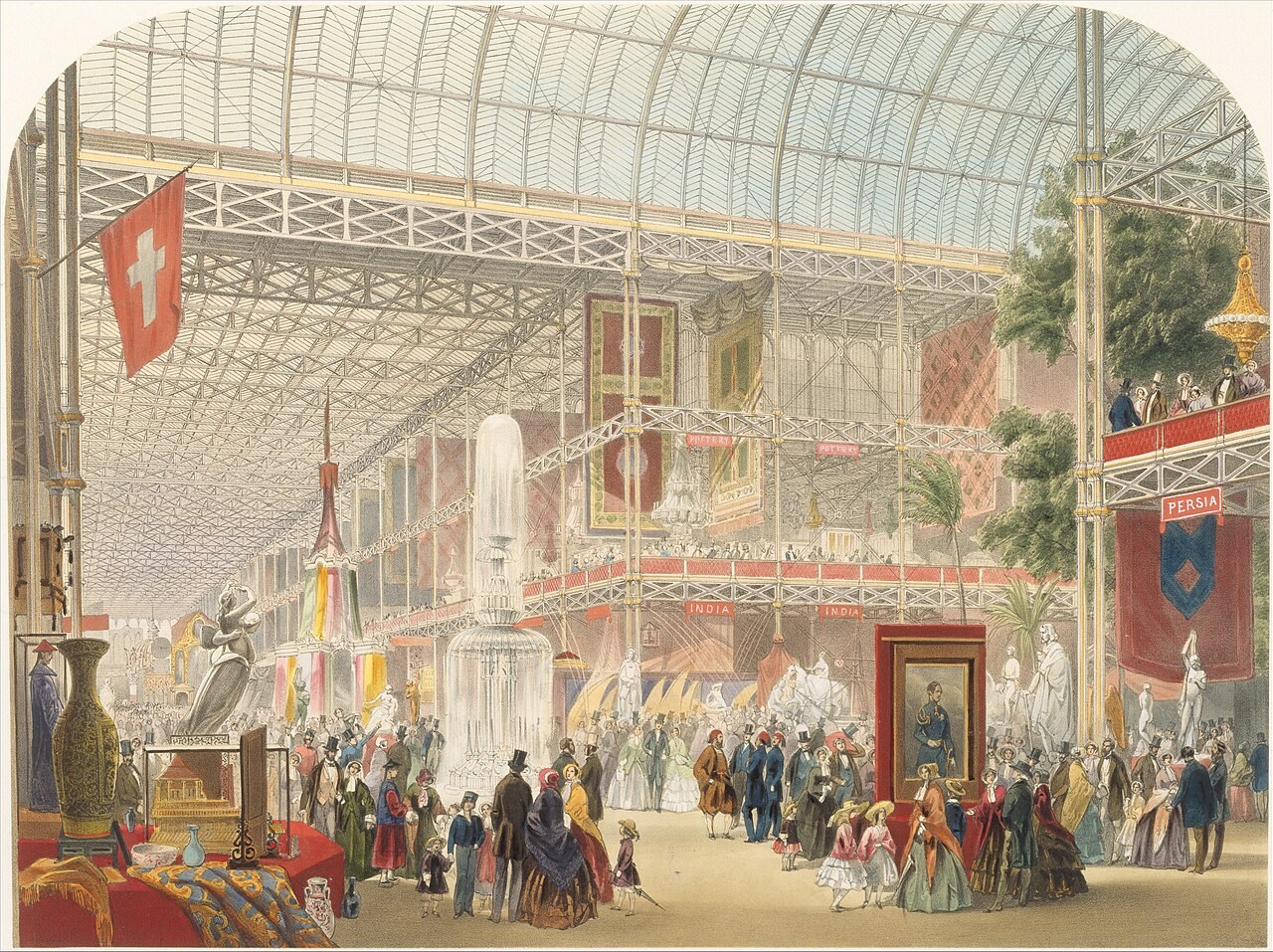
Inside the Great Exhibition of 1851, prefabricated glass met Gothic furniture, Indian craftsmanship, and imperial display. Its workers and visitors made a temporary fair into a lasting institution.
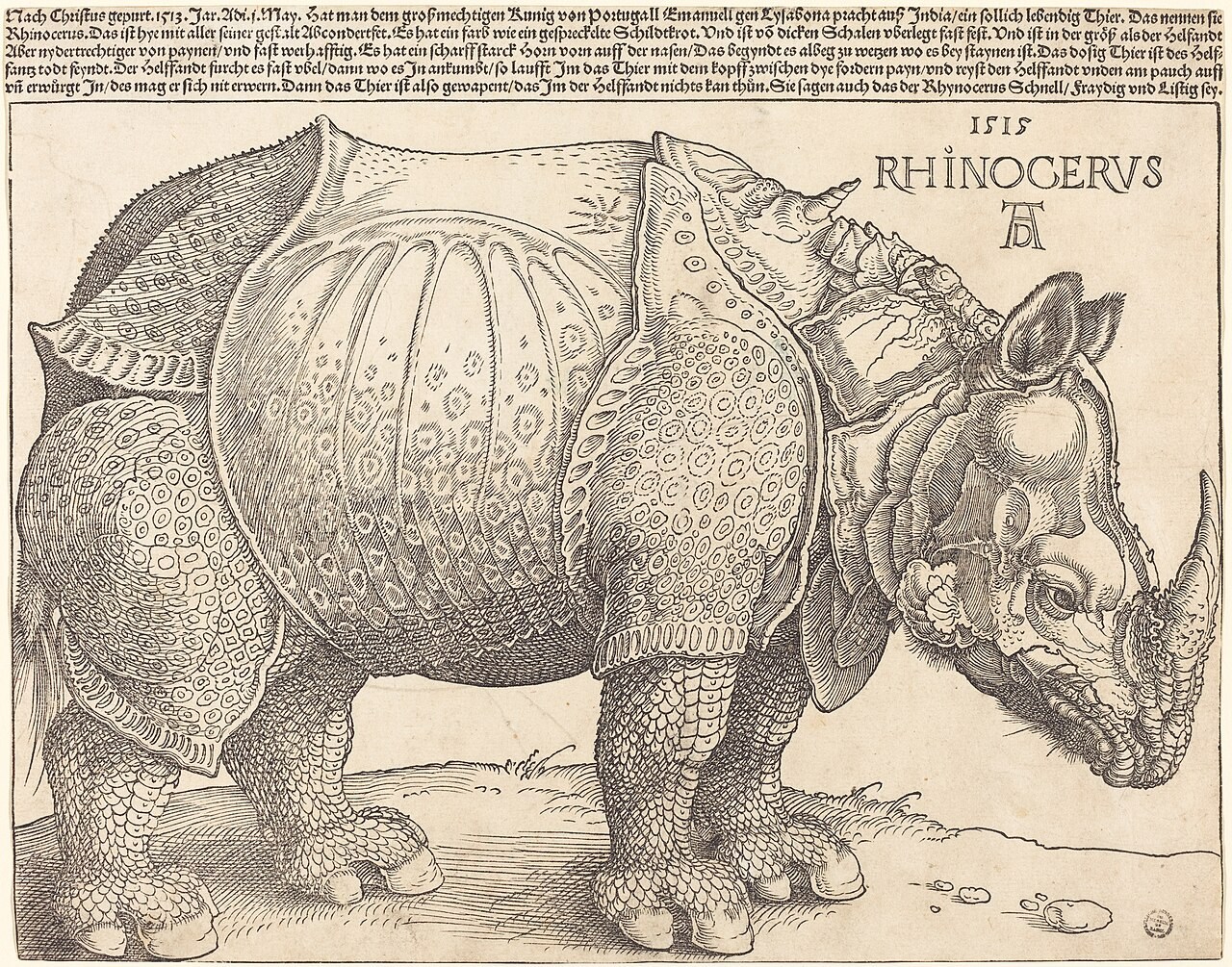
Dürer never saw the rhinoceros behind his famous 1515 woodcut. Follow the reports, competing images and later editions that made its errors so persuasive.
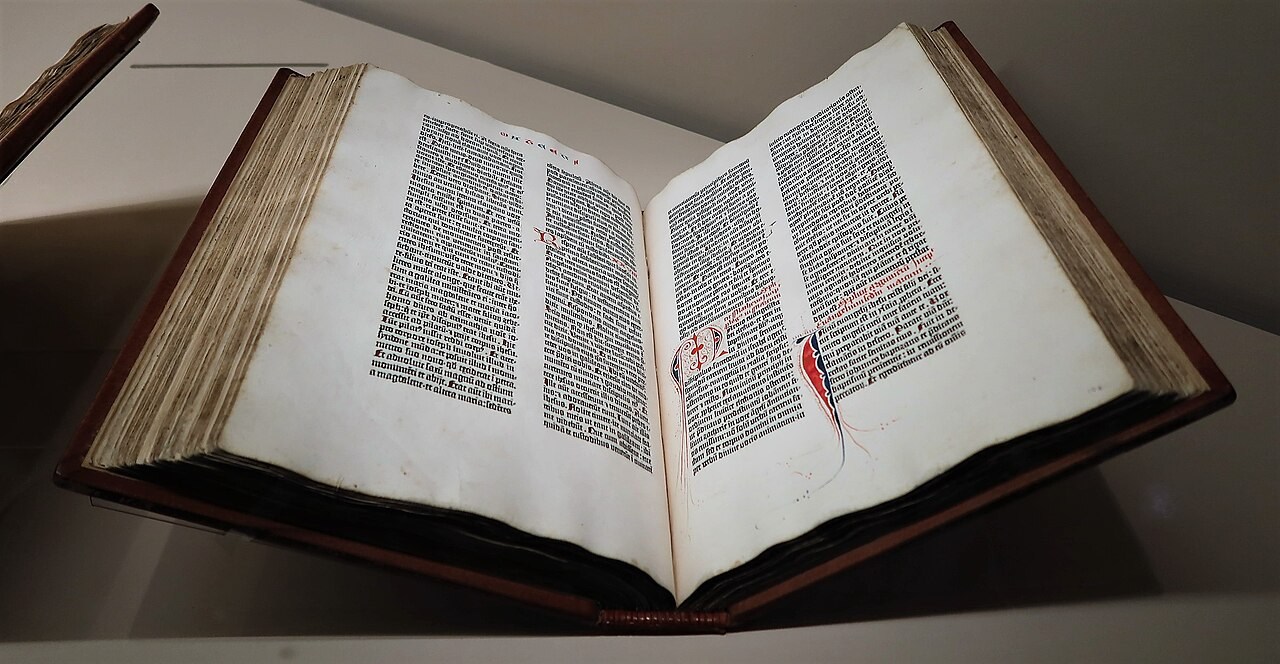
Metal type was only one part of the achievement at Mainz. Money, skilled labor, hand decoration and changing partnerships shaped the books that survive.
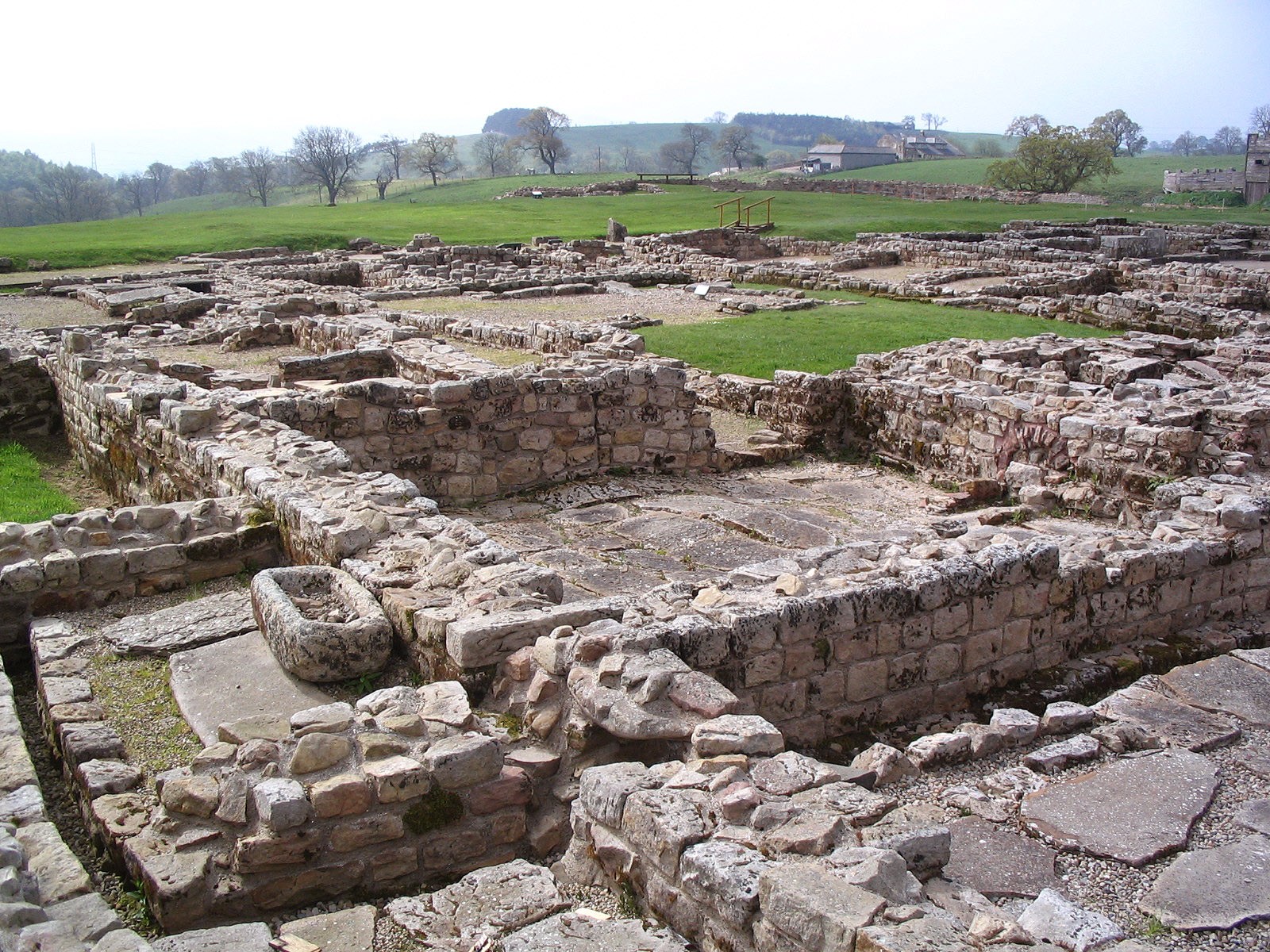
Thin wooden tablets preserve invitations, supply deals and troop counts. Read together, they reveal the everyday arrangements that kept a Roman frontier working.