The Trojan Horse: A Famous Story and the Evidence Beneath Troy
Troy was a real city, and the wooden horse is a very old story. Follow the poems, pictures and excavations, and the links between the two become more interesting than a simple answer of true or false.
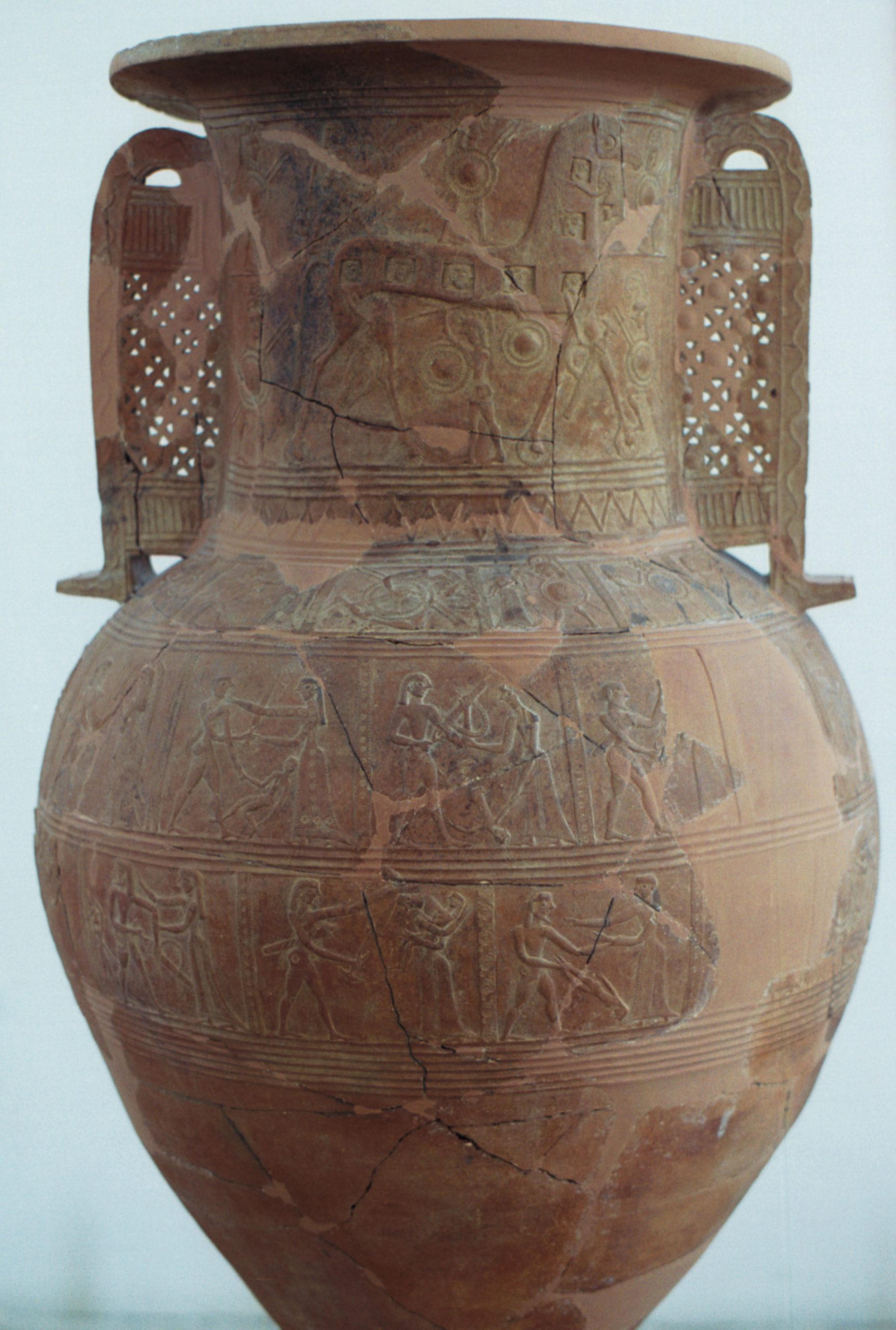
Look closely at the horse on a large clay jar from Mykonos and you will notice something odd: it has windows. Human heads appear inside its body. The artist has found a clever way to let us see the secret that makes the story work.
The jar, usually dated around 675–650 BCE, is among the earliest surviving depictions of the Trojan Horse. By then, people were already picturing warriors hidden inside a horse. Whether soldiers had actually entered a Bronze Age city that way is another question, and the jar cannot settle it. Following that distinction leads to a richer story than a simple verdict of true or false.
Troy itself was real. The archaeological site at Hisarlık in northwestern Türkiye preserves successive settlements, imposing fortifications and evidence of destruction and rebuilding. There is plenty to explore, both in the poems and under the ground. The trick is to keep track of what each can tell us.
The horse is not the ending of the Iliad
Pick up a modern retelling of the Trojan War and you may find the judgment of Paris, Helen’s departure, Achilles’ anger and the wooden horse joined into one continuous “story of the Iliad.” Open the poem itself, though, and the focus is much tighter. It follows a crisis within the war and closes with Hector’s funeral. Troy is still standing. Readers who expect the horse to arrive in its final chapter will not find it there.
There is still good reason to associate the horse with Homer. The Odyssey refers to it several times, presenting it as an event already known to the characters and their audience. Other Greek poems about Troy, now largely lost and known through fragments and summaries, also treated the city’s fall. The surviving Iliad was one part of a much larger world of stories.
The story reached people through more than one poem, and through pictures as well as words. Following those routes helps us see how the horse became so familiar. We can trace much of that journey even where the event behind the story remains out of reach.
How Homer tells it
In Book IV of the Odyssey, Menelaus recalls the warriors inside the horse. Helen circles it and imitates the voices of their wives, threatening to draw an answer from concealment. Odysseus prevents a response. Odysseus knows when to keep quiet. That kind of self-control matters throughout a poem full of disguises, mistaken identities and obstacles on the way home.
Menelaus is a character remembering events within a poem, rather than a veteran whose interview has survived. The scene tells us what makes Odysseus distinctive: when others might give themselves away, he keeps them in check. It also makes Helen harder to fit into a simple account of the war. She has a part to play beyond being the person the Greeks have come to recover.
In Book VIII, Odysseus asks the singer Demodocus to perform the horse episode. Epeius is credited with building it with Athena’s help, while Odysseus brings the concealed men into Troy through stratagem. The Trojans debate what to do with the object. They might break it open, throw it from a height, or preserve it as an offering. Their eventual decision makes the sack possible.
So the Trojans do suspect danger. They discuss several sensible options, and the audience can see the chance they are about to miss. That is part of the tension: an object that might be a sacred offering might also be a trap, and the choice matters enormously.
Odysseus weeps as the singer describes the sack. The poem compares his tears with those of a woman whose husband has died defending his city and who is being led into slavery. The poem moves from a successful ambush to the suffering a conquest brings. There is already much more here than a tale of outsmarting the enemy.
These passages also show that the story was well established long before its most influential Roman retelling. We can ask how a wooden horse might have been built, but the poems invite other questions too: who keeps their nerve, who makes the wrong choice, and who pays for it?
Virgil makes the disaster a survivor’s story
The fullest familiar telling appears in Book II of Virgil’s Aeneid, composed in the first century BCE. Aeneas recounts Troy’s destruction to Dido. The Greeks have apparently departed, leaving a huge wooden horse behind, while their ships actually wait near Tenedos. The Trojans must decide what to make of it while warnings, persuasive stories and apparent messages from the gods pull them in different directions.
Laocoön urges suspicion and strikes the horse with a spear. Sinon, a Greek left behind, offers an elaborate explanation of his supposed abandonment and of the object’s religious purpose. His account encourages the Trojans to believe that bringing the horse into their city will turn the divine balance in their favour. Sinon gives the Trojans a reason to want the horse inside their walls. Getting them to believe his explanation is as important as keeping the soldiers hidden.
When serpents kill Laocoön and his sons, the Trojans interpret the event as punishment for his treatment of the horse. They prepare a way into the city and haul it inside. Later, Sinon releases the hidden men, who join the returning attackers and open the gates. Again and again, Virgil gives the Trojans a warning, then shows them reading it the wrong way.
Remember who is telling the story here. Aeneas has survived the loss of his home and is looking back on it. Virgil places that experience within a Roman epic about duty, displacement and a people’s origins. The gods are part of how the poem explains the disaster. Simply removing them would still leave us with a poem, rather than a military report.
Virgil had inherited a story already familiar from Greek poetry and images such as the Mykonos horse. He gave it a powerful new shape. With Aeneas as the narrator, the defeated city’s experience moves to the centre, and the successful trick becomes a story of terror and loss.
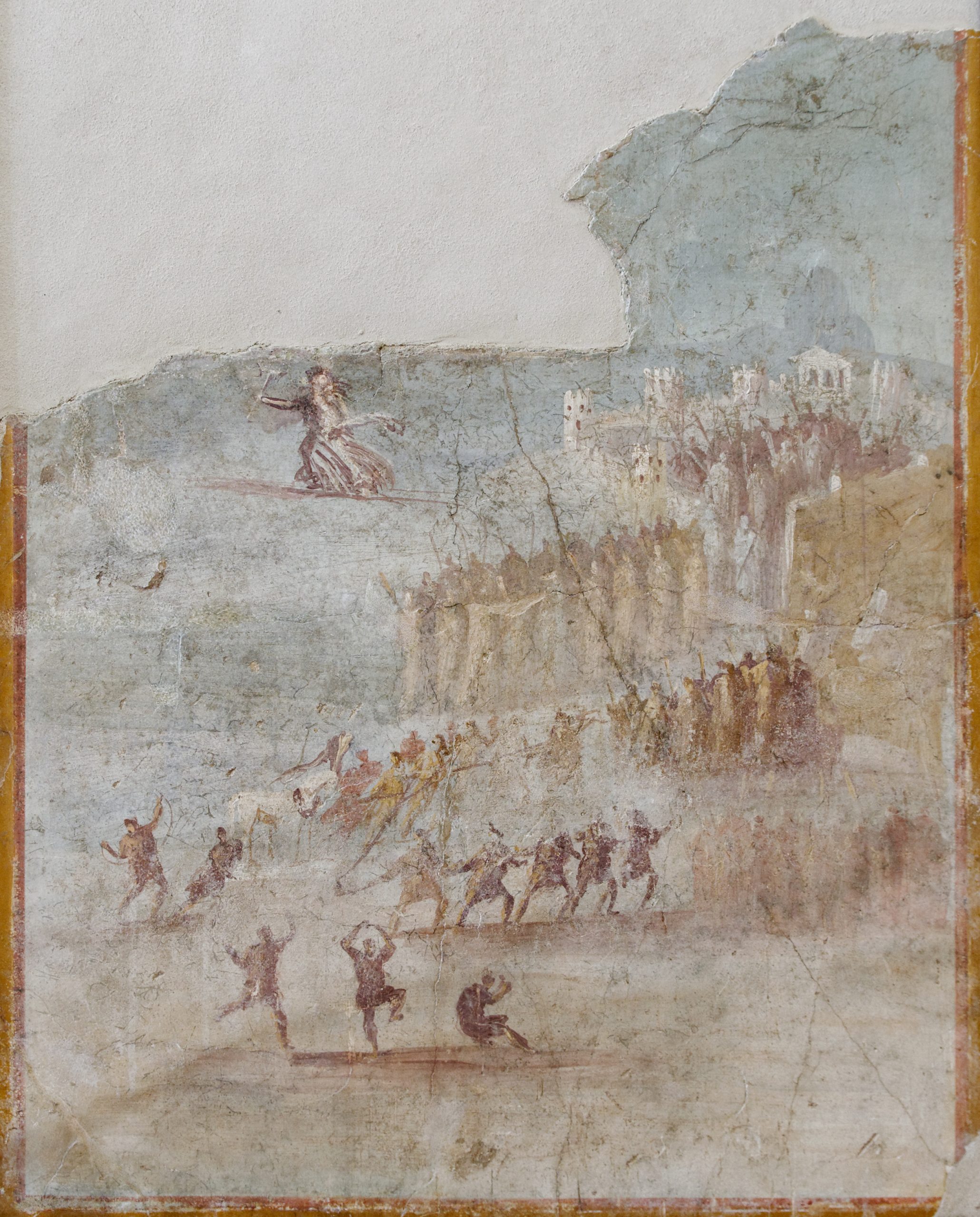
A Roman wall painting from Pompeii shows the horse being pulled towards Troy while Cassandra moves away. It lets us see how a Roman artist pictured the episode. “Ancient” covers a long span of time, though: this painting was made more than a millennium after the Late Bronze Age setting usually associated with the war.
What the mound at Hisarlık contains
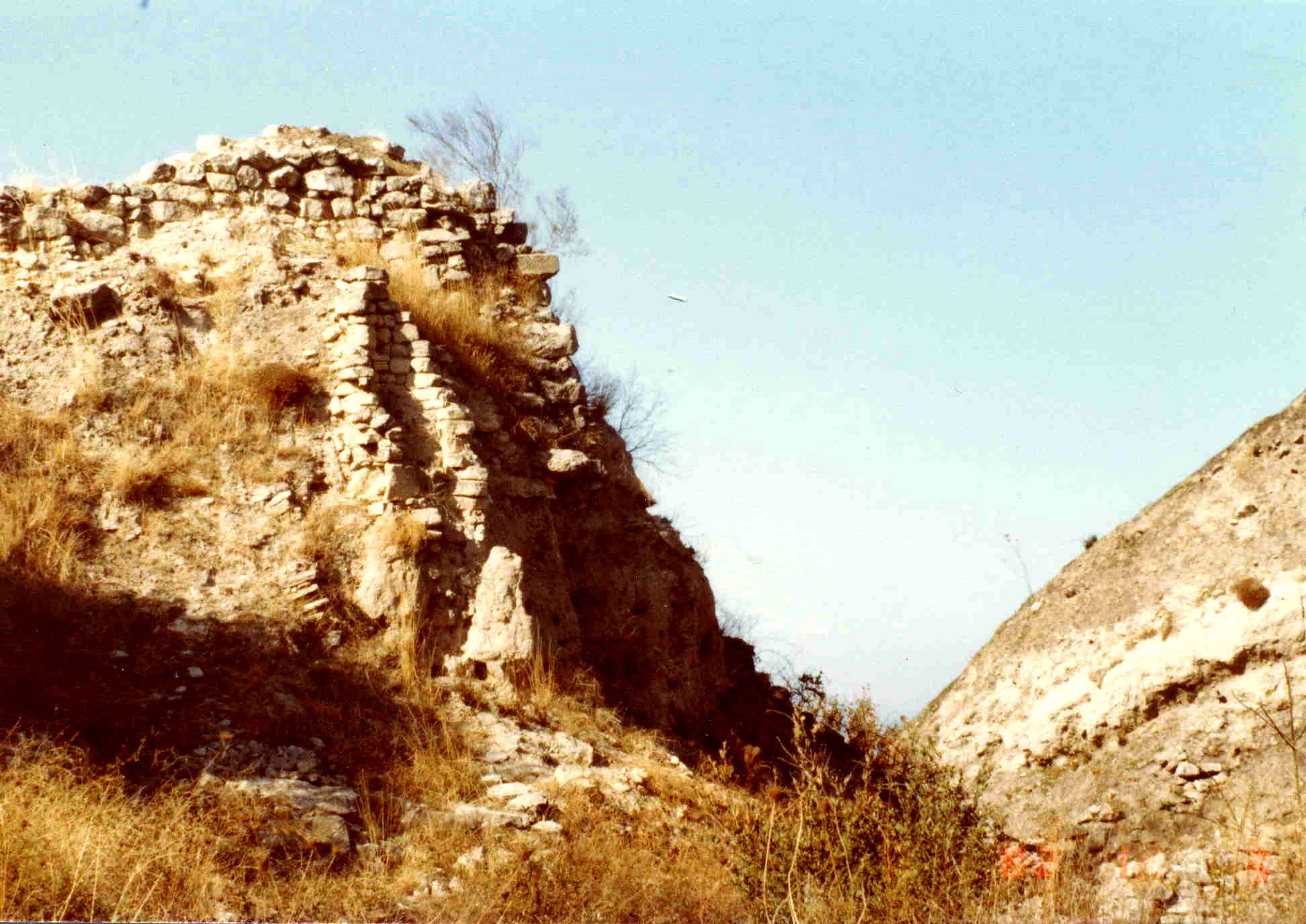
At Troy, the ruins sit in layers. People built houses and walls, repaired them, replaced them and built over what came before. To make sense of the site, archaeologists separate these phases carefully. A wall, a floor and a pot found nearby may look like parts of one scene while belonging to different centuries.
UNESCO’s account of the site describes fortifications from several periods, a lower settlement beyond the citadel and monuments of the later Greek and Roman city of Ilion. The mound lies near the Dardanelles, in a region connecting Anatolia, the Aegean and the Balkans. There are good reasons to study this place even before Homer enters the conversation.
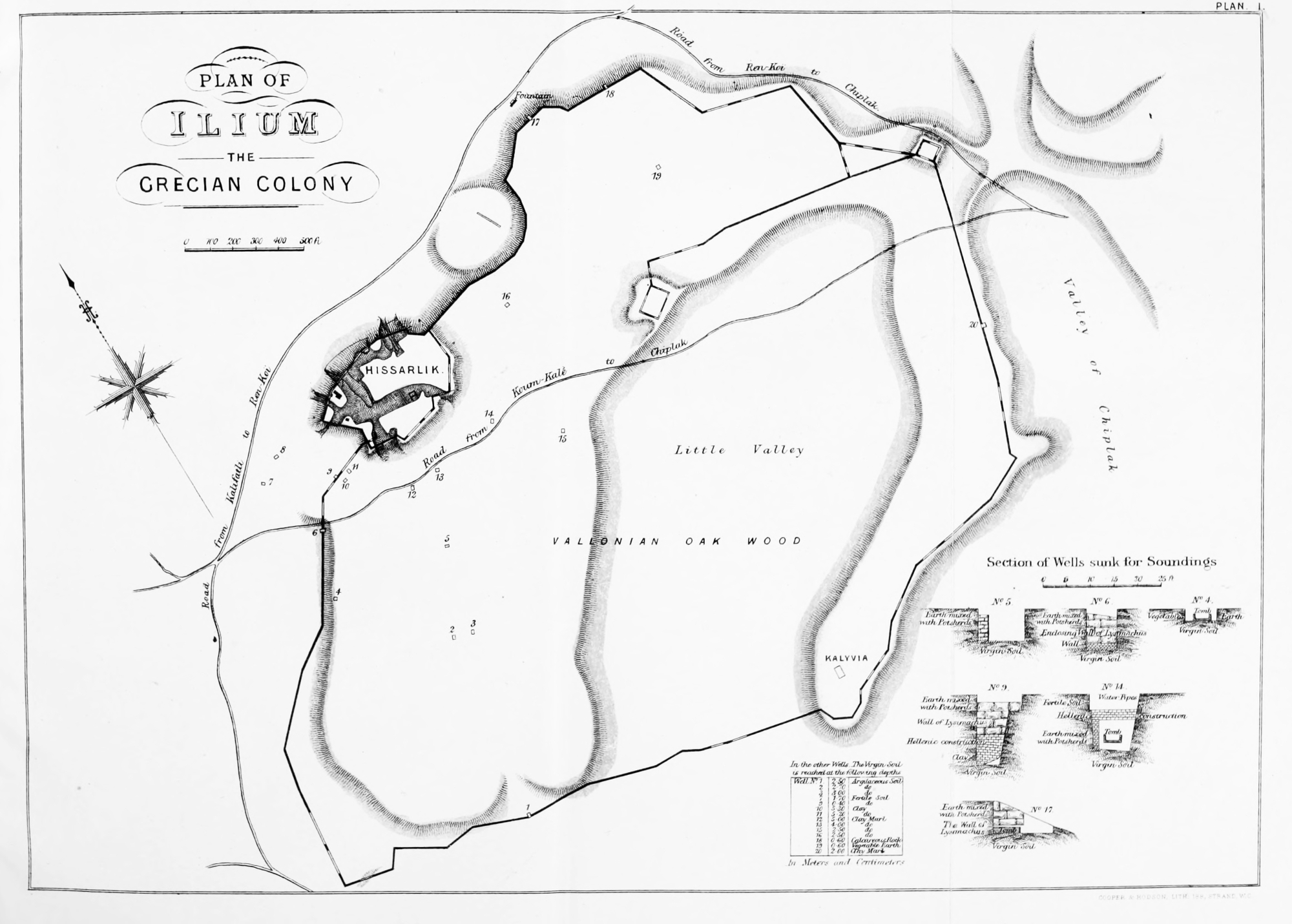
The nineteenth-century excavations associated with Heinrich Schliemann made Troy internationally famous. His published plans are interesting in their own right. They show what an early excavator had uncovered and how he made sense of it. Later work has added to that picture. Calling a building by a name from poetry may make it memorable, but it does not identify who lived there.
Burned layers and damaged buildings bring us closer to the question of war, though they still need careful interpretation. Writing in 2004, excavation director Manfred Korfmann described evidence around the end of the phase commonly called Troy VIIa, which he dated to about 1180 BCE. Fire, human remains and projectile finds supported his view that conflict probably contributed to the destruction. He nevertheless distinguished that conclusion from identifying the event as the single war of later tradition.
Korfmann also emphasised the settlement outside the citadel and the wider importance of the site. He thought memories of real conflict deserved a serious hearing. Finding the wooden horse was a much larger claim, and not one his excavations had established. Whether stories combined several wars or preserved one especially memorable encounter was a question he left open.
A similar discipline is needed when discussing the unnamed occupant of Sutton Hoo. The finds can tell us a great deal about a place and its people while leaving the most famous name unconfirmed. We still learn plenty along the way.
Texts from the Bronze Age do not mention the trick
For another way into the world around Troy, turn to the Hittite archives. These diplomatic documents take us back to the second millennium BCE, much closer to the period in question than the surviving Homeric poems. They refer to Wilusa, widely identified with the Troy region, and to Ahhiyawa, generally connected with the Mycenaean Greek world. Matching those names to places takes work: scholars compare the languages, the geography and the relationships described in the texts.
In his explanation of the Hittite evidence, J. D. Hawkins discusses the treaty involving Alaksandu of Wilusa and a letter mentioning earlier contention over Wilusa between Hittite and Ahhiyawan rulers. Here we have records of political tensions involving the Troy region. They bring that wider setting into focus, without telling the familiar story of Helen’s abduction or Agamemnon’s ten-year siege.
It is tempting to join the pieces too quickly: there was a city, there were disputes, so perhaps the whole story follows. Each step still needs its own evidence. A record of fighting near Troy would be a major find, but we would need more to identify the attackers, and more again to know how they got inside.
Proposals to explain the horse as a misunderstood siege machine or a ship have a long history. B. A. Sparkes’ study of the horse in ancient art notes both ideas among earlier interpretations. These are interesting possibilities to think through. To choose one, though, we would need something that connects the proposed machine or ship to this particular story. Showing that such things existed is only the beginning.
Wood rarely survives as readily as stone or pottery, so a missing wooden object is not surprising. That makes it difficult to rule out every possible stratagem. It also leaves us without positive evidence for this one. Poor preservation explains why we might not find something; it cannot tell us that the thing was there.
This is the same distinction that makes an undeciphered object such as the Phaistos Disc worth studying without pretending to know its message. We can describe what is there, compare it with other finds and explain what remains unclear. An unanswered question can be interesting without a tidy solution.
The long life of an image
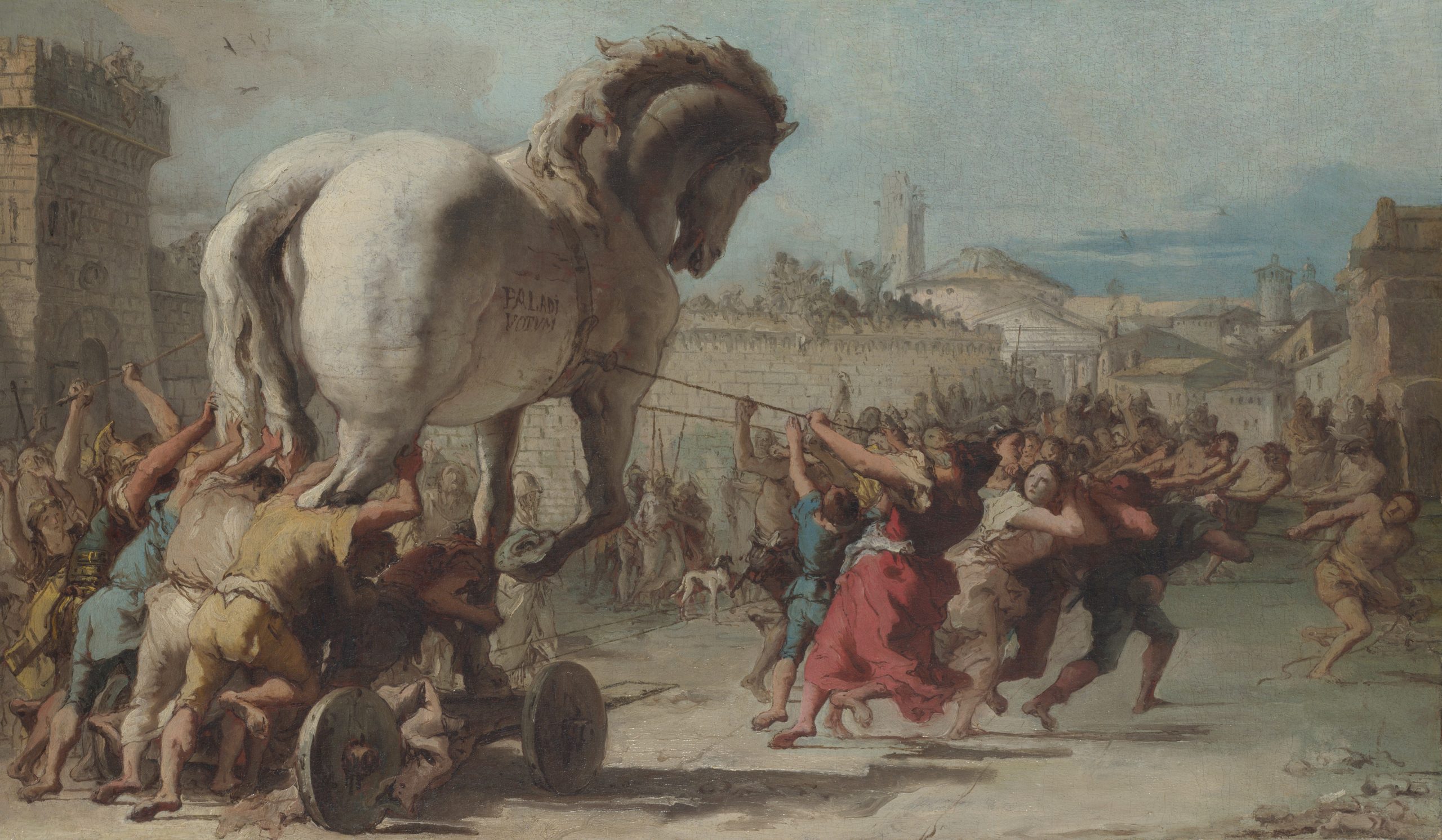
The horse continued to change as artists returned to it. Giovanni Domenico Tiepolo’s Procession of the Trojan Horse into Troy, dated by the National Gallery to about 1760, gives the animal a muscular body and stages the crowd against architecture inspired by Rome. It is easy to remember Troy this way once you have seen the painting. Much of what makes it convincing, however, comes from Tiepolo’s choices as an artist.
That is easy enough to remember with an eighteenth-century canvas. With an ancient vase, the distance can be harder to notice. The dates still matter. The Mykonos pithos witnesses a seventh-century representation of a story. The Pompeian fresco witnesses Roman interest in it. Tiepolo witnesses its place in later European art. Each has a historical context of its own.
Images can make an account feel settled simply by giving it a memorable form, a process also visible in Dürer’s famous rhinoceros. With the Trojan Horse, successive pictures have supplied scale, wheels, doors and crowds that viewers may later remember as features of an established event. A clear picture can stay with us longer than a careful qualification, which is a good reason to read the caption as well as look at the horse.
We can say with confidence that Troy was inhabited, fortified and repeatedly transformed, and that the wooden horse had become an important story by early Greek antiquity. We can investigate how poems made it an example of intelligence, deception or catastrophic misjudgment. The wooden horse itself remains unconfirmed by archaeology. On the Mykonos jar, the little windows let us see the warriors hidden inside. What they reveal most clearly is how well an early artist knew the story, and how skilfully it could be told in clay.