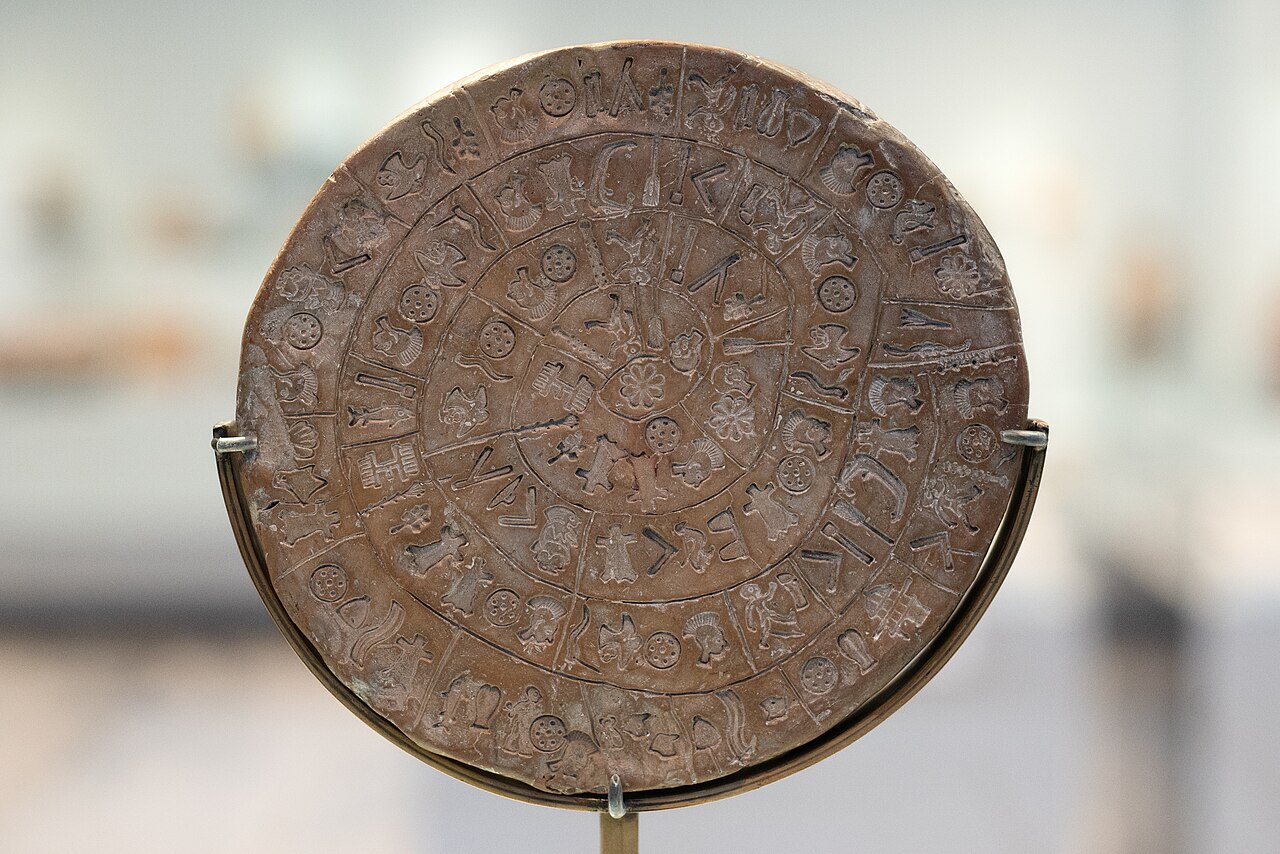
The Phaistos Disc: What Its Signs Reveal Before Anyone Can Read Them
Its clay, stamps and archaeological context can be studied. Its message remains unconfirmed. Keeping those facts separate makes the famous disc more interesting, not less.

Before 500 CE. A broad browsing convention for ancient societies; local chronologies vary.
Its clay, stamps and archaeological context can be studied. Its message remains unconfirmed. Keeping those facts separate makes the famous disc more interesting, not less.
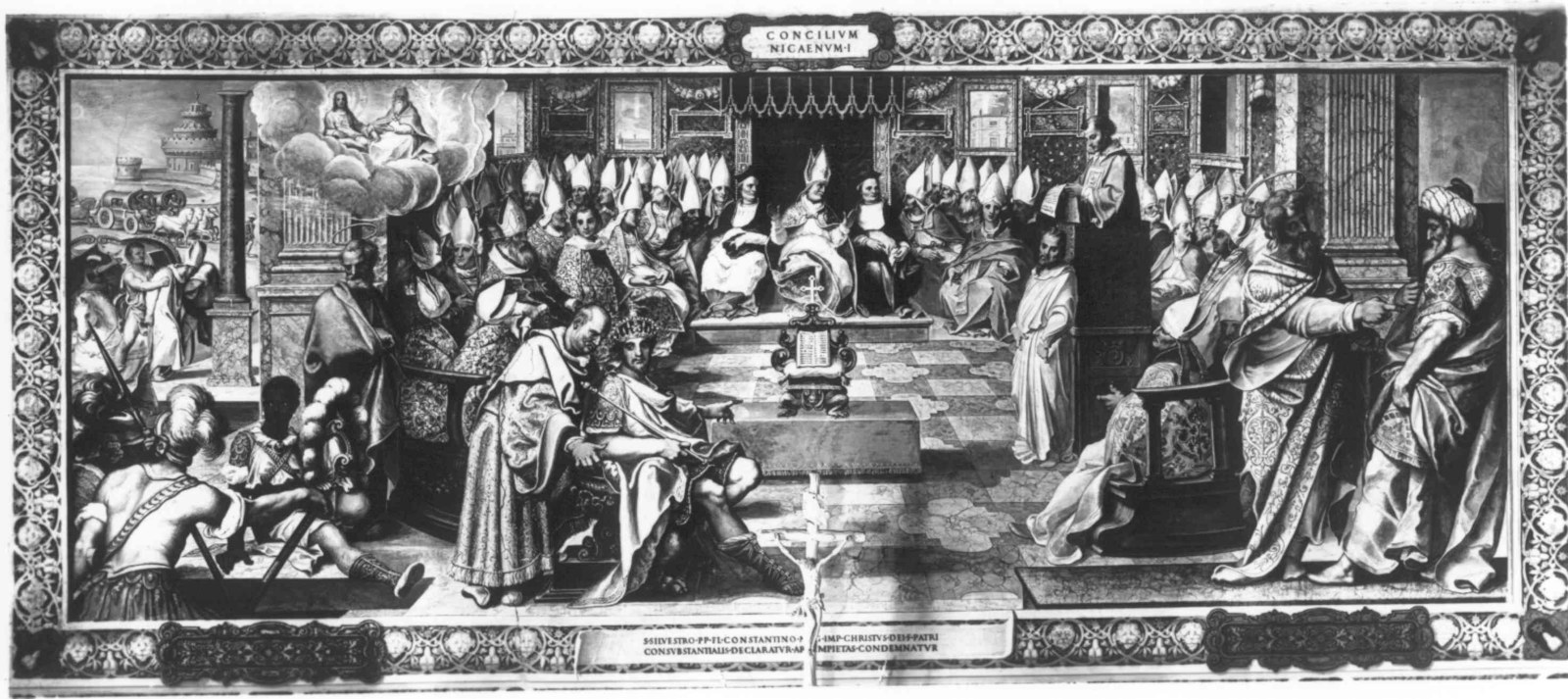
Nicaea did not choose the Bible or settle Christian theology in a single stroke. Its letters, disciplinary rules and disputed language reveal a more consequential—and unfinished—meeting.
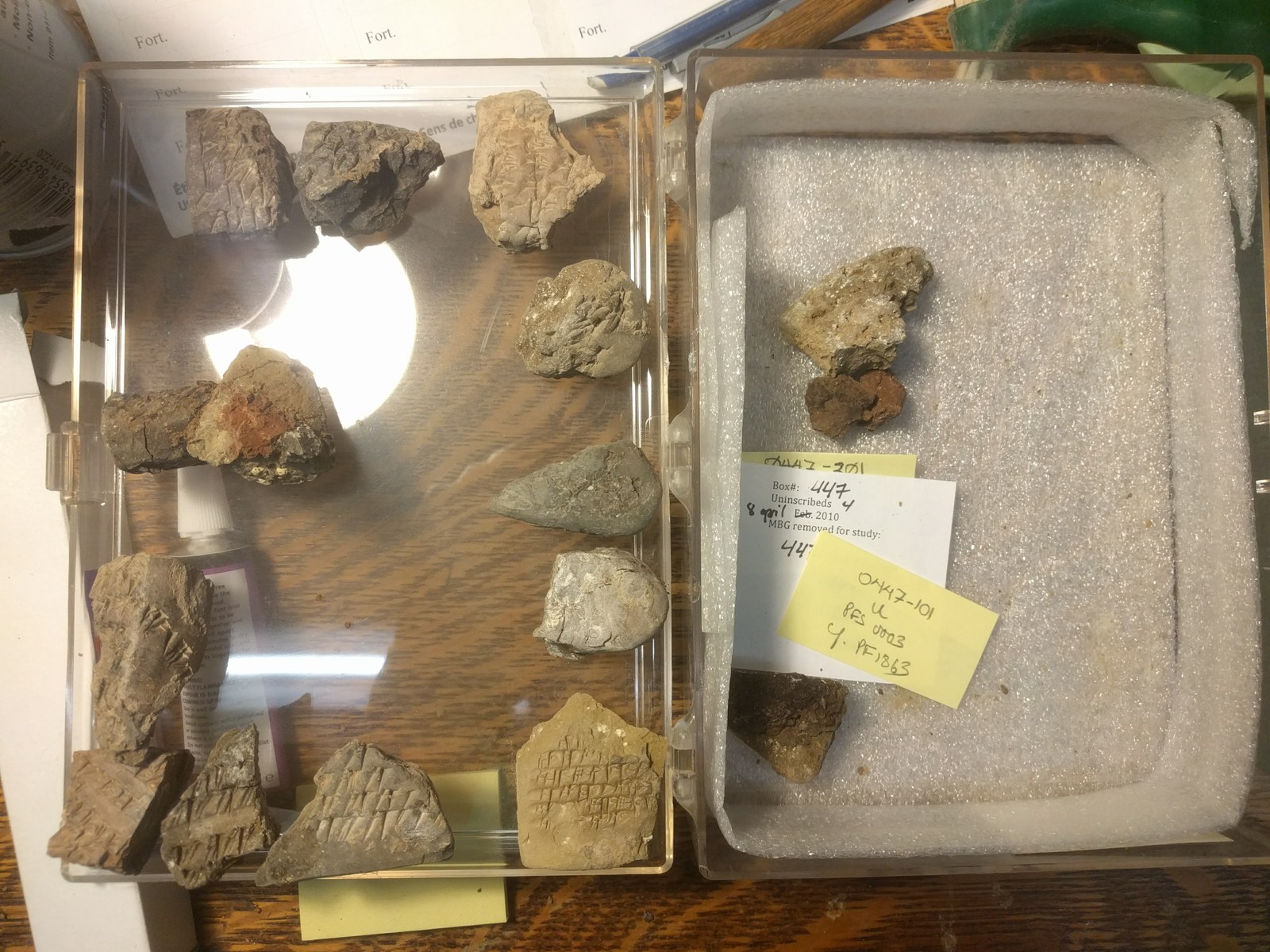
Grain allowances, seal impressions and a few lines about wine reveal a Persian imperial household from below. They also show how much an administrative record can leave unsaid.
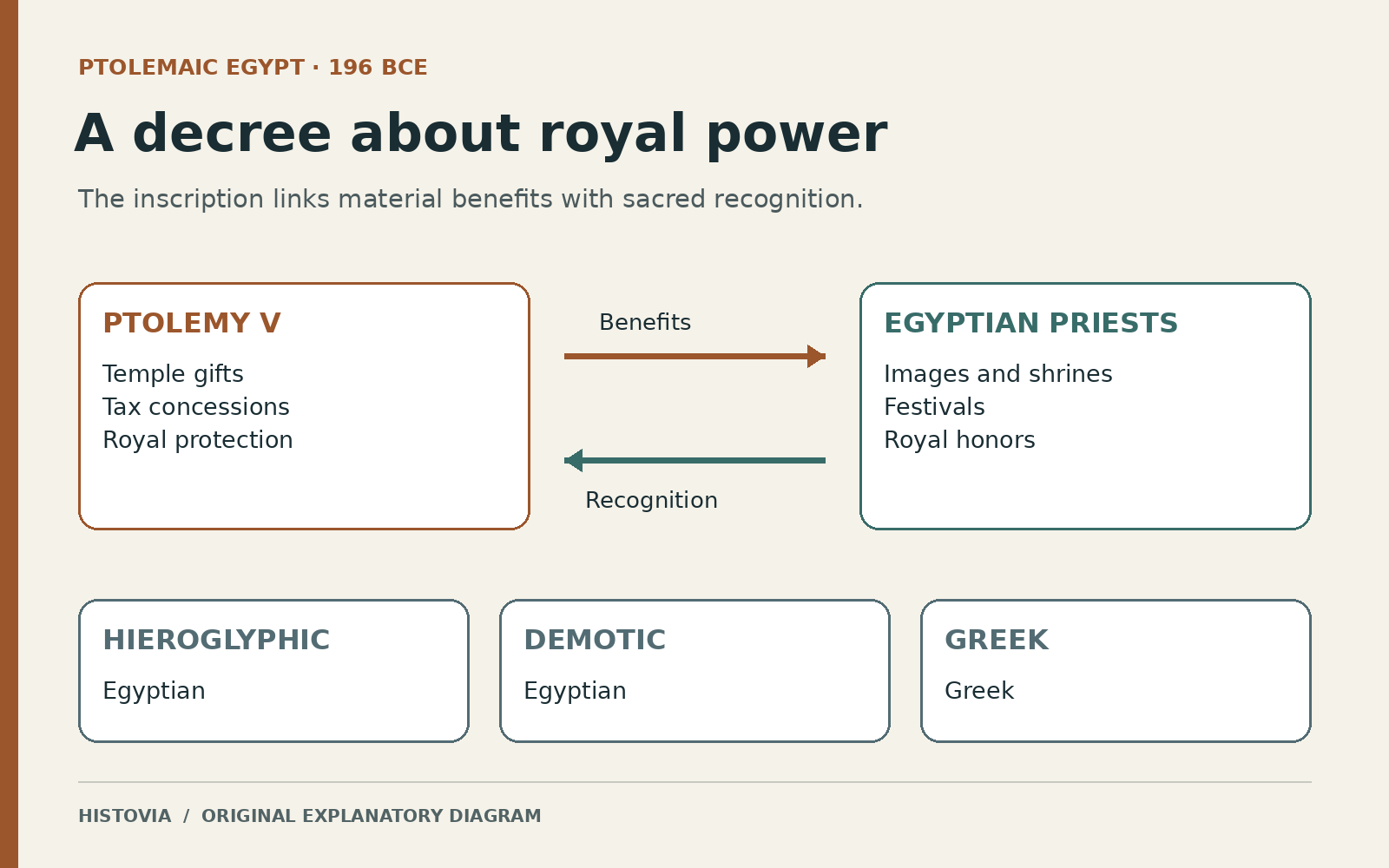
The famous inscription did more than unlock hieroglyphs. It made a young king’s alliance with Egyptian priests visible in stone.
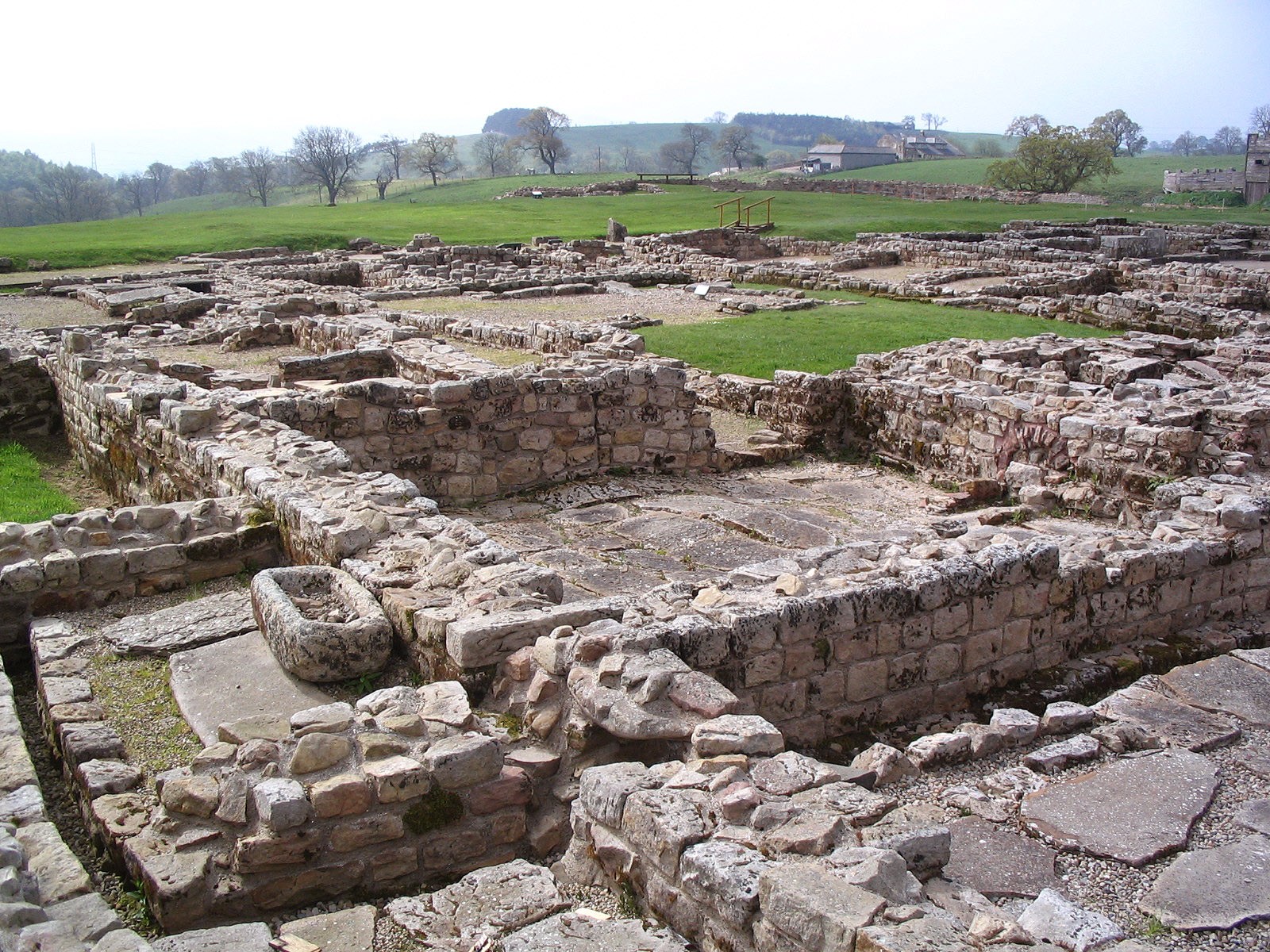
Look beyond the famous Wall to the granaries, drains, gateways and changing households that kept a Roman frontier working.
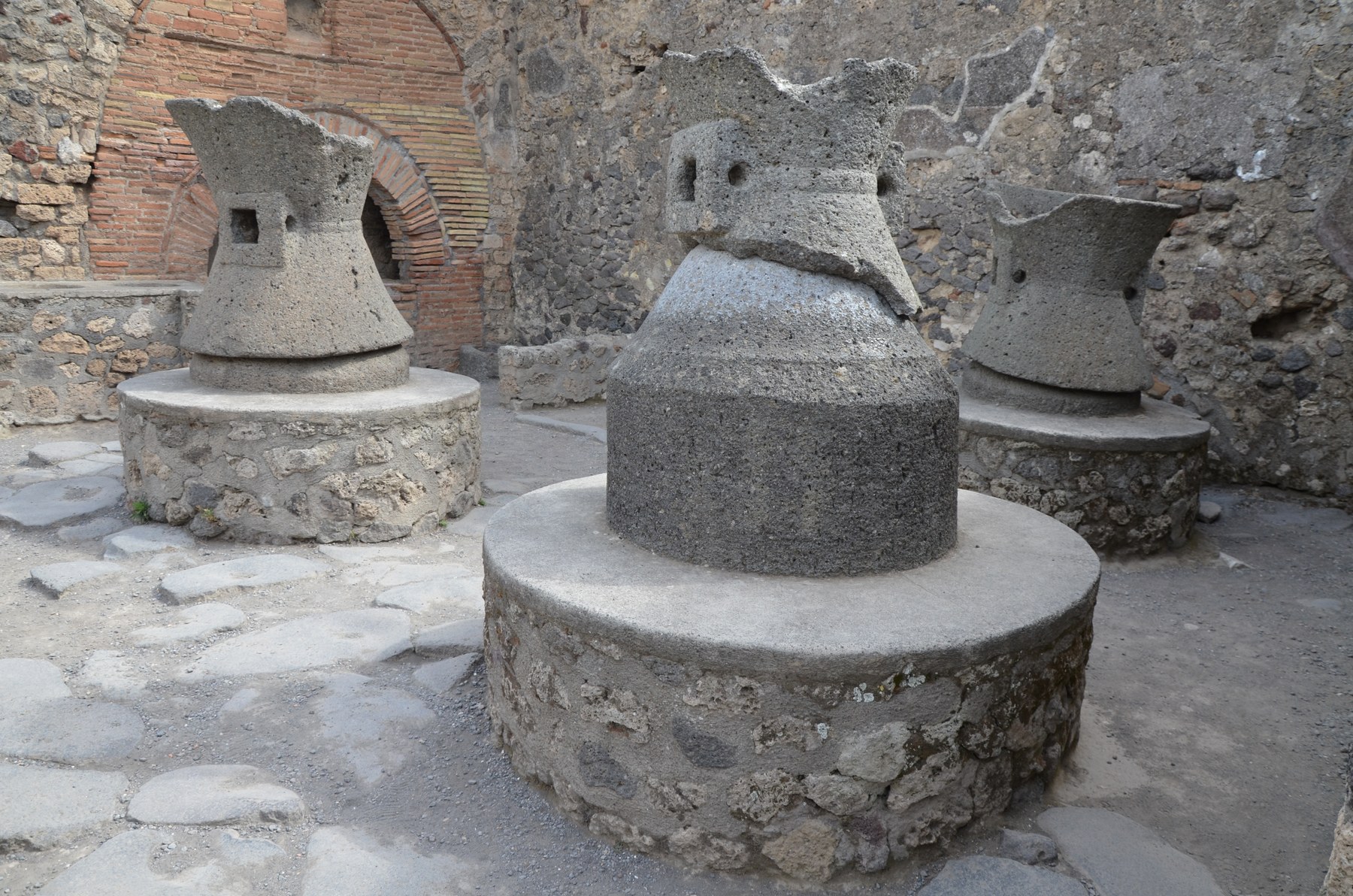
A forum, an elite house, a bakery and an arena reveal different kinds of Roman power. A historical guide to reading Pompeii and planning a thoughtful visit.
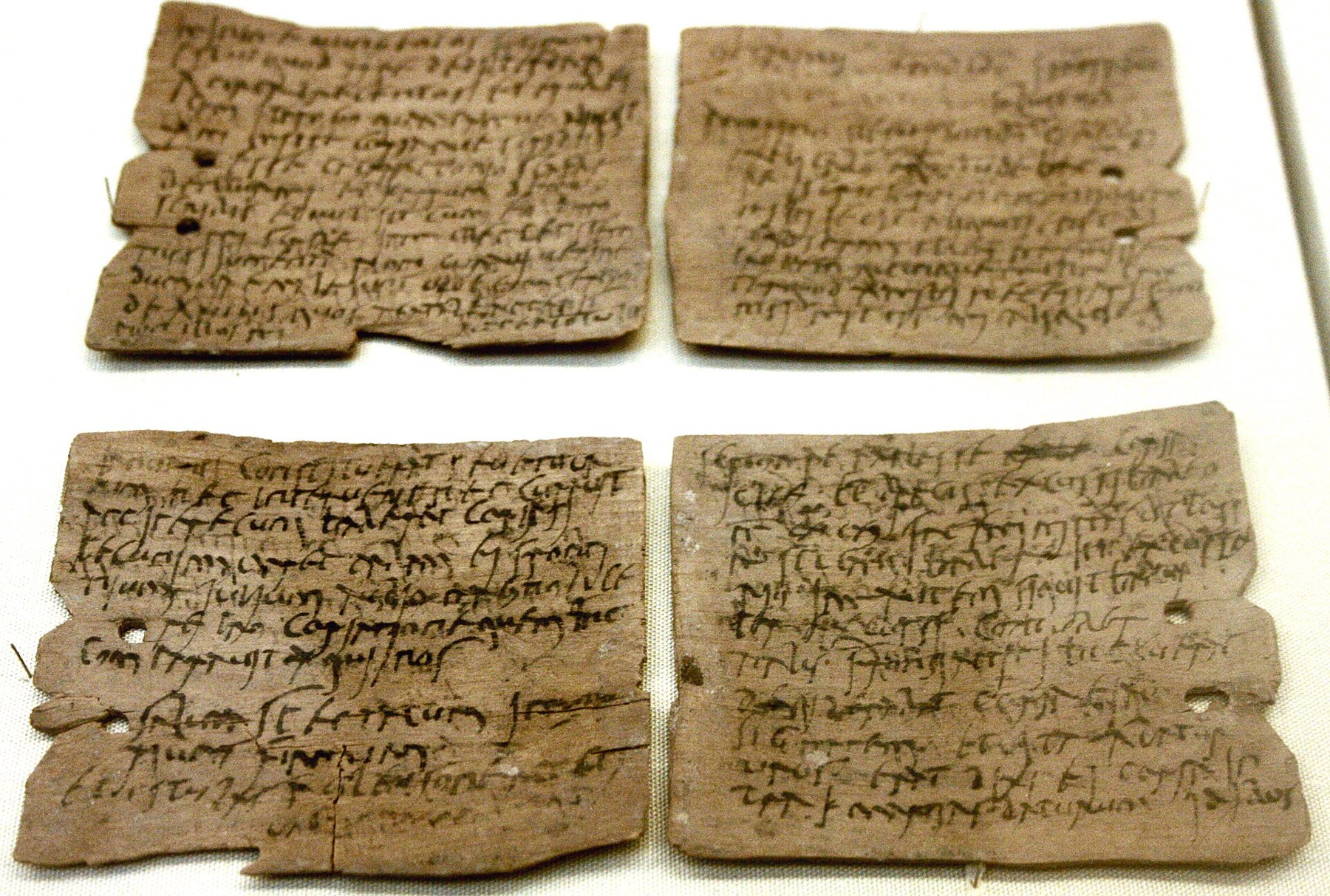
Thin wooden tablets preserve invitations, supply deals and troop counts. Read together, they reveal the everyday arrangements that kept a Roman frontier working.
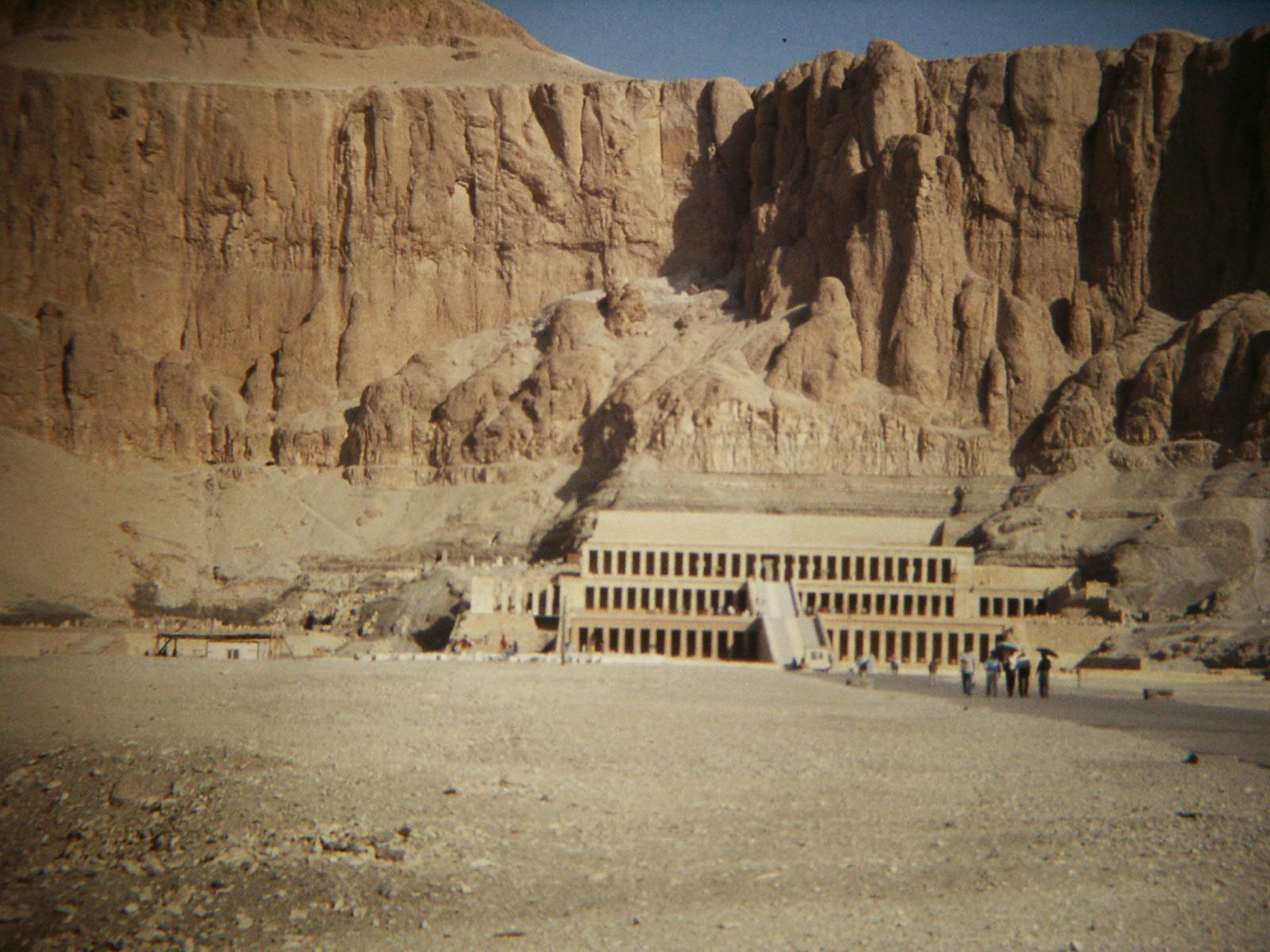
An expedition brought myrrh trees and distant cargo to Egypt. At Deir el-Bahri, its story became a carefully constructed statement about work, divine favor and royal power.
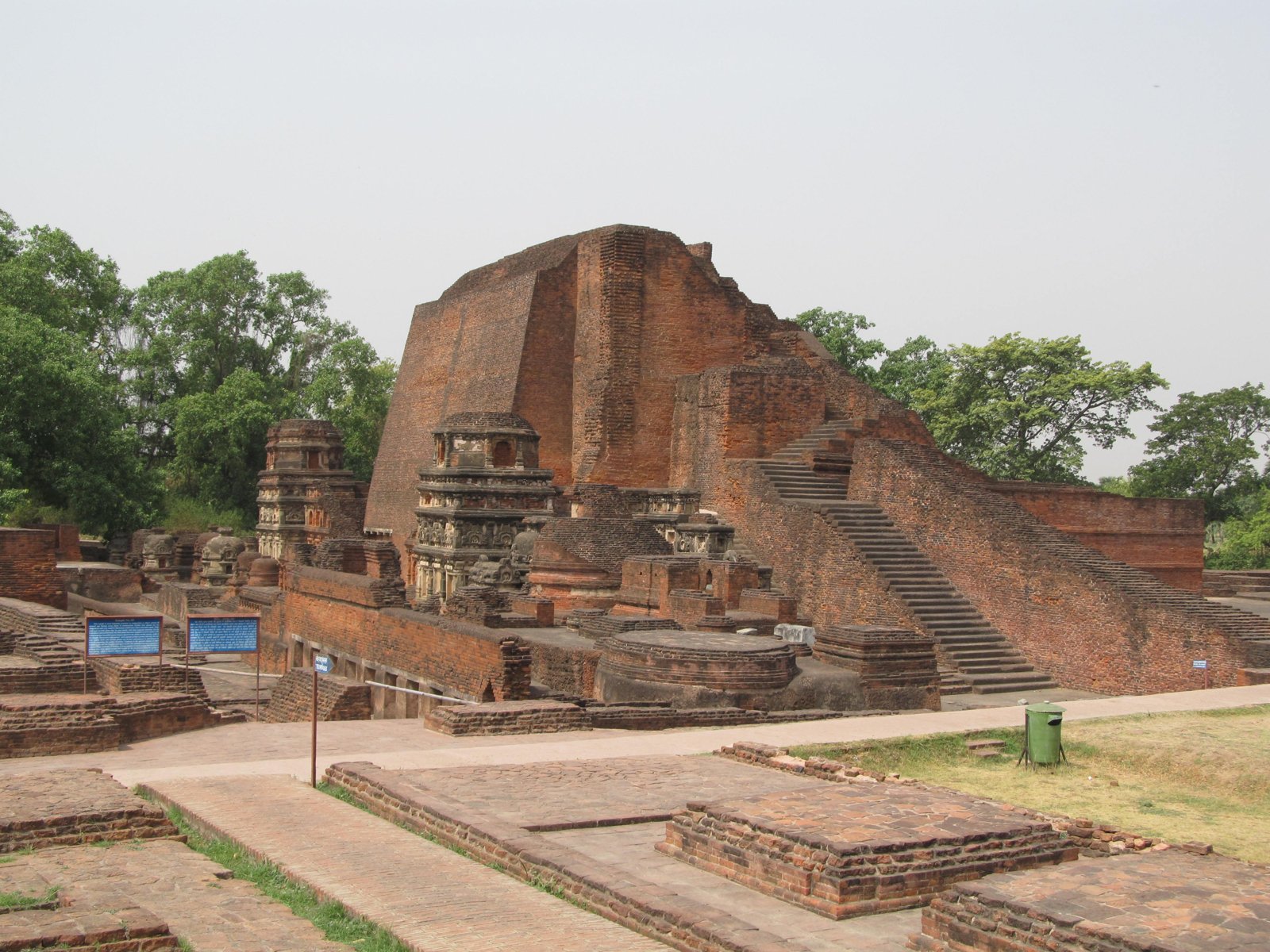
Land grants, demanding teachers and traveling manuscripts made Nalanda a center of learning whose influence reached far beyond its monasteries in Bihar.
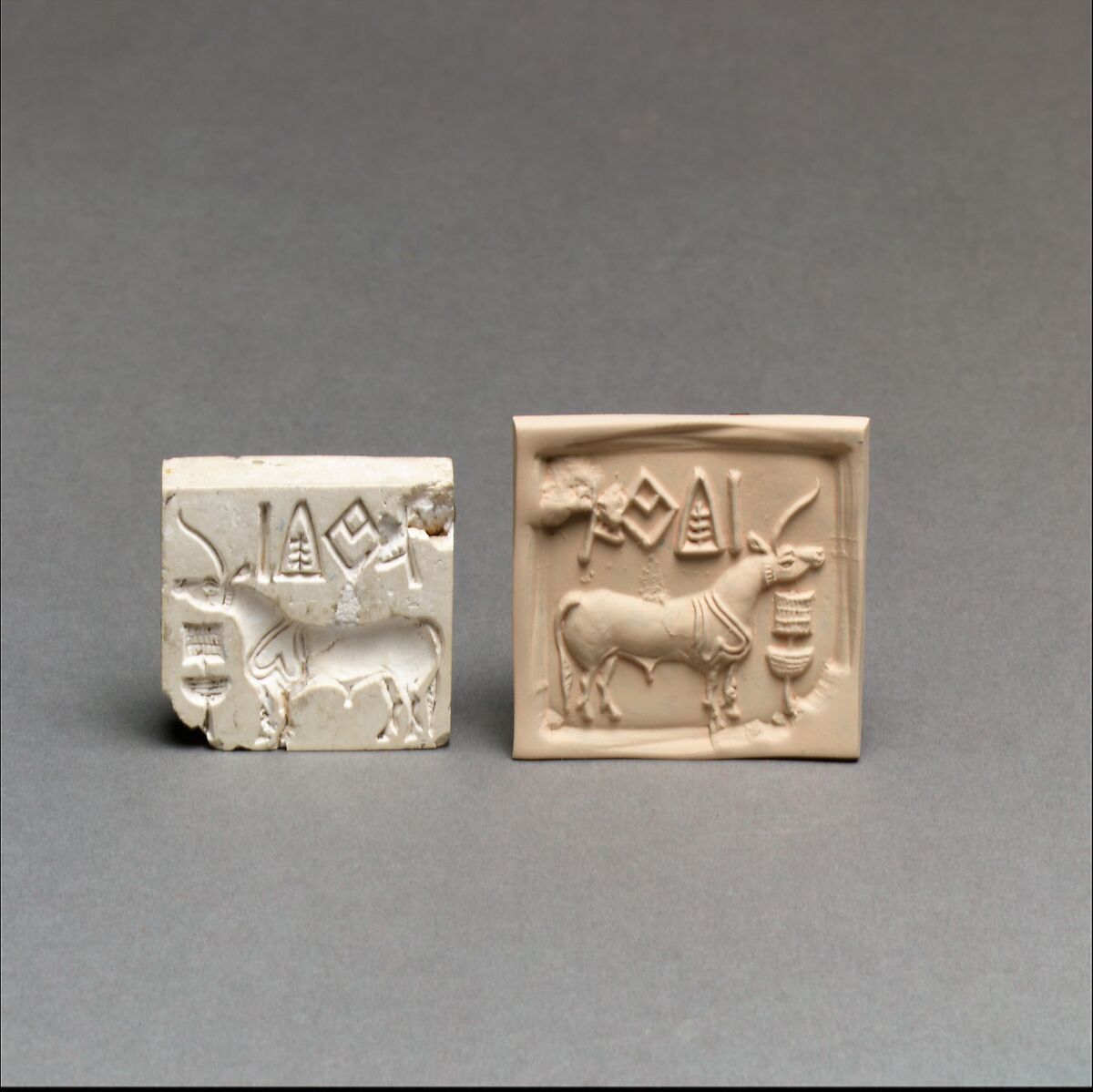
Small stone seals preserve craft, exchange and authority in the Indus cities. Their unread signs also show what archaeology can establish, and what a claimed decipherment must still prove.