Skip to content
Histovia – A History Blog
  • Explore Topics
  • Browse by Era
  • Ebooks
  • About
  • Support

Era: Modern World

1800–1944 CE. Revolutions, industrialization, empires, and global conflicts within a conventional browsing range.

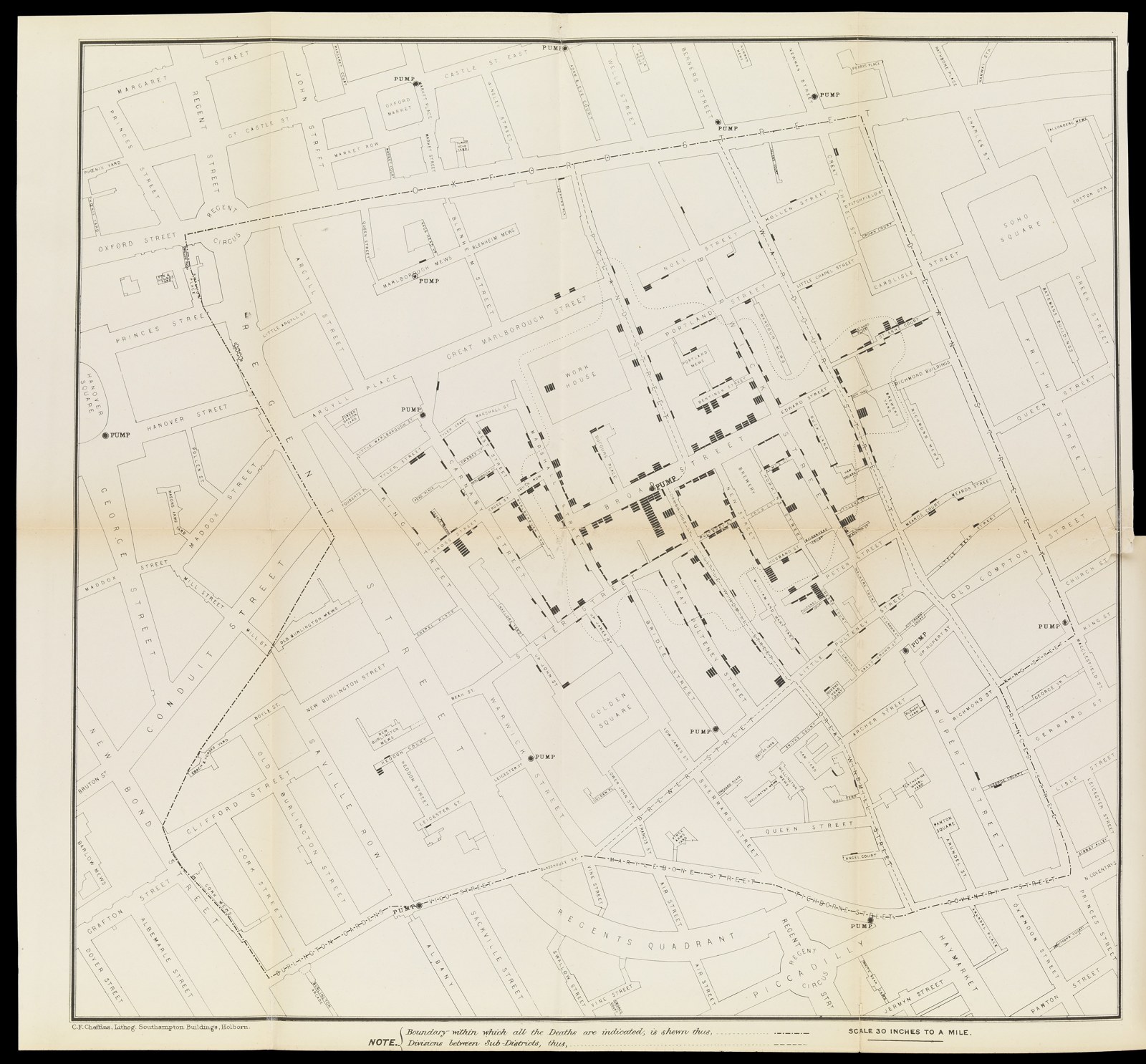
Historical street map of Soho with black bars clustered around Broad Street and a dotted boundary passing between nearby public pumps.

John Snow’s Cholera Map: What Broad Street Proved—and What It Did Not

The famous map was part of a larger investigation. Household interviews, a sceptical curate and a comparison of water companies reveal an achievement more demanding than the legend of a single pump handle.
Categories Science, Invention & Exploration
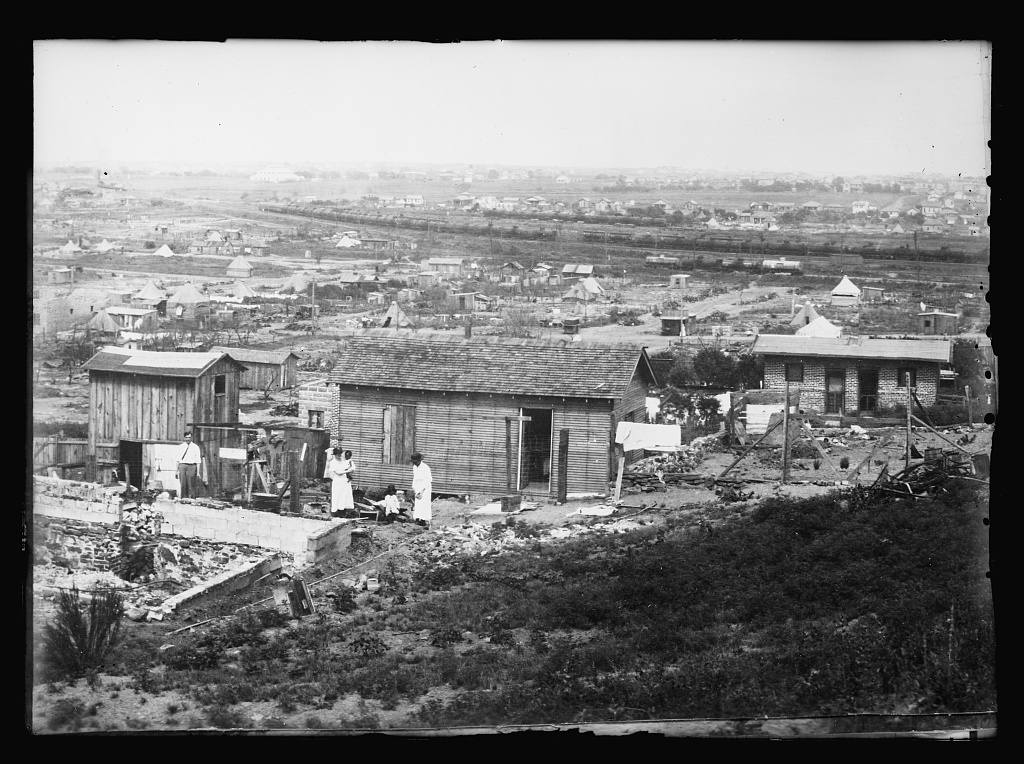
Small wooden houses and tents amid broken foundations and cleared ground in Greenwood after the Tulsa massacre.

Rebuilding Greenwood: Property and Power After the Tulsa Massacre

After white attackers destroyed much of Tulsa’s Black district in 1921, survivors faced a second struggle over land, insurance and the means to return. Photographs of new houses record an achievement. They do not show that the losses were repaid.

Categories Dark History
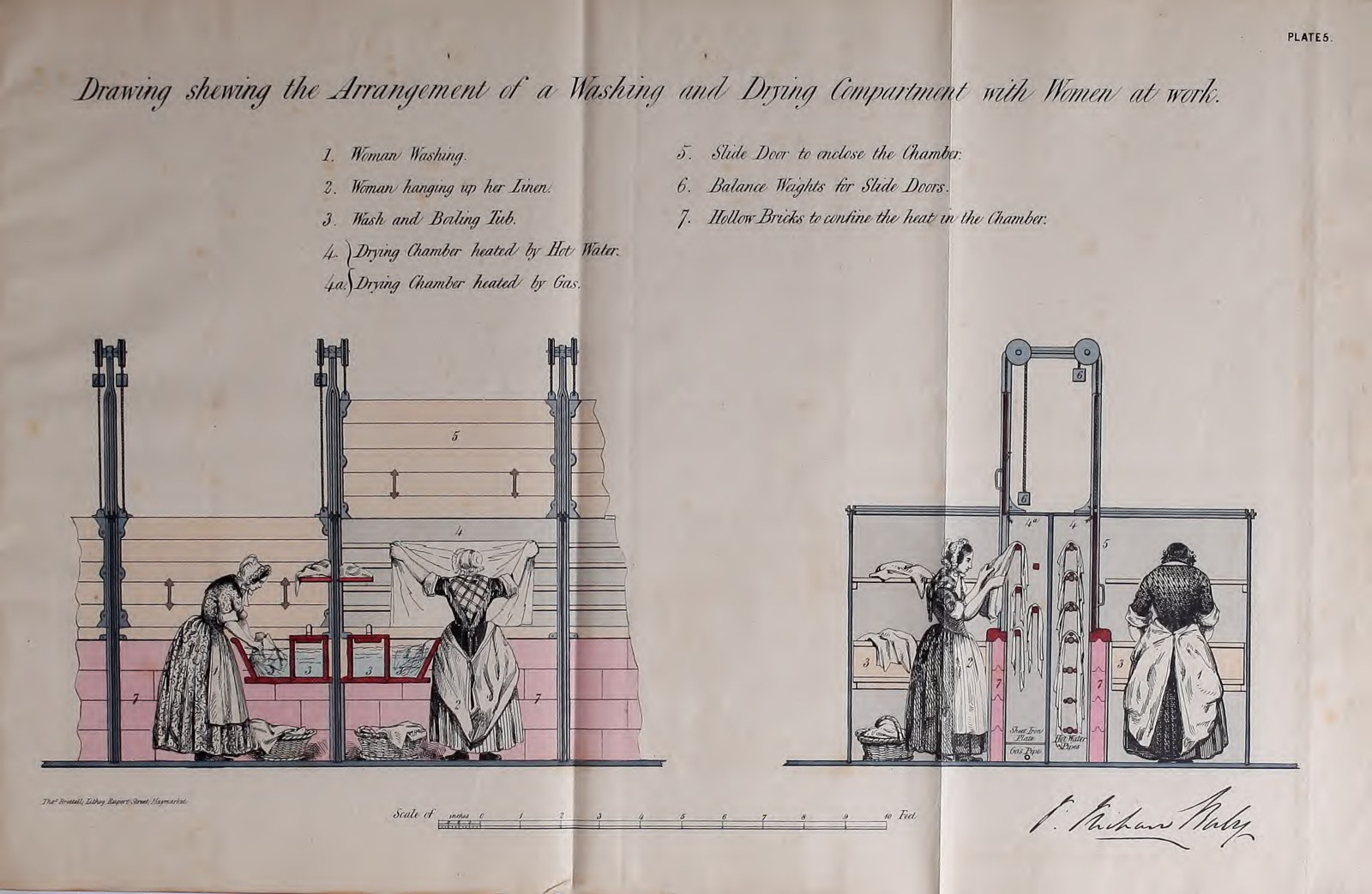
Hand-coloured 1852 sectional drawing of women washing and hanging linen beside two systems of enclosed heated drying compartments.

A Penny, a Tub and a Drying Room: Laundry in Victorian London’s Public Washhouses

Public washhouses brought heat, water and machinery within reach of crowded households. Their rules and records reveal both the relief they offered and the women’s work they did not remove.

Categories Everyday Life & Culture
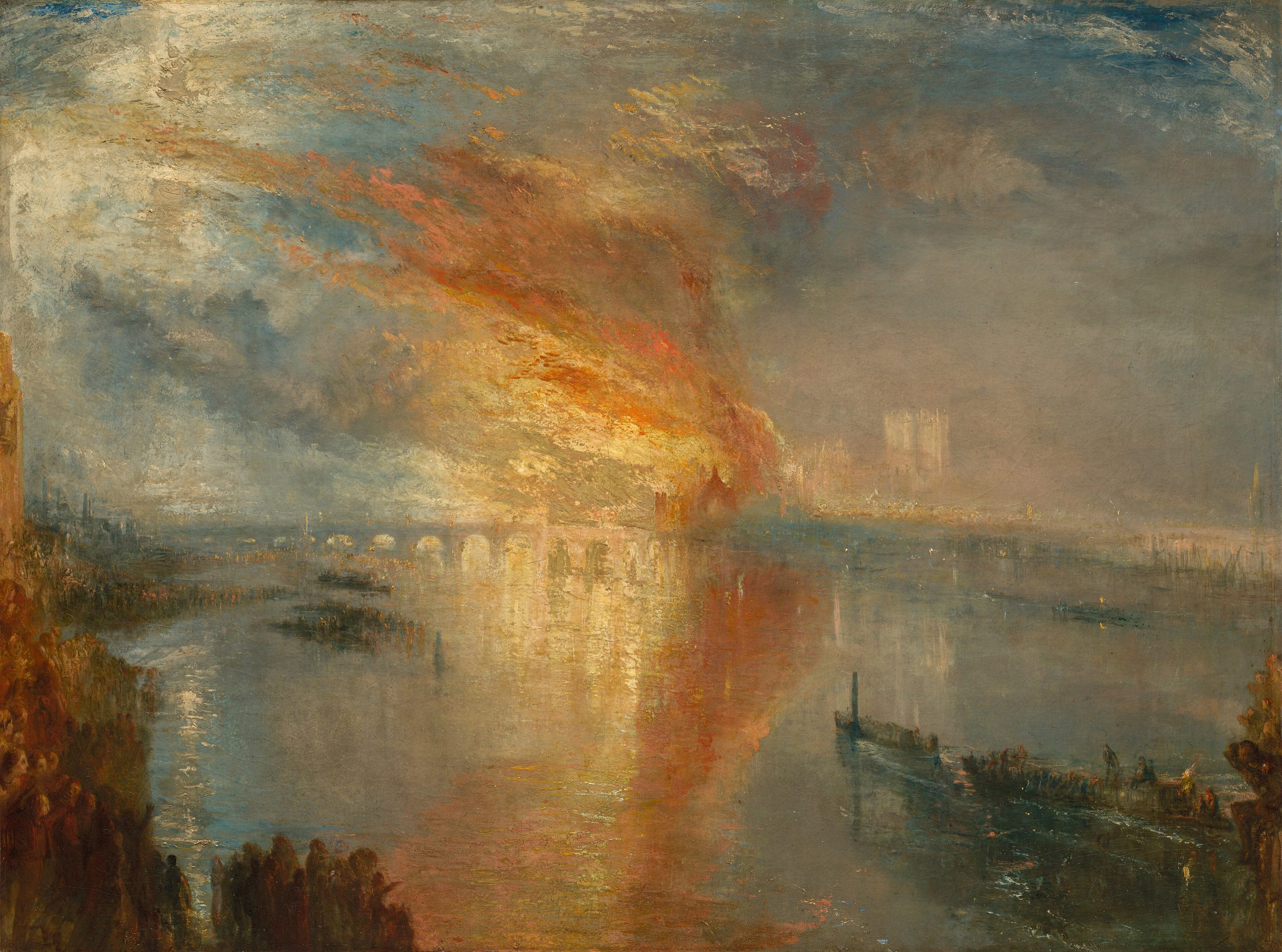
Turner painting of bright orange flames and smoke rising over the burning Houses of Parliament, with boats on the Thames in the foreground.

The Tally Sticks That Burned Parliament: Trust, Accounts and the Fire of 1834

For centuries, a split piece of wood could help prove a payment to the English Crown. The disaster that made tally sticks famous began after their accounting work was over.

Categories Power & Politics
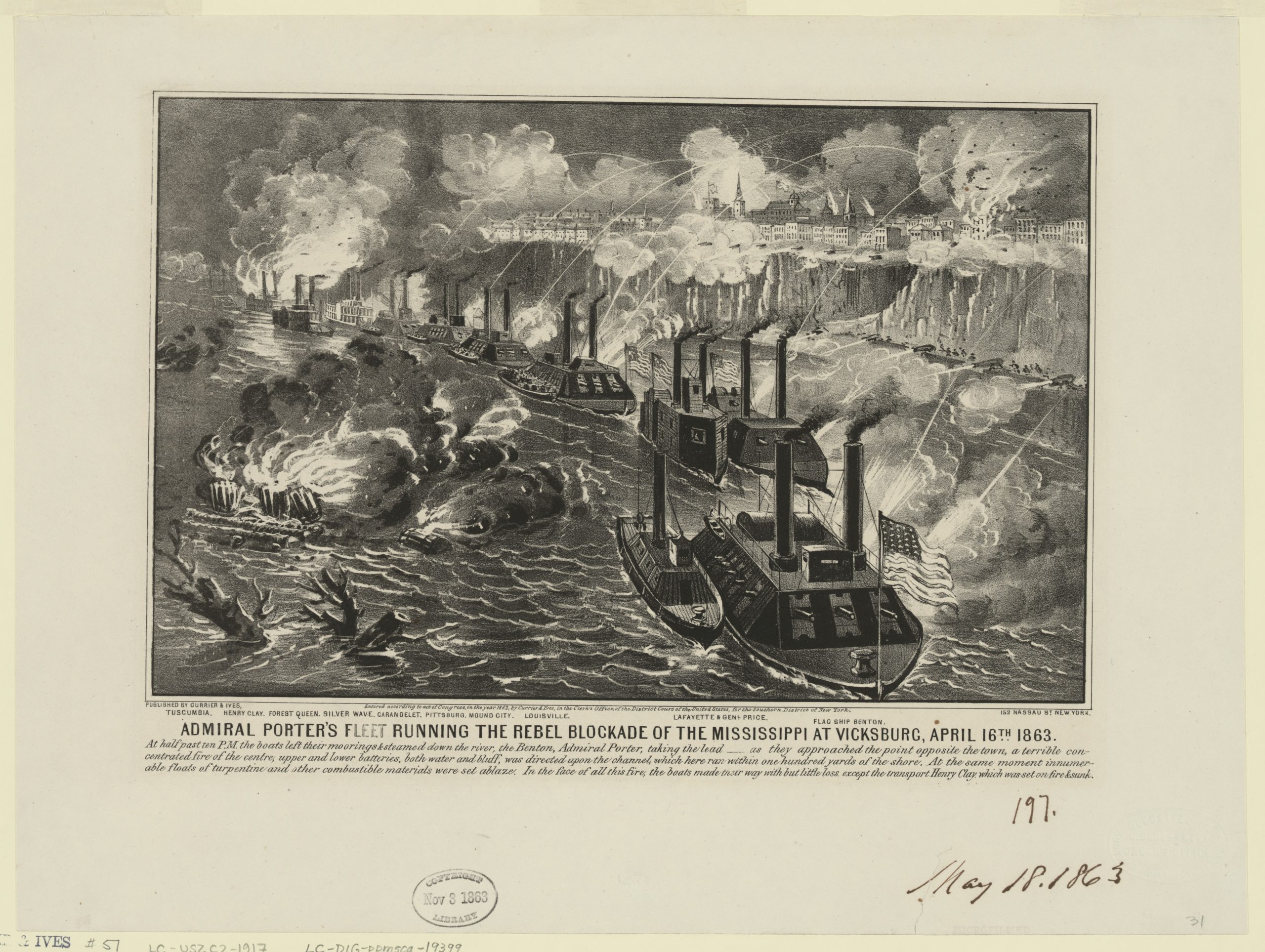
Period lithograph showing Union gunboats passing beneath the bluffs and firing batteries at Vicksburg at night.

Vicksburg, 1863: The Campaign That Turned a River Fortress Inside Out

Grant reached Vicksburg by moving away from it. River transport, roads, railroad destruction and a sequence of hard battles transformed the city’s formidable position into a trap for its defending army.

Categories Wars & Conflicts
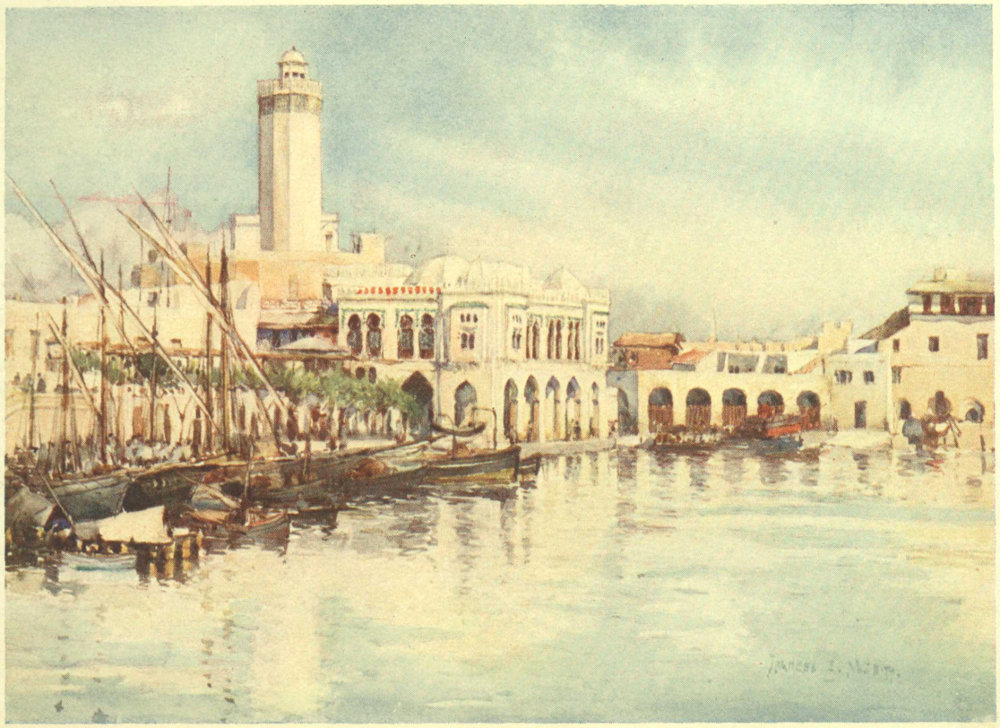
Early twentieth-century watercolor reproduction of boats, arches and a tower beside the harbor in Algiers.

The Battle of Algiers: A Victory That Could Not End the War

Gillo Pontecorvo’s 1966 film made a struggle over colonial power look like immediate news. Its historical force depends on understanding both the reality it reconstructs and the choices behind that appearance.

Categories Books & Movies
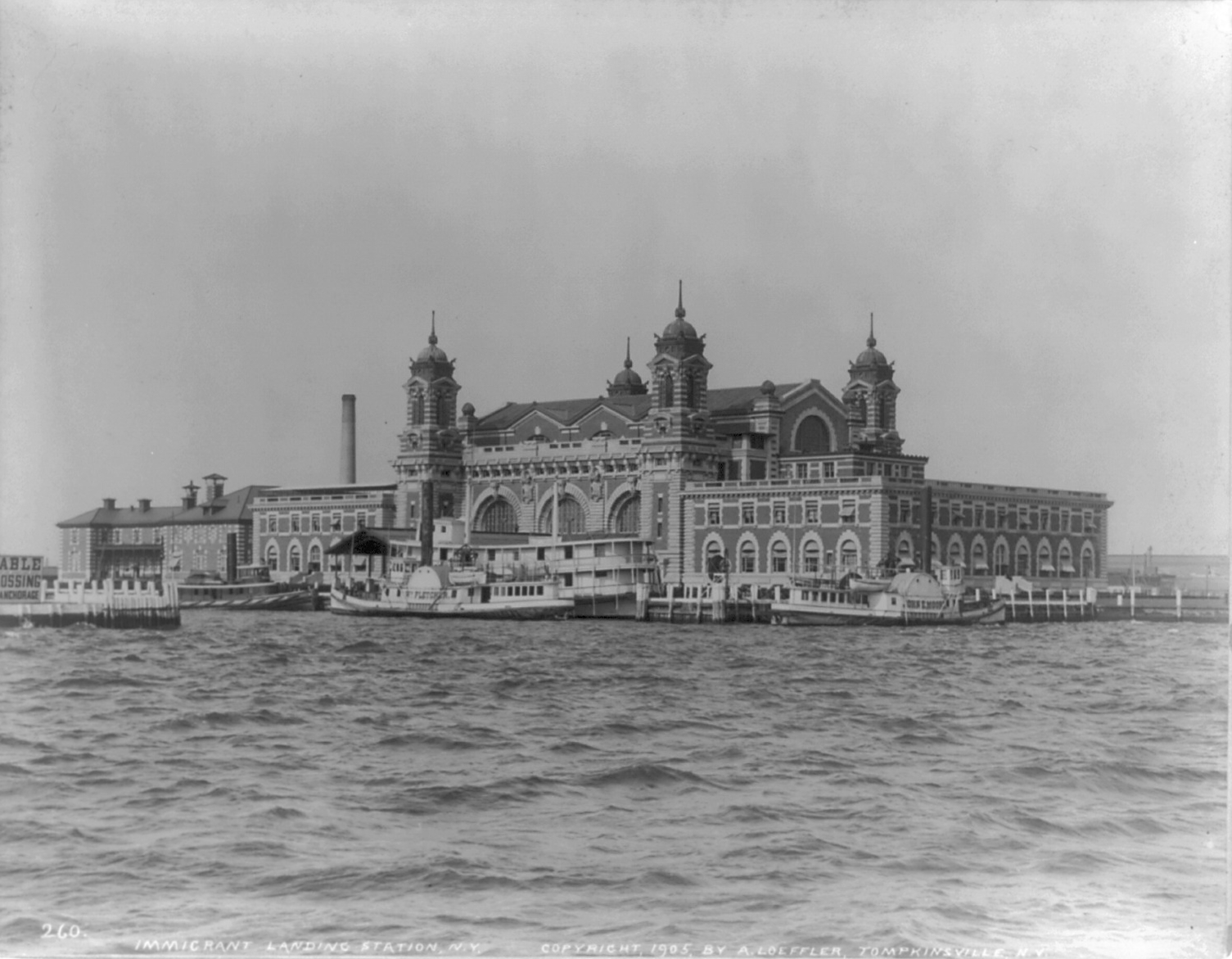
The Main Immigration Building viewed across the water in a black-and-white photograph.

At Ellis Island, Read the Waiting Room Before the Skyline

A source-based museum guide follows the desks, documents, hospitals, and changing laws that stood between an arrival and an admission.

Categories Destinations
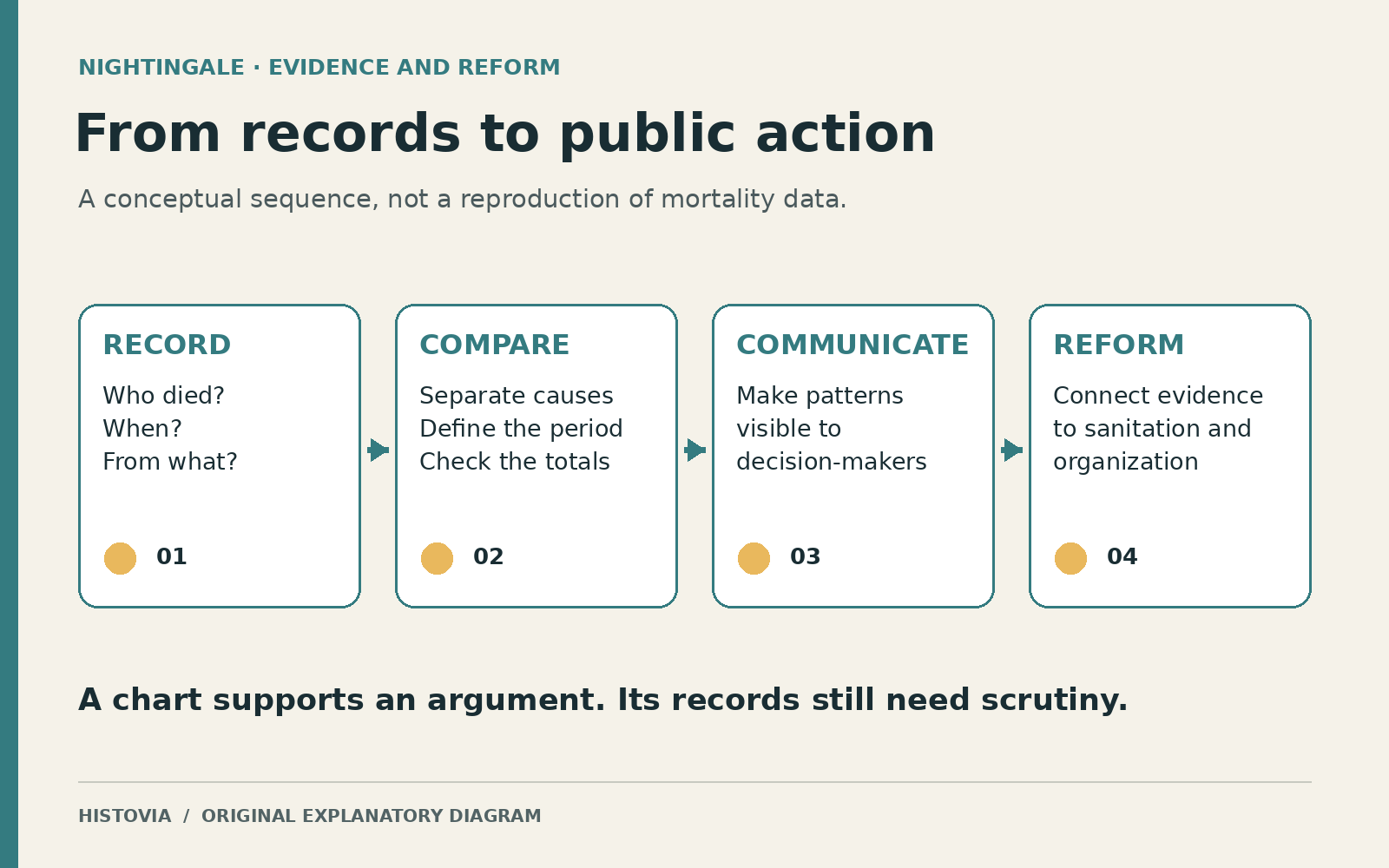
Original explanatory diagram showing hospital records, comparison of causes, visual argument and institutional reform; no historical mortality data are plotted.

Florence Nightingale’s Other Instrument: A Persuasive Chart

Florence Nightingale’s charts made military deaths visible. Her deeper achievement lay in observation, careful comparisons, and a campaign to make institutions answer for preventable harm.

Categories Science, Invention & Exploration
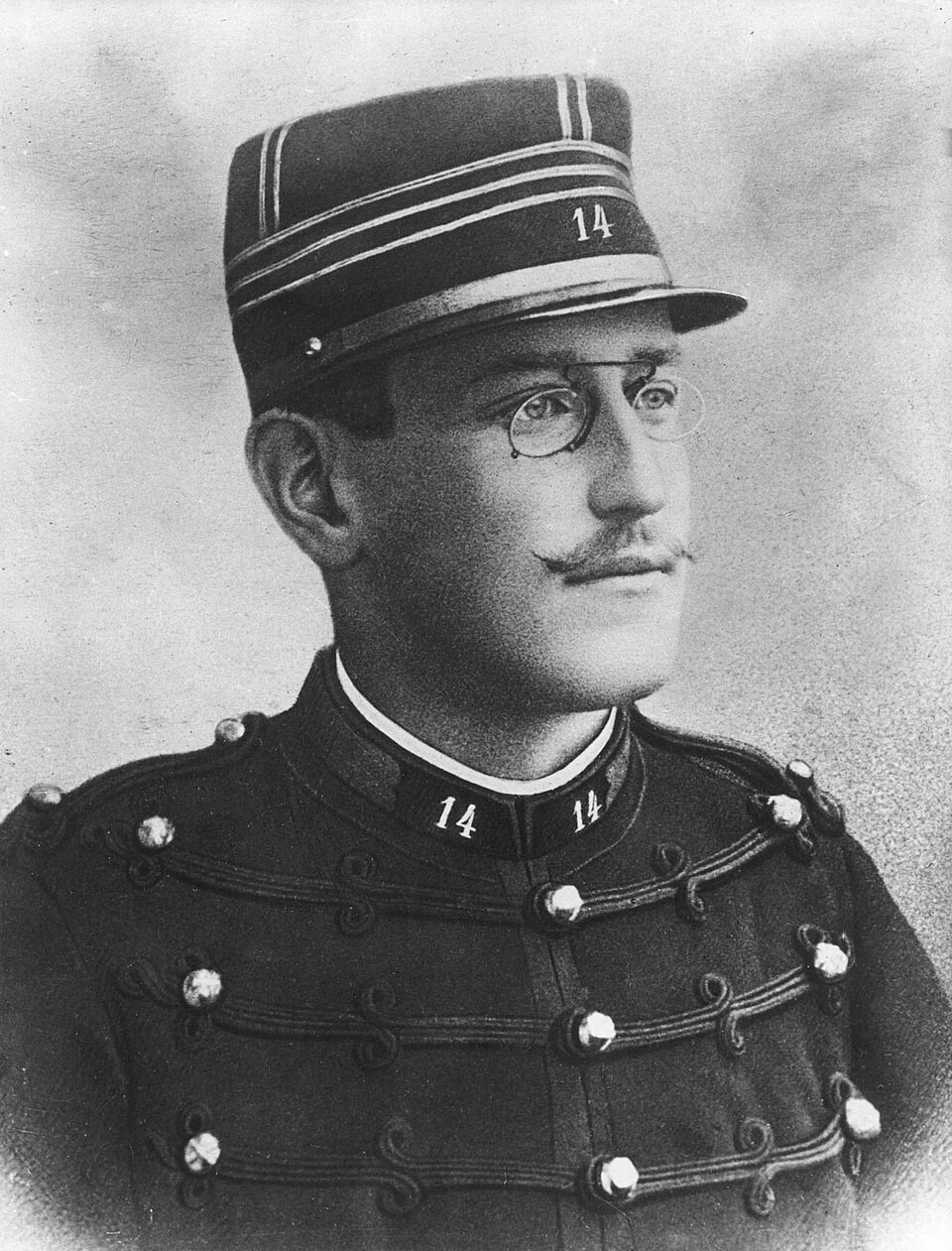
Portrait of Alfred Dreyfus in military uniform wearing a pince-nez

The Dreyfus Affair: A Secret File and Twelve Years to Clear a Name

Alfred Dreyfus was convicted twice before a civilian court cleared him in 1906. His family, Picquart, Zola, lawyers, and judges exposed the evidence behind a twelve-year injustice.

Categories Power & Politics
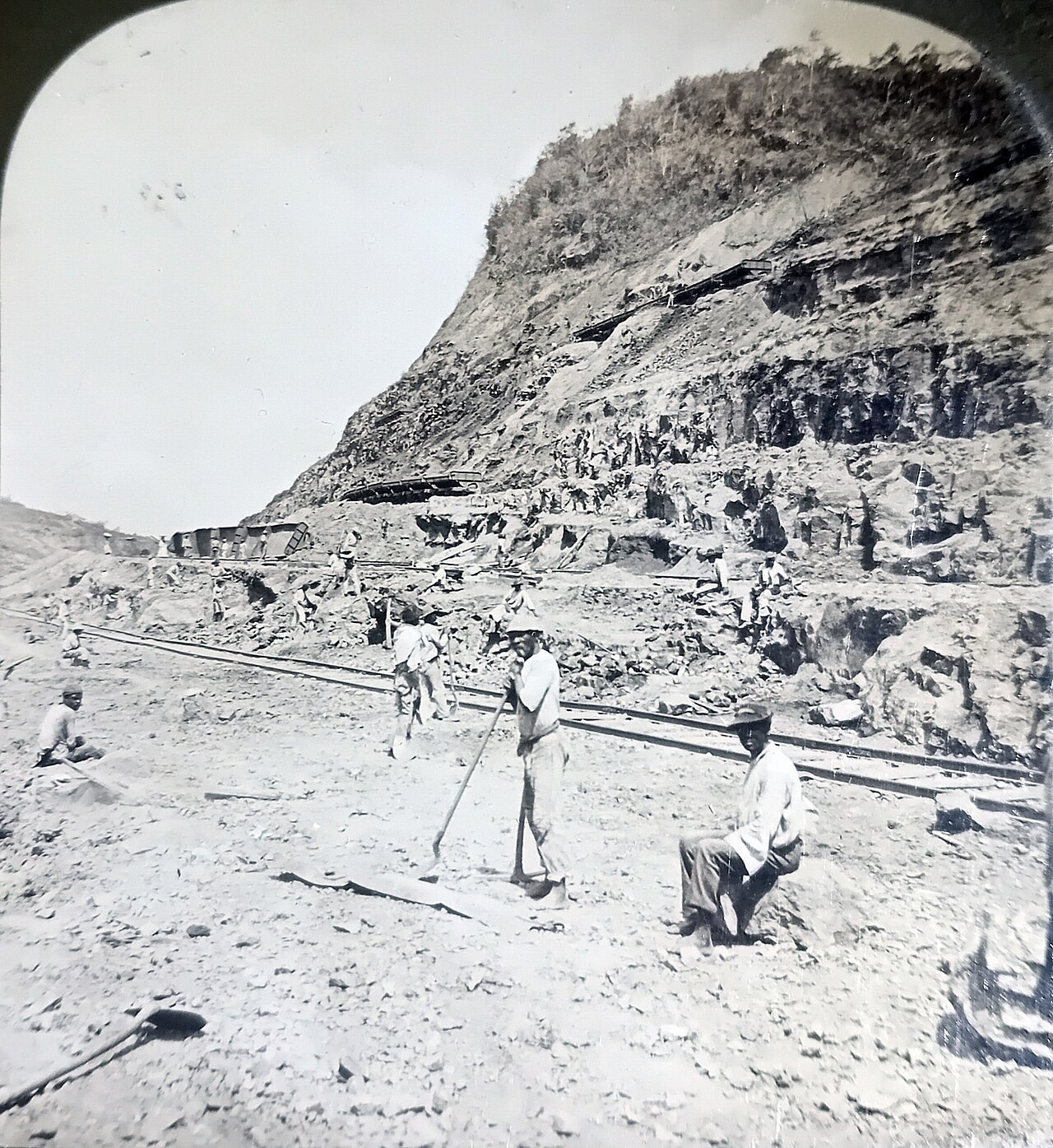
Workers standing among excavated earth and railway equipment at Culebra Cut

Gold and Silver: The Unequal Workforce That Built the Panama Canal

The Panama Canal’s gold and silver rolls turned payroll categories into a racial hierarchy. Migrant workers, Black Americans, and West Indian women reveal how the system worked and persisted.

Categories Dark History
Older posts
Newer posts
← Previous Page1 Page2 Page3 Page4 … Page6 Next →
Histovia hourglass logo

Independent history · Shared curiosity

Histovia

An independent history project for people who love exploring the past. We research, write, and share stories that make history worth reading.

Explore the past

  • Home
  • Explore Topics
  • Browse by Era
  • About Histovia

Keep history growing

Your support helps fund research, writer fees, and the technology behind Histovia.

Support Histovia

Payments are processed securely by PayPal.

Independent research. Stories worth preserving.

Made for curious readers.

© 2026 HISTOVIA