
Gold and Silver: The Unequal Workforce That Built the Panama Canal
The canal’s payroll labels organized more than wages. They shaped housing, food, healthcare, and opportunity for a workforce drawn from across the Atlantic world.
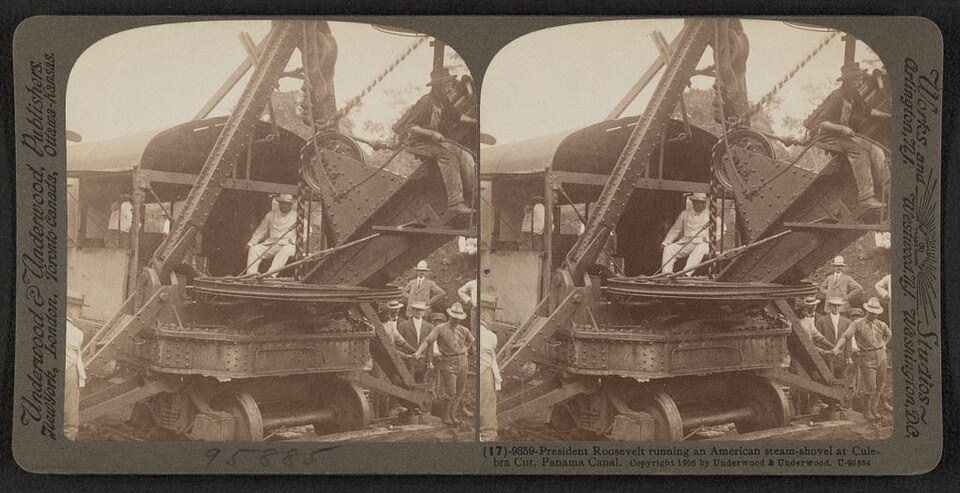
In November 1906, Theodore Roosevelt climbed onto a steam shovel during his visit to the Panama Canal works. Photographs of the visit made the president a memorable face of the project. Around him, however, was an international workforce whose position in the enterprise depended on much more than the job each person performed.
The Smithsonian’s account of the visit describes Roosevelt mounting a 95-ton Bucyrus shovel at Pedro Miguel. Its power depended on a much larger system of excavation, railway transport, maintenance, food, and accommodation. Within that system, the administrative labels “gold roll” and “silver roll” helped determine who received better pay, housing, and opportunities. A payroll classification became an organizing principle for daily life.
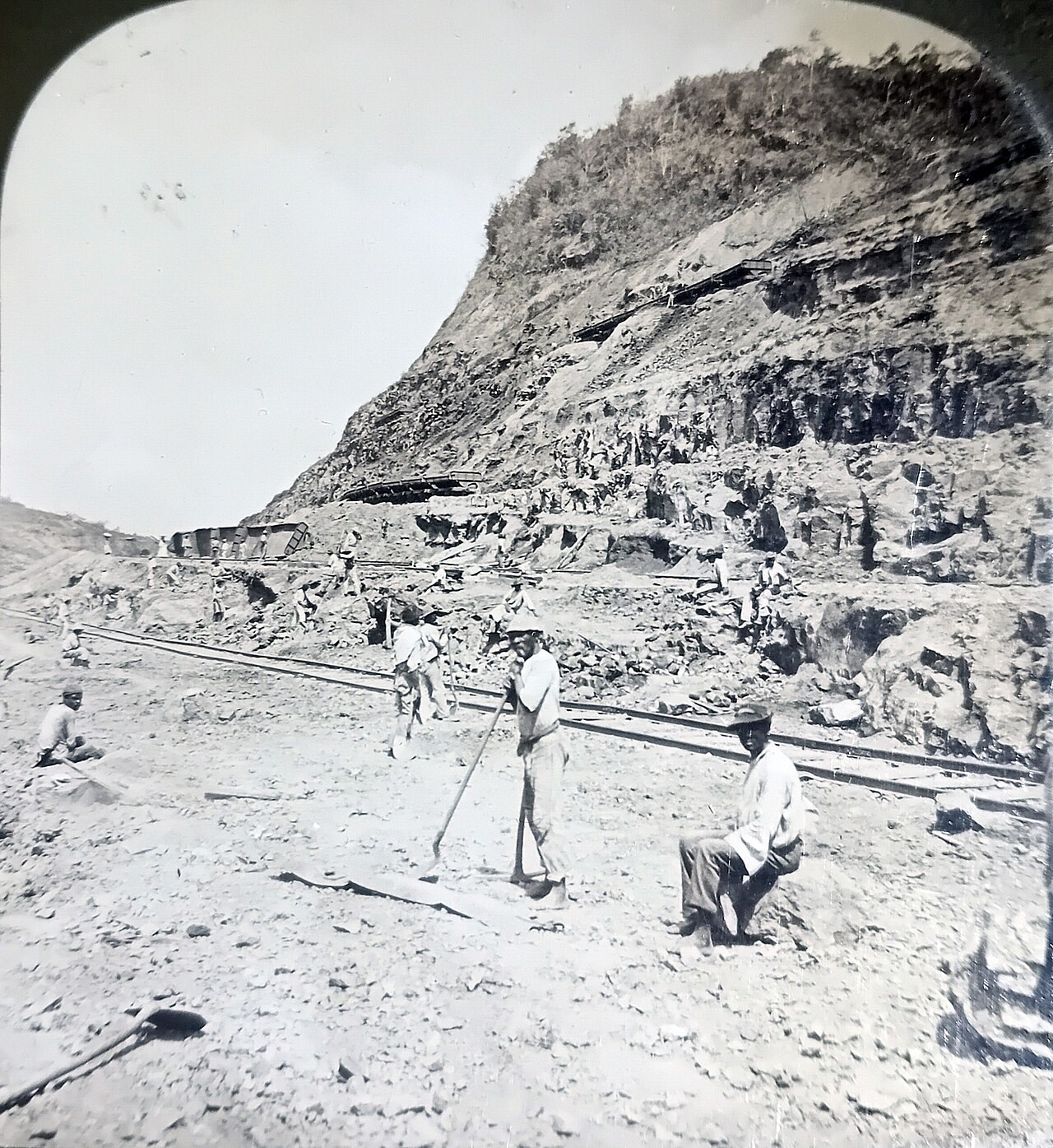
Recruiting an international workforce
The United States took over the canal project in May 1904, after the earlier French effort had failed. Panama had become independent of Colombia in November 1903. The subsequent treaty gave the United States extensive powers within a ten-mile-wide Canal Zone, creating the political framework in which American officials directed construction.
Recruiting enough workers was an immediate problem. Engineers needed people to dig, drill, load spoil, move railway tracks, maintain equipment, and build the locks. The Panama Canal Authority’s construction history emphasizes both the shortage of locally available labour and the search for workers abroad. Recruitment reached the United States, Europe, and the Caribbean.
Migrants arrived with different skills and circumstances. Barbados was especially important, while Jamaicans also came independently and as artisans. Official recruitment totals should not be treated as a complete census of everyone who crossed to the isthmus. They cannot capture all independent arrivals, family members, departures, or repeat journeys.
Tulane University’s exhibition on the canal’s builders places Caribbean migrants at the center of the labour force. These workers were central participants in the project’s construction, rather than an incidental addition to an American engineering story.
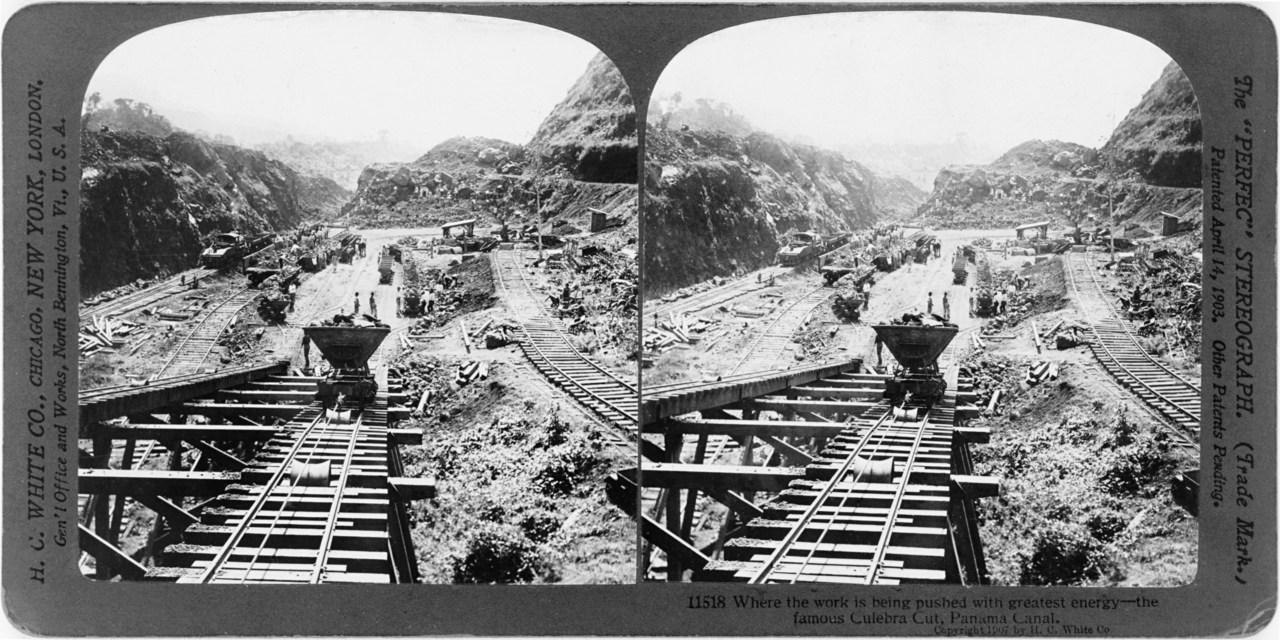
What the two payrolls meant
The words gold and silver originally referred to different currencies used for payment. They also acquired a hierarchy of benefits. Gold-roll positions were associated predominantly with white American employees and better-paid work. Black Caribbean labourers formed the largest component of the lower-paid silver workforce. Gold status carried advantages beyond the wage itself, including more favorable leave and retirement provisions.
The distinction spread through the Canal Zone’s institutions. Workers and their families encountered it in accommodation, shops, schools, transport, and recreation. A person’s position in the payroll system consequently affected the costs and conditions of maintaining a household, educating children, or recovering from illness. Comparing hourly wages alone misses much of the inequality.
Nevertheless, “all white workers received gold and all Black workers received silver” is too simple. Some European labourers belonged to the silver roll. A small number of Black Americans had gold contracts, and other Black Americans received particular benefits without being transferred to gold status. Race, nationality, occupation, and the date of employment all mattered, though they did not matter equally.
Those complications expose how the system worked. Categories that appeared to describe jobs were repeatedly adjusted to preserve a racial and national hierarchy. The exceptions did not make the classifications neutral; they show officials negotiating the contradictions between the categories they used.
When skill could not overcome colour
Historian Patrice C. Brown’s study of Panama Canal records at the U.S. National Archives documents the gap between the official language of skill and actual decisions. In 1906, authorities moved to transfer Black workers paid on a gold hourly basis to the silver hourly roll. An exception protected certain existing American contracts, but officials subsequently stopped giving new gold contracts to Black Americans.
Records from both the construction period and the canal’s later operation identify Black supervisors, clerks, and teachers on the silver roll. Their work required responsibility and education, contradicting the notion that the lower category simply described unskilled labour. Special contracts for Black Americans could provide selected benefits while leaving the racial separation intact.
Even Black employees already entitled to gold privileges faced challenges at service windows. Some needed specially marked documents or metal checks to obtain the treatment their contracts promised. A formal entitlement was only useful when the person serving them accepted it.
This made discrimination both bureaucratic and personal. The employment file assigned a category; a clerk or other official could still decide that an employee’s appearance did not fit it. Challenging such treatment required time, persistence, and a willingness to confront the administration that controlled the employee’s livelihood.
Separate accommodation and separate expectations
The workforce’s size required a supply system of unusual scale. The Canal Authority’s employment and provisioning history lists 39,962 employees in August 1913. Other counts used different dates or included contractors, so they should not be treated as directly interchangeable. Feeding workers and their families required imported supplies, refrigerated storage, railway distribution, kitchens, and dining facilities.
The administration did not provide those services on a uniform basis. Its own historical account distinguishes restaurants and hotels for single Americans, mess facilities for European labourers, and kitchens for West Indian workers. Recorded food charges also differed between those groups. Such arrangements made nationality and payroll status visible in the ordinary act of eating.
Food could also become a focus of resistance. The University of Florida’s exhibition on food in the Canal Zone describes disputes over meals and efforts to adapt supplies to workers’ expectations. Authorities imported such foods as yams and codfish for West Indians, and garbanzos and chorizos for Spanish workers. Workers were not simply passive recipients of whatever the institution chose to serve.
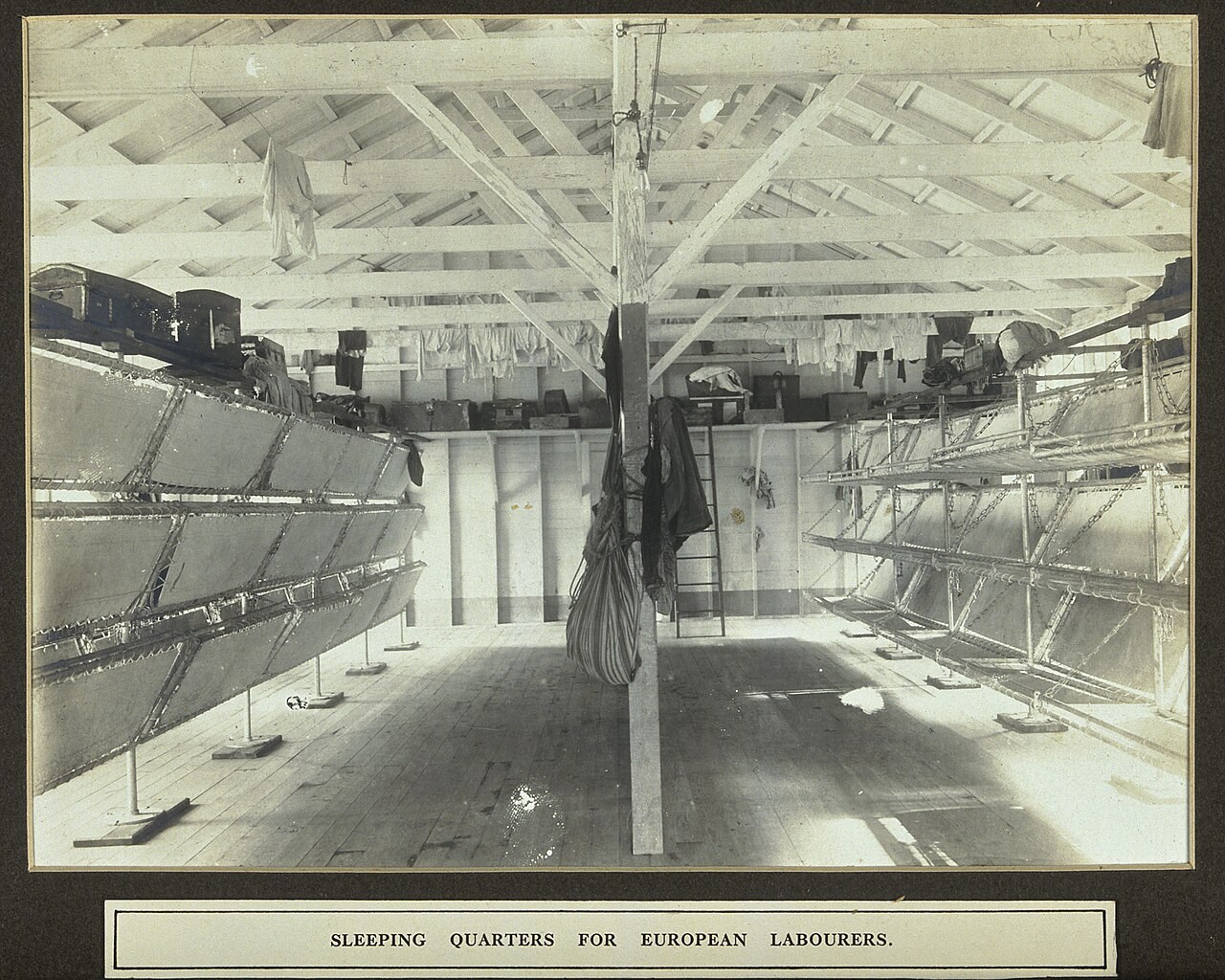
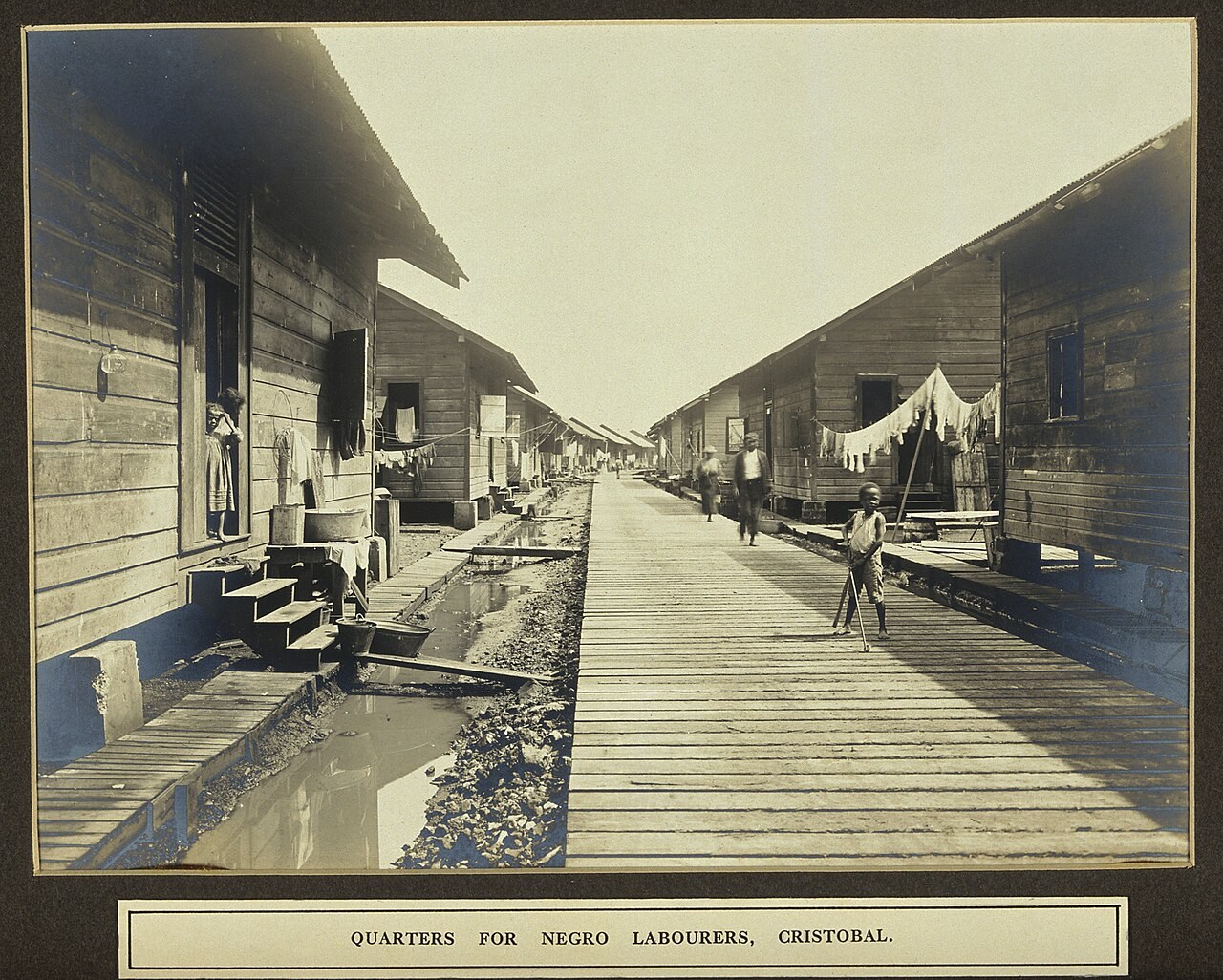
Housing photographs preserve another part of the system, but they need careful reading. A photograph of quarters records a particular place and moment. It cannot, by itself, establish that all workers of a given category lived under identical conditions throughout a decade of construction. Photographs become more informative when read alongside payroll rules, correspondence, and workers’ own accounts.
Health depended on workers too
Mosquito-control campaigns and improved sanitation helped make sustained construction possible. Their success is often associated with William C. Gorgas and the medical administration. Yet the practical work involved digging drains, treating mosquito-breeding sites, installing infrastructure, and maintaining it. Those tasks depended heavily on Black labour.
An academic study in the University of Minnesota Press journal platform, “Fever and Ague All Day”, examines workers’ illness, injury, and the unequal distribution of protection. It also describes the racial assumptions behind recruitment: officials treated Caribbean workers as particularly suited to tropical labour, while giving white American employees more extensive support. Supposed natural fitness became a justification for unequal provision.
Illness consequently belonged to the history of work as well as to the history of medical discovery. A malaria episode could interrupt earnings or contribute to a decision to leave. Counting only deaths misses the people who survived with repeated illness, lasting injury, or reduced capacity to work. The canal’s productivity depended on bodies whose experience was poorly summarized by a successful public-health statistic.
The labour beyond the payroll
A construction workforce also needs meals, clean clothing, accommodation, and care away from the excavation site. Many West Indian women supplied these necessities through businesses, domestic work, and family networks. Their labour often fell outside the formal canal employment arrangements.
In The Silver Women, historian Joan Flores-Villalobos argues that these women helped sustain the segregated workforce while receiving limited access to official wages and services. Women organized provisioning and care within an economy that the canal needed but did not fully support. They also made choices about migration, household arrangements, and earning money that could frustrate officials’ attempts to control migrant life.
This changes what it means to ask who built the canal. The workers moving rock and pouring concrete relied on people whose contribution would never appear in an excavation total. The boundary of the government payroll was also a boundary in the official record, leaving much of the work required to reproduce daily life less visible.
Opening the canal did not end the hierarchy
The canal officially opened on 15 August 1914. Its completion brought layoffs and the dismantling or abandonment of construction settlements. The Canal Authority’s account of the end of construction cites hospital records listing 5,609 deaths from disease and accidents during the American construction era. Broader totals combining French and American work are estimates, not a complete count of identified victims.
The gold and silver distinction outlasted construction. It continued to shape the operation of the canal and remained a subject of complaint and reform. A State Department memorandum dated 8 December 1948 reported that the terms had been removed from new wage schedules and that public signs using them had recently been taken down.
The same memorandum makes clear how limited a change in terminology could be. It described continuing differences between U.S. and non-U.S. employees’ pay, as well as arguments over the implementation of reforms. Removing a label did not automatically remove the hierarchy it had helped administer.
The canal’s locks and channels remain evidence of an extraordinary construction project. Its payroll records, living quarters, complaints, and migrant histories preserve another achievement and another cost: an international workforce built the waterway while living within an unequal social order. Understanding that order gives the people behind the famous steam-shovel photograph their proper place in the story.