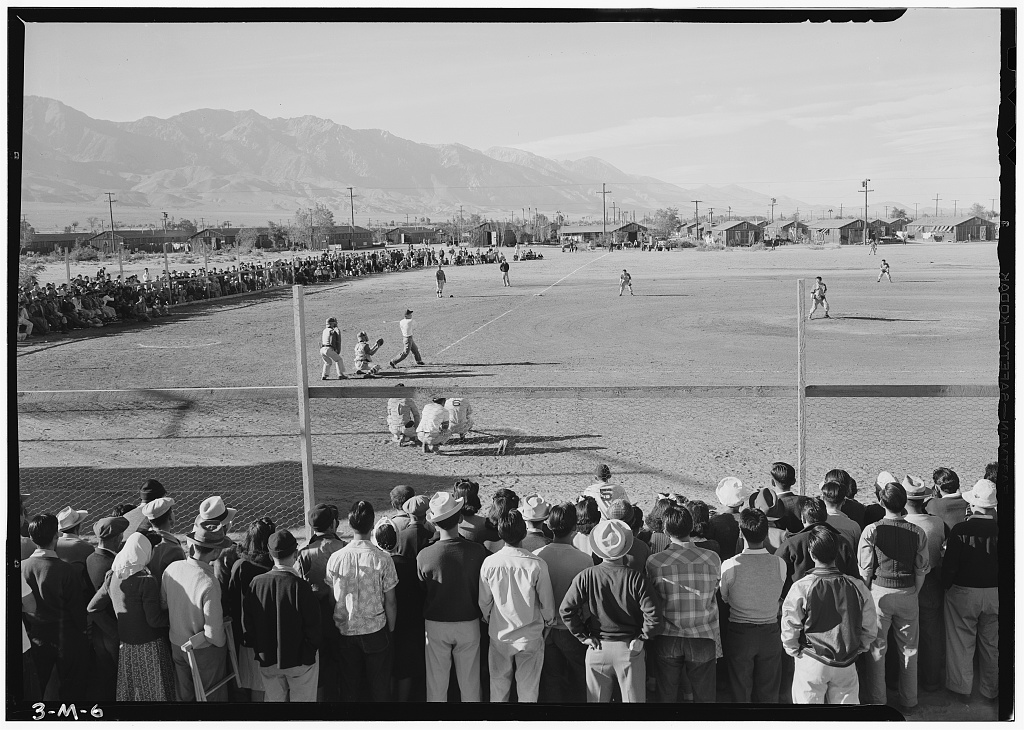
Manzanar: The Lives Inside the Photographs
Manzanar’s photographs preserve community life inside incarceration. The orders, testimony and court decisions outside the frame explain what the images cannot.

1800–1944 CE. Revolutions, industrialization, empires, and global conflicts within a conventional browsing range.
Manzanar’s photographs preserve community life inside incarceration. The orders, testimony and court decisions outside the frame explain what the images cannot.
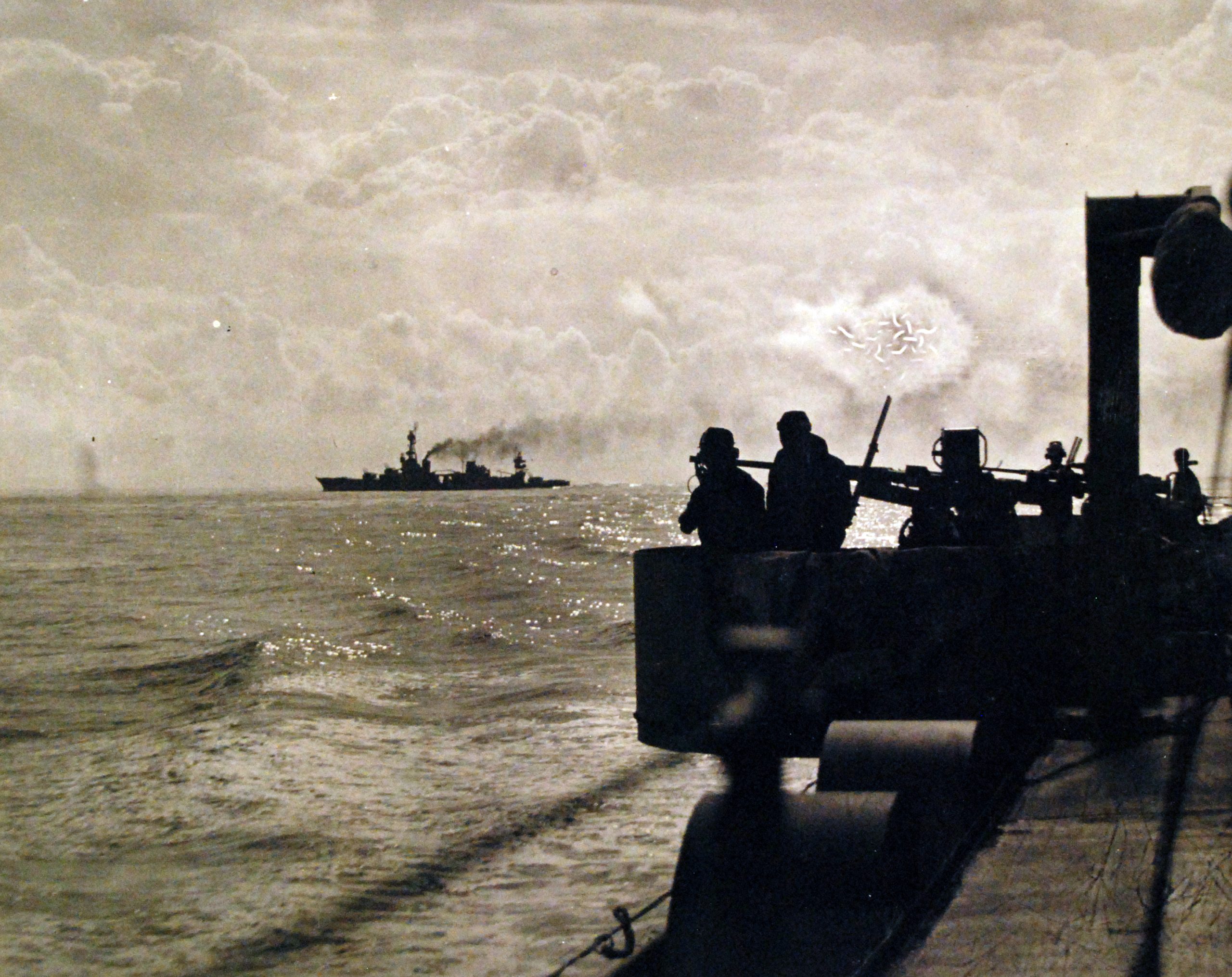
Operation Torch opened an Allied front through a bargain with a Vichy leader. Military cooperation arrived faster than restored rights.
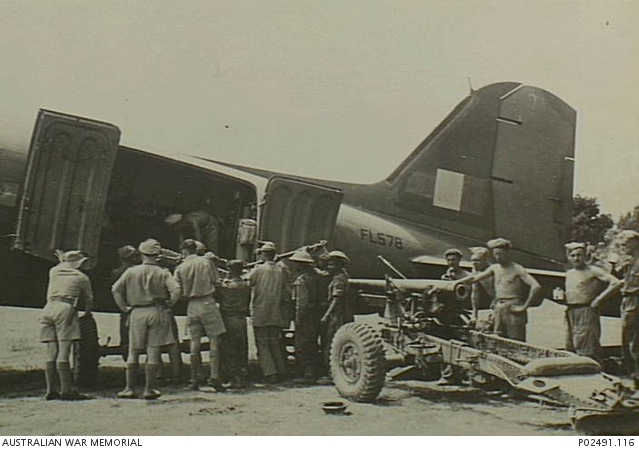
In 1944, aircraft kept Allied troops supplied after Japanese forces cut their roads. The airlift worked because soldiers held the ground beneath it.
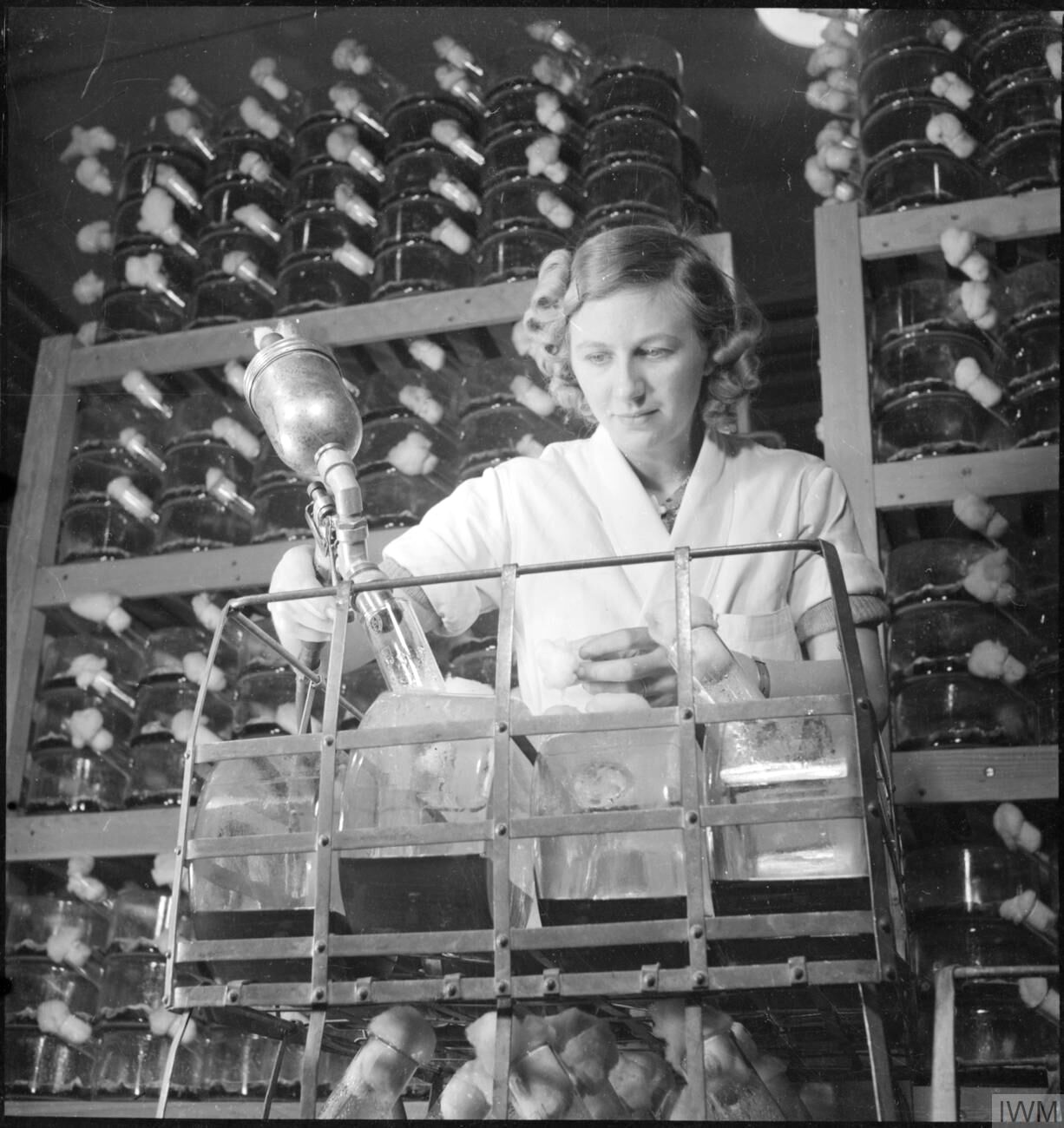
Penicillin became a dependable medicine through cultivation, extraction, testing and industrial coordination. Discovery was only the beginning.
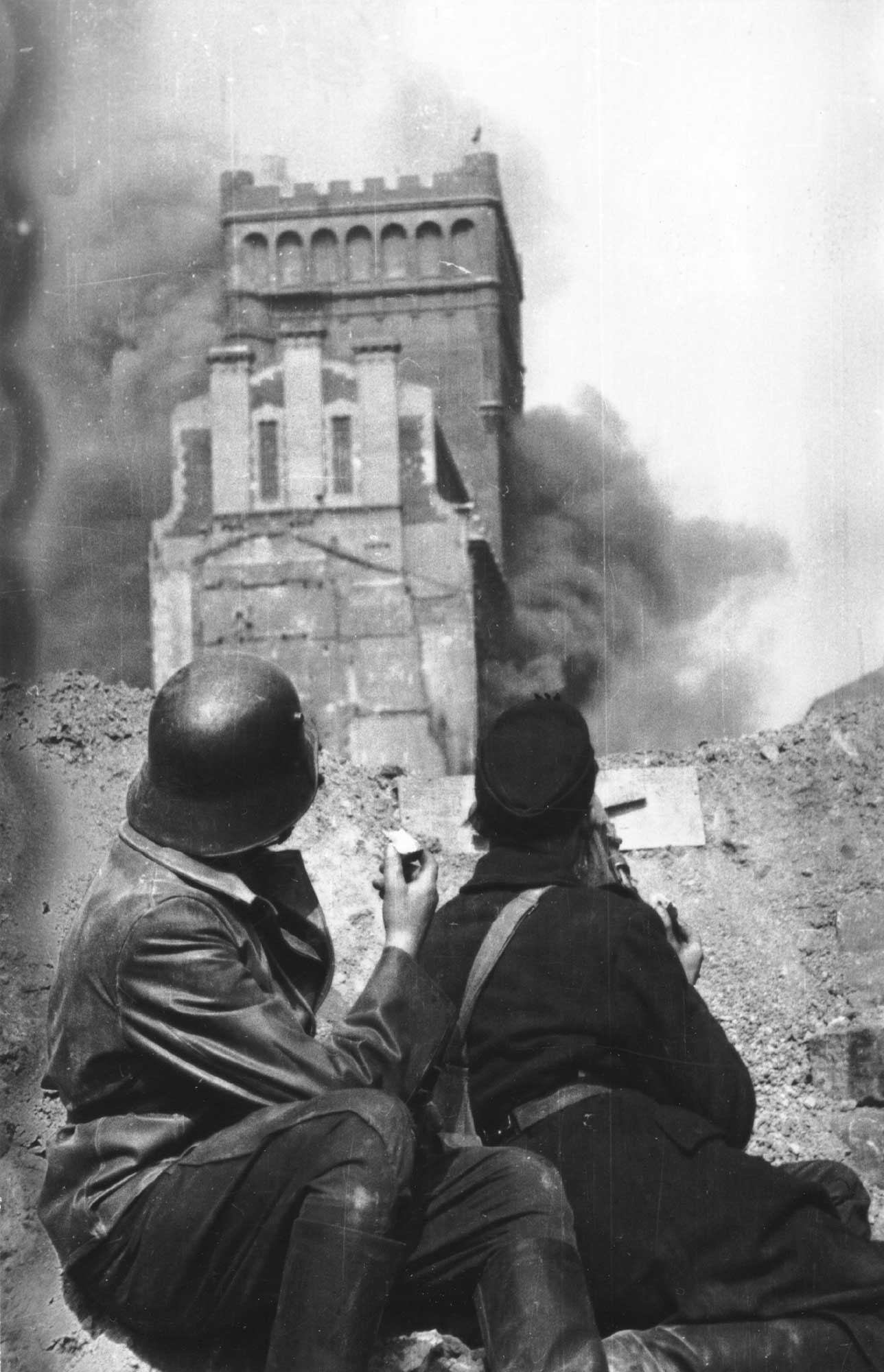
Flights from Italy and Britain carried help to Warsaw, but political refusals, German fire and shrinking drop zones kept that help from becoming a lifeline.
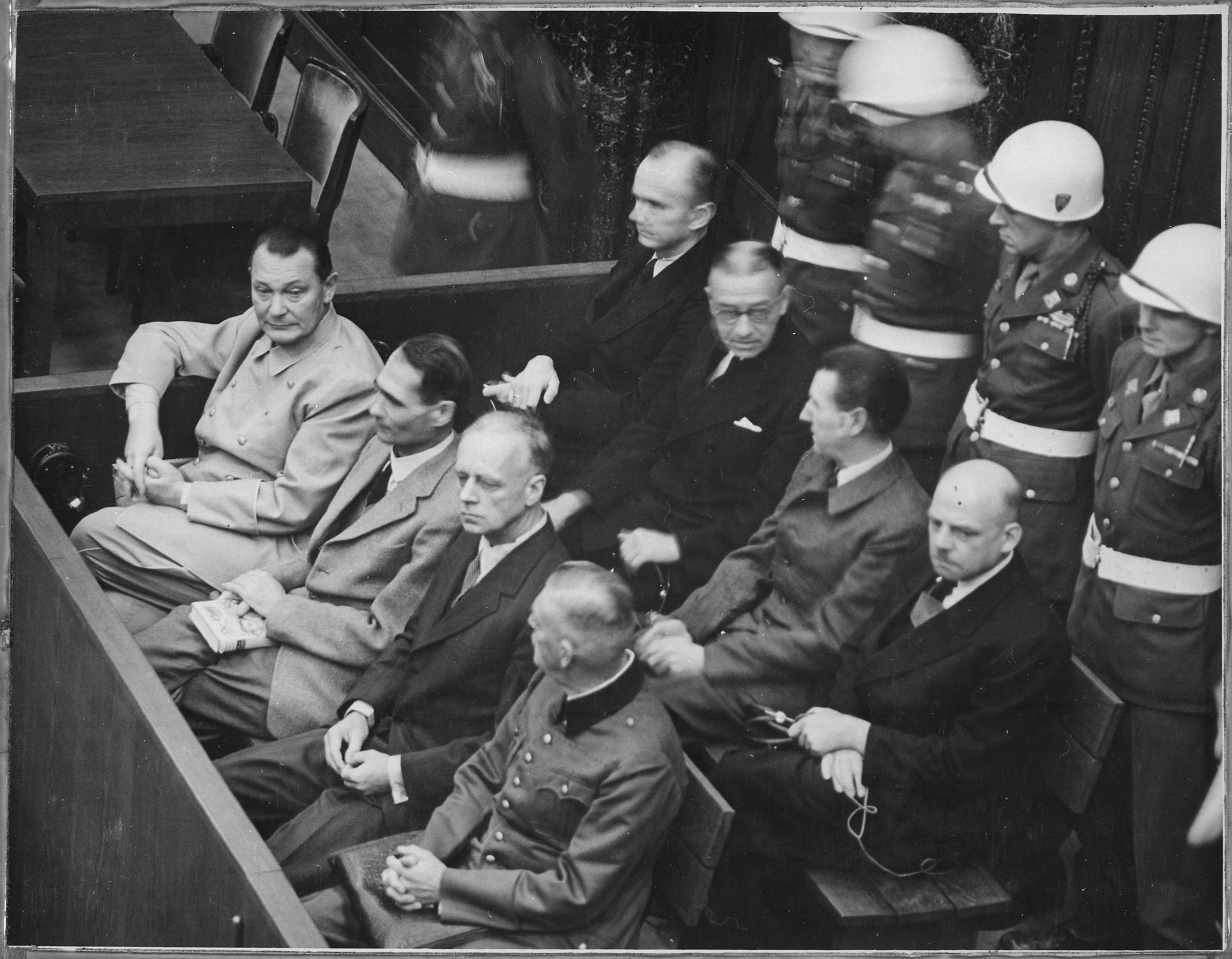
Nuremberg made leaders answer for aggressive war. Its convictions, acquittals and jurisdictional limits show how the tribunal connected state power with individual responsibility.
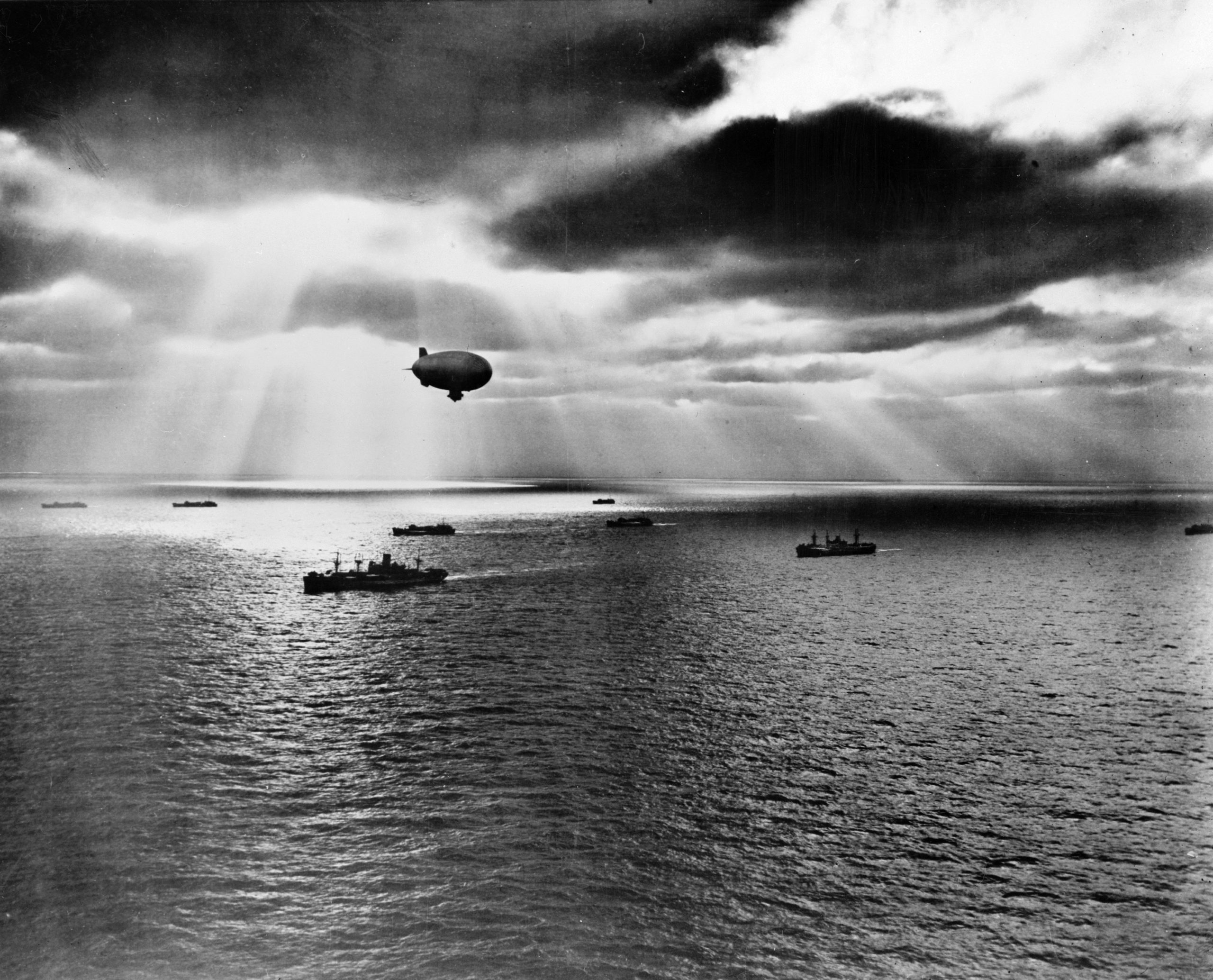
In May 1943, aircraft, escorts, intelligence and trained crews made the North Atlantic offensive too costly for German submarines. The turning point was decisive, but the war at sea continued.
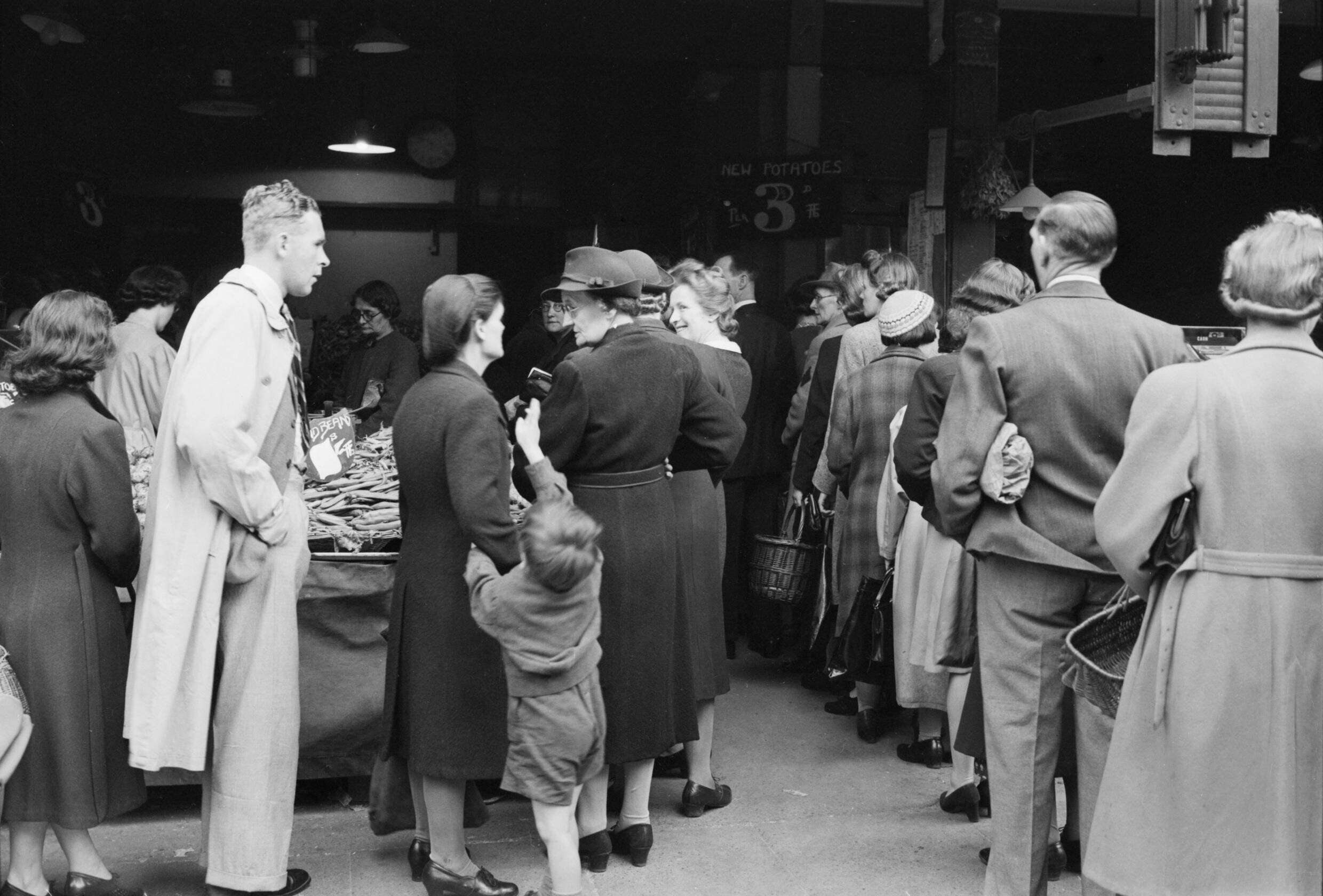
Britain put bread on coupons in July 1946, after leaving it unrationed during the war. Global grain shortages, thin stocks, diplomacy and household burdens shaped a fiercely disputed policy.