
Angkor Beyond the Checklist: How to Read Three Extraordinary Temples
Read Angkor Wat, Bayon and Ta Prohm through authority, religious change and conservation. A historically grounded guide to a more attentive visit.

500–1499 CE. A browsing label, not a claim that every region shares the same medieval period.
Read Angkor Wat, Bayon and Ta Prohm through authority, religious change and conservation. A historically grounded guide to a more attentive visit.
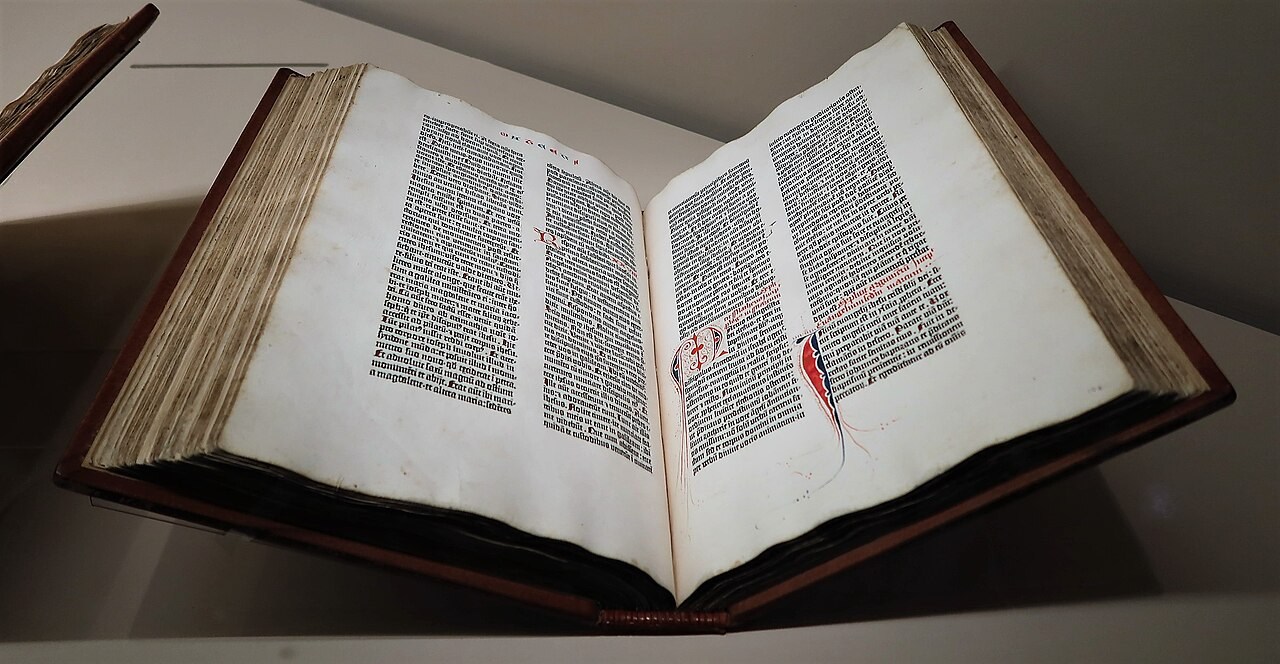
Metal type was only one part of the achievement at Mainz. Money, skilled labor, hand decoration and changing partnerships shaped the books that survive.
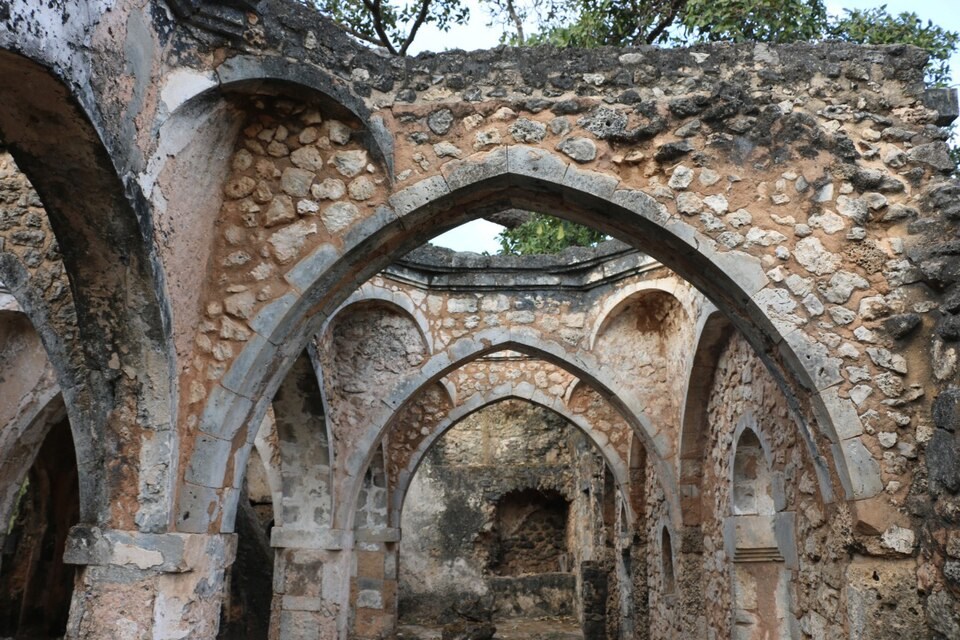
Kilwa’s mosques and palace reveal a prosperous Swahili port. Its coins, houses and living heritage show why the city’s history reaches beyond spectacular overseas trade.
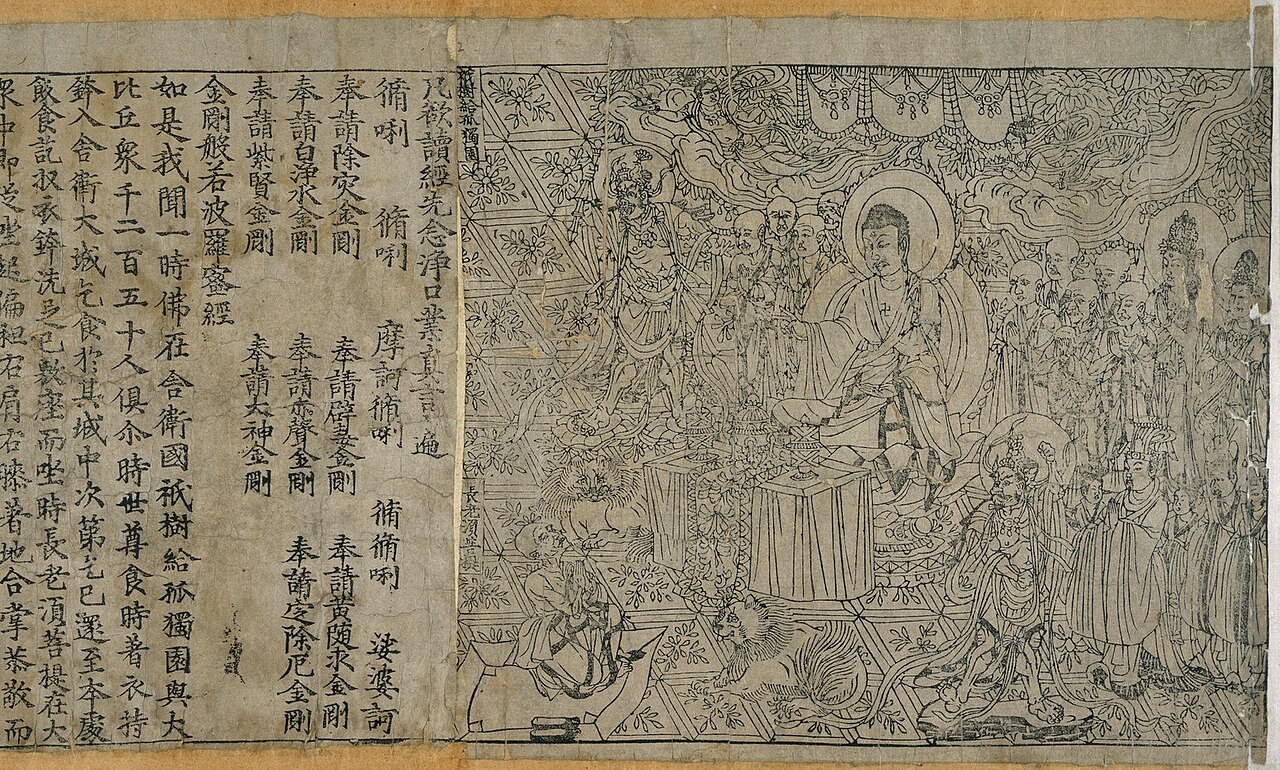
A dated dedication, finely cut images and a hidden chamber reveal why an early printed Buddhist scroll was made, how it survived and what its famous date actually proves.
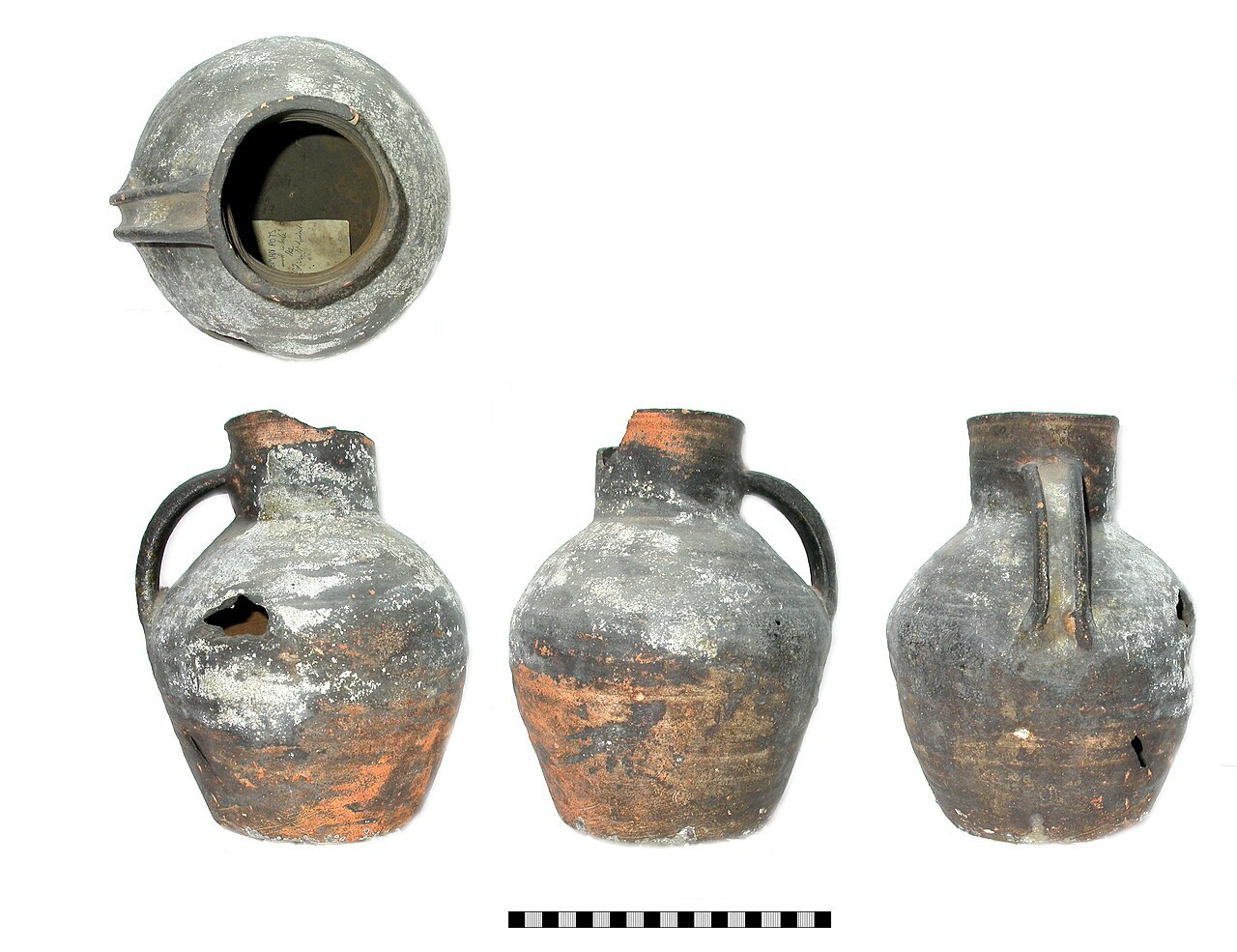
From Howden’s women brewers to Oxford’s regulations and Margery Kempe’s failed brewery, English ale-making reveals how household skill, money and public authority shaped women’s work.
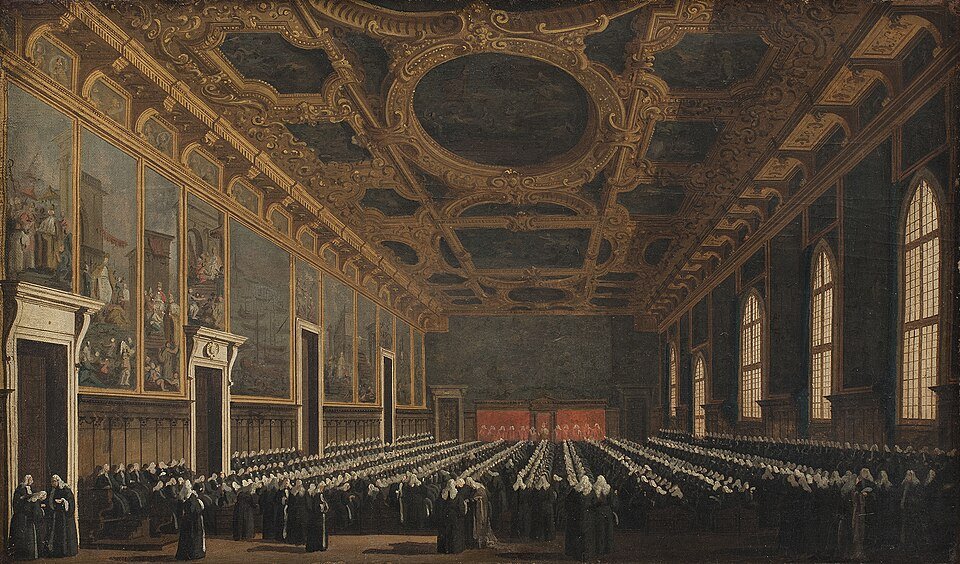
An elaborate election, a binding oath and watchful councils gave Venice a splendid head of state while keeping its doge inside an oligarchic republic.
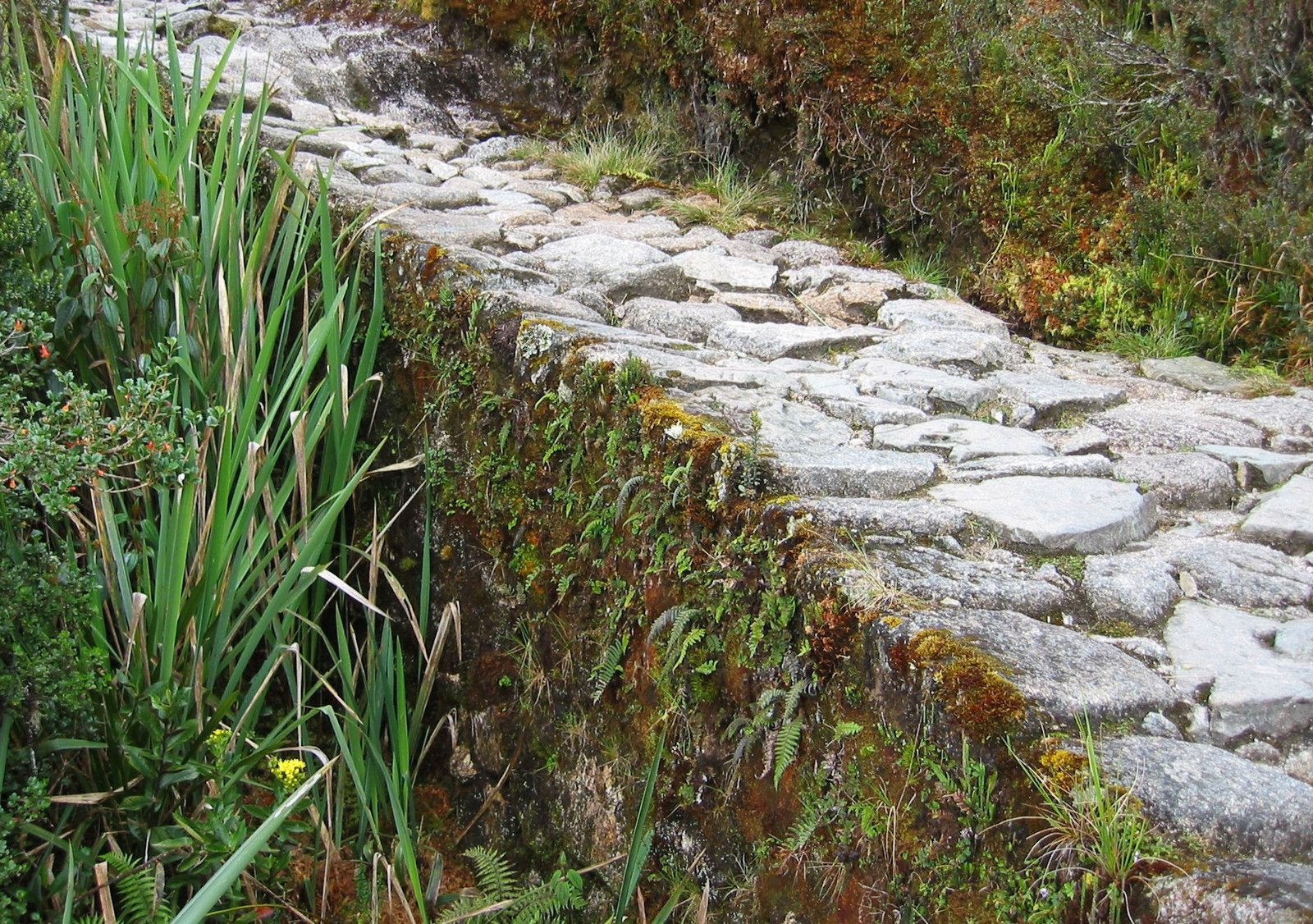
Across the Andes, roads, relay runners, storehouses and knotted records made Inca government possible. Their history reveals the recurring labor behind an imperial network.
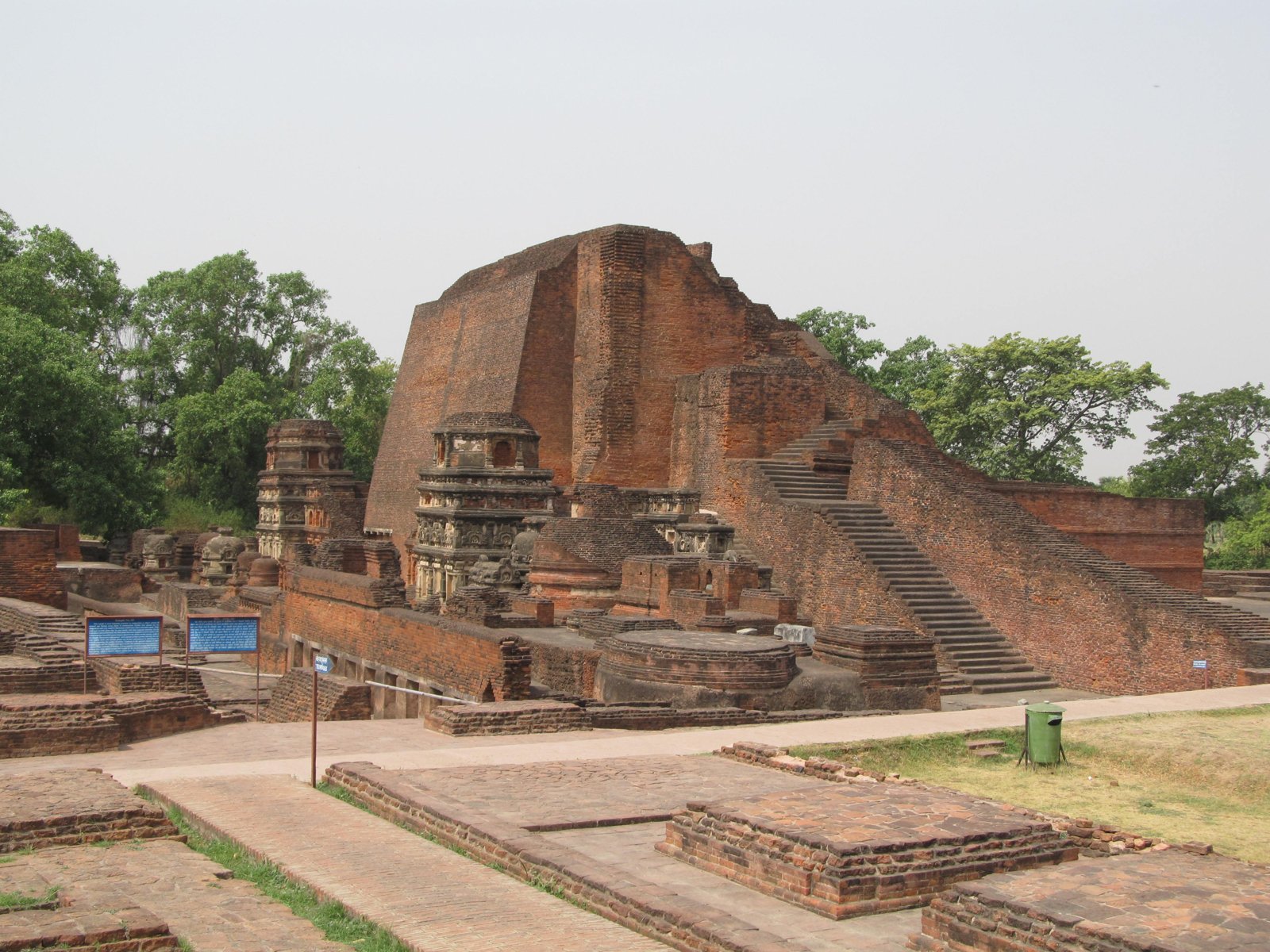
Land grants, demanding teachers and traveling manuscripts made Nalanda a center of learning whose influence reached far beyond its monasteries in Bihar.
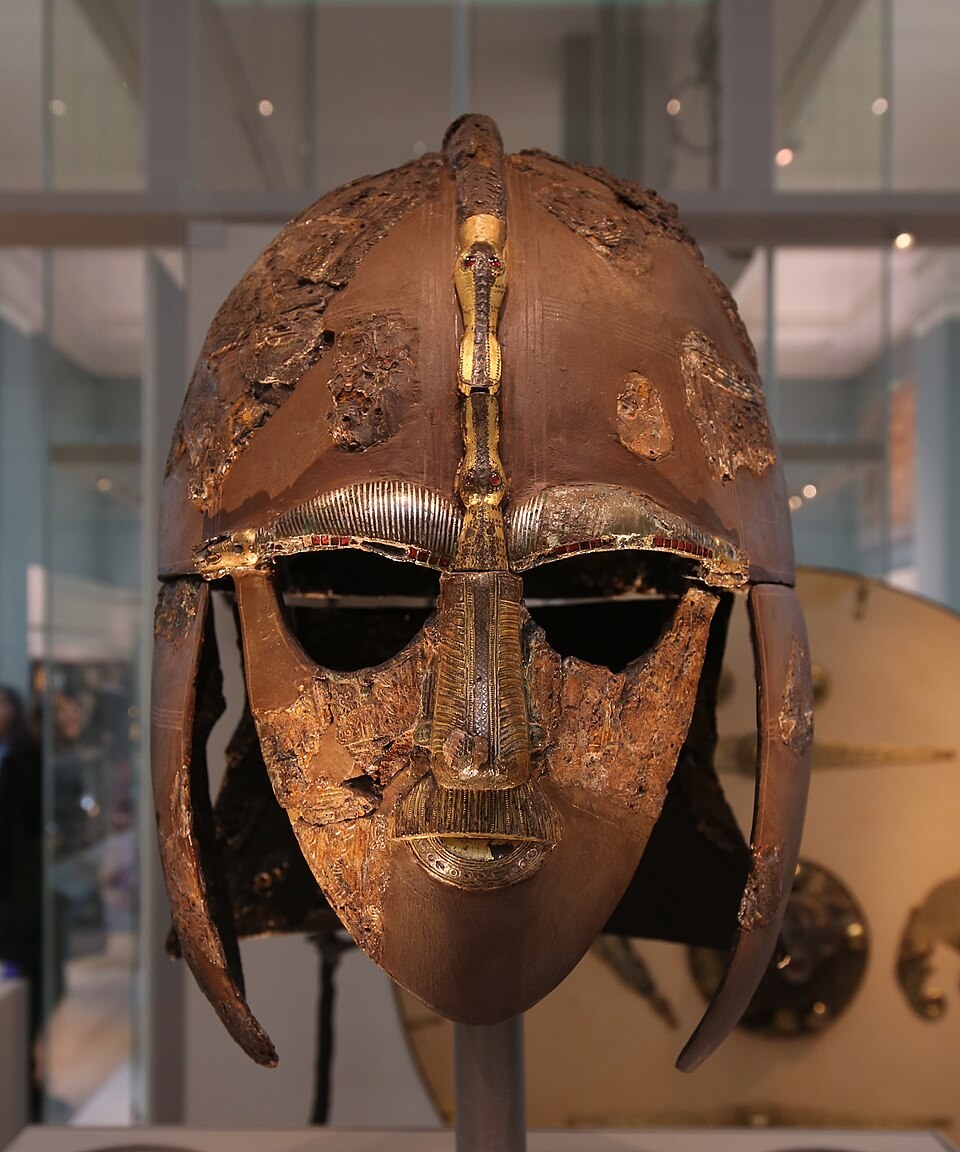
The Sutton Hoo burial reveals extraordinary craftsmanship and far-reaching connections. Its treasures also show why naming the person buried there remains a matter of evidence, not certainty.
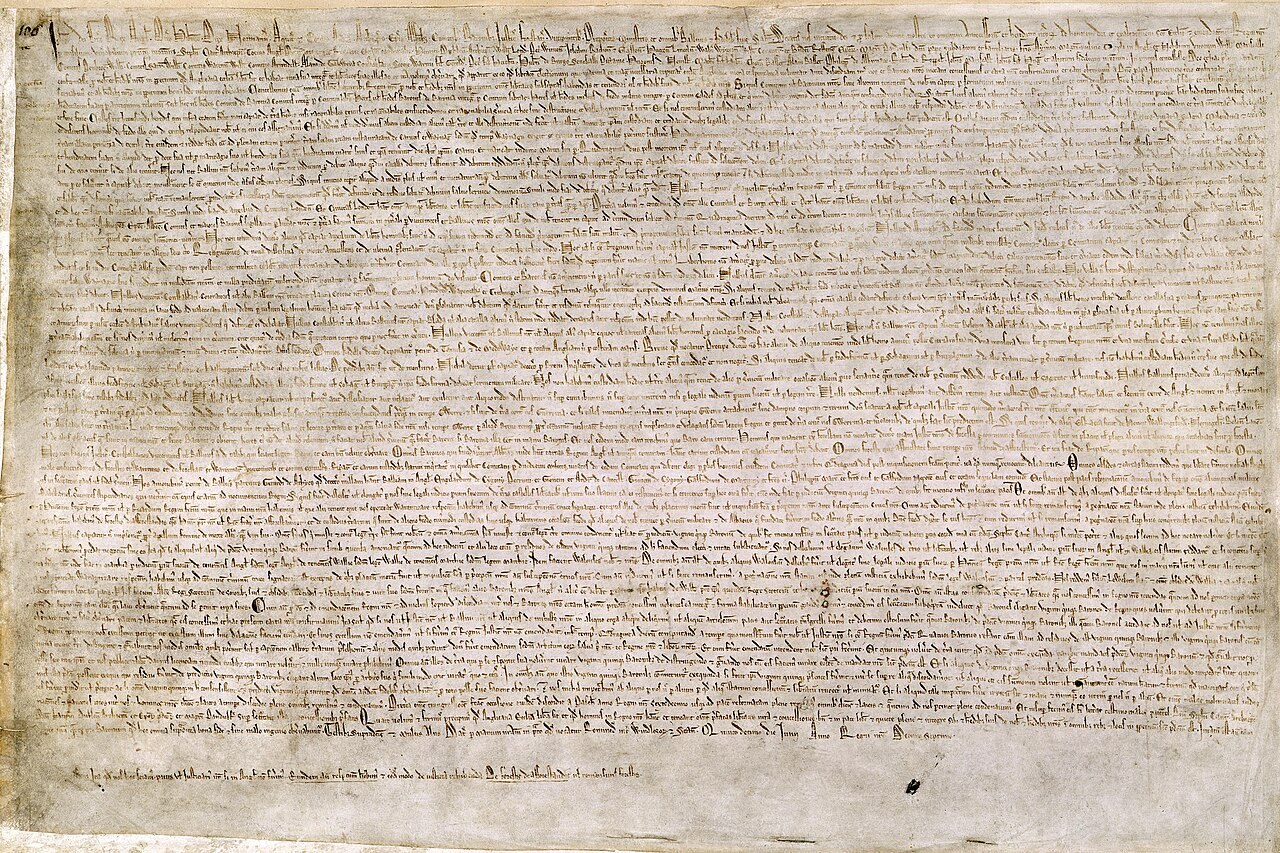
The charter of 1215 failed to stop a civil war. Its revisions, exclusions, and later reinterpretations explain how that broken agreement became a lasting language of lawful government.