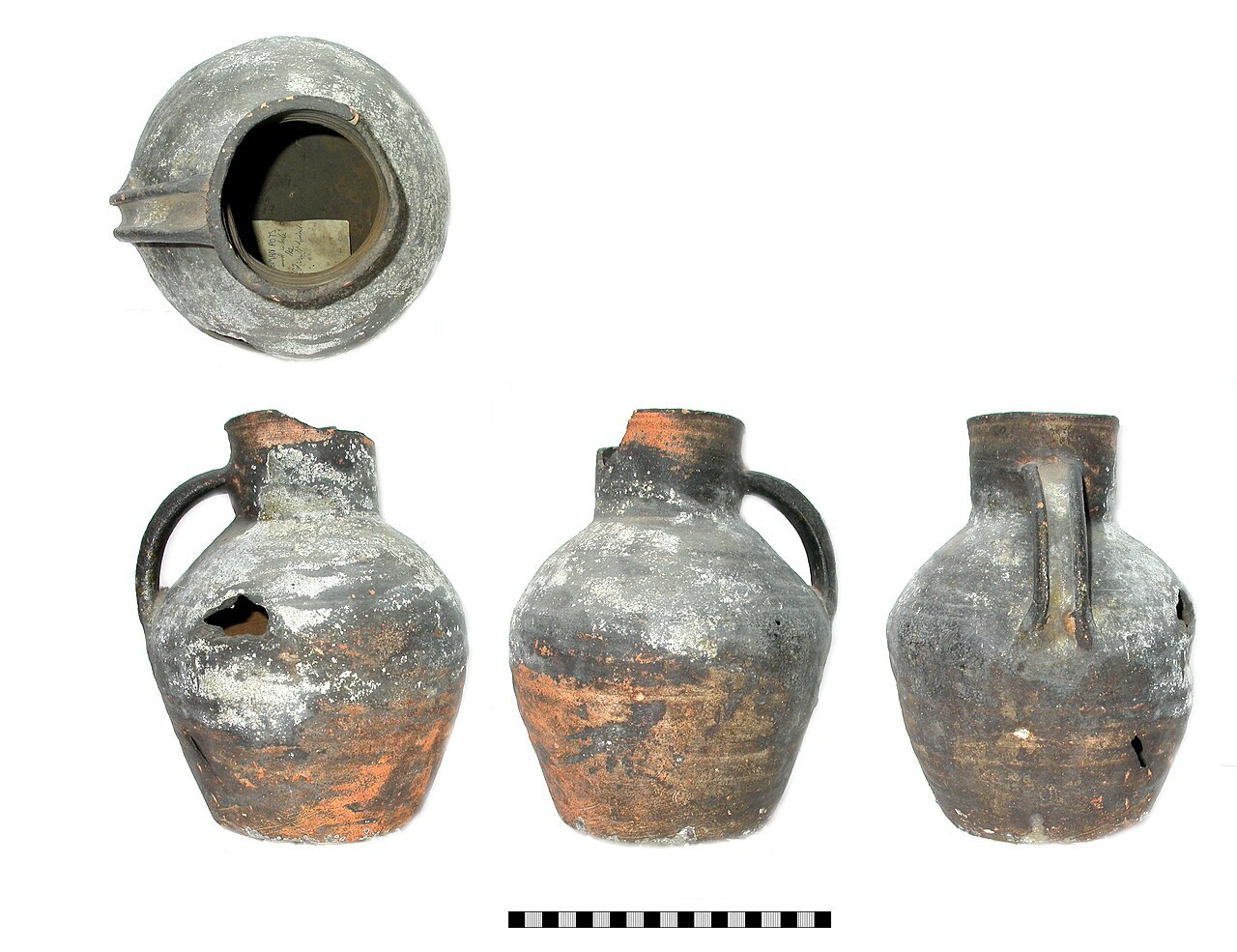
Alewives and the Work of Brewing in England from 1300 to 1500
From Howden’s women brewers to Oxford’s regulations and Margery Kempe’s failed brewery, English ale-making reveals how household skill, money and public authority shaped women’s work.

1500–1799 CE. A practical date range for browsing, with local transitions discussed in each article.
From Howden’s women brewers to Oxford’s regulations and Margery Kempe’s failed brewery, English ale-making reveals how household skill, money and public authority shaped women’s work.
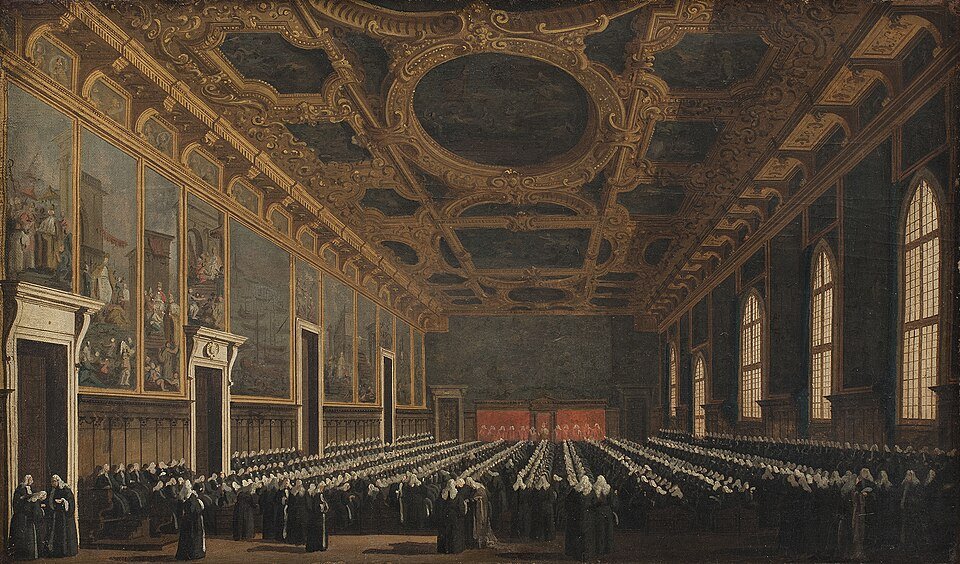
An elaborate election, a binding oath and watchful councils gave Venice a splendid head of state while keeping its doge inside an oligarchic republic.
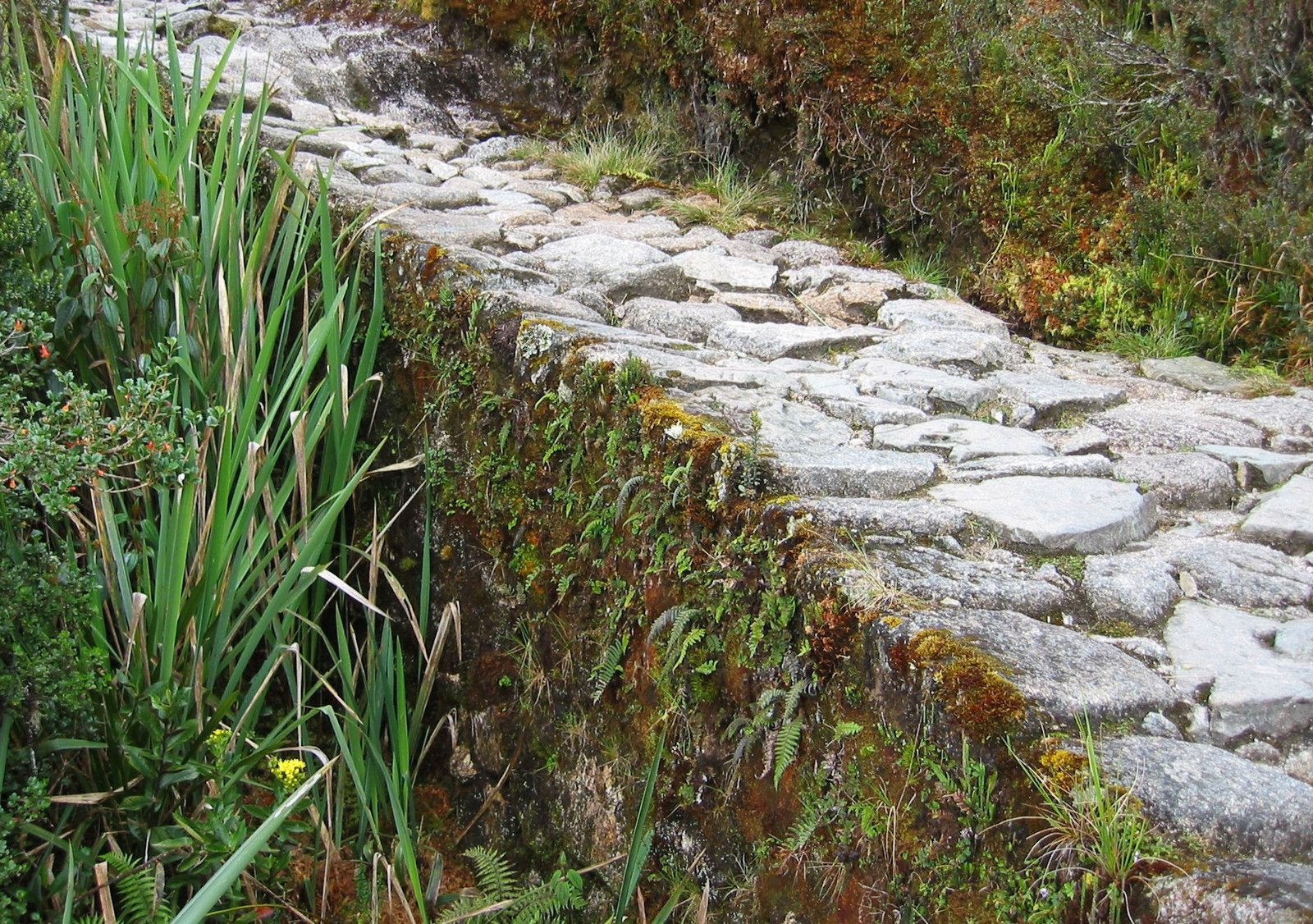
Across the Andes, roads, relay runners, storehouses and knotted records made Inca government possible. Their history reveals the recurring labor behind an imperial network.
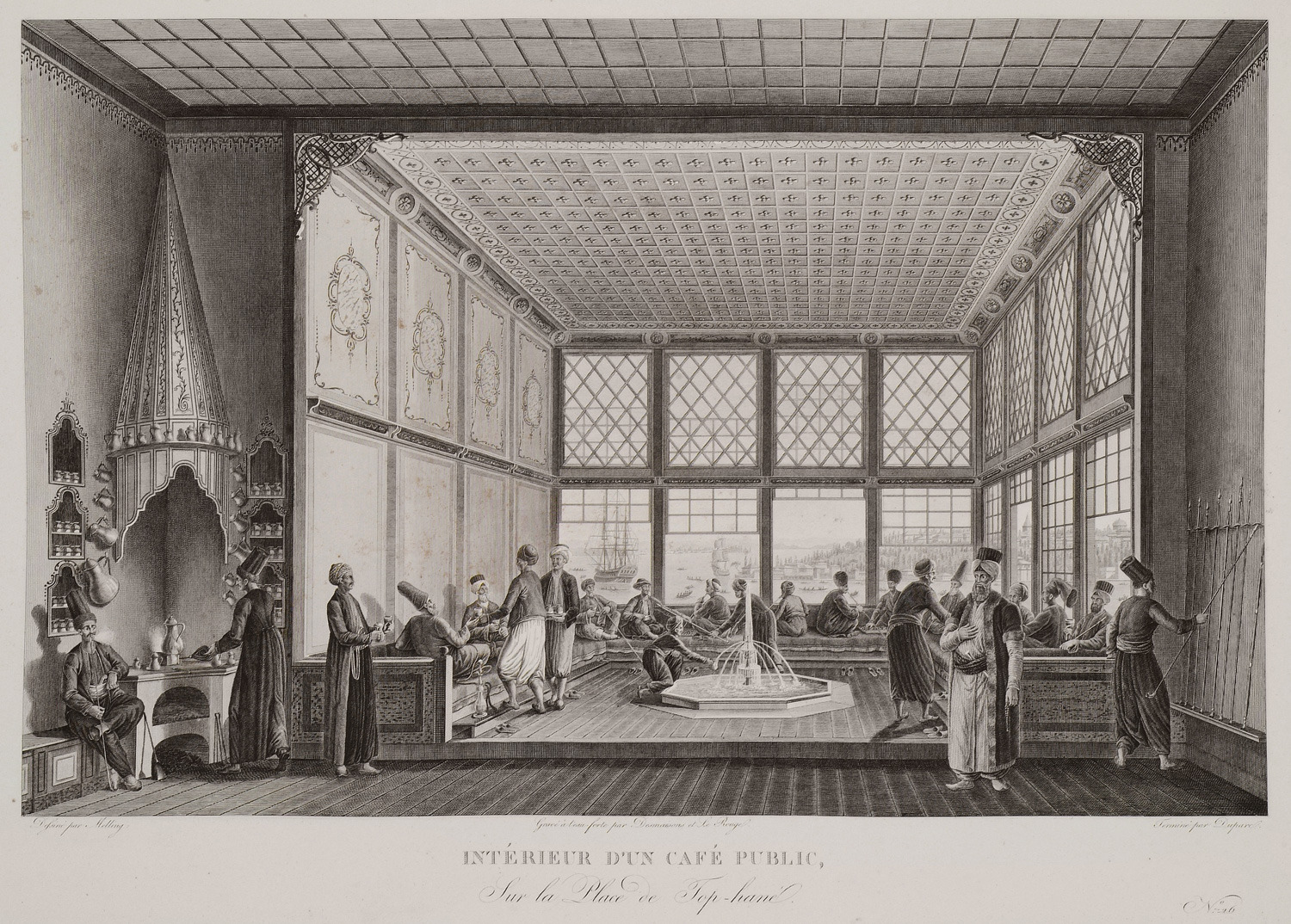
Coffee connected Ottoman shops and households to growers, craftspeople, performers, and officials trying to regulate urban gatherings.
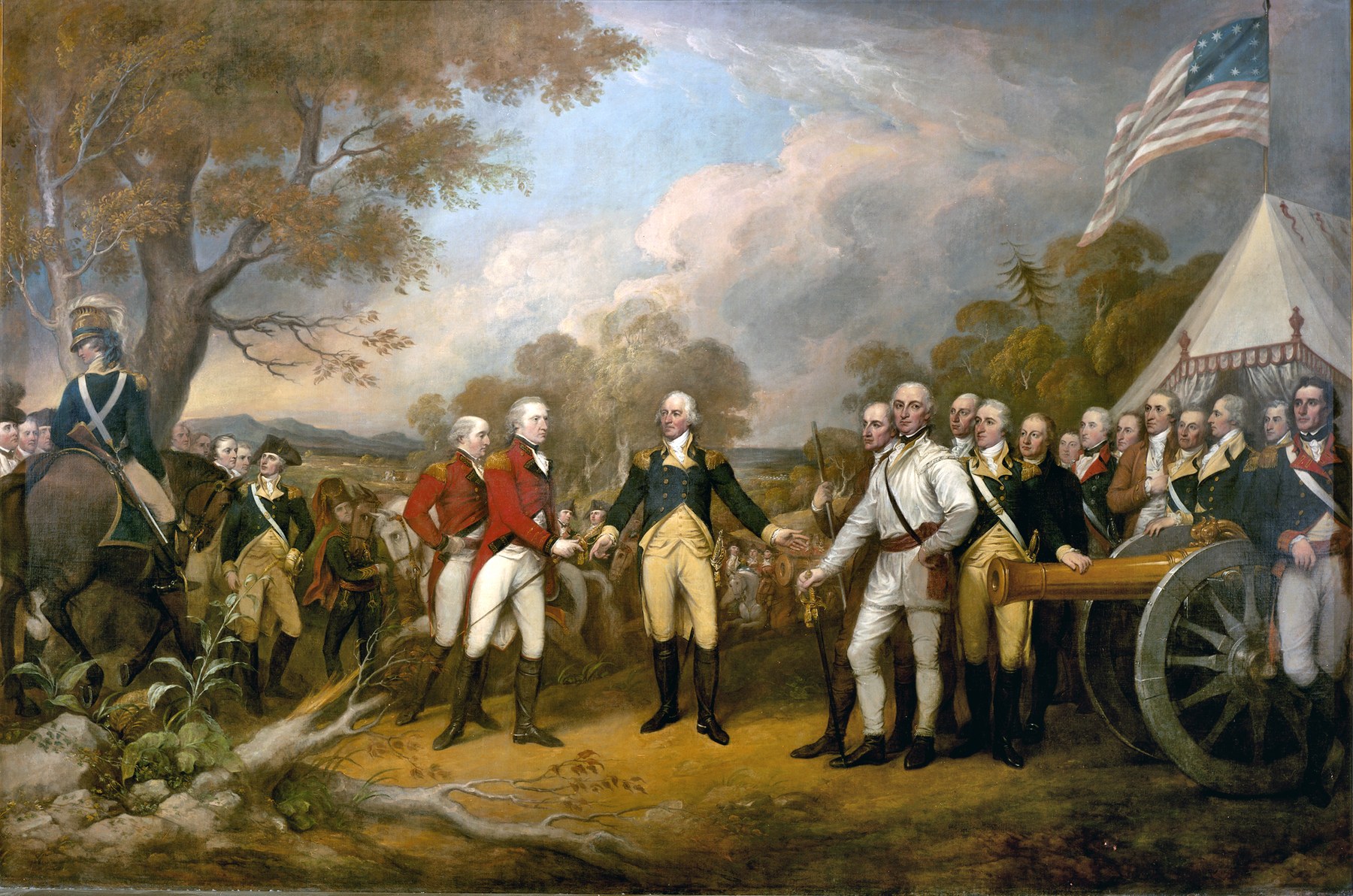
Broken transport, protected depots, and hard fighting trapped Burgoyne’s army. Diplomacy turned its surrender into the French alliance.
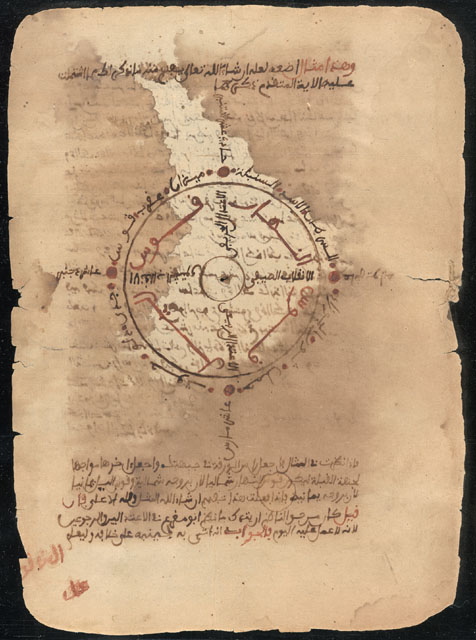
A copied page, a scribe’s fee and a travelling book reveal how Timbuktu’s scholars and families made, used and preserved a changing manuscript tradition.
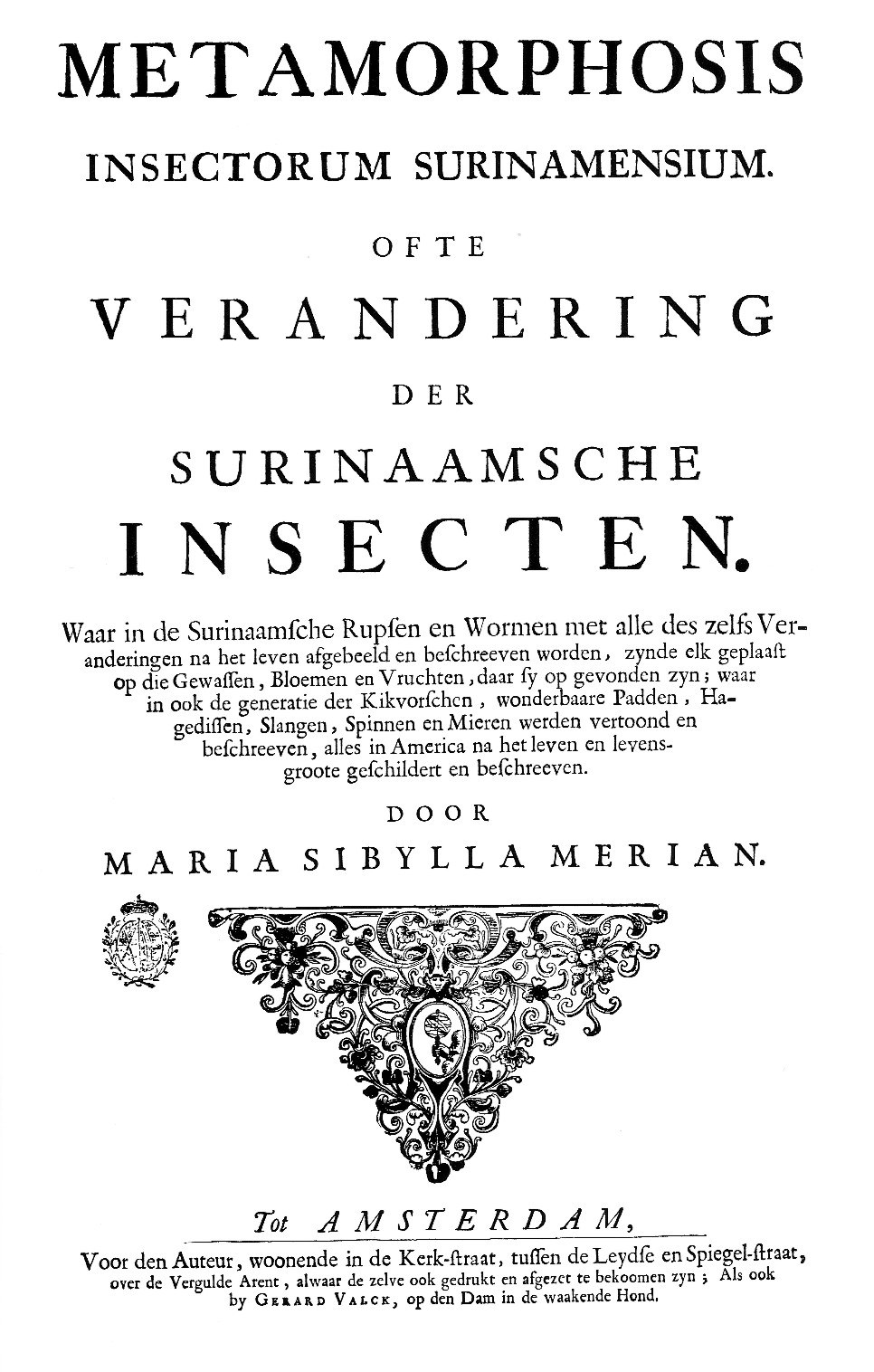
Merian followed insects through their transformations. Her Suriname book also preserves the labor, local knowledge, uncertainty, and colonial violence behind its beautiful plates.
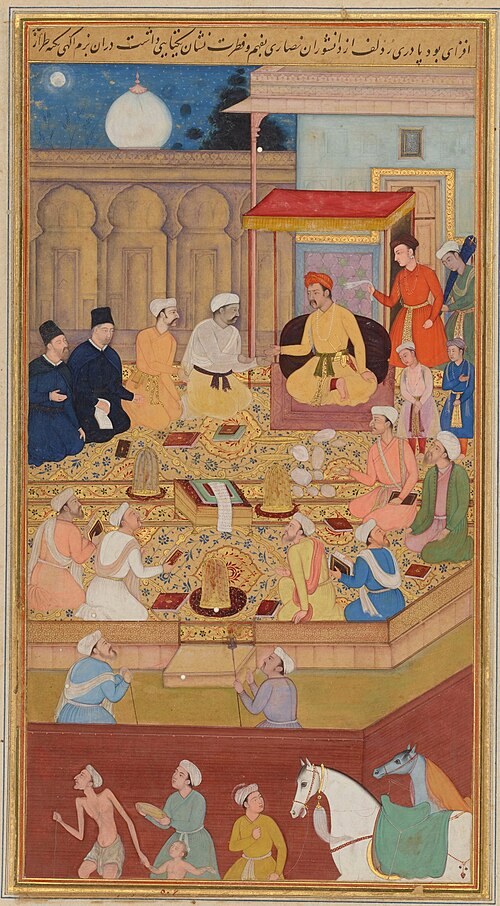
At Fatehpur Sikri, religious argument became an imperial project. Akbar’s debates, Jesuit visitors, and Sanskrit translations reveal both the ambition and limits of Mughal pluralism.

Harrison’s sea watch crossed an ocean, but its journey to acceptance took much longer. Clocks, lunar tables, public money, and repeated trials together changed navigation.
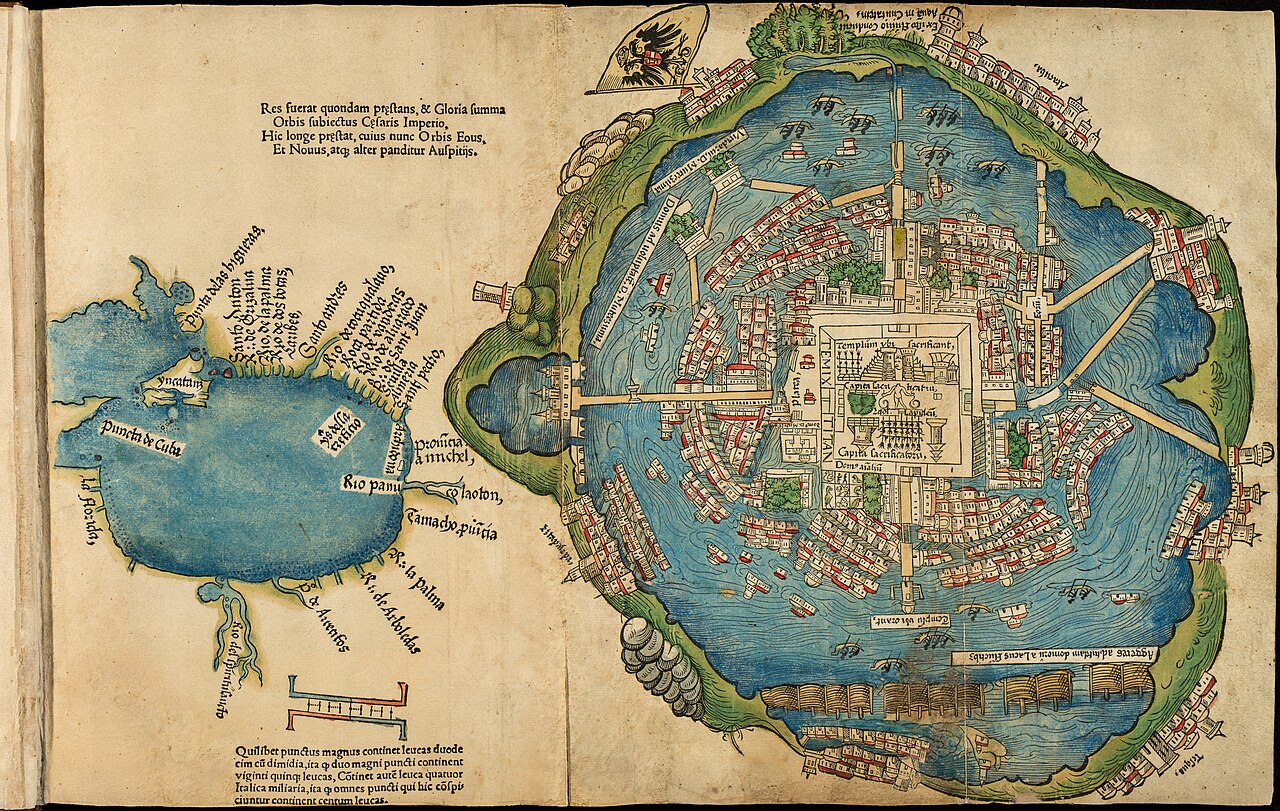
The siege of Tenochtitlan was a war of Indigenous alliances, shipbuilding, broken water supplies, and determined resistance in a city already scarred by epidemic.