
Histovia · World War II · Maritime history
Why May 1943 Turned the Battle of the Atlantic
The decisive change came when aircraft, escorts, intelligence and training began to work together. The result was measured in ships reaching port as well as submarines sunk.
By Histovia Team
On 24 May 1943, Admiral Karl Dönitz ordered his U-boats away from the North Atlantic convoy battle. Two months earlier, German submarines had inflicted losses that made the shipping routes between North America and Britain look frighteningly vulnerable. Now the men sent to sever those routes were being destroyed at a rate their commander could no longer accept.
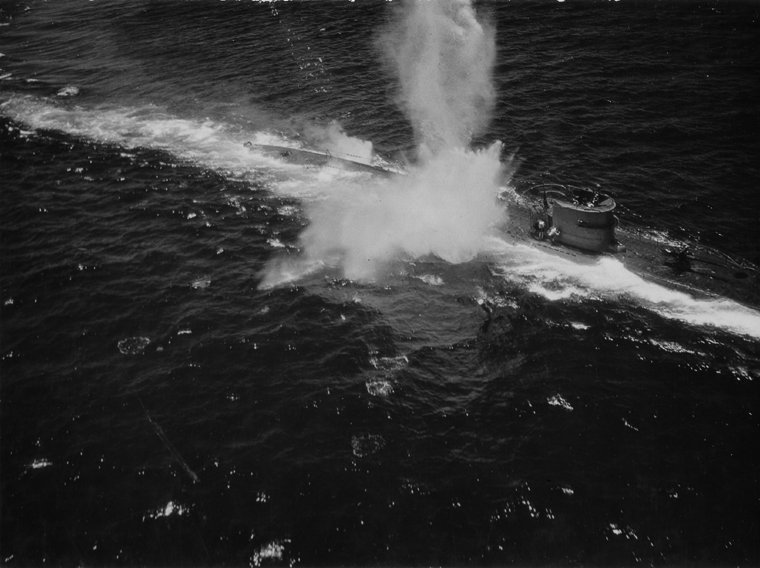
The reversal became known as Black May. It was neither the end of the Battle of the Atlantic nor the triumph of a single secret weapon. Its significance lay in something harder to see in an individual photograph of an exploding submarine: the Allies had learned to combine information, aircraft, ships and trained crews into a defence that could repeatedly frustrate the wolf packs. The crossing itself was becoming harder for Germany to stop. New Zealand’s official history identifies 24 May as the decisive withdrawal.
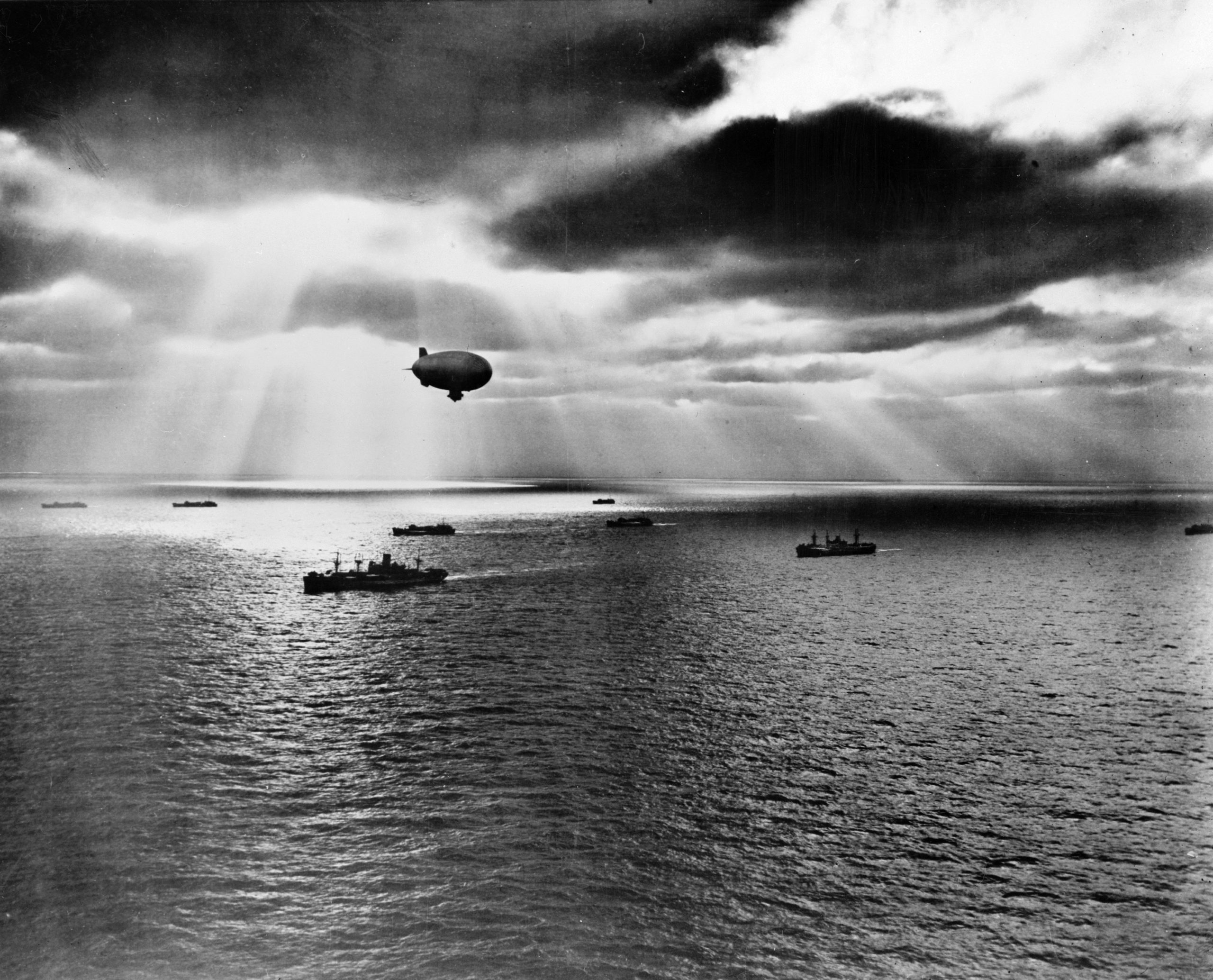
The cargo was the campaign
The Atlantic mattered because military power had to cross it. Food and fuel helped sustain Britain; raw materials fed factories; weapons, equipment and personnel made future offensives possible. A vessel arriving safely was therefore a strategic result, even if its escorts had never fired a shot. The struggle joined merchant crews to the Royal Navy, Royal Canadian Navy, United States Navy, Coast Guard and Allied air forces in a campaign whose front moved with the ships.
This was a different problem from winning a fleet engagement. A convoy could survive a dangerous passage, yet another had to sail behind it. Germany did not have to occupy the ocean. Its submarines sought to make the movement of shipping sufficiently costly and uncertain to undermine the Allied war effort. Conversely, the Allies did not have to eliminate every submarine before they could succeed. They had to keep the traffic moving on a scale that sustained the war. The Naval History and Heritage Command’s campaign overview explains those strategic stakes.
Why March still looked so dangerous
Nothing about the spring of 1943 made an Allied victory feel automatic. In March, the eastbound convoys HX 229 and SC 122 came under a succession of attacks. The Royal Navy’s retrospective account records 22 merchant ships lost in their four-day battle. Grouping vessels together had not made them invulnerable: a large concentration of submarines could place immense pressure on the escorts.
The scale of the attacks mattered as much as any individual sinking. An escort forced away from the formation to investigate a contact or rescue survivors could no longer be everywhere else it was needed. Merchant ships were more than tonnage figures, but those figures represented something real: cargo destroyed, transport capacity removed, and another crew killed or scattered in the water. May’s reversal is striking precisely because March had demonstrated that the German offensive still possessed considerable destructive power. The Royal Navy sets the March battles beside the reversal that followed.
A wolf pack had to assemble before it could strike
The term “wolf pack” can suggest submarines moving together like a surface squadron. In practice, the system depended on finding a convoy, reporting it and bringing other boats into position. That process created opportunities for the defenders. A boat shadowing the merchant ships was valuable to the German operation even before it fired a torpedo; forcing it down could interfere with the gathering attack.
High-frequency direction finding, usually called HF/DF or “Huff-Duff,” exploited the radio traffic that made this coordination possible. It did not require an escort to decipher a message before taking a bearing on its transmitter. Canadian naval history describes how bearings could guide a destroyer toward a shadower, while observations from more than one station could help locate it. The distinction is important: discovering where a signal came from and reading its contents were different kinds of intelligence. Both could help, but neither dispensed with the need for a ship or aircraft capable of acting on the information. The Royal Canadian Navy’s history explains the tactical value of HF/DF.
Air cover changed the geometry of the fight
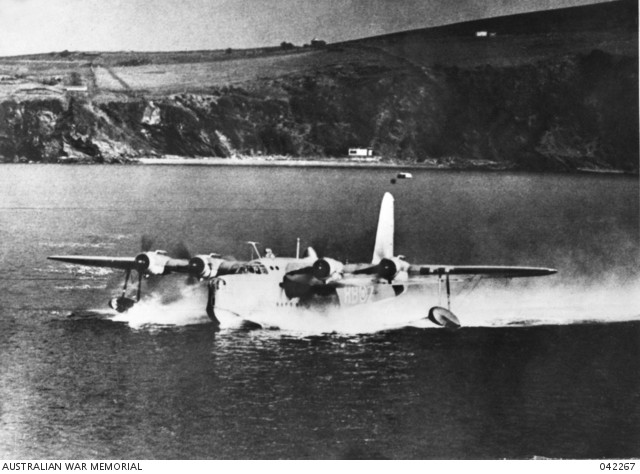
The central Atlantic had offered the submarines an important advantage: sea areas beyond dependable land-based air protection. Extending aircraft coverage attacked that advantage. Very-long-range aircraft could reach farther into the ocean, while escort carriers brought a flying deck along with the shipping.
The value of air cover was not confined to sinking submarines. In a report dated 7 May 1943, the British Chiefs of Staff argued that even one aircraft accompanying a convoy for much of the day could seriously hamper U-boat operations. They also explained the cost of relying on northern routes to obtain protection: bad weather, ice and greater predictability. Their request for facilities in the Portuguese Atlantic islands shows that the air gap was a geographical and logistical problem, not a switch that could simply be turned off everywhere at once.
Aircraft could make a submarine dive, interrupt its pursuit and reduce its ability to reach a firing position. A patrol that found no opportunity to drop a weapon might still have helped the convoy escape. The Chiefs of Staff’s contemporary report preserves that reasoning.
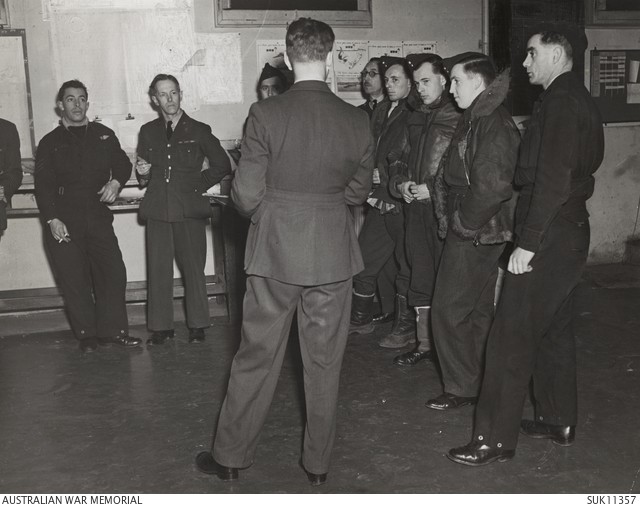
The detector that German warning sets could not hear
The struggle also depended on what a crew could detect before the other side detected it. German radar-warning equipment had given submarines a chance to dive before an approaching aircraft could attack. The introduction of ASV Mark III airborne radar in February and March 1943 weakened that protection.
Its approximately ten-centimetre wavelength lay outside the capability of the R600 warning receiver. The result was not invisibility for the aircraft, but the loss of a particular early warning on which U-boat crews had relied. An American wartime technical intelligence study recorded German reports of attacks in which crews believed no radar had been used. The receiver’s silence had been misleading.
This was an especially consequential mismatch because a submarine’s response depended on seconds. Earlier detection gave the aircraft time to position itself; later warning left the submarine less time to dive and evade. Yet equipment still needed an operator, a serviceable aircraft and a crew able to turn a contact into an attack. The wartime technical study describes the change in radar wavelengths.
More escorts, and more freedom to use them
Another improvement concerned the ships around the convoy. Under Admiral Max Horton at Western Approaches, support groups provided reinforcements that could be sent where a convoy was threatened. Their importance was organizational as well as numerical. A force wholly tied to close protection faced a recurring dilemma: pursue a submarine, or stay with the merchant ships?
A separate supporting force offered greater scope to hunt without stripping the convoy of its immediate screen. It also made experience and teamwork more valuable. Anti-submarine warfare required several ships to interpret contacts, communicate and coordinate their movements in poor visibility, often after days at sea. An additional hull helped most when it belonged to a group that knew how to fight together.
Horton’s support groups did not remove uncertainty or exhaustion. They gave commanders more options when the enemy made contact. That flexibility was one reason the growing Allied force could do more than merely replace earlier losses. The Royal Navy’s account of Horton highlights the support groups’ role in spring 1943.
ONS 5: a victory with merchant ships still sinking
The battle around the westbound convoy ONS 5 brought these competing pressures into sharp focus. It was not a bloodless demonstration of improved protection. Merchant ships were sunk, escorts faced difficult weather, and air cover was intermittent.
In the climactic fighting of 5–6 May, however, the balance changed. A postwar American operational study describes how calm, foggy conditions followed the earlier bad weather. The escorts then frustrated repeated attacks and inflicted heavy losses on the submarines. The enemy broke off rather than continuing the assault.
The importance of ONS 5 was not that a convoy had become safe under every condition. It was that pressing home an attack could now impose a punishing cost on the attackers themselves. The same operation could be a grave human loss for merchant crews and a strategic warning to German command. Calling it a turning point should never erase the first fact in order to celebrate the second. The operational study reconstructs the final phase of the ONS 5 battle.
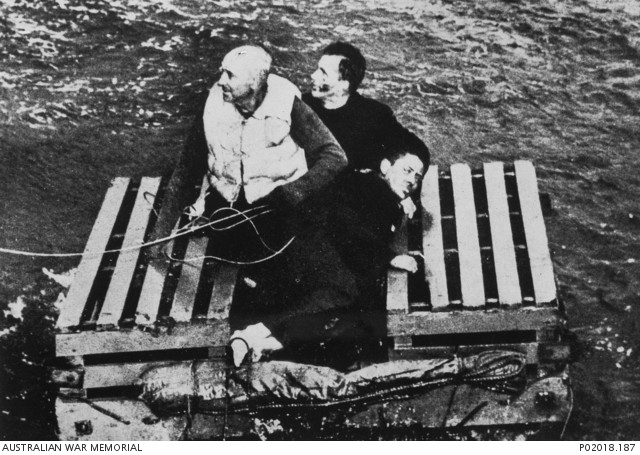
The carrier was useful because it brought a team
The American escort carrier USS Bogue illustrates how new capacity became effective through practice. Its first North Atlantic crossings in March and April produced no submarine sinking. On 22 May, its aircraft achieved their first success against U-569. The carrier’s arrival in the campaign therefore should not be mistaken for instant mastery. The ship’s official history traces those early operations.
Lessons from Bogue’s May convoy work are revealing. Instructions preserved with its operational report emphasized that a fighter must coordinate its approach with the aircraft delivering the anti-submarine weapon. An over-hasty attack could drive the submarine under before the main strike reached it. Success demanded timing between crews, not merely more aircraft in the sky. The technology supplied possibilities; training determined whether a crew could use them in the few seconds available. The published extract from the carrier’s May report records those practical lessons.
Codebreaking helped, but it was not a May miracle
Enigma belongs in this story, but the familiar shorthand that the Allies “broke the code” conceals a continuing contest. The Germans changed systems; cryptanalysts recovered access; messages sometimes arrived too late to be operationally useful. The National Security Agency’s history of engineer Joseph Desch records that the British solved the four-rotor problem in December 1942, while delays remained a concern.
American development of faster bombe machines added another part to the Allied intelligence effort. It would be misleading to place a single, permanent cryptographic breakthrough in May and make everything else follow from it. Information helped commanders decide where to look and which dangers to avoid. Aircraft and escorts still had to find, deter or attack the submarine in the actual conditions at sea. May’s outcome becomes more understandable when intelligence is treated as part of this working combination rather than an all-purpose explanation. The NSA’s Desch biography supplies the relevant chronology.
Withdrawal was the verdict, not the end of the war
By late May the accumulation of lost and damaged boats forced a change of course. A commonly cited total is 41 U-boats lost during the month, although published counts vary with the geographical scope, inclusion rules and later reassessments. The essential point is not a falsely precise comparison between mismatched lists. Dönitz withdrew from the principal North Atlantic convoy offensive because its results no longer justified its cost.
The Allies were also building arrangements to make their advantage last. Established on 20 May, the American Tenth Fleet coordinated anti-submarine work without having its own fleet of assigned ships. Its responsibilities linked convoy routing, intelligence, training, research and operations. Because it appeared late in the month, it cannot explain the earlier convoy victories. Its significance lies in consolidating an effort that otherwise risked remaining divided among organizations. Admiral Ernest King’s final official report sets out its tasks.
What May made possible
Submarines continued to sail, merchant ships continued to be torpedoed, and Allied crews continued to die after Black May. Canada’s official account stresses that Germany still possessed a large submarine force and pursued improved equipment. The Atlantic could never be treated as harmless water.
What changed was the strategic outlook. More dependable shipping made it possible to sustain Britain and build the forces needed to return to continental Europe. This did not happen because one weapon abolished the submarine. It happened because the Allies could increasingly interrupt the whole sequence on which the German offensive depended: finding a convoy, keeping contact, assembling attackers and surviving the counterattack.
May 1943 turned the Battle of the Atlantic because that combined defence began to produce a durable result. The most important evidence of victory was often a merchant ship entering port with its cargo intact. Veterans Affairs Canada places the turning point within the longer, unfinished campaign.
Sources
The article distinguishes contemporary operational assessments from later historical summaries. The 1946 U.S. Navy study is especially useful for explaining mechanisms; its provisional submarine-loss assessments are not treated as definitive modern counts.
- U.S. Navy, Antisubmarine Warfare in World War II, chapter 5, reproduced by HyperWar.
- Naval History and Heritage Command, Samuel J. Cox, “Black May”.
- Royal Canadian Navy, The Battle of the Atlantic, 1939 to 1945, detailed historical narrative; and campaign overview.
- Veterans Affairs Canada, The Battle of the Atlantic.
- Royal Canadian Air Force, The RCAF and the Battle of the Atlantic.
- Manatū Taonga, Ministry for Culture and Heritage, Turning point in Battle of the Atlantic.
Photograph credits and public-domain provenance are given beneath each image. Sources checked October 2026.
Intelligence & the Allied war effort
D-Day’s Invisible Front
Histovia’s illustrated ebook follows another case in which information mattered only through the decisions people made with it: the deception campaign behind the Normandy landings.
US$3.90 · PDF + EPUB · By Histovia Team