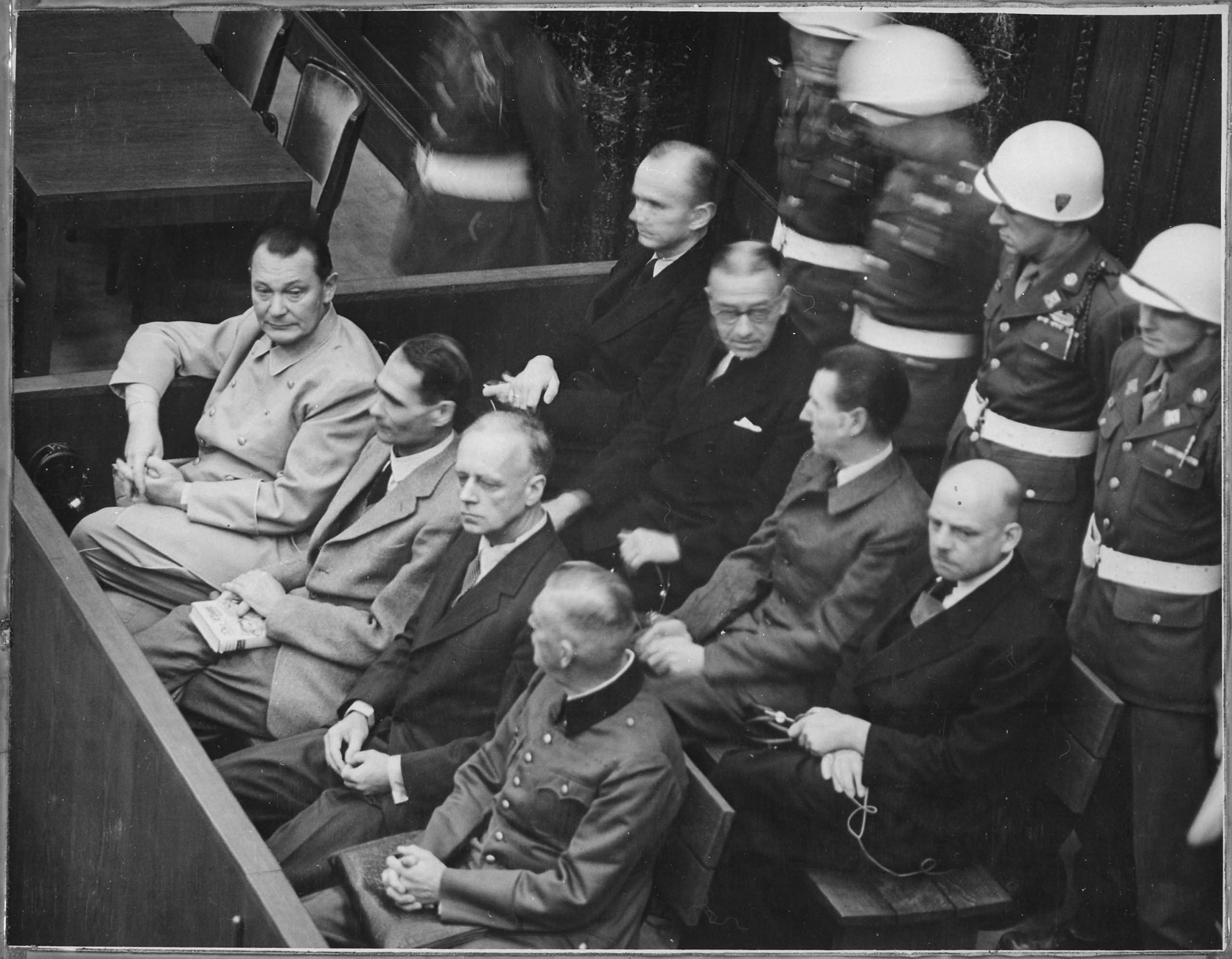
Putting Aggressive War on Trial: What Nuremberg Actually Decided
Nuremberg made aggressive war a question of individual responsibility. Its charter, verdicts and later trials also set limits that broad summaries often miss.

Research-led histories of World War II: the people, decisions, battles, and societies shaped by the global conflict.
Nuremberg made aggressive war a question of individual responsibility. Its charter, verdicts and later trials also set limits that broad summaries often miss.
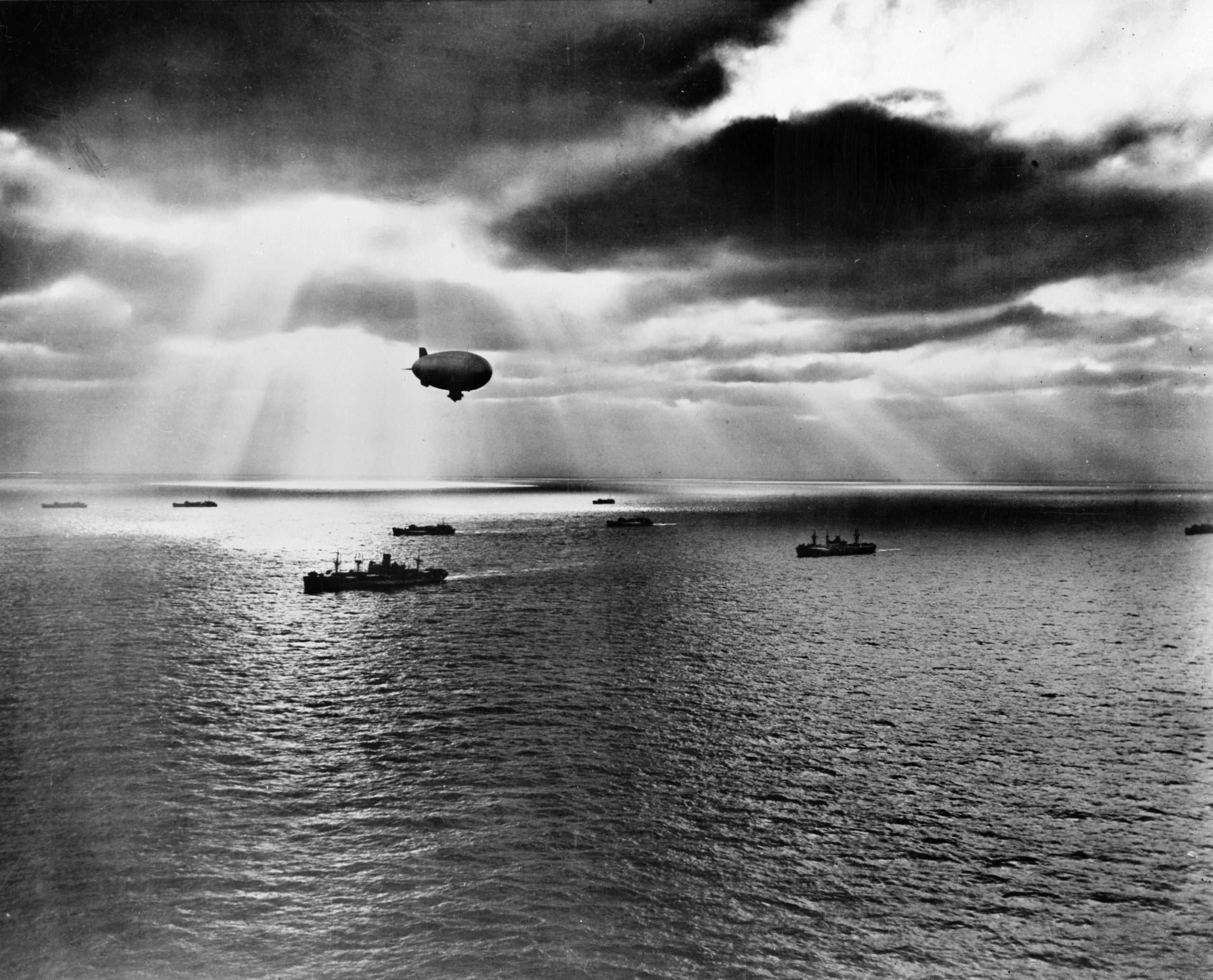
May 1943 changed the Atlantic convoy war through aircraft, escorts, sensors, intelligence and training. Here is why no single invention explains the turning point.
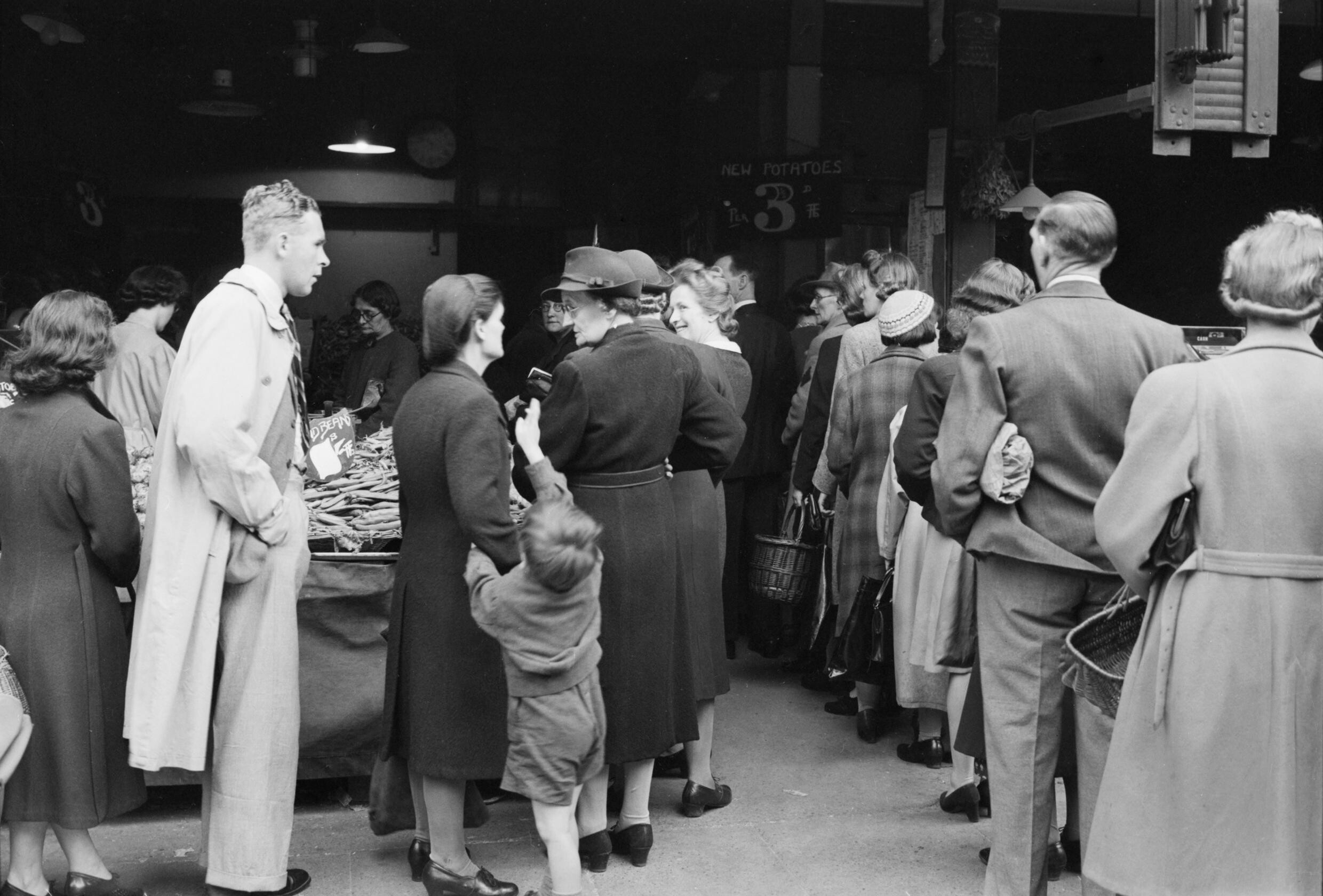
Bread escaped rationing during Britain’s war, then went on coupons in July 1946. The story reveals how supply fears, household work and international recovery shaped life after victory.
Why did displaced people remain in camps after World War II? Explore the Harrison Report, repatriation, refugee admission and the rebuilding of Jewish life after liberation.
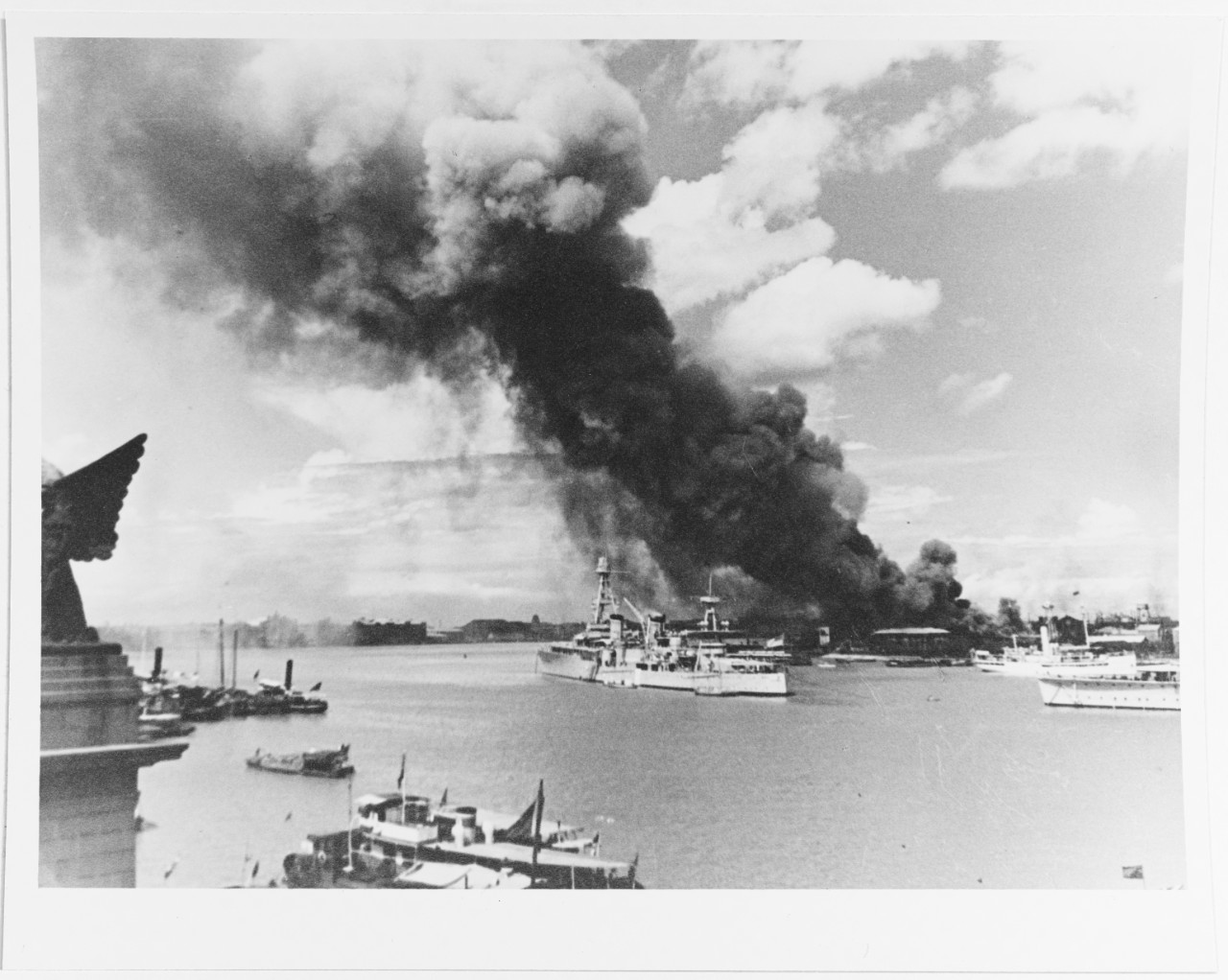
Japan’s seizure of Manchuria in 1931 and the escalation of 1937 created a war that China was already fighting when Europe went to war in 1939. Why did this conflict endure, and how did it become part of a global struggle?
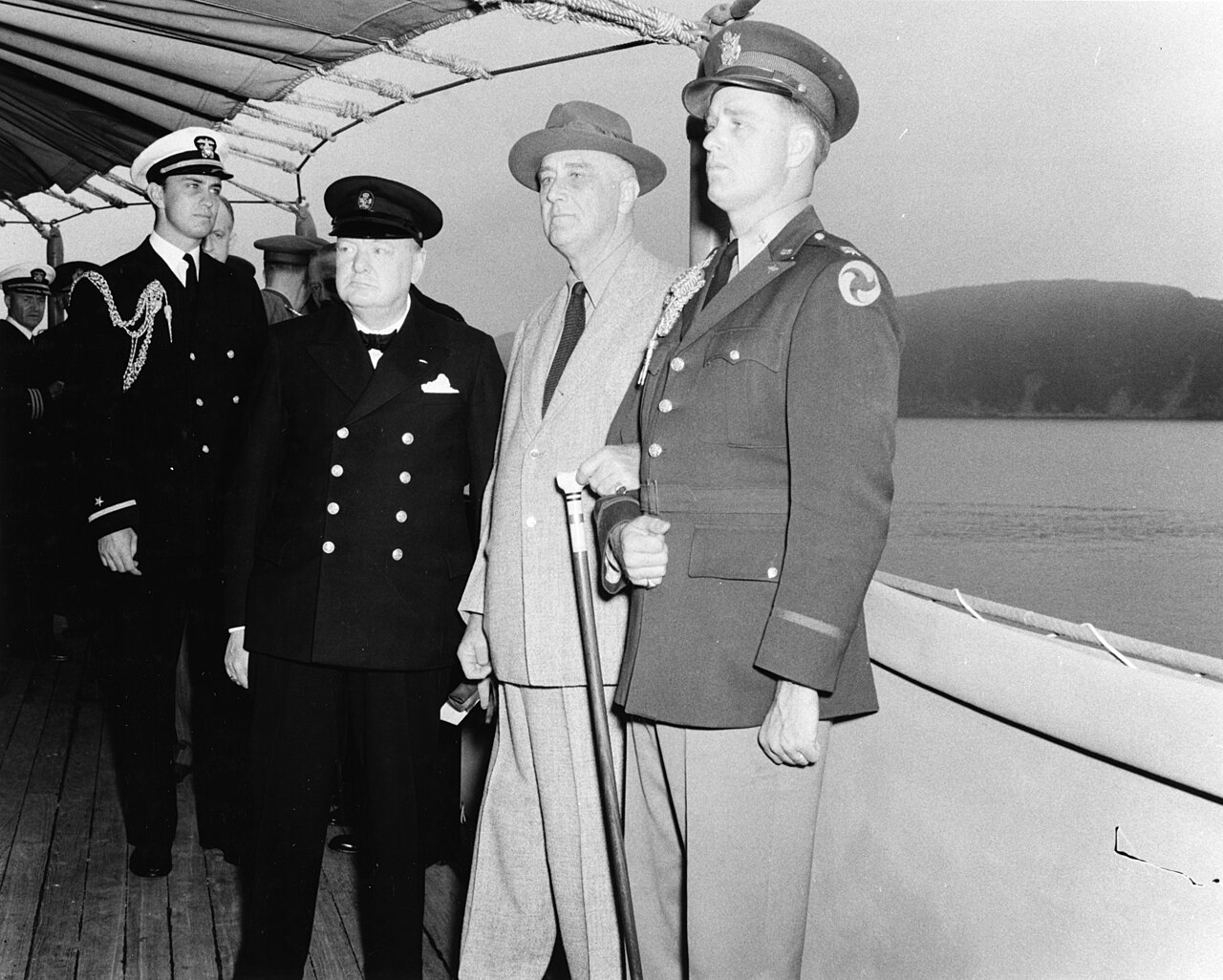
The Atlantic Charter promised political choice, but who counted? Explore Churchill’s imperial limits, Gandhi’s wartime challenge and the ANC’s African Claims through the original documents.
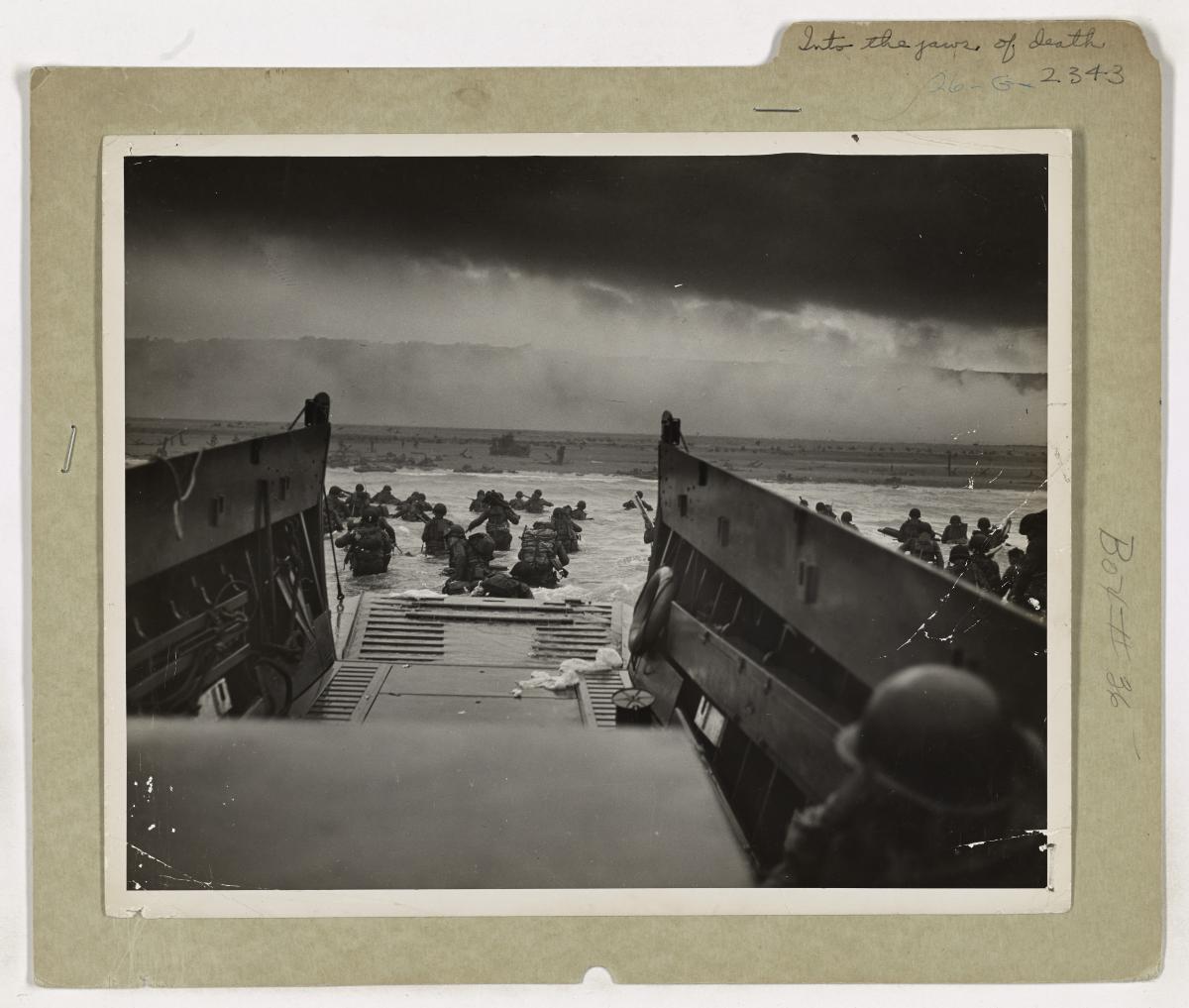
D-Day did not end the deception. Discover how Operation Fortitude, an imagined army and GARBO’s trusted reports sustained the threat of a Calais invasion after Allied troops landed in Normandy.