
Know the Present
After Busan: What UNESCO’s 2026 World Heritage Expansion Really Changes
Twenty-five new inscriptions broaden the List. The harder question, rooted in the 1972 Convention, is how recognition becomes lasting protection.
The headline from UNESCO’s July 2026 World Heritage Committee session in Busan was easy to count: 25 new inscriptions. In its summary updated on 14 October, UNESCO reported a List of 1,273 properties across 173 countries. Three African states—Comoros, São Tomé and Príncipe, and South Sudan—received their first inscriptions.
What those numbers mean is less simple. A group of historic towns, a plantation system built around forced labour and a vast migratory landscape are not interchangeable additions to a tourist checklist. They require different evidence, different forms of protection and different relationships with the people who live in and around them.
Busan’s decisions are best understood through an older question: how can a place remain under national sovereignty while becoming an international responsibility? The answer developed through the rescue campaigns of the twentieth century and the World Heritage Convention adopted in 1972. Recognition was never supposed to be the last step.
What actually expanded in 2026
The new inscriptions comprised nineteen cultural properties, five natural properties and one mixed property. UNESCO also reported extensions to two existing sites, including the Korean tidal flats. An extension changes an existing property; it should not automatically be counted as another new entry. The Busan session record separates these decisions.
The word “site” can also mislead. Some inscriptions cover a single bounded place; others are serial properties, whose separate components make a shared argument about historical or natural significance. Six plantation complexes can form one entry. A national total therefore does not tell us how many buildings, settlements or ecosystems are involved.
The first inscriptions for three countries matter because the international record is becoming less geographically narrow. They do not mean that these countries acquired a valuable past or remarkable ecology in 2026. What changed was formal recognition within a particular treaty system, after nomination, evaluation and a committee decision.
Before the List: the rescue of Nubia
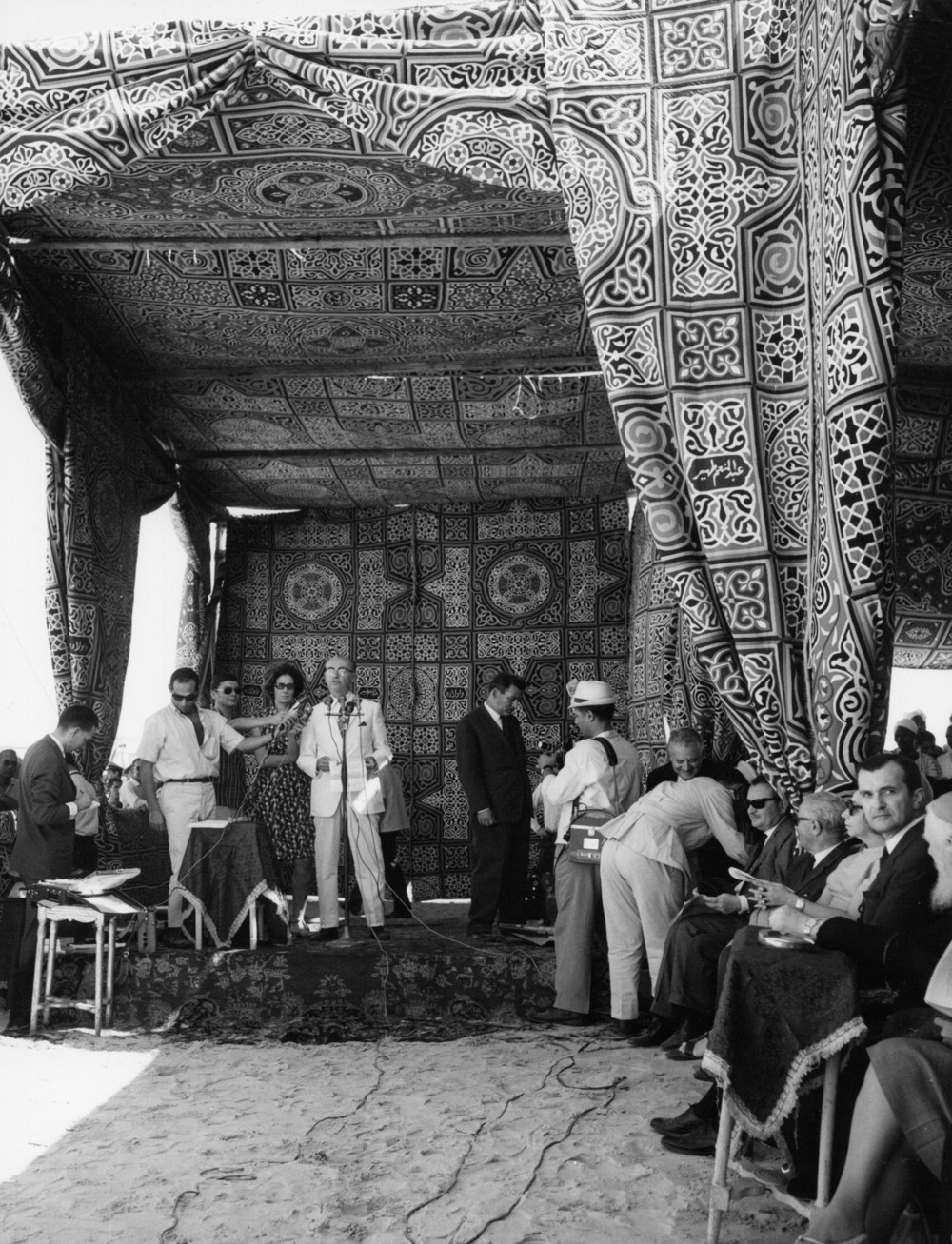
The threat posed by the Aswan High Dam helped make international heritage cooperation tangible. In 1959, Egypt and Sudan asked UNESCO for assistance. The international campaign launched in 1960 supported excavation, documentation and the relocation of threatened monuments, including the temple complexes of Abu Simbel and Philae.
The physical problem demanded more than a declaration of admiration. Archaeologists, engineers, governments and donors had to coordinate work before inundation. UNESCO acted as an intermediary and organizer rather than becoming the owner of the monuments. The campaign demonstrated that distant countries could contribute expertise and money to preserve places outside their own territory.
That achievement needs a second frame. The dam also displaced Nubian communities. The American University in Cairo’s record of its Nubian research projects documents the resettlement of Egyptian Nubians and the effort to study life before and after displacement. Saving temples did not save every home, field or social connection threatened by the reservoir.
The distinction remains important. A celebrated engineering rescue can coexist with profound losses for the people of a region. Heritage policy becomes narrower when it counts surviving monuments while treating their human surroundings as incidental. The later emphasis on community participation responds to a problem that spectacular rescue photographs alone cannot explain.
The 1972 bargain joined culture and nature
The World Heritage Convention’s institutional history traces the treaty to the convergence of cultural preservation and nature conservation. A 1965 White House conference proposed a World Heritage Trust; the International Union for Conservation of Nature developed related proposals. The resulting Convention was adopted on 16 November 1972 and entered into force in 1975.
This was not merely a larger museum catalogue. A historical settlement and an ecosystem could both require protection whose significance reached beyond the state containing them. The treaty created a shared framework without pretending that conserving a stone building and sustaining a migration route involve the same technical work.
The first twelve inscriptions followed in 1978. Among them were the Galápagos Islands, whose ecological and evolutionary significance made natural processes central to the List from its earliest years. The point was not only to retain an attractive view. It was also to protect the conditions through which distinctive life and landscapes persist.
A natural property may depend on movement, seasonal change and connections beyond an individual scenic viewpoint. A cultural property may depend on continued use rather than complete physical stasis. Thinking about both within one convention makes “preservation” a more demanding word than simply keeping everything exactly as it looks today.

“World” does not mean UNESCO ownership
The Convention’s text assigns primary responsibility for identification, protection and transmission to the state where the heritage lies. Article 6 respects national sovereignty and existing property rights while recognizing an international duty to cooperate. The arrangement is shared responsibility, not a transfer of territory to UNESCO.
Its implications are practical. An inscription cannot by itself repair a roof, resolve land tenure, provide trained staff or stop an armed group. Those tasks require institutions with the authority, resources and local knowledge to act. International recognition can support that work; it cannot substitute for it.
Article 12 adds another useful caution: absence from the List must not be read as proof that a place lacks outstanding universal value for other purposes. The List is a selective instrument produced through a process. It is not a complete inventory of everything humanity should care about.
This helps explain why a country’s number of inscriptions is a poor measure of the worth of its history. The tally reflects nominations and decisions as well as the places themselves. Turning it into a national league table mistakes an administrative outcome for a comprehensive judgment of cultural achievement.
A nomination is an argument supported by a system
Under the ordinary nomination process, a state begins with its Tentative List and prepares the documentation through the required assessment stages. ICOMOS evaluates cultural nominations and IUCN natural ones. The intergovernmental World Heritage Committee, composed of representatives of twenty-one States Parties, makes the inscription decision.
A successful case must establish outstanding universal value under at least one of the ten selection criteria. Protection, management, integrity and, for cultural heritage, authenticity also matter. A striking photograph may communicate why a place attracts attention, but it cannot supply the boundaries, historical comparisons or management arrangements of a nomination.
That distinction has consequences for representation. Preparing a strong dossier requires research, mapping, consultation and administrative continuity. The process does not begin when television cameras arrive for the vote. Nor does it end when a committee accepts the argument.
The published evaluations and decisions are therefore worth reading alongside the celebratory announcement. They reveal what has been recognized, which concerns remain and what further work is expected. Recommendations are especially important because an inscription can coexist with significant weaknesses that have not yet been resolved.
Representation has been a problem inside the system for decades
The Global Strategy adopted in 1994 addressed imbalances already apparent in the List. An ICOMOS study had found overrepresentation of Europe, Christian monuments and elite architecture, while many living cultures and traditional forms of heritage received less attention. The response sought a more representative range of places and relationships between people and their environments.
That history prevents an overly simple reading of 2026. Adding countries is meaningful, but representativeness also concerns what kinds of history are admitted. A palace, a working settlement and a plantation can tell very different stories about power. A list could spread across more countries while still privileging a narrow kind of monument.
The three first-time country inscriptions illustrate how much the category of heritage can contain. Their significance lies not just in filling spaces on a map, but in the different questions they bring into the international conservation record.
Comoros: living towns, not an empty stage
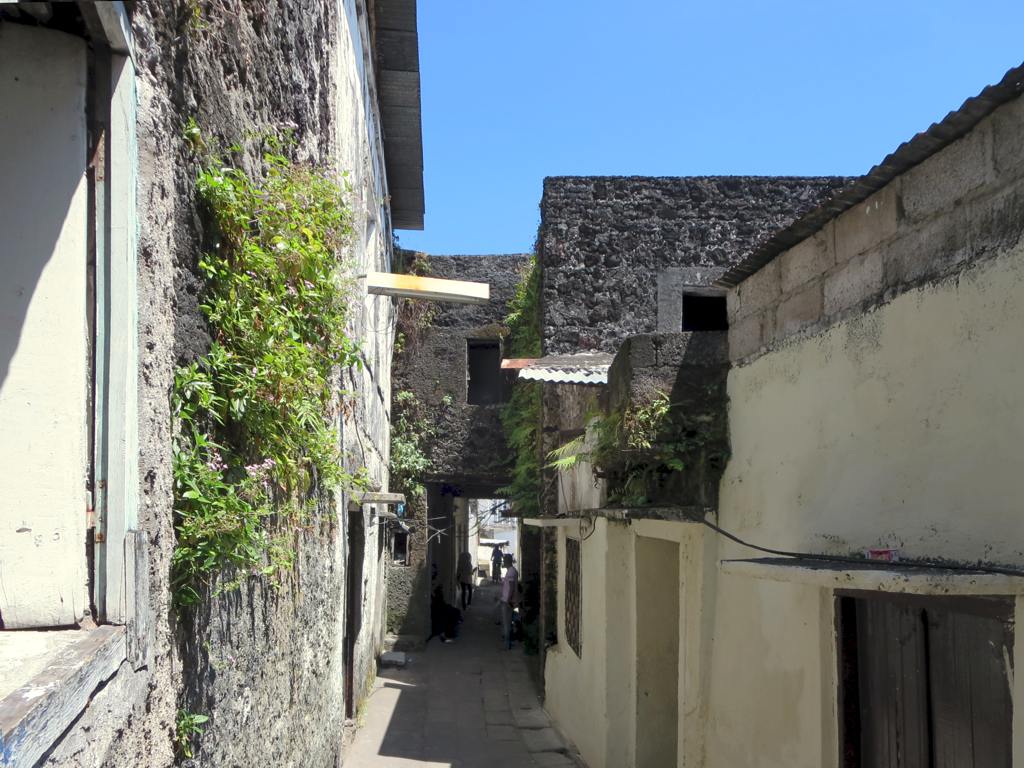
The Medinas of the Historic Sultanates of the Comoros brings together parts of six historic towns. UNESCO’s account connects their urban forms to Indian Ocean exchange and to social practices that remain active. Public spaces, houses and religious buildings belong to a lived arrangement, not merely to an architectural style.
The 2026 ICOMOS evaluation identifies Moroni among the components. It also records earlier international assistance with the nomination and management planning. That background makes the inscription a result of sustained institutional work rather than an unexplained discovery by outsiders.
For a living town, conservation raises questions about who can maintain a house, adapt a building or use a public space. The people inhabiting the heritage cannot be reduced to decorative evidence of authenticity. A plan needs to consider how the place continues to function, not only how it will appear to visitors.
São Tomé and Príncipe: recognition without celebration of coercion
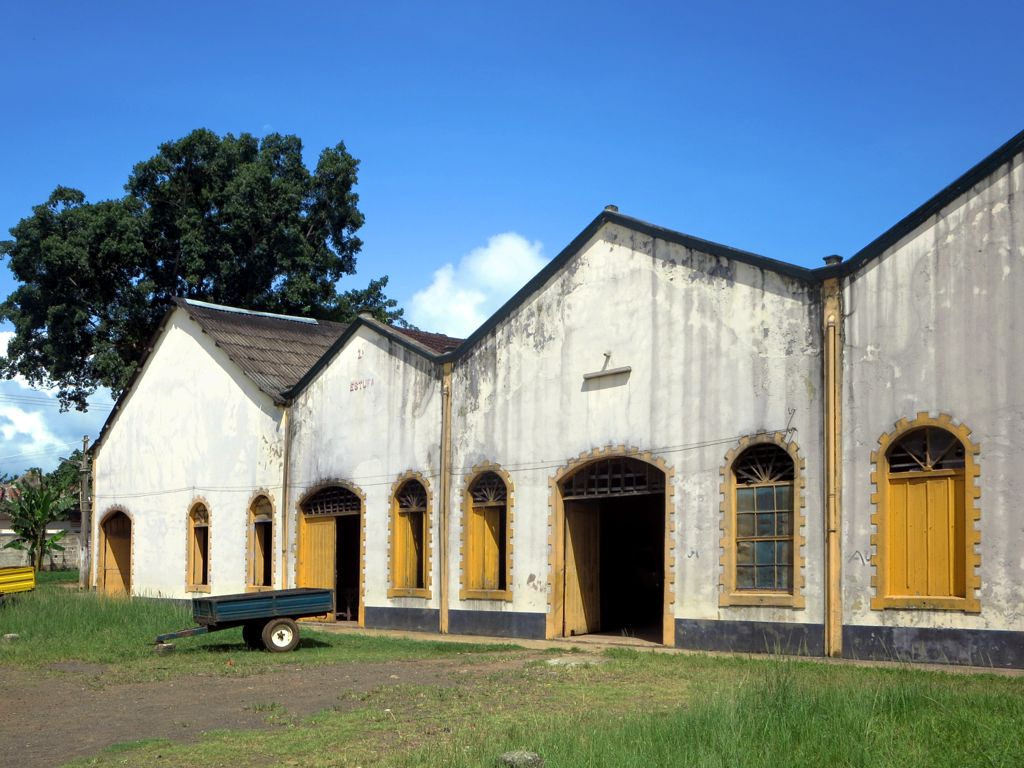
The Roças of Sao Tome and Principe: Colonial Agricultural System and Forced Migration includes six plantation complexes, among them Água Izé and Monte Café. Their agricultural, industrial and residential spaces document a system organized around coffee and cocoa production, forced migration and coercive labour from the late nineteenth into the twentieth century.
The inscription’s title matters. It directs attention beyond grand houses or attractive ruins to the organization of production and the people compelled to sustain it. A warehouse, a dwelling and a circulation route can together reveal more about a plantation than an isolated image of its most imposing façade.
Recognizing such a place is not an endorsement of the system that created it. It is a commitment to preserve evidence and interpret it honestly. An account that celebrates architectural ingenuity while making coercion disappear would conserve the walls but weaken the history they can help explain.
South Sudan: protecting a migration means protecting connections
The Boma–Badingilo Migratory Landscape encompasses two national parks and a wider landscape of floodplains, wetlands and savannas. Its significance includes the movement of millions of migratory mammals across seasonal habitats. The conservation object is therefore a functioning system of connections, not simply a collection of animals inside two park boundaries.
UNESCO’s assessment identifies serious pressures, including commercial poaching, insecurity, infrastructure development and gaps in management capacity. It also calls for meaningful participation by Indigenous Peoples and local communities. The people who use this landscape are part of the governance problem to be addressed with, not erased from a supposedly empty wilderness.
The Busan decision, 48 COM 8B.2 inscribed the property under the emergency procedure and simultaneously placed it on the List of World Heritage in Danger. The pairing makes the limits of recognition unmistakable: outstanding value and urgent vulnerability can be recorded at the same time.
For a migration, a protected destination is insufficient if the route to it is severed. That is a general conservation implication of the property’s connected geography. A boundary on an international list has to be supported by decisions about land use, infrastructure and movement on the ground.
The Danger List is a call to act
The List of World Heritage in Danger draws attention to threats to the characteristics for which properties were inscribed and seeks corrective action. It is neither automatic deletion from World Heritage nor proof that a place has lost all its value. Used properly, it can focus cooperation on specific conservation needs.
For readers, this means resisting two opposite shortcuts. A World Heritage label is not a safety certificate. A Danger listing is not a reason to dismiss a place as already beyond help. Both are institutional statements that need to be read with the evidence and proposed response behind them.
The test after Busan is capacity, not a bigger headline
The session also adopted a 2026–2034 strategy for Small Island Developing States. Its priorities include climate-risk assessment, disaster preparedness, stronger institutions and community participation. These are targets and planned activities, not evidence that resilience has already been achieved. Future reporting will have to show what was implemented and with what results.
Resources remain finite. UNESCO lists the World Heritage Fund’s 2026–2027 budget as US$7.3 million, plus US$0.4 million for emergency assistance. That fund supports international assistance and other work, including advisory-body services and monitoring. It is not an equal grant automatically paid to every inscribed site, nor the total of all conservation spending by governments and partners.
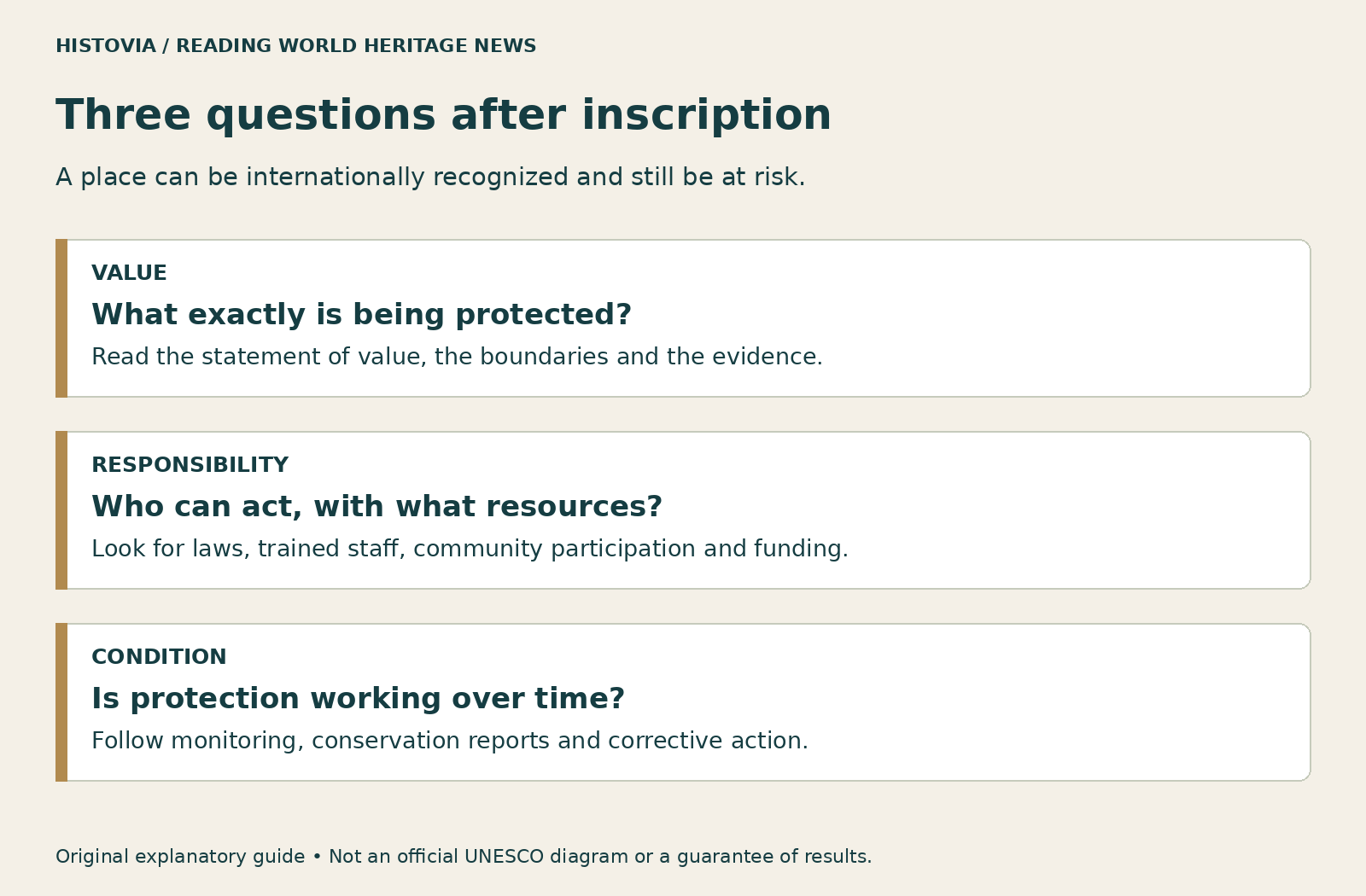
The useful questions after a new inscription are therefore specific. What exactly is protected? Who has authority to make decisions? Which communities participate? What threats have been identified, and how will progress be assessed? A larger List can make neglected histories and ecosystems more visible, but visibility is a beginning.
Busan broadened the international record. Whether it also strengthens the lives of the places newly recognized will be established through maintenance, ecological continuity, honest interpretation and accountable decisions long after the inscription ceremonies have ended.