
Know the Present · Current events in historical perspective
The ICC’s Sakharov Prize and the Bargain Made at Rome
The 2026 award recognizes an international court. The Rome Statute explains why recognition, jurisdiction and enforcement remain different things.
On 17 July 1998, a diplomatic conference in Rome approved a statute for a permanent international criminal court. The vote was 120 in favor, seven against and 21 abstentions. These were votes for a treaty text, not a tally of governments that had already accepted all its obligations. The distinction mattered: the delegates had designed an institution, but states would still have to ratify the agreement, supply resources and cooperate with its work. The United Nations’ legal history of the statute describes the institutional compromise behind the breakthrough, not the creation of a world government.
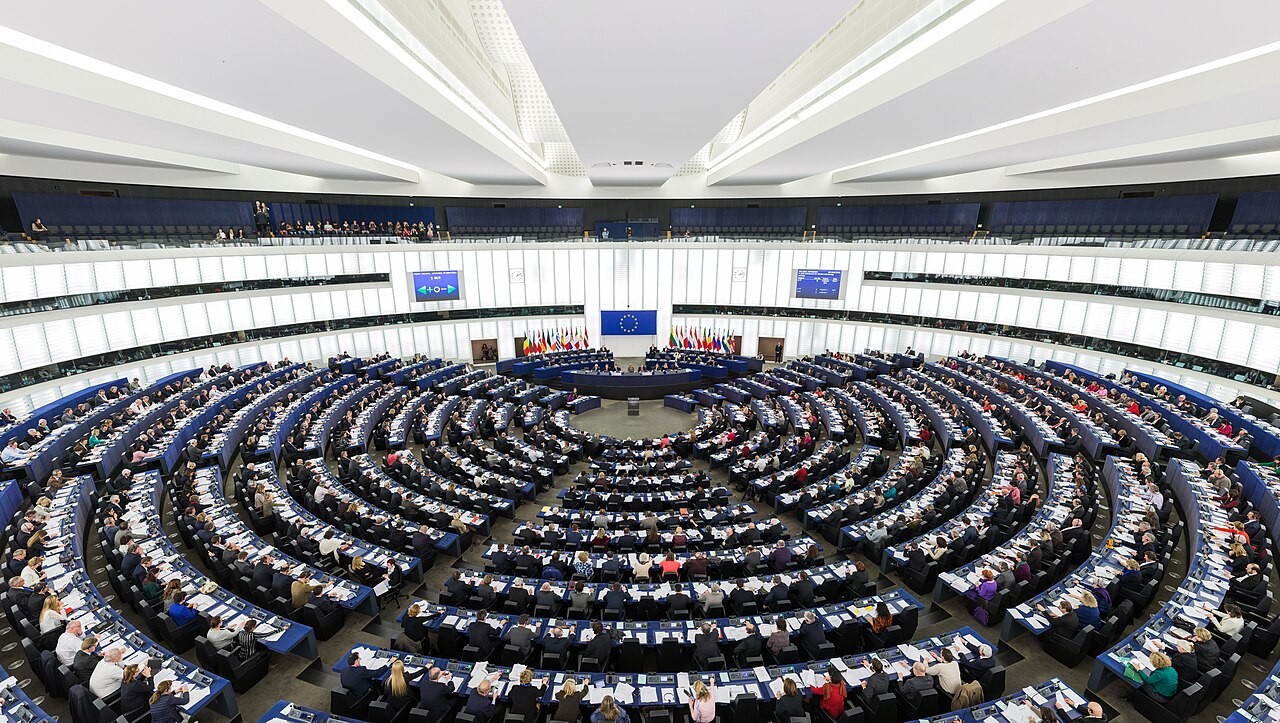
Twenty-eight years later, a different kind of decision has placed that institution in the news. On 22 October 2026, European Parliament President Roberta Metsola announced that the Sakharov Prize for Freedom of Thought had been awarded to the International Criminal Court and its officials. The UN Regional Information Centre’s republication of Parliament’s announcement confirms the award to both the institution and its officials. It is an important act of political recognition. It does not enlarge the Court’s jurisdiction, decide a criminal case or deliver a suspect into custody.
The distance between those two decisions—Rome’s treaty and Strasbourg’s prize—helps explain the ICC’s unusual position. It is a court with legal authority whose practical effectiveness depends substantially on institutions outside its control.
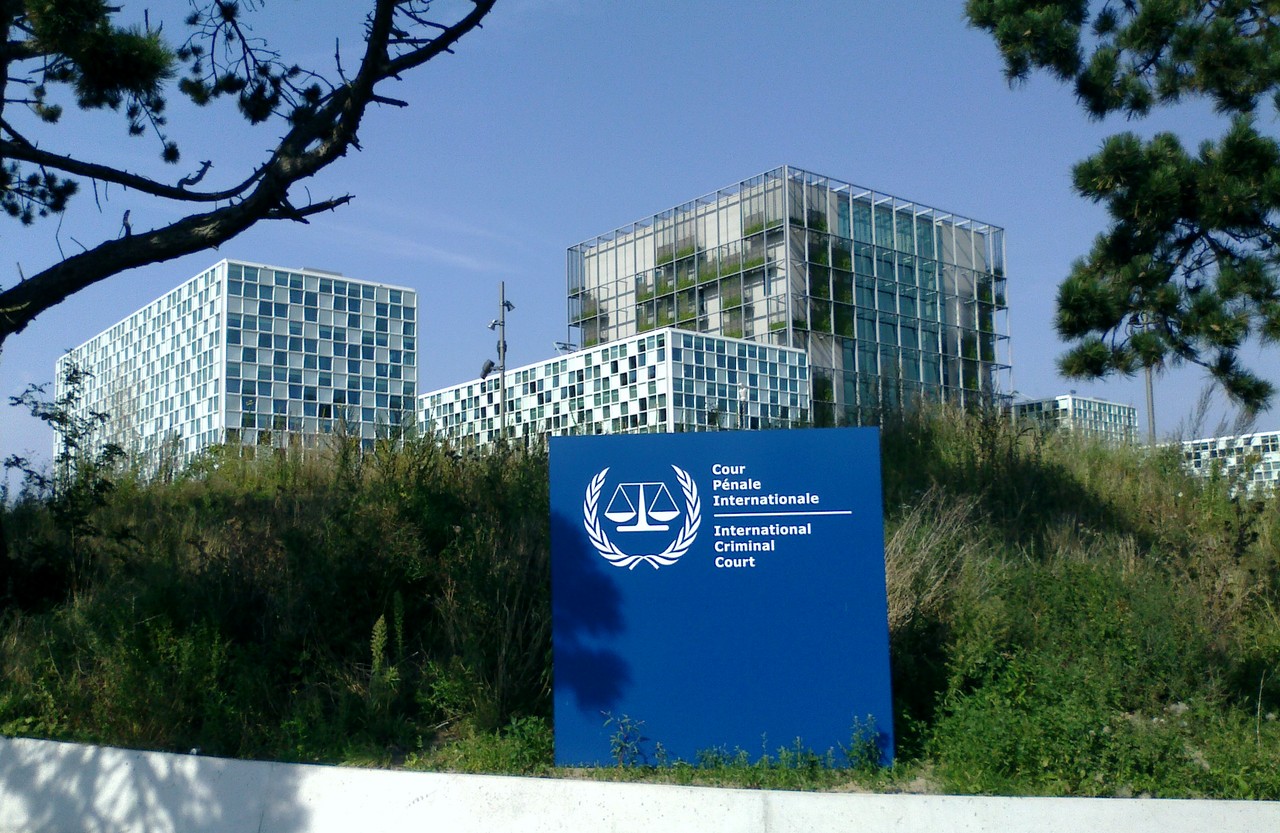
A permanent institution, not another emergency tribunal
The Rome conference did not begin the history of international criminal justice. Nor was the Court simply a European idea exported from The Hague. In 1989, Trinidad and Tobago helped return the proposal to the United Nations agenda, initially with a concern that included transnational drug trafficking. The UN’s account of the negotiations traces the renewed work through the International Law Commission and successive preparatory processes. The eventual statute did not give the ICC a general mandate to prosecute drug trafficking. A small state’s initiative helped reopen a much larger institutional question.
Meanwhile, atrocities in the former Yugoslavia and Rwanda forced governments to confront the problem of prosecution after mass violence. The Security Council created the Yugoslav tribunal in 1993; the Rwanda tribunal’s mandate covered specified crimes connected to the events of 1994. These institutions were designed around particular conflicts, territories and periods. They established an important practical precedent, but each required its own institutional response.
The ICC’s different ambition was permanence. A standing court could retain judges, legal procedures, investigative experience and an institutional memory rather than wait for a new tribunal to be negotiated after each catastrophe. The Rome Statute entered into force on 1 July 2002, almost four years after its adoption.
Permanence did not mean unlimited reach. The statute’s design joined a powerful aspiration—individual accountability for the gravest crimes—to restrictions on when and how an international prosecution could proceed. Those restrictions were not details added after the ideal had been realized. They were part of the arrangement that made the Court possible.
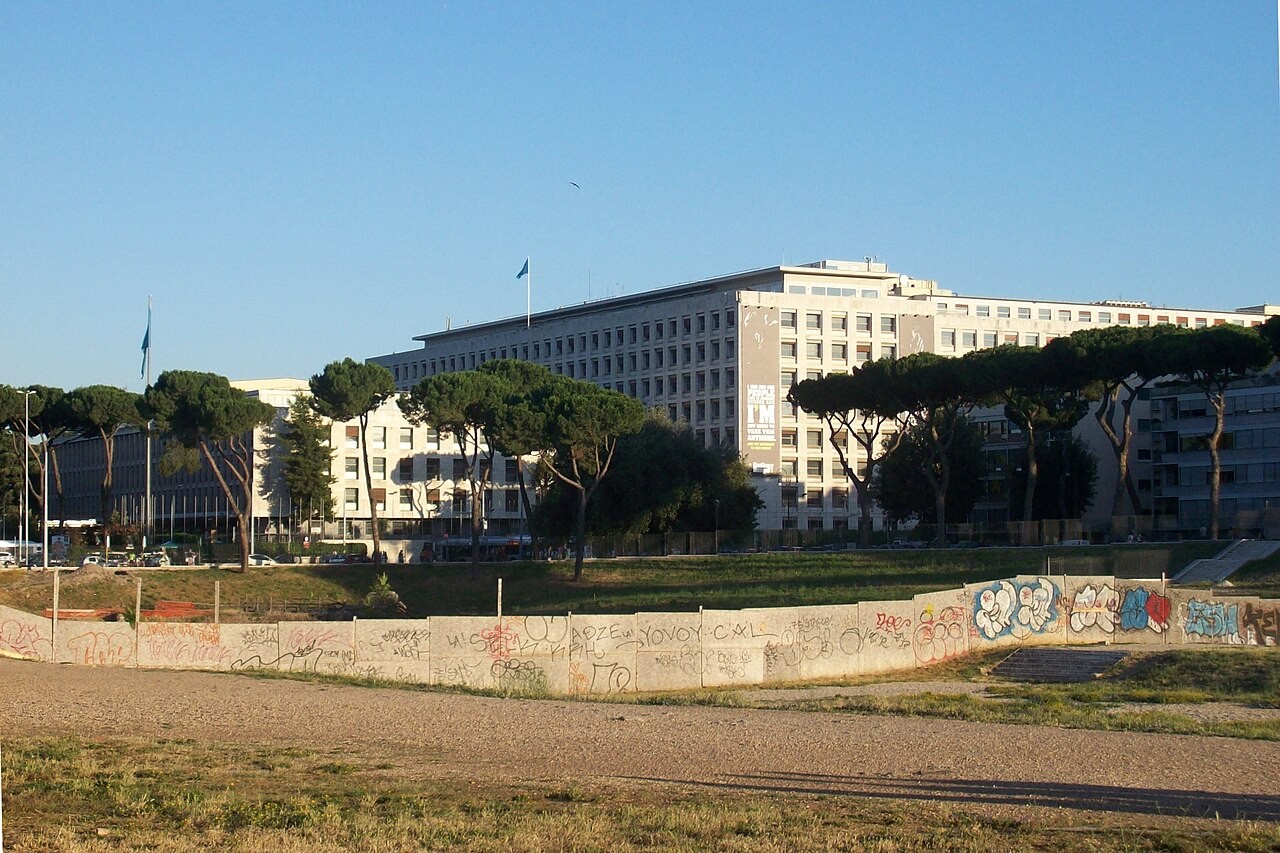
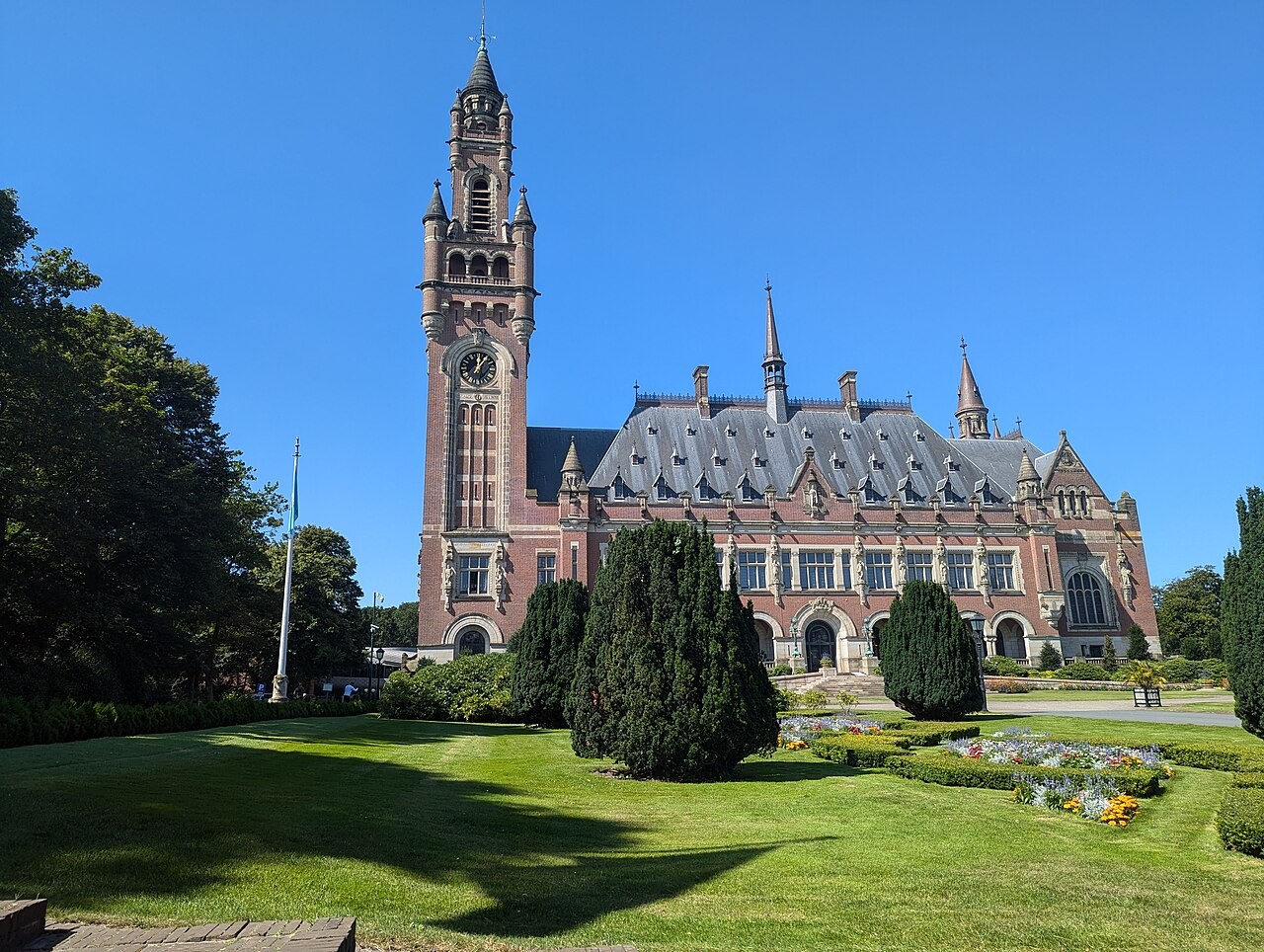
Two courts in The Hague, two different jobs
The name of the city can obscure the identity of the institution. The International Court of Justice, or ICJ, is the UN’s principal judicial organ. Its functions include deciding legal disputes submitted by states and giving advisory opinions when authorized UN bodies request them. It sits in the Peace Palace. The UN’s guide to the ICJ describes a court concerned with a different kind of legal responsibility from the ICC.
The ICC prosecutes individuals. It is not an appeals court for every national injustice, a court that convicts countries, or the European Union’s criminal tribunal. Its relationship with the UN is governed by an agreement; it is not itself a UN organ. The European Parliament’s award does not change that institutional identity.
This is more than an exercise in initials. A finding about a state’s international obligations is not interchangeable with proof that a particular person committed a particular crime. The evidence, applicable law, jurisdictional basis and remedies differ. Treating every announcement from The Hague as one continuing case makes both courts harder to understand.
The first question is not simply whether something terrible happened
For the ICC, moral seriousness and legal jurisdiction are related but not identical. The Court’s core subject matter comprises genocide, crimes against humanity, war crimes and aggression. These are legal categories with defined requirements, not interchangeable labels for extreme suffering. The jurisdictional regime for aggression has additional conditions and should not be assumed to work exactly like the other three.
For genocide, crimes against humanity and war crimes, the ordinary territorial or nationality connections are central. Normally, one relevant connection is that the conduct occurred on the territory of a state party; another is that the accused is a national of one. A non-party state may also accept jurisdiction through an applicable declaration. A Security Council referral under Chapter VII supplies another route. The Court’s current explanation of its jurisdiction sets out these alternatives. The relevant dates also matter: the ICC cannot prosecute crimes committed before the statute entered into force, and a state’s later acceptance can raise further temporal questions.
Two common shortcuts therefore fail. The Court does not automatically have authority over every atrocity anywhere in the world. But a suspect’s nationality in a country outside the treaty does not, by itself, settle the question either: a relevant territorial basis or Security Council referral may exist. An actual case requires examination of the applicable provisions and judicial decisions, not a glance at a membership map.
Even when jurisdiction exists, there are further questions. Can this particular case proceed? Is the evidence sufficient at the procedural stage reached? Has the prosecution established the responsibility of the individual accused? An answer to the first question cannot substitute for answers to the others.
Why national courts remain inside the story
The central organizing idea is complementarity. The ICC was designed to complement national criminal jurisdictions, not routinely displace them. Under Article 17 of the Rome Statute, a case being genuinely investigated or prosecuted by a state with jurisdiction is generally inadmissible before the ICC. The statute addresses unwillingness or inability genuinely to carry out proceedings, as well as other admissibility issues, including gravity and prior trials.
This is a case-specific inquiry. The existence of a respected national judiciary does not automatically answer what is happening in a particular case. Equally, international criticism of a government is not proof that every domestic proceeding is a sham. The legal assessment concerns the relevant proceedings and the statutory criteria, rather than a general ranking of political systems.
Historically, this arrangement reveals the bargain beneath the institution. States remained responsible for prosecuting international crimes; the international court supplied an additional forum under defined conditions. A successful domestic prosecution can therefore serve the system’s purpose without producing an ICC trial. Measuring international justice solely by the number of people in one courthouse misses that part of the design.
A court that cannot send its own police
The ICC’s explanation of cooperation states the practical limitation plainly: it has no police force or enforcement body of its own. Arrests, transfers, enforcement of sentences and other forms of assistance depend on cooperation. A judicial order can establish a legal requirement without supplying the personnel who will carry it out.
This dependence does not make all cooperation optional. Part 9 of the statute places obligations on states parties, including cooperation with investigations and prosecutions and compliance with arrest-and-surrender requests in accordance with the statute and national procedures. It also provides routes for assistance from non-party states. The legal basis and circumstances of a specific request matter; a prize announcement cannot resolve them.
Nor is a failure to execute an order the same thing as its legal cancellation. The distinction between validity and implementation is familiar in domestic history too, but it is especially visible when the court does not command an executive apparatus. Evidence may have to be secured in one country, witnesses protected in another and a suspect arrested in a third. Each step brings the legal process into contact with administrative capacity and political choices.
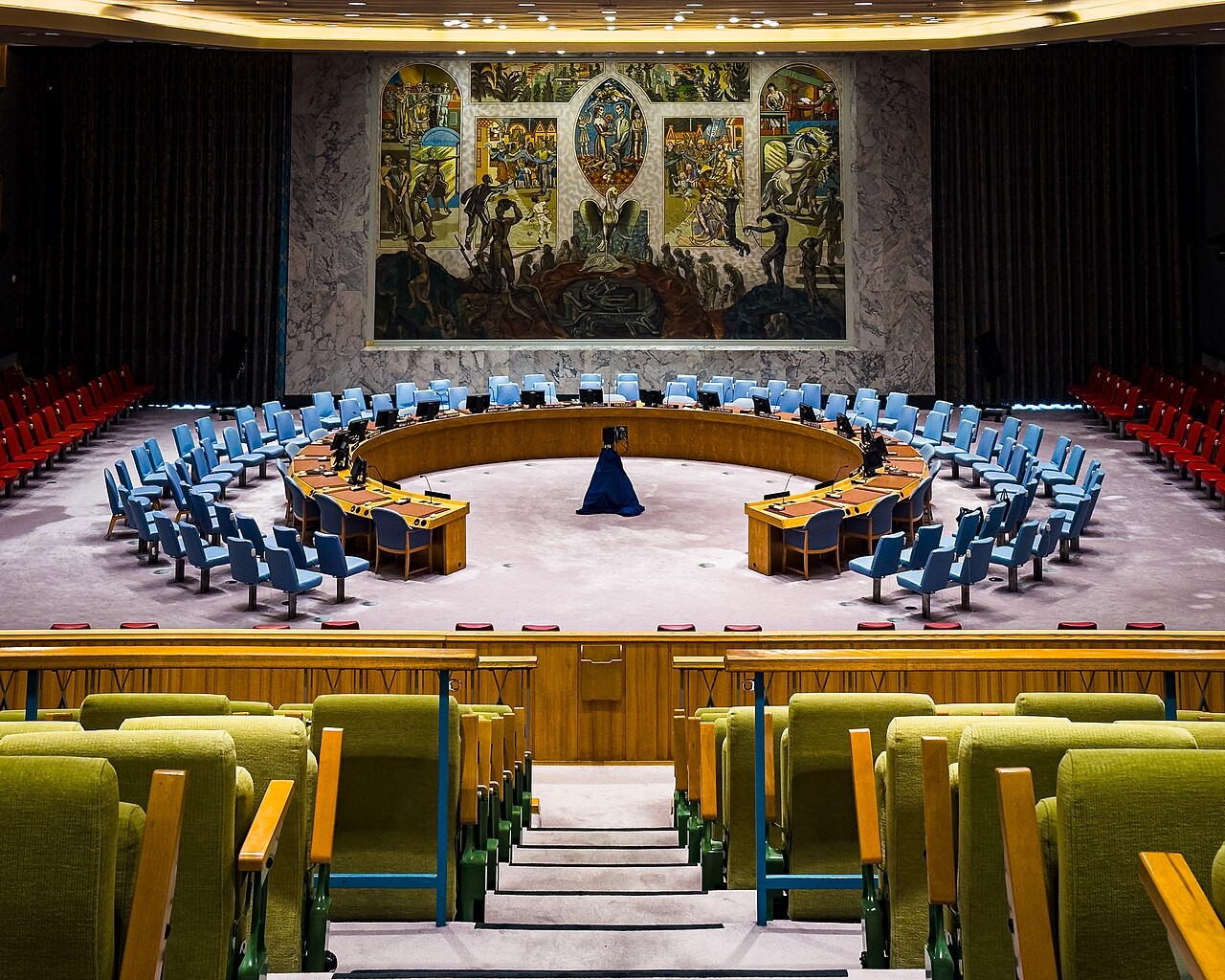
The Security Council creates another connection between law and power. It can refer situations under the statute; Article 16 also provides for renewable twelve-month deferrals requested through a Chapter VII resolution. Such decisions operate within the Council’s voting system, including the permanent members’ veto. The point is not that every case requires Council permission—it does not—but that one route into the Court, and a mechanism for deferral, remain tied to that political institution.
Recognition cannot replace the burden of proof
An arrest warrant is not a conviction. Under Article 58, judges consider whether there are reasonable grounds to believe that a person committed a crime within the Court’s jurisdiction, together with the necessity of arrest on specified grounds. At trial, Article 66 requires the prosecution to establish guilt beyond reasonable doubt and preserves the presumption of innocence.
Those different standards explain why a legal process cannot be read as a sequence of ceremonial confirmations. Investigations, warrants, confirmation of charges, trials and appeals do different work. Evidence may be challenged; legal interpretations may be rejected; a prosecution can fail. The statute also requires the prosecutor to investigate exonerating as well as incriminating circumstances.
Support for an independent court is therefore not the same as endorsing every prosecutorial allegation or anticipating every verdict. Indeed, the distinction is essential to the claim of independence. A court celebrated for applying law must remain able to reach conclusions that disappoint its supporters. Political recognition is not evidence in a criminal case.
What the October award changes—and what it leaves unresolved
Metsola framed the 2026 award as recognition of the Court’s contribution to international law and justice, connecting it with support for multilateral institutions. In its statement of 22 October, the ICC thanked Parliament, described sanctions as a challenge to its judicial work and stressed the importance of international cooperation. That statement expresses the institution’s position. It is not a ruling on sanctions or a prediction of how governments will respond.
The award can direct public attention toward an institution and the people working within it. It can provide political encouragement and a visible expression of solidarity. Whether that recognition produces practical assistance is a separate question. An honor does not itself repeal a sanction, change a treaty obligation, secure evidence or execute an arrest warrant. Any such development requires its own legal or administrative action and its own verification.
The analogy with 1998 must also be kept within limits. Rome was a treaty-making conference; Strasbourg has awarded a human-rights prize. The actors, procedures and legal consequences are not the same. It would be misleading to describe the prize as a second founding, or to assume that applause in one parliamentary chamber represents worldwide agreement.
What the comparison does illuminate is a recurring distinction between establishing authority and making it effective. The ICC’s founders created a permanent judicial institution without creating a supranational police service or erasing national jurisdiction. The result was neither an all-powerful court nor merely a declaration of good intentions. It was a working legal structure whose reach and effectiveness must be examined separately, case by case.
The useful question after the Sakharov announcement is therefore not whether an award has suddenly made international justice strong or exposed it as weak. It is what follows the recognition: cooperation consistent with law, reliable evidence, protected witnesses, properly conducted proceedings and respect for the rights of the accused. The difficult space between those actions and the words of a treaty was already present in Rome. The prize has brought it back into view.
Current-event scope: the award and institutional statements were checked on 26 October 2026. This historical analysis does not assess the merits of any pending criminal case or provide individual legal advice.