
Know the Present · Present in historical perspective
World Audiovisual Heritage Day 2026: Why a Digital Copy Is Only the Beginning
Radio Mogadishu’s endangered recordings connect a current preservation effort to a longer history of fragile media, obsolete machines and the evidence that must travel with a copy.
A reel can survive a civil war and still become unreadable in a quiet room. That is the uncomfortable problem behind the World Day for Audiovisual Heritage on 27 October 2026. The continued existence of a tape, a film can or a hard drive is not the same as the continued existence of a usable historical record.
In its 20 October announcement, UNESCO marked this year’s theme, “Your Window to the World,” by highlighting preservation work involving approximately 45,000 analogue recordings at Radio Mogadishu. It also drew attention to endangered broadcasting collections in Zambia. These are preservation projects, not announcements that every item has already been rescued or made available online.
The news belongs to a much longer history. Since the first machines captured sounds and moving pictures, each new capacity to record has created another dependency: on a material that can endure, a machine that can read it, and an institution willing to keep both intelligible. Digital conversion changes those dependencies. It does not abolish them.
What a radio archive contains
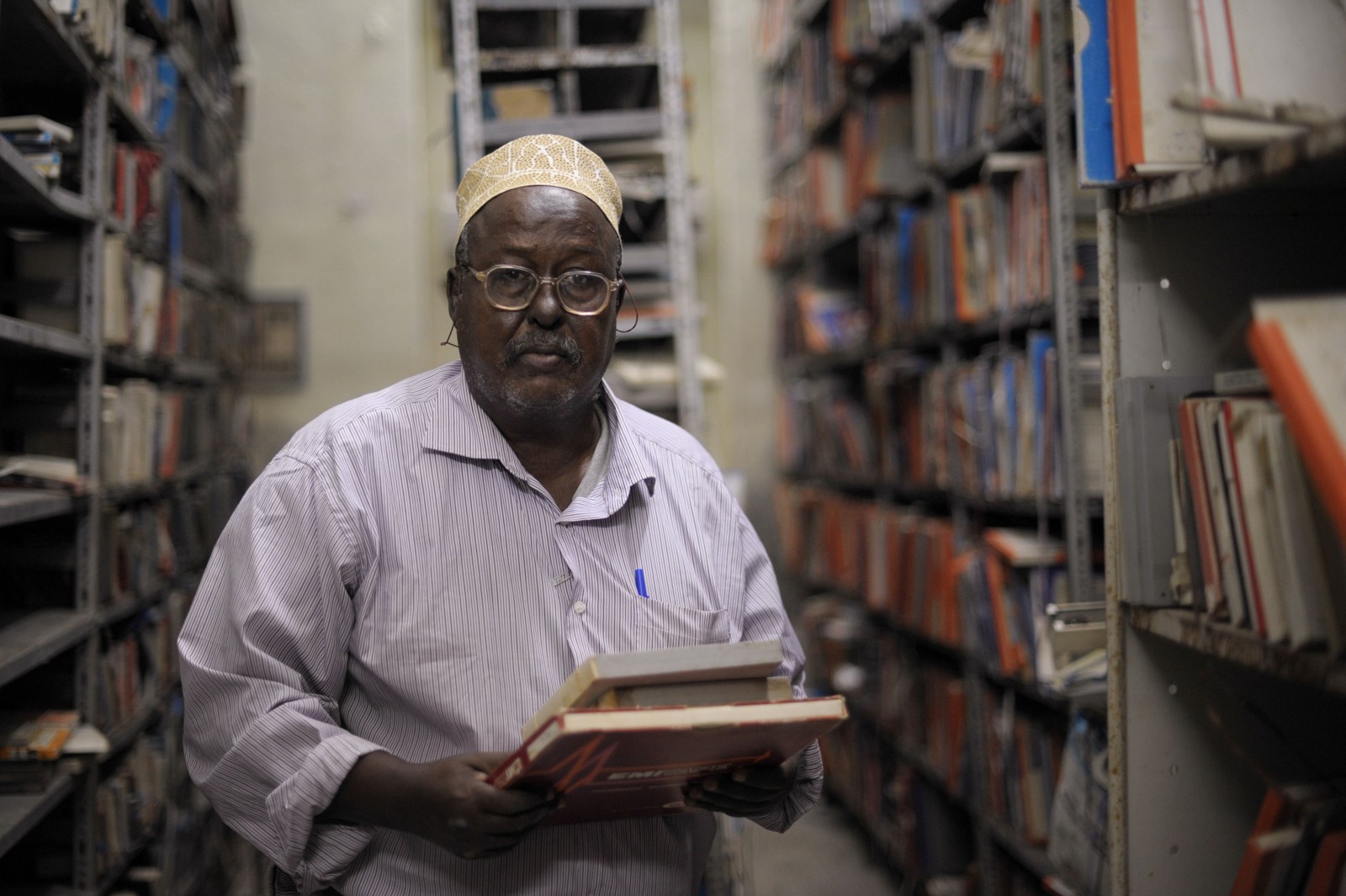
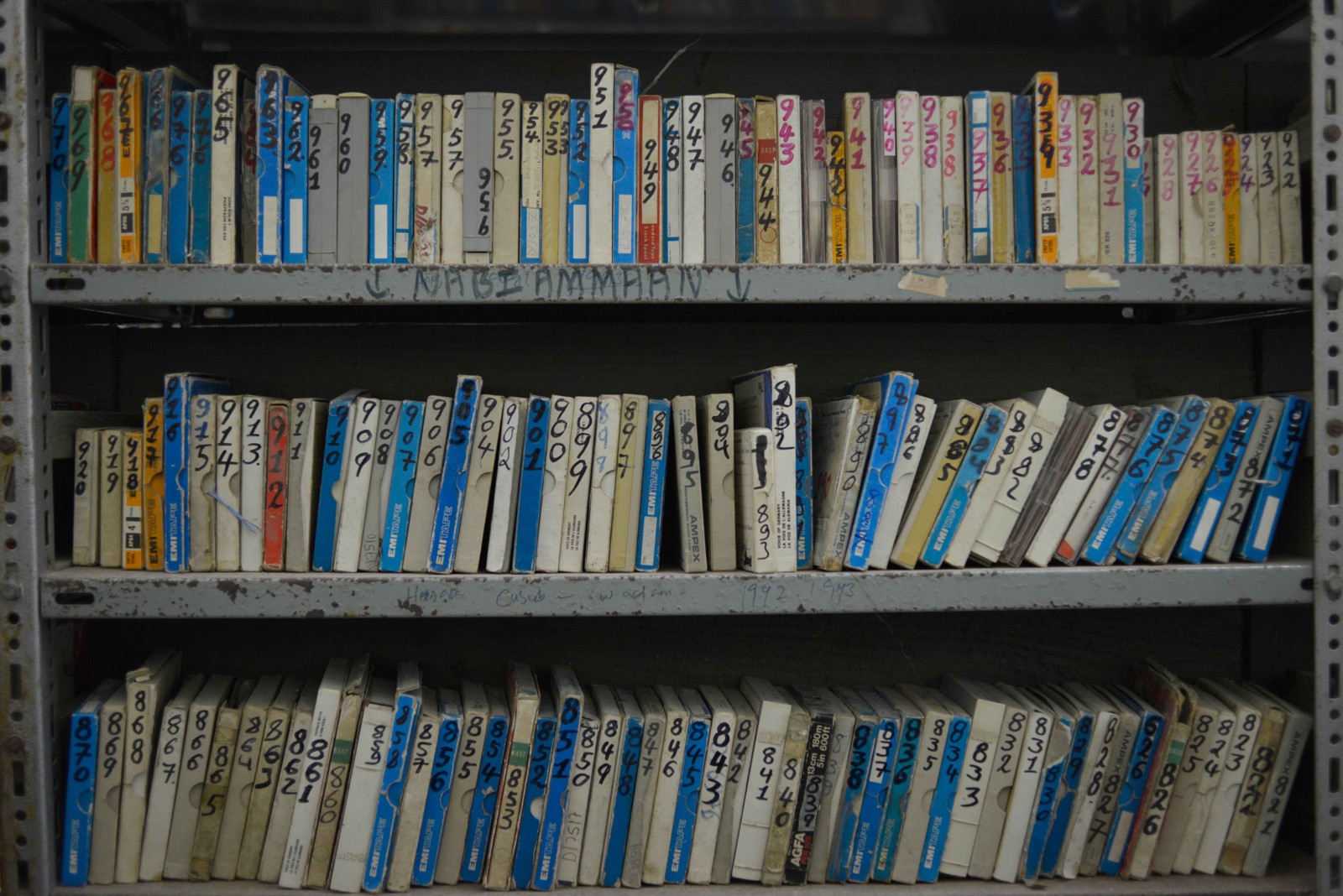
Radio Mogadishu’s collection is not simply a store of speeches by prominent people. UNESCO’s account of its June 2026 workshop describes recordings encompassing politics, language, music and social life across more than seven decades. An assessment undertaken in April identified a substantial body of playable material alongside recordings badly deteriorated, destroyed or critically damaged.
The official percentages are approximate categories from an assessment, not a promise about the condition of an individual reel. Nor should the collection’s reported size be converted casually into a count of unique programmes. An item may contain several recordings; a programme may occupy several items. Cataloguing has to establish what those units mean.
There is a historical distinction here between preserving a broadcaster and preserving the society around it. A state broadcaster’s archive can contain a government’s preferred account of events, but also performances, accents, educational programmes and working practices that exceed that account. Keeping such material does not require accepting every claim in it. It preserves the possibility of asking how those claims were produced, circulated and heard.
A listener who encounters a speech as a short online clip may hear a confident official voice. A researcher who can establish its date, programme sequence and intended audience can ask different questions. What preceded the speech? Was it repeated? Was the surviving recording the version broadcast? Preservation makes those questions possible; description makes them answerable.
The old promise of a voice that would remain
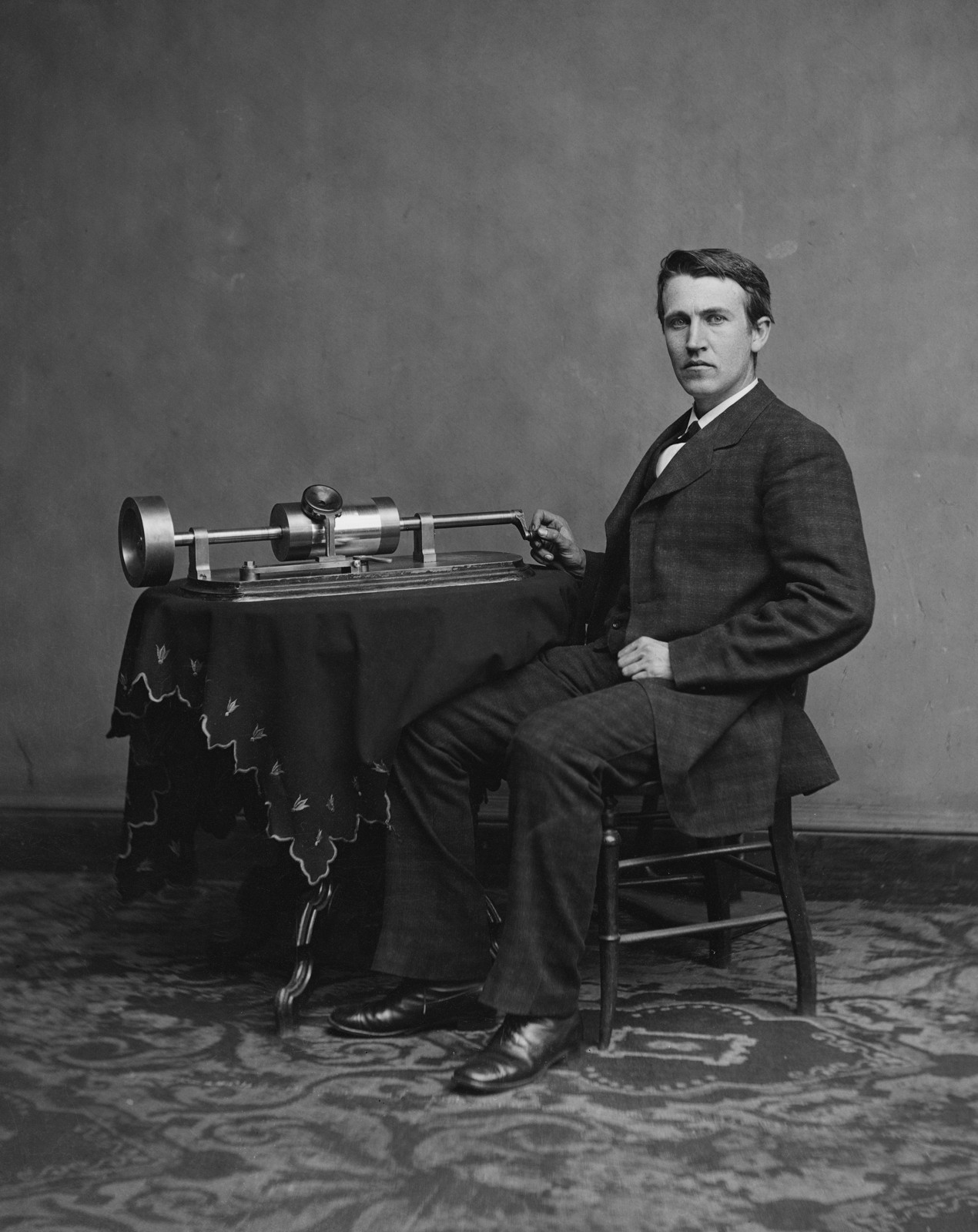
Sound recording began with an extraordinary change in what could be saved. As the Smithsonian’s account of early phonography explains, Edison’s 1877 machine registered vibrations as indentations on tinfoil and could play them back. The reproduction of a voice was no longer dependent solely on another person remembering or imitating it.
But repeatability arrived with fragility. The tinfoil recordings wore quickly, and the first commercial promise of office dictation did not translate into an immediately successful business. The contrast matters: an invention could demonstrate that sound was recordable without yet providing a durable, practical archive of everyday speech.
The Library of Congress’s history of the cylinder phonograph traces the subsequent efforts to make recording commercially usable. The machine’s future was not fixed at its invention. Exhibitions, dictation, domestic entertainment and the circulation of recorded music represented different uses, with different ideas about what was worth retaining.
That is a useful corrective to a simple progress story. Recording more does not automatically mean preserving more, and preserving more does not automatically mean preserving a representative sample. What enters an archive is shaped by purchases, deposits, accidents, collectors’ interests and the priorities of organizations that can afford to keep things.
When a legal workaround preserved a vanished medium
Early cinema supplies an especially revealing example. Before United States copyright law recognized motion pictures as a distinct category in 1912, producers submitted photographic paper records of their films. Some deposited whole sequences frame by frame; others supplied selected images. The Library of Congress’s Paper Print Collection now preserves films whose original motion-picture materials often no longer exist.
These objects were not created because their makers foresaw today’s historical questions. They were made to establish ownership. Yet the administrative act helped save evidence of performances, streets, workplaces and early filmmaking. A document designed for one institution’s immediate purpose became the basis for another generation’s reconstruction.
The comparison with a digital scan is illuminating but limited. A paper print preserved a photographic sequence in another material form; a digital transfer encodes signals or images into data. Neither is a magical extraction of an untouched past. Both involve technical choices, and both need records showing what source was used and what was done to it.
The collection is also a warning against confusing age with authenticity of subject matter. The Library’s guide to its early films notes that some apparent depictions of wars are reconstructions. A genuinely old film may be a staged representation of an event. Preserving the object establishes that the representation existed; it does not prove that its camera witnessed what it depicts.
The machine is part of the archive
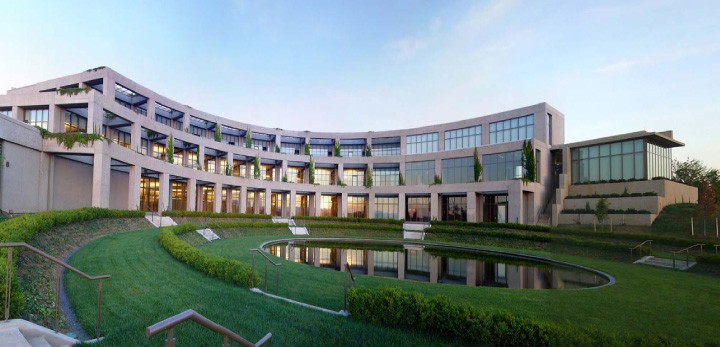
At the Library of Congress’s Packard Campus, preservation encompasses storage, cataloguing, transfer equipment and access. Its separate nitrate-film vaults make visible a fact that disappears behind a streaming interface: different recording materials impose different physical requirements.
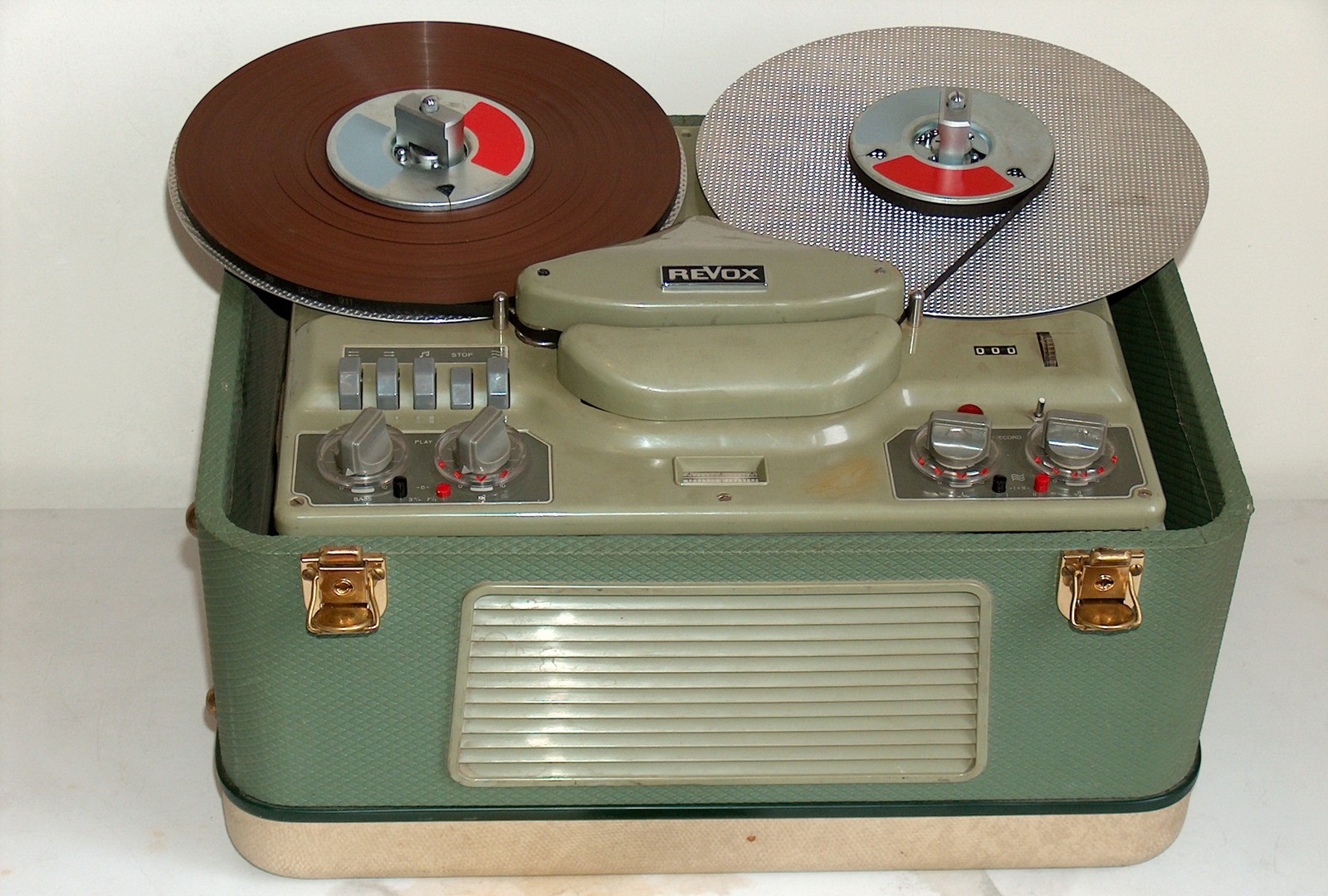
The institution’s account of preserving audio cylinders describes maintaining obsolete players and keeping spare parts from machines no longer manufactured. The necessary expertise includes understanding equipment that an ordinary repair shop may never see. A recording can be materially intact but effectively silent if its playback system has disappeared.
This is where the 2026 preservation work meets the older history most directly. The challenge is not just the survival of objects. It is the survival of a chain of skilled actions through which an object can become usable evidence again. That chain requires training and continuity as well as a scanner or a computer.
Digitization is a transfer of responsibilities
A digital file can be copied without the cumulative wear associated with repeatedly playing an analogue carrier. That is an enormous advantage. But it shifts attention toward storage systems, file formats, documentation and the ability to detect unwanted changes.
The Library of Congress’s data-integrity guidance calls for establishing and recording fixity information early. A checksum is a calculated value used to compare a file at different points in time. Matching values provide evidence that the file’s bits have not changed between those checks.
That is not the same as proving the recording is true, complete or correctly identified. A perfectly preserved file can contain a mislabeled interview or a misleading edit. Fixity protects a particular digital object against unnoticed alteration; historical criticism asks what that object is and what conclusions it can support.
The National Library of New Zealand makes another practical distinction: a changed checksum can signal a problem, but cannot by itself explain or reverse the change. Copies, clear identification of master and backup files, and repeatable checks are therefore parts of a preservation process rather than competing alternatives.
It follows that “uploaded” and “preserved” should not be treated as synonyms. A public-facing copy may be compressed for convenient listening. It may be separated from the institution’s preservation file. The attractive page through which a visitor encounters it is only one layer of the work that allows the recording to remain available.
Keeping the evidence around the recording
The International Association of Sound and Audiovisual Archives’ technical guidelines emphasize descriptive, technical and preservation metadata. That can mean who made a recording, where it came from, the equipment used for transfer, and the relationship between a preservation master and a listening copy. It is information that allows a later researcher or technician to understand what happened.
A reel’s box, handwritten label or accompanying list may therefore matter even after its sound has been copied. Such evidence can identify a programme, reveal a correction, or expose uncertainty rather than resolve it. An honest catalogue sometimes needs to say that a speaker or date remains unknown.
IASA’s ethical principles distinguish the content from its carrier while asking archivists to minimize loss during transfer and retain original carriers where feasible. The point is not that every material object must be playable forever. It is that copying should not become an excuse to discard evidence before its significance has been understood.
UNESCO’s 1980 recommendation on moving images, whose adoption the October observance commemorates, already joined physical protection to cataloguing, equipment, access and cooperation. It recognized that keeping a work required institutions and policies, not merely admiration for a famous film.
What this year’s observance can—and cannot—show
The 2026 announcements do not establish that all threatened collections have secure long-term funding, complete catalogues or unrestricted online access. They show specific preservation work and renewed attention to the people carrying it out. Those are meaningful developments without being a universal solution.
Nor is every recording automatically suitable for immediate public release. A broadcast, an interview and a private recording can involve different rights and responsibilities. Preservation and publication are distinct decisions. Maintaining that distinction can protect both the historical record and the people represented in it.
The most useful question to ask of a newly digitized recording is consequently not only whether it plays. Ask what it was copied from, how it is described, what alterations are documented, and where the preservation copy will live when the current website changes. A voice that has crossed decades still needs an accountable route into the next one.