
Know the Present
Steel's New Border War Has an Old Problem: Who Pays for Adjustment?
The September 2026 Milwaukee Framework confronts steel overcapacity. Earlier American and European crises show why border protection, industrial adjustment and the fate of steel towns cannot be separated.
On 30 September 2026, steel-producing governments meeting in Milwaukee agreed on a framework for confronting the industry’s persistent surplus of production capacity. The setting was contemporary; the dilemma was familiar. Governments wanted to defend their mills and workers without simply sending the pressure into somebody else’s market. They also wanted to preserve an industry whose products were essential to other manufacturers, who had reasons to dislike more expensive steel.
The agreement came from the Global Forum on Steel Excess Capacity, not from an undivided gathering of all the world’s major producers. The OECD’s meeting record confirms adoption of the Milwaukee Framework. A day later, Associated Press reported that the wider G20 trade meeting had failed to reach consensus on excess capacity. Those outcomes can coexist. A coalition had agreed to act; a universal settlement had not arrived.
That distinction matters more than the optimistic language surrounding a diplomatic announcement. Earlier steel crises produced quotas, trade restraints and plans for modernization. Some bought time. Some shifted the cost of adjustment from producers to customers, taxpayers or particular industrial towns. None made the underlying question disappear: when a country can produce more steel than markets will absorb profitably, which furnaces close, and who supports the people around them?
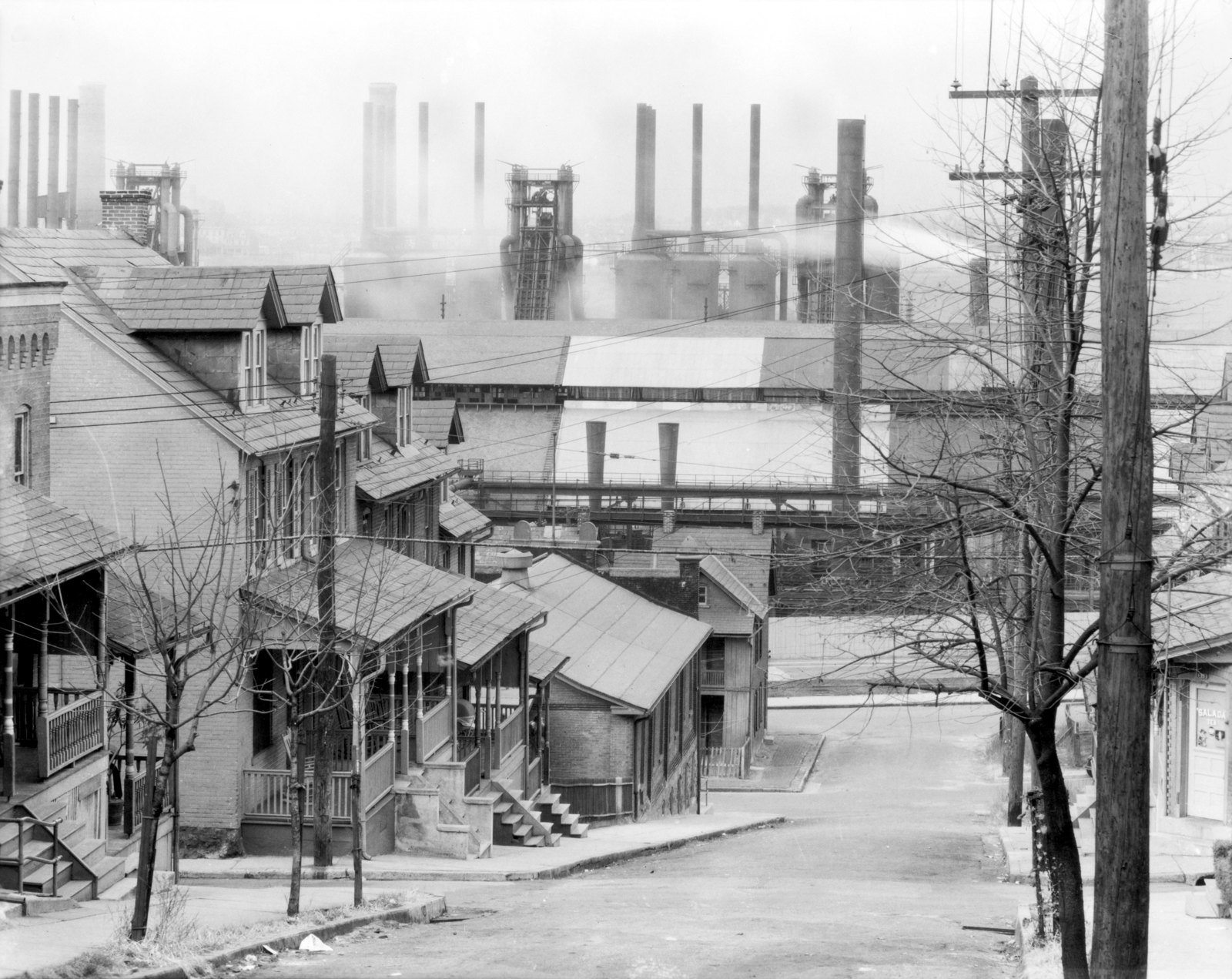
The surplus is a capacity problem before it is a border problem
A furnace is built for years of operation, not for one season of favorable prices. Money has already been committed to land, equipment, transport connections and specialized skills. A falling selling price does not automatically make immediate closure the least costly choice for an individual producer. Keeping a plant running may preserve cash flow, contracts and employment while postponing a much larger decision about its future. If many firms make that choice at once, their individual decisions can prolong a collective surplus.
Capacity is also different from output. An estimate of excess capacity is not a photograph of unwanted steel stacked in a warehouse. It measures the distance between productive capability and demand or production under the definitions used by the analyst. This is why statements about millions of tonnes require dates and a clear indication of whether they describe an observation or a forecast.
The OECD’s Steel Outlook 2026, published on 4 June, projects excess capacity reaching 745 million tonnes by 2028. That is a projection, not an accomplished result. The report links the risk to weak demand, planned capacity additions and government support that can sustain uneconomic production. Its regional analysis also cautions against treating every expansion as the same phenomenon: growing domestic demand can absorb new facilities in one economy while weak demand pushes exports out of another. The relevant question is not merely who built a mill, but how it is financed and where its output can be sold.
The Milwaukee Framework combines proposed action against market-distorting support with closer monitoring, information exchange and trade enforcement. It also recognizes that limited restructuring or industrial-transition support can be appropriate when it avoids net capacity expansion and supports long-term viability. Its measures operate through members’ national legal systems and international commitments. This is coordination, not a new supranational authority able to order every surplus furnace shut.
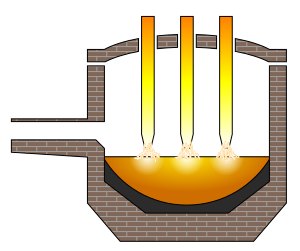
Washington tried to buy time in the 1980s
The American steel crisis of the early 1980s was not caused by one variable. Foreign competition intensified, but recession, changes in demand and the industry’s own investment problems also mattered. Steel was exposed to weakness in automobiles, construction and machinery: the customers who stopped ordering were themselves responding to a much wider economic contraction.
The Federal Reserve’s history of the 1981–82 recession places that contraction between July 1981 and November 1982. Tight monetary policy intended to defeat inflation severely affected manufacturing and construction. A trade barrier could alter which supplier won an order; it could not, by itself, make a postponed building or car purchase happen. This was an important limit on what a steel policy could accomplish.
In 1984, President Ronald Reagan rejected the particular package of quotas and tariffs recommended by the U.S. International Trade Commission and pursued negotiated voluntary restraint agreements instead. According to the Government Accountability Office’s account of the steel negotiations, protection was tied to steps toward modernization and restructuring. In 1989, the arrangements were extended for another two and a half years while negotiators sought a broader agreement on steel trade and government intervention. The restraint program expired in 1992 without that multilateral agreement.
The sequence reveals both the attraction and weakness of temporary protection. A government can present a barrier as breathing space rather than permanent shelter. But the space has to be used for something measurable. Modern equipment, improved processes, viable finance and a workable adjustment plan cannot be assumed merely because imports fall. If those changes do not occur, the approaching expiration date becomes another occasion for a political fight over extension.
Nor does a more efficient industry necessarily recreate the workforce it employed before the crisis. The Bureau of Labor Statistics reported that steel’s multifactor productivity rose between 1979 and 1985 even as output declined, because the combined inputs used by the industry fell more steeply. Its contemporary review captures a difficult fact about restructuring: a plant or sector can become more competitive while requiring fewer resources, including labor. Saving productive capacity and restoring every former job are different objectives.
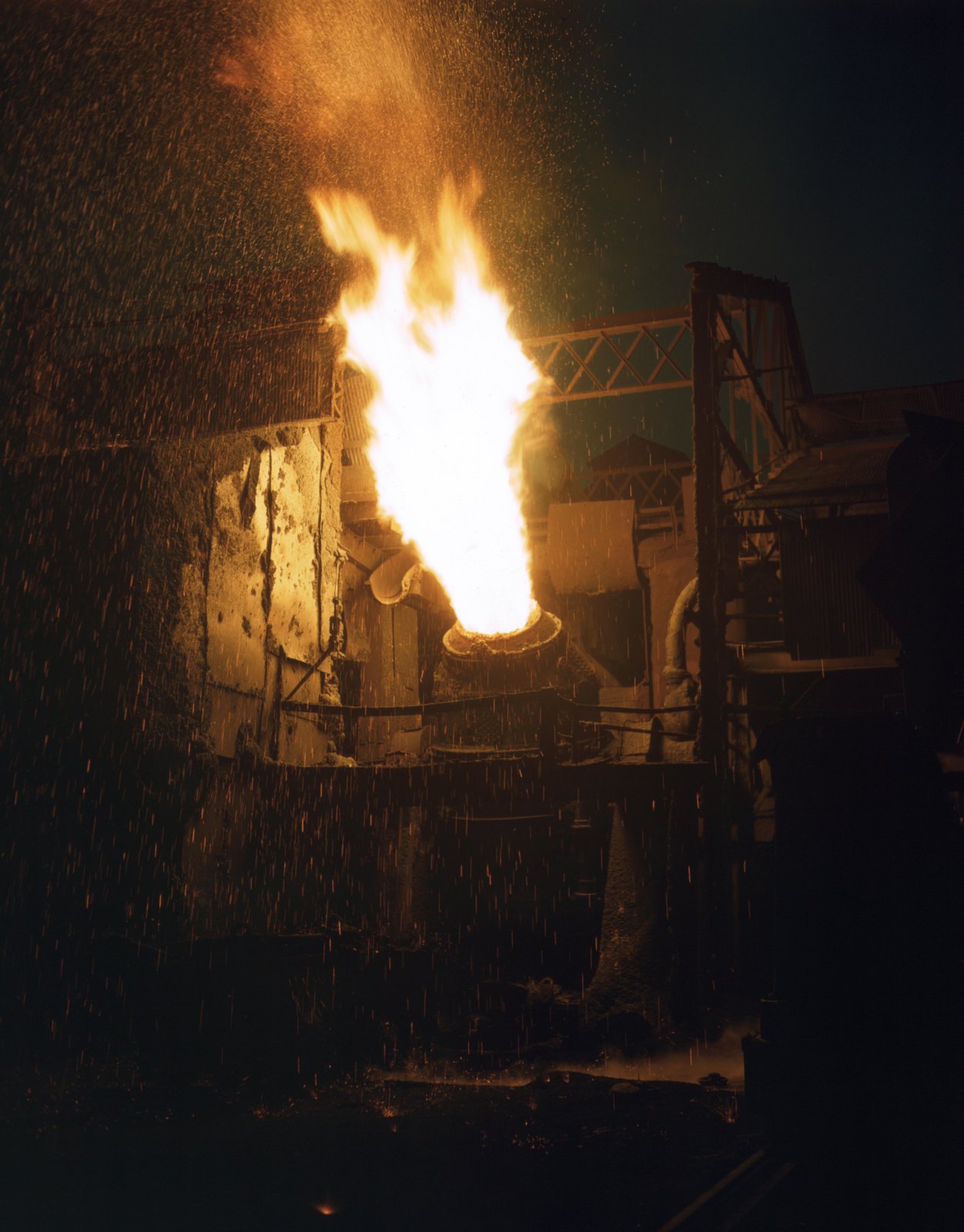
Europe confronted the furnace, not just the import
Across the Atlantic, the European Community faced a related problem with a different institutional tool kit. Member governments could support their own producers, but competing national rescues risked undermining the common market. A policy that protected one country’s mills could deepen the crisis next door. Steel was among the industries for which European integration had created unusually strong collective powers.
On 31 October 1980, the Commission declared a state of manifest crisis under the European Coal and Steel Community framework. Production quotas became part of the response. The University of Luxembourg’s CVCE account describes how the crisis regime, repeatedly prolonged, lasted until 1988. Support was connected to restructuring and capacity reduction, rather than simply allowing every national industry to produce as much as it wished.
In a later oral-history interview preserved by CVCE, Étienne Davignon explained the danger he had perceived: without joint management, national responses could fracture the steel common market. His recollection also describes the practical burdens of allocating quotas, monitoring compliance and securing agreement on restructuring. It is a participant’s retrospective interpretation, not a neutral transcript of everyone’s motives. Yet it makes visible something diplomatic summaries often hide: administering a coordinated reduction is labor-intensive political work.
A 1989 Commission decision concerning the Italian industry gives that process a harder edge. Its discussion of earlier aid to Finsider linked restructuring to substantial rolling-capacity closures and a reduction of 43,200 employees relative to its 1980 workforce. A policy could be called orderly or coordinated and still impose enormous losses on workers and places. The important distinction was whether those losses came with negotiated support and credible alternatives, not whether the word restructuring made them painless.
The comparison with Milwaukee is therefore limited but useful. The European Community had a treaty framework and internal institutions that a global forum does not possess. Its experience cannot be copied by announcing common principles. It does show why a policy aimed only at displaced imports can leave the central capacity decision unresolved.

Protection creates customers as well as beneficiaries
Steel producers sell an input. That places their interests in an uneasy relationship with the manufacturers who buy it. A policy that enables a mill to receive a higher price may help finance investment and employment there. The same price becomes a cost for a maker of vehicles, machinery or metal components. Both businesses can truthfully say that they support domestic manufacturing while disagreeing over the tariff.
There is recent evidence for this trade-off. The U.S. International Trade Commission’s 2023 retrospective study estimated that the Section 232 steel tariffs reduced affected imports and increased U.S. steel prices and production during the period it examined. Across steel- and aluminum-intensive downstream industries, the Commission estimated lower production associated with higher input prices. These findings concern a specified earlier policy and the short run of 2018–21. They are not a ready-made forecast of the Milwaukee Framework, and the study did not assess every national-security benefit or long-term investment effect.
The historical point is narrower: an industry’s gain is not automatically the same as a whole economy’s gain. A serious evaluation has to look beyond the protected mill’s gate. It must ask what happened to buyers, exported manufactured goods, construction costs and the public money committed to support. It must also distinguish an unavoidable transition cost from a policy that merely transfers losses to less politically visible people.
The legal setting has changed too. The WTO’s explanation of safeguards describes how the agreements reached in the Uruguay Round prohibited the voluntary export restraints and similar arrangements that had proliferated earlier. Invoking the 1980s does not make their instruments legally interchangeable with those available today. Historical comparison is most useful when it identifies a recurring mechanism while keeping institutional differences in view.
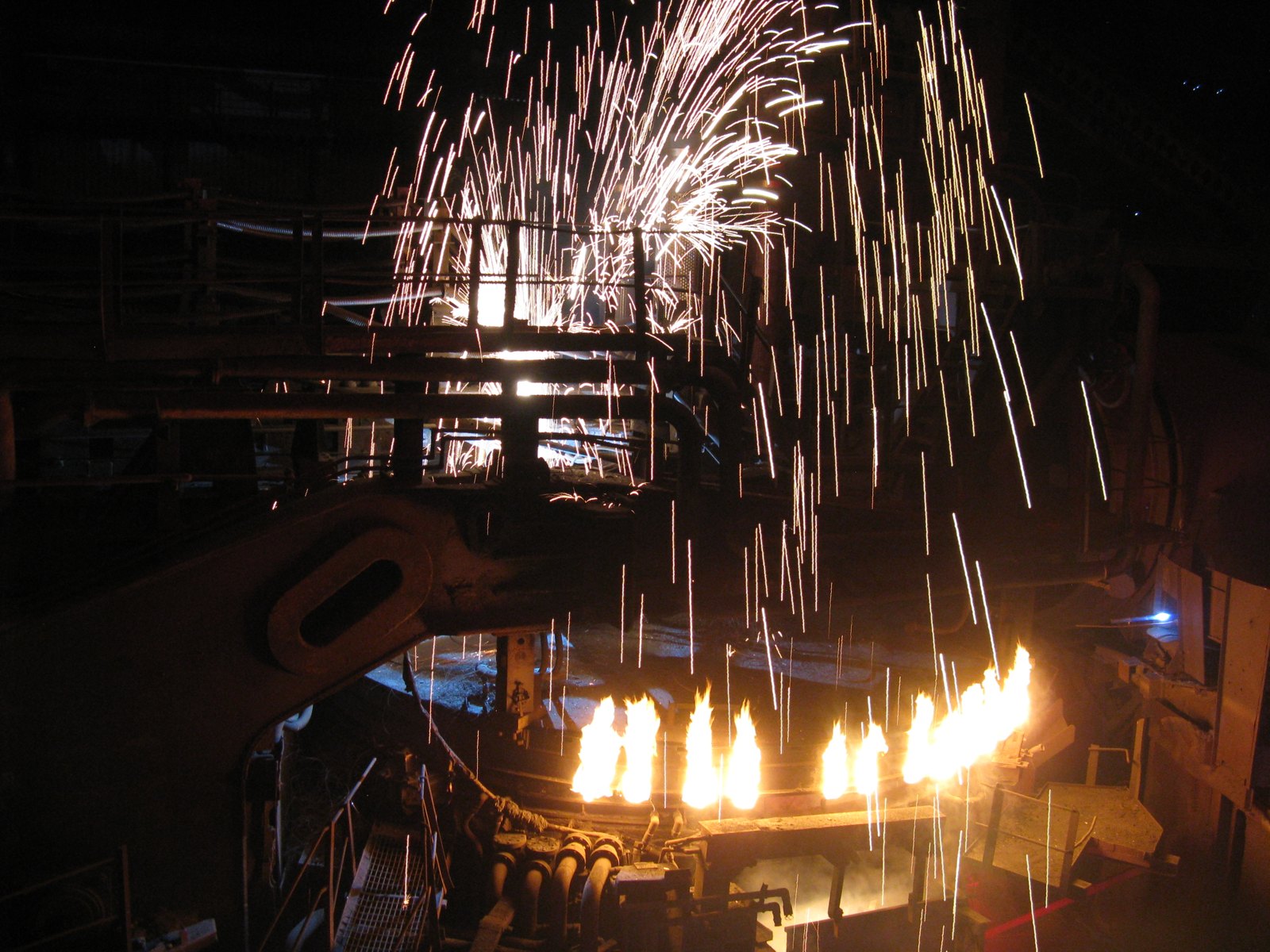
What would count as progress now?
Three possible paths follow from these precedents. They are conditional scenarios, not predictions supplied by history.
In the first, governments connect enforcement with transparent information about subsidies and actual retirement of uneconomic capacity. Trade restrictions might then create space for investment while the surplus itself begins to shrink. The evidence to watch would be durable closures, credible demand estimates and the distinction between replacement equipment and net expansion. Announcing new investment alone would not establish that the balance had improved.
In the second, barriers spread faster than adjustment. Steel excluded from one market seeks another, and governments respond in sequence. The European Union’s June 2026 decision on a replacement steel-protection framework explicitly described trade diversion as part of the pressure on its market. Monitoring the country where steel was first melted and poured may improve traceability. It cannot alone remove the incentive to find another buyer when surplus facilities remain in operation.
In the third, the industry becomes more competitive but the benefits and costs remain geographically unequal. A successful modern mill may need fewer workers than an older complex. A town can lose its major employer even while national production stabilizes. In that situation, income support, retraining, transport access, environmental cleanup and new employment are part of the economic adjustment itself. They cannot be measured simply by a national tonnage total.
Milwaukee has made the political coalition more visible. It has not yet demonstrated which of those paths will prevail. As of 11 October 2026, the defensible conclusion is that participating governments have agreed on a framework for action whose implementation and effects remain to be tested. The old steel crises suggest where to look: at the furnaces that actually retire, the costs faced by manufacturers buying steel, and the industrial communities asked to live through the transition.
For another case of government trying to reshape an industry through coordinated investment, see Histovia’s analysis of the Genesis Mission, Apollo and the Human Genome Project.
Sources and further reading
- OECD's meeting record
- Associated Press reported
- OECD's Steel Outlook 2026
- Milwaukee Framework
- Federal Reserve's history of the 1981–82 recession
- Government Accountability Office's account of the steel negotiations
- Its contemporary review
- University of Luxembourg's CVCE account
- oral-history interview preserved by CVCE
- 1989 Commission decision concerning the Italian industry
- U.S. International Trade Commission's 2023 retrospective study
- WTO's explanation of safeguards
- June 2026 decision on a replacement steel-protection framework