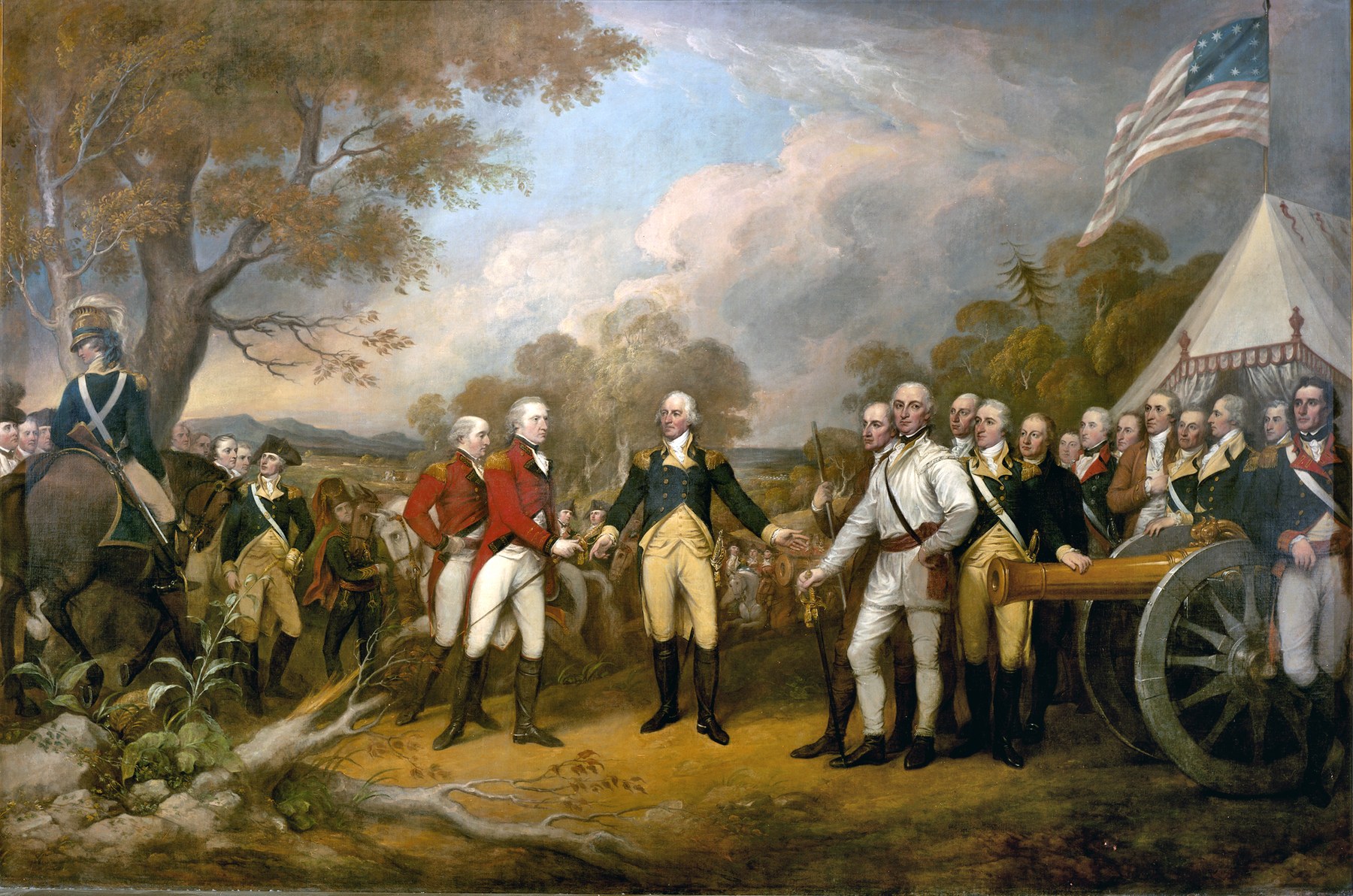
The Fate of the Day: A Revolution Without a Guaranteed Ending
A source-based critical guide to Rick Atkinson’s The Fate of the Day: military survival, diplomacy, and the uncertain middle years of the American Revolution.

Histories centered on northern North America, with changing historical boundaries explained in each article.
A source-based critical guide to Rick Atkinson’s The Fate of the Day: military survival, diplomacy, and the uncertain middle years of the American Revolution.
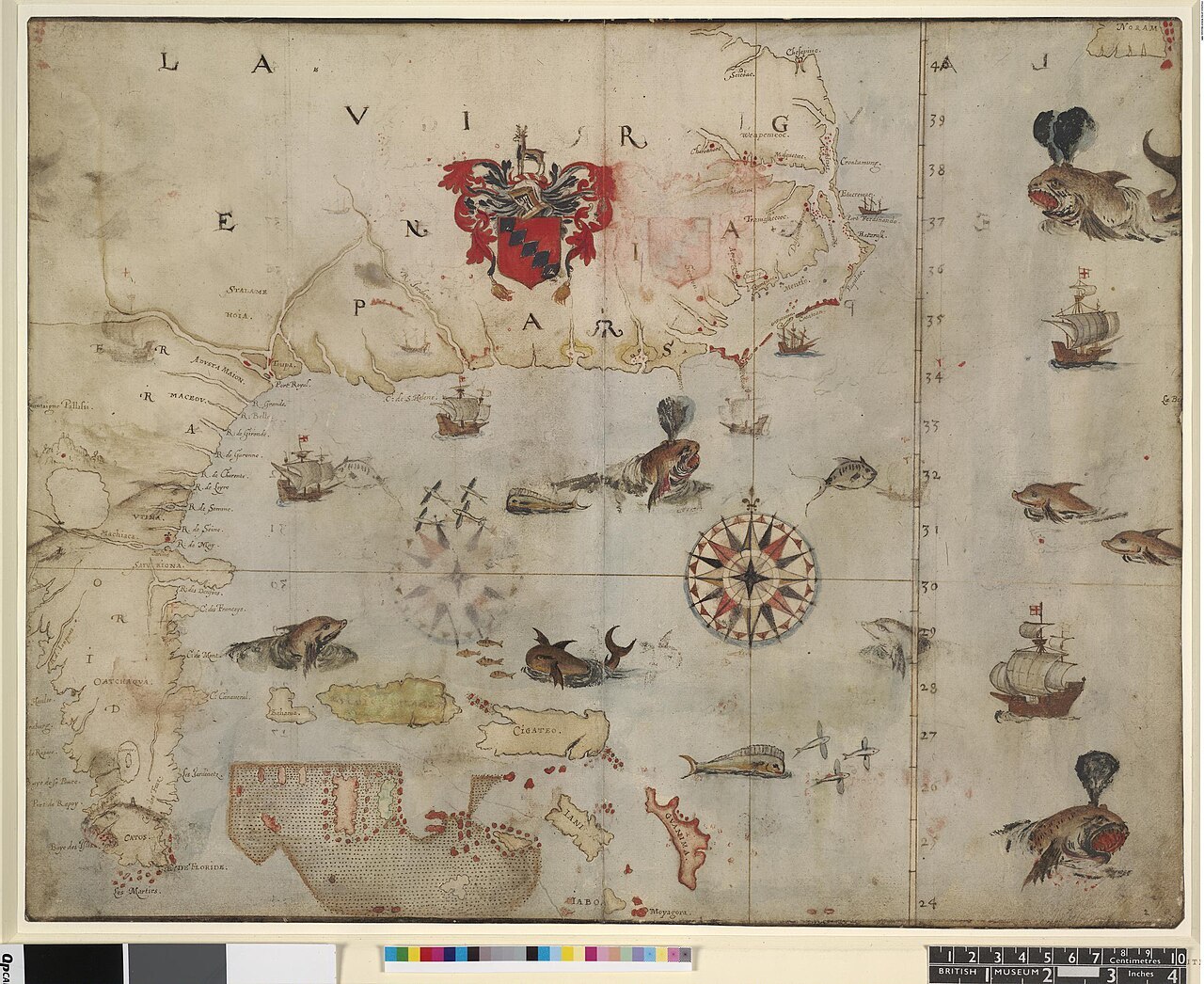
The word Croatoan was a destination, not an inexplicable riddle. John White’s account, Indigenous history, archaeology and drought evidence show what can be known about Roanoke and what remains uncertain.
Broken transport, protected depots, and hard fighting trapped Burgoyne’s army. Diplomacy turned its surrender into the French alliance.

Washington’s 8 October AI-science push raises an old question: who benefits when public ambition meets private technology? Apollo and the Human Genome Project offer contrasting lessons.
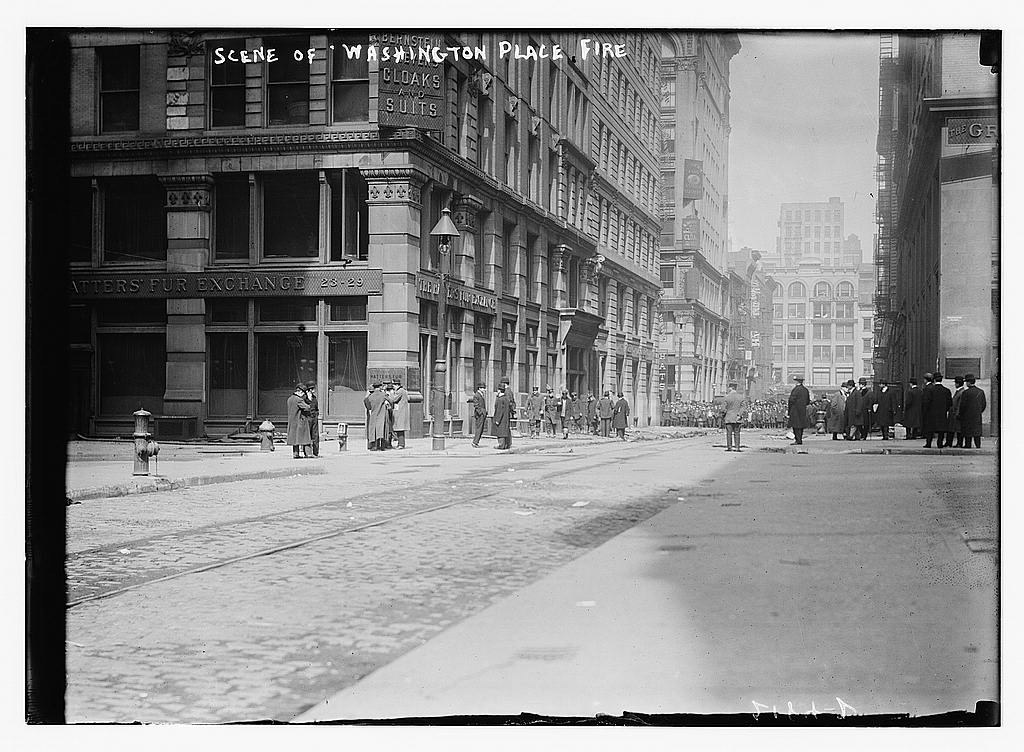
The 1911 fire killed 146 people in a building that remained standing. The struggle over its meaning began with workers who had organized before the disaster.
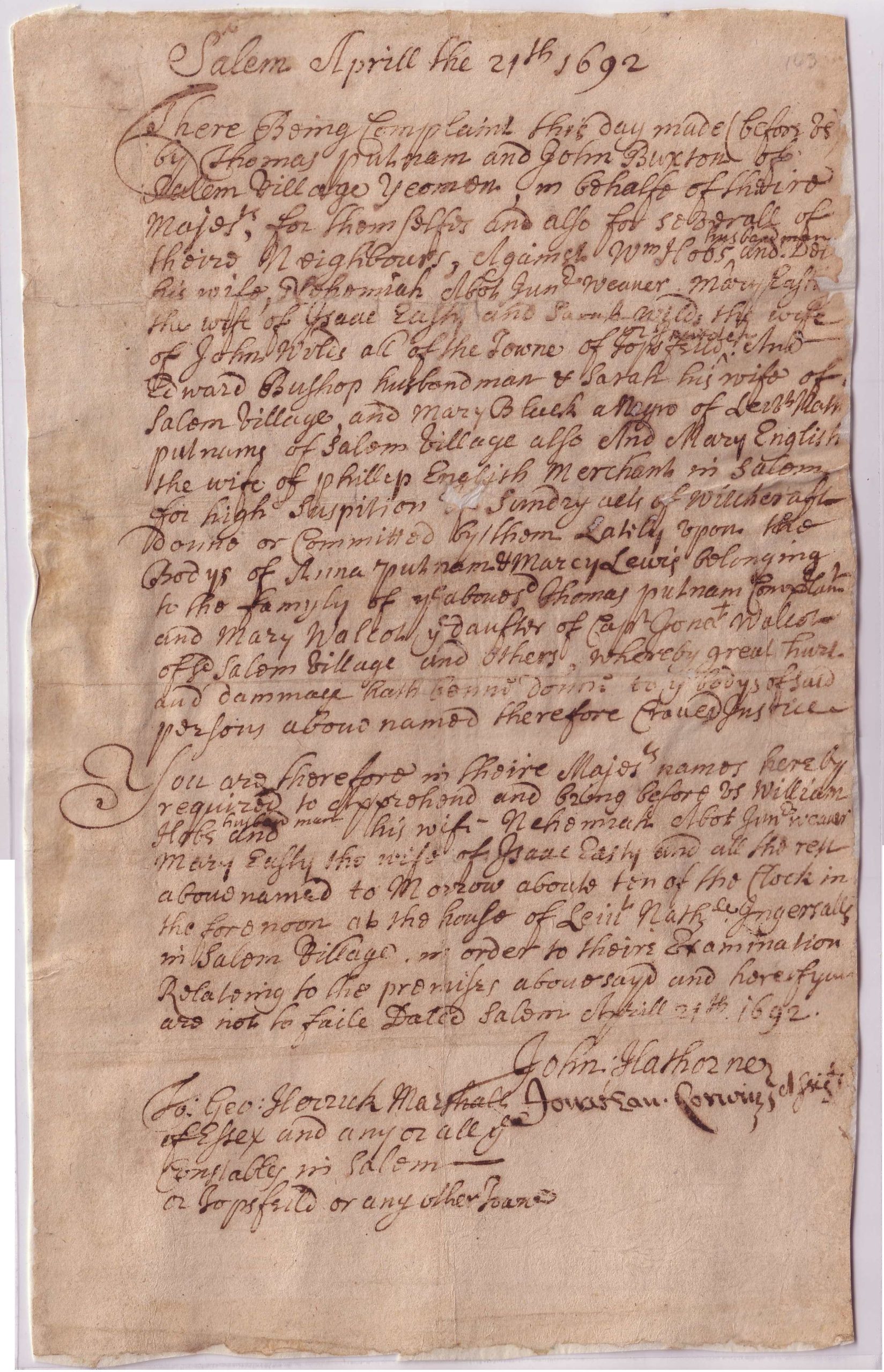
Through warrants, examinations and prison petitions, follow how the Salem accusations became a judicial system that punished denial and multiplied its own evidence.
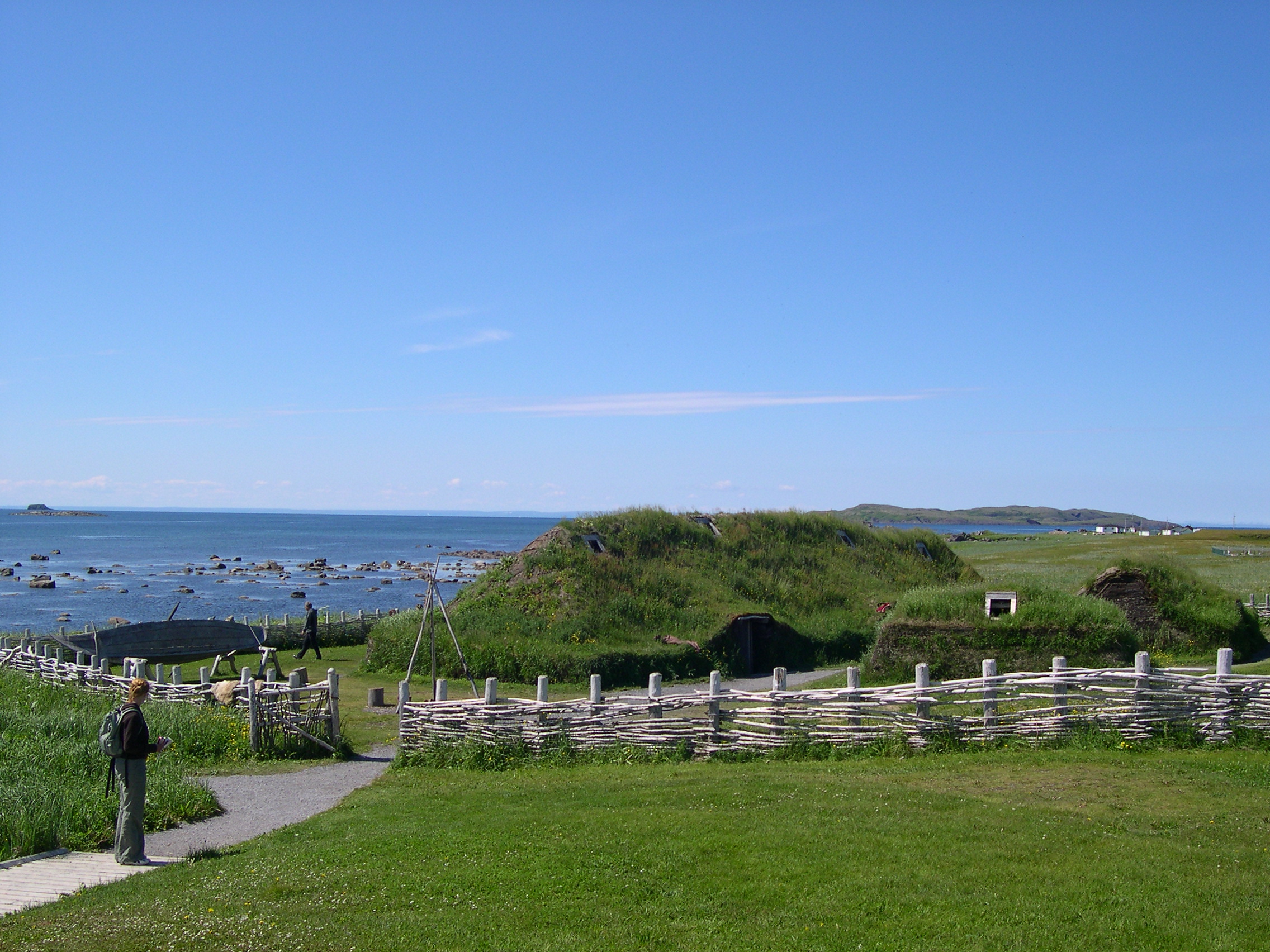
Buildings, artifacts, and tree rings establish a Norse presence in Newfoundland in 1021. The sagas and wider geography still require careful interpretation.
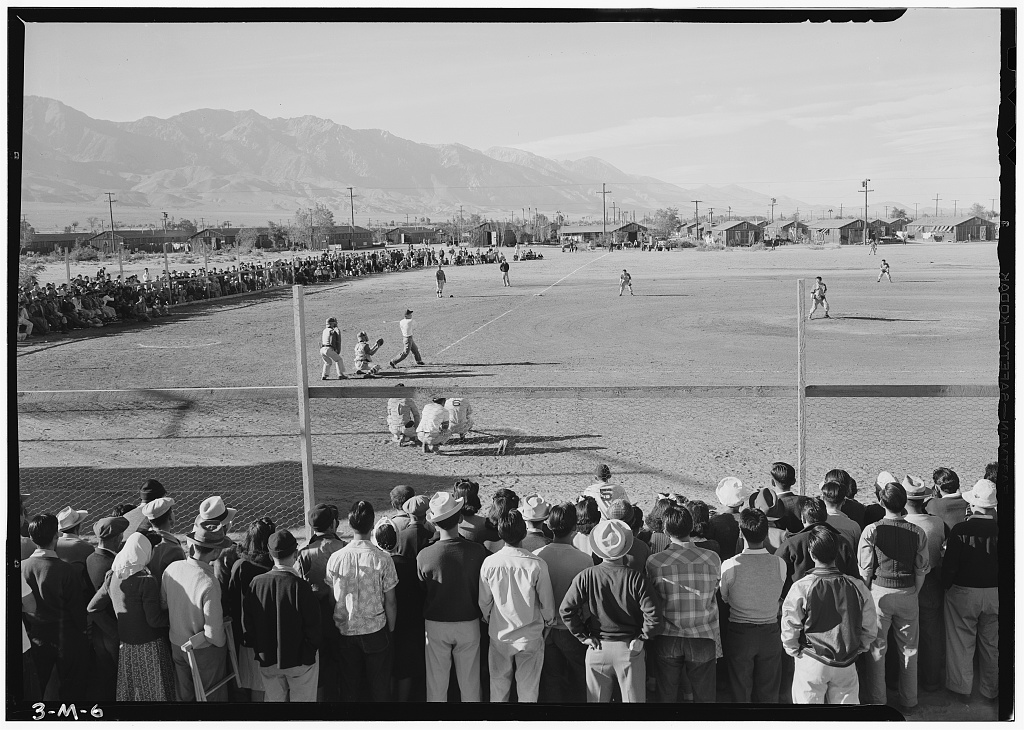
Manzanar’s photographs preserve community life inside incarceration. The orders, testimony and court decisions outside the frame explain what the images cannot.
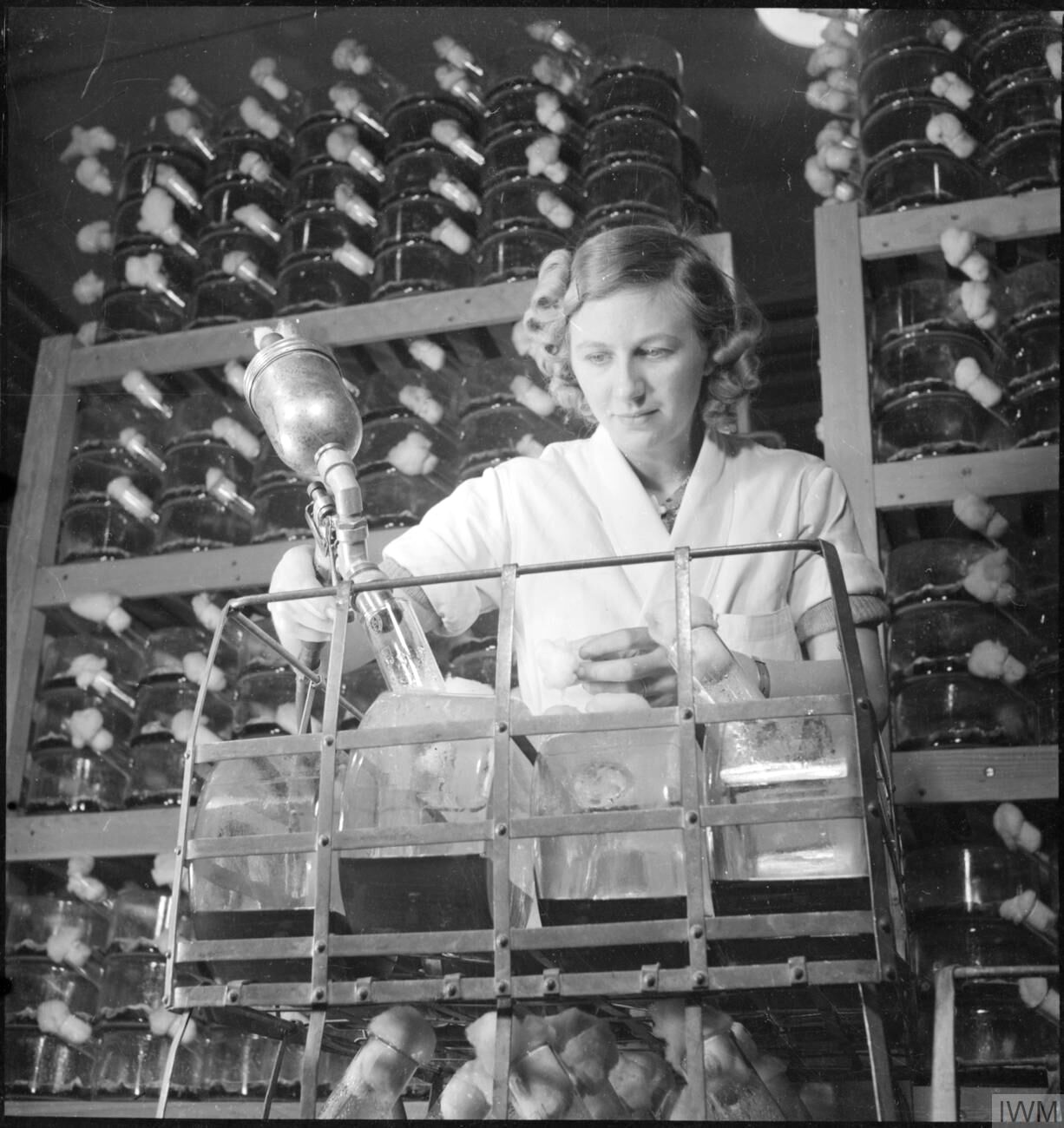
Penicillin became a dependable medicine through cultivation, extraction, testing and industrial coordination. Discovery was only the beginning.
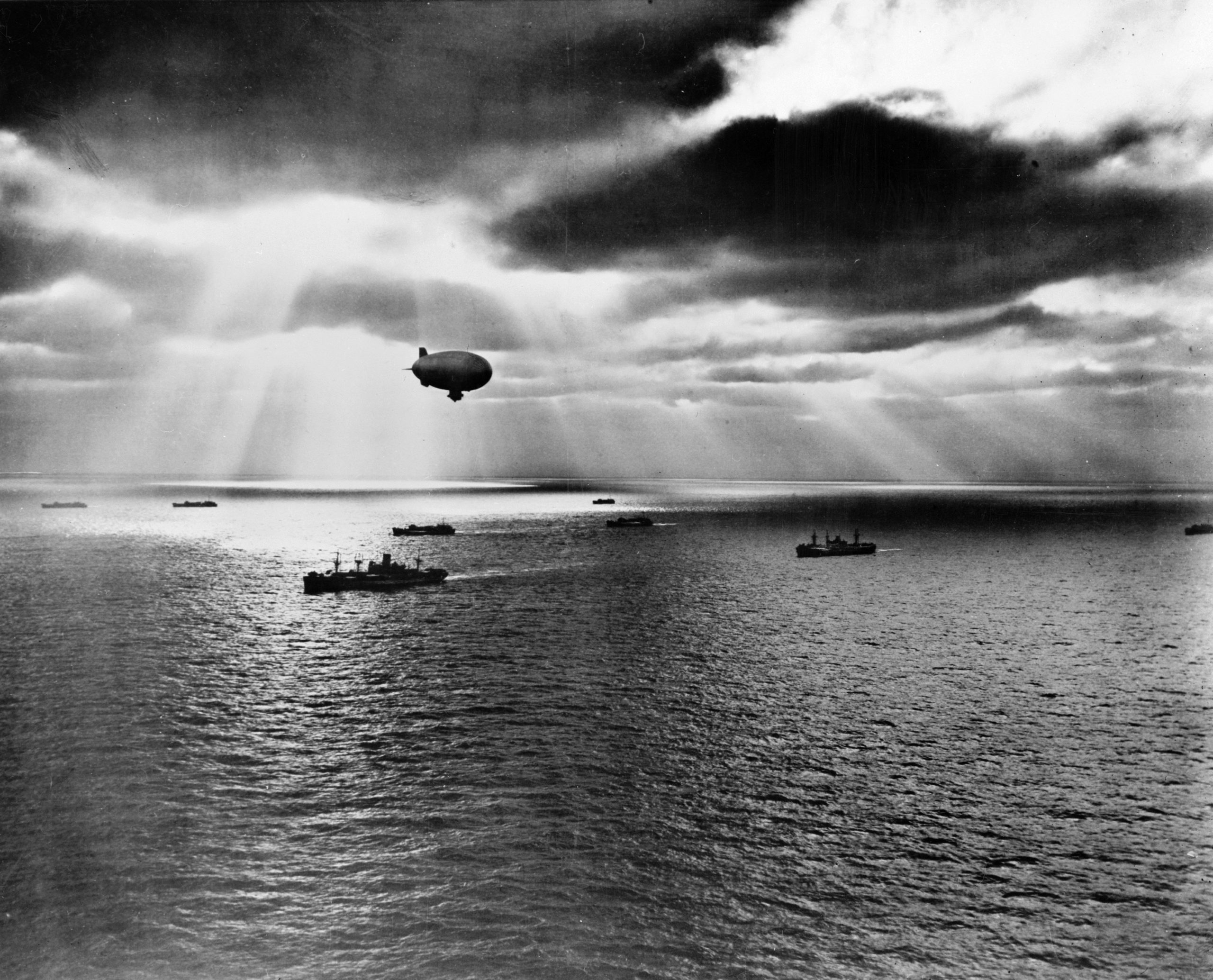
In May 1943, aircraft, escorts, intelligence and trained crews made the North Atlantic offensive too costly for German submarines. The turning point was decisive, but the war at sea continued.