
Vienna, 1815: The Peace Was a Bargain, Not a Return to the Past
Behind the portraits and diplomatic ceremony lay a difficult exchange of territory, recognition and restraint. The settlement restored rulers without restoring the Europe they had lost.
On 9 June 1815, diplomats at Vienna completed the Final Act of their congress. Napoleon was back in France. Waterloo had not yet been fought. A document often treated as the tidy conclusion to the Napoleonic Wars was therefore signed while another campaign was about to decide whether its arrangements would survive.
The date exposes a problem with the familiar picture of Vienna: victorious statesmen gathering after the danger had passed and simply putting Europe back together. Their work was neither so secure nor so mechanical. They had to prevent one defeated empire from being replaced by an equally disturbing concentration of power among its conquerors. They also had to make territorial claims, dynastic rights and promises of stability fit together when those principles contradicted one another.
The surviving Austrian copy of the Final Act, with its red velvet binding and elaborate seals, gives agreement a magnificent physical form. Read its provisions, however, and a less elegant world emerges: divided territories, special commercial rules, monarchs promising institutions to subjects, and commissioners instructed to settle details later. Peace was not a single decision. It was an accumulation of bargains.
A congress without a single negotiating table
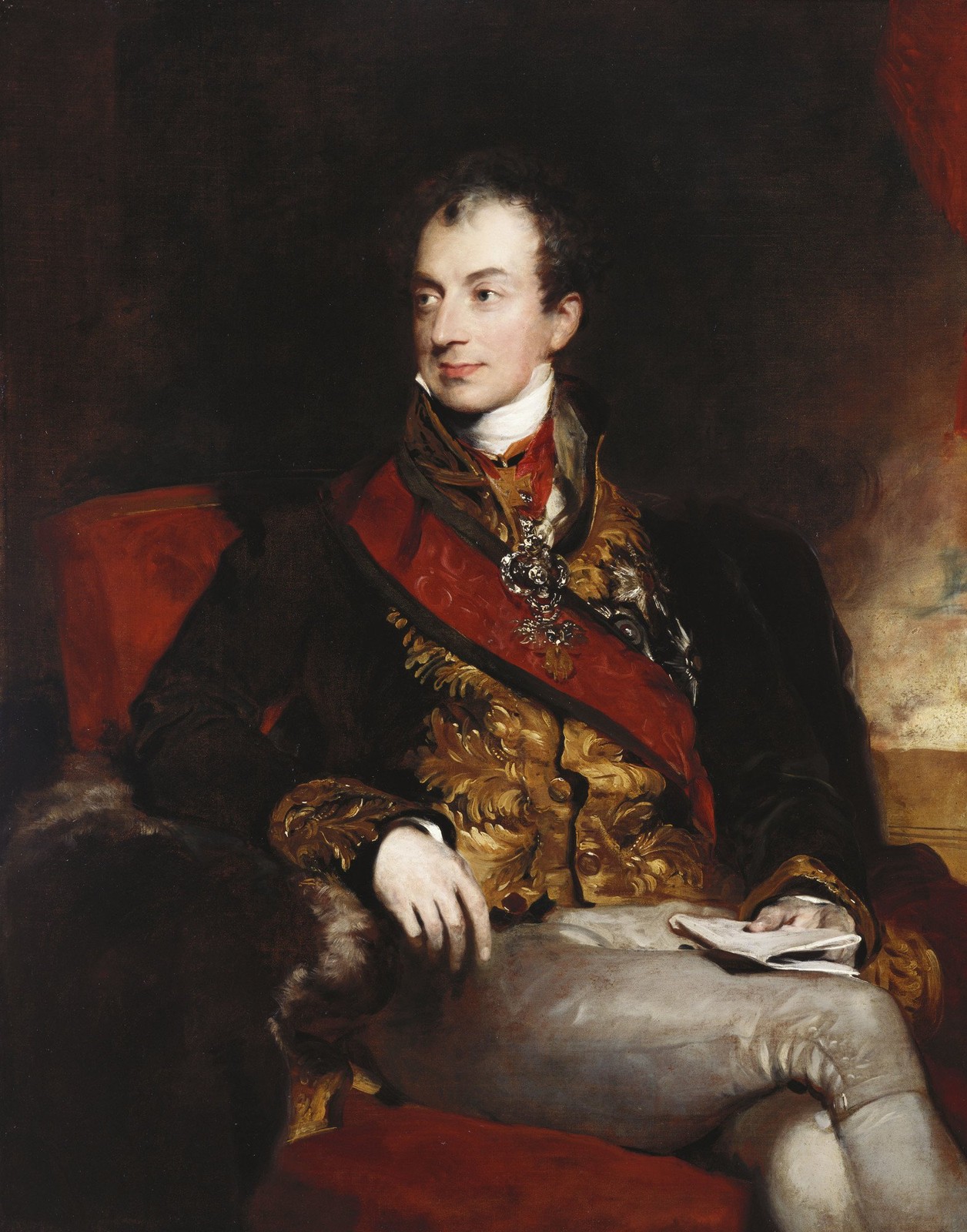
Vienna attracted representatives of a great many states and interests, but attendance did not confer equal power. The decisive negotiations took place among a small circle of leading governments. Austria’s foreign minister, Klemens von Metternich, hosted a gathering whose social brilliance has sometimes obscured its practical organisation: committees, conversations and negotiations on particular questions rather than a continuously sitting European parliament.
The Austrian Federal Chancellery’s account emphasises both the concentration of diplomatic business at the Ballhausplatz and the work of commissions. The important contrast is not between dancing and doing nothing. It is between the visible spectacle of assembled rulers and the smaller circles in which decisions acquired binding shape.
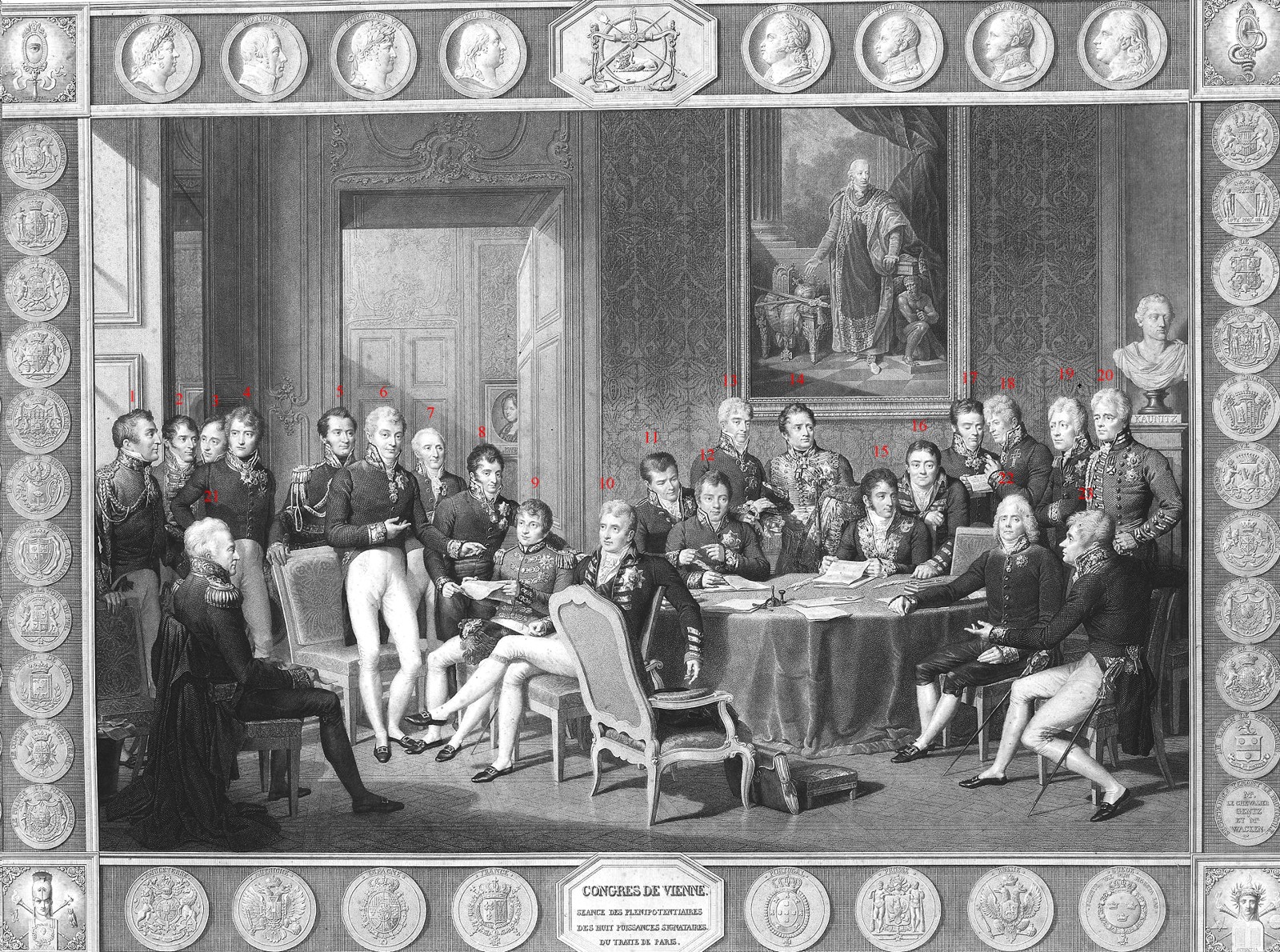
Jean-Baptiste Isabey’s famous composition helped make the congress look like a coherent company of statesmen. But it is a carefully arranged representation, not a visual transcript of one decisive session. As the Fondation Napoléon’s study of the work explains, the artist used individual sittings, grouped delegates and produced versions over several years. Wellington’s inclusion belongs to the composition’s development. An image of diplomatic harmony could conceal how much disagreement the diplomacy contained.
France returns through the disagreement of its victors
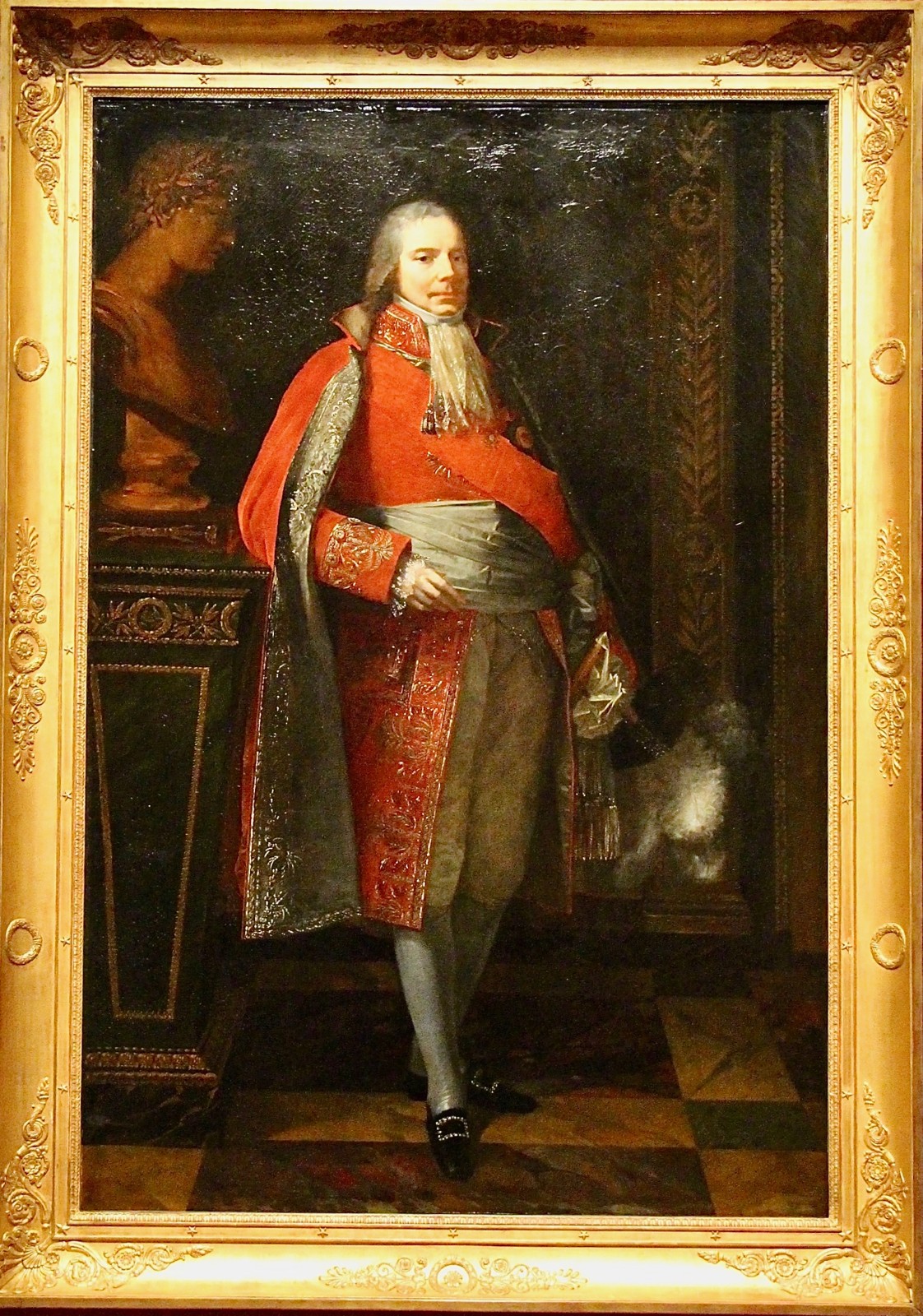
France’s representative, Charles-Maurice de Talleyrand, spoke for the restored Bourbon monarchy rather than Napoleon. That distinction gave him an argument for participation: a legitimate king should not be treated merely as the defeated emperor’s substitute. It did not erase France’s military defeat, but it offered a language in which French influence could become acceptable again.
Talleyrand’s correspondence also reveals why principles were useful political instruments. In a letter to Louis XVIII dated 15 February 1815, he reported that the questions of Warsaw, Saxony, Prussian reconstruction, Hanover and the Netherlands had been settled, describing them as the difficult issues capable of producing war. This was a participant’s assessment, written to his sovereign and attentive to his own diplomatic success. It nevertheless makes clear that the victors were negotiating against one another as well as against the consequences of French expansion.
Poland and Saxony: legitimacy meets compensation
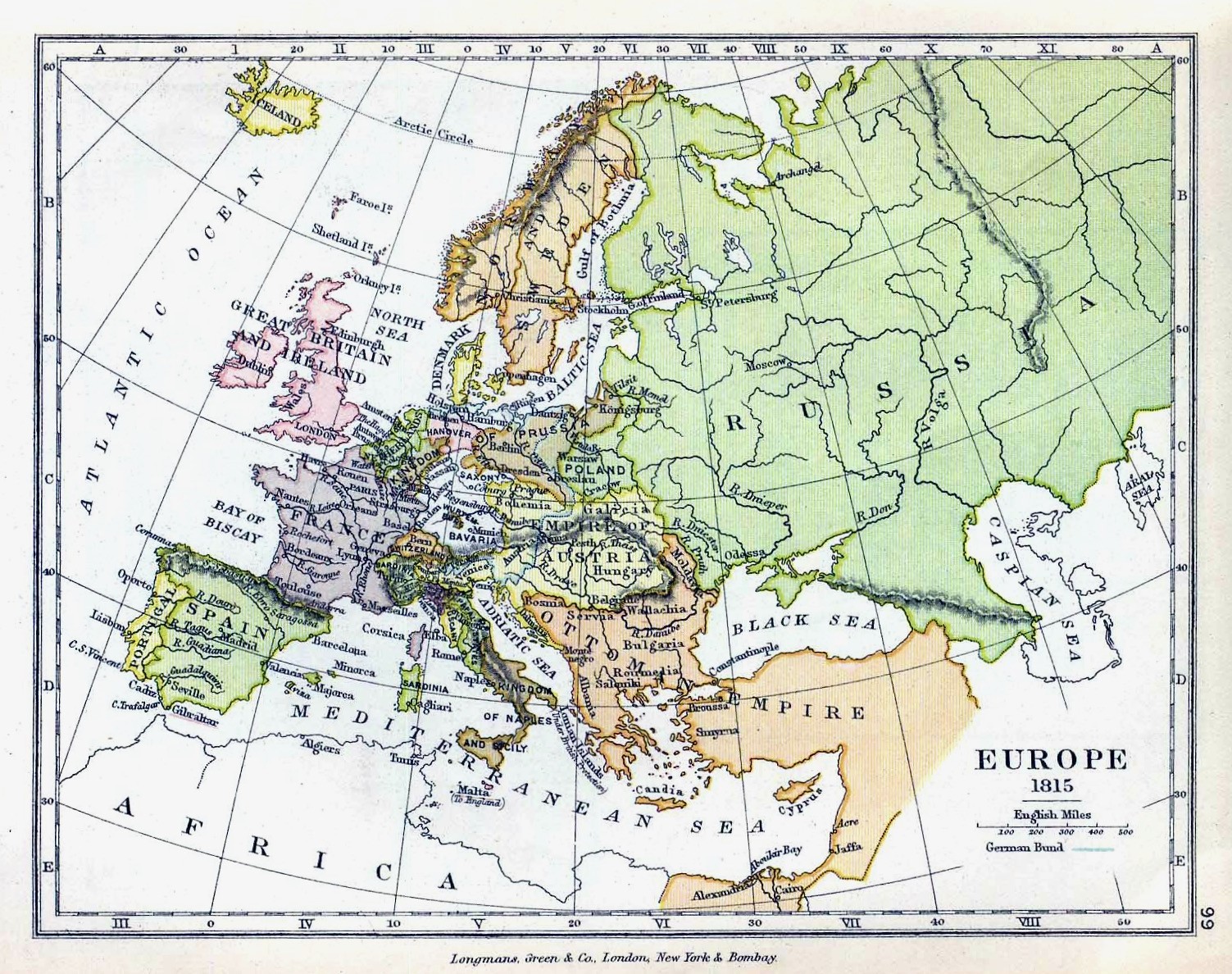
The Final Act begins with the Duchy of Warsaw. Most of this Napoleonic creation was attached to the Russian Empire, with the Russian emperor assuming the title King of Poland. The text promised a distinct administration and spoke of representation and national institutions for Poles under Russian, Austrian and Prussian rule. Yet it left the extent of those institutions to the judgement of the governments concerned.
That qualification matters more than the reassuring vocabulary. The settlement recognised Polish distinctiveness without granting an independent Polish state. It did not give the inhabitants a collective right to decide which sovereign should rule them. “National institutions” and national sovereignty were different propositions, and the treaty protected the former only within a framework controlled by dynastic governments.
Saxony demonstrated a related tension. Its king retained a kingdom, but Article 15 required him to surrender specified territories to Prussia. The text followed rivers, villages and frontiers to define the transfer. A doctrine of legitimate monarchy had not prevented one legitimate monarch from losing a substantial part of his realm. Preservation and redistribution worked together.
The distinction between restoring a ruler and restoring every old boundary explains much of Vienna’s flexibility. If every earlier claim had been reinstated intact, the settlement would have undone arrangements useful to the victorious powers and reopened innumerable disputes. If conquest alone had decided everything, the language of lawful restoration would have become empty. The congress operated in the space between those extremes.
Talleyrand’s February report celebrated Saxony’s survival, while acknowledging the concessions its king still had to accept. His letter is not proof that France dictated the outcome. It shows a diplomat presenting a compromise as the rescue of a principle. The final frontier was both a limit on Prussian acquisition and a substantial Prussian gain.
A Germany neither restored nor united
The Holy Roman Empire, dissolved in 1806, did not return. Nor did Vienna establish the unified German national state some hoped for. The German History in Documents and Images account identifies the resulting Confederation as an association of thirty-five sovereign states and four free cities, under Austrian leadership. Prussia’s new western territories simultaneously strengthened its position near France.
The Deutsches Historisches Museum stresses that the rulers did not intend to sacrifice their authority to a national movement. The German Federal Act became part of the international settlement. This made the organisation of Germany more than an internal German matter: other powers had an interest in the balance created there.
Buffers, neutrality and the movement of goods
In the west, Article 65 brought the former United Provinces and the Belgian provinces together in a Kingdom of the Netherlands under Orange-Nassau. The arrangement strengthened a state beside France, but the treaty’s dynastic solution should not be mistaken for evidence that its inhabitants shared one political identity. The act made a kingdom; it did not settle every question of consent within it.
Switzerland received a different place in the settlement. Its neutrality was not merely a private promise to stay out of trouble. It became a recognised interest of the surrounding powers. The Swiss Federal Department of Foreign Affairs distinguishes the declaration at Vienna on 20 March from the formal recognition and guarantee of inviolability at Paris on 20 November 1815. That sequence is a useful reminder that the “Vienna settlement” extended beyond the congress’s final day.
Alongside borders and crowns, the Final Act addressed navigation. Articles 108 and 109 required states sharing navigable rivers to agree on rules and provided for commercial navigation along their courses. Commissioners were to assemble after the congress to work through the arrangements. The principle did not abolish sovereignty or every regulation. It attempted to make several sovereign jurisdictions compatible with a trading route that crossed them.
This was a different form of power from an army occupying a province. River commissions and common rules made peace usable in ordinary transactions. They also show why the act cannot be reduced to a map with new colours. Diplomatic order involved access, movement and administration, not only possession of territory.
The slave trade: condemnation without an immediate end
Another declaration attached to the settlement condemned the slave trade. It is important to identify exactly what was condemned, and what followed. The declaration of 8 February 1815 did not emancipate enslaved people throughout European empires. Nor did it impose one immediate date at which every participating power must end its trade.
Its language declared abolition a shared objective while allowing each government to judge the period appropriate to its implementation. The result joined a universal moral claim to a postponement mechanism. That contradiction was inside the document, not simply a later failure to obey it. The declaration established an international commitment that campaigners and diplomats could invoke; it also left room for continued trafficking. Calling Vienna an abolition of slavery would turn an incomplete and qualified measure into something it was not.
A peace examined while it was being made
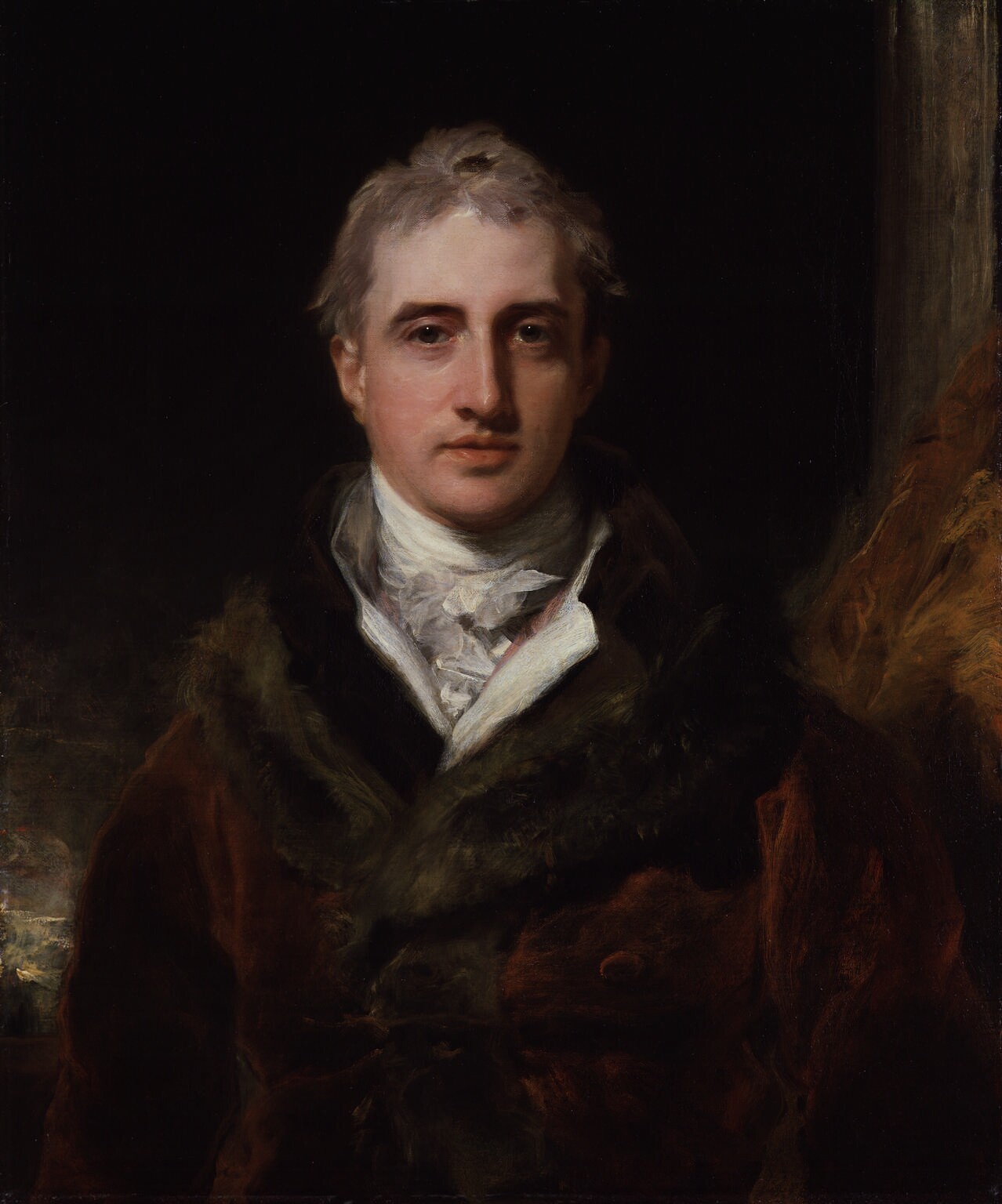
Criticism did not have to wait for later national movements. In the House of Commons debate of 20 March 1815, Samuel Whitbread challenged Castlereagh over the progress of negotiations and the territorial treatment of places including Saxony, Poland and Genoa. He asked how allied promises of liberation related to the transfer of populations and territories.
The debate is valuable because it interrupts the idea of a unanimously accepted restoration. Ministers faced questions about the relationship between victory, treaty obligations and the rights of smaller states. Parliamentary criticism did not make Britain a representative democracy in the modern sense, and it did not give the inhabitants of transferred territories a vote at Vienna. It did mean that diplomatic secrecy and territorial bargaining could become matters of public contention.
Napoleon’s return made the negotiations more urgent without removing these disagreements. His defeat at Waterloo on 18 June was followed by a second Treaty of Paris in November. Historian Richard Langhorne’s discussion of the settlement therefore distinguishes the Final Act from the completion of the peace. Treating 9 June as the end of every issue confuses a central document with the whole process.
What the bargain could—and could not—preserve
The congress helped establish a framework in which great powers had reasons to consult one another and to resist domination by a single state. It did not create an impartial international government. Those with the greatest military and diplomatic weight retained disproportionate influence over what counted as a legitimate claim.
Nor should relative stability become the claim that Europe enjoyed uninterrupted peace until 1914. The Austrian official account emphasises the longevity of the broad balance; the UNESCO description speaks more cautiously of a political arrangement shaping much of the nineteenth century. Wars, revolutions and changes of borders continued. The question is not whether Vienna froze history, but how long particular compromises could absorb or contain new pressures.
Its documents also expose different standards of political recognition. A dynasty could claim continuity; a trading vessel could claim access under common rules; a territory might receive guaranteed neutrality. Peoples seeking an independent state or political participation did not acquire an equivalent general right. The orderly language of the treaty could accommodate substantial inequalities.
The most revealing way to read Vienna is therefore neither as a perfect peace destroyed by later generations nor as a futile attempt to turn back the clock. Its negotiators preserved some institutions, accepted other transformations and invented mechanisms for managing their coexistence. The signatures closed a set of negotiations. The borders, commissions and qualified promises they authenticated still had to be lived with.