
Vindolanda’s Letters: Birthdays, Credit and the Work of a Roman Frontier
Thin wooden tablets preserve invitations, supply deals and troop counts. Read together, they reveal the everyday arrangements that kept a Roman frontier working.
A birthday invitation and a demand for money seem to belong to different histories. At Vindolanda, a Roman fort in northern Britain, both survived on thin pieces of wood. Together they change the scale at which a frontier can be understood. Military power needed more than walls and weapons. It depended on written requests reaching people who could supply food, move goods, count personnel or maintain a relationship.
The tablets bring us close to particular acts of communication around the turn of the second century CE. They do not give us an uninterrupted diary. A message that survived in the ground is one side of a conversation, often without the answer or the outcome.
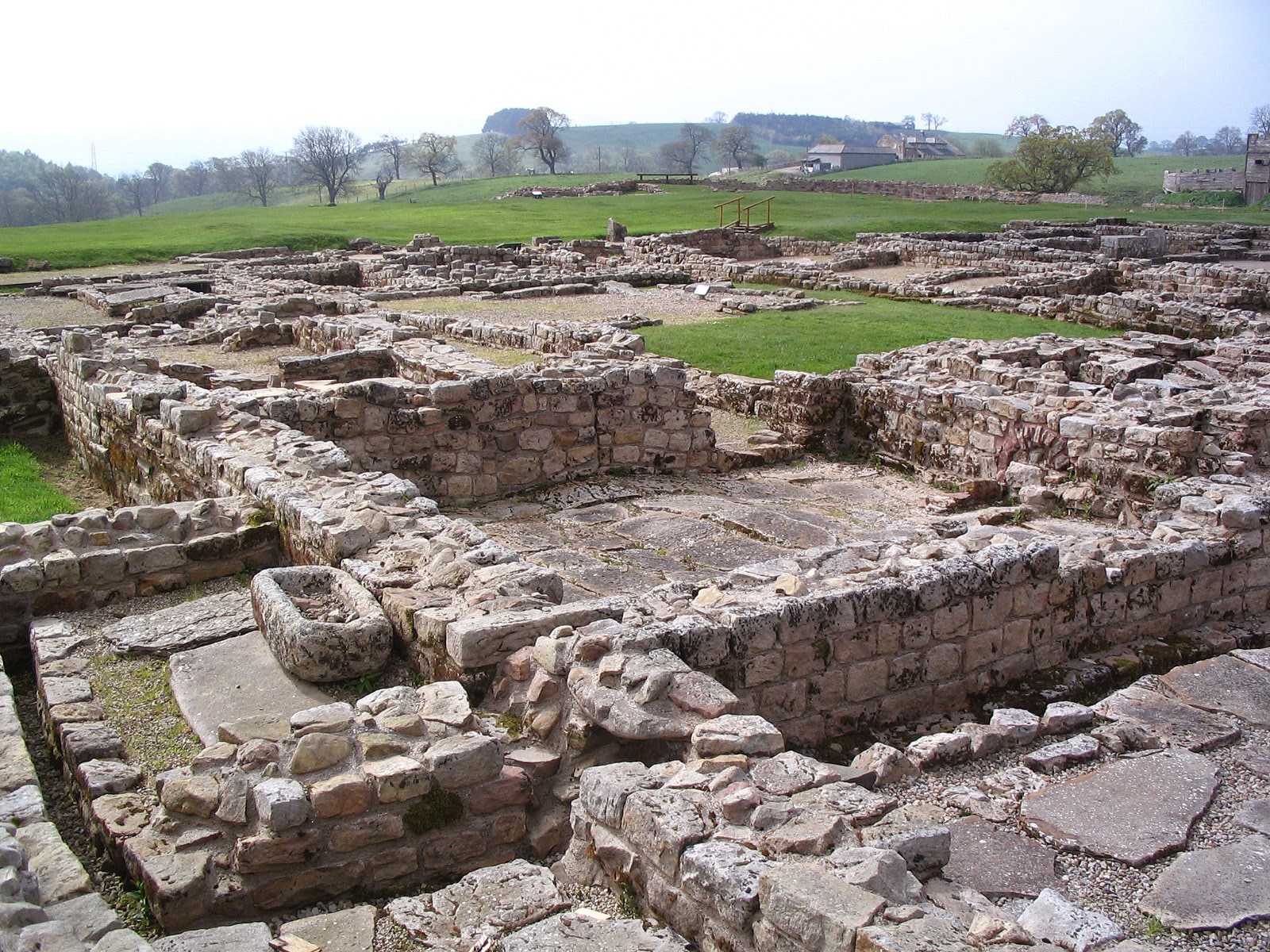
Writing before the wall
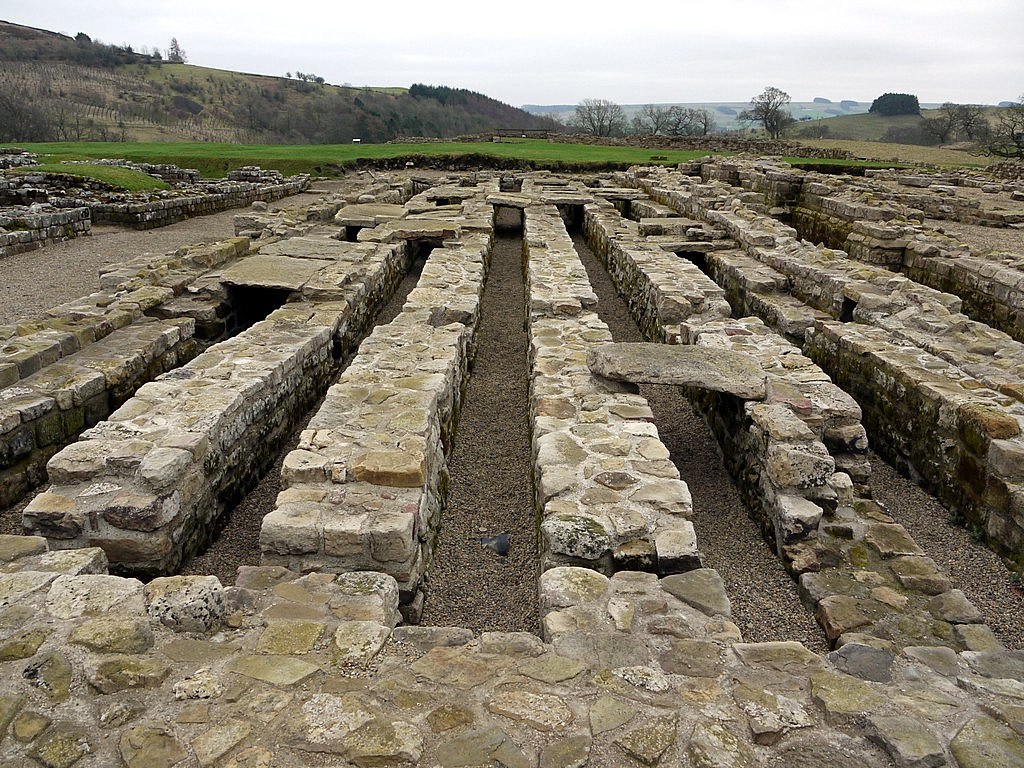
Vindolanda existed before the construction of Hadrian’s Wall began in 122 CE. The famous early writing tablets should therefore not all be imagined as correspondence from a completed stone frontier. Their context includes earlier timber forts and successive communities on the northern military frontier.
The Vindolanda Trust distinguishes two writing technologies. A stylus tablet held wax inside a recessed wooden frame. Its surface could be smoothed and reused. An ink tablet used a thin wooden leaf as the writing surface itself. The second kind produced the extraordinary collection for which Vindolanda is known.
The distinction matters when looking at photographs. A dark line in an ink text is not simply a groove that anyone can trace through the wood. Preservation, lighting and the identification of faint marks affect what can be read. The survival of these disposable materials is exceptional. It would be a mistake to assume that places without comparable finds had no ordinary written communication.
An invitation, with an individual ending
Tablet 291 is a letter from Claudia Severa to Sulpicia Lepidina. The archaeological context dates it to approximately 97–105 CE. Severa invites Lepidina to celebrate her birthday on 11 September; the particular year is unknown.
Lepidina was married to the fort commander Flavius Cerialis. Severa’s husband was Aelius Brocchus. Their families belonged to the senior social world of the frontier, rather than representing every household in the surrounding population. The letter’s warmth is real evidence of a relationship, but it is not a survey of women’s lives in Roman Britain.
The closing lines are in a different hand, identified by the editors as Severa’s own. The change allows us to see a document passing between people during its production. A main text could be written for someone, then personalized by its sender. Authorship and the physical act of writing did not always belong to a single pair of hands.
The invitation has an important limit: it records a proposed visit. It does not establish that Lepidina attended, what was served, or what the women discussed. Its human interest survives perfectly well without inventing the party.
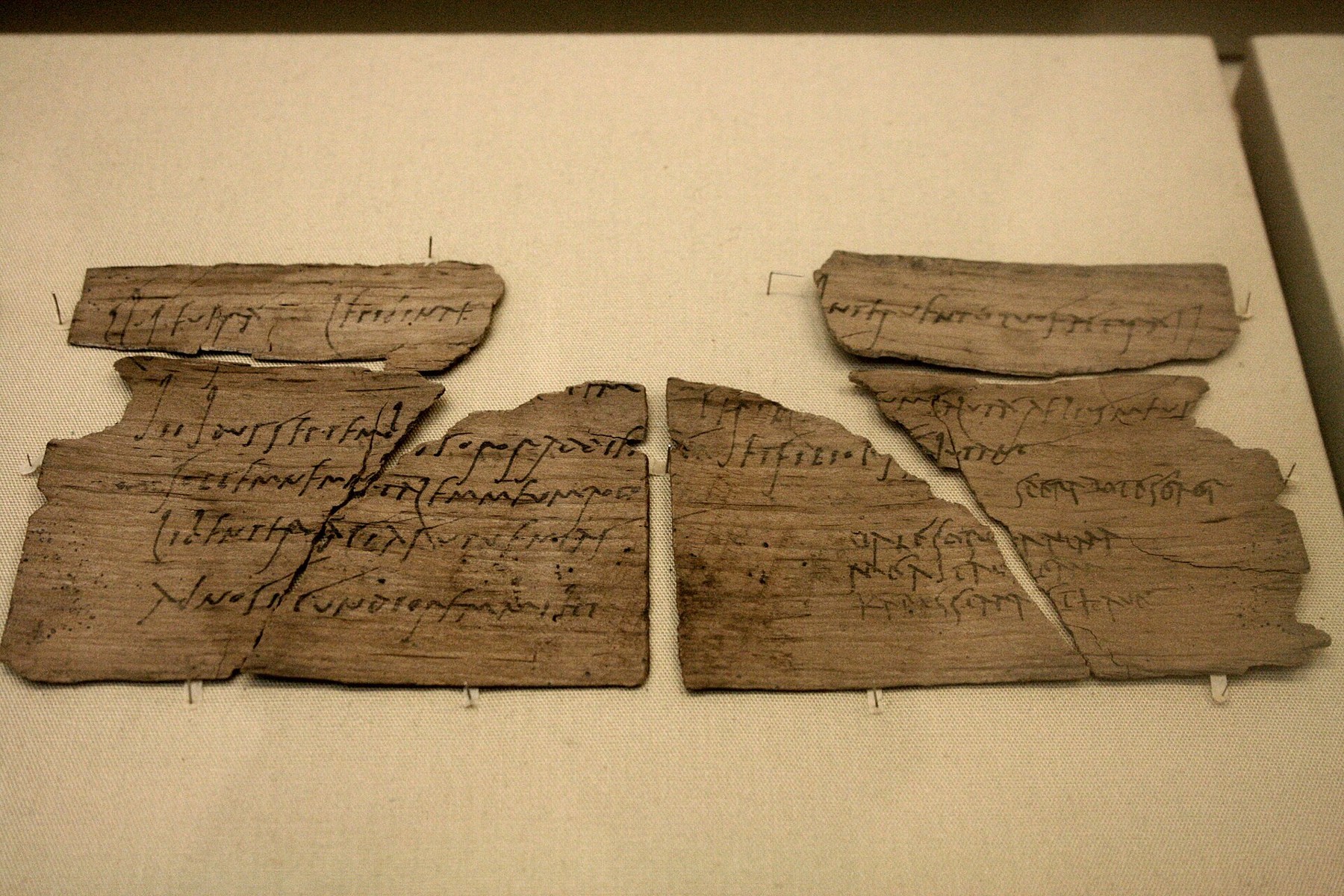
A grain deal needed cash, animals and passable roads
In Tablet 343, Octavius presses Candidus for money. He reports a purchase of about 5,000 modii of grain in the ear and asks for at least 500 denarii, warning that his deposit is at risk. Elsewhere the letter discusses hides, a wagon and bad roads that discouraged him from exposing transport animals to injury.
These items belong to one connected problem. A purchase needed credit. Credit needed communication. Goods needed a wagon and animals, while the road conditions affected when collecting them was sensible. The account makes supply visible as a series of vulnerable arrangements rather than a line drawn neatly between a producing region and a fort.
The figures are substantial, but turning the grain into a precise modern tonnage would introduce assumptions about volume, processing and density that the tablet does not settle. The editors also discuss difficult passages and later corrections. The strength of this source lies in its specific connections between money and movement, not in forcing every uncertain phrase into a confident modern business summary.
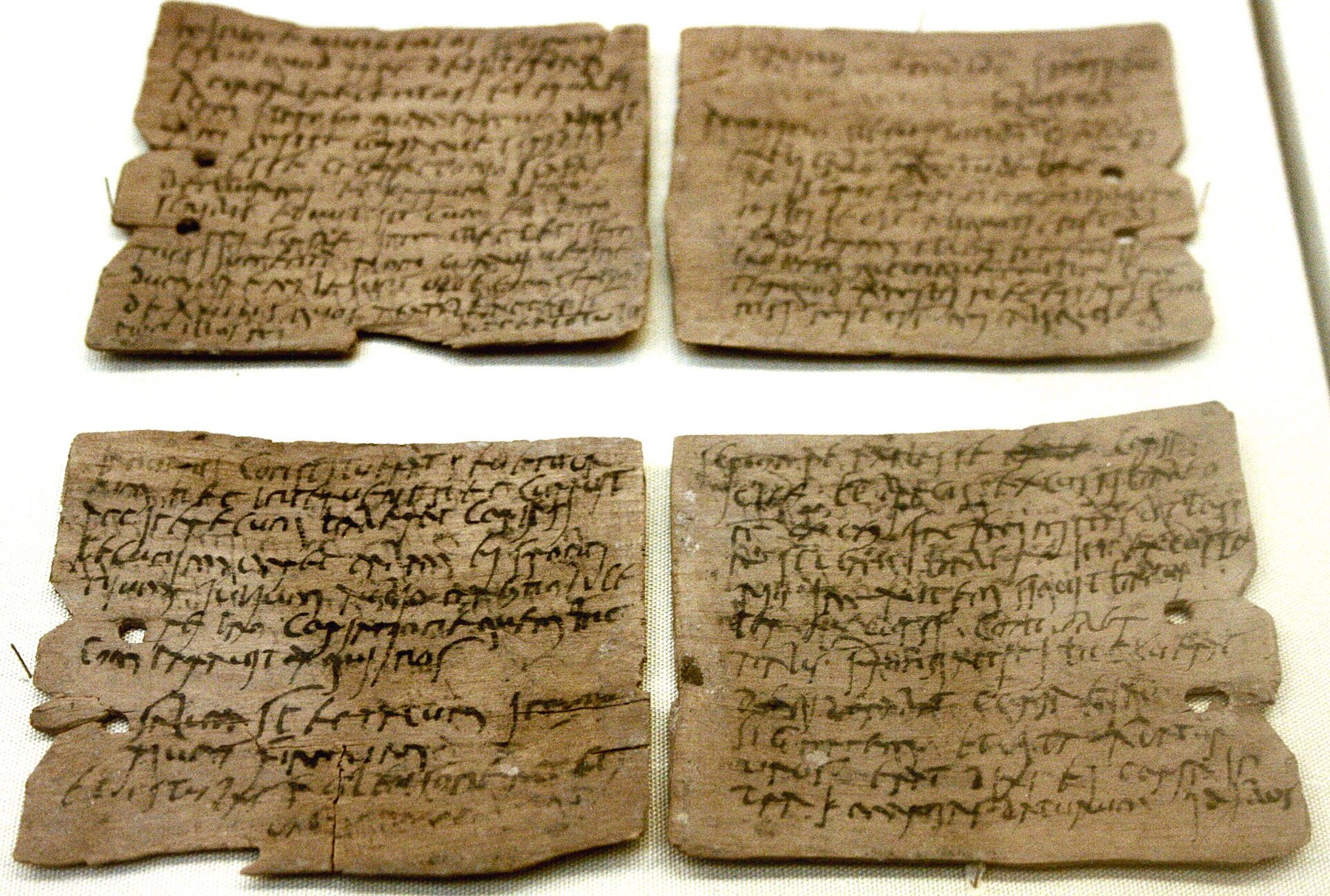
The spare parts inside imperial transport
A more prosaic document makes those connections tangible. Tablet 309, conventionally read as a letter from Metto to Advectus, lists wooden items dispatched through another person. The inventory includes hubs, cart axles and hundreds of spokes, alongside other goods whose identification is less certain.
A road could be sound while the vehicle using it still needed repair. Spokes and axles were not marginal to movement; they were among its conditions. The list records the circulation of components as well as finished things. Its ordinary character is precisely what makes it valuable.
The tablet ends with a personal greeting in another hand. Here again, a written communication combines a practical transaction with a social relationship. The two were not mutually exclusive. A person could ask after someone’s health while keeping track of materials sent through an intermediary.
Some names and objects are uncertain in the scholarly reading. That uncertainty should remain visible. The safest conclusion is a focused one: this document records organized movement of substantial quantities of wooden equipment. It cannot supply a full biography of the people named or prove that every item reached its intended destination.
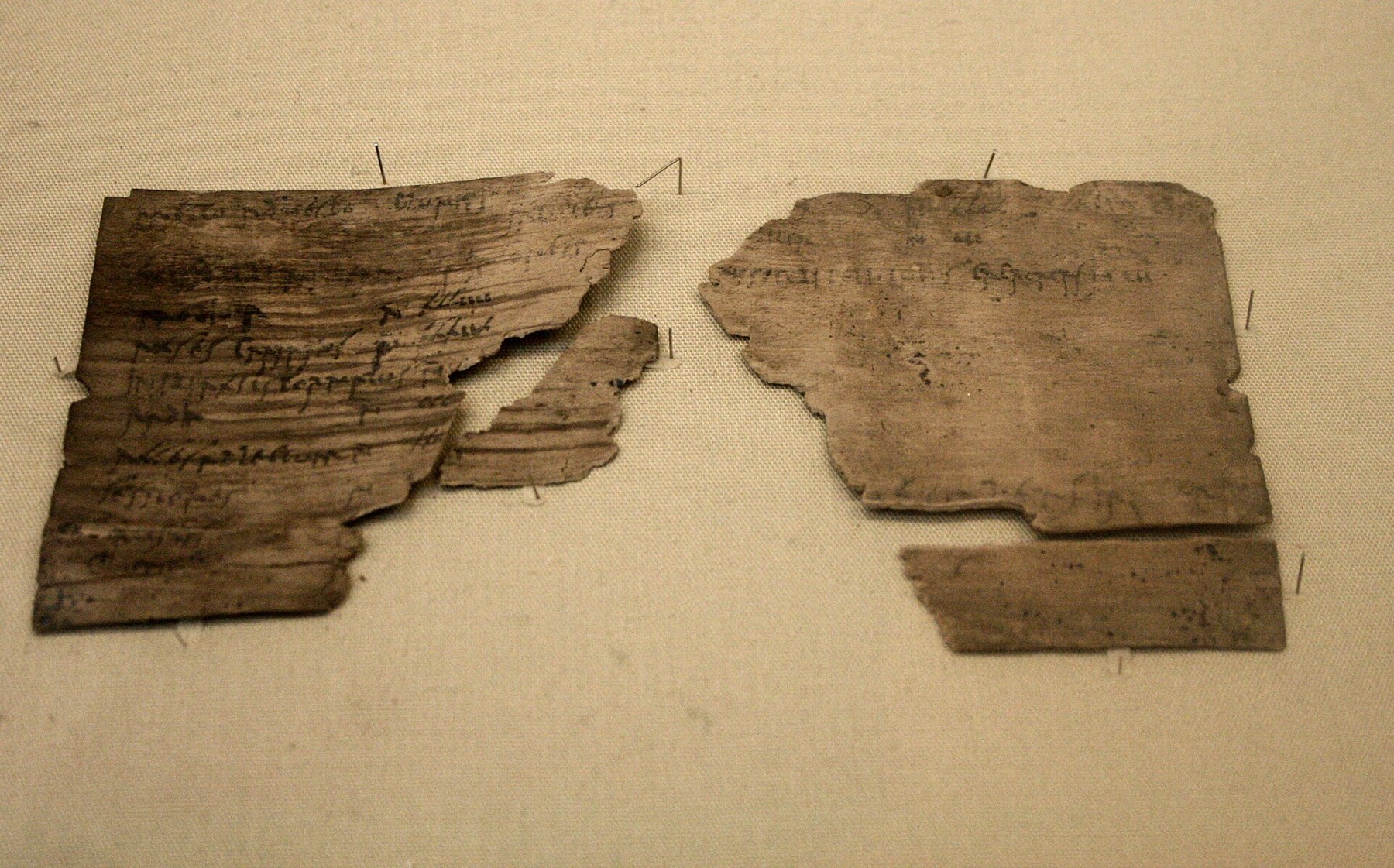
Counting a cohort was not counting everyone inside a fort
The strength report of the First Cohort of Tungrians, Tablet 154, separates men on the unit’s books from those physically present. The published reconstruction gives 752 enrolled, 456 absent and 296 present. Of those present, 31 are recorded as unfit and 265 as fit for service. The editors caution that damaged numerals leave small uncertainties.
“Absent” is an administrative category, not an accusation of desertion. The report lists detachments and locations, showing a unit distributed across duties. It also distinguishes illness, wounds and eye trouble among those unavailable for active service. A commander needed a working count, not merely the prestigious nominal size of a formation.
This is why a troop total cannot automatically become a picture of a fort crowded with that many available soldiers. Different questions produce different numbers: who belonged to the cohort, who was on site, and who could perform the work required that day? The report’s value is its insistence on those distinctions.
Reading an archive made by survival
The tablets can make Roman Britain feel immediately familiar. Invitations, overdue money and awkward transport are recognizable concerns. Yet recognition can become misleading if it erases unequal status. Senior military families had resources and connections that others did not. Clerks, suppliers, soldiers, servants and enslaved people participated in different ways, and surviving correspondence does not give each an equal voice.
The fort was also an institution of imperial power. Its domestic and commercial life did not exist outside that setting. Grain and equipment sustained soldiers; administrative records organized their deployment. Finding ordinary concerns in the archive humanizes the people involved without turning occupation into a neutral background.
A useful way to read each tablet is to ask three questions. What action was its writer trying to bring about? What material or social arrangements made that action possible? What answer or outcome is missing? Those questions keep a damaged fragment from becoming either an isolated curiosity or an invented story.
Vindolanda’s importance is not simply that Romans also held birthday celebrations or worried about bills. The tablets show communication doing work. Friendship sought a visit; a supplier sought payment; a dispatch list tracked parts; a strength report turned scattered men into an administrative picture. An empire’s frontier was maintained through countless such requests, calculations and relationships, only a small fraction of which the earth has returned.
Read the related book
For a longer exploration of these documents, read Letters at the Edge of Rome, Histovia’s book on Vindolanda and the everyday work of empire.