
The Bill of Rights of 1689: A Crown with Conditions, Not Democracy for Everyone
England’s famous settlement constrained royal power. Its precise wording also shows who remained outside the promise.
The English Bill of Rights is often introduced as a great step toward modern freedom. Fair enough, provided we stop before turning it into something it was not. The act did not give everyone a vote, make all religions equal, or announce that every person possessed an identical bundle of political rights. It addressed a more immediate problem: how to replace a disputed monarch and prevent a successor from repeating practices Parliament condemned.
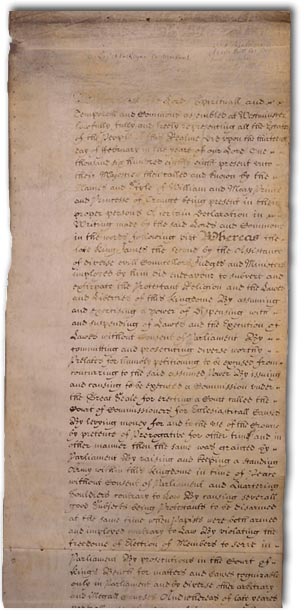
That narrower purpose does not make the document unimportant. It makes it intelligible. In 1689, liberty was being argued through institutions, confessional loyalties, inherited laws, and claims about what a king could lawfully do. The result was consequential precisely because it attached legal language to practical levers of government: money, armed force, elections, courts, and parliamentary speech.
A revolution that needed a legal explanation
James II’s departure from England in late 1688 did not leave a tidy constitutional vacancy with instructions attached. Parliament had to explain what had happened and decide what should happen next. Was the king merely absent? Had he abandoned his responsibilities? Could someone govern in his place without replacing him? These were not fussy semantic questions. Different answers pointed toward different regimes.
Parliament’s historical account describes disagreement over abdication, desertion, and the possibility of a regency. William of Orange’s own position mattered: he was not willing to remain merely as an auxiliary figure. The eventual settlement offered the crown jointly to William and Mary. Political bargaining and legal explanation advanced together.
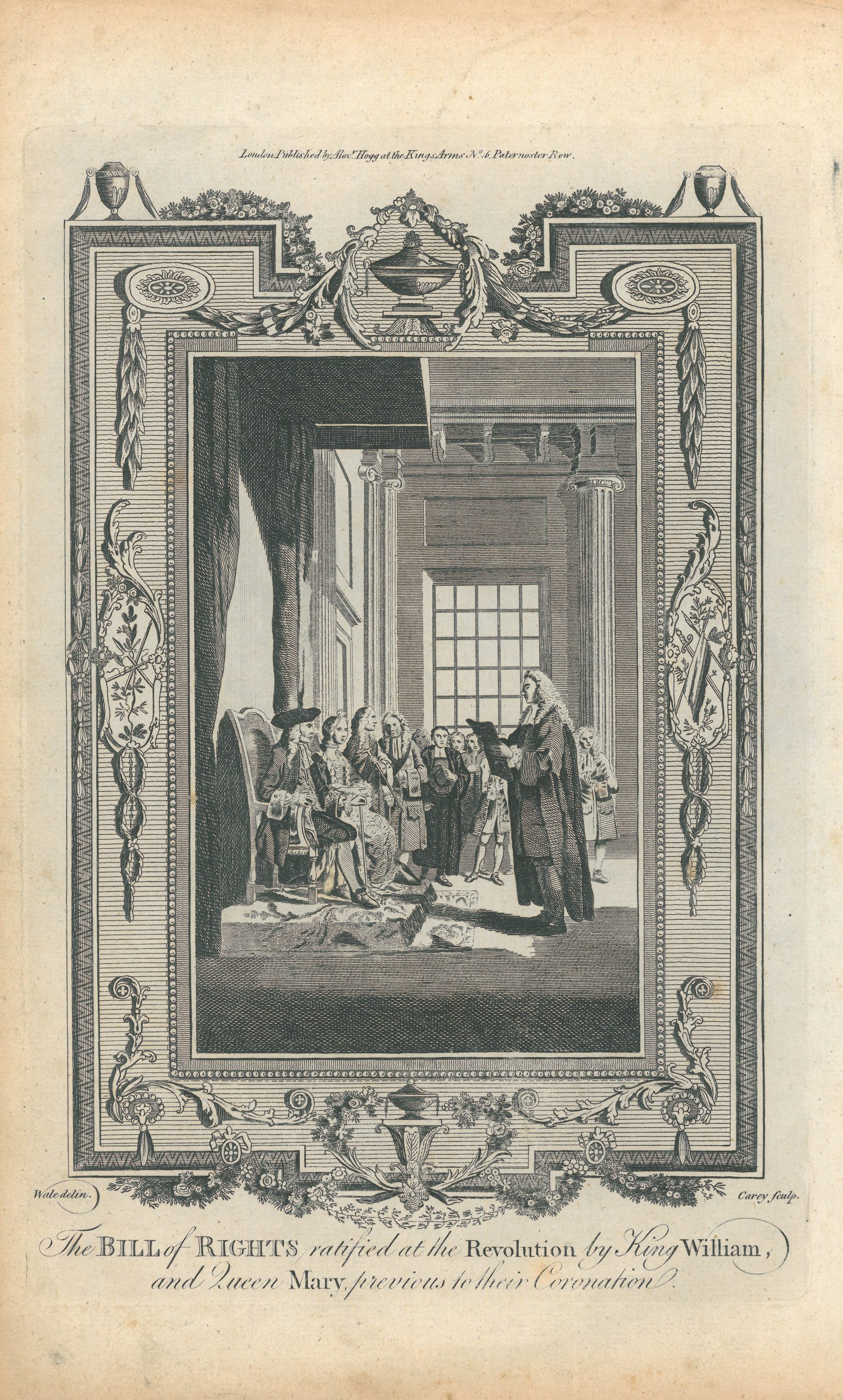
The Declaration of Rights was read in February 1689. The statutory Bill followed in December. One attractive story needs correcting: the February declaration was not simply a contract pushed across a table that William and Mary had to sign before receiving the crown. Parliament’s account specifically warns against treating its reading as that straightforward condition. The settlement nevertheless established a durable statement of limits within the new political order.
Start with the complaints, not the slogans
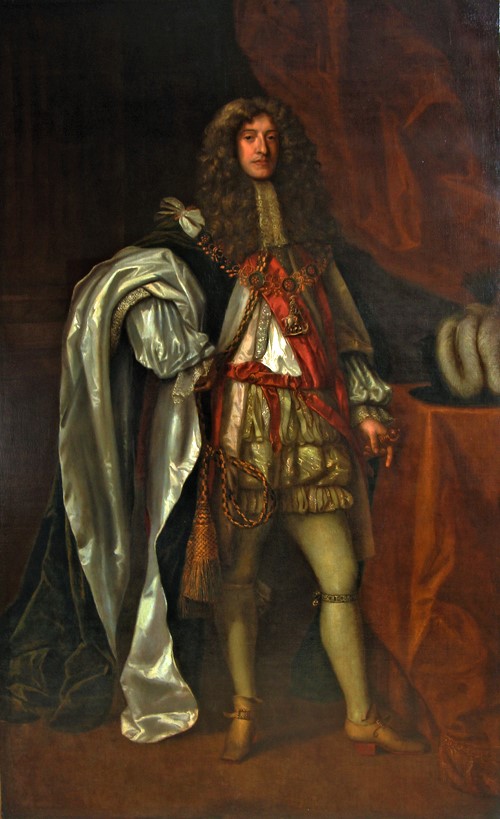
The text of the act opens by listing conduct attributed to James. Its accusation is not that monarchy as such is illegitimate. It is that particular uses of royal authority subverted religion, laws, and liberties. The rights that follow answer those complaints. The document’s architecture moves from grievance to remedy.
Take the suspension of laws. The act condemns the claimed power to suspend laws or their execution by royal authority without parliamentary consent. It also addresses the dispensing power, by which the crown purported to excuse compliance with law. Behind the legal phrasing lies a very practical question: could the executive decide that rules binding other people need not bind its preferred course of action?
The act’s answer strengthens law and Parliament against that claim. But it is not a complete modern theory of judicial review, an independent constitutional court, or separation of powers. Those institutions should not be smuggled into a seventeenth-century document. The achievement is better understood in its own vocabulary: certain royal practices were declared unlawful, and the settlement placed that declaration on a statutory footing.
Magna Carta and the Failed Peace That Outlived King John is a useful earlier comparison. Both texts acquired reputations larger than the immediate disputes that produced them. Reading either only through its later fame makes its original exclusions and political bargains harder to see.
Follow the money and the soldiers
The act declares unlawful the raising of money for the crown by prerogative without a parliamentary grant, including collection for longer than Parliament authorized. This is not a promise that government will never tax heavily. It is a statement about authorization: who must agree, and on what terms, before revenue is collected.
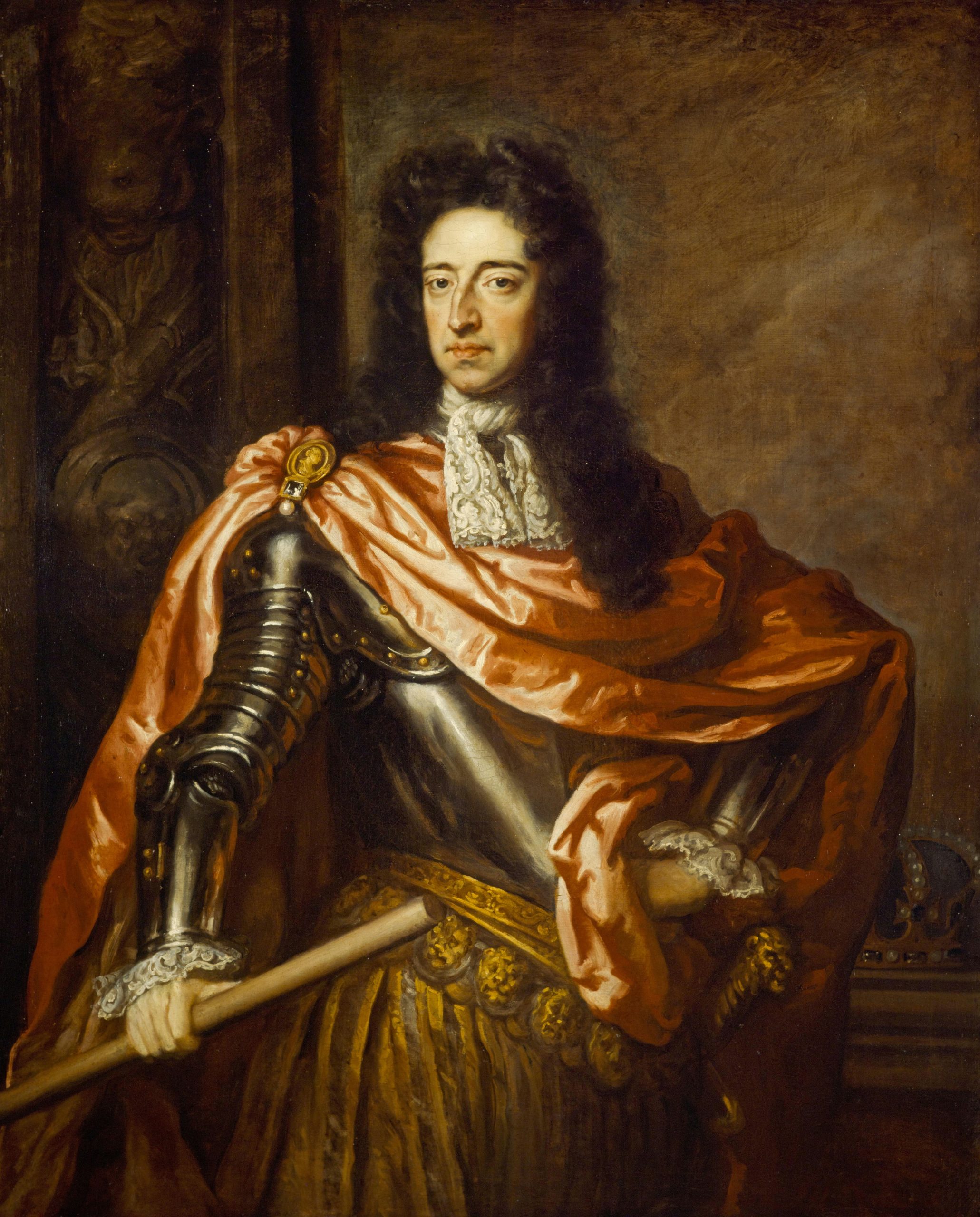
That distinction is the heart of the matter. A representative institution can constrain a ruler without representing everyone. Parliamentary consent was a real check on the crown, but the people who voted for members formed only a restricted part of the population. The act did not set out to remake the electorate. It was changing the relationship between established institutions, not beginning universal political participation from scratch.
The military clause is similarly precise. Keeping or raising a standing army in the kingdom during peacetime without parliamentary consent was declared against law. The qualifying words are essential. It was not a permanent ban on professional soldiers, and it did not render war impossible. Parliament’s consent became the hinge.
Read together, the revenue and army clauses reveal why a constitutional document can matter without sounding like a stirring manifesto. Money pays soldiers and administrators. Rules governing money and armed force affect how government actually operates. A declaration that left these questions untouched would have constrained royal rhetoric more than royal capacity.
Whose speech, whose arms, whose elections?
The protection for freedom of speech is famous, but its location is specific: speech, debates, and proceedings in Parliament were not to be questioned in courts or elsewhere outside Parliament. This is parliamentary privilege. It is not a general guarantee that every person can publish anything without consequence.
The election clause likewise says that elections of members of Parliament should be free. It does not establish equal constituencies, a secret ballot, universal suffrage, or a modern electoral commission. Those absences are worth stating because a familiar word can conceal an unfamiliar institutional world. The long story of electoral reform comes later; The Secret Ballot: How a Private Vote Changed Public Power explores one part of it.
The arms clause is even harder to detach from its setting. It refers specifically to Protestant subjects having arms for their defense, suitable to their conditions and as allowed by law. Removing “Protestant,” the qualification about condition, or the final reference to law changes the meaning. It is poor historical practice to quote only the fragment that sounds most like a present-day argument.
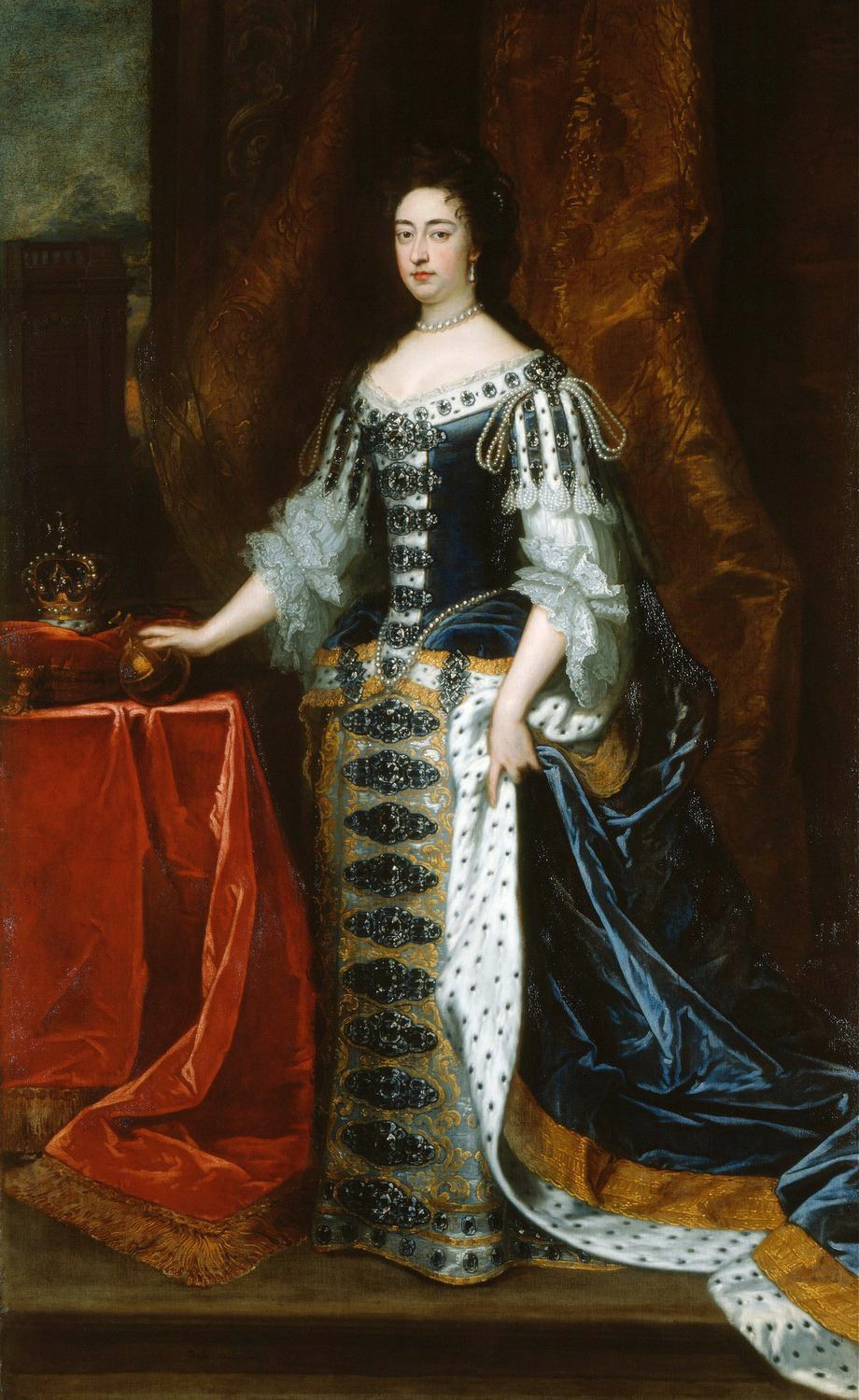
The same point applies to the act as a whole. It addressed the rights of subjects within a Protestant constitutional settlement. Religious inequality was not an unfortunate accident concealed behind otherwise universal language. It was part of the political structure the text helped establish.
Courts, punishments, and petitions
Some provisions reach beyond the internal working of Parliament. Subjects were entitled to petition the king, and prosecution or imprisonment for such petitioning was condemned. The act rejected excessive bail, excessive fines, and cruel and unusual punishments. It also opposed grants or promises of fines and forfeitures before conviction.
These clauses concern the experience of being subject to government, not simply the privileges of legislators. A ruler or official who could threaten punishment, demand ruinous money, or distribute someone’s property before a lawful conviction possessed powerful means of pressure. The act identifies those practices as constitutional problems.
Yet general-looking principles still require historical care. The text does not define every disputed punishment or supply a complete enforcement mechanism for every abuse. Declaring a principle and ensuring that all people benefit equally from it are different achievements. Later lawyers, legislators, and political movements would interpret and invoke its language in circumstances its authors could not fully anticipate.
The requirement for frequent parliaments belongs in this practical picture. A Parliament that never meets cannot provide meaningful scrutiny. But the Bill itself did not deliver the entire later system of regular elections and responsible cabinet government. Constitutional change proceeded through additional legislation, political habits, and conflict. One document did not perform every stage of the transformation.
An English settlement with a complicated afterlife
It is also important not to use “England,” “Britain,” and “the British Isles” as interchangeable labels. The Bill was an English act. Scotland’s settlement involved its own Claim of Right, and the wider conflicts associated with the revolution were not peacefully resolved everywhere. A neat English constitutional narrative can obscure the violence and contested loyalties of the larger story.
The act’s influence extended beyond the circumstances of 1689, particularly as its language entered later constitutional arguments. Influence, however, is not identity. A later bill of rights can borrow a phrase while changing its scope, institutional setting, or meaning. The historian’s task is to trace those changes rather than pretend the later outcome was already fully present at the beginning.
The Golden Bull of 1356: Rules for Choosing a King in a Divided Empire and Westphalia, 1648: The Bargains That Made a Difficult Peace offer parallel reminders that political settlements often work by specifying procedures and relationships rather than announcing universal ideals. Their importance lies in the problems they addressed, the people they empowered, and the disputes they left unresolved.
The Bill of Rights remains a major constitutional landmark. The strongest case for its significance does not require exaggeration. It made specific instruments of royal government answerable to legal and parliamentary constraints. It also left substantial inequalities intact. Holding those two facts together gives us a clearer history than either celebration without qualifications or dismissal without context.