
Science, Invention & Exploration
Uranus, 1781: The Telescope, the Comet and the Making of a Planet
William Herschel did not look through a telescope and instantly announce a new planet. His discovery unfolded through an unusual image, repeated observations, shared calculations and an argument about what to call it.
On March 13, 1781, William Herschel saw something that did not look quite like the stars around it. The location was not a royal observatory but the garden of his home in Bath. The instrument was a reflecting telescope he had made himself. The object was Uranus, although neither that name nor its planetary identity was yet settled.
That last point is the interesting one. Knowing the ending encourages us to make discovery instantaneous: a man looks, recognises and changes astronomy. Herschel’s account shows something more demanding. He noticed a difference, tested it, reported a provisional interpretation and left other observers with work to do. A new planet emerged from that process, not from a perfectly labelled view through the eyepiece.
A musician with a workshop
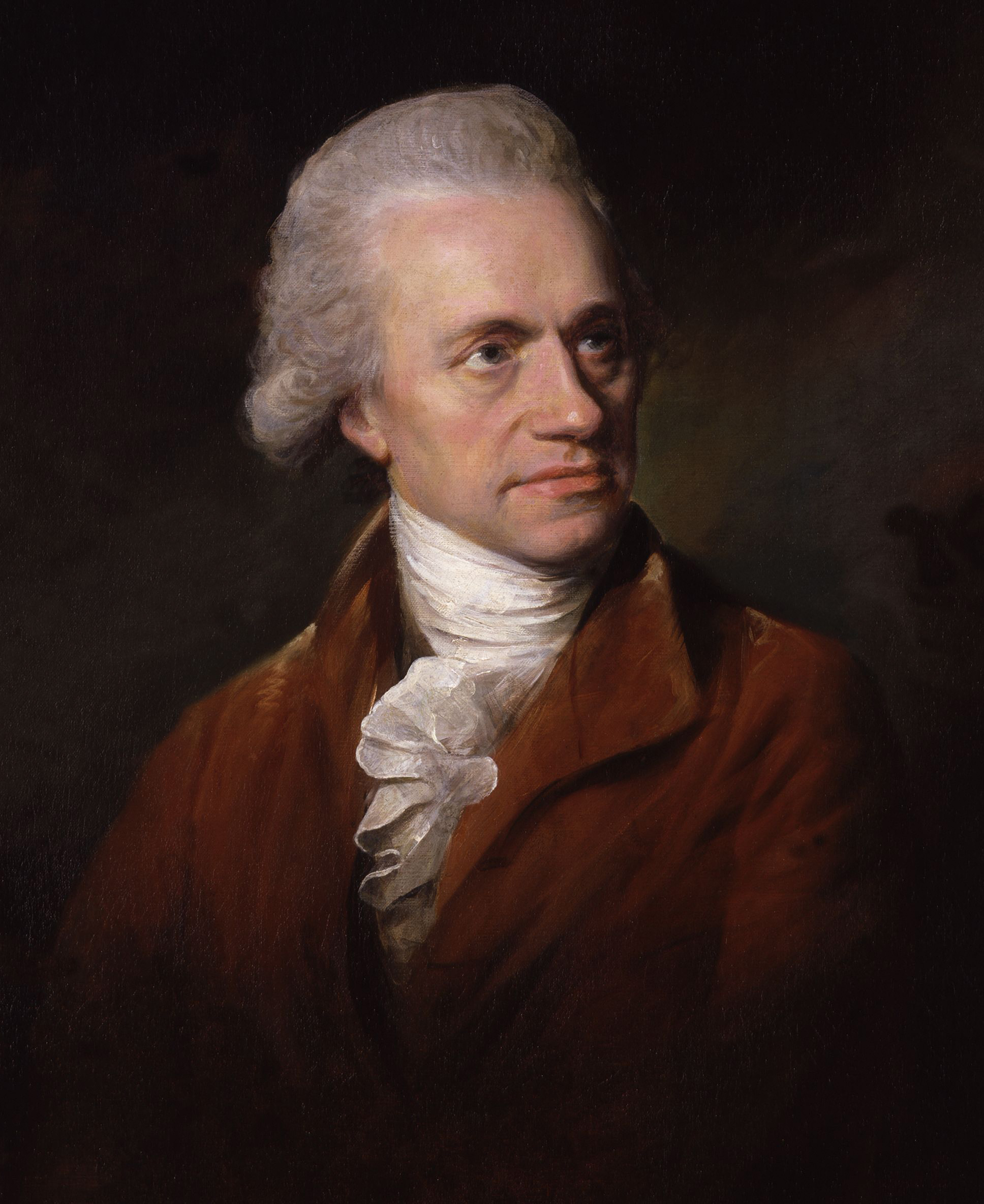
Herschel was born in Hanover in 1738 and established himself in Britain as a musician. Michael Hoskin’s biographical study follows a working life of performing, teaching and composing, rather than an effortless leap from obscurity to science. Music paid bills. Astronomy increasingly occupied time that those bills did not release for free.
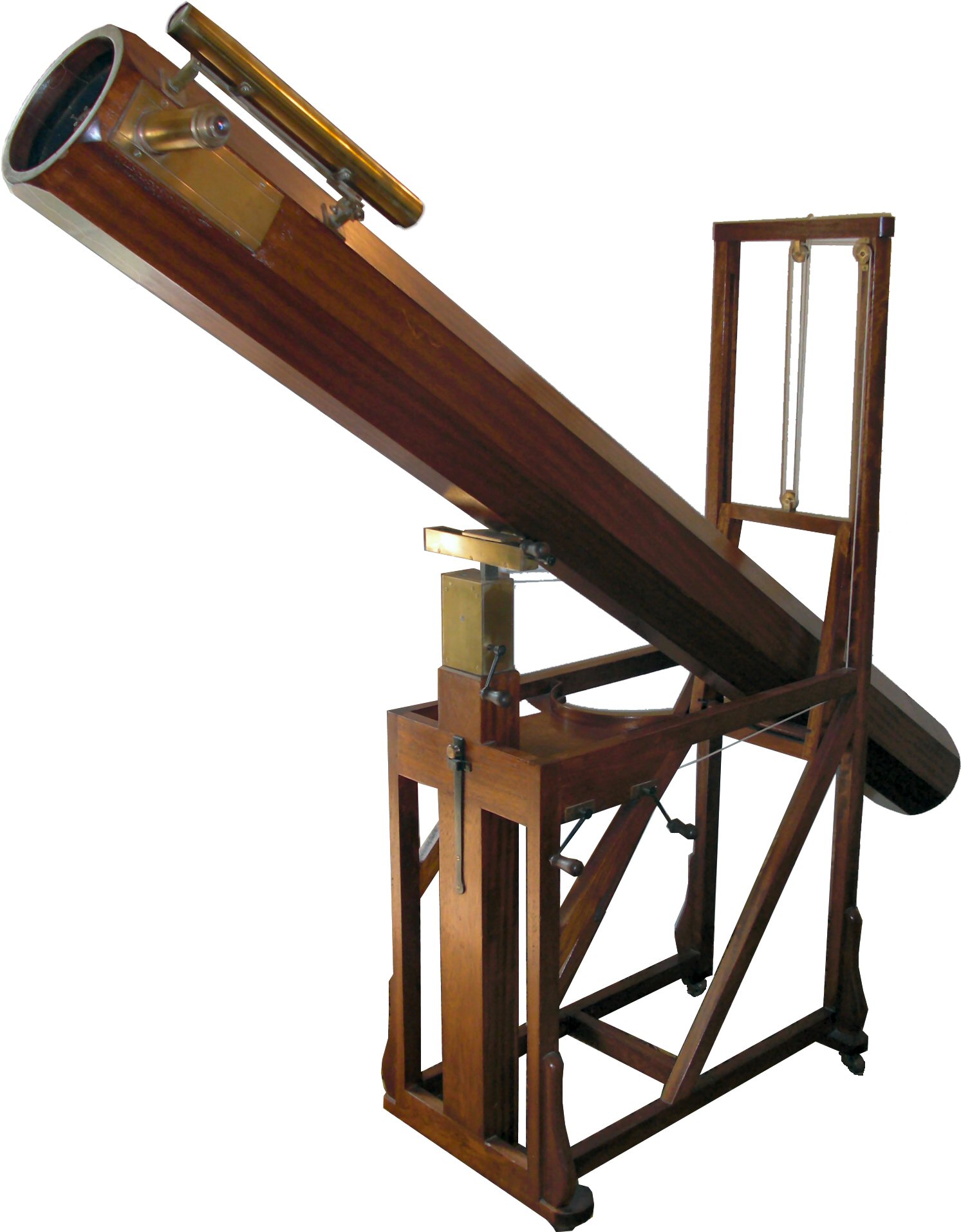
Calling him an amateur is accurate only if it does not mean unskilled. By 1781 he had invested years in observation and instrument-making. The telescope at Bath was the product of practical expertise. Making a reflective surface of the right figure and finish, supporting it and learning what its images meant were all parts of the intellectual work.
A telescope does not turn any observer into an astronomer merely by enlarging the view. It produces an image shaped by its optics, the atmosphere and the conditions of use. Someone has to distinguish a meaningful feature from an instrumental effect. Herschel’s craft knowledge mattered because he was well placed to question what his own instrument was showing.
Why this particular telescope mattered
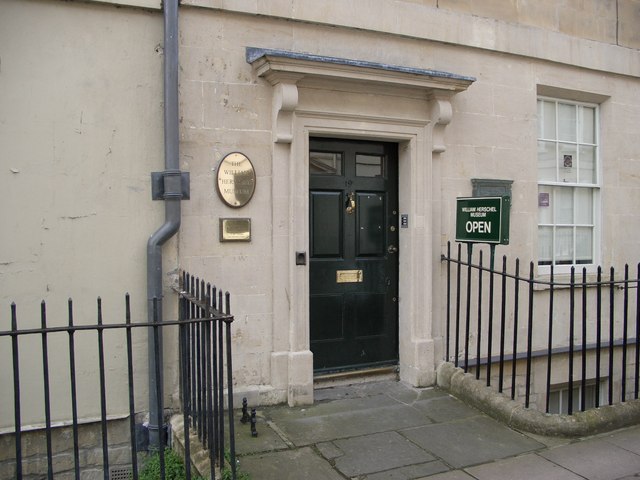
The Herschel Museum identifies the discovery instrument as a seven-foot reflector with a 6.2-inch mirror of speculum metal. Unlike a modern glass mirror with a thin reflective coating, the reflecting surface was itself a polished metal alloy. The museum’s reconstructed instrument helps explain why workshop history belongs in the account of the discovery.
Its size was useful, but bigger is not a complete explanation. An instrument must gather enough light and resolve enough detail for a difference to become observable; the observer must then recognise that difference and test whether it persists. Those are separate accomplishments. Herschel did not simply announce that a faint point existed. Many faint points existed. He noticed that this one behaved differently under magnification.
Scientific instruments regularly require that kind of interpretation. The photographic plates in the 1919 eclipse expeditions would also need comparison and analysis before they could become an argument. A record of light is evidence, not a conclusion.
The object that became larger
Herschel’s 1781 report, reproduced in MacTutor’s collection of historical extracts, preserves his reasoning. Examining the region around a star in Gemini, he noticed an object whose apparent size exceeded that of neighbouring stars. His normal observing magnification was 227; he then tried stronger powers, including 460 and 932.
The comparison was deliberate. The unusual object presented a disc that grew with increased magnification in a way the neighbouring stellar images did not. At the highest powers it became less sharply defined. Herschel was describing the visual behaviour of an object through a particular telescope, not measuring a clean photograph of a planetary surface.
He initially interpreted it as a comet. That was not an embarrassing mistake to be quietly removed from the story. It was a working category for a newly noticed, non-stellar body. His paper was read at the Royal Society on April 26 under the title Account of a Comet. The institution’s archive still catalogues the manuscript as a paper on a comet, with Uranus added in brackets.
There is a useful lesson in the title’s survival. Historical documents do not have to know what later historians know. Preserving the provisional label lets us see the sequence of investigation. Replacing it mentally with “discovery of Uranus” every time makes the final answer seem inevitable when it was not.
An orbit required other people
Appearance alone could not settle the classification. Astronomers needed positions over time and calculations of the path those positions implied. Anders Johan Lexell’s orbital work was central to establishing that the object belonged beyond Saturn on a planetary orbit. Other astronomers, including Johann Elert Bode, participated in the interpretation and follow-up.
That makes March 13 both an entirely reasonable discovery date and an incomplete account of discovery. It marks the observation that initiated the successful identification. It does not mean that every part of the identification happened that night. The record needed to travel, observers needed to locate the body again, and mathematicians needed to make the observations fit a defensible orbit.
The distinction between seeing and identifying is especially important because Uranus had been observed before and recorded as a star. A single position can look unremarkable in a crowded sky. Once the object is recognised as moving, earlier records become useful in a different way. Their information has not changed; the question asked of them has.
The eighteenth-century campaigns to observe Venus likewise remind us that astronomical knowledge depended on correspondence, comparison and calculation across locations. The celebrated individual and the wider network are not rival explanations. They describe different parts of the same achievement.
Caroline, records and the danger of the lone-genius picture
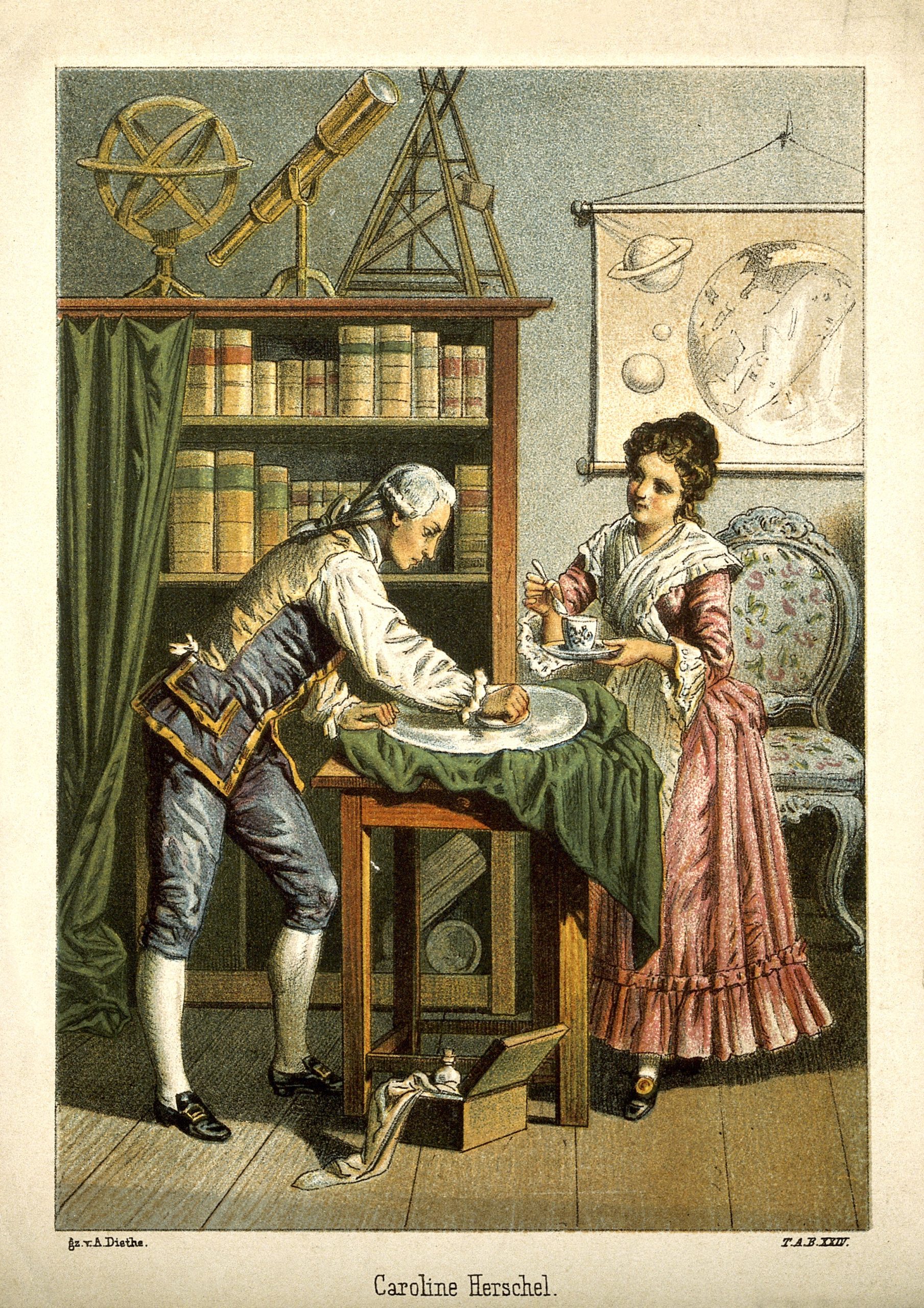
Caroline Herschel’s later work makes a purely solitary portrait of this household particularly inadequate. She became an accomplished astronomical observer, discovered eight comets and undertook important recording and calculating work. William’s observations and instrument-making operated within a household whose labour also needed organising.
It would be equally misleading to correct an individualistic story by inventing Caroline’s precise actions on the discovery night. The evidence for her wider contribution does not authorise a scene in which she says the decisive line or recognises the planet first. Her documented achievements do not need invented embellishment.
The later lithograph of William polishing a mirror while Caroline assists is useful with that caution. It is a nineteenth-century reconstruction, not a photograph or an eyewitness sketch of March 1781. It shows how later audiences imagined the relationship between craft and astronomy. Its date belongs in the caption, as much as the names of the people depicted.
A planet named for a king?
Discovery also brought patronage. William proposed Georgium Sidus, honouring George III. Royal support helped him move from earning a living through music to concentrating on astronomy. The proposed name was therefore connected to the material conditions of scientific work, not simply a whimsical preference.
Other astronomers did not all welcome a British royal label for a celestial object. Bode’s alternative, Uranus, placed it within the classical family already suggested by Jupiter and Saturn. Adoption was gradual. A discovery accepted across borders did not automatically produce agreement about the language used to describe it.
From a tiny disc to a world
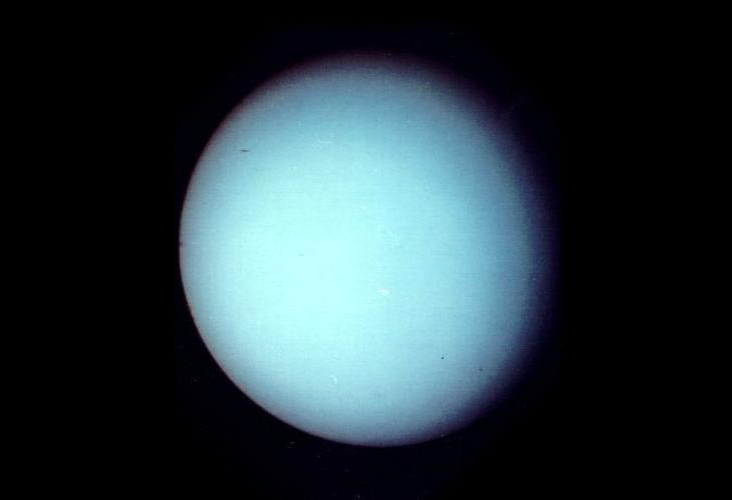
The planet now familiar through spacecraft imagery is far richer than the ambiguous disc of 1781. NASA’s historical overview follows later observations through to Voyager 2’s 1986 encounter. Herschel himself discovered the moons Titania and Oberon in 1787, extending the study of the system he had helped identify.
It is worth resisting the temptation to place the Voyager image in Herschel’s mind. He did not see that pale globe at close range. A modern illustration supplies knowledge assembled over subsequent centuries. The distance between the two images is part of the story, not an inconvenience to conceal.
Uranus changed the inventory of the solar system, but the process is at least as striking as the result. A working musician built an instrument, noticed something odd and pursued it carefully. Other people tested the observation and worked out its implications. The first interpretation was revised rather than defended at any cost. The surviving evidence lets us follow those stages.
That is a more satisfying achievement than a miraculous glimpse. The telescope made an unexpected object visible. Patient comparison, communication and willingness to change the answer made it a planet.