
Reading Thucydides Without Turning Him into a Foreign-Policy Slogan
A practical route into a difficult classic: speeches, fear, democratic decisions and the people who paid for them.
Thucydides often arrives in modern discussion already reduced to a lesson: power defeats justice, rising powers frighten established ones, democracies make disastrous choices. There is something of his history behind all three propositions. But beginning with the slogans is a good way to miss the book.
The History of the Peloponnesian War is not a slim handbook of timeless rules. It is a demanding account of particular communities making decisions under pressure, often with incomplete information and conflicting purposes. The rewards come from following those decisions closely. A speech that seems persuasive on one page can look different after the consequences unfold.
This guide uses Richard Crawley’s public-domain translation and selected passages across the work. It is an invitation to read the argument in context, not a substitute for the whole history. A map and an edition with explanatory notes will make the journey much easier.
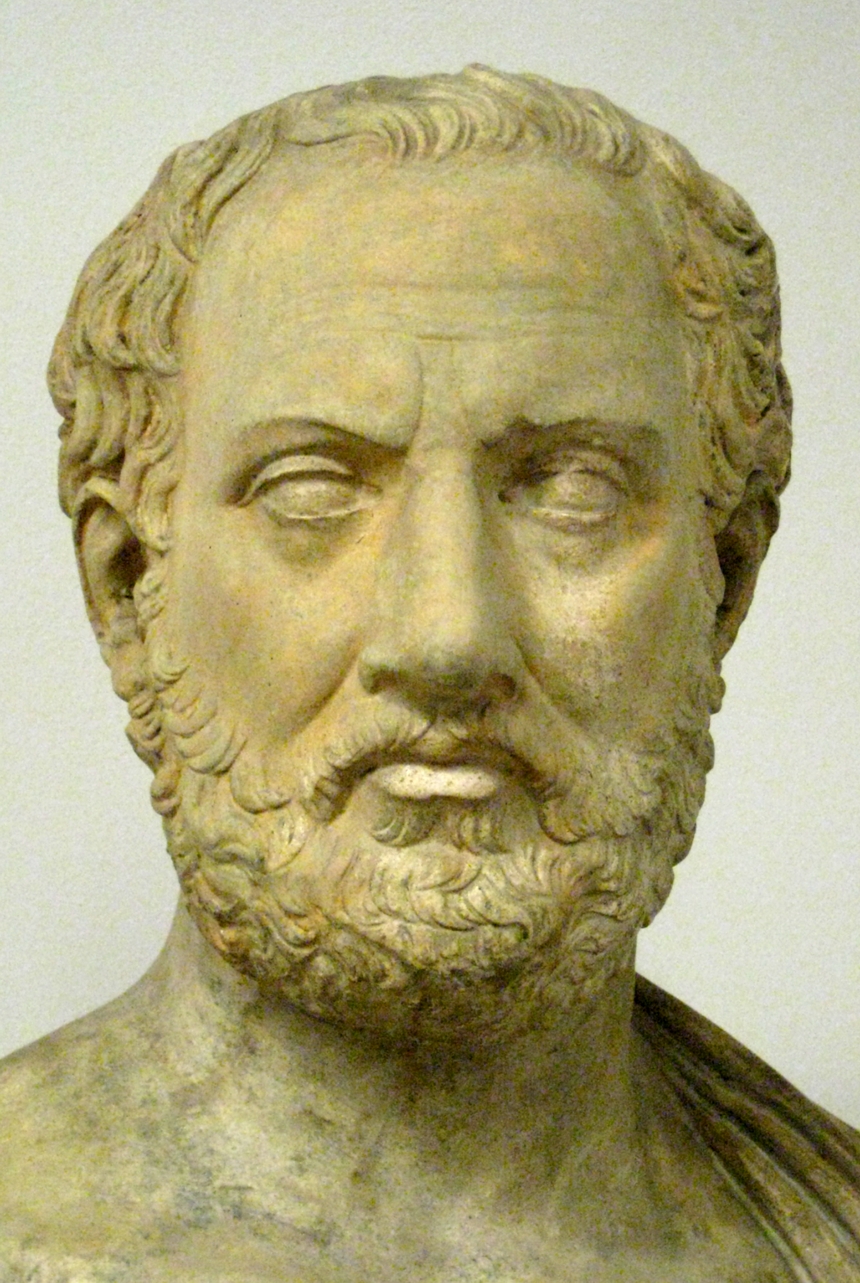
Know which war, and where the book stops
The central conflict is the war between Athens and its allies and Sparta and its allies, beginning in 431 BCE. Athens possessed a maritime empire; Sparta headed a powerful alliance with a different military and political base. Neither side was simply a single city acting alone. Allies, dependent communities, rivals within cities and outside powers repeatedly changed the situation.
The work is conventionally divided into eight books. It does not carry the reader all the way to Athens’ final defeat in 404 BCE: the surviving narrative breaks off in 411. That unfinished ending matters. A reader expecting the structure of a modern popular history, complete with an explanatory final chapter, may wonder whether pages are missing.
Book One can also feel like a long delay before the promised war. It explores earlier Greek history, causes, grievances and arguments. Those preliminaries are not disposable throat-clearing. They show how the war’s participants made claims about the past and how Thucydides distinguished immediate disputes from deeper causes.

Start with the historian’s rules, then test them
At 1.22, Thucydides explains a central difficulty: speeches could not always be remembered word for word. His presentation aims to express what the situation required while remaining close to the general sense of what was actually said. Whatever precise interpretation we give that statement, it warns us not to treat the speeches as audio transcripts.
That makes a difference to how we quote them. A brilliantly phrased argument belongs within a crafted historical work, even when it represents a real political dispute. The historian has selected, arranged and given form to the material. His claim to careful investigation is a reason to engage with his method, not a reason to suspend questions.
He also describes the problem of conflicting testimony. Eyewitnesses do not necessarily agree, and memory can be affected by attachment to one side. This is a strikingly practical warning. Having been present is valuable, but presence alone does not guarantee an impartial account.
Try keeping two kinds of notes: what Thucydides says happened, and how he says he knows. Where does he give a firm explanation? Where does he report a belief, rumour or disputed motive? The exercise slows the reading down in a useful way.
Read Pericles beside the plague, not by himself
The funeral oration in Book Two is one of the work’s most famous set pieces. Pericles describes the qualities that distinguish Athens and presents the city as worthy of sacrifice. It is tempting to lift the speech out as a polished statement of democratic ideals.
Keep reading. The plague narrative that follows subjects the city to a different kind of test. Bodies, households, burial practices and expectations about the future are disrupted. The juxtaposition does not require us to conclude that every claim in the speech is false. It asks a harder question: what happens to civic confidence and social restraint when ordinary expectations collapse?
The sequence also prevents the war from remaining a contest of clever strategies. Disease is not an incidental interruption to the “real” military story. It changes what people experience and what a city can sustain. Thucydides’ attention to suffering belongs to his explanation of power.
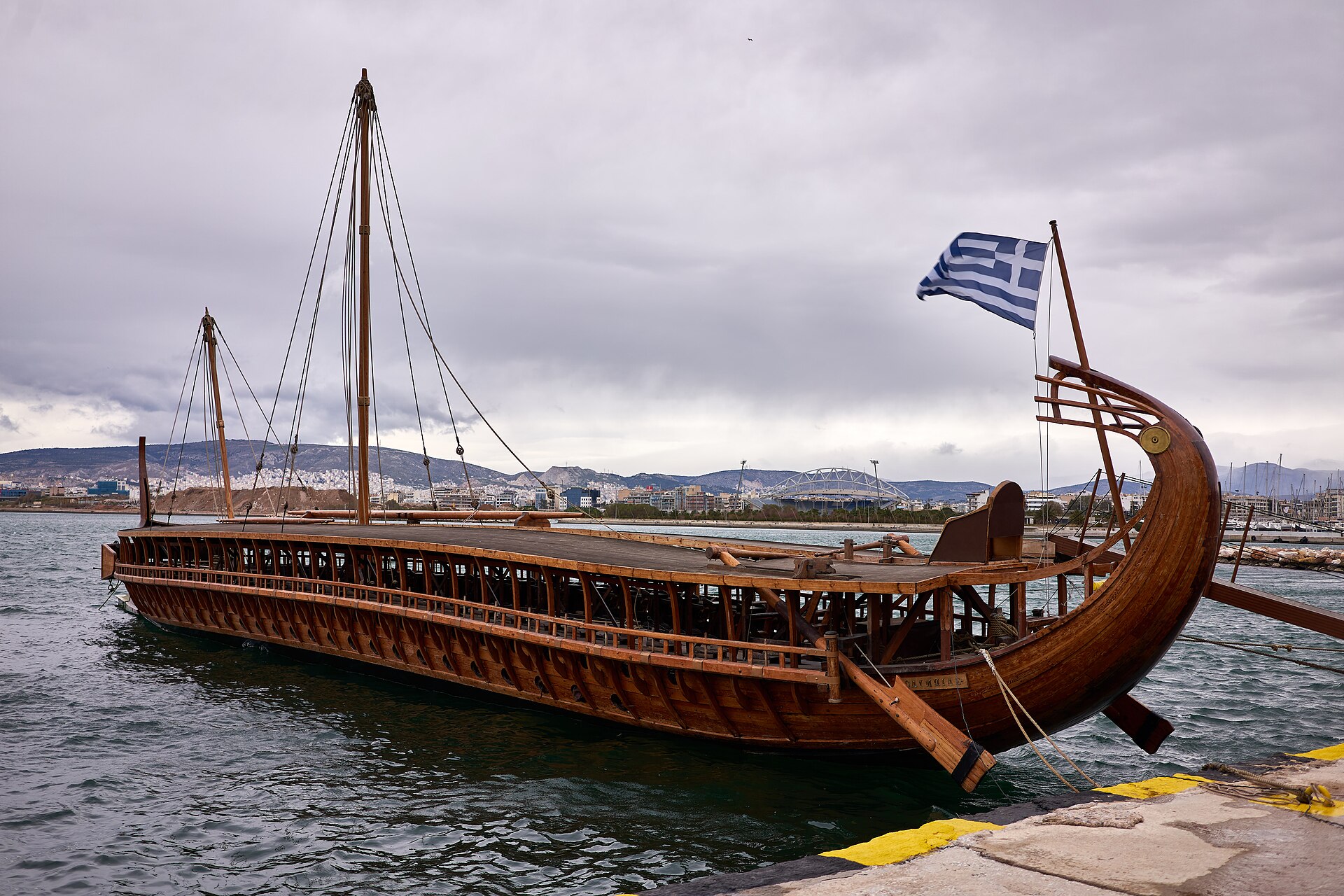
The debates are decisions, not just quotations
The Mytilenean debate in Book Three offers an especially revealing example. Athens has already made a severe decision about a rebellious allied city, then reopens the question. The debate concerns punishment, deterrence, anger, calculation and the empire’s interests.
Notice what this does to a simple judgement about democracy. Collective decision-making can be rash, but it can also reconsider itself. Persuasive speakers can advocate cruelty in the name of realism or oppose it through arguments that are themselves far from modern humanitarian language. The scene does not fit comfortably into a slogan about wise or foolish crowds.
Another passage in the same book, the account of civil conflict at Corcyra, examines what faction does to conduct and language. Political belonging alters how people describe courage, caution and loyalty. Read it slowly rather than using it as a list of alarming similarities to the present. The institutions and circumstances are different; the useful comparison concerns mechanisms, not an assertion that nothing ever changes.
Melos: do not confuse a speaker with the author
The Melian Dialogue in Book Five is the classic trap for a quotation-first reading. Athenian representatives confront a weaker community that wishes to preserve its independence. The dialogue strips the discussion down to power, security, hope and the consequences of resistance.
The brutal reasoning of the Athenian envoys is not automatically Thucydides’ own recommended policy. These are arguments spoken by participants inside a narrative. We have to consider the setting, the voices excluded from the exchange and the outcome that follows. The dialogue takes place before the Melian leadership rather than as an open address to the whole population.
The ending is not merely an abstract demonstration that the stronger side wins. Thucydides records killing and enslavement. If we turn the episode into a clever sentence about international relations, we risk reproducing the envoys’ own narrowing of attention: the people affected disappear behind a calculation.
Sicily changes the scale of the tragedy
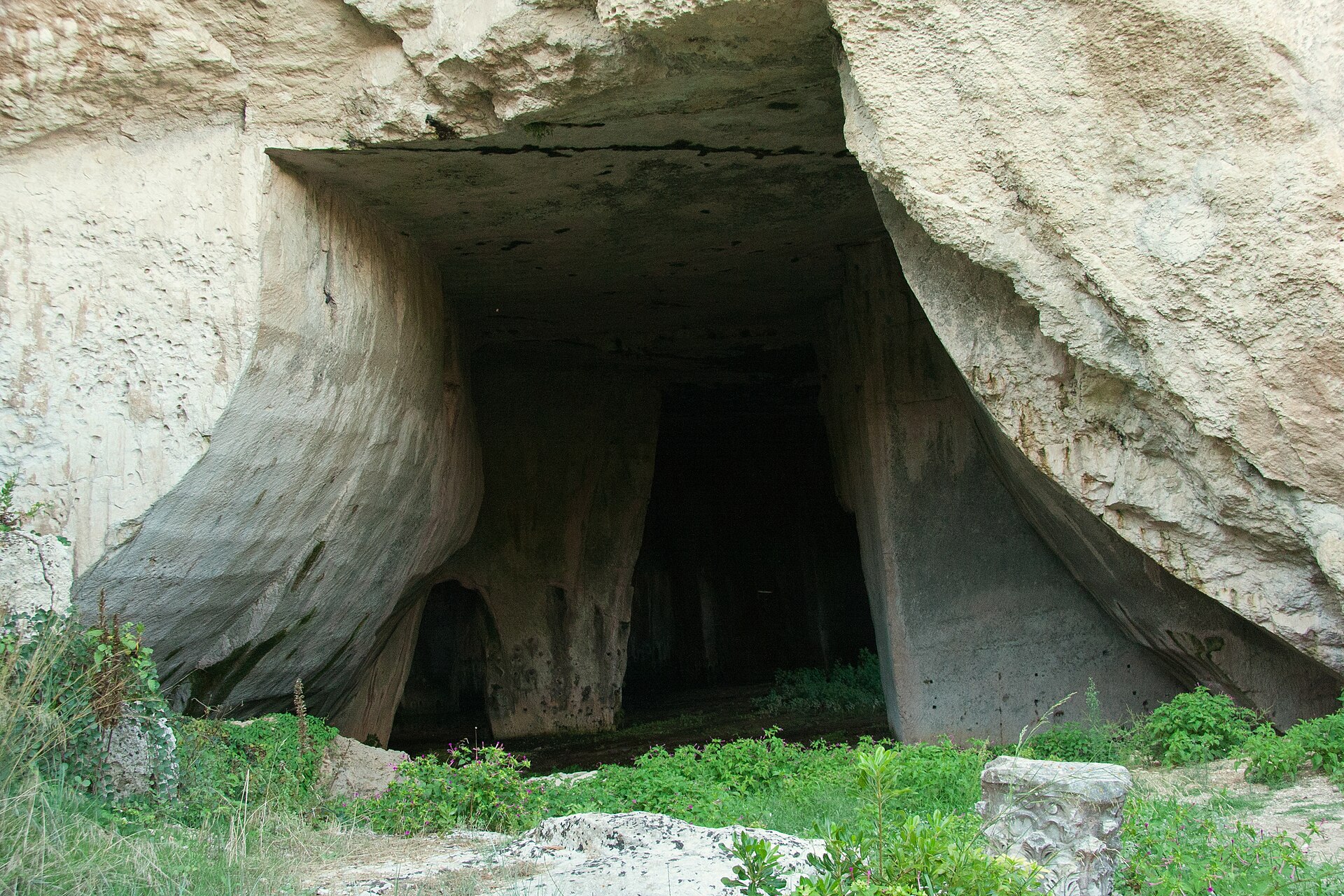
Books Six and Seven narrate the Athenian expedition to Sicily. Here ambition, uncertainty, competing advice and the difficulty of withdrawing from a failing undertaking become inseparable. The reader knows that confidence is not the same thing as knowledge, but the participants still have to act.
The final retreat and captivity are devastating partly because the narrative has allowed the project to become so large. Ships, money, political prestige and expectations have accumulated around it. When the expedition fails, those abstractions become exhausted bodies, abandoned wounded men and prisoners held in quarries.
The surviving quarry landscape at Syracuse can help a reader think about confinement, but a modern photograph cannot establish the exact location or conditions of every episode. The textual account describes heat, exposure, crowding, hunger and disease. Its force lies in the particulars, not in a generic image of defeat.
Thucydides also notes disagreements among the victors about the fate of captured generals. Winning does not produce a single uncomplicated interest. Allies retain their own fears and calculations. The same attention to divided motives that shapes the opening of the war remains present at the end of an apparently decisive victory.
A reading route that preserves the difficult parts
If the full work feels intimidating, begin with 1.1–23 for the project and method; 2.34–65 for Pericles, plague and the pressures on Athens; 3.36–50 for Mytilene; 3.82–83 for faction; and 5.84–116 for Melos. Then read the Sicilian expedition continuously rather than jumping straight to its catastrophe.
Use that route as a doorway, not as a replacement for the connective narrative. Smaller campaigns, alliance changes and geographic details explain why later decisions were possible. On a second pass, the sections that first seemed like a parade of unfamiliar place names often become much more meaningful.
Keep track of the translation too. Older English can make political terms seem more familiar or more absolute than they really are. An annotated modern edition can clarify names and institutions, while the freely available Crawley text makes it easy to locate and compare passages.
What remains useful now
Thucydides helps us ask sharper questions about fear, persuasion, evidence and responsibility. He does not remove the need to study a modern situation on its own terms. Calling a conflict “Thucydidean” explains very little unless we specify what mechanism we mean and what evidence supports the comparison.
The best reason to read him is not that he has already solved politics. It is that his history makes confident explanations uncomfortable. People act, justify themselves, misjudge one another and live with consequences they cannot fully control. Stay with those complications. They are where the book becomes much more than its most famous lines.