
The Once and Future World Order: Who Gets to Make the Rules?
A historical reading guide to Amitav Acharya’s 2025 book, using inscriptions, imperial records, coins and diplomatic bargains to ask who creates order, and who benefits from it.
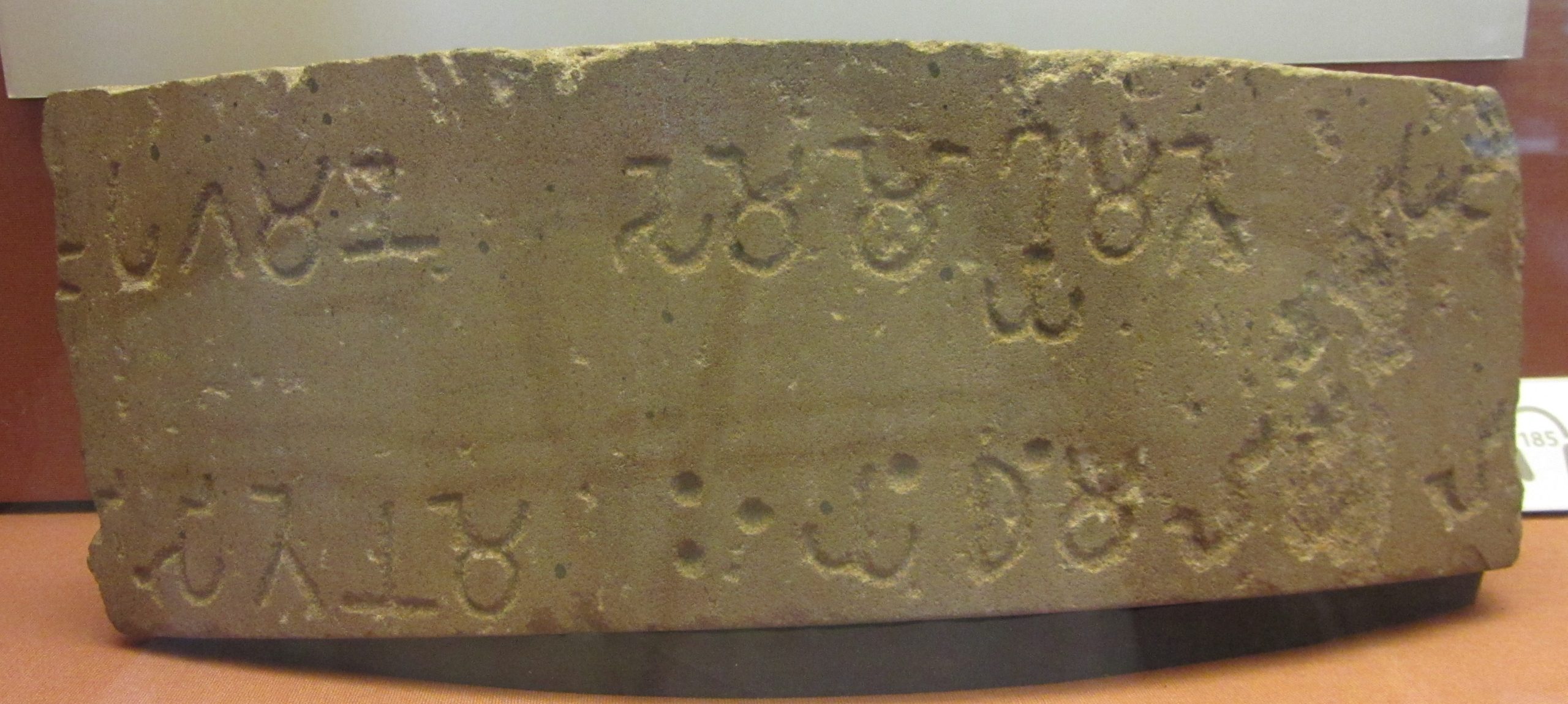
Start with a fragment of an Ashokan pillar in the British Museum. Part of a royal message is still carved into its surface. The object is small enough to fit within a museum case. The claim behind it was much larger: a ruler could address moral conduct across a diverse empire and make that message part of government.
A small object like this can unsettle a very large story about who invented international order. Long before the institutions now associated with the modern West, rulers and communities were asking how authority should be justified, how strangers should be treated and how relations across distance could be managed.
That wider field is the subject of Amitav Acharya’s The Once and Future World Order: Why Global Civilization Will Survive the Decline of the West. Basic Books published the 464-page US hardcover on 8 April 2025. The book challenges the assumption that the weakening of Western dominance necessarily means the disappearance of order itself.
The book has already prompted some substantial discussion. A June 2025 LSE event examined its long historical perspective, and historian Abhishek Kaicker discussed it in a review published that month. Those discussions place it at the meeting point of historical writing and debate about where international politics might go next.
This reading guide follows the argument Acharya has set out publicly, drawing on his interview, the publisher’s description and independent historical sources. It’s an introduction to the questions the book raises, rather than a full review. The five objects and images provide independent ways into its questions. They are not presented as a list of the book’s illustrations.
First ask what kind of order is being described
In his E-International Relations interview, originally published in 2025 and later archived, Acharya explains that he is interested in frameworks of power, ideas and interaction that their makers consider beneficial. His category includes both empires and systems of independent states. “World order” need not mean one government controlling the whole planet.
That distinction gives us somewhere useful to start. If order means only the current network of sovereign states and international institutions, much of the earlier past is excluded before the investigation begins. But stretch the term to cover any arrangement that lasts, and it starts to lose its meaning. As you read, keep asking what held a particular arrangement together and how far it really reached.
A ruler’s moral language was still a ruler’s language
Historian Patrick Olivelle’s account of Ashoka describes a third-century BCE emperor who expressed remorse for the conquest of Kalinga and promoted an ethical programme through his administration and inscriptions. Those inscriptions are evidence that moral reflection and imperial government could be joined outside the historical traditions usually placed at the centre of a Western political syllabus.
We still need to read these messages as an emperor’s words. They tell us what he promoted, while leaving plenty to discover about how officials and subjects actually behaved. Histovia’s study of Ashoka’s edicts and imperial dhamma follows the tension between moral purpose and the machinery through which it was communicated.
At Persepolis, order also meant keeping accounts
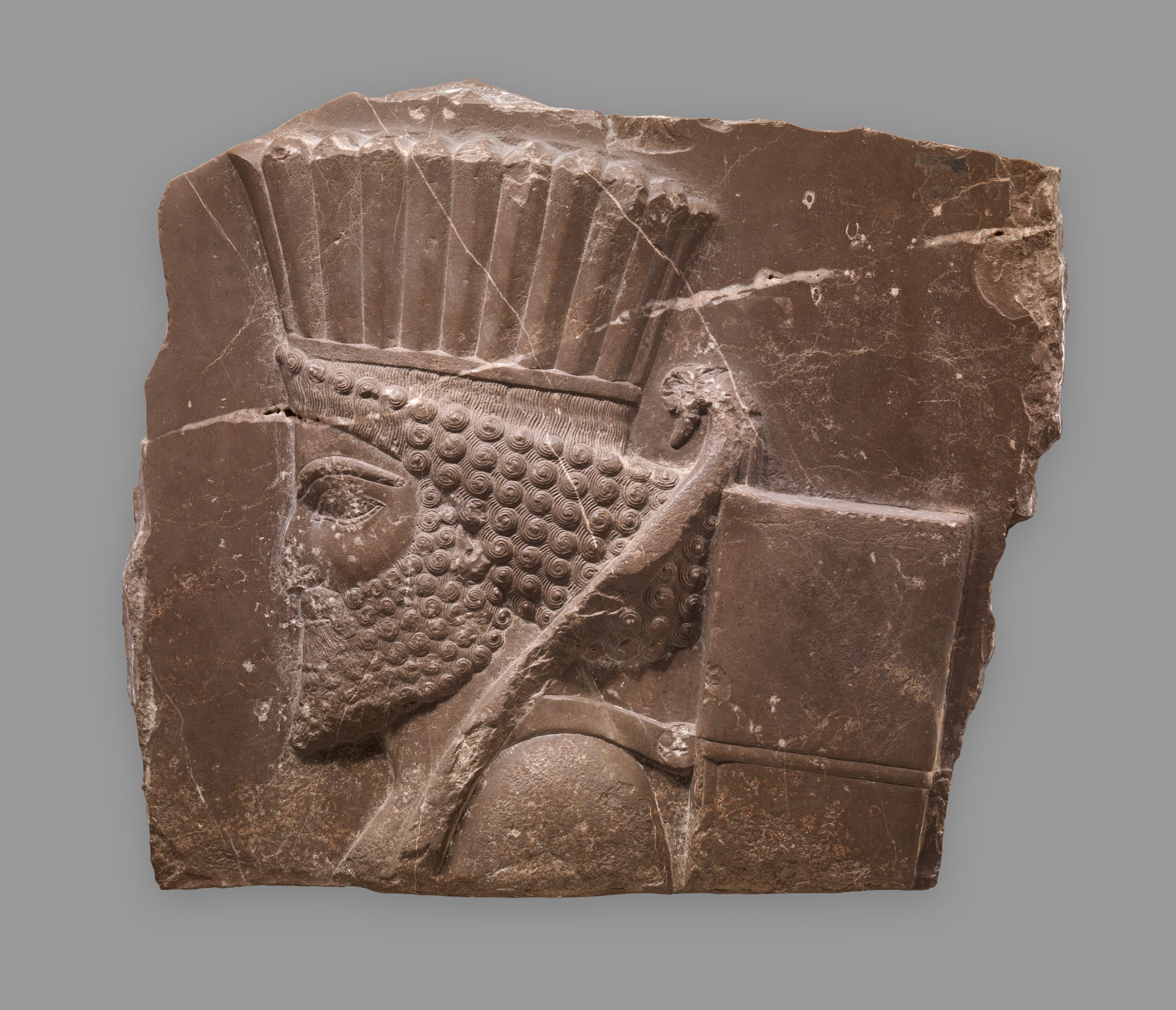
The Persian guard illustrated below belongs to the monumental language of Achaemenid power. The Metropolitan Museum’s record identifies the relief as a limestone fragment from Persepolis, dated approximately 486–465 BCE. The guard projects disciplined authority. For a look at the administration behind that image, we need another kind of evidence.
The Persepolis Fortification Archive supplies a different perspective. Its tablets record the handling and distribution of food and other resources, supporting workers, travellers, officials and religious activity in the region administered from Persepolis. Texts in different languages and seal impressions belong to this practical documentary world.
Put the relief and the accounts side by side, and you get a fuller picture. Order is not only a ruler’s ideal or a line drawn on a map. Someone has to get the provisions to the right people, check the records and make sure instructions lead to something happening. Histovia’s account of Persia’s government across distance explores that material problem.
Aksum’s coins make the map less familiar
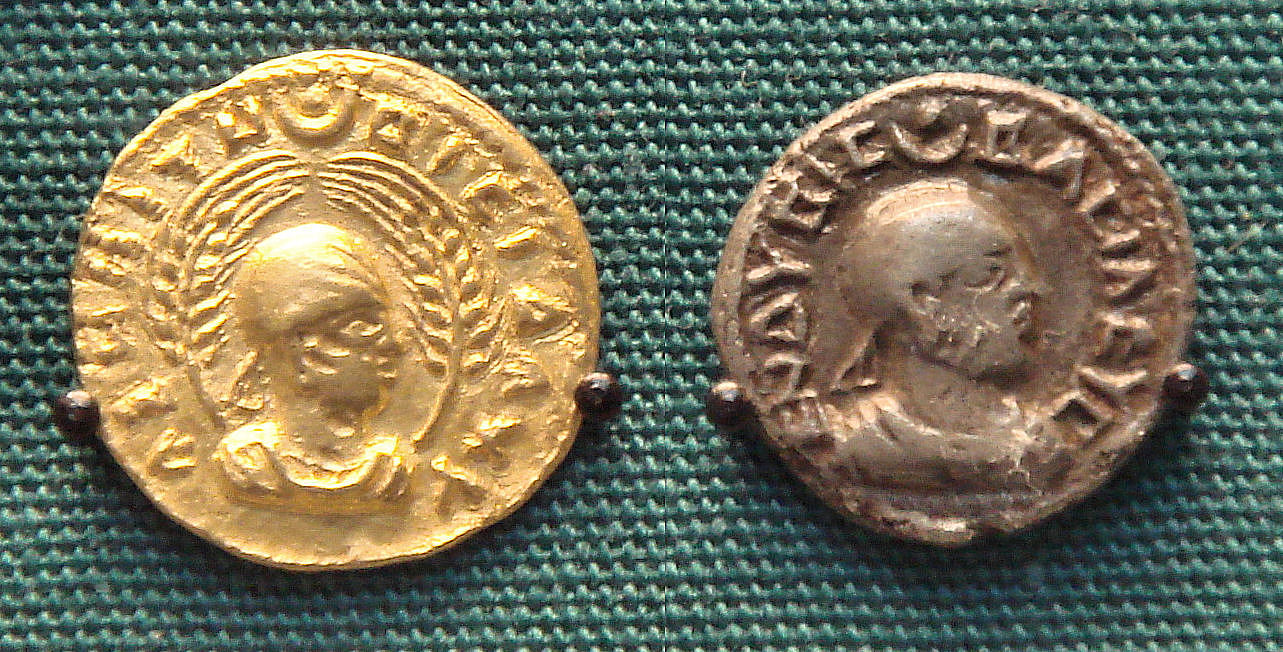
Coins issued under Endubis, a ruler of Aksum in the later third century CE, offer another entry point. They put a state in the Horn of Africa firmly on the map. A story told only through exchanges between Europe and Asia would miss it.
The British Museum’s introduction to Aksumite coinage explains the early use of gold and silver issues and their relationship to international trade. A royal image and inscription made a claim about the issuer while the coin’s metal and recognised form helped it function in exchange.
The Met’s historical overview connects inland Aksum to the Red Sea through the port of Adulis. Keep that port in mind. An inland political centre could participate in maritime commerce through routes and institutions linking it to a coast; influence need not be confined to the place where a ruler lived.
Histovia’s article on Aksum’s coins, trade and faith follows those relationships in greater detail. For the present reading guide, the coins make a narrower point: a world map organised around only a few familiar capitals can hide participants whose surviving objects demonstrate their own ambitions and connections.
There’s another trap to watch for, though. Finding a neglected centre of power doesn’t make it the hidden origin of everything that came later. A coin is powerful evidence for a minting authority and a monetary practice. Its existence alone does not establish the scale of every trading connection or prove that all exchange was peaceful and equal.
The same caution applies to claims about cultural influence. Similarity can arise through transmission, adaptation, common problems or coincidence. To make that connection convincing, we need to know when and how it could have travelled. Two similar-looking objects aren’t enough. Widening history should increase the number of relationships we investigate rather than replace one exclusive origin story with another.
Vienna shows why peace and equality are different questions
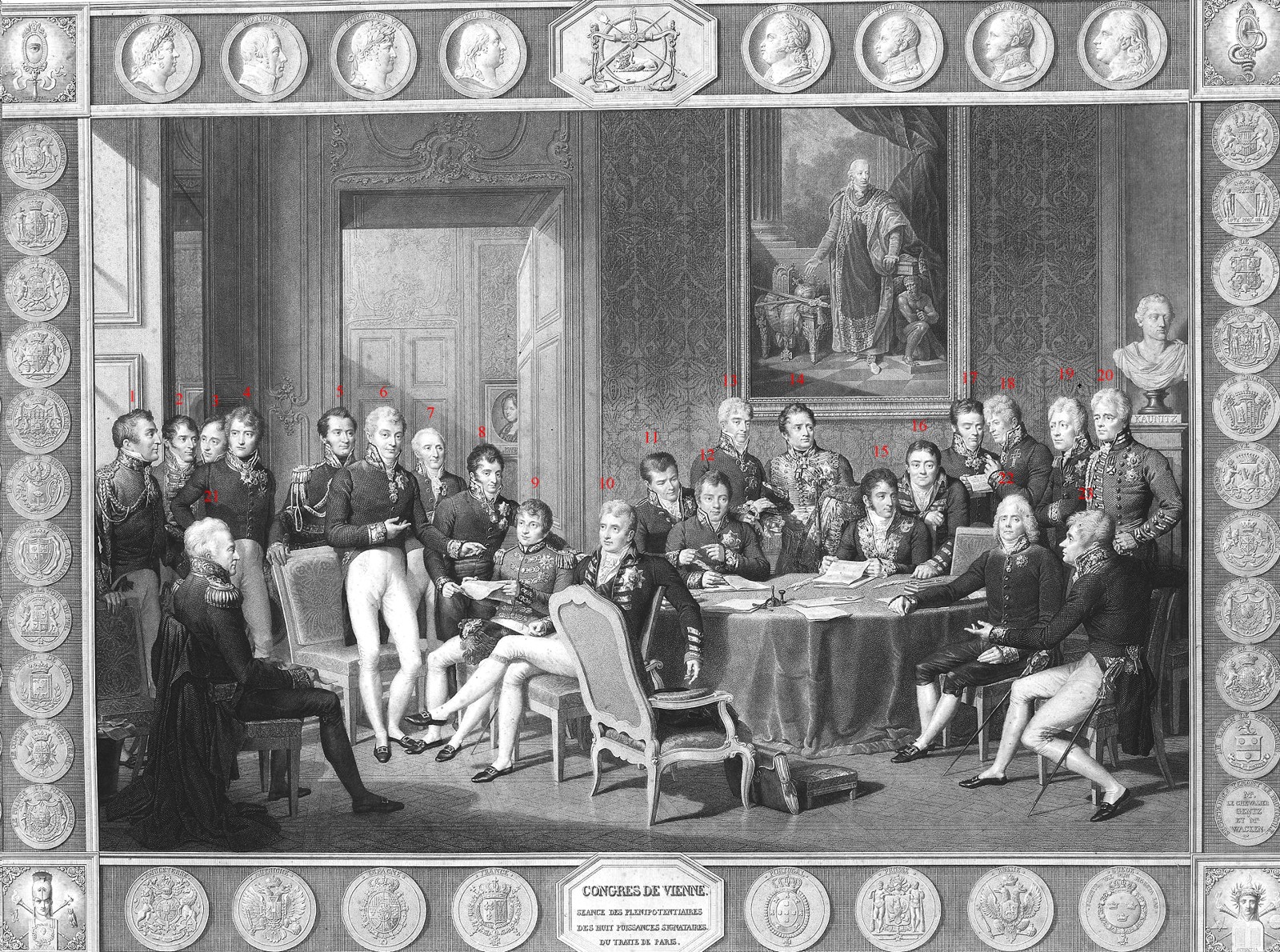
The familiar image of diplomats at the Congress of Vienna is an artistic construction of political society, not a photograph of a decisive meeting. The Fondation Napoléon’s account of Jean-Baptiste Isabey’s composition describes the problem of arranging important people while respecting their rank. Even arranging the picture required some diplomacy.
The settlement itself was more than an image. The Final Act of 9 June 1815 recorded a new European political arrangement after the Napoleonic wars. Territorial bargains, the German Confederation and questions including navigation and Swiss neutrality formed part of its work.
A settlement among powerful governments can reduce particular dangers while leaving other inequalities intact. How long it lasted and how fairly it worked are two questions worth asking separately. We should ask whose war was ended, whose authority was secured and who had little say in the settlement.
There’s little to gain from turning this history into a contest for the most admirable civilisation. The object of study is an arrangement with beneficiaries, burdens and limits. The same arrangement can be a diplomatic achievement in one respect and restrictive in another.
Histovia’s account of Vienna’s negotiated peace resists the idea that the congress simply turned the clock back. For readers of Acharya, it also provides a useful test of scale. A European settlement with consequences beyond Europe is not necessarily a settlement in which the world’s peoples participated equally.
Now try the same questions somewhere else. An empire may contain diverse populations without giving them equal power. A network may connect ports while excluding people from the profits. A treaty may establish useful procedures without ensuring that every party can influence their interpretation. Comparison becomes stronger when these questions are asked consistently, rather than only of a favoured or disliked region.
The UN was shaped from more than one direction
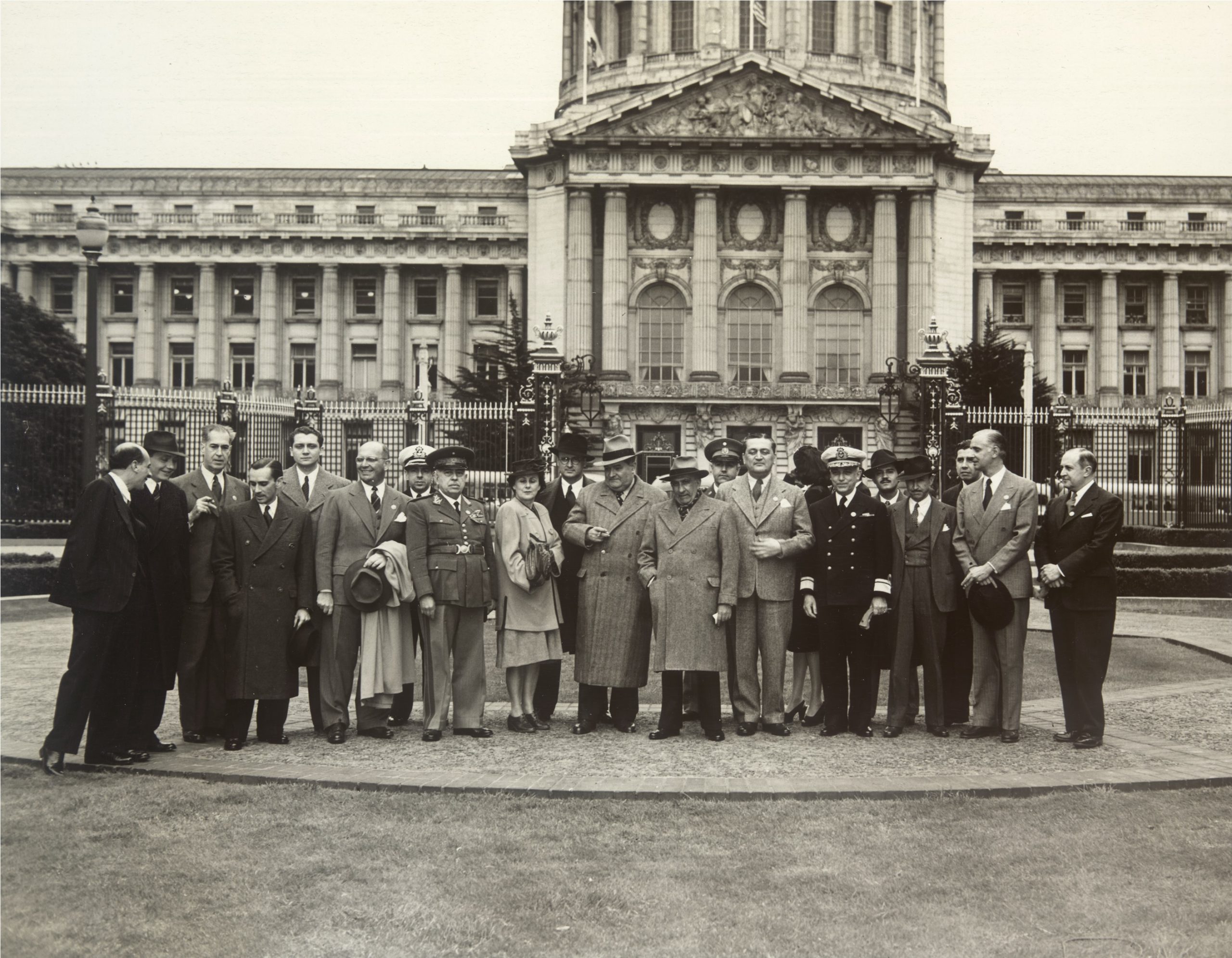
Bertha Lutz’s presence at the San Francisco conference in 1945 brings the question of authorship into sharper focus. The Brazilian scientist and feminist was among the women who pressed for explicit recognition of equality in the United Nations’ founding arrangements.
SOAS research on the Charter’s history highlights the work of Lutz and the Dominican Republic’s Minerva Bernardino in securing Article 8. That provision concerns the eligibility of women and men to participate in the UN’s principal and subsidiary organs. That sentence took work. People had to argue for it.
This gives us something firmer to work with than a general claim that everyone contributed. It identifies people, a setting, a proposal and a textual result. It also gives credit at the level where work was done, rather than treating an entire nation or continent as a single thinker.
The result did not erase the institution’s inequalities. The Security Council’s voting rules preserve a special position for its five permanent members. For non-procedural decisions, a negative vote by a permanent member can block adoption even when a proposal has otherwise sufficient support.
Keep both parts of the story in view: advocates widened the language of participation, while great-power privileges were embedded in the institutional design. One does not cancel the other. Histovia’s examination of equal voices and the bargain of 1945 follows that coexistence.
It’s also a reminder that “the West” and “the Rest” can be misleadingly tidy labels. Coalitions can cross those labels. People within the same delegation may disagree, and a smaller state may influence one provision without controlling the larger settlement. The history of an institution is often more revealing when followed clause by clause than when assigned one civilisational author.
A wider past is not a guaranteed future
Acharya’s argument is deliberately forward-looking. The LSE event description presents his idea of a global “multiplex”: an order shaped by many consequential state and non-state actors, rather than simply a new contest among a few dominant powers. The term concerns diversity in who acts and how connections work, not merely a different ranking of large countries.
It’s an idea worth examining. Ancient inscriptions can’t guarantee that the future will turn out this way. Historical examples can demonstrate that more than one form of order has existed. They cannot establish that a particular future transition will be peaceful, equitable or successful.
The distinction makes the book’s public argument more useful, not less. A broader historical repertoire can loosen the assumption that there is only one workable arrangement. The next step is to ask what would make an alternative work under current conditions: how obligations would be enforced, how weaker participants could be heard and how conflicts between rules would be settled.
If you pick up the book, try keeping three questions beside you. First, what is the unit being compared: an empire, a region, a trading network or a formally constituted international organisation? Second, what evidence links the proposed principle to actual practice? Third, whose experience is being used to call an arrangement stable or beneficial?
Those questions can help us avoid two tempting shortcuts. One is nostalgia for a past order treated as universally good. The other is confidence that a change in the identity of the strongest powers will itself produce justice. Neither follows simply from recognising that the creation of order has a much wider history.
The attraction of The Once and Future World Order as a starting point is its refusal to let the familiar cast of rule-makers stand for the whole human record. Take up that invitation to look further, while continuing to ask hard questions about the comparisons and predictions.
The pillar, the guard, the coins, the diplomats and the Charter’s advocates do not deliver one formula for the future. They show different ways authority was asserted, cooperation organised and participation contested. Reading them together makes the question of who gets to make the rules harder to answer casually, which is a useful beginning.
Find the book
The Once and Future World Order on Amazon · Basic Books US hardcover, ISBN 9781541604148. This is a direct, non-affiliate link, checked on 6 November 2026. Editions, prices and availability may vary by location.