
Books & Movies · Research-based book introduction
Eric T. Jennings’s Vanilla: The Unequal History Behind an Ordinary Flavour
An orchid, an enslaved innovator and an industrial molecule reveal why the history of vanilla is also a history of skill, credit and unequal exchange.
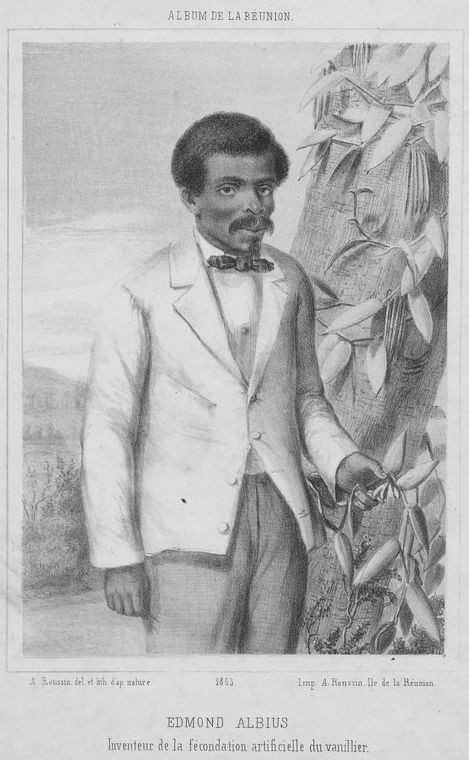
In 1841, an enslaved child on Réunion solved a problem that had frustrated the people trying to turn a tropical orchid into a reliable commercial crop. Edmond Albius’s practical method of hand-pollinating vanilla helped make possible an industry whose profits did not make him wealthy. His achievement presents a sharper opening to the history of flavour than any claim that vanilla is simply the opposite of interesting.
Eric T. Jennings’s Vanilla: The History of an Extraordinary Bean asks readers to follow that apparently ordinary ingredient across botanical collections, colonial labour systems, laboratories and kitchens. Published by Yale University Press in 2025, it was named to the Cundill History Prize shortlist on 2 September 2026. That is a specific indication of recent critical attention, not a claim about sales or universal agreement.
This is a research-based introduction and critical context, drawing on the publisher’s account, Jennings’s public discussion of his research, and botanical and historical scholarship. It is not a review based on access to the complete book. The distinction matters particularly for a work whose appeal lies in following connections across many places: its overall argument can be discussed without pretending to have assessed every chapter or archival citation.
A crop is not yet a flavour
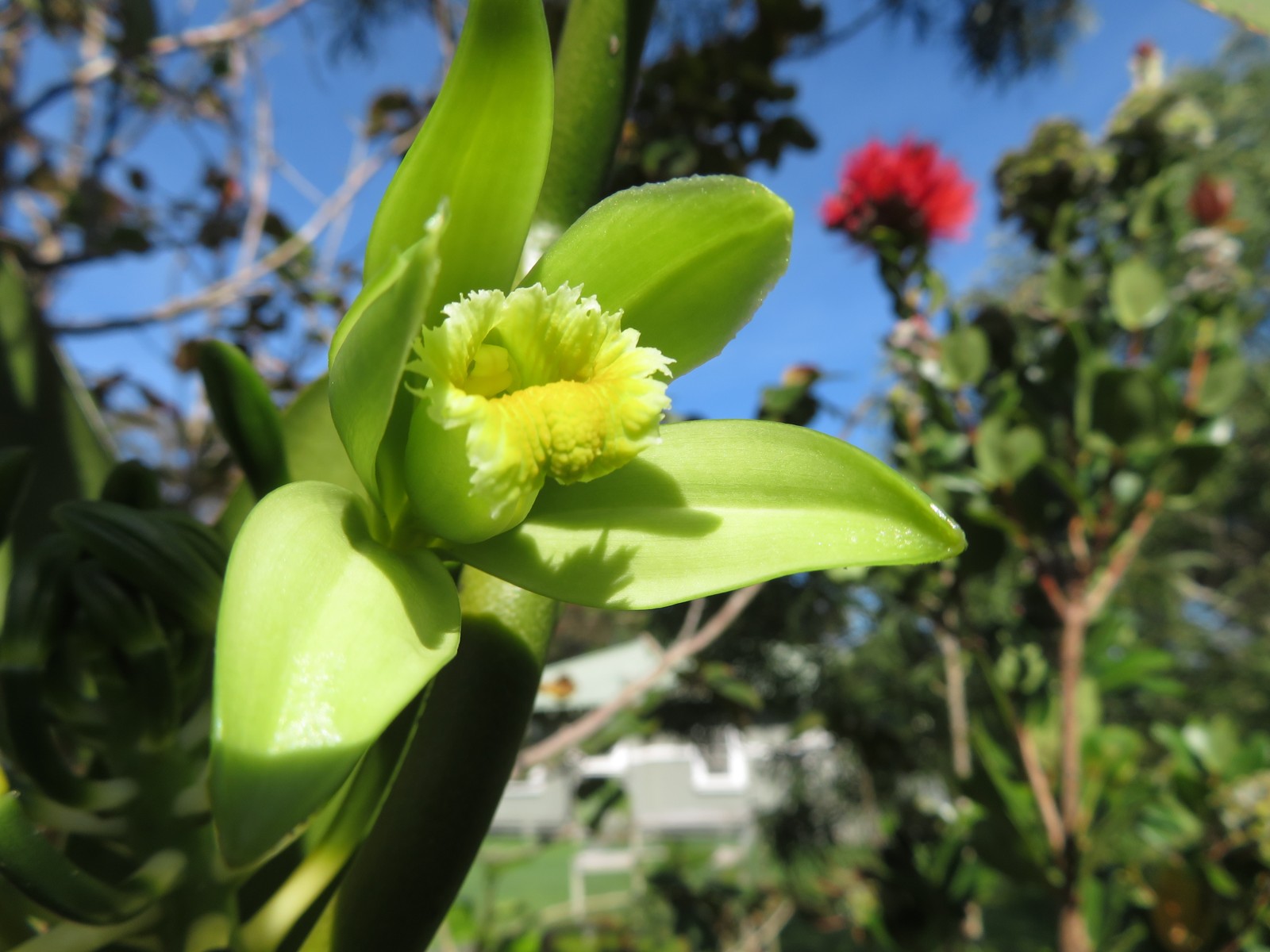
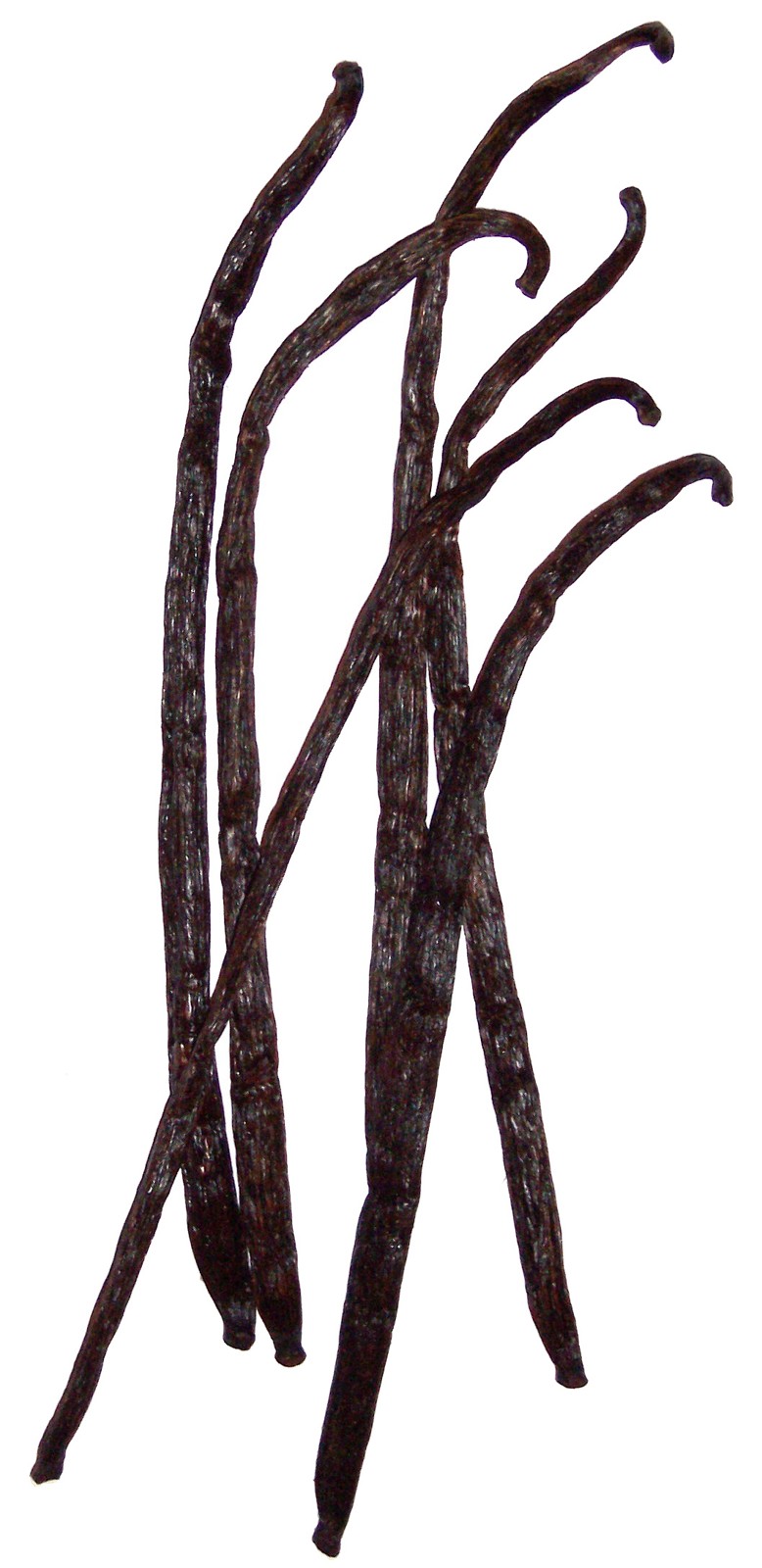
The word “bean” is a culinary convenience. Vanilla comes from the fruit of an orchid, not a legume. The familiar dark, aromatic pod is also not the object picked from the vine. As Kew’s botanical introduction explains, the characteristic fragrance develops through curing. The plant must flower, the flower must be pollinated, the fruit must mature, and the harvest must be processed before a consumer encounters the desired aroma.
This sequence makes vanilla an unusually useful subject for commodity history. Its value cannot be explained by locating a deposit and extracting it. Knowledge and repeated skilled interventions are part of production. An account that begins and ends with explorers moving plants around the world misses the work that makes those plants productive.
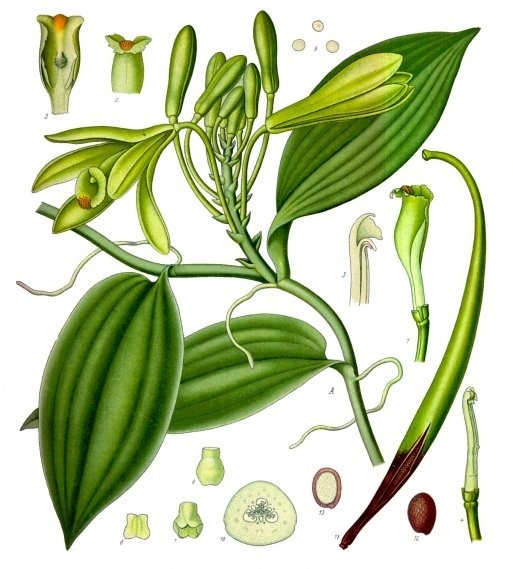
A botanical specimen, a merchant’s shipment and a bottle of extract can all be called vanilla while representing different stages in that process. Following the transitions requires the historian to move between kinds of evidence. A shipping total may show commercial expansion without revealing who pollinated the flowers; a botanical drawing may identify a reproductive structure without showing the conditions under which someone learned to manipulate it.
That is the promise of Jennings’s subject. A small object can connect histories that specialist archives keep apart. It is also the methodological risk: the connecting thread must not flatten differences between a garden experiment, a coercive plantation and a smallholder’s livelihood.
Albius, invention and the ownership of credit
The Linnean Society’s account places Albius’s achievement alongside Charles Morren’s earlier artificial-pollination work in the 1830s. The distinction is not between absolute ignorance and a single miraculous discovery. It is between demonstrating a possibility and developing a technique that could be readily repeated in cultivation. Albius’s intervention made an enormous difference to the second problem.
It is important not to repair one historical injustice by making another inaccurate story. Recognizing Albius does not require erasing earlier botanical experimentation. Nor does noting that experimentation diminish the originality and practical importance of an enslaved child’s knowledge. Priority, usability and recognition are related questions, not identical ones.
Research on the history of artificial pollination examines the competing claims and later accounts through which the story took shape. The resulting lesson is more demanding than adding an overlooked name to a list of inventors. It asks which witnesses were believed, which discoveries entered print, and how social status affected the capacity to claim an achievement.
Albius’s poverty after his contribution is not an incidental sad ending to a tale of progress. It exposes the gap between creating value and possessing the institutions that capture it. A successful technique can circulate widely while the person associated with it lacks property, bargaining power or lasting reward. That gap is central to understanding why the history of an ingredient is also a history of labour.
Why vanilla is not simply another sugar story
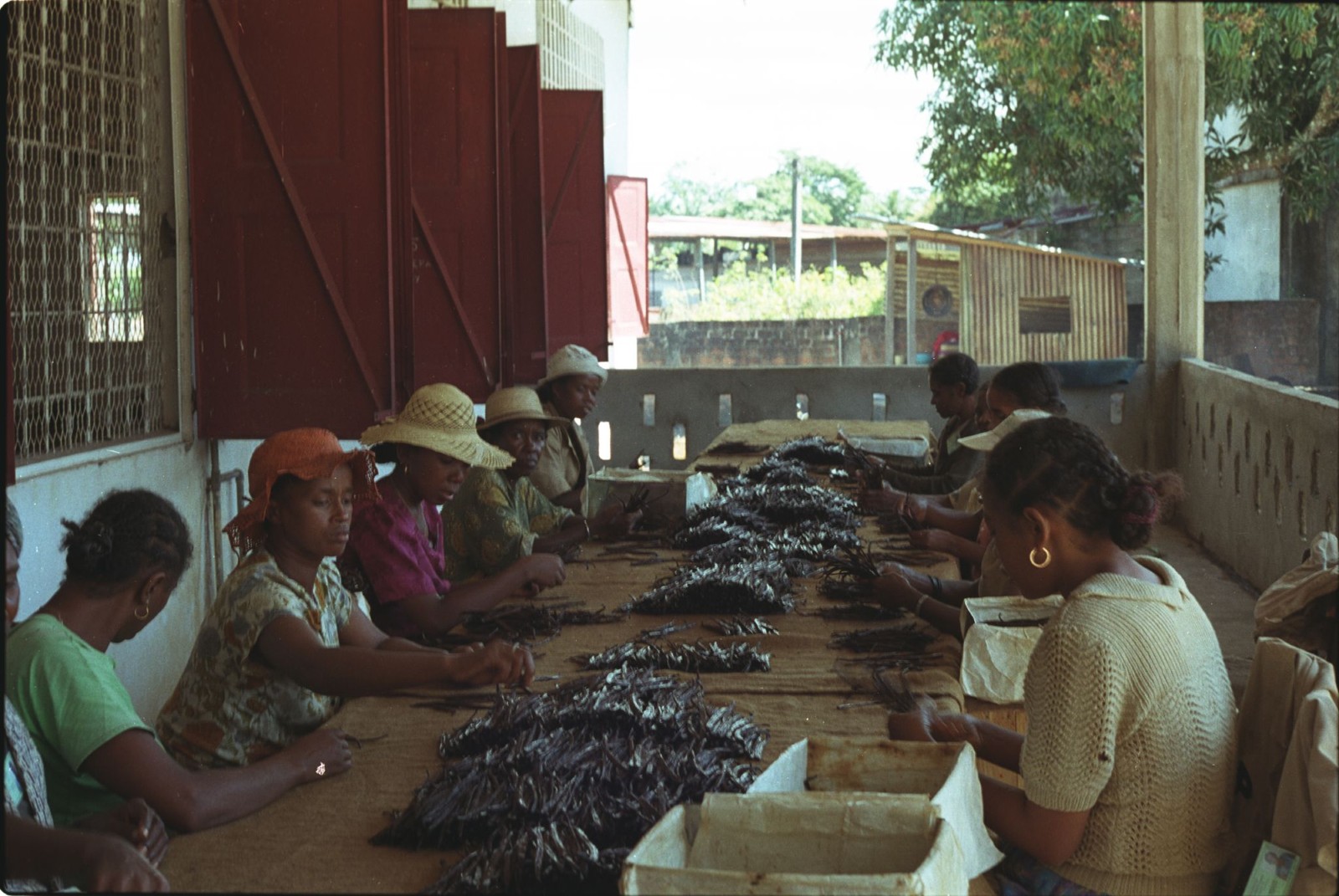
In a September 2026 interview with Yale University Press, Jennings distinguishes vanilla’s trajectory from the vast slave-based expansion of sugar. The practical pollination breakthrough came close to the final abolition of slavery in the French colonies in 1848. Expansion subsequently included the search for cheaper labour in Madagascar, where colonial production could involve forced, unpaid work.
This is a useful distinction because commodities do not all fit one plantation template. Similar connections between consumption and coercion can operate through different legal systems, scales of production and moments of expansion. Calling every luxury crop “another sugar” risks obscuring what has to be explained in each case.
Equally, the chronology of abolition cannot be used as a certificate of freedom for everything that followed it. Ending legal ownership of people did not automatically end coercion, unequal access to land or the ability of employers and officials to compel labour. The relevant historical question is what changed in the organization of work, not whether a particular legal label disappeared.
Jennings’s distinction therefore opens a productive line of inquiry rather than closing one. Who could choose whether to cultivate vanilla? Who controlled processing and export? How much of the final value remained with the people performing the most delicate work? These questions help prevent a commodity narrative from mistaking the widening availability of a flavour for an evenly shared improvement in life.
The laboratory changes what consumers mean by vanilla
A second transformation occurred when chemists separated the flavour’s prominent molecule from the crop. Samantha DeCarlo’s 2022 working paper on vanillin, published by the U.S. International Trade Commission’s Office of Industries, traces industrial production through different raw materials and chemical processes. It identifies a German synthetic-vanillin factory in 1875 and explains why vanillin and vanilla extract are not interchangeable categories.
Pure vanillin is a molecule; an extract contains a mixture of compounds. Producing that molecule by another route can reproduce an important part of the aroma without reproducing the whole mixture or the agricultural history behind it. The paper is the author’s research, not an official policy determination by the commission.
For cultural history, the consequence is striking. A flavour can become familiar to millions of people whose food contains little or none of the original crop. Familiarity with the taste then becomes detached from familiarity with the plant. What feels basic or ordinary at the table may rest on an elaborate industrial achievement.
There is no need to turn this into a contest between supposedly chemical and non-chemical food. Plants contain chemical compounds too. The more useful distinctions concern composition, production, sensory expectations and the claims attached to a label. A history of vanilla can show how those categories were made rather than simply endorsing the premium language of one market.
The environmental claim needs a comparison
One point in Jennings’s public presentation deserves particular qualification. In the Yale interview, he links vanilla’s use of supporting trees to environmental benefits. That possibility is real, but it does not make every vanilla-growing system beneficial in the same way. The question is what land use it replaces and which organisms or functions are being measured.
A 2021 study by Kristina Osen and colleagues distinguishes vanilla agroforests established within forest from those created on previously cleared fallow land in northeastern Madagascar. Their tree communities and structures differ because their histories differ. A landscape containing trees is not automatically equivalent to the forest that preceded it.
A 2022 multi-taxa study likewise finds that converting fallow land to vanilla agroforestry can offer restoration opportunities, while conversion from forest entails biodiversity losses. These findings do not refute the possibility of beneficial cultivation. They identify the baseline against which “beneficial” becomes meaningful.
This is a limit to a broad statement in an interview, not a claim that the complete book ignores environmental complexity. Without examining the full text, that judgment would be unwarranted. But the distinction is worth keeping beside the book’s public argument: a climbing orchid’s growth habit cannot, by itself, settle a question about land-use change.
The larger strength of a historical approach is that it can make such comparisons possible. Farms are not timeless examples of nature plus human effort. They have pasts—clearing, regeneration, ownership, investment—and those pasts affect what grows there now. Commodity history and environmental research meet most usefully when both take that sequence seriously.
What this history promises a reader
The publisher’s description presents Jennings’s book as a history reaching from the sixteenth century to the present, connecting vanilla’s American origins with its later global cultivation and consumption. Its attraction is not that one ingredient explains the entire modern world. It is that the ingredient offers a manageable route through several different worlds that ordinarily appear separately: botanical science, imperial labour, industrial chemistry and domestic taste.
The strongest critical test of that approach is whether connections remain specific. Albius’s contribution should not disappear into a general celebration of ingenuity. Madagascar should not become only the distant place from which a familiar product arrives. Synthetic flavour should not be treated merely as a fraudulent imitation when it also changed access, expectations and manufacturing.
These are questions to carry into the book, not verdicts on passages unavailable here. They explain why its subject warrants more than a charming collection of culinary facts. Vanilla’s apparent simplicity is itself something to investigate: the end product hides the sequence of decisions and skilled acts that produced it.
A cured pod beside a botanical drawing makes that distance visible. One shows the form consumers recognize; the other separates structures that cultivation must work with. Between them stand pollination, labour, processing, transport and the allocation of credit. Jennings’s project invites a reader to reconstruct those connections—and to notice where the pleasing unity of a flavour conceals very unequal histories.
Book reference
Eric T. Jennings, Vanilla: The History of an Extraordinary Bean (Yale University Press, U.S. hardcover edition, 2025), ISBN 9780300264531. Publisher’s edition record · Amazon reference for this hardcover edition. The Amazon destination is the edition linked by Yale; no affiliate identifier is included.