
Histovia · A History Blog
Welcome to Histovia
Welcome to Histovia, a history blog about the people, ideas and decisions that shaped the past. A familiar name or dramatic event can be the beginning of an investigation: what happened, how do we know, and why have later generations told the story in different ways?
The articles here explore those questions through readable narratives and close attention to evidence. Political institutions, military campaigns, everyday objects and enduring myths all have a place. The aim is to make historical complexity approachable while keeping uncertainty visible.
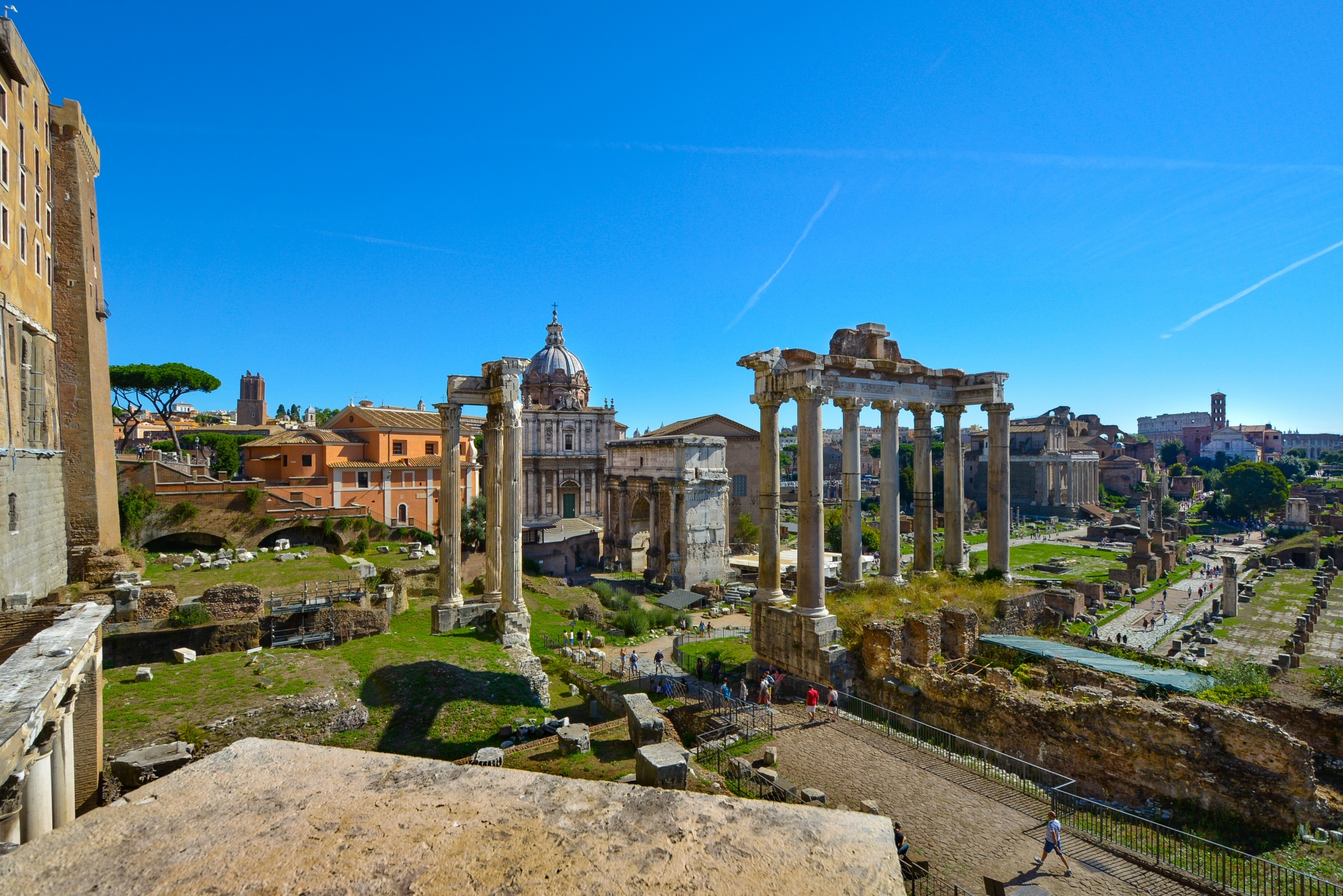

Stories with evidence behind them
A speech recorded long after an event, a contemporary coin and an excavated building can each tell us something valuable. They also answer different questions. Histovia’s approach is to identify the kind of source being used and consider what its creator could know, wanted to communicate or chose to leave out.
That distinction is especially important when legend meets history. Homer’s Hector can illuminate ancient ideas about duty and grief; the archaeological remains of Troy tell us about a real place. Reading both carefully allows each to contribute without turning a poem into an eyewitness report.
Original analysis here means explaining connections and weighing evidence in the article’s own words. It also means making room for disagreement, identifying later artistic interpretations and linking sources so readers can look more closely for themselves.
Where to begin
- The Birth of the Roman Republic considers the relationship between Rome’s founding traditions and its political institutions.
- A Brief History of the Roman Colosseum explores the building, the spectacles and the society around them.
- Hector of Troy: Duty, Family and Tragedy in the Iliad follows a literary hero while keeping the limits of historical evidence in view.
October’s focus: World War II
The October 2026 focus is World War II, including the decisions, intelligence work and experiences behind familiar turning points. Start with Operation Fortitude, an examination of the deception campaign surrounding D-Day and the effort to keep German attention on Calais.
Whether you arrive through ancient Rome, a wartime operation or a story you have known since childhood, there is value in pausing over the evidence. History becomes more interesting when we ask how the account was built, whose perspective it preserves and what remains unresolved.