
Everyday Life & Culture
Alewives and the Work of Brewing in England from 1300 to 1500
From Howden’s women brewers to Oxford’s regulations and Margery Kempe’s failed brewery, English ale-making reveals how household skill, money and public authority shaped women’s work.
In the Yorkshire market town of Howden in 1379, women occupied a conspicuous place in the sale of ale. Historian Judith Bennett identifies nine women outside marriage, including single women, widows and possibly separated wives, supporting themselves through brewing. Eleven married women and one bachelor also brewed commercially. These were business operators, and the women working outside marriage cannot be understood merely as helpers in a husband’s trade.
This is a useful starting point for the history of English alewives. Between about 1300 and 1500, brewing connected household labor with markets, credit, law and reputation. Women were prominent in the trade, but their opportunities differed between a village, a university town and a large port. The changes that gradually favored larger, male-identified businesses did not happen everywhere at once.
The subject also requires a vocabulary warning. In late medieval English usage, ale generally meant an unhopped drink, while beer increasingly distinguished a beverage made with hops. Modern distinctions based on yeast type do not map neatly onto these historical words. A brewster was a woman who brewed; an alewife might produce drink, sell it, or do both.

Household work with a market beyond the door
The boundary between home and workplace was porous. Brewing could provide a family’s drink and produce a surplus for sale, or it could be undertaken deliberately for customers. Some women brewed occasionally; others made it a substantial source of income. Those differences matter more than a romantic picture in which every household contained the same cheerful cottage business.
The work could fit around other responsibilities because some stages involved waiting, but this should not be confused with ease. Carrying water and fuel, handling grain, cleaning vessels, managing fermentation and selling the result required time and physical effort. If a batch failed, the loss included materials already bought or grown and labor that could not be recovered.
A brewer also depended on other people’s work. Farmers supplied grain; maltsters and millers might prepare it; coopers and potters made containers; carriers moved goods. Like the labor behind Pompeii’s bakeries, the production of an ordinary staple becomes much more complicated when attention moves from the finished food or drink to the people supplying it.

Skill before thermometers
The basic sequence involved malting grain, crushing it, extracting its sugars with heated water and fermenting the liquid. Barley was important, but oats and other grains also entered English brewing according to local supply and practice. Some brewers purchased malt rather than carrying out every stage themselves.
Karl Hagen’s 1995 conference paper on brewing, presented to the Medieval Association of the Pacific, examines household accounts and technical descriptions to connect process with expense. A vessel, milling arrangement or supply of fuel was an economic commitment. Larger production demanded more resources before a sale could return any money.
The brewer’s skill was practical and repeatable even though its chemical basis was unknown. Judging warmth, noticing changes in a batch and managing yeast did not require a modern scientific explanation to be demanding work. Historical writing that calls the occupation unskilled can obscure the distinction between limited formal status and the knowledge needed to produce something customers would buy.
Ale’s durability varied with ingredients, strength, temperature and handling. Much production and sale was local, but a universal claim that every batch became undrinkable after exactly two or three days is too rigid. Nor does the drink’s popularity prove that all available water was poisonous. In 1345 London authorities sought to stop brewers from depleting the Great Conduit, whose supply served other residents. The Grub Street Project’s historical entry on the conduit reproduces evidence from older documentary scholarship. Competition over useful water is a more specific historical problem than the claim that nobody drank it. Local conditions, food habits, taste, purchasing power and expectations all belong in the explanation.
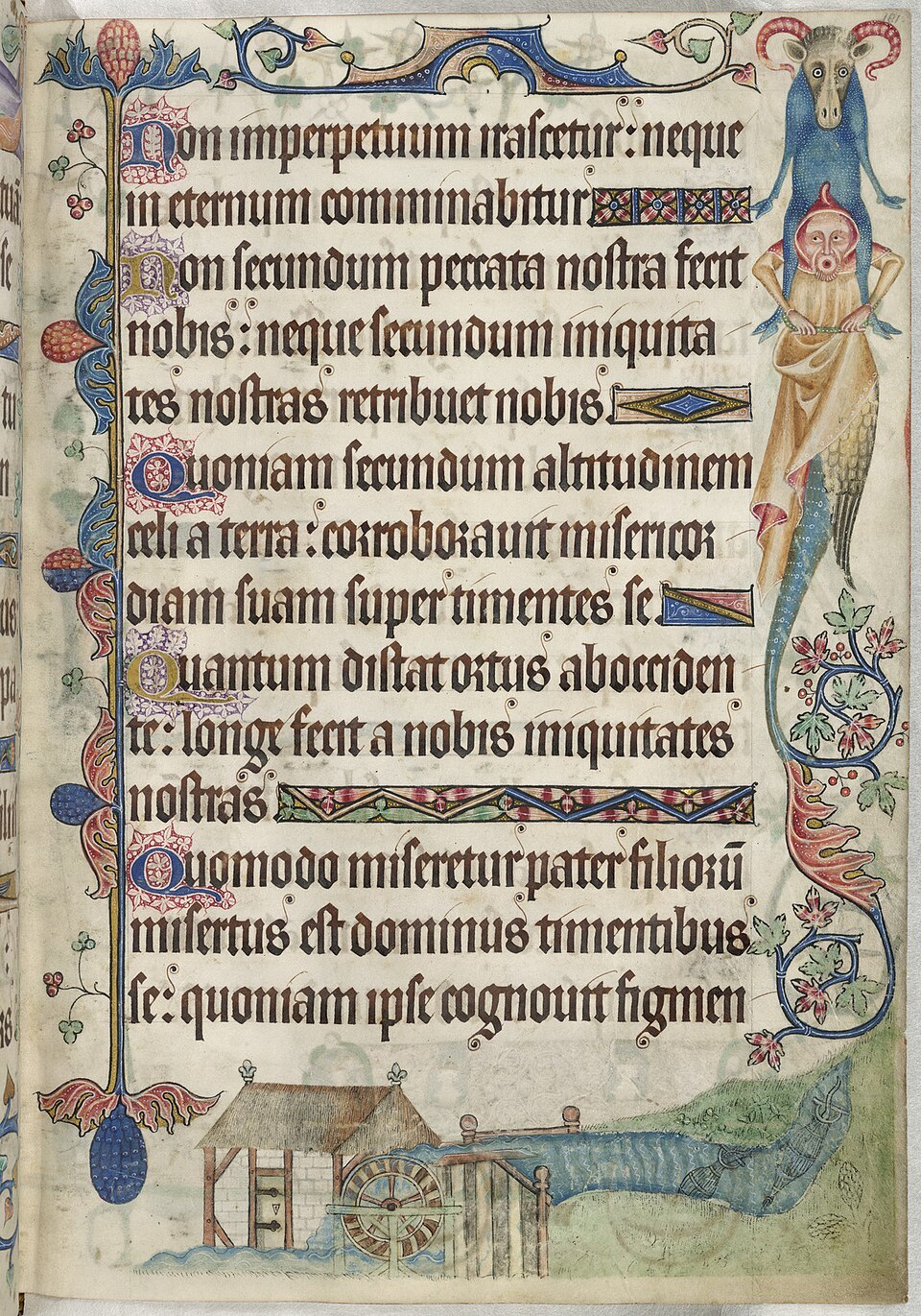
Why court records are full of brewers
Brewing is unusually visible in medieval records because authorities regulated it. The assize of ale linked the selling price to the cost of grain. A surviving formulation, available through Fordham University’s Medieval Sourcebook, distinguishes what brewers should sell for a penny in towns and outside them. This was an attempt to define fair exchange in a market for an everyday necessity.
At the specified grain prices, the assize allowed two gallons for a penny in cities and a larger quantity outside them. A second formula paired three gallons in town with four beyond it. The difference matters: the law itself recognized that location affected the terms of sale. Its national ambition did not mean a single price applied irrespective of market conditions.
The text also sets out punishments for repeated breaches. Its specific reference to a woman brewer is evidence that lawmakers expected women in the trade. It is not a census proving that all brewers were female. A rule tells us what authorities wanted to prescribe; court proceedings and household records help show how actual people operated within and around it.
Local enforcement generated lists of names and payments. These are invaluable, but they must be read as administrative documents. An entry connected with brewing does not necessarily describe a spectacular case of adulteration. Researchers distinguish individual complaints from recurring presentments and charges that could function as routine regulation or revenue collection. Otherwise, counting entries can turn a town’s regular producers into an implausible population of habitual fraudsters.
A translated court roll from Ilmer with Aston in Buckinghamshire gives the process names and a date. At the court held on 28 November 1397, the ale-tasters presented Richard Boll and Emma Heynes for brewing against the assize. Matilda Mathon was presented both for selling contrary to it and for failing to summon the tasters. The entries put men and women within the same machinery of supervision and distinguish production from sale and inspection. They do not explain a recipe or describe what a customer actually tasted.
The same sitting names Alice Clarkes and Emma Allyn among the brewers presented at Aston. It also records a covenant claim against John Jekyn and Alice his wife, identifying her as previously married to Henry Est. That entry concerns a different legal matter, not a brewing transaction. Yet it shows directly how a clerk could locate a woman’s current obligations through both her present and earlier marriage.
Nor do names alone settle who performed the work. A husband’s appearance could reflect household liability or public standing while his wife remained active in production. A woman’s absence from a particular list may therefore mean a change in recording practice rather than the disappearance of her labor. The safest interpretation compares several kinds of evidence and asks what each record was designed to capture.
Court rolls also preserve women doing more than selling drink. A University of Birmingham study of peasant women’s agency uses the Norfolk manor of Heacham to examine economic resources and litigation. Women brought claims, answered complaints and operated within relationships of debt and obligation. Brewing belonged in this wider village economy.
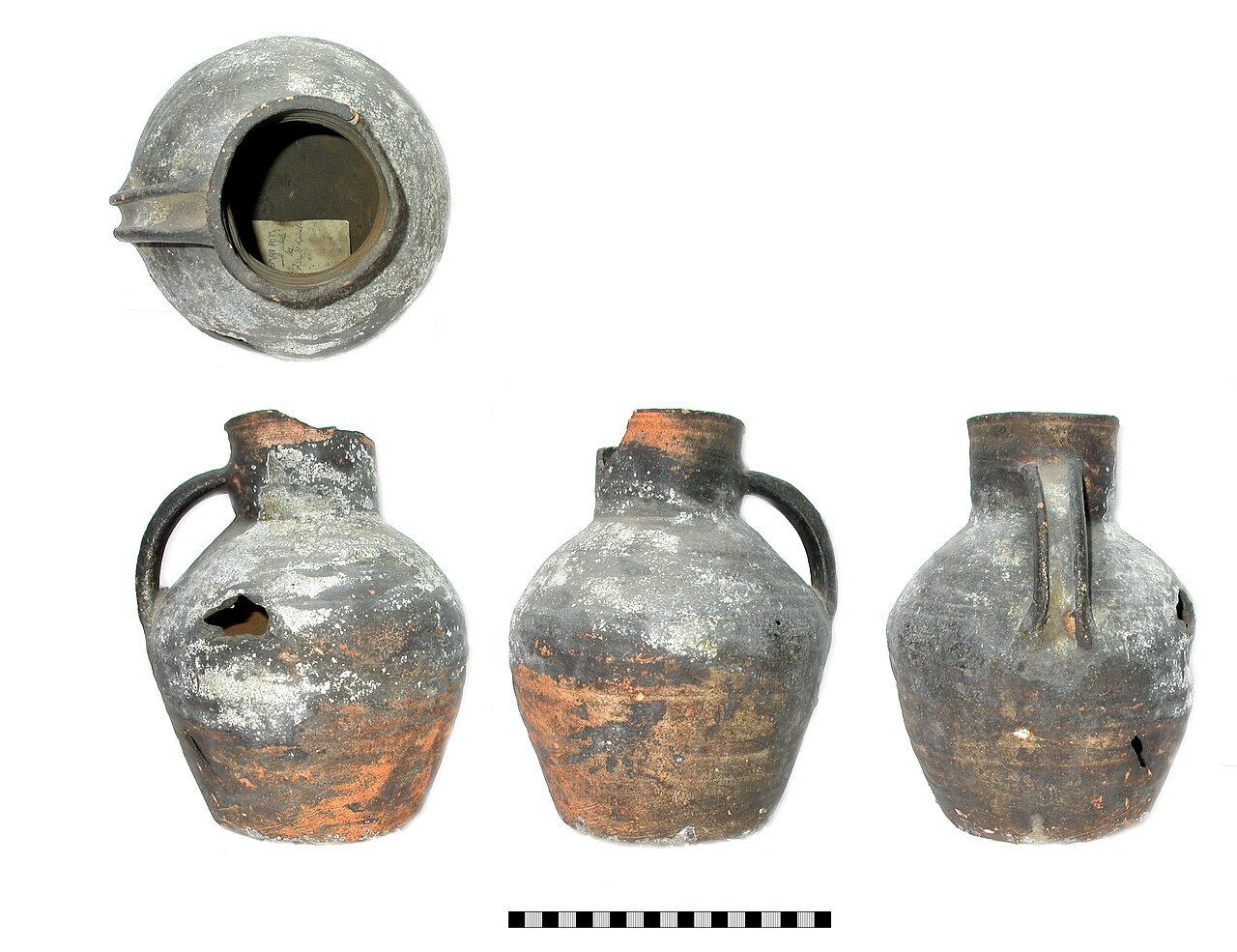
Oxford's customers and regulators
Oxford adds another variation. Its scholars formed a concentrated market for food and drink, while the university acquired extensive authority over local trade. The Museum of Oxford’s account of alewives identifies named female brewers and traces the pressure of regulation and expanding businesses. Following the upheaval of 1355, university jurisdiction became particularly important.
For a small brewer, a regular institutional customer could offer opportunity. It could also create dependence on a powerful purchaser and regulator. Requirements concerning quality, price and responsibility were not experienced equally by a woman selling occasional batches and a prosperous household able to maintain a larger operation.
The Oxford evidence should remain an Oxford case. A university town had an unusual political and commercial structure. Its patterns cannot simply be projected onto every village in Yorkshire or every neighborhood in London. The value of comparison is that it exposes the mechanisms that differed: who bought, who supervised, who possessed equipment and who could afford the consequences of a dispute.
A failed brewery in Margery Kempe's account
A rare narrative provides a different view. Margery Kempe, associated with Bishop’s Lynn, now King’s Lynn, described a brewing venture near the beginning of her book. She presented herself as one of the town’s substantial brewers for several years before repeated failures caused losses. Her servants, despite their knowledge of brewing, could not make the enterprise succeed.
The Middle English Texts Series edition of The Book of Margery Kempe preserves her description of the barm falling and the ale being lost. In the account, business failure becomes part of a spiritual history. Kempe explains it through pride, divine correction and the rejection of worldly ambition.
That purpose shapes how historians can use the passage. It tells us that a woman could describe herself directing a sizable brewing business with knowledgeable employees. It also shows that practical expertise did not eliminate commercial risk. It cannot identify the precise microbiological reason a batch failed. Modern suggestions about temperature, yeast or contamination remain hypotheses, not diagnoses recovered from her brief account.
Kempe’s testimony is particularly valuable because it gives a woman a narrative presence usually absent from tax lists. It is also unusually shaped by retrospective religious interpretation. Reading it alongside administrative records allows each source to correct the expectations created by the other. A court roll rarely supplies a motive; a spiritual autobiography is not a balance sheet.
Larger businesses and less visible wives
Janet Loengard’s scholarly review of Bennett’s research emphasizes capital, uneven change and women’s participation in London’s brewers’ guild in the early fifteenth century. Membership did not necessarily bring equal authority. As businesses became more specialized, women could remain active while husbands increasingly represented the household publicly. The distinction matters: a change in who controlled an enterprise or appeared before officials need not mean its female workers had stopped brewing.
Hopped beer and an uneven transition
Hops changed commercial possibilities by helping beer keep longer. Greater durability supported storage and movement to more distant customers. Historian Richard Unger’s account of the medieval brewing economy places this development within northern European trade, where towns and shipping networks could sustain production on a wider scale.
England’s adoption was gradual. Milan Pajic’s research on immigrant beer brewers examines the role of people from the Low Countries and the difficulty of assigning one neat date to the beginnings of English beer production. A new technique arrived through migration, markets and established relationships, rather than appearing everywhere at once.
Hops did not physically prevent women from brewing. The relevant questions concern who had access to equipment, finance, employees and customers when the new businesses expanded. A technological change could create opportunities while distributing them unevenly. Ale also continued alongside beer; an older product did not instantly vanish when a more durable competitor became available.
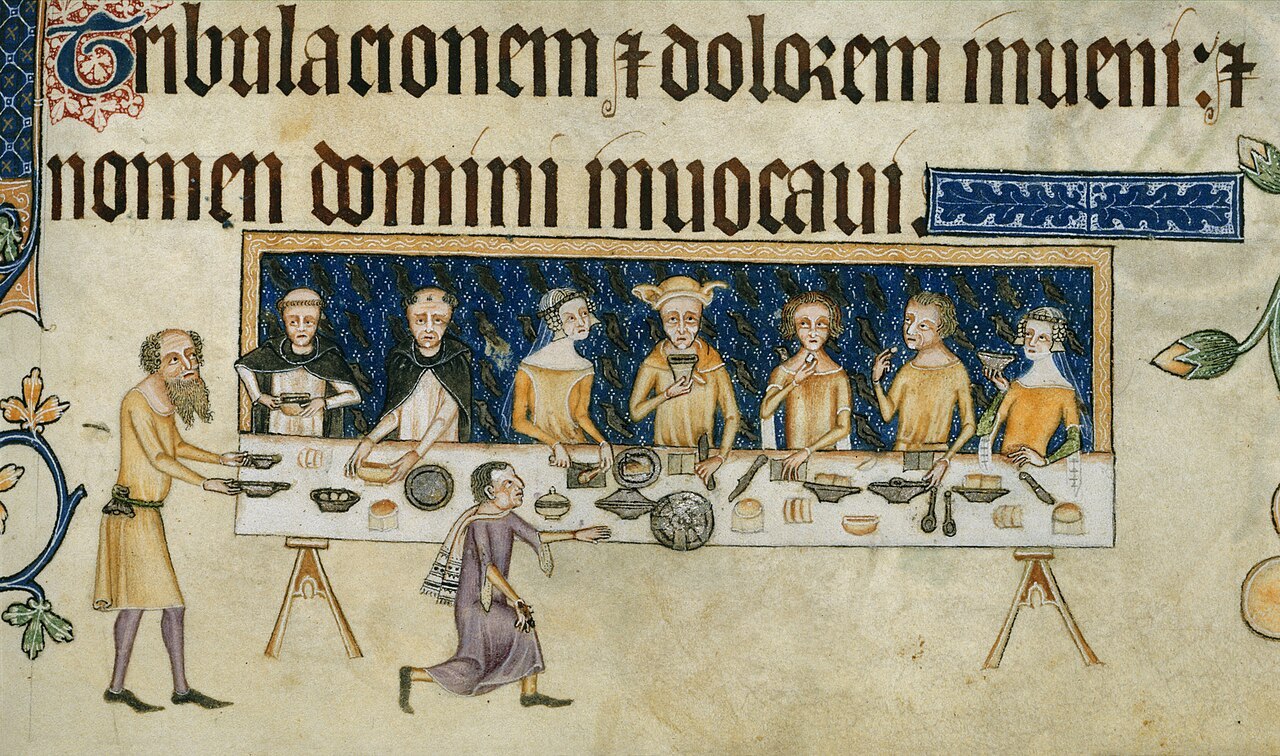
Reputation is evidence of judgment
Images and literature often presented female drink sellers as dishonest, disorderly or sexually threatening. The Smithfield Decretals’ depiction of an alewife, from a fourteenth-century moralizing narrative, places her in the story of a sinful hermit. It documents an artist’s and audience’s ideas about temptation, not a representative working day observed at an English brewery.
The same caution applies to later claims that alewives were expelled from brewing in one coordinated witch hunt. A resemblance between a later witch image and a brewer’s equipment cannot establish that account. The English evidence points to overlapping changes in markets, institutions, household authority and cultural reputation. It does not support replacing that history with a single dramatic cause.
Between 1300 and 1500, women brewed, sold, managed, borrowed and sometimes failed. Some worked independently; others operated within households whose public records favored men. Their history survives in scattered entries, vessels, pictures and an exceptional personal narrative. Taken together, those traces show that providing an everyday drink was skilled economic work, and that a growing industry could change the distribution of recognition and reward without making women’s labor disappear.
Sources and further reading
- Historian Judith Bennett identifies nine women outside marriage
- Karl Hagen's 1995 conference paper on brewing
- Grub Street Project's historical entry on the conduit
- Fordham University's Medieval Sourcebook
- translated court roll from Ilmer with Aston in Buckinghamshire
- University of Birmingham study of peasant women's agency
- Museum of Oxford's account of alewives
- Middle English Texts Series edition of The Book of Margery Kempe
- Janet Loengard's scholarly review of Bennett's research
- Historian Richard Unger's account of the medieval brewing economy
- Milan Pajic's research on immigrant beer brewers
- Smithfield Decretals' depiction of an alewife