
WORLD WAR II · PACIFIC THEATER
Midway: How Intelligence Became a Battlefield Advantage
Codebreakers helped Nimitz put three carriers in Japan’s path. The battle that followed was a desperate sequence of missed targets, devastating losses, and sudden reversals.
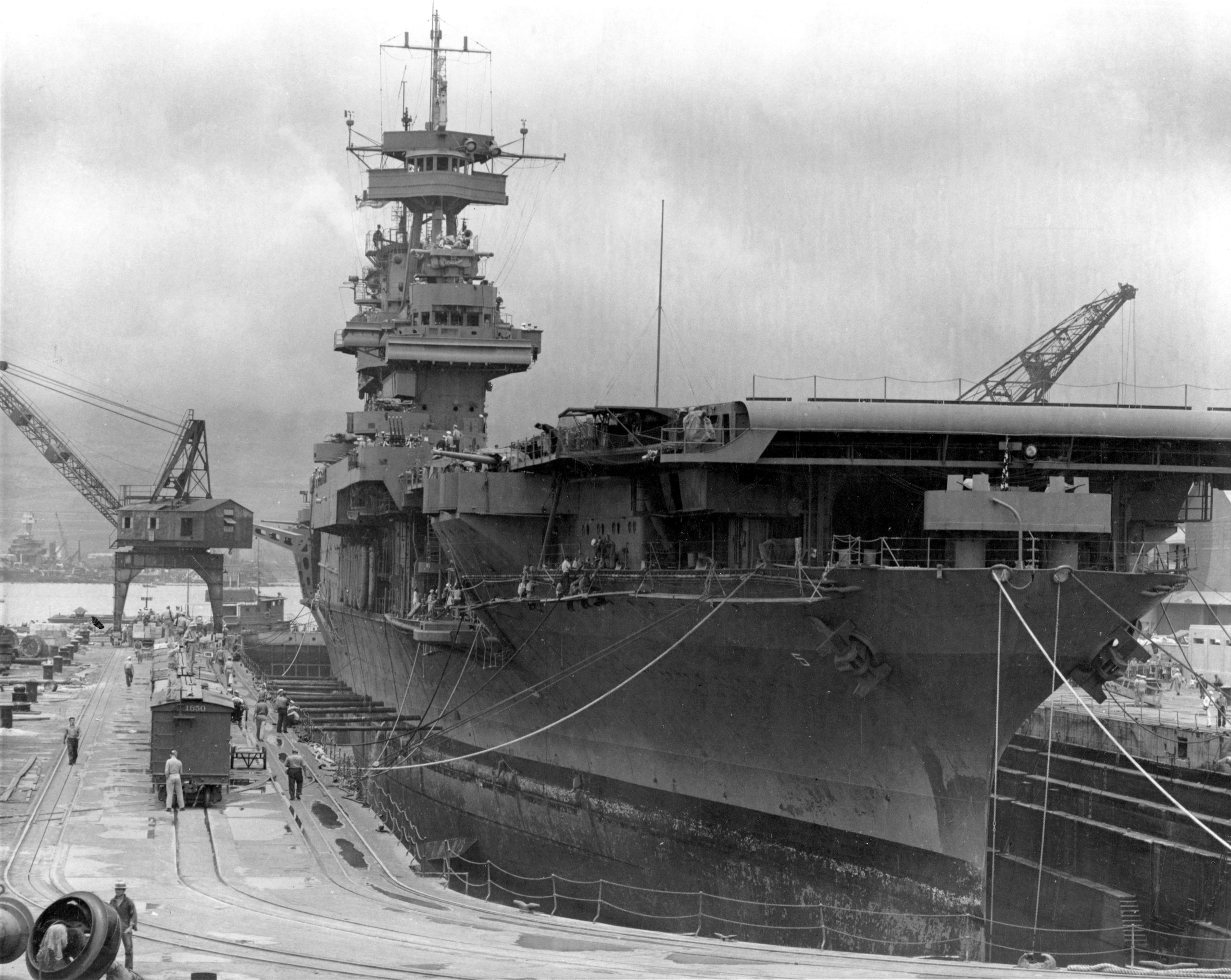
On 29 May 1942, USS Yorktown sat in a dry dock at Pearl Harbor, still carrying damage from the Battle of the Coral Sea. The next day she sailed to fight again. Shipyard workers had done in roughly three days what the coming emergency demanded: make an injured aircraft carrier useful enough for another battle.
That urgency began with information gathered far from the dock. American codebreakers had worked out that Japan was preparing to attack Midway, an American-held atoll northwest of Hawaii. Admiral Chester Nimitz intended to put his carriers in the enemy’s path. With Yorktown, he would have three.
A week later, four Japanese carriers were lost and the invasion of Midway had been abandoned. But the American victory was no smooth execution of a secret plan. Some aircraft never found their targets. Torpedo squadrons were devastated. Even after three Japanese carriers were burning, the fourth struck back hard enough to put an American carrier out of action.
Yamamoto sets a trap
Admiral Isoroku Yamamoto wanted to destroy the American carriers that had escaped the attack on Pearl Harbor. Midway offered a way to draw them out. Japanese carrier aircraft would hit the island’s defenses, an invasion force would occupy it, and the American fleet would be defeated when it came to respond.
The Japanese plan spread ships across a huge area. Battleships, transports, submarines, and carrier groups each had an assigned part. But ships far from the carrier battle could not help simply because they appeared in the same plan. The decisive striking force under Vice Admiral Chūichi Nagumo contained four fleet carriers: Akagi, Kaga, Sōryū, and Hiryū.
Two others were missing. Shōkaku had suffered serious damage at Coral Sea in May, while Zuikaku had lost too many aircraft and aircrew to join the operation as planned. Historian Jonathan Parshall’s account of Coral Sea explains why that earlier battle mattered at Midway: Japan’s striking force would sail without two of its strongest carriers.
Yamamoto expected to spring the trap on a reacting enemy. Instead, Nimitz was already preparing an ambush.
The target called “AF”
The Americans could not read every Japanese naval message. Analysts had broken enough of the system they called JN-25 to recover fragments. These were combined with call signs, traffic patterns, and earlier identifications. Teams in Hawaii, Australia, and Washington worked on the same larger puzzle.
Commander Joseph Rochefort’s group in Hawaii believed the operation’s target, called “AF,” was Midway. Some analysts in Washington remained unconvinced. The best-known account describes a test: Midway transmitted an unencrypted message reporting trouble with its water supply, and Japanese reporting about AF’s water shortage helped confirm the identification.
The National Security Agency recounts that episode, but it should not swallow the rest of the story. Frederick Parker’s detailed intelligence history notes gaps in its direct documentation and shows that Pacific analysts had linked AF to Midway much earlier.
Nimitz received a persuasive estimate of the target, timing, and attacking strength. He did not receive a moving picture of the Japanese fleet. He still had to send his scarce carriers to the right stretch of ocean, and their pilots would still have to find the enemy there.
Three carriers sail into position
Enterprise and Hornet left Pearl Harbor on 28 May. Emergency work allowed Yorktown to follow on the 30th. She was not completely repaired; she was ready enough to fight. The distinction mattered to the shipyard workers and to the men taking her back to sea.
Rear Admiral Frank Jack Fletcher, aboard Yorktown, was the senior American officer at sea. Rear Admiral Raymond Spruance commanded Enterprise and Hornet. They concentrated northeast of Midway, where they could attack the Japanese approach rather than chase it from Hawaii.
On the atoll, reinforcements and aircraft strengthened the garrison. Long-range patrol planes searched the surrounding ocean. Their task was to turn an intelligence forecast into an actual sighting, with a position that an attack force could use.
This was a particularly unforgiving kind of search. A ship could cover many miles while a report was transmitted, aircraft were launched, and pilots flew toward its last known position. A correct report could become an empty patch of sea by the time the attackers arrived.
4 June: the island is attacked
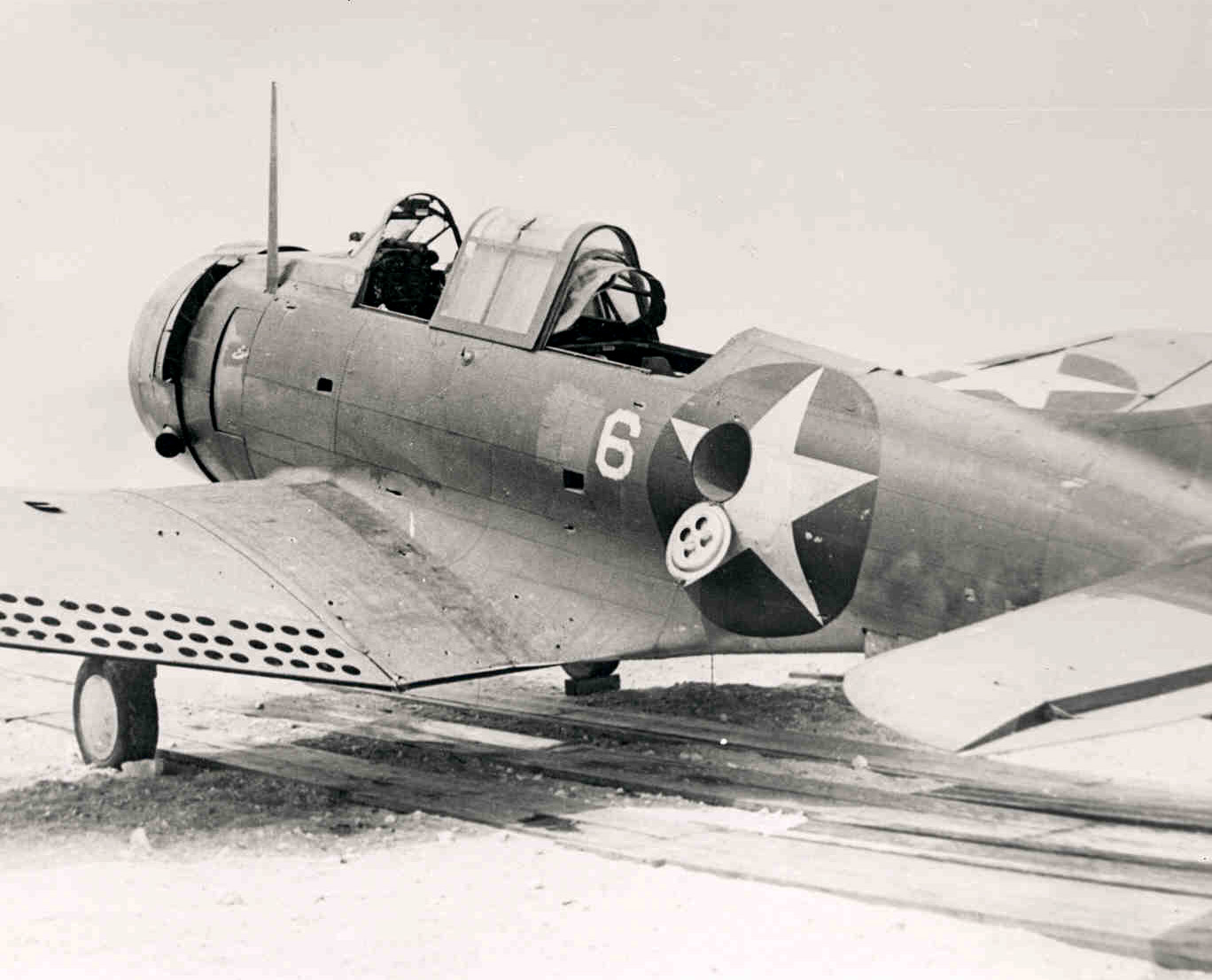
Early on 4 June, Nagumo launched his first strike against Midway. Japanese aircraft bombed the base and inflicted heavy losses on the defending fighters. Yet the airfield remained usable. The returning strike commander reported that another attack was needed.
Aircraft from Midway were already attacking the Japanese ships. Their efforts came in separate groups and caused no decisive damage to the carriers. Torpedo planes and Marine bombers suffered terribly against Japanese fighters and antiaircraft fire. The National Park Service’s account makes clear that the island remained an active base throughout the crisis.
Nagumo now had several urgent jobs competing for the same flight decks. He needed to recover the aircraft returning from Midway, keep fighters airborne over his ships, and prepare another strike. Then a scout reported American ships. Later information identified a carrier among them.
Aircraft being prepared to attack an island needed different weapons from aircraft attacking warships. Rearming took time. So did moving planes between hangar and flight deck, refueling them, and arranging a launch. Nagumo’s decisions had to fit these physical limits while American attacks kept forcing his ships to maneuver.
Meanwhile, the American carriers had begun launching their own strikes. The aircraft that would decide the battle were already in the air.
The torpedo squadrons arrive alone
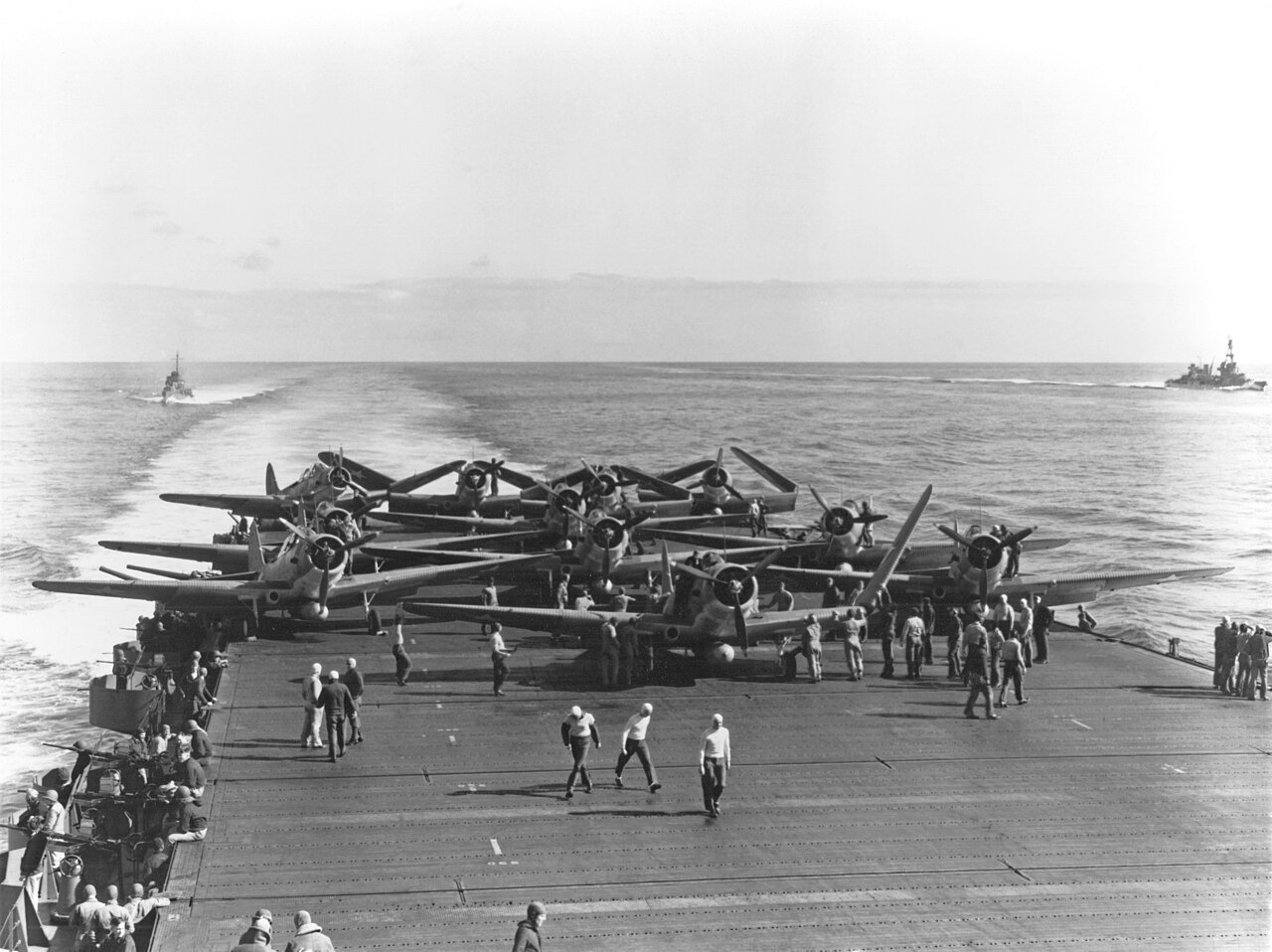
The American attack quickly lost the coordination its planners wanted. Dive bombers, fighters, and torpedo aircraft did not reach the Japanese as one combined force. They traveled at different speeds, followed different courses, or became separated during the long flight.
Hornet‘s torpedo squadron found Nagumo’s carriers, but its dive bombers missed them. Exactly why the larger air group flew the course it did remains disputed. Historian Craig Symonds compares the conflicting accounts, including the carrier’s report and pilots’ recollections. The disagreement is a warning against drawing one confident line on the map.
For the torpedo crews, there was no such distance from the immediate problem. Their slow Devastators had to approach low over the water to launch weapons at ships protected by fighters and guns. All fifteen of Hornet‘s carrier-launched torpedo aircraft were lost. Ensign George Gay was the only survivor of their crews.
Torpedo squadrons from Enterprise and Yorktown also attacked and suffered severe losses without scoring a hit. These were attempts to sink the enemy, not men deliberately dispatched as a sacrificial diversion.
The repeated attacks occupied Japanese fighters and kept the carriers turning. They contributed to the circumstances in which the next American aircraft arrived. But no American commander had choreographed the terrible losses below and the coming attack from above.
Three carriers burn in minutes
High above the ocean, Enterprise‘s dive bombers were running short of fuel without finding the Japanese carriers. Air-group commander Wade McClusky continued searching. He spotted a Japanese destroyer and used its course as a clue to where the main force might be.
The decision brought his aircraft to the fleet. Almost simultaneously, dive bombers from Yorktown approached from another direction. Shortly after 10:20 a.m., their attacks transformed the battle.
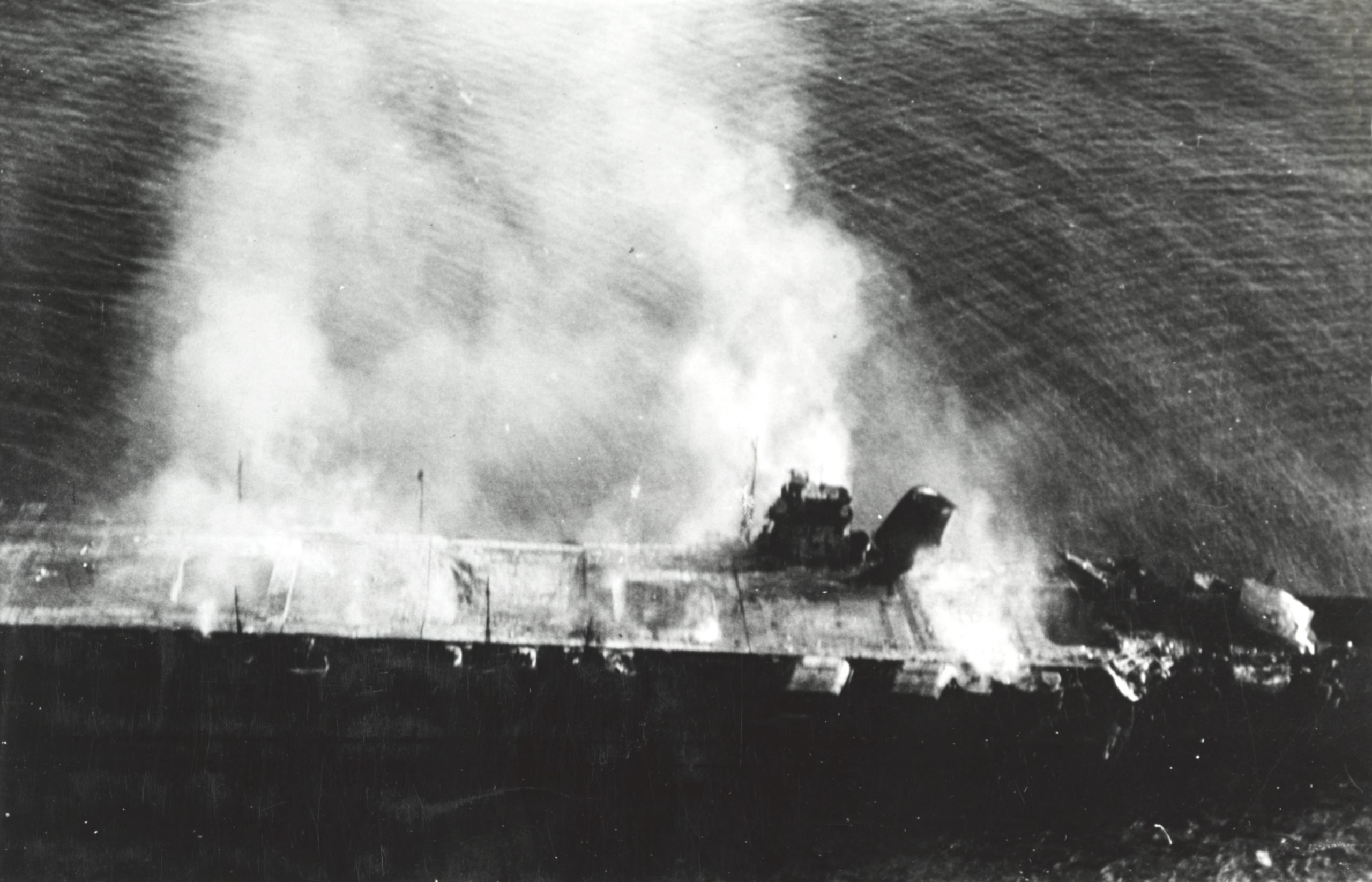
Dive bombers aimed by plunging steeply toward a ship before releasing their bombs and pulling out. Unlike the torpedo aircraft, they attacked from high above the defenders. American bombs struck Kaga, Akagi, and Sōryū. Fires spread through the carriers, fed by aircraft fuel and ammunition. Within minutes, all three were out of effective action.
The National WWII Museum’s account of the attack on Kaga follows McClusky’s search and the dives that followed. The success depended on pilots finding the fleet after earlier failures to locate or damage it.
A famous later version described the Japanese flight decks as packed with aircraft, just five minutes from launching a devastating counterstrike. Modern work on Japanese carrier operations has challenged that picture. The Naval Institute’s discussion of Mitsuo Fuchida’s accounts points to the mismatch with other evidence. The bombs were decisive without that dramatic countdown.
Hiryū fights back
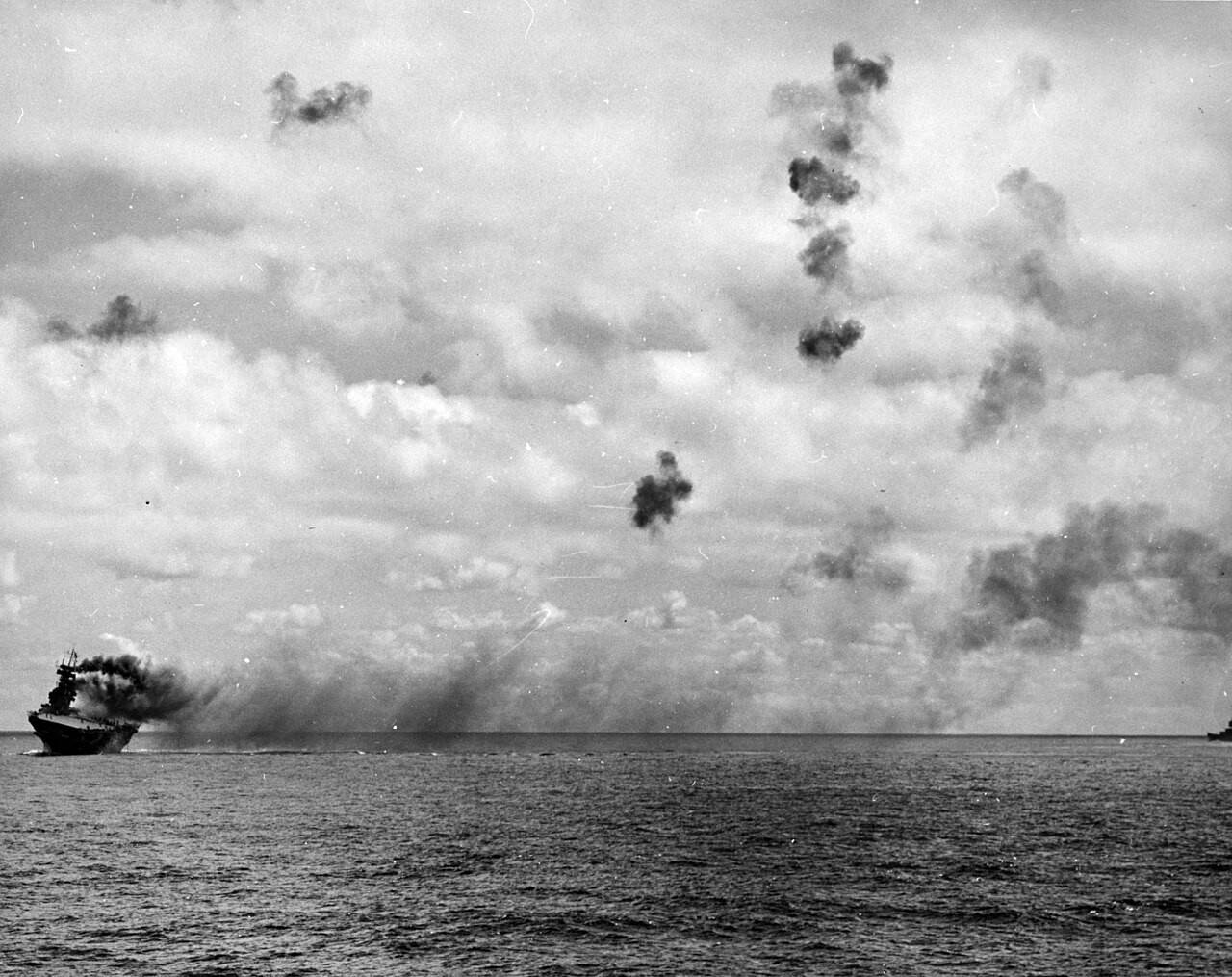
One Japanese carrier remained. Hiryū launched two attacks that found Yorktown. The first struck her with bombs, starting fires and stopping her. Her damage-control teams fought the fires, patched the flight deck, and restored movement.
Then the second attack arrived. Torpedoes hit the carrier, and she developed a serious list. The ship that Pearl Harbor’s workers had hurried back into battle was once again fighting to stay afloat. The Navy’s wartime damage report records three bomb hits and two aircraft torpedo hits on 4 June.
American scouts found Hiryū, and dive bombers flying from Enterprise crippled her late that afternoon. Japan had lost the use of all four carriers committed to the striking force. By the following morning, the remaining burning carriers had been abandoned or were being sent to the bottom.
The victory, and the ships that did not return
The fighting continued after 4 June. American aircraft pursued the withdrawing Japanese forces, sinking the heavy cruiser Mikuma on 6 June. Yamamoto’s Midway invasion was canceled.
There was still hope for Yorktown. A salvage party returned, and the destroyer Hammann came alongside to help. On 6 June, the Japanese submarine I-168 torpedoed both ships. Hammann sank quickly. Yorktown went down on the morning of 7 June.
Japan’s four lost fleet carriers were the battle’s decisive result. Their destruction broke up the powerful carrier force that had led the opening campaigns of the Pacific War. It did not wipe out all Japan’s experienced naval aviators or end its ability to mount major operations. When American forces landed on Guadalcanal in August, a long and costly struggle followed.
At Midway, Nimitz had used intelligence to put three carriers where they could intervene. Shipyard workers had made the third available. Scouts found the enemy, and enough attacking aircraft reached it to deliver a crushing blow. The victory was built across all those stages, including the failures and losses between them.
Sources and further reading
- Frederick D. Parker: A Priceless Advantage.
- NSA: Water Shortage.
- Naval History and Heritage Command: H-Gram 006.
- National Park Service: The Battle of Midway.
- Jonathan Parshall: The Battle of Coral Sea.
- Craig L. Symonds: Mitscher and the Mystery of Midway.
- Seth Paridon: First Strike at Midway.
- Alan D. Zimm: Commander Fuchida’s Decision.
- U.S. Navy: Yorktown Damage Report.
- National WWII Museum: Battle of Midway.
- National Museum of the U.S. Navy: 7 June 1942.
The disputed Hornet flight course and the “five minutes” account are not treated as settled facts. Japanese carrier losses did not eliminate every experienced naval aviator.
Continue the intelligence theme with Histovia’s ebook D-Day’s Invisible Front, which explores deception in Europe, and our Operation Fortitude article.