Before You Read Mary Beard’s SPQR: Who Gets to Be Roman?
A research-led introduction to the questions behind SPQR: belonging, evidence and the people hidden by a history of great men.
A book called SPQR seems to promise the whole Roman world in four letters. The abbreviation stands for Senatus Populusque Romanus, the Senate and People of Rome. It is an attractive starting point precisely because it raises a difficult question: which people, and what did it mean to belong?
Mary Beard’s SPQR: A History of Ancient Rome, first published in 2015, approaches roughly a millennium of Roman history rather than offering a parade of every emperor down to the empire’s conventional western ending. This article is a researched introduction based on publisher information, published reviews and related ancient evidence, not a claim to have examined every page of the book. The aim is to help you decide how to approach it and which questions to carry into your reading.
Why begin with Cicero rather than Romulus?
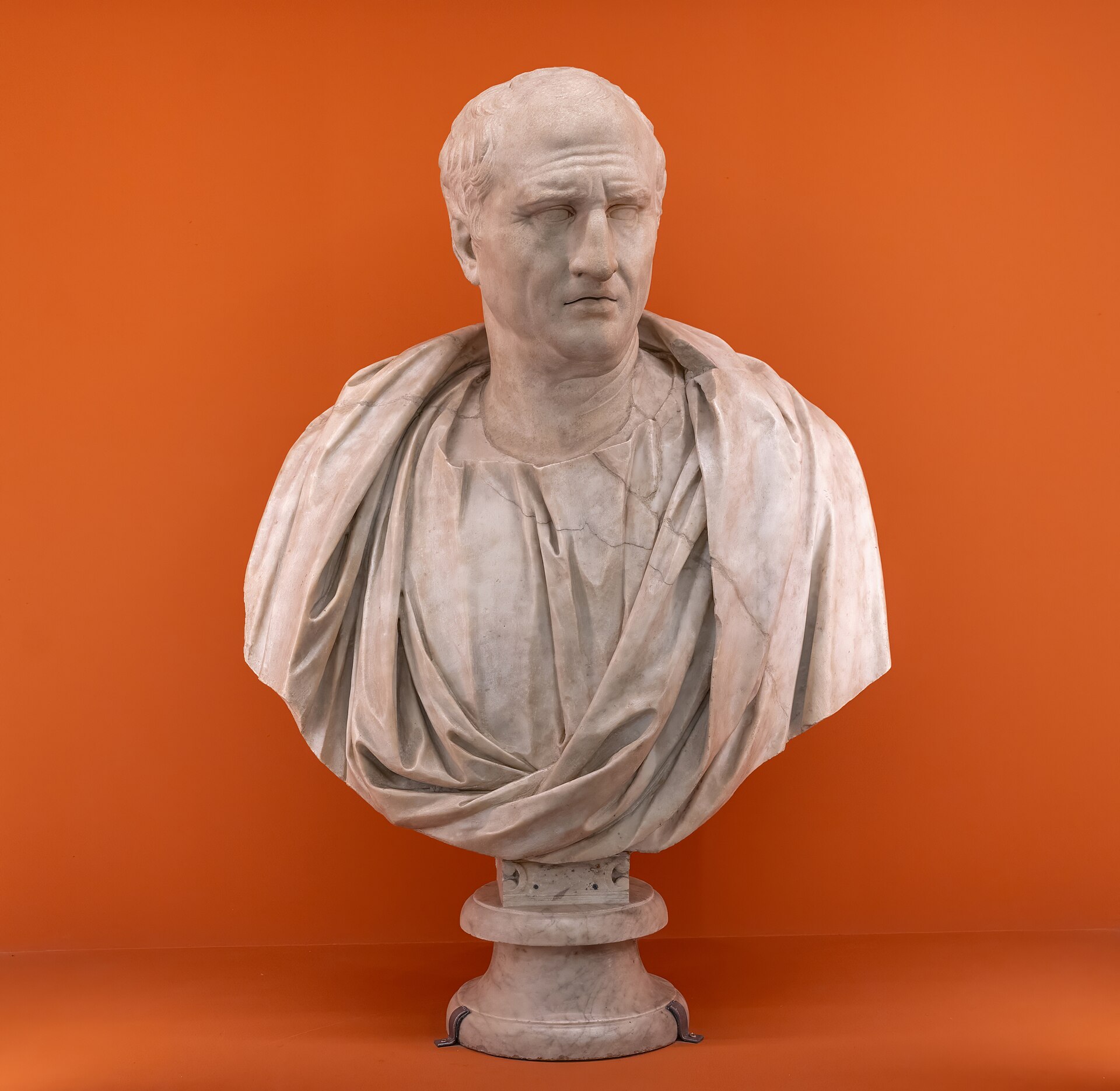
The publisher’s description places the opening in 63 BCE, with Cicero and the crisis associated with Catiline. That is an intriguing choice for a history whose chronological reach extends much further back. Instead of asking us to enter through a legendary founding, it brings us into a period with abundant political argument and identifiable writers.
Cicero is a particularly useful complication. He is not simply a source reporting on events from outside them. He was a participant whose actions, reputation and political ambitions were entangled with the story he told. His speeches against Catiline therefore invite two simultaneous readings: as evidence about a crisis and as attempts to define what the crisis meant.
Try the opening of the First Catilinarian alongside a modern account. Notice how quickly the speaker establishes urgency, identifies an enemy and makes his own vigilance part of the explanation. Asking how rhetoric works is not the same as deciding that nothing happened. It means refusing to let the survival of one powerful voice settle every historical question.
That is a useful habit for reading any account of Rome’s republican institutions. The people who left the most compelling descriptions often had the greatest stake in how those institutions were understood.
The founding stories are evidence of a different kind
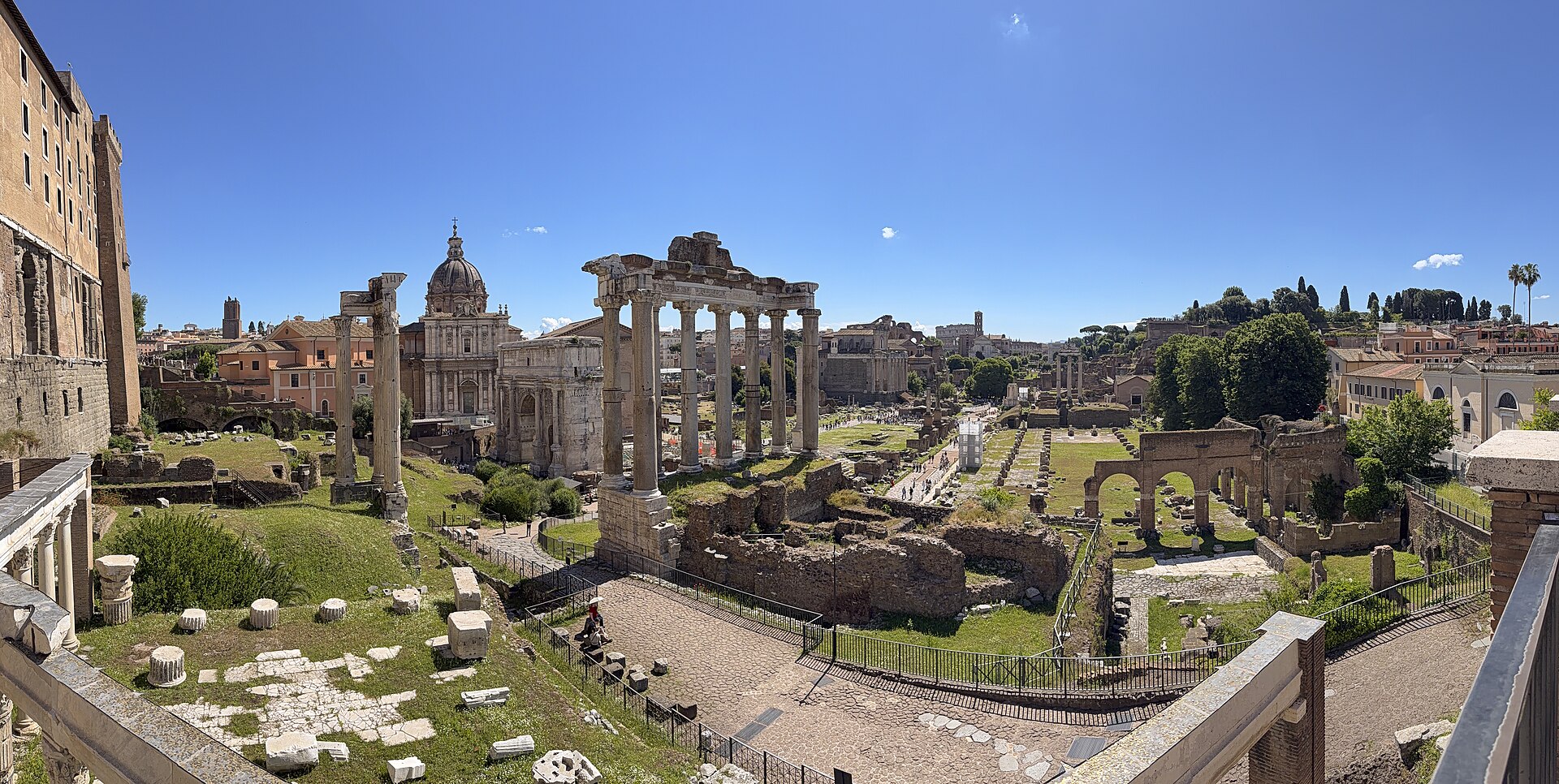
The University of Michigan Library’s discussion of the book emphasises the distance between Rome’s early traditions and the writers who recorded them much later. This is not a reason to discard founding stories. It is a reason to change the question we ask of them.
A tale about the origins of a community can reveal what later inhabitants wanted to claim about courage, outsiders, violence, ancestry or legitimacy. It does not become a contemporary report merely because it includes a precise name or a memorable scene. Archaeological evidence and literary memory need to be compared, not forced to perform identical jobs.
As a reader, it helps to distinguish “Romans told this story” from “this happened exactly as the story says.” A confident retelling can blur the two. Keep an eye on the verbs: believed, claimed, remembered, excavated, inferred. They tell us what kind of bridge is being built between the evidence and the narrative.
Citizenship is more than a label on a map
The book’s broad endpoint is Caracalla’s citizenship grant in 212 CE. That choice shifts attention away from the familiar question “Why did Rome fall?” and towards “How did being Roman change?” It also offers a way to connect institutions with individual lives.
A military diploma supplies a concrete example outside the book itself. The Metropolitan Museum’s bronze tablets dated around 149 CE record a grant of citizenship and marriage rights to discharged auxiliary veterans. The document belonged to a named recipient. Status was not just a philosophical ideal: it could be awarded, recorded and carried in material form.
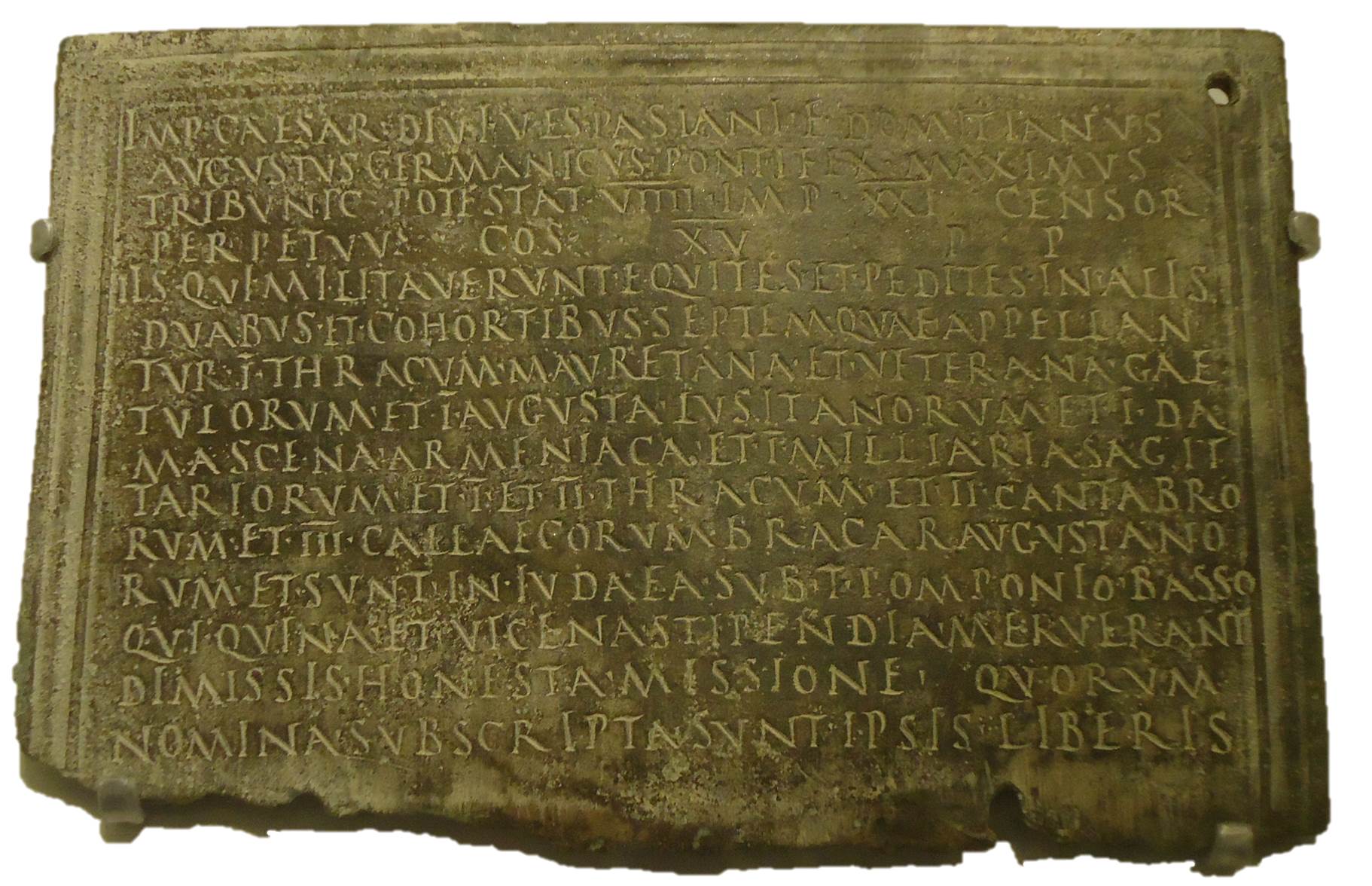
The example also prevents us from describing Roman expansion as either pure inclusion or pure exclusion. A route into citizenship could exist inside a system built through conquest and maintained by military service. Becoming a citizen did not erase differences in wealth, gender, dependence or power. An expanding legal category was not identical to modern political equality.
That distinction is worth holding onto whenever Rome is recruited into an argument about present-day immigration or national identity. The comparison may generate questions, but the ancient institutions cannot simply be transferred into a modern debate with the labels changed.
Why the endpoint is not a happy ending
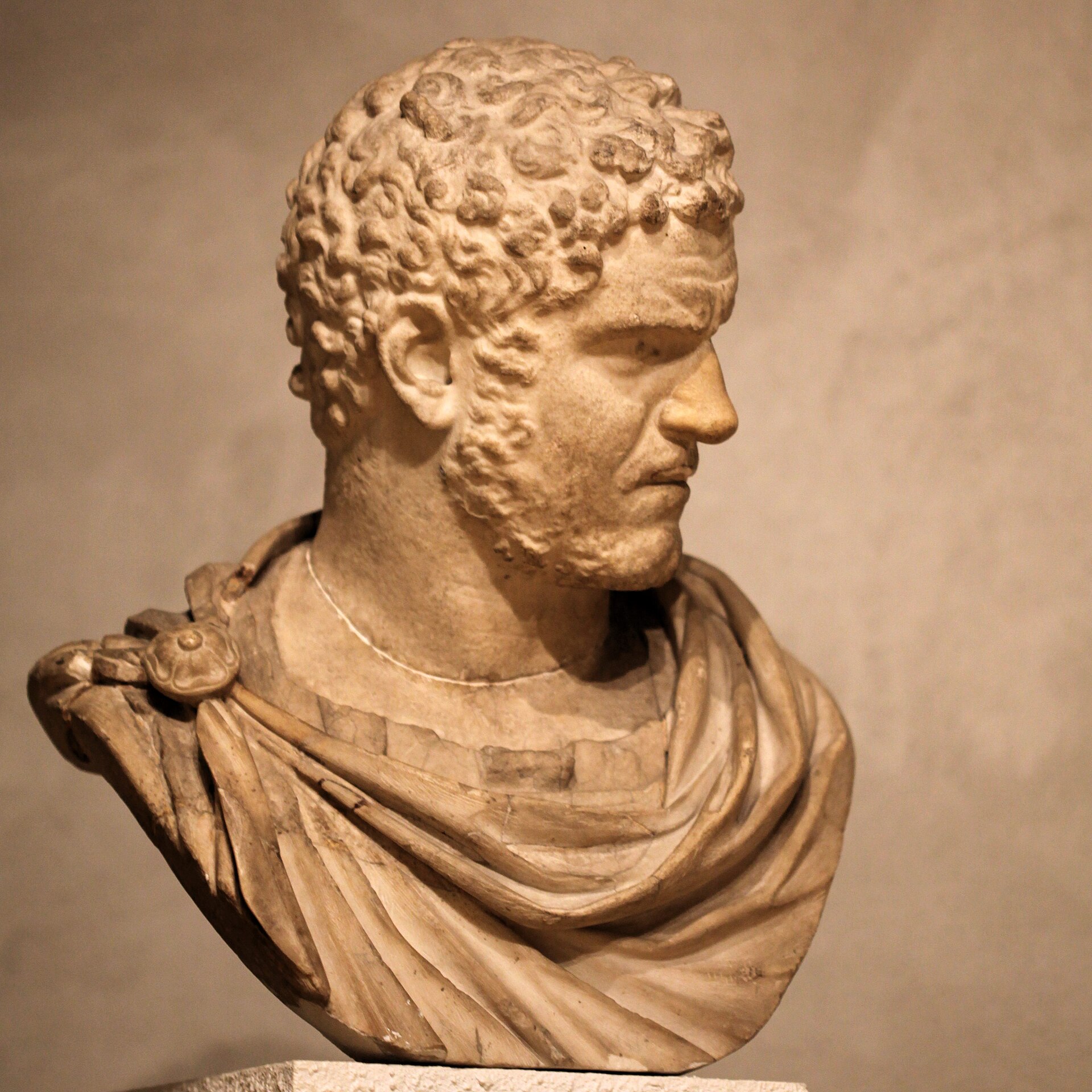
Giessen University’s presentation of the surviving citizenship edict is a valuable companion to the discussion. It explains both the broad grant to nearly all free inhabitants and the damaged state of the papyrus. Reconstructing the wording requires other evidence; the identity and implications of an exception remain difficult.
This is a useful antidote to an overly smooth textbook sentence. An event can be historically important and broadly understood while details of its language and application remain uncertain. The fragments are not an embarrassment to be hidden after the conclusion. They are part of how the conclusion is reached.
The word “free” also matters. A major extension of citizenship did not abolish enslavement. Nor should we assume that wider citizenship restored the political participation associated with an earlier republican ideal. Under an emperor, the meaning of belonging had changed alongside the number of people included.
Seen this way, 212 is not a neat victory of inclusion. It is a point from which to examine how an imperial society had transformed a status once tied much more narrowly to a city. It closes one kind of story while leaving many others open.
Can ordinary lives compete with emperors?
Publisher material and reviews identify everyday experience, inequality and slavery among the book’s concerns. That makes it a potentially useful alternative to histories organised entirely around the character of successive rulers. But no change of emphasis can make the surviving evidence equally generous to everyone.
A senator’s speeches may survive at length; a labourer may appear only indirectly. An inscription can identify a person without giving us their inner life. A workshop or bakery can reveal activity without preserving the voices of everyone who worked there. The historian must connect evidence without inventing the missing testimony.
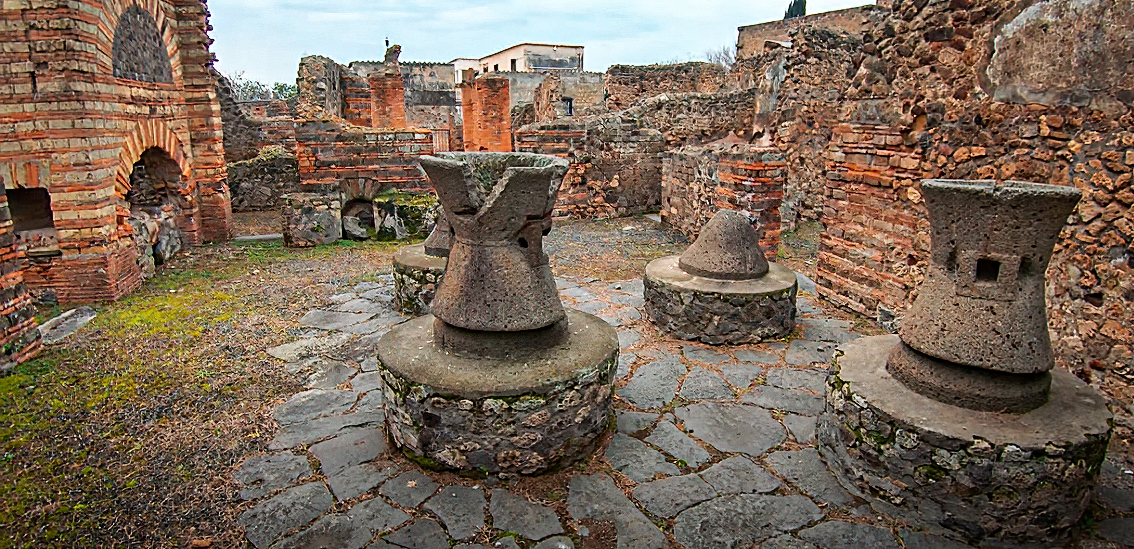
A Pompeian bakery is an instructive companion image, not an illustration claimed to come from Beard’s book. Its surviving equipment prompts questions about production, labour and dependence. Yet a modern photograph cannot tell us every worker’s legal status or reconstruct an ordinary day in full. The site is informative because of what it preserves, and challenging because of what it does not.
The same tension runs through Roman baths: a visitor can admire amenities while missing the labour that sustained them. A socially attentive reading asks who made elite comfort possible and how far the evidence lets us answer.
What the reviews help us see, and what they cannot settle
Peter Jones’s review for Classics for All describes a movement from a more chronological treatment of the Republic towards thematic treatment of the imperial period. He also raises reservations about parts of the interpretation. That is useful information for a prospective reader: the book is an argument with choices of emphasis, not a neutral container holding every fact about Rome.
A review should remain a signpost rather than a verdict borrowed whole. One reader’s welcome shift away from emperor-by-emperor narrative may be another reader’s frustration at losing chronological bearings. The practical response is simple: keep a timeline nearby, and decide whether your immediate aim is to follow events, examine institutions or understand historical method.
Nor does a successful general history eliminate the need for specialist reading. Military organisation, provincial societies, gender, religion and economic life each support large literatures. A broad account is most valuable when it opens those doors rather than giving the impression that they have all been exhausted.
A useful way to read SPQR
Carry three questions through the book. First, who is included when a source says “the Roman people”? Second, what sort of evidence supports the episode: a speech, a later narrative, an inscription, an object or an archaeological context? Third, which uncertainty is being acknowledged, and which assumption are you bringing yourself?
Those questions leave room for enjoyment. You do not need to turn every chapter into an examination. They simply make it easier to notice when a familiar tale rests on an unfamiliar kind of evidence, or when a grand political change looks different from the perspective of a household, soldier or enslaved person.
On the available evidence, SPQR is best approached as an invitation to rethink a familiar civilisation, not as a complete reference work or a manual of lessons for today. Its title gives us the right final question. Rome could keep invoking its Senate and People even as power, territory and membership changed dramatically. Reading that tension is more interesting than merely recognising the four letters.