
Greco-Roman Era · The late Republic
Julius Caesar’s Rise to Power
When Julius Caesar led troops across the Rubicon in 49 BCE, he already possessed something no ordinary Roman politician could match: years of military victories, an experienced army and a reputation he had carefully built in public. His rise had begun much earlier, through elections, borrowing, personal alliances and provincial commands.
This article follows that route to the outbreak of civil war. For the later dictatorship, assassination and political aftermath, continue with The Rise and Fall of Julius Caesar.
A famous name was only a beginning
Born in 100 BCE, Caesar belonged to the Julii, an old patrician family. Such ancestry offered prestige and connections, but high office still had to be won. His relatives also placed him close to the violent political divisions of his youth: his aunt Julia had married Marius, and Caesar married Cornelia, daughter of Marius’ ally Cinna.
According to Suetonius and Plutarch, the victorious dictator Sulla ordered Caesar to divorce Cornelia. Caesar refused and lost property and religious office before intervention on his behalf secured a pardon. The episode comes through later biographers, whose dramatic anecdotes require caution. Its larger setting is clear: Caesar entered public life in a republic where civil conflict had made political defeat potentially lethal. Suetonius, Julius 1.
Visibility, elections and expensive ambition
Caesar served as a soldier and developed a reputation as an advocate before advancing through elected office. A quaestorship in the 60s BCE helped establish his senatorial career. As aedile in 65 BCE, he spent heavily on public entertainments and displays. In 63 BCE, he won election as pontifex maximus, Rome’s chief priest, despite the standing of his rivals.
The combination mattered. Public speaking could win attention; festivals and generosity could turn attention into support; religious office brought lasting prominence. These opportunities were also expensive. The ancient biographies repeatedly connect Caesar’s career with debts and the financial assistance of wealthy allies, especially Marcus Licinius Crassus. Borrowing created obligations, even as it opened doors.
After serving as praetor in 62 BCE, Caesar governed Further Spain. Military campaigning there added money, standing and experience to his political credentials. On returning to Italy, he chose to pursue the consulship rather than wait outside Rome for a triumph. Plutarch, Caesar 5–13; Suetonius, Julius 18.
The alliance with Pompey and Crassus
Around 60 BCE, Caesar brought together two men whose influence could help him reach the highest ordinary magistracy. Pompey wanted confirmation of his eastern arrangements and land for his veterans. Crassus had immense wealth and important business connections. Caesar wanted election as consul and the ability to carry legislation through opposition.
The arrangement is often called the First Triumvirate. It was an informal political alliance, without the statutory powers of the later triumvirate formed by Octavian, Antony and Lepidus. The participants pooled influence because cooperation could obtain results that each had struggled to secure separately.
As consul in 59 BCE, Caesar promoted land legislation and measures serving his partners’ interests. Opposition from his fellow consul, Marcus Calpurnius Bibulus, led to bitter confrontation, including intimidation and disputes over religious procedure. The year exposed how easily competition could strain the Republic’s safeguards. Pompey’s marriage to Caesar’s daughter Julia also tied the alliance to a family relationship. Suetonius, Julius 19–22.
The crucial gain: Caesar left the consulship with a multi-year command in Cisalpine Gaul and Illyricum, to which Transalpine Gaul was added. A provincial command brought troops, opportunities for conquest and a base from which to influence politics at Rome.
Gaul transformed his position
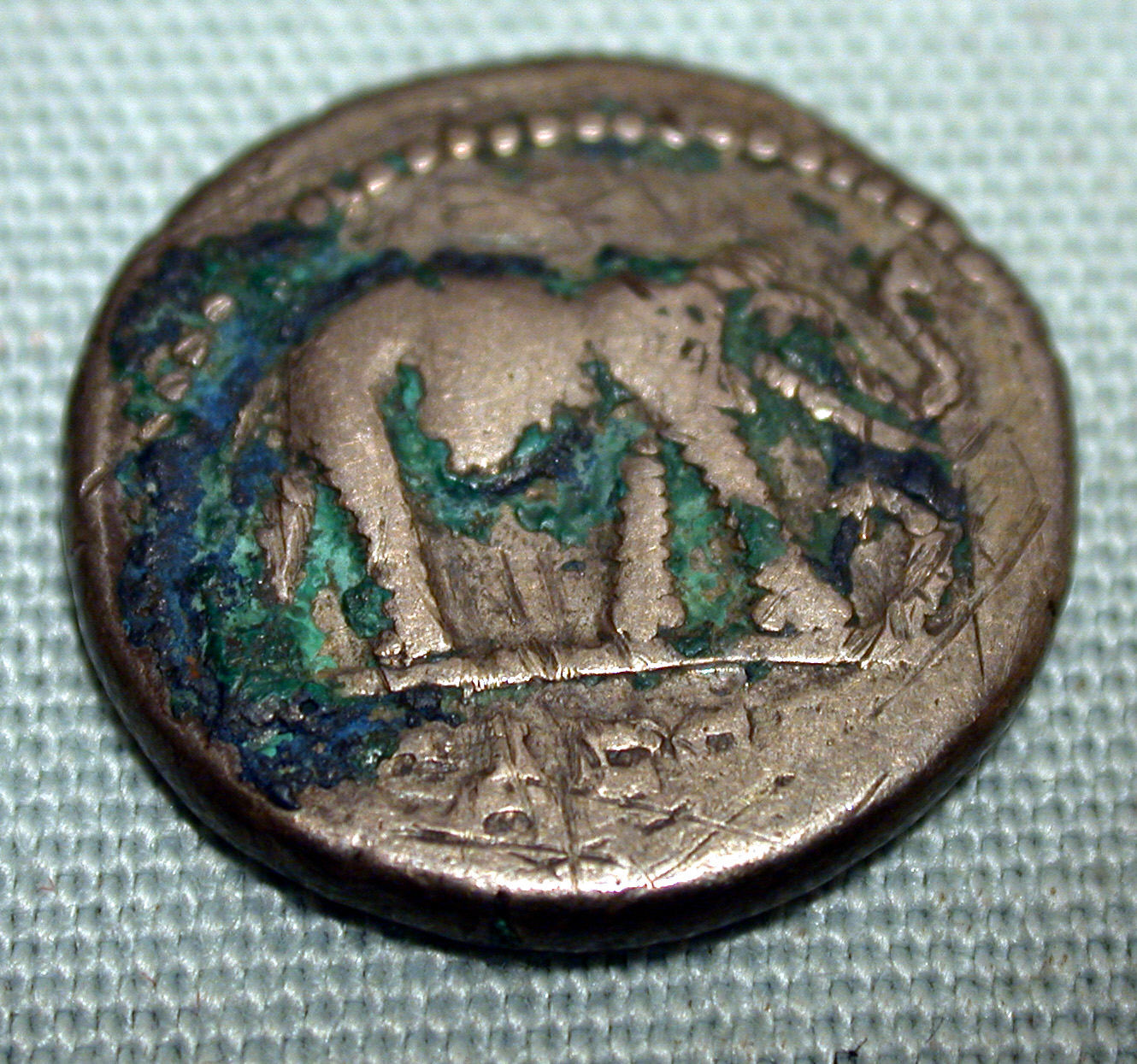
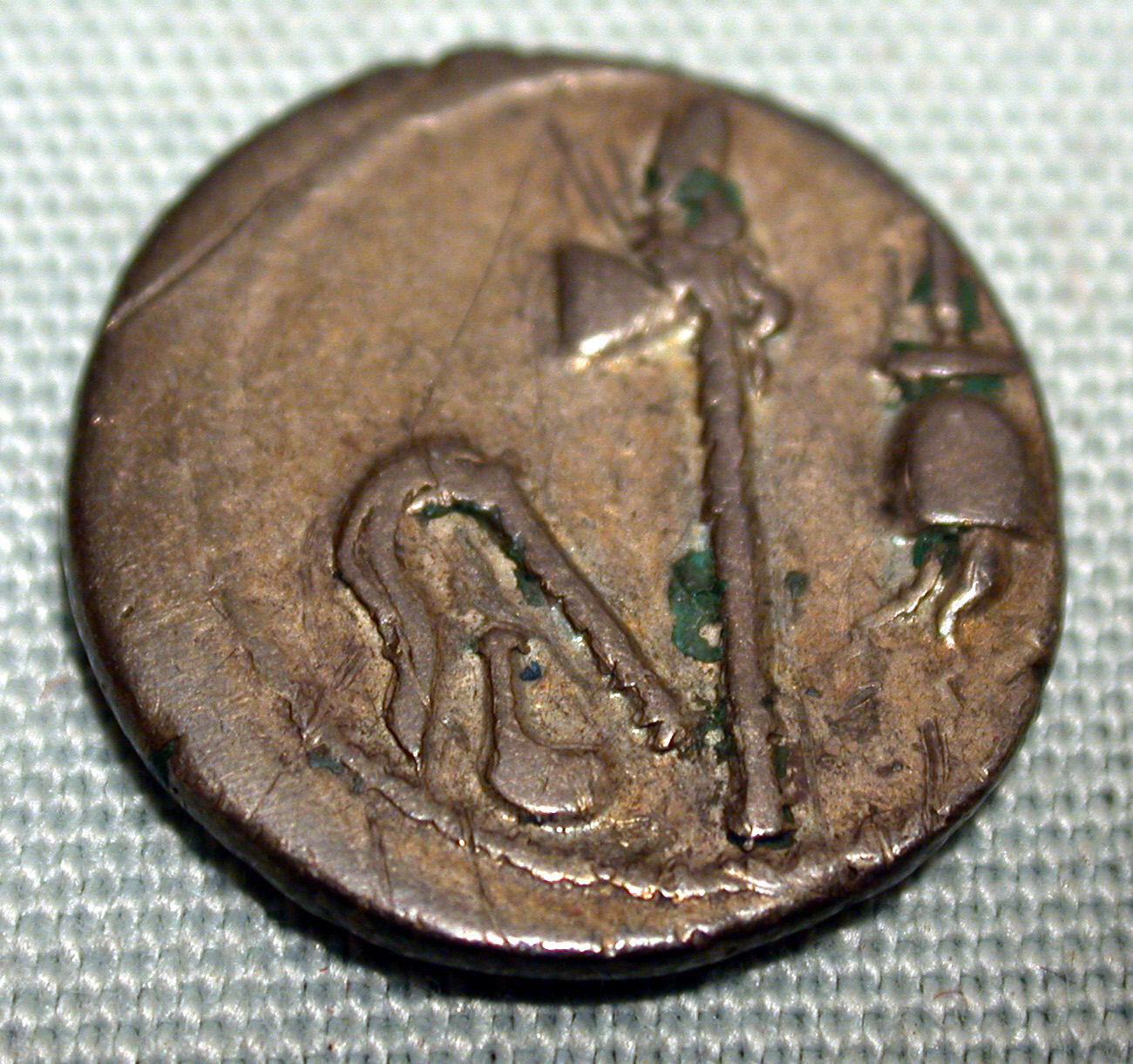
Beginning in 58 BCE, Caesar used that command to fight a succession of campaigns beyond Rome’s existing Gallic province. Victories brought booty and prestige. Years of service also created strong relationships between the commander, his officers and his soldiers. Military success increasingly supported his position at home.
Caesar helped shape how Romans understood these wars through his Commentaries on the Gallic War. The controlled narrative often presents his operations as necessary responses to danger. It is invaluable evidence from the commanding general, but also a persuasive account written by a man with political interests. Its claims, numbers and descriptions of opponents need to be read with that purpose in mind.
The conquest involved devastation, killing and enslavement on a large scale. In 52 BCE, Vercingetorix united important Gallic forces against Rome, and Caesar’s victory at Alesia became a decisive moment. His own account describes the siege and surrender; modern readers should keep the experiences of the conquered in view alongside the commander’s success. Caesar, Gallic War 7, especially chapters 68–90.
Why the partnership broke down
The alliance was renewed at Luca in 56 BCE, and Caesar’s command was extended. Its stability nevertheless depended on relationships that could change. Julia died in 54 BCE. Crassus was killed after the Roman defeat at Carrhae in 53 BCE. These losses removed a family bond and one of the three principal partners, while Pompey and Caesar increasingly pursued incompatible positions.
The approaching end of Caesar’s command sharpened disputes about when he must surrender his army and whether he could stand for another consulship while absent from Rome. His opponents feared the power he had accumulated; he feared political humiliation and prosecution if he returned without the protection of office. Negotiations involved several proposals, and the surviving accounts do not justify treating either side’s public explanation as the whole story. Plutarch, Caesar 21–32.
The Rubicon and the choice of force
In January 49 BCE, Caesar brought troops across the boundary between his province and Italy. Crossing the Rubicon made an armed challenge to his opponents explicit. His Civil War opens by defending his position and blaming the obstruction of adversaries; that partisan framing is itself evidence of how he wished the conflict to be understood.
Caesar’s rise reveals a chain of reinforcing advantages: elections brought office, office brought command, conquest brought resources, and resources strengthened political influence. The final step was a choice to use an army in a Roman political struggle. Success was still uncertain, and civil war would spread far beyond Italy. Caesar, Civil War 1.
Continue the story in The Rise and Fall of Julius Caesar, which examines his dictatorship, reforms, assassination and the struggle over his legacy.
Sources and reading notes
Caesar’s own writings are contemporary but self-interested. Suetonius and Plutarch wrote later, drawing on earlier material while arranging their narratives around character and memorable episodes. Comparing their accounts helps separate the sequence of events from the explanations each author wanted readers to accept.
- Suetonius, Life of Julius Caesar, especially 1–13 and 18–34; J. C. Rolfe’s public-domain translation.
- Plutarch, Life of Caesar, especially 5–13 and 21–32; Bernadotte Perrin’s public-domain translation.
- Caesar, Gallic War 7 and Civil War 1, public-domain translations hosted by MIT’s Internet Classics Archive.