
Housesteads Roman Fort: How to Read a Frontier in Stone
Look beyond the famous Wall to the granaries, drains, gateways and changing households that kept a Roman frontier working.
The temptation at Housesteads is to look outward: follow the Wall across the ridges, take the photograph, and move on. Give the low foundations inside the fort equal attention. A row of stone supports, an altered doorway or a water channel can tell a different story from the skyline. The question becomes less “How did Rome defend this view?” and more “How did people keep this place functioning?”

A frontier, rather than today’s national border
Housesteads belongs to the Hadrian’s Wall component of UNESCO’s Frontiers of the Roman Empire World Heritage property. Think of that frontier as a zone of military infrastructure and managed movement. Roads, forts and smaller installations mattered alongside the barrier itself. The system expressed imperial power while supporting encounters between soldiers, traders and other civilians. A wall can channel movement as well as obstruct it.
Do not read the landscape as an ancient version of the England–Scotland boundary. Those kingdoms and their border belong to later history. English Heritage’s account of the border reivers explains how a different frontier emerged between the medieval kingdoms. It also records a fortified farmhouse built into Housesteads’ south gate. Even after Rome, these ruins remained usable structures, rather than a monument permanently sealed in antiquity.
There was no single, unchanging Housesteads
Construction of Hadrian’s Wall began in AD 122; Housesteads followed within a decade. A Wall turret was absorbed into the fort, evidence that the scheme developed during construction. The intended garrison was an auxiliary infantry regiment with a nominal strength of about 800. That is a planning figure, not a count of everyone actually present on any particular day. The First Cohort of Tungrians is recorded here from the later second century, its name recalling a recruiting district around modern Tongeren in Belgium.
Later alterations are equally important. Barracks were substantially reorganised in the later third century, and the settlement outside the fort contracted. Some civilians may have moved inside, but that remains an interpretation. English Heritage’s historical account presents a changing community, not one standard Roman plan occupied without interruption or adaptation. When two walls seem awkwardly related, ask whether they belonged to different phases before assuming the builders made a mistake.

Four things to look for inside the fort
1. Buildings that organised people
The central buildings include the principia, or headquarters, and the commander’s house. Barracks occupied other parts of the grid. A large courtyard building is identified as probably a hospital; that qualification matters. By the fourth century, that building and much of the granary accommodation had been adapted for living space. Use English Heritage’s site description alongside the on-site interpretation to separate original function from later reuse.
Rather than trying to memorise every Latin name, compare scale and access. Which spaces gather people together? Which divide them into smaller groups? Which routes funnel movement through a doorway? Those questions make an incomplete ground plan more intelligible without requiring an imagined reconstruction of every missing roof.
2. The machinery of food storage
The granaries preserve stone pillars that supported raised floors. English Heritage highlights them among the fort’s particularly informative surviving features. Look at the supports before looking for a dramatic view. Stored supplies connect the architecture of the fort with the continuing effort of provisioning it. Defence depended on repeated ordinary tasks: getting goods to the right place, keeping them usable, and distributing them.
3. Water and sanitation
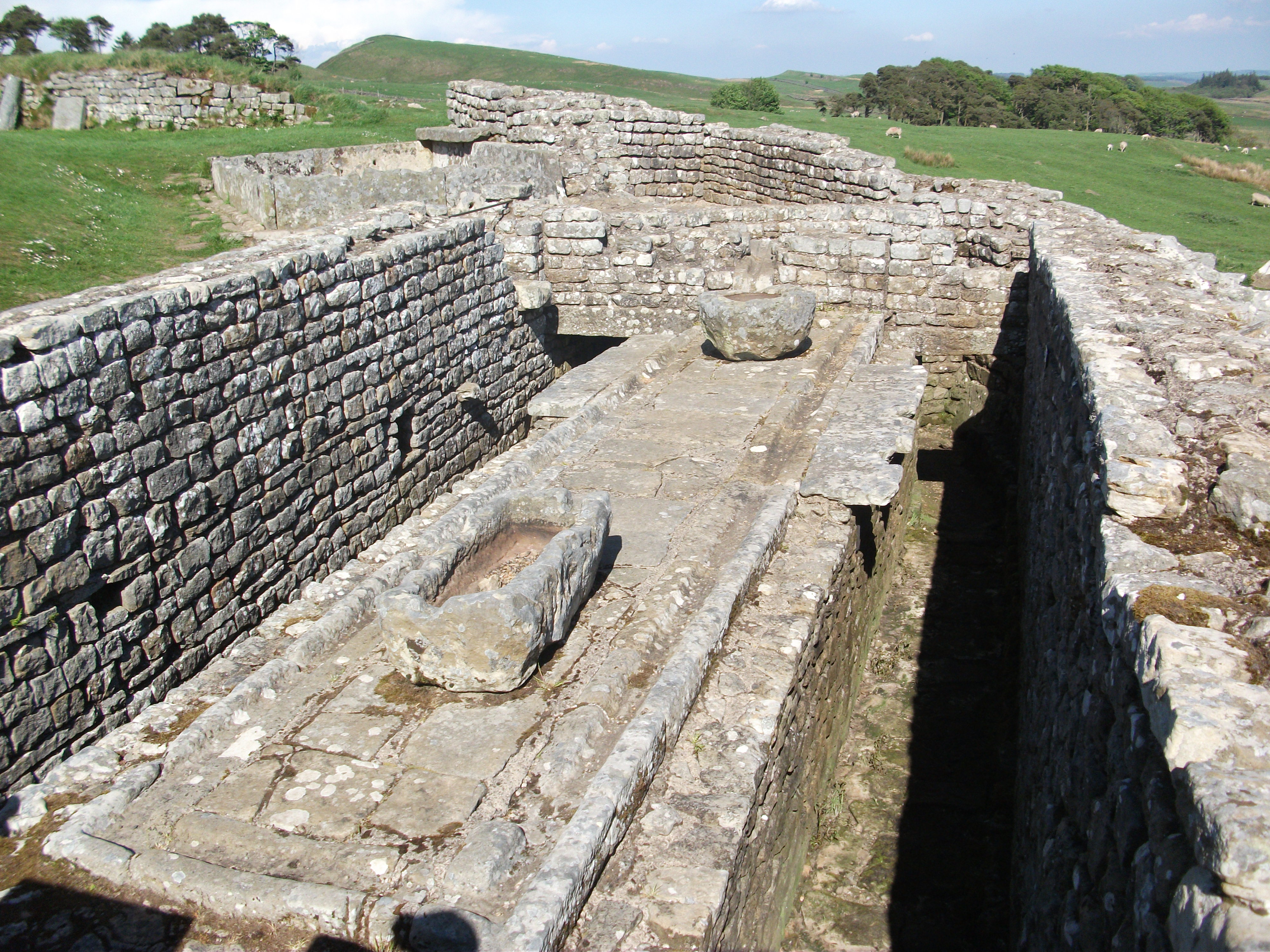
The latrines, cisterns and water channels make another working system unusually visible. Their preservation is part of Housesteads’ archaeological importance. Resist treating the communal latrines simply as a picturesque curiosity. Follow the relationship between water, buildings and slope. A fort needed arrangements for daily bodily necessities as surely as it needed gates; the surviving infrastructure gives those necessities a physical presence.
4. The edges of the military enclosure
Outside the fort, remains of the civilian settlement, or vicus, survive beside the road from the south gate and elsewhere around the enclosure. The official description of the site also identifies temples and traces of fields in the surrounding landscape. Turn around at the gate and look back. The boundary between military buildings and civilian activity was meaningful, but the fort was not socially self-contained.

Make time for the smaller evidence
The museum offers a useful change of scale. Its displays include altars, dedication stones, jewellery, tools and weapons, according to the official facilities guide. Give an object the same attention as a building. What can its material or inscription establish? What would require further evidence? Objects can bring people into the story, but they do not automatically supply a complete biography.
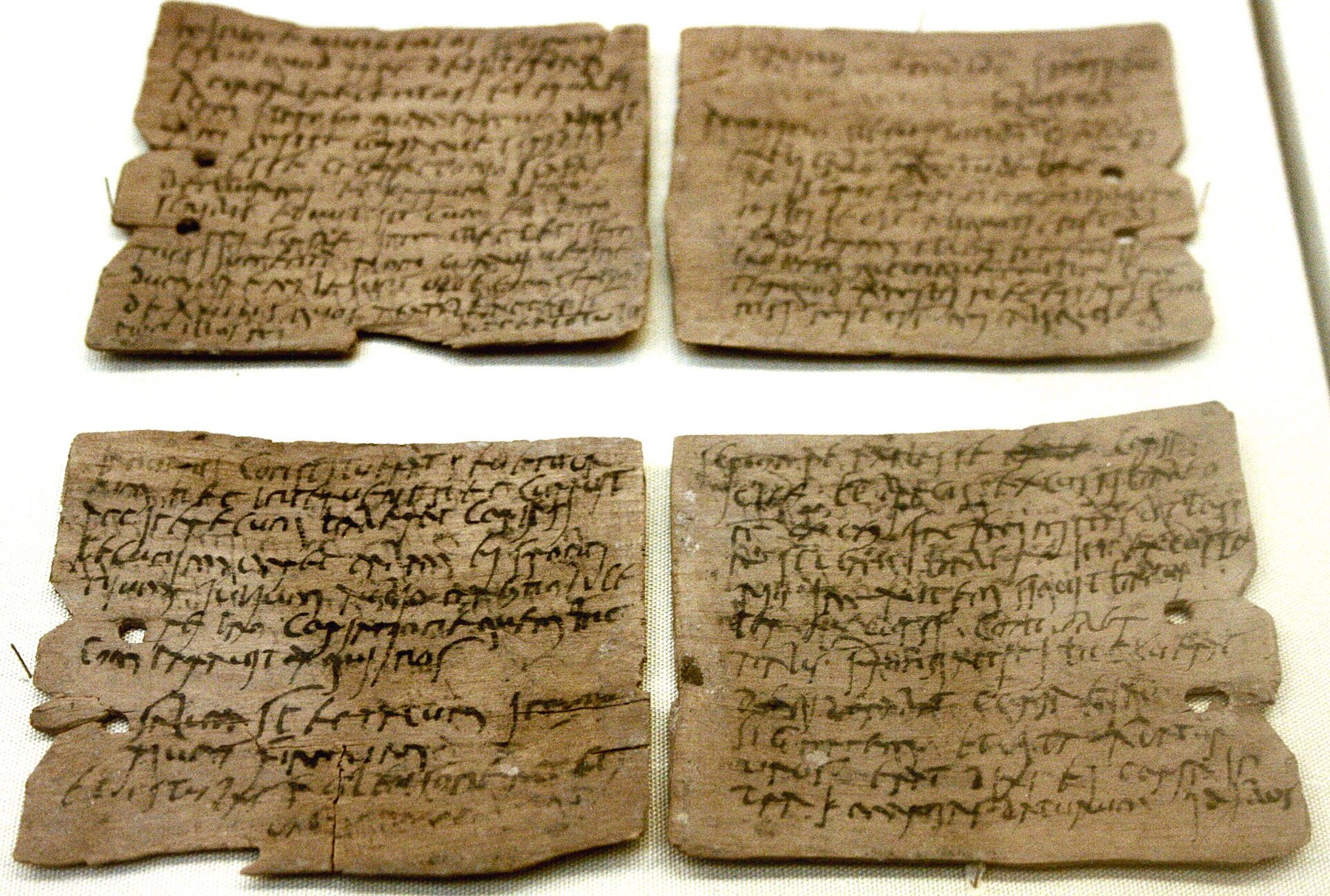
This is a different kind of encounter from reading a preserved letter. Here, the most productive habit is to connect traces across scales: an object, a room, a working system, the wider landscape. Leave some questions open. A clearly marked uncertainty is more useful than a vivid story attached to the wrong stones.
Plan for the approach, not just the fort
Allow for a real uphill walk. English Heritage describes the standard approach from the lower visitor centre and car park as approximately 750 metres, with a steep gradient and rough gravel. The fort itself has uneven grass and slopes. The museum and shop are step-free, but that does not make the whole visit step-free. Limited accessible parking is available near the museum via a farm track; check the current access instructions and ask at the lower visitor centre on arrival. Spaces cannot be assumed available.
Check transport in both directions. The official directions page lists the AD122 bus connection between Hexham and Haltwhistle, stopping at Housesteads. Confirm the timetable for your travel date and the final return service before setting out. Drivers should budget separately for parking, operated by Northumberland National Park, and read the payment instructions at the car park.
Settle the practical details before climbing. National Trust toilets include accessible facilities and baby changing; their opening times can vary. Snacks and drinks are available at the English Heritage shop. Dogs are welcome on a short lead. The facilities page warns of steep drops behind the fort. Keep children close near exposed edges and wear footwear suited to uneven, potentially wet ground.
A rewarding visit without rushing
As a planning suggestion, allow two to three hours for the approach, museum and a thoughtful circuit of the fort, longer if you add a Wall walk. This is an editorial allowance, not an official minimum. Start with the site interpretation, choose the four themes above, and finish by revisiting one building whose purpose now makes more sense.
Check the weather and daylight, carry a waterproof layer and water, and keep any additional walk proportionate to the conditions and your group’s ability. Consult English Heritage’s current opening and admission information for your date; seasonal hours and ticket arrangements should not be inferred from an old travel article.
Housesteads rewards visitors who slow down enough to see relationships. Its strongest impression need not be an empire looking north across an empty horizon. It can be a community repeatedly adjusting buildings, supplies and routines to keep a demanding place inhabited.
Sources and further reading
- UNESCO: Frontiers of the Roman Empire
- English Heritage: Border Reivers and Hadrian’s Wall
- English Heritage: History of Housesteads Roman Fort
- English Heritage: Description of Housesteads Roman Fort
- English Heritage: Significance of Housesteads Roman Fort
- English Heritage: Facilities
- English Heritage: Access
- English Heritage: Directions
- English Heritage: Prices and Opening Times